10 Overrated Movies Everyone Praised
10. Titanic (1997)
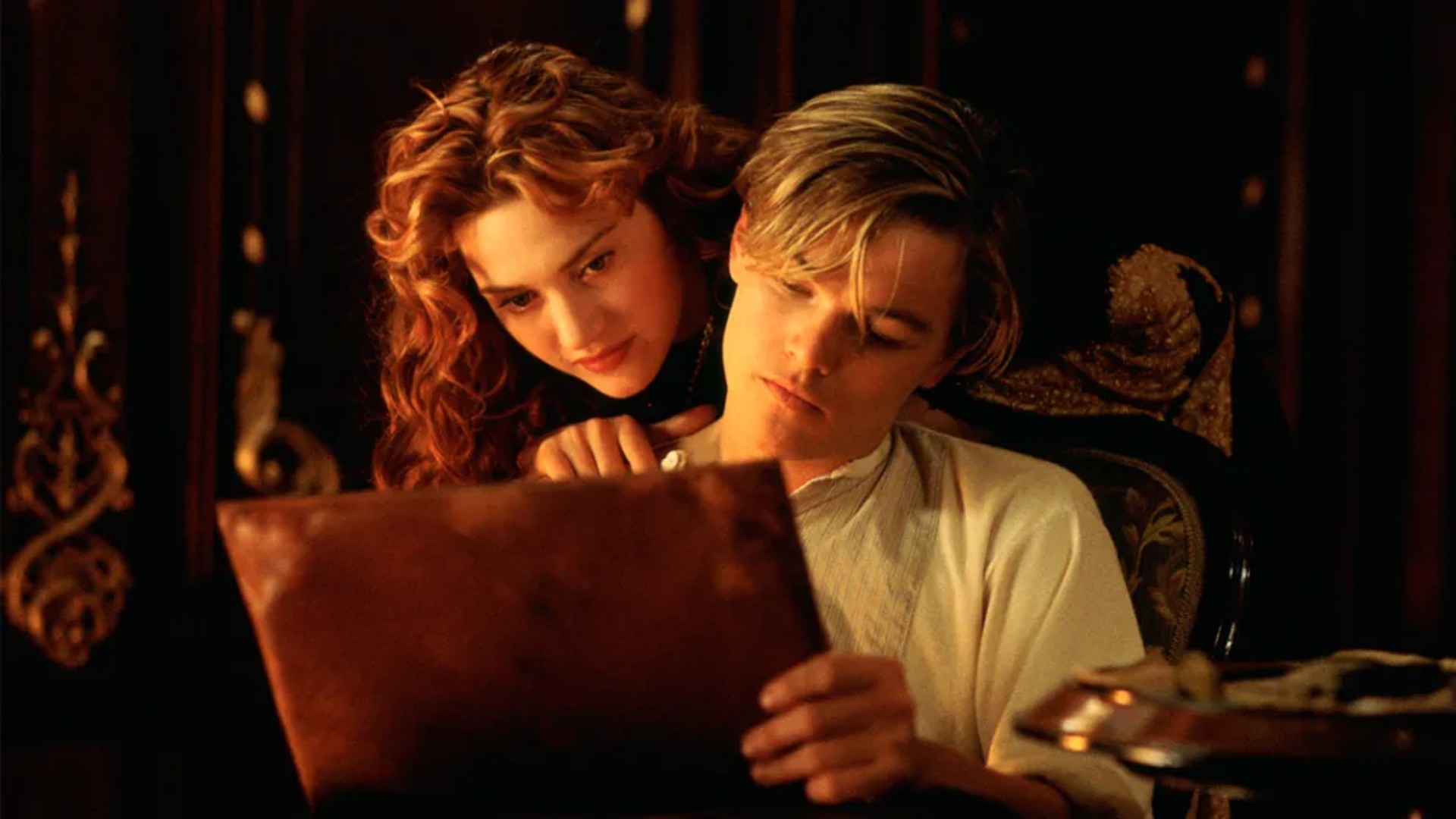
James Cameron’s Titanic is undoubtedly technically proficient in terms of recreation of the ill-fated ship and the disaster itself. But mostly, critics have found that the romance that takes center stage involves too many clichés and thus makes the plot somewhat predictable. The love story of Jack and Rose takes center stage and often eclipses the real-life historical disaster that takes place around these lovers. There are times when the dialogue tips into melodrama.
9. Life of Pi (2012)
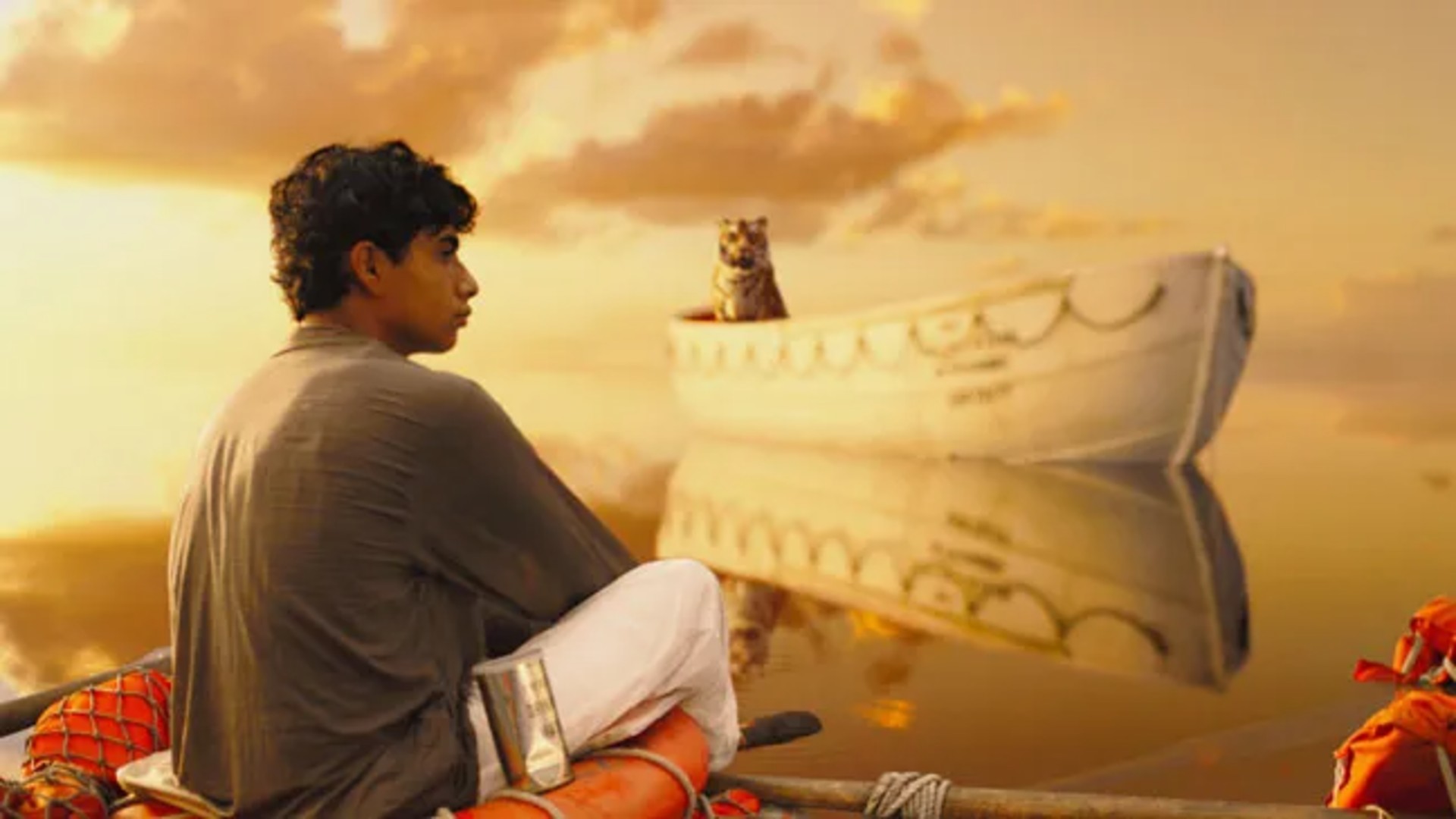
It is a visually stunning movie, with revolutionary special effects that translate Pi’s experiences vividly. However, it was felt that the philosophical and religious concepts on which it is based have been tonally downshifted. Pi’s mental landscapes, which have been so intricately detailed in the book, have been a bit neglected outside his material struggles for survival. There also exist moments where it is prioritizing visual appeal over emotional storytelling.
8. Green Book (2018)
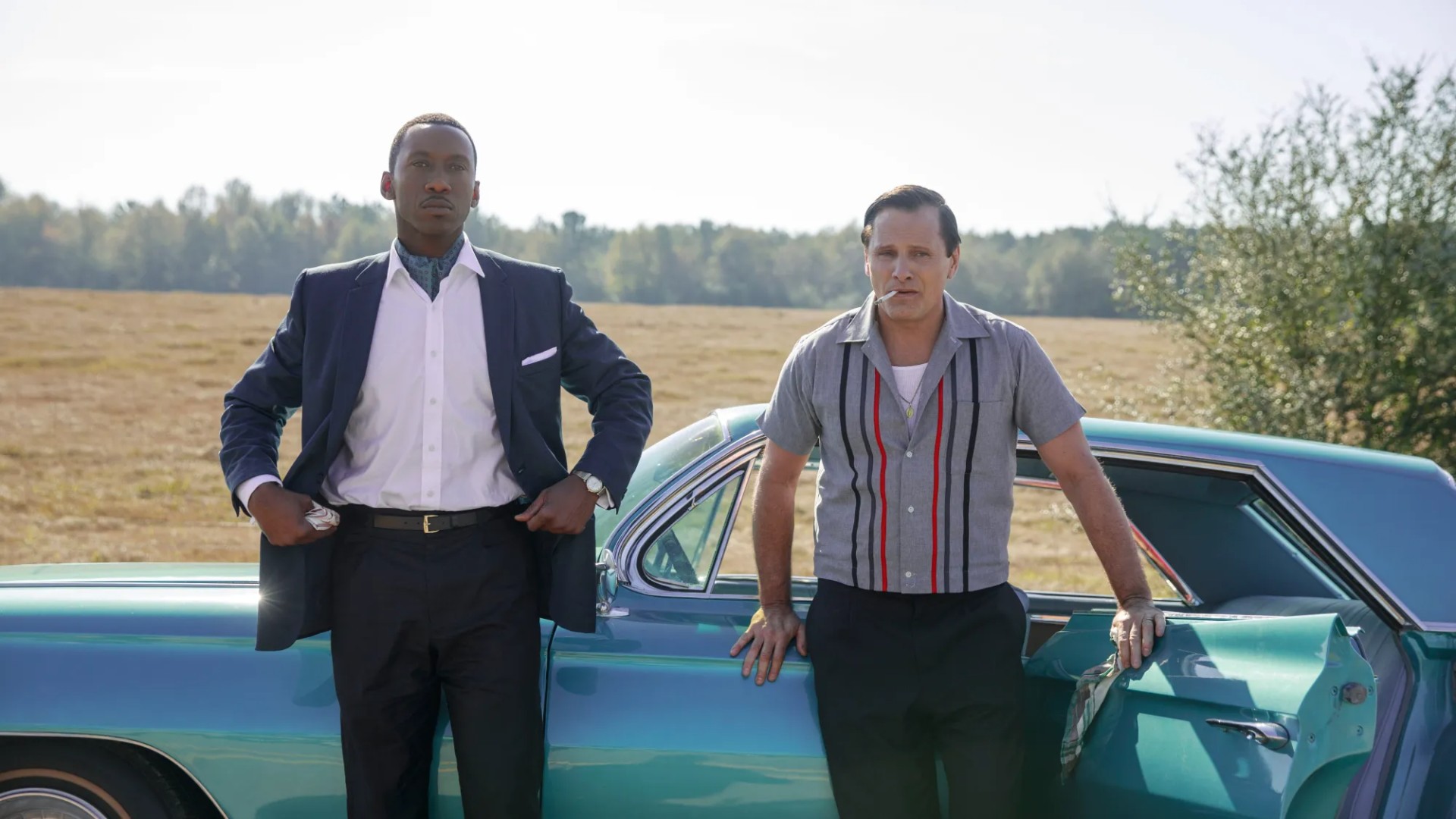
Green Book was also criticized for simplifying systemic racism into something more comforting and “feel-good.” “Feel-good” historical events and experiences tended to be toned down or changed in a more pleasing format for the masses. The “white savior” theme was also cited in critiques of the movie. The acting in the movie receivedhigh praise, but the depictions crossed over into stereotypes.
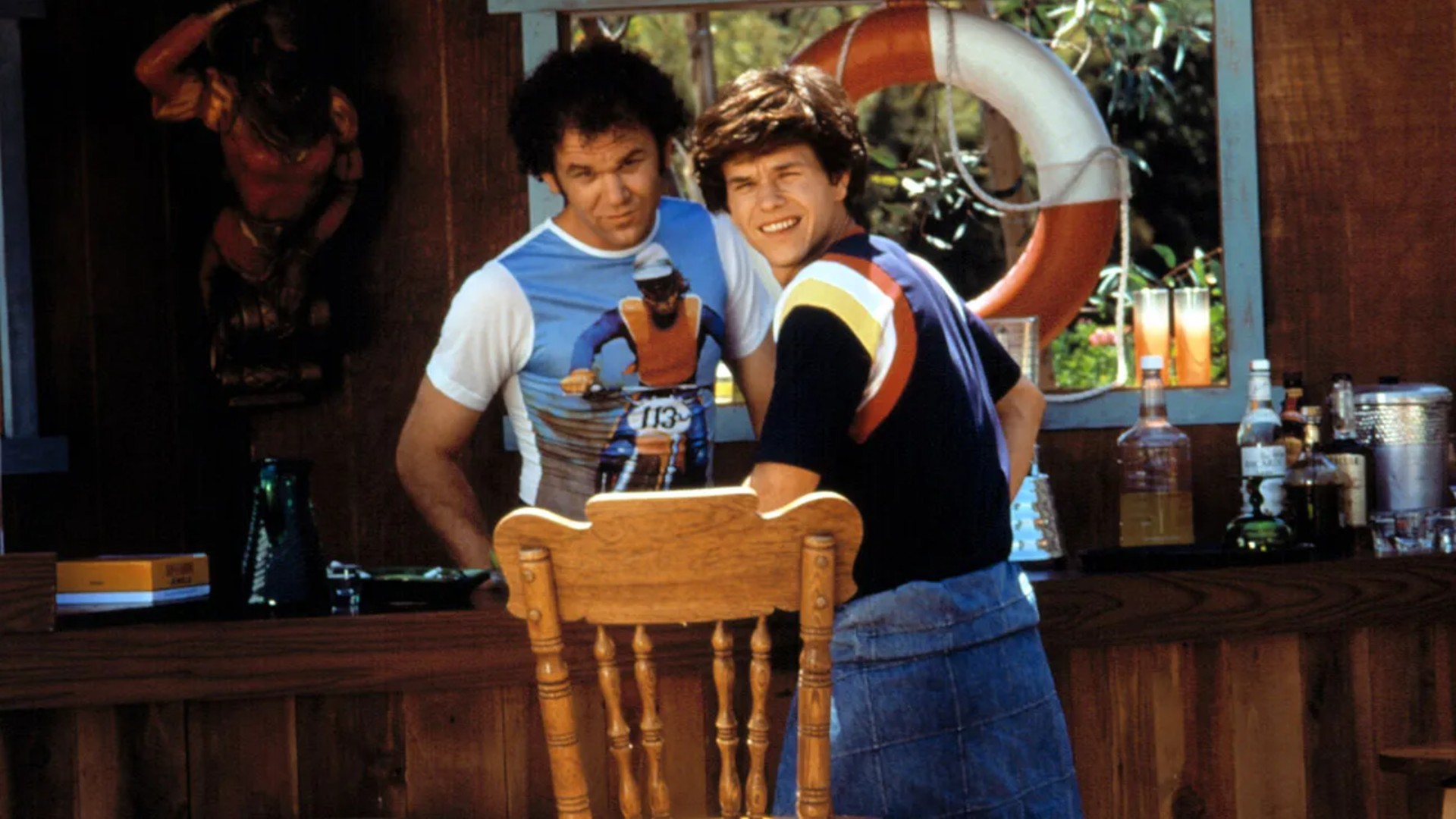
7. Boogie Nights (1997)
Boogie Nights, by Paul Thomas Anderson, is vibrant and boldly stylized, led by an excellent cast of ensemble actors. There are, however, moments in which the pacing of its storytelling becomes problematic, as some plot strands are hurried along while others meander. Developments in its characters occur in such a way that their emotional resonance becomes jeopardized. Adult entertainment as an industry can end up being purely sensationalist in nature.
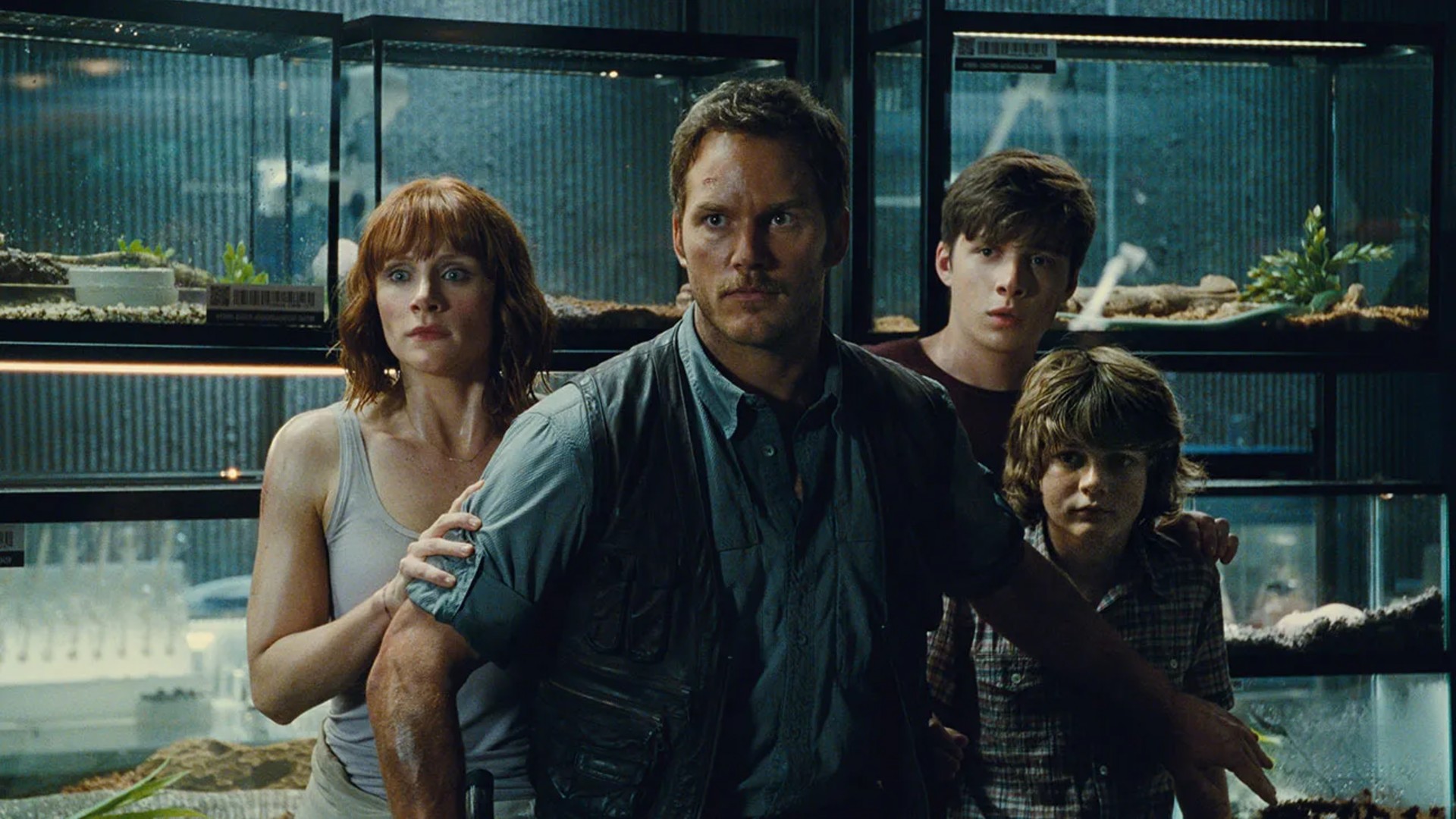
6. Jurassic World (2015)
It relies rather heavily on the nostalgia, echoing familiar moments from the original Jurassic Park. Although the action scenes are well-executed, the story takes a predictable, formulaic course. Character motives are rather thin and, at times, inconsistent. There is a tendency for humor to rob tense or thrilling moments of their impact. The review consensus was that the film sacrificed story for spectacle.
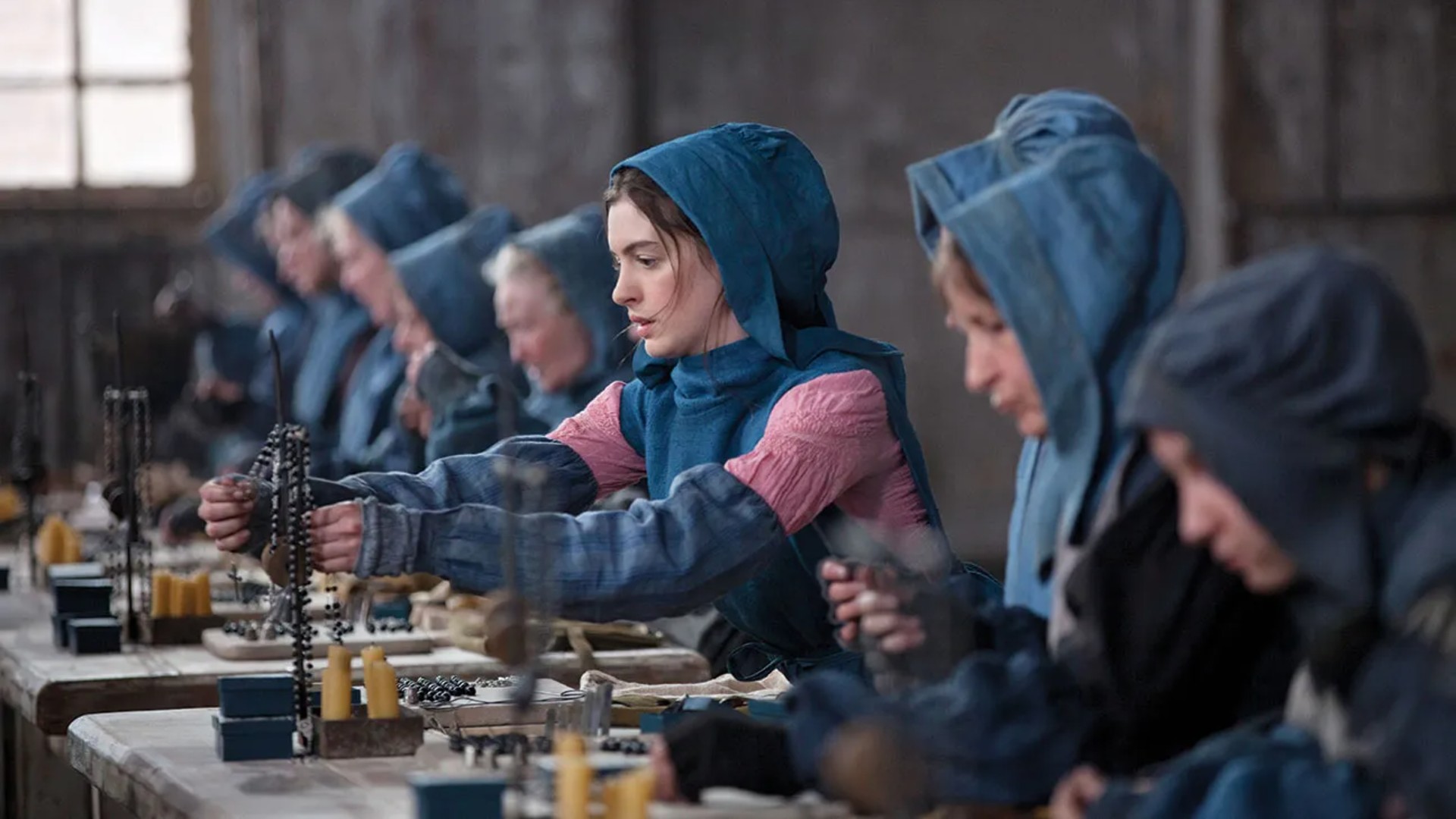
5. Les Misérables (2012)
The choice to capture the singing live added to the film’s authenticity but led to the performances being quite uneven. Some of the actors could not sing well, which caused the audience to be distracted from the immersion process. The pace of the film becomes slowed down as the singing and dancing scenes prolong without any progress in the narrative. Character development is shallow despite the extensive cast. It was believed that the film did not capture the essence of the novel in terms of the emotions and philosophies that Victor Hugo conveyed.
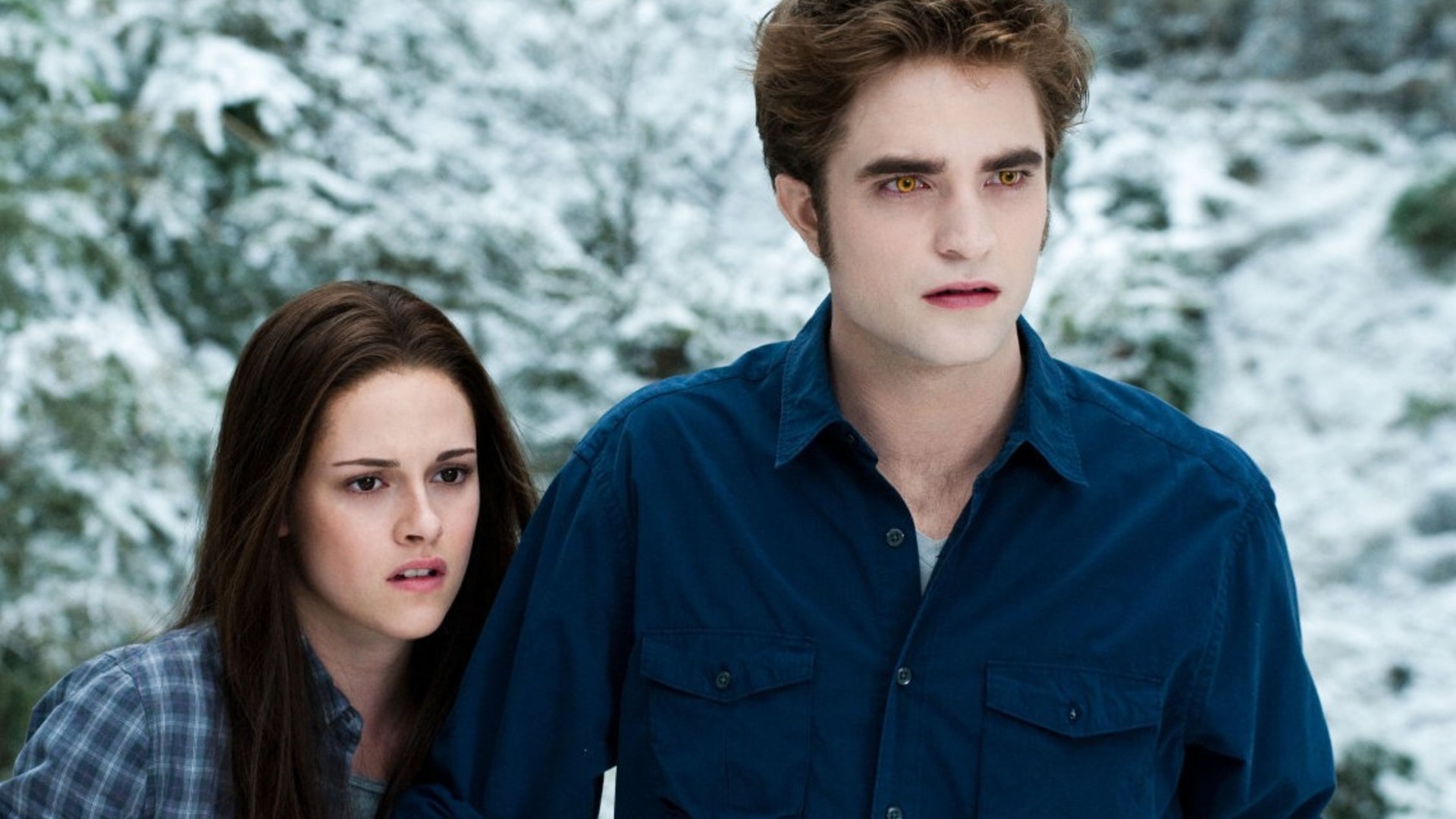
4. Twilight Saga (2008–2012)
The Twilight movies owed their popularity to their fans rather than their cinematic elements. Acting was chided for stiffness and delivery problems. Storylines featured copious levels of drama to the neglect of logic. Passion took precedence over development. Throughout The Twilight Series, characters offered little development.
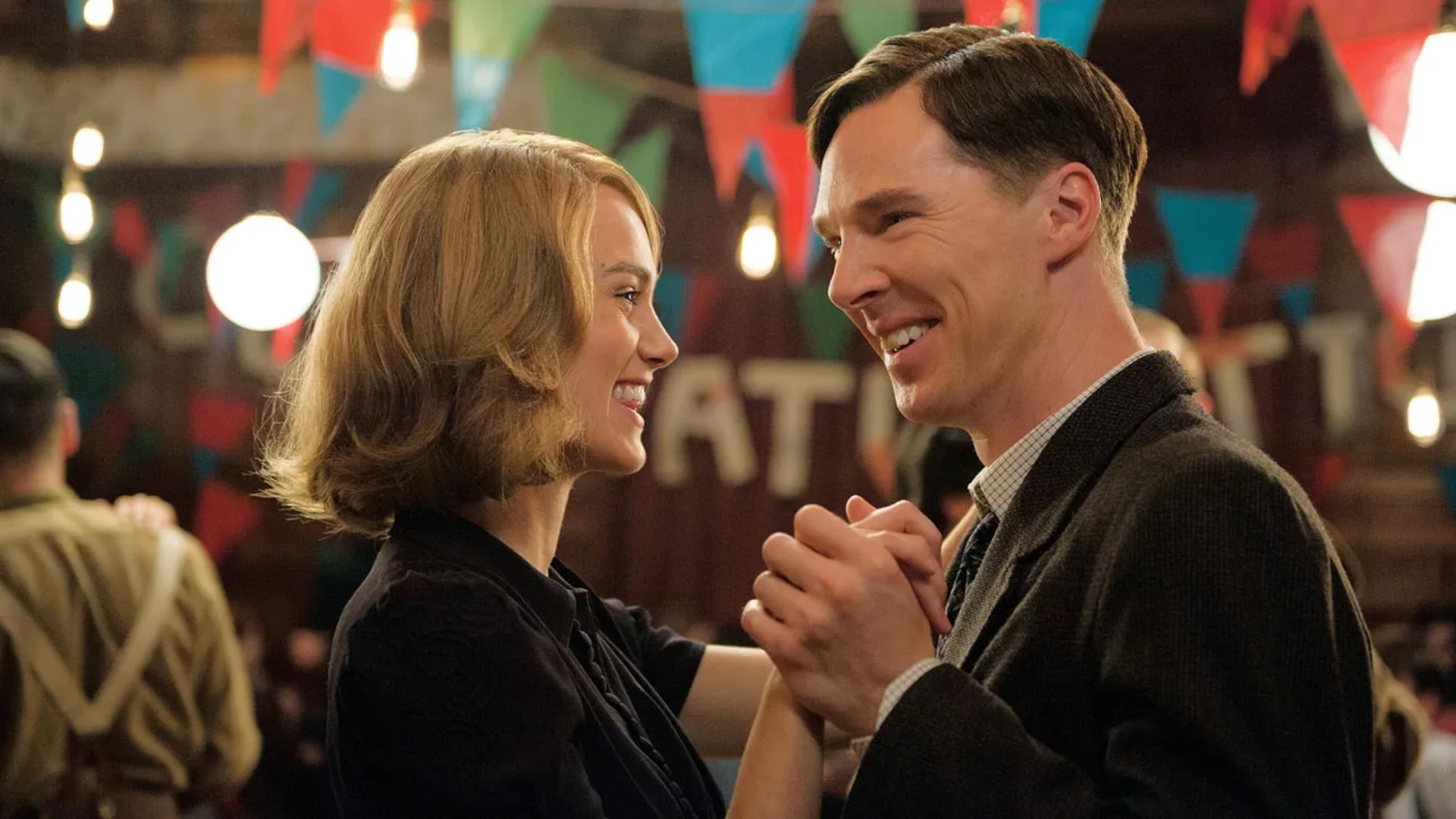
3. The Imitation Game (2014)
Though emotionally engrossing, the movie takes a number of liberties with history. The character of Alan Turing, along with his personal relationships, is handled in a way that conforms to the template of a traditional Hollywood movie. The collaborative process at Bletchley Park is muted. Some relationships, and some conflict, appear to be overstated or even fabricated. The movie has been criticized for taking the inspirational route at the expense of history.
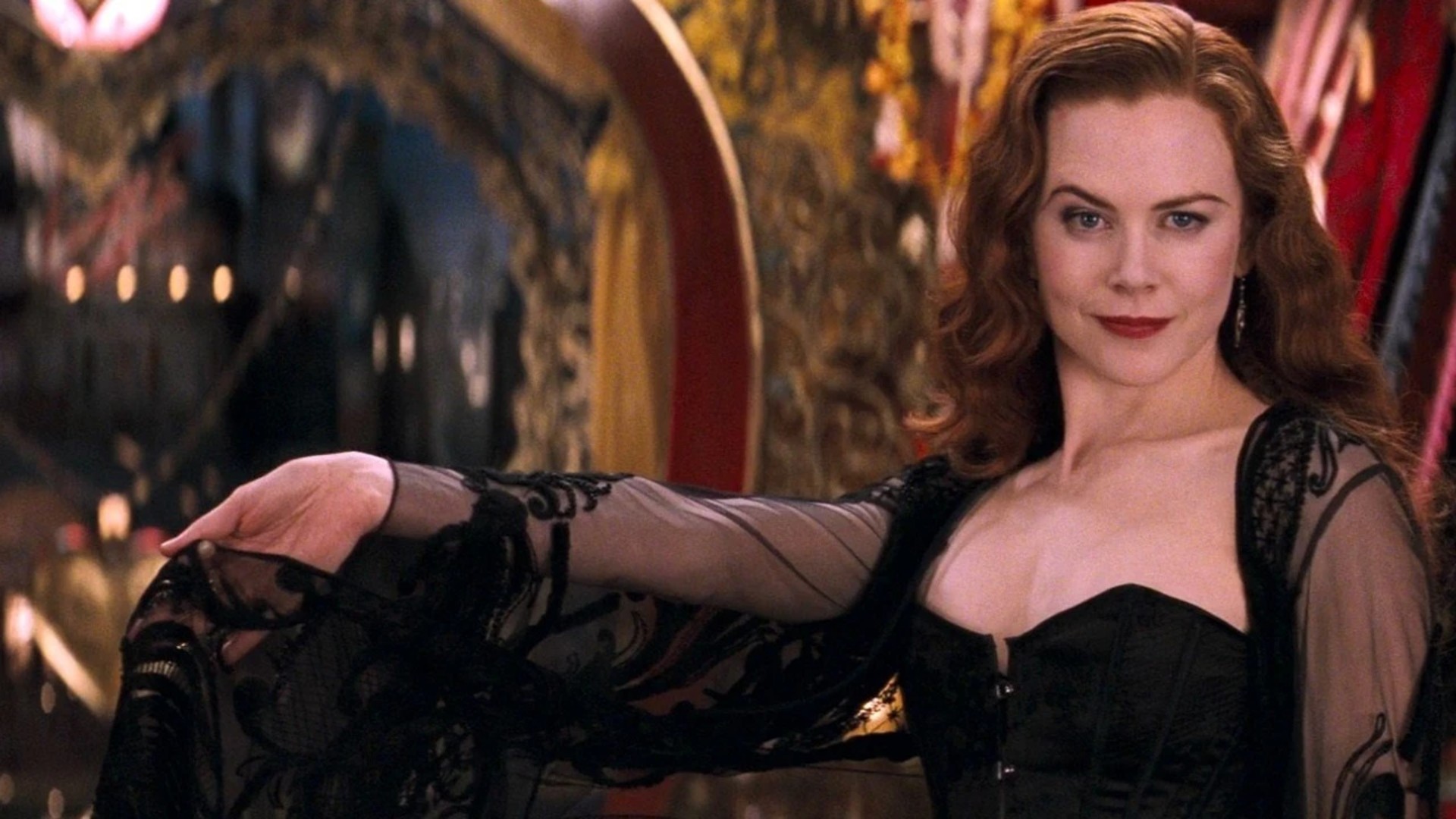
2. Moulin Rouge! (2001)
Baz Luhrmann’s movie is very visually explosive, yet its storyline is often buried under the style. Fast cutting and bold style can be very tiring instead of absorbing. The romance follows traditional romantic tropes. “Modern pop songs sometimes don’t fit into the narrative’s emotional flow.” Several reviewers felt that the characters had no depth.
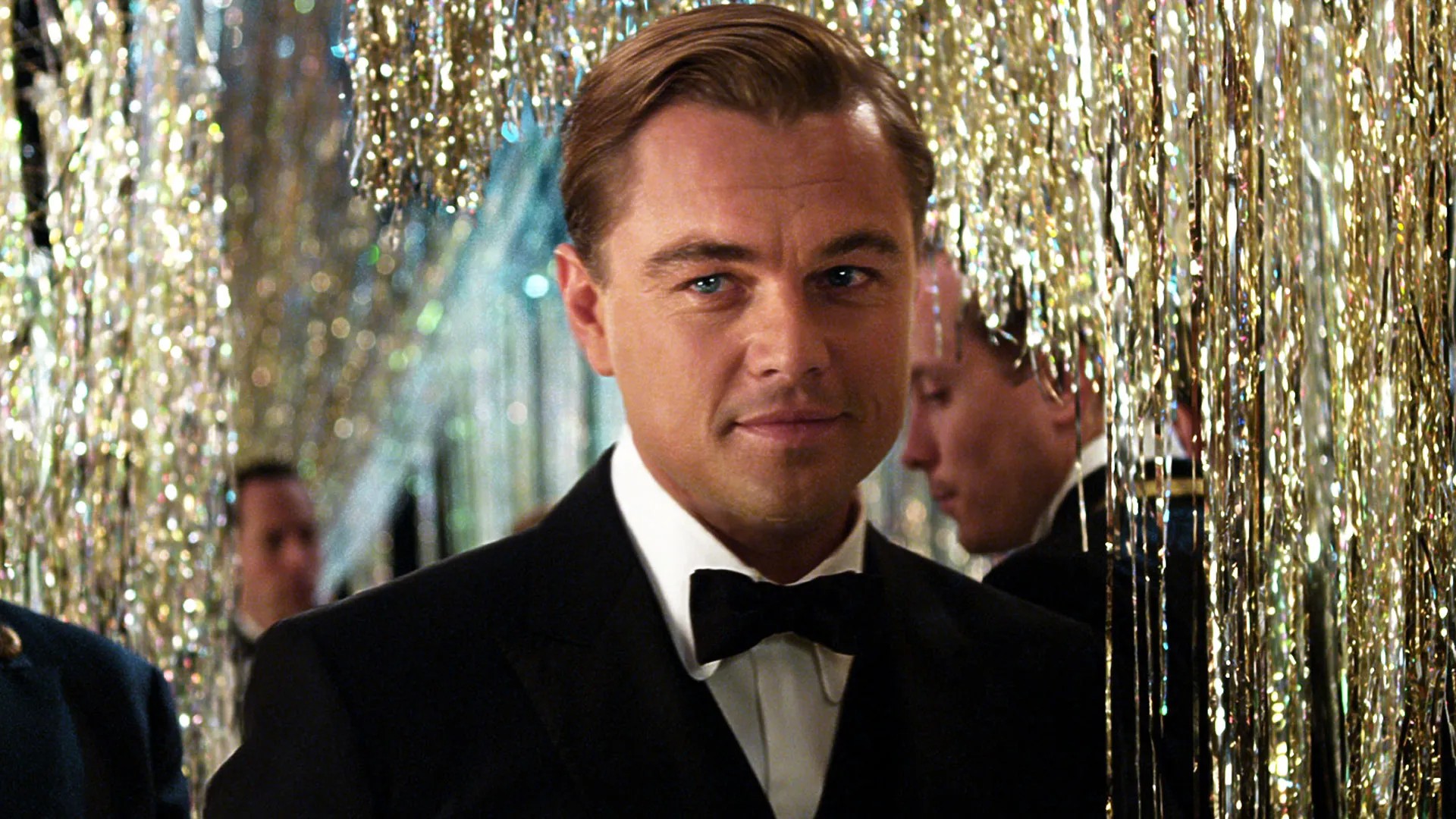
1. The Great Gatsby (2013)
This form of adaptation favors extravagance over introspection. The film features lavish cinematic elements and music with a contemporary theme that clashes with the period portrayed in the story. The subtlety of Fitzgerald's commentary about wealth and morality is overwhelmed by the extravagant tone of this film. The film's tone clouds the quiet tragedies and commentary portrayed in the original novel.