10 On-Screen Villains You Can’t Hate
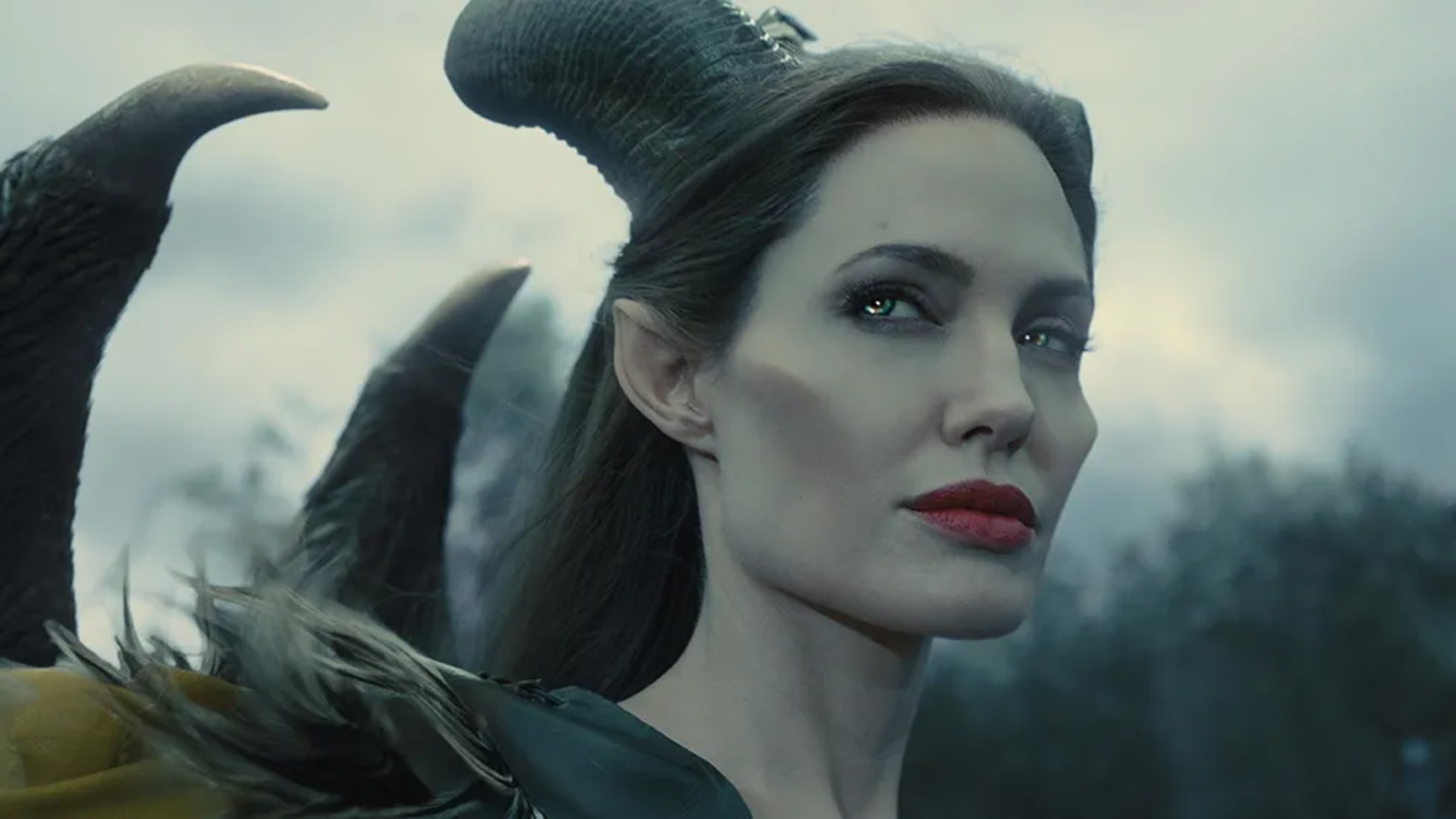
10. Maleficent
We meet Maleficent again through betrayal rather than pure evil. You see her pain transform into anger and isolation. Her sharp humor softens the darkness without erasing it. We watch her slowly reconnect with compassion through Aurora. She becomes a reminder that even legends of evil begin with heartbreak.
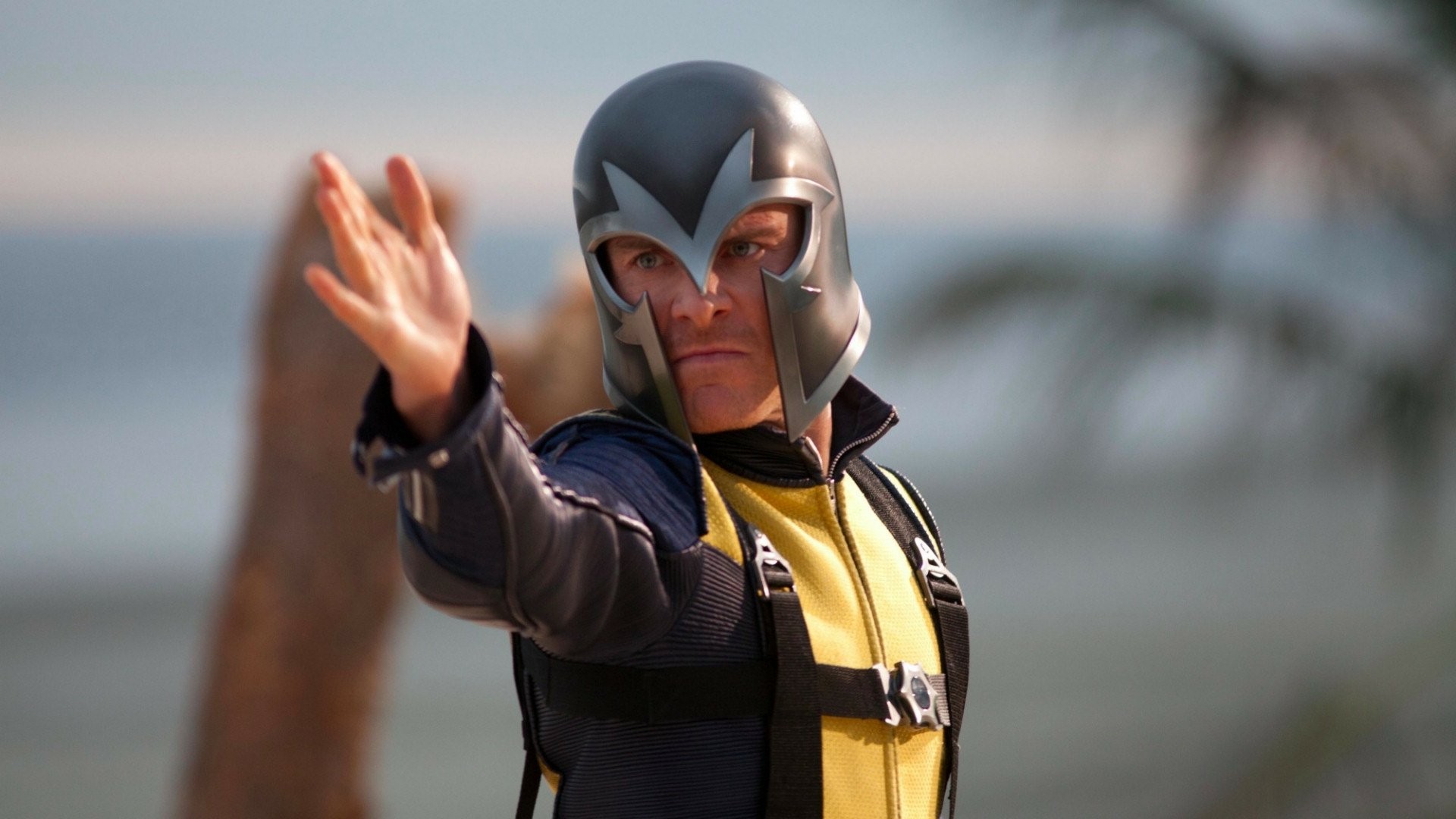
9. Magneto
We see Magneto as a survivor before we see him as a threat. You understand how his past shapes his fear of history repeating itself. His arguments force us to question who is really protecting whom. We recognize the logic beneath his extremism. He stands as a villain born from trauma, not malice.
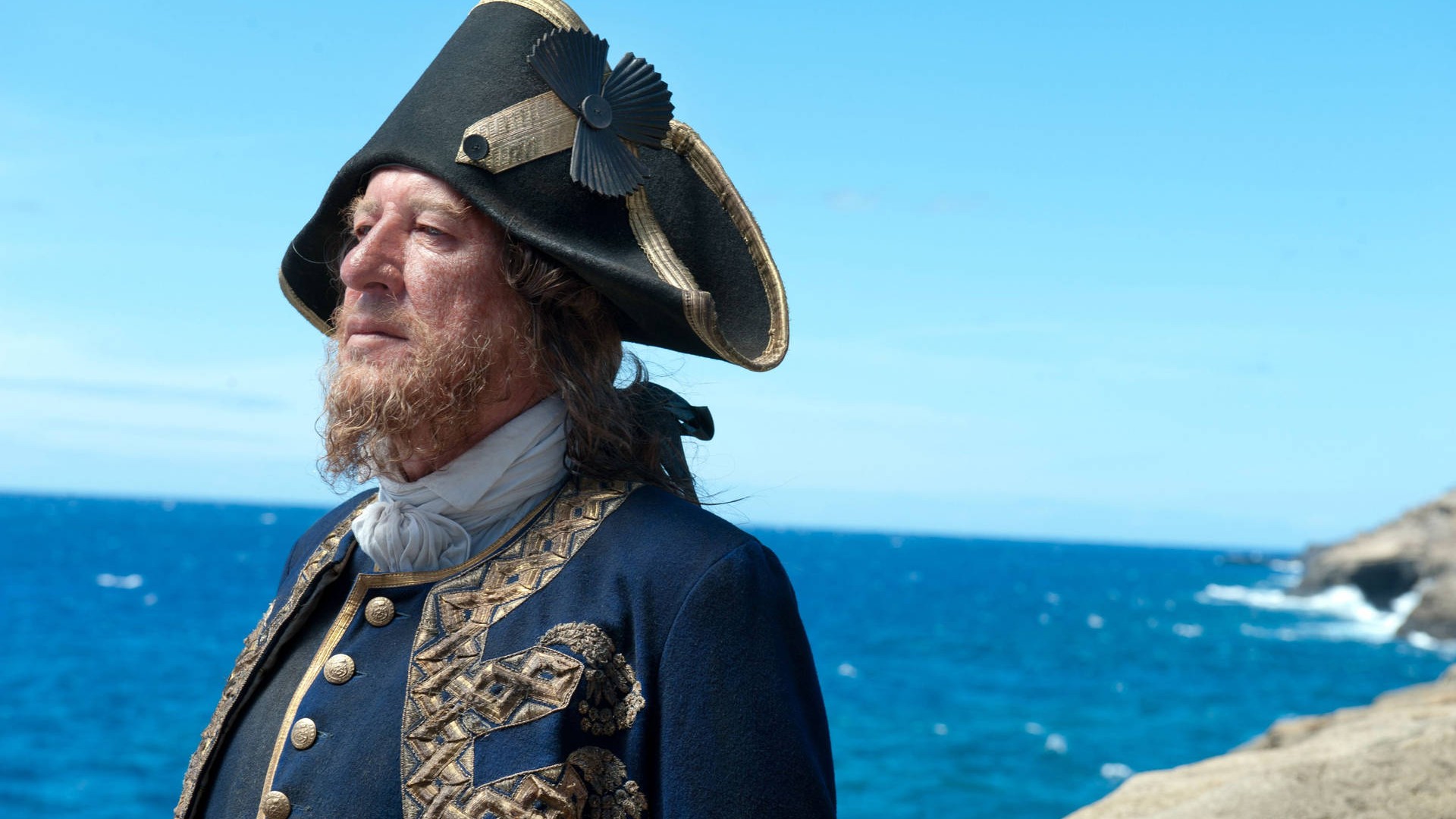
8. Hector Barbossa
We watch Barbossa betray allies and chase cursed gold, yet you can’t help enjoying him. Geoffrey Rush brings humor and swagger to every moment. His selfishness feels theatrical rather than cruel. We appreciate how he thrives in chaos. He turns villainy into entertainment without losing his edge.
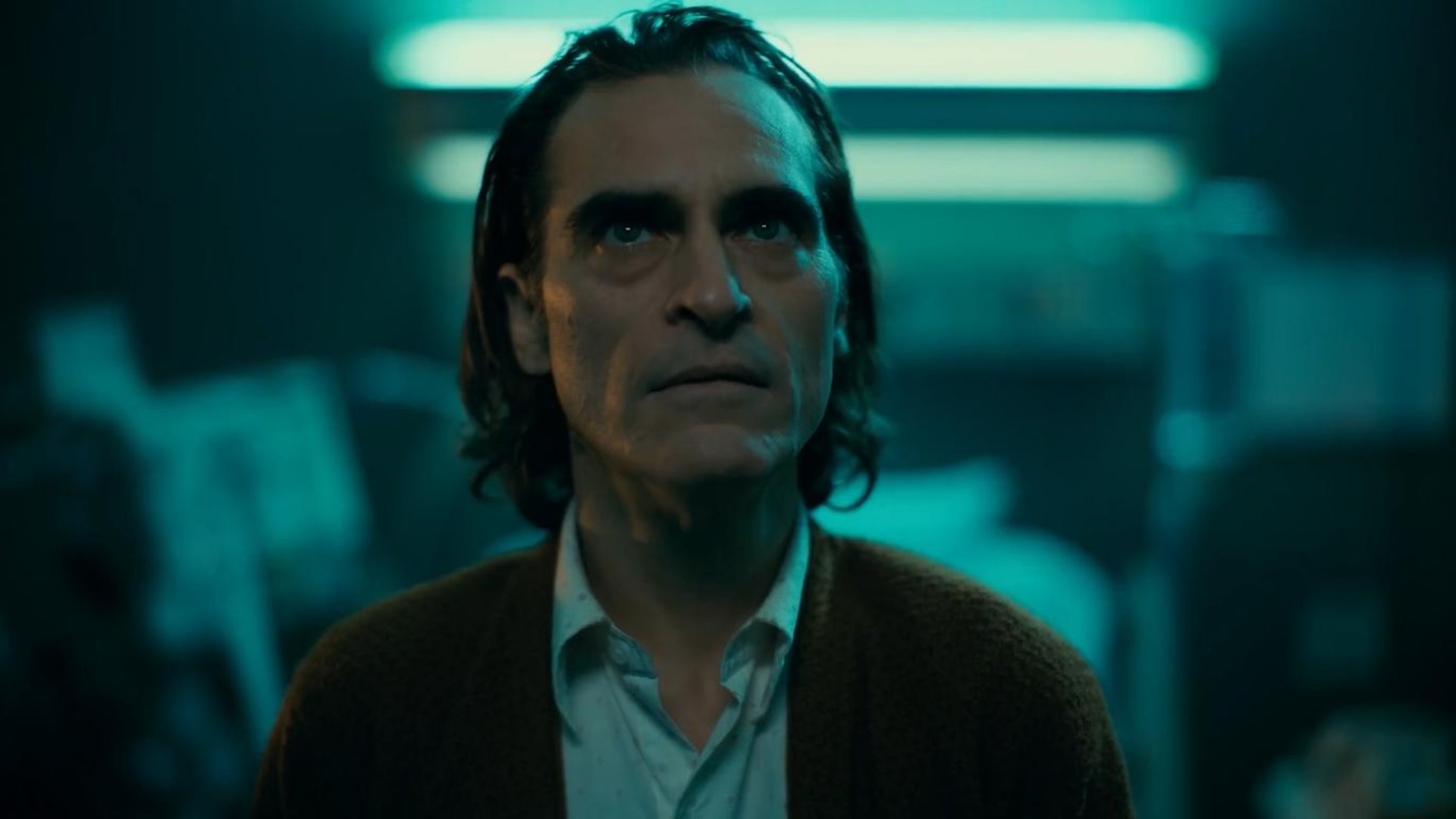
7. The Joker
We experience two very different Jokers, yet both leave a lasting impact. Heath Ledger’s version pulls us into chaos without explanation, making him terrifying and fascinating. Joaquin Phoenix’s Joker forces us to sit with pain, neglect, and mental illness. We may not excuse the violence, but we understand the descent. Both versions reflect society’s darker fractures back at us.
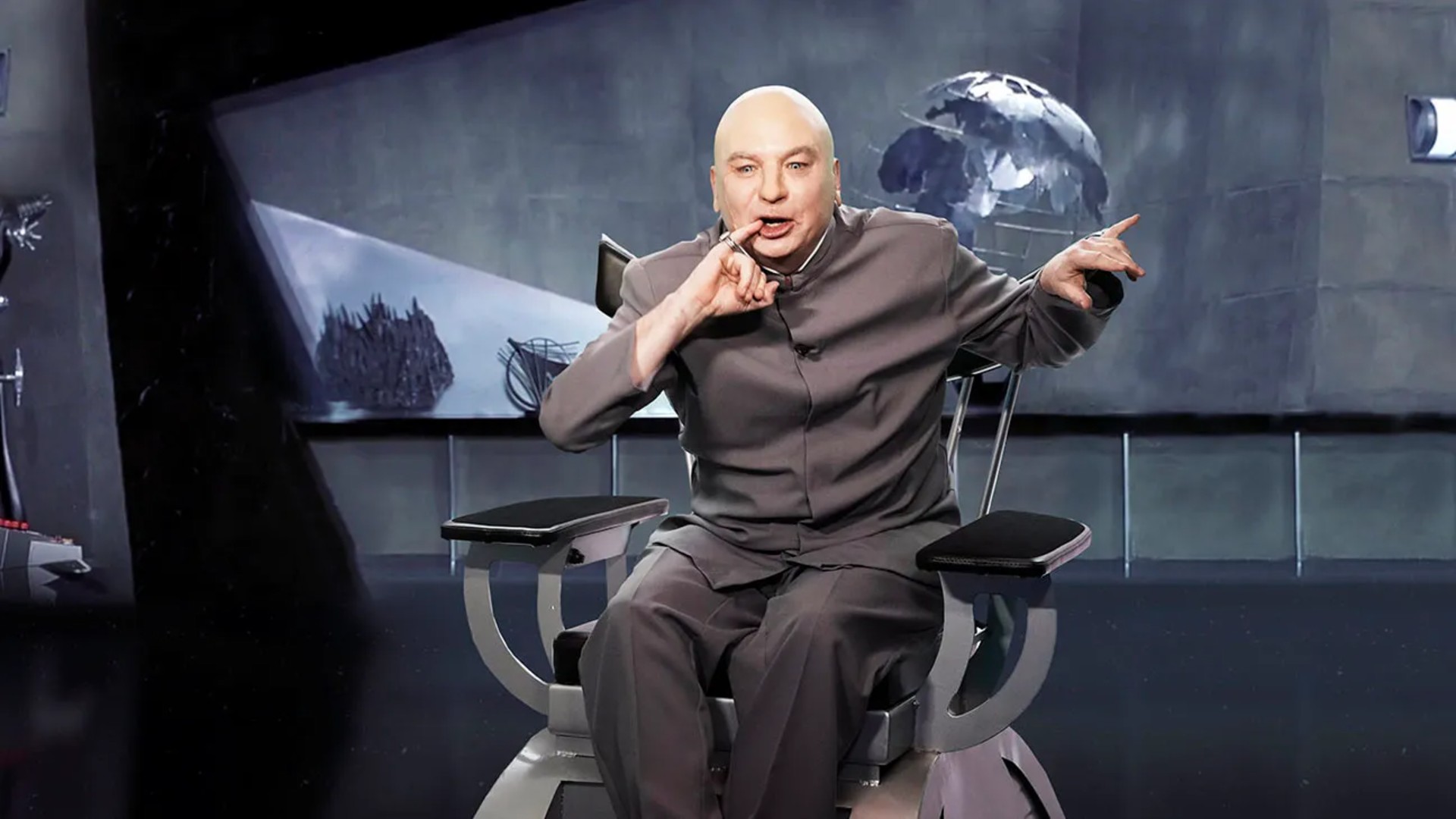
6. Dr. Evil
We laugh at Dr. Evil because he never quite lives up to his own image. You see a villain who wants respect but keeps tripping over his own ego. His schemes feel secondary to his personal insecurities. We recognize the absurd humanity beneath the satire. He becomes lovable because he’s more ridiculous than threatening.
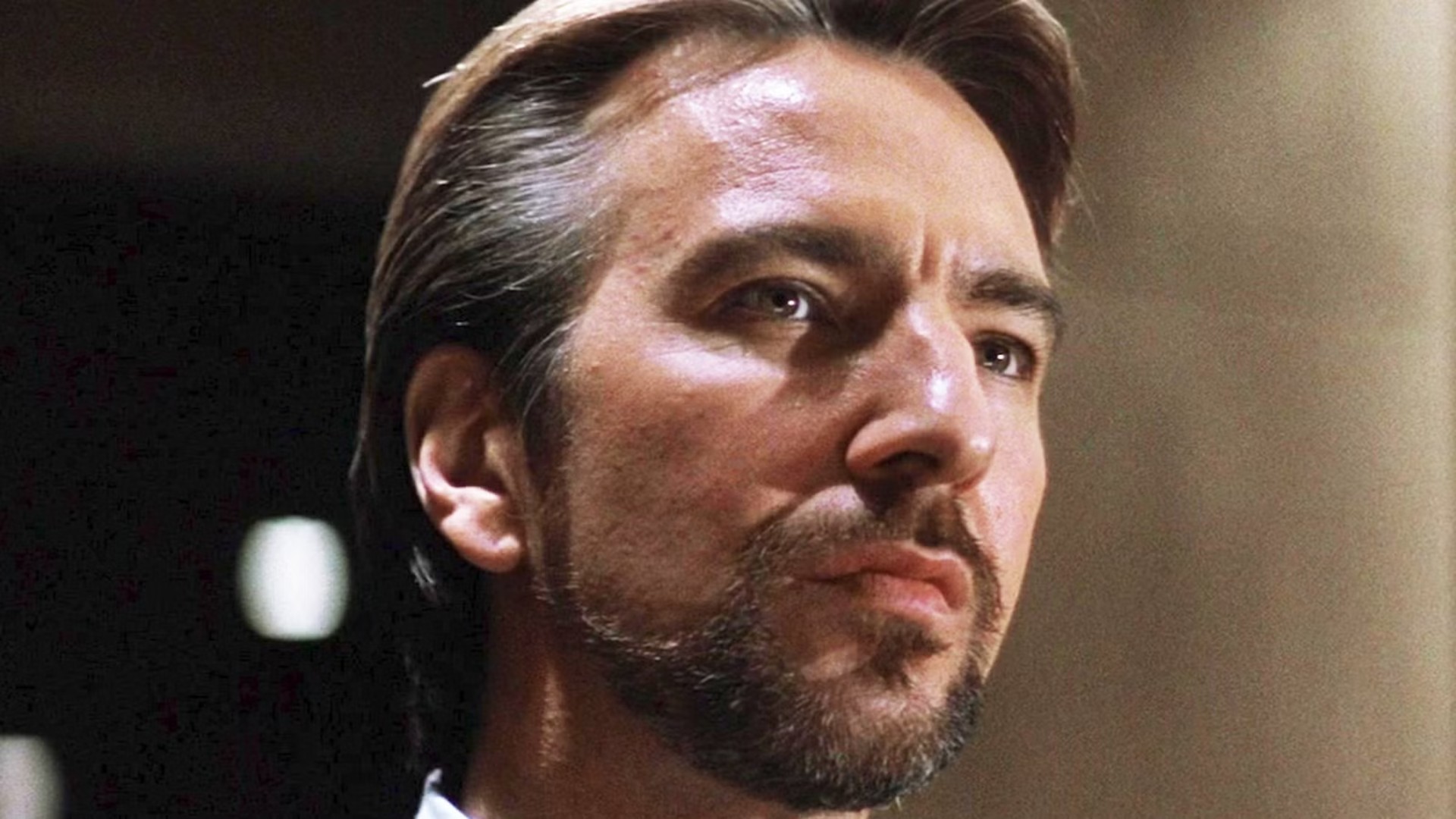
5. Hans Gruber
We’re drawn to Gruber because he’s calm, clever, and endlessly confident. You enjoy watching how easily he adapts when plans fall apart. His intelligence makes him feel dangerous without being chaotic. We’re entertained even while rooting against him. He proves that charm can be just as memorable as brute force.
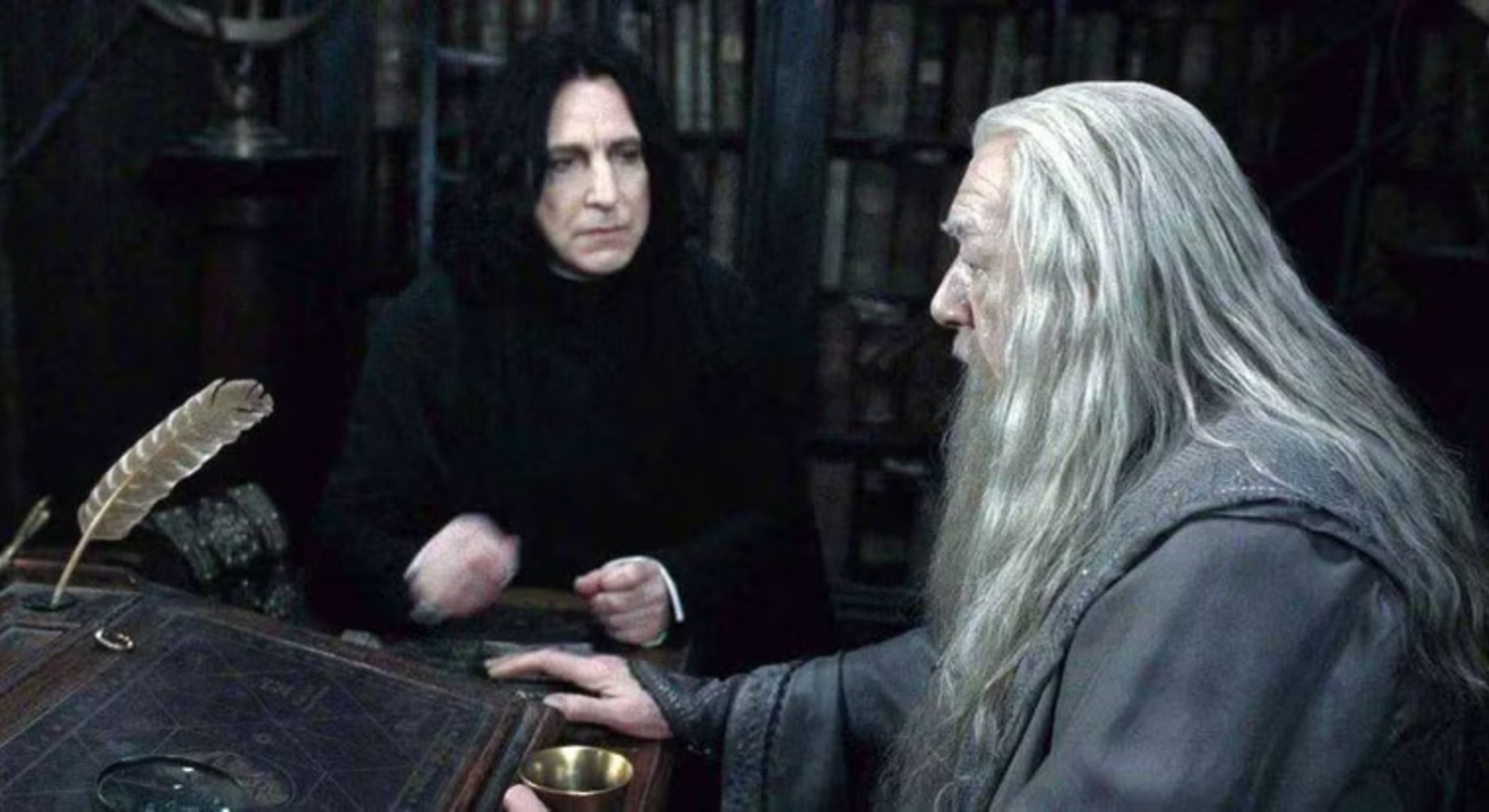
4. Severus Snape
We spend years seeing Snape as cruel and unfair, and you’re meant to distrust him. Slowly, his true motivations come into focus through sacrifice and silence. We realize his love and regret shaped every choice he made. His loyalty was never loud or comforting. By the end, we see him as one of the story’s quiet tragedies.
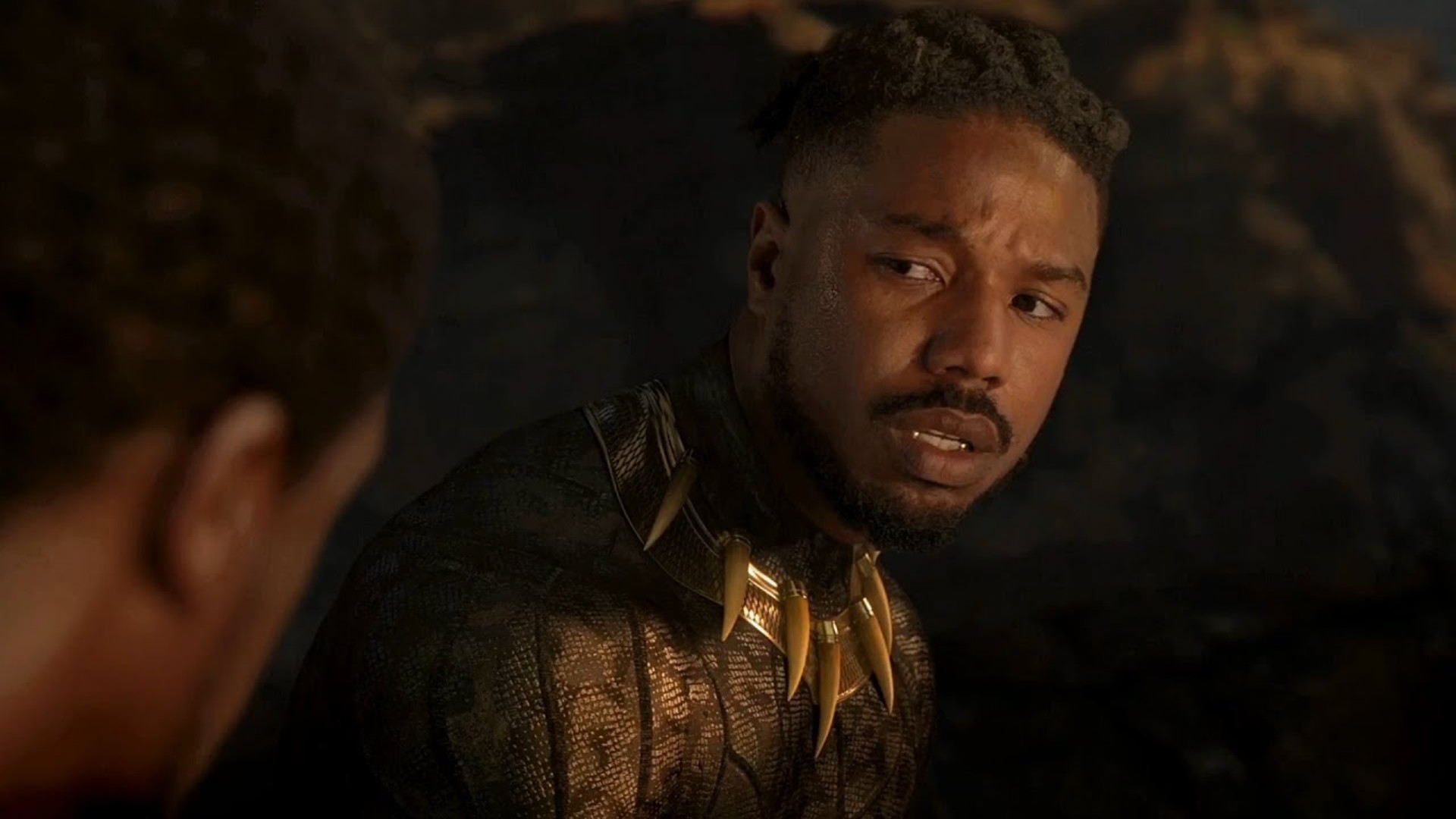
3. Erik Killmonger
We understand Killmonger’s anger almost immediately, even when we reject his violence. You feel the pain of abandonment and injustice fueling his actions. His goal of global liberation resonates, even as his methods cross moral lines. We’re forced to confront uncomfortable truths through him. He becomes a villain who speaks for wounds the world refuses to heal.
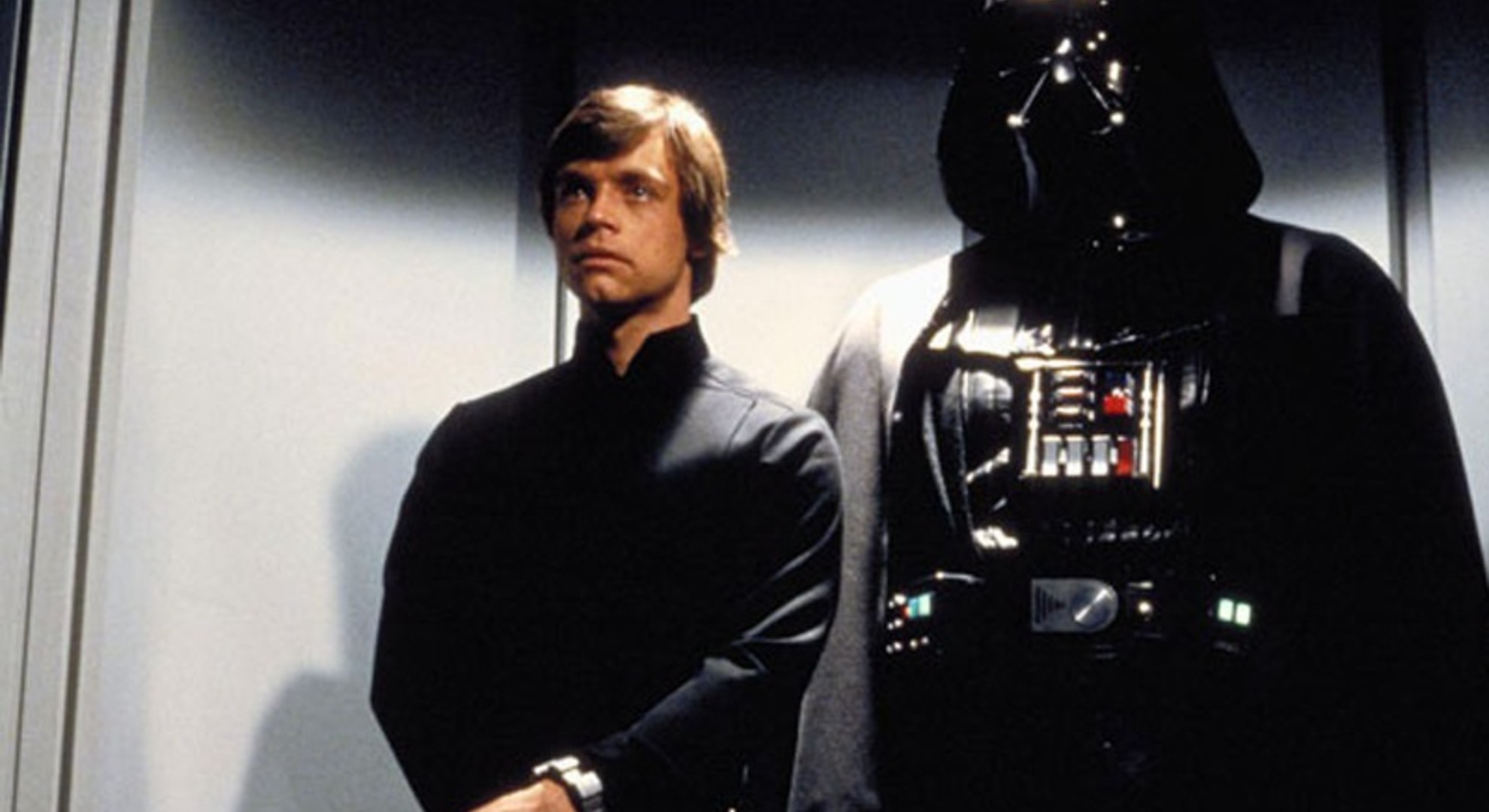
2. Darth Vader
We fear Vader long before we understand him, and then his past reframes everything. You see Anakin Skywalker as someone driven by love, fear, and manipulation. His fall feels tragic rather than purely evil. We recognize how control and loss twisted his choices. When redemption finally comes, it hits because we know how much was lost along the way.
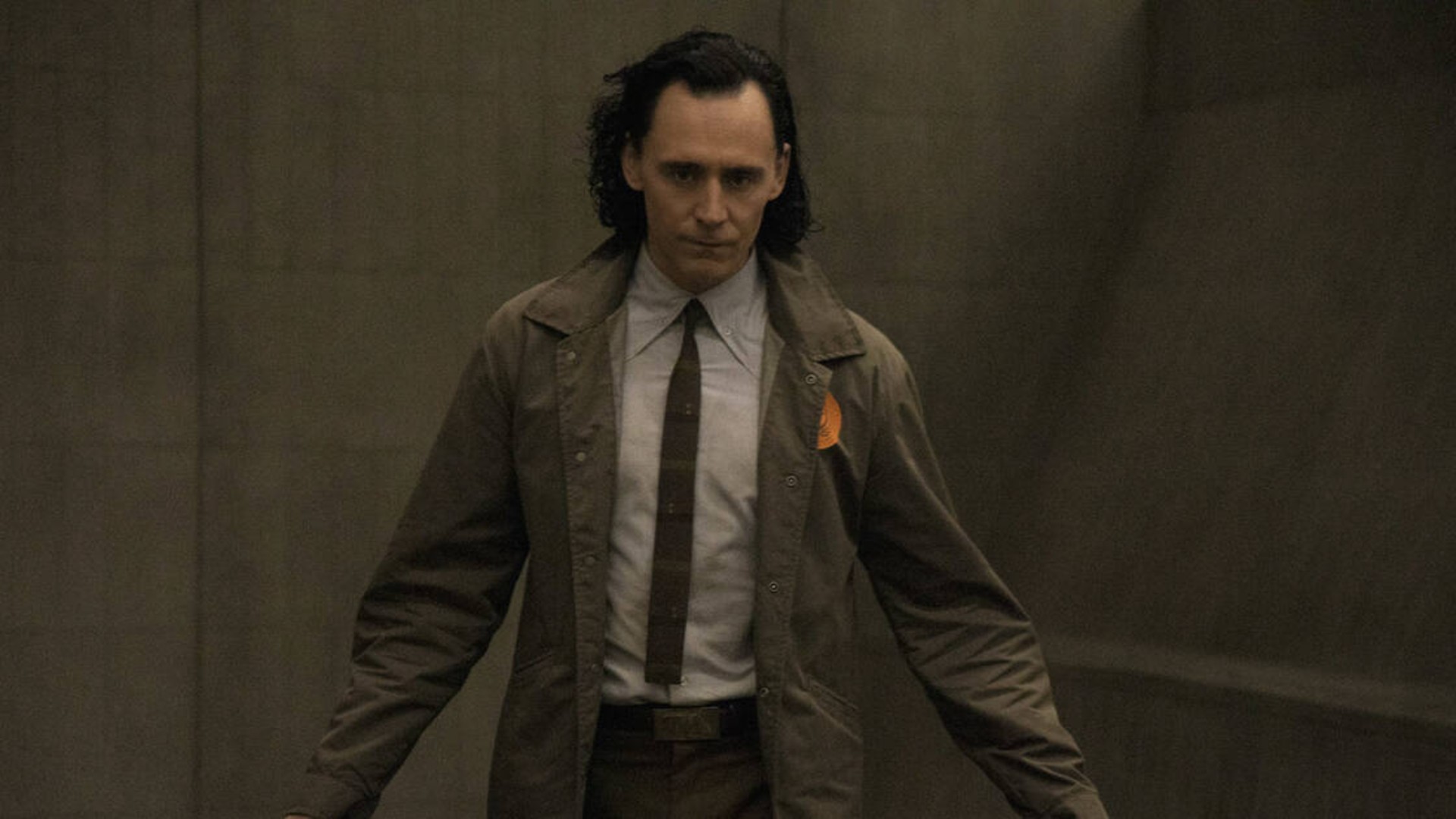
1. Loki
We meet Loki as a trickster, but you quickly sense how deeply he feels like an outsider. Living in Thor’s shadow shapes his insecurity and hunger for recognition. We watch him lash out not just for power, but for belonging. Across the films and his TV series, you see him confront his own patterns. His redemption feels earned because it comes from self-awareness, not sudden heroism.