10 Movies That Will Shake Your Perception of Reality
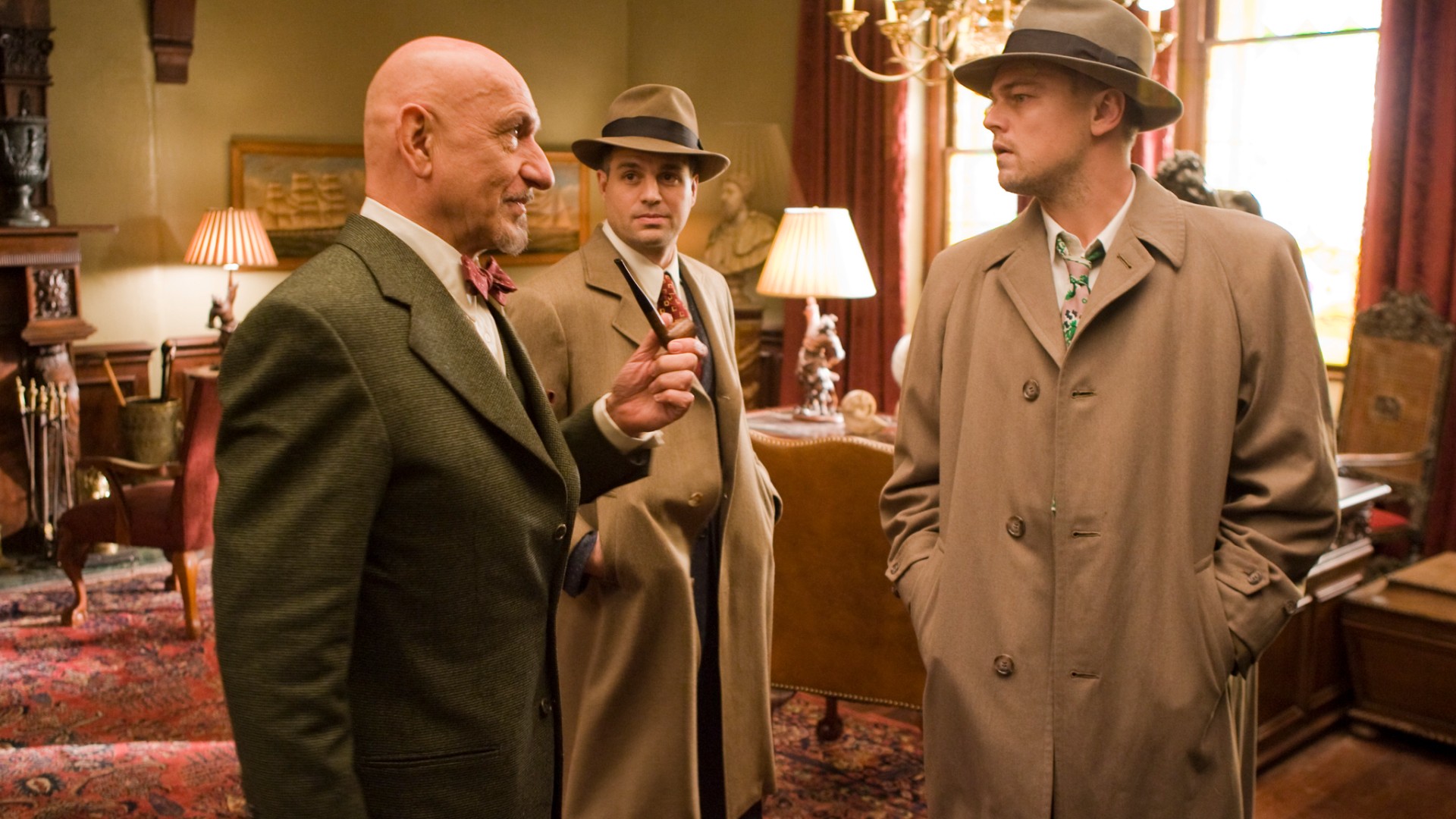
10. Shutter Island (2010)
Martin Scorsese’s psychological thriller follows Teddy Daniels, who investigates a missing patient at a psychiatric hospital. The plot gradually blurs reality and delusion. The film examines grief, trauma, and identity through visual storytelling. It was adapted from Dennis Lehane’s 2003 novel.
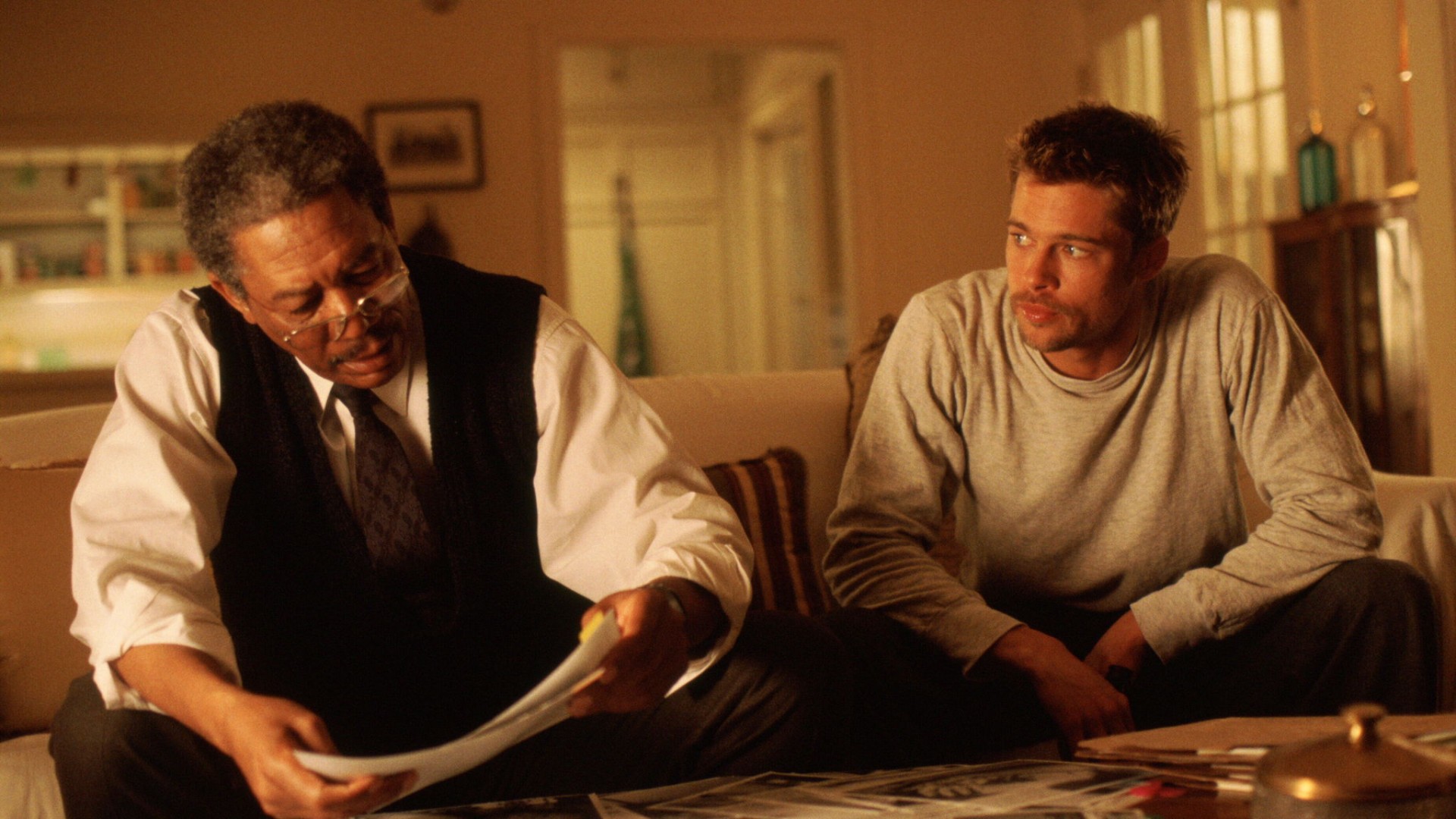
9. Se7en (1995)
Directed by David Fincher, this thriller follows detectives Somerset and Mills as they track a serial killer who uses the seven deadly sins as a motif. Its dark, intricate plot intensifies through escalating suspense. The film is widely praised for its cinematography and mood. Its climax remains one of the most shocking in modern cinema.
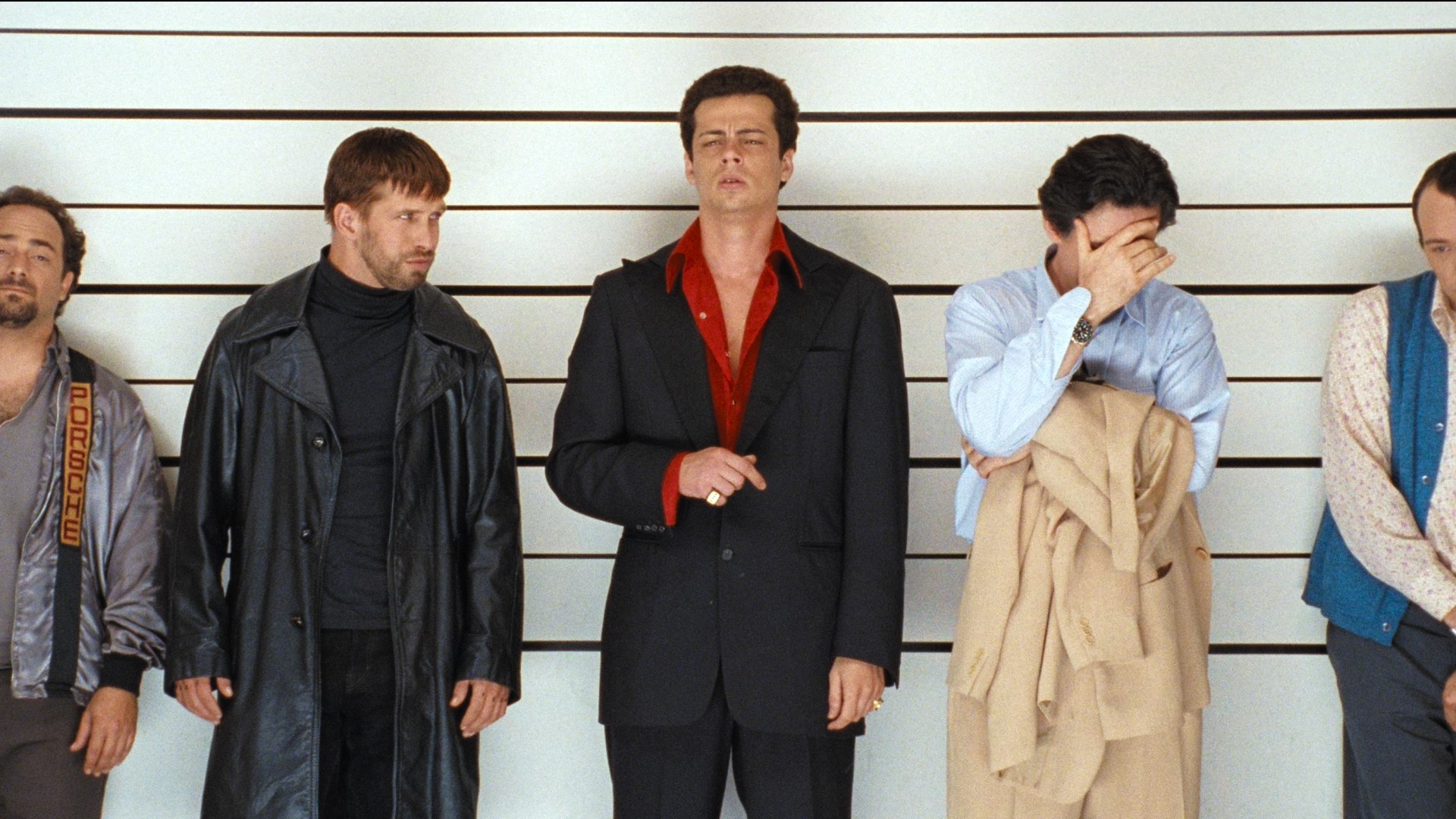
8. The Usual Suspects (1995)
Bryan Singer’s crime thriller centers on five criminals brought together for a lineup. The story builds to one of the most famous twists in cinema, revealing Keyser Söze’s identity. The screenplay won an Academy Award for Best Original Screenplay. Its narrative uses unreliable narration to heighten suspense.
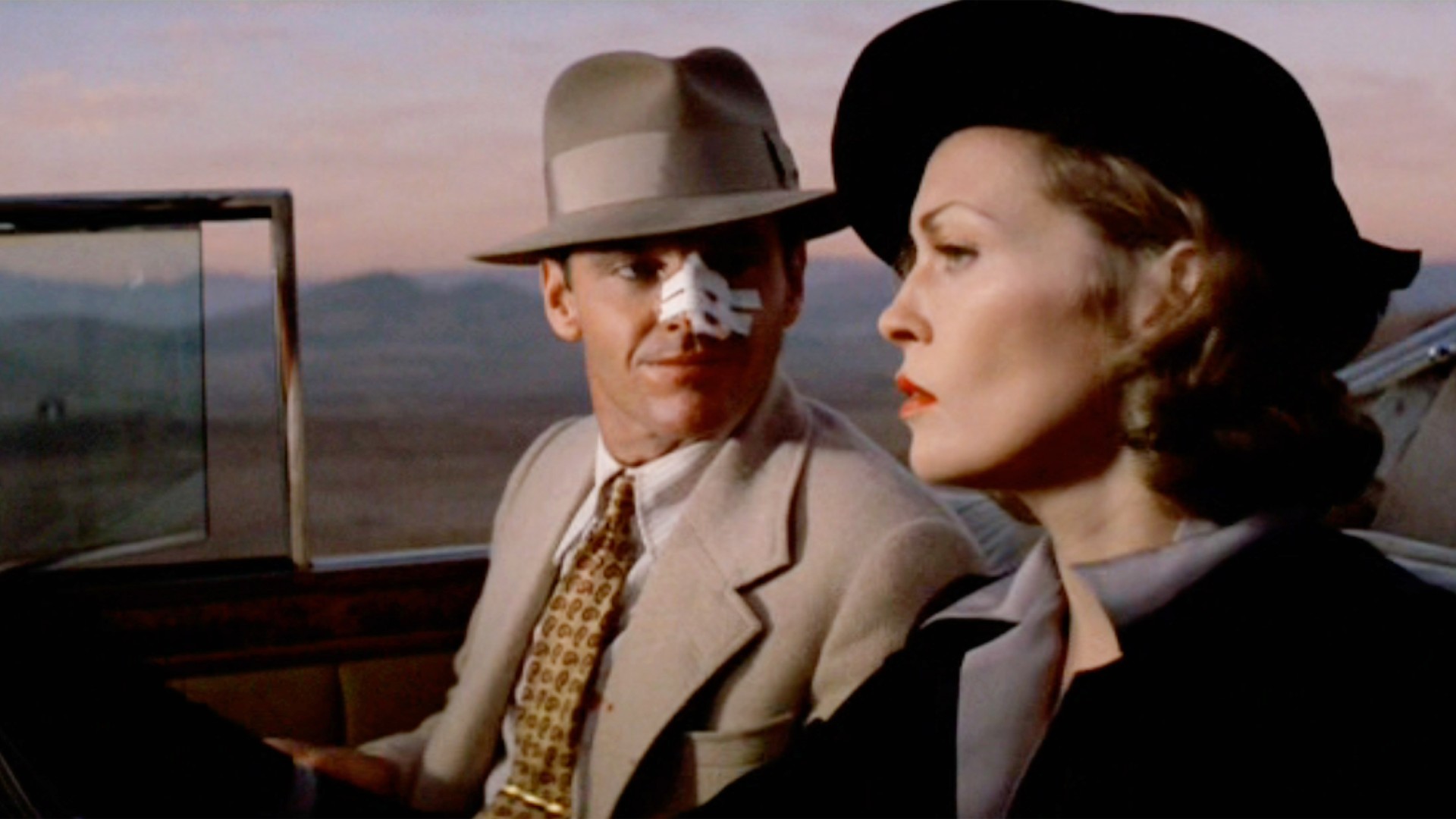
7. Chinatown (1974)
Roman Polanski’s neo-noir follows private investigator J.J. Gittes, who uncovers corruption and family secrets in Los Angeles. Its multi-layered plot culminates in a famously bleak ending. The film explores power, greed, and moral ambiguity in 1930s America. It received 11 Academy Award nominations, including Best Picture.
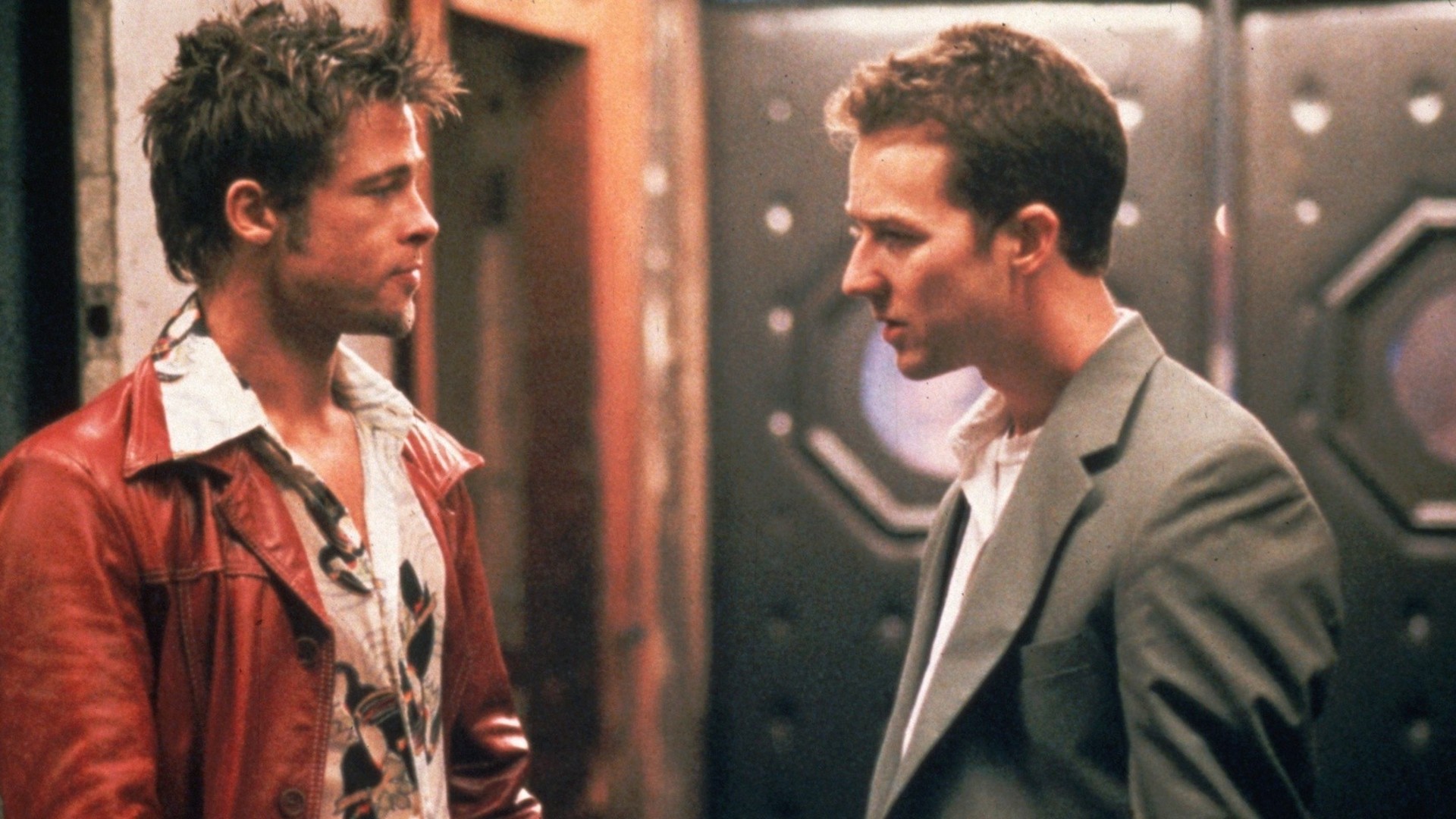
6. Fight Club (1999)
David Fincher’s adaptation of Chuck Palahniuk’s novel follows an insomniac office worker who forms an underground fight club. The story’s shocking twist reframes the entire narrative. It critiques consumer culture, identity, and mental health. It is now regarded as a cult classic for its psychological complexity.

5. Arrival (2016)
Directed by Denis Villeneuve and based on Ted Chiang’s story, the film follows linguist Louise Banks trying to communicate with alien visitors. The non-linear narrative reflects her understanding of time and memory. It earned eight Academy Award nominations, winning for Best Sound Editing. Its story challenges conventional cause-and-effect storytelling.
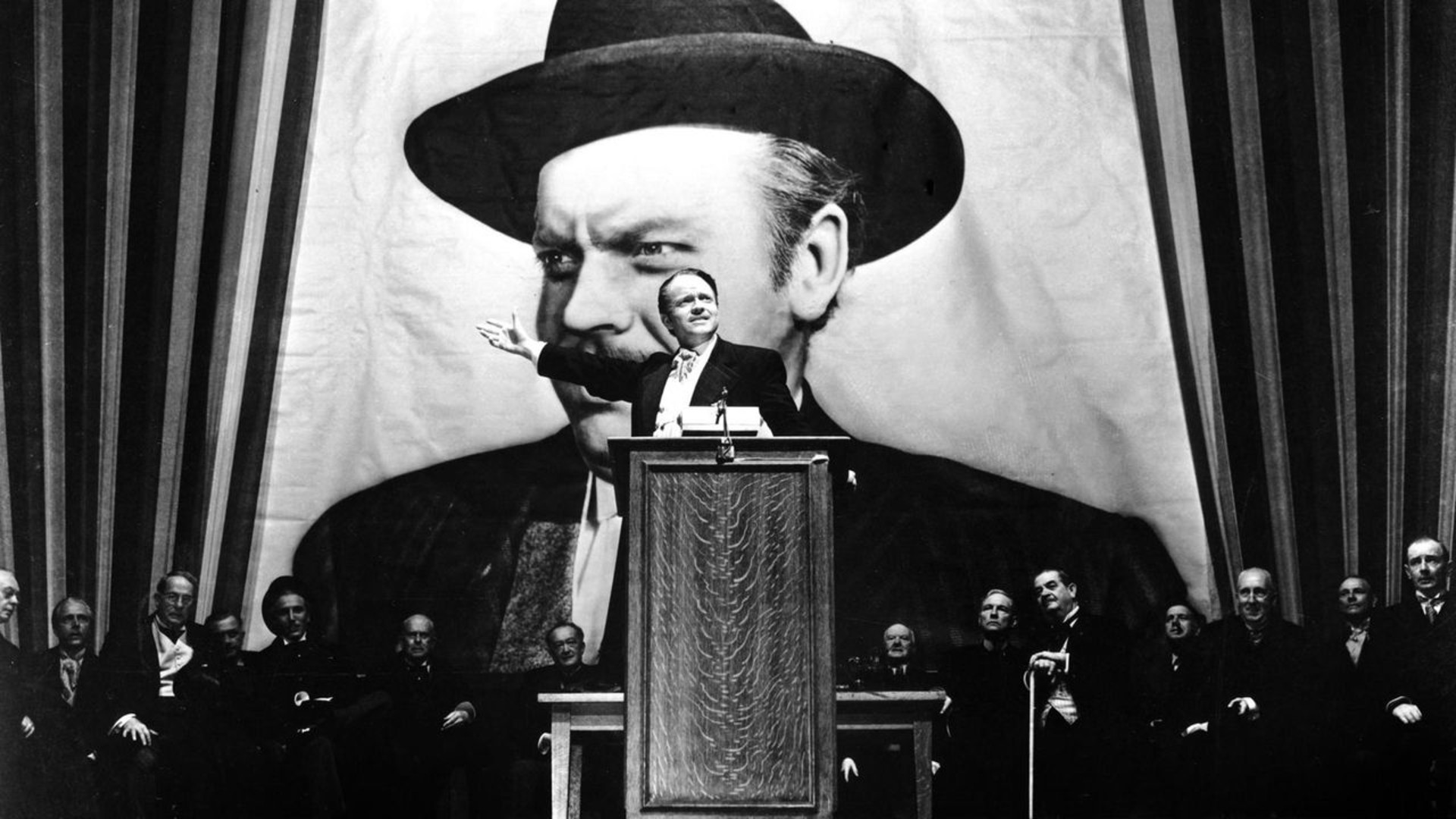
4. Citizen Kane (1941)
Orson Welles’ masterpiece tells the life of publishing magnate Charles Foster Kane after his death. The narrative uses multiple flashbacks from different characters, building a layered and fractured portrait. Known for pioneering cinematography and deep focus shots, it is frequently cited as the best film ever made. Its narrative complexity changed Hollywood storytelling standards.
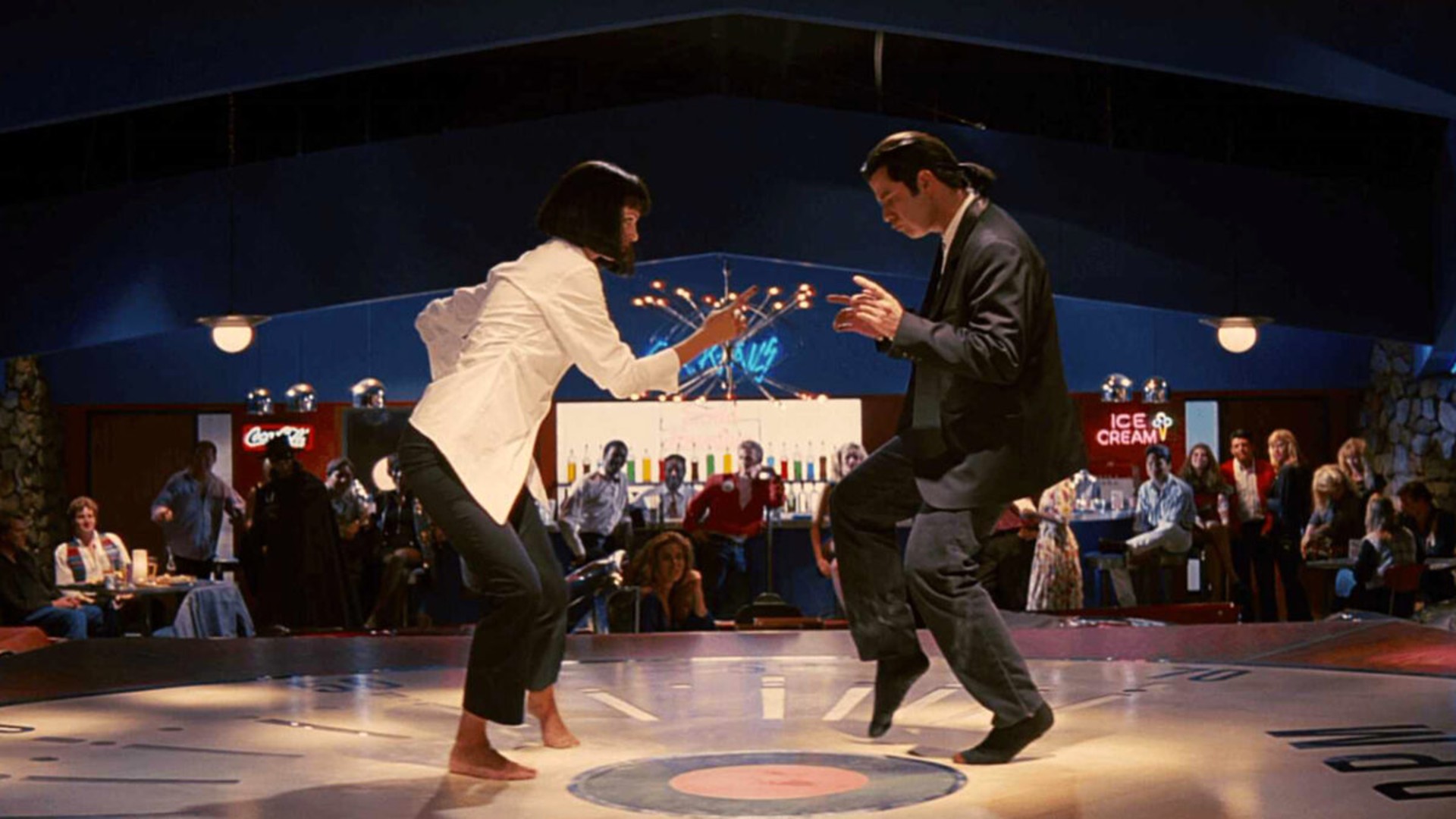
3. Pulp Fiction (1994)
Directed by Quentin Tarantino, this film intertwines multiple storylines involving crime, boxing, and organized crime. The deliberately scrambled timeline creates a puzzle-like narrative that rewards repeat viewings. Its innovative structure earned the Palme d'Or at Cannes. It significantly influenced 1990s independent filmmaking.
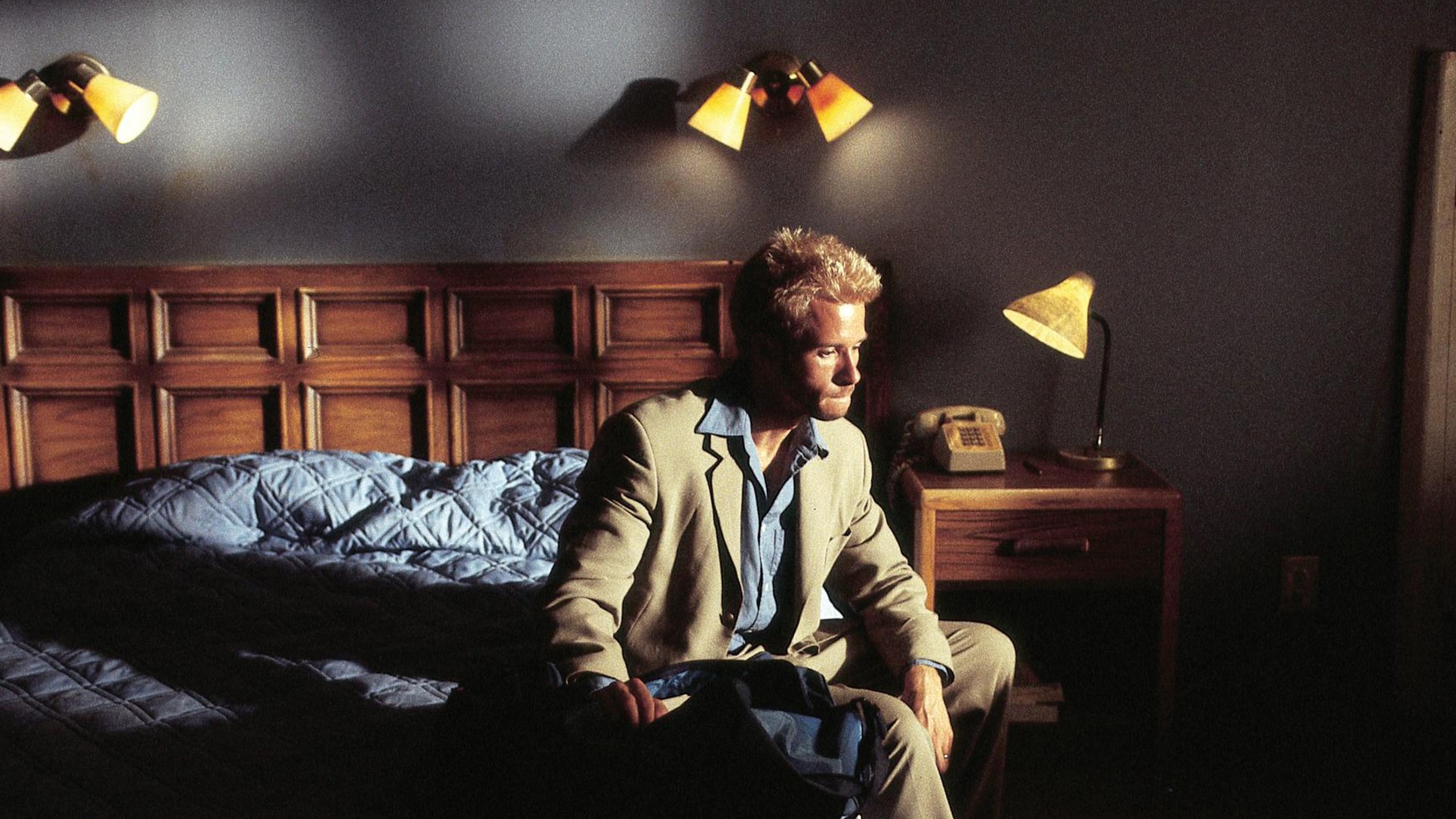
2. Memento (2000)
Christopher Nolan’s thriller follows Leonard, who suffers from short-term memory loss while hunting his wife’s killer. The narrative is split into two timelines: moving forward and backward. This structure places the audience inside Leonard’s disoriented perspective. It was nominated for two Academy Awards, including Best Original Screenplay.
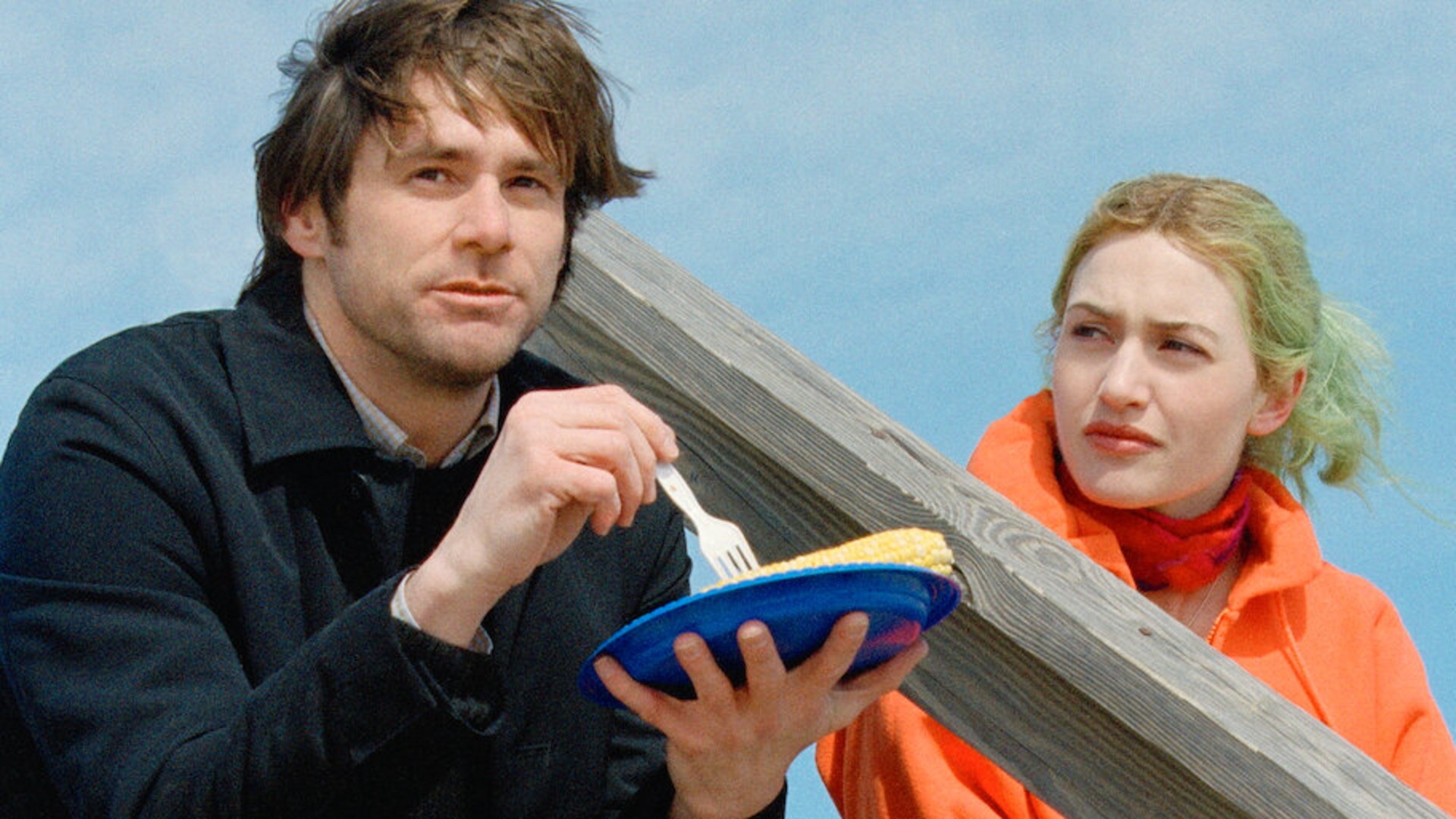
1. Eternal Sunshine of the Spotless Mind (2004)
This film, directed by Michel Gondry and written by Charlie Kaufman, explores memory and heartbreak through a non-linear narrative. The story follows Joel and Clementine as they undergo a procedure to erase memories of each other. Its fragmented timeline mirrors the human brain's memory processes. The film won the Academy Award for Best Original Screenplay in 2005.