10 movies that were banned for weird reasons

10. Wonder Woman (2017)
Lebanon banned this superhero blockbuster shortly before its premiere, not due to the film’s plot, but because of its lead actress, Gal Gadot. As an Israeli citizen who served in the Israeli military, Gadot was a target of Lebanon’s long-standing boycott of the Jewish state. While many citizens protested the ban as a form of censorship that ignored artistic merit, the government maintained the prohibition to uphold its policy against Israeli products and individuals.

9. Spider-Man: Across the Spider-Verse (2023)
Several countries in the Middle East, including the UAE and Saudi Arabia, banned this animated hit shortly before its scheduled release. The primary point of contention was a brief shot of a "Protect Trans Kids" poster hanging in Gwen Stacy’s room. Censorship boards in these regions stated the film contradicted local cultural values, and because studios often refused to cut scenes depicting LGBTQ+ themes, the film was denied release entirely.
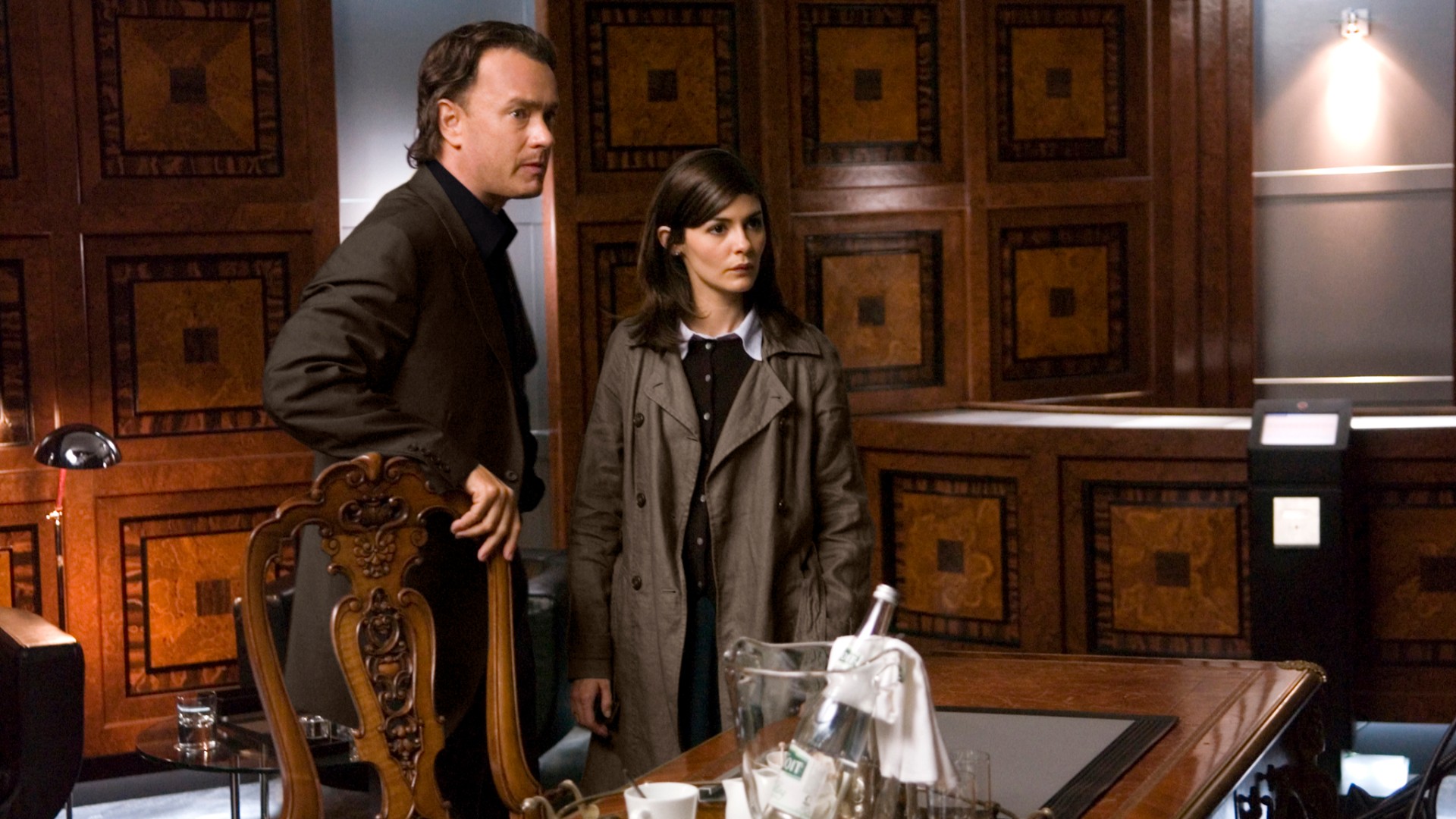
8. The Da Vinci Code (2006)
This adaptation of Dan Brown’s novel caused a massive outcry among religious groups across the globe. In the Philippines, the city of Manila banned it for being "offensive" and "blasphemous" to the Catholic Church, while Iran banned it entirely due to pressure from both Muslim and Christian minority leaders. Many religious organizations felt the film’s central conceit—that Jesus and Mary Magdalene were married—was an unforgivable attack on core Christian theology.
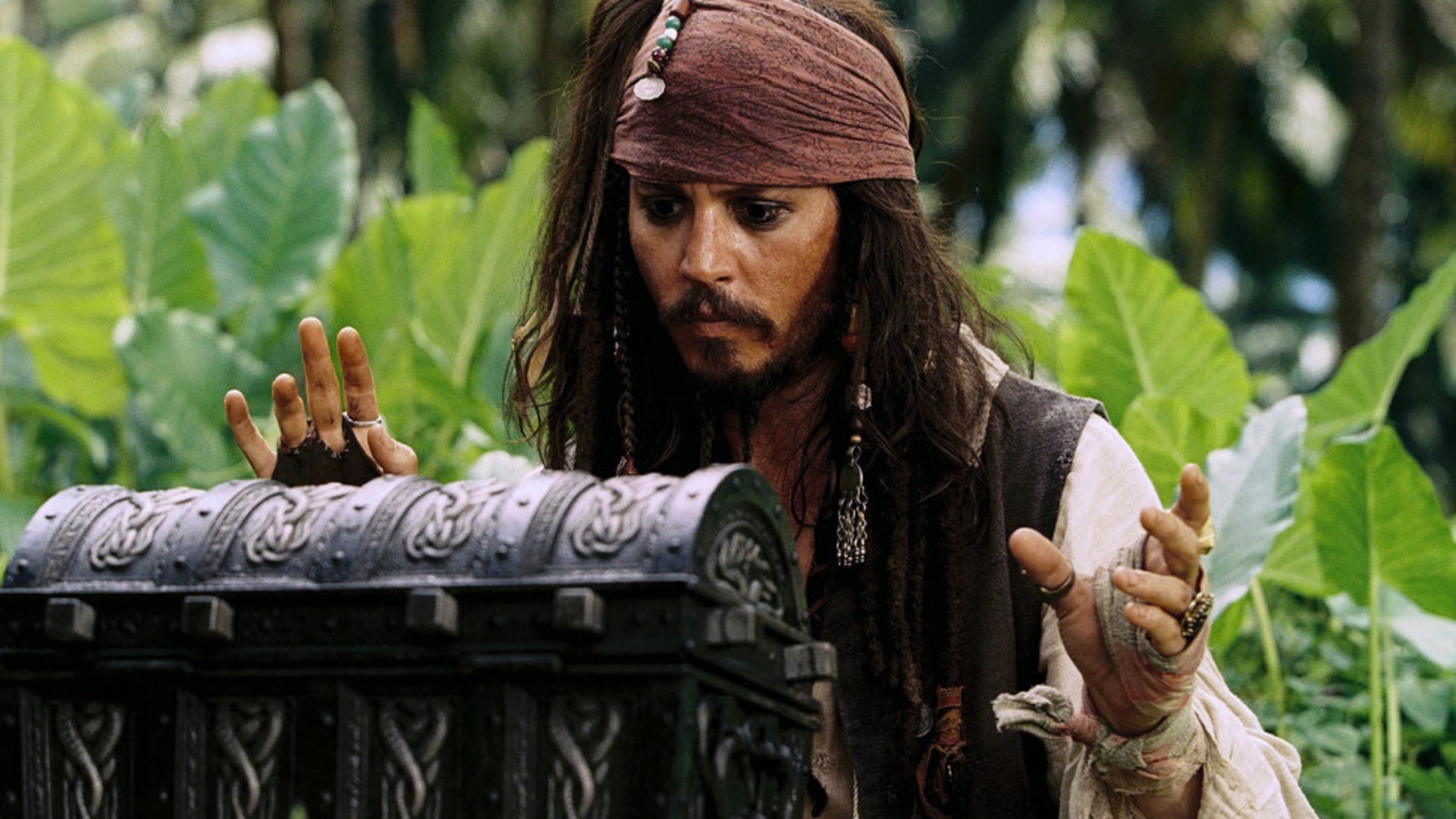
7. Pirates of the Caribbean: Dead Man’s Chest (2006)
Chinese film censors blocked this swashbuckling sequel from theaters upon its initial release. While the government rarely provides detailed criteria for bans, reports suggested authorities objected to the film’s supernatural content, particularly the depiction of "souls of the dead" and the grotesque, half-aquatic crew of Davy Jones. The ban highlighted China’s strict stance against films that promote superstition or portray horror elements in a way deemed inappropriate for general audiences.
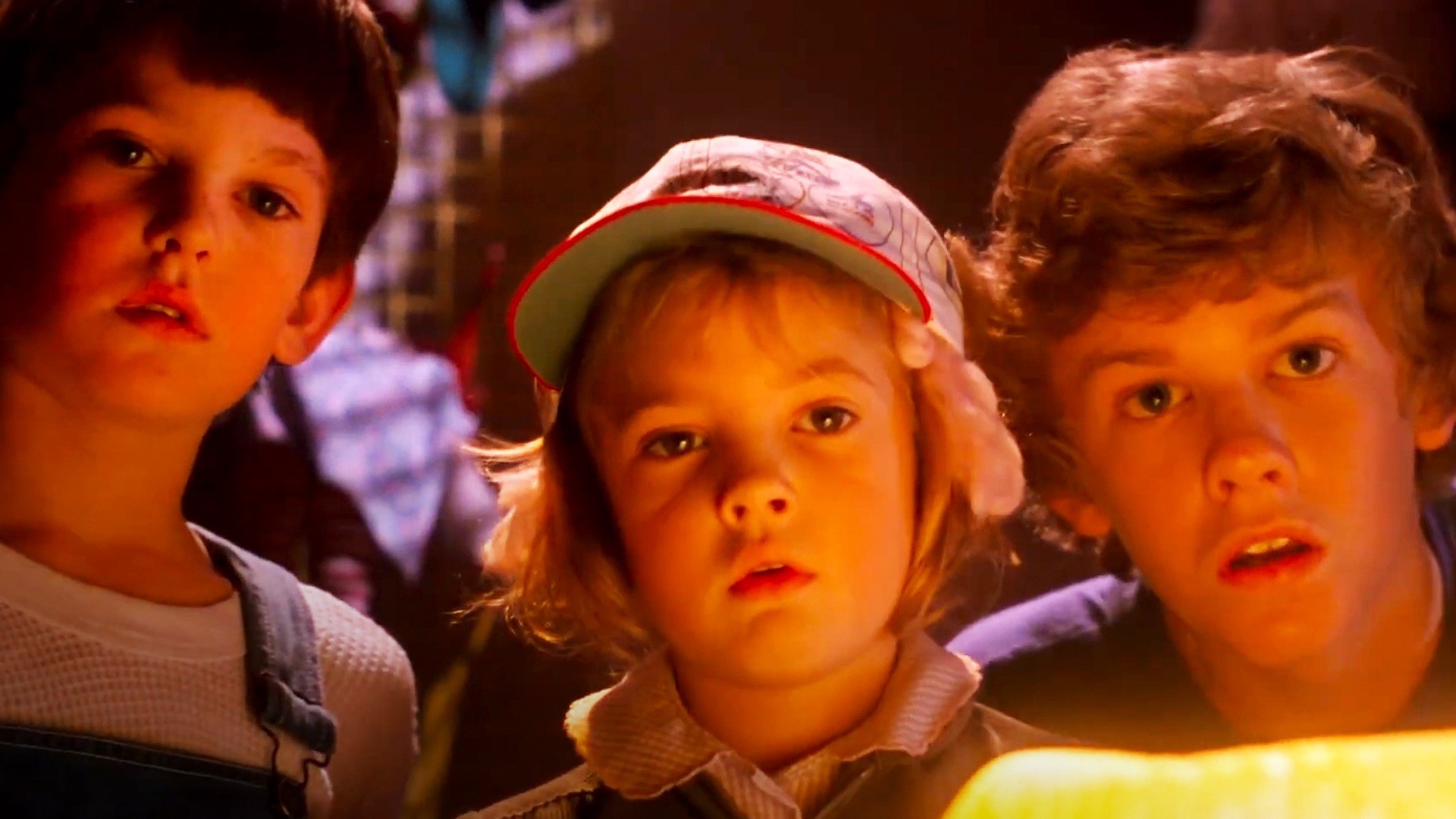
6. E.T. the Extra-Terrestrial (1982)
While not banned in the traditional sense, this Spielberg classic faced unique age restrictions in parts of Scandinavia, including Sweden, Norway, and Finland. Officials imposed an age limit for children under 11, arguing that the film’s emotional intensity and its portrayal of adults as untrustworthy or threatening figures could be psychologically confusing for younger viewers. Despite these concerns, the film remains one of cinema’s most beloved family stories.
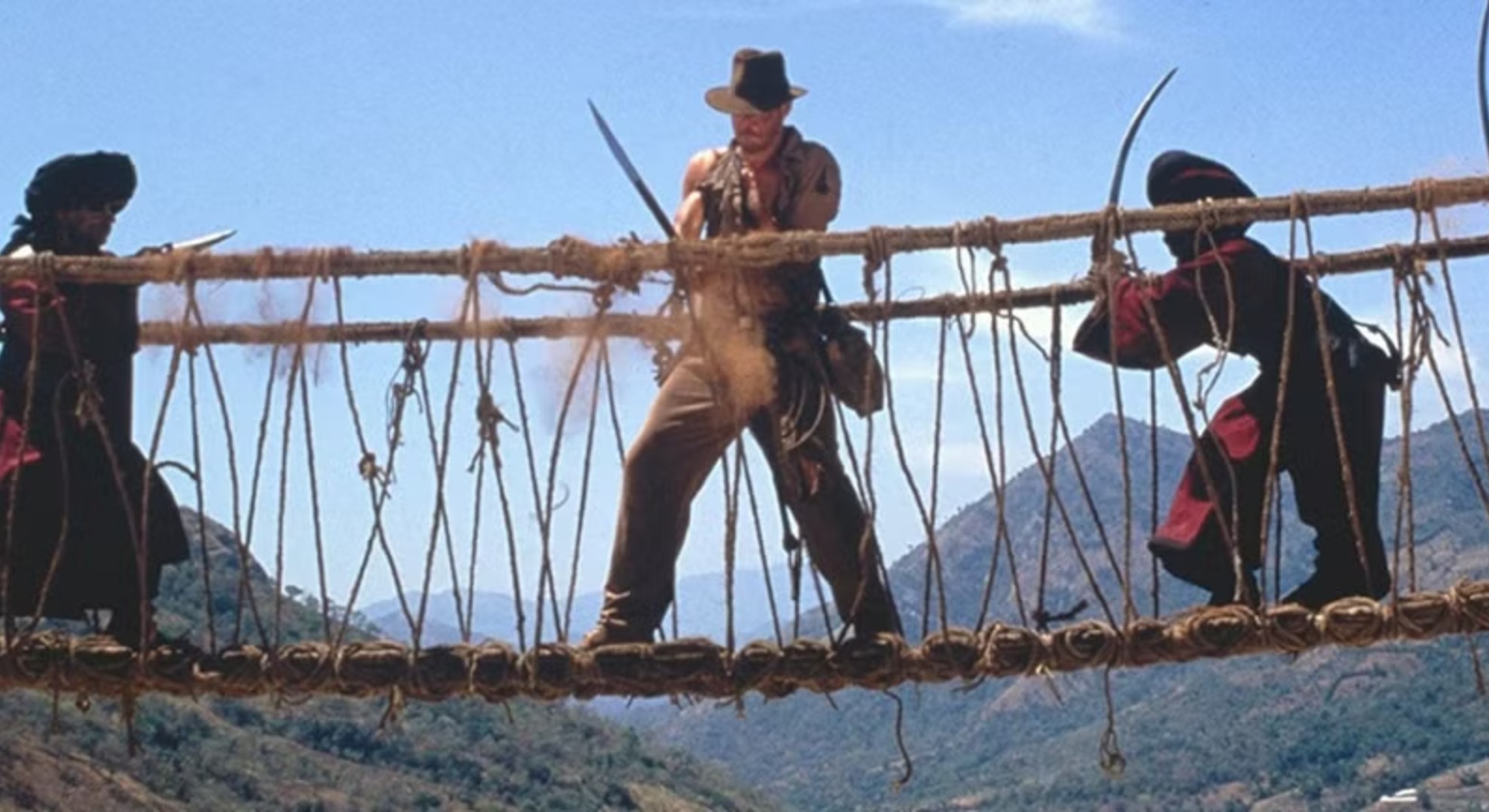
5. Indiana Jones and the Temple of Doom (1984)
The Indian government famously banned this prequel shortly after its release, and it was even denied filming permits in the country during production. Officials were deeply offended by the film’s depiction of Indian culture as savage and superstitious, citing the exaggerated portrayal of a Thuggee cult and grotesque culinary scenes. The controversy was so significant that the production team had to move filming to Sri Lanka to replicate the Indian setting.
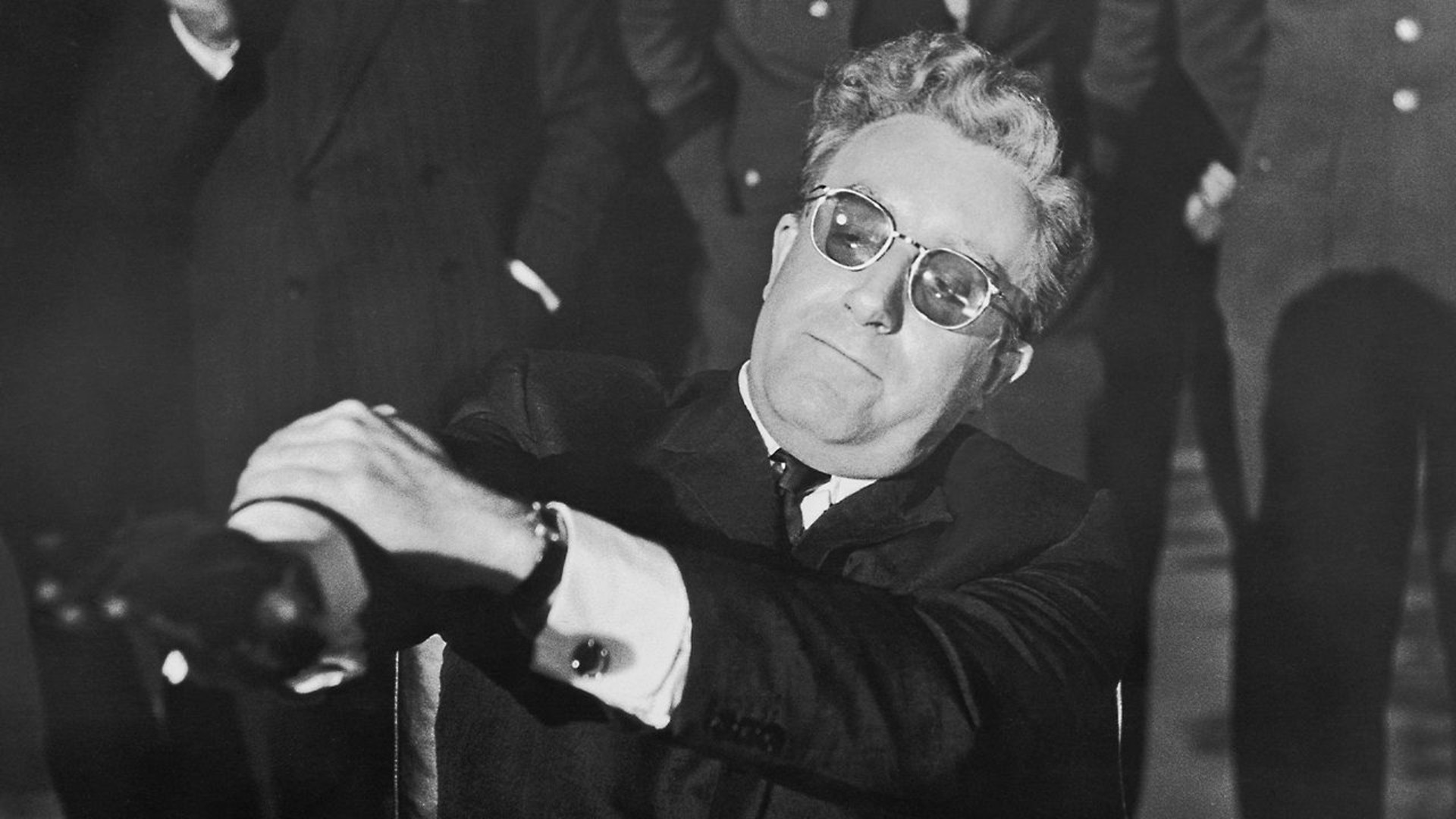
4. Dr. Strangelove (1964)
Stanley Kubrick’s satirical masterpiece was kept out of Finnish theaters for over 20 years. The Finnish government feared that mocking nuclear politics and military leadership during the height of the Cold War would damage the country's delicate diplomatic relationship with the Soviet Union. The film was only allowed to screen once international tensions had eased in the late 1980s.

3. The Santa Clause (1994)
This family comedy faced an odd challenge in the United Kingdom, where the British Board of Film Classification (BBFC) initially granted it a "PG" rating but then became the subject of parental complaints regarding its "darker" implications. Some viewers were troubled by the suggestion that the previous Santa had died on a roof, leading to intense debates about whether the film was too morbid for its target audience. While not outright banned, the controversy remains a classic example of modern holiday moral panic.
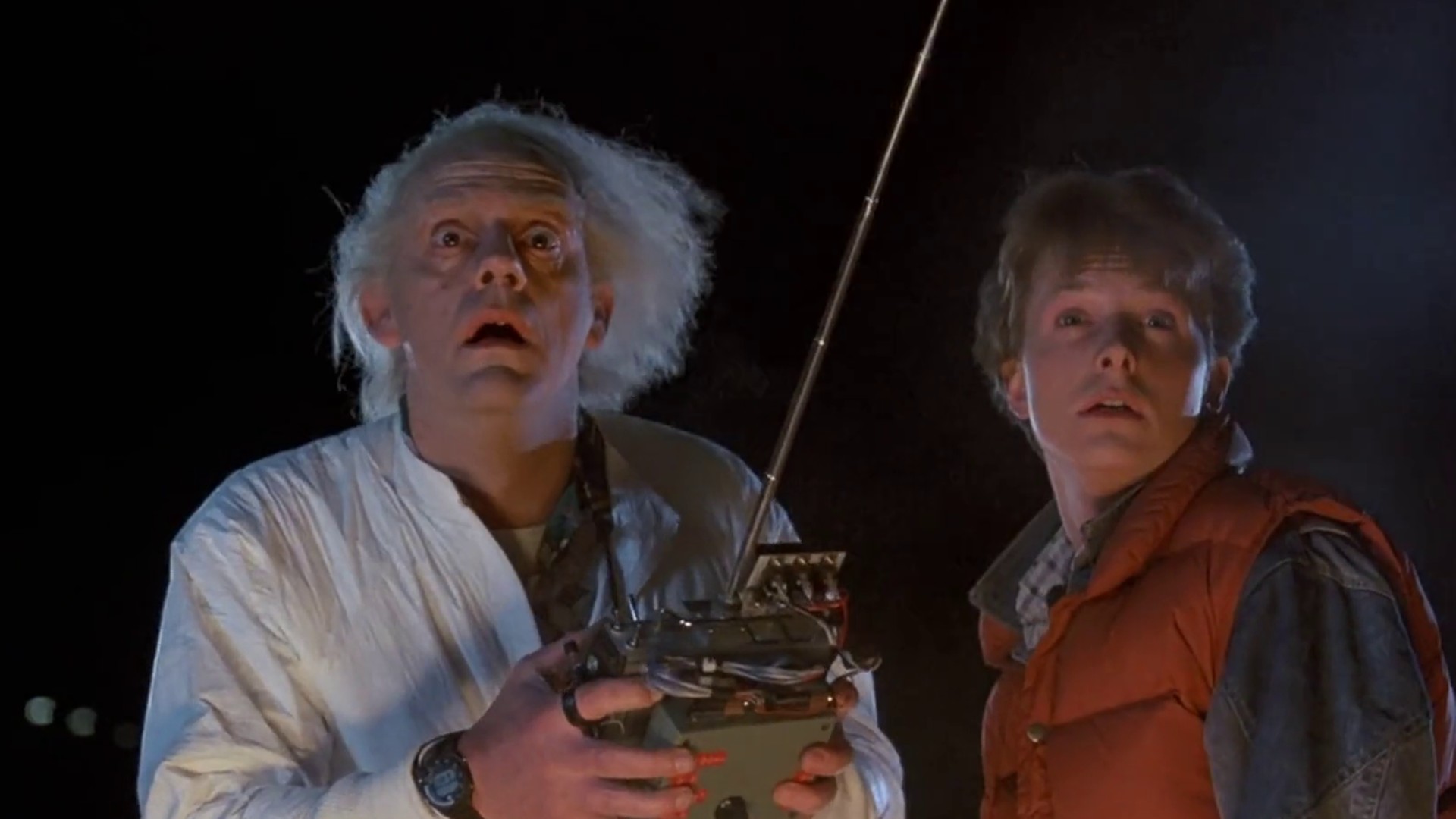
2. Back to the Future (1985)
While you can easily find this movie today, it has faced long-standing restrictions in China due to its central plot element: time travel. The Chinese government has historically issued directives discouraging media that "re-envisions history" in a frivolous way, fearing that time travel narratives could confuse viewers or undermine the official state-sanctioned version of history. Consequently, many time-travel films have struggled to secure a release in the Chinese market.

1. The Simpsons Movie (2007)
Myanmar (Burma) authorities banned this film because it prominently featured the colors yellow and red together. At the time, these colors were linked to local rebel groups fighting against the government, and authorities feared the animation could be used to stir up political dissent. It stands as a bizarre reminder of how even mundane artistic choices can become unintended lightning rods for political paranoia.