10 Movies That Completely Forgot to Fact-Check Real History

10. The Social Network (2010)
Aaron Sorkin’s screenplay openly took dramatic liberties in portraying Facebook’s founding, particularly in its depiction of Mark Zuckerberg as socially bitter, emotionally driven by rejection, and motivated in part by revenge. While the film was critically acclaimed and won multiple Academy Awards, several individuals who knew Zuckerberg during the period in question have stated that he was not as cold or socially isolated as depicted. The film compresses timelines, heightens personal conflicts, and dramatizes motivations to craft a compelling narrative about ambition and betrayal. Although it captures the broader legal disputes and business tensions accurately, many details of Zuckerberg’s personality and interpersonal relationships were shaped for thematic impact rather than strict biographical precision.
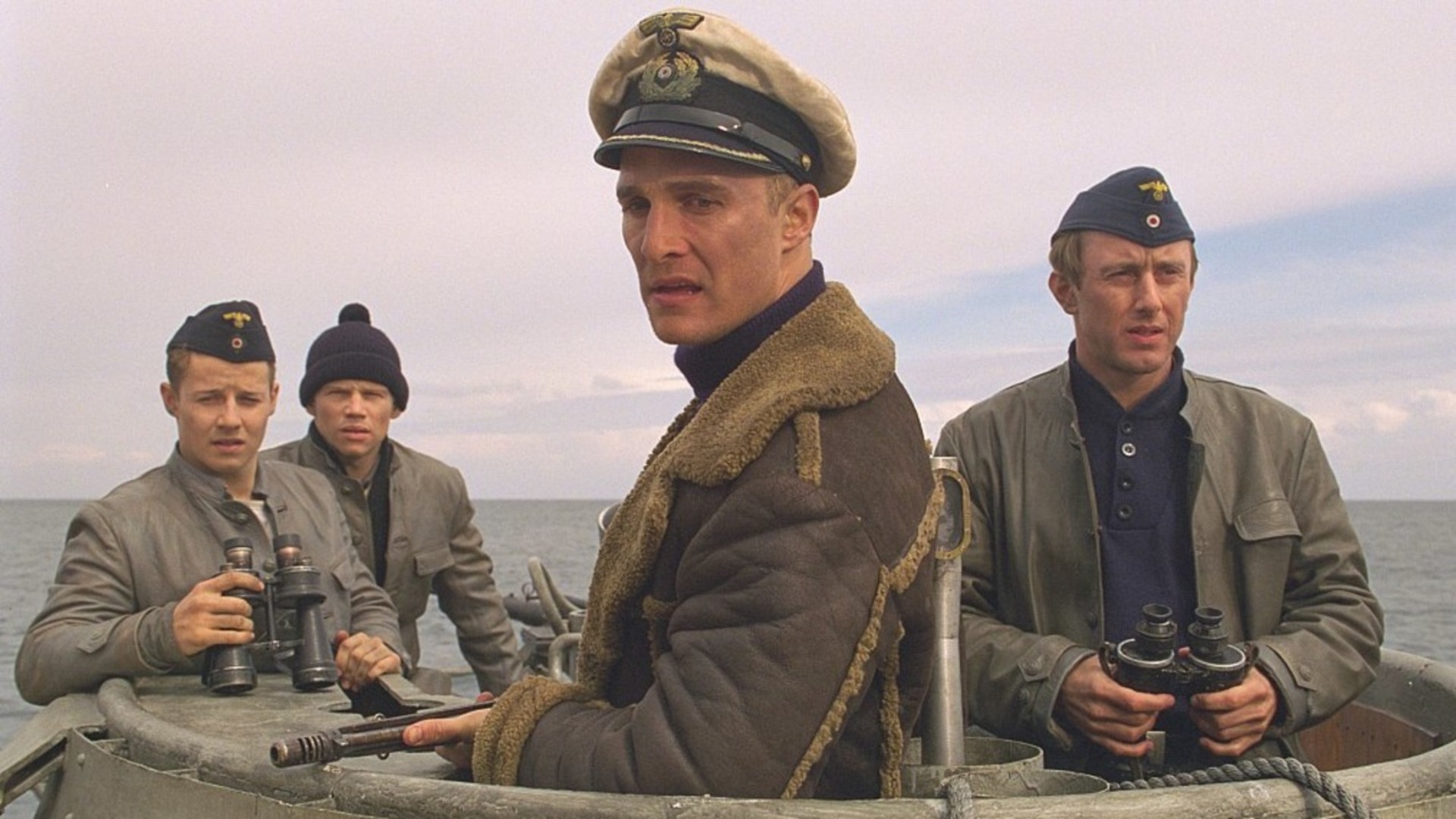
9. U-571 (2000)
This World War II thriller sparked major controversy for rewriting a key historical event: the capture of a German Enigma machine. In reality, the first successful seizure of an operational Enigma device from a U-boat was accomplished by the British Royal Navy during the capture of U-110 in 1941, an operation that significantly aided Allied codebreaking efforts. The film instead portrays American submariners as carrying out this breakthrough, which led to public backlash in the United Kingdom, including criticism from British politicians who argued the film minimized Britain’s critical wartime contributions. While the movie performed modestly at the box office and was praised for its tense action sequences, it remains frequently cited as an example of Hollywood altering multinational history to center on American heroism.

8. The Blind Side (2009)
The film presents Michael Oher as being adopted into the Tuohy family, but in reality, he was placed under a conservatorship rather than legally adopted—a distinction that became the subject of public dispute years later. Oher has also stated that the movie inaccurately portrays him as academically and athletically naive, suggesting he needed extensive guidance to understand football strategy, which he contests. While the film was a commercial success and earned Sandra Bullock an Academy Award, critics and commentators have argued that it simplifies complex realities into a “white savior” narrative. The dramatization prioritizes emotional storytelling over nuanced representation of Oher’s independence and abilities.

7. Sully (2016)
Although the emergency landing of US Airways Flight 1549 on the Hudson River—known as the “Miracle on the Hudson”—was real, the film introduces heightened tension by portraying the National Transportation Safety Board (NTSB) investigation as adversarial and accusatory. In reality, the investigation was more procedural and collaborative than confrontational. The dramatic hearing scenes suggesting that Captain Chesley “Sully” Sullenberger’s decisions were under aggressive suspicion were largely constructed to create narrative stakes. While the film accurately depicts the landing itself and Sully’s calm professionalism, aviation experts noted that the depiction of institutional hostility was exaggerated for dramatic effect.
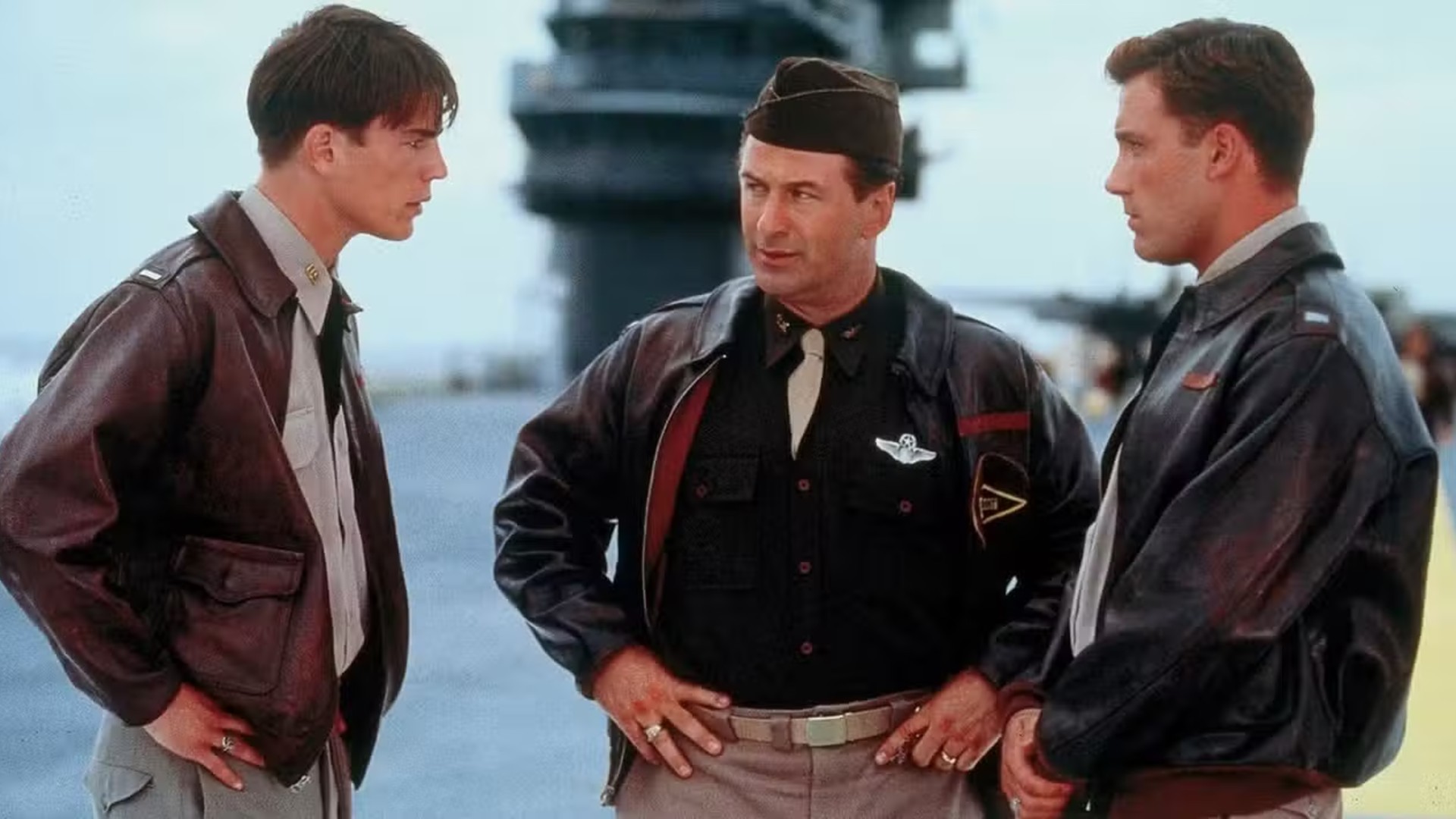
6. Pearl Harbor (2001)
Michael Bay’s epic war drama blends historical events with fictional characters and embellished scenarios, resulting in numerous documented inaccuracies. The depiction of the Doolittle Raid condenses timelines and alters details for emotional impact, while certain dramatic elements—including attacks on hospitals—were exaggerated or fabricated. Military historians criticized the film for prioritizing spectacle and romance over historical fidelity. Despite its large budget and commercial success, it is frequently referenced as an example of Hollywood war dramatization that reshapes real events into heightened melodrama.
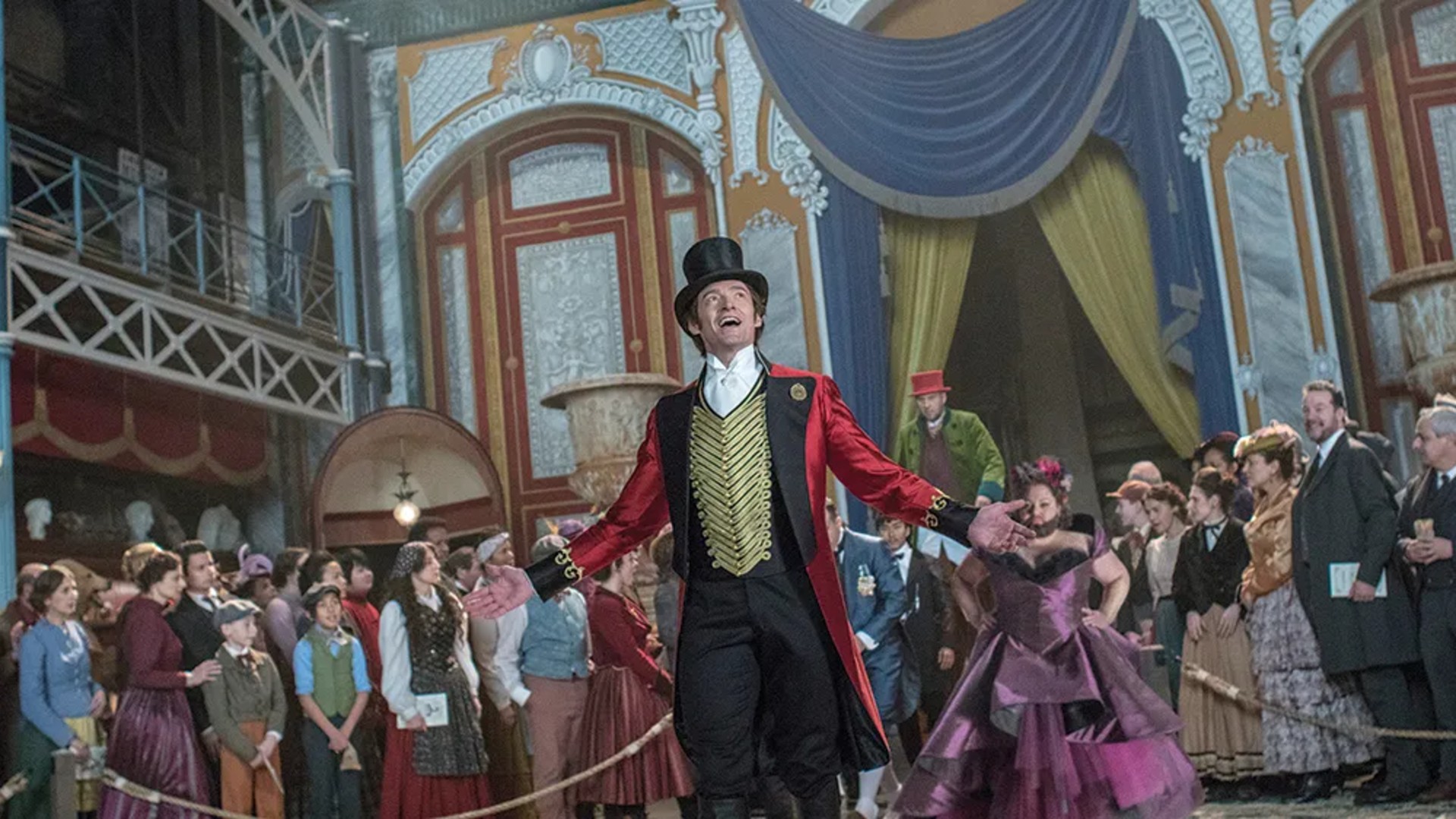
5. The Greatest Showman (2017)
The film portrays P.T. Barnum as a visionary champion of inclusion who uplifted marginalized performers, but historical accounts describe Barnum as a complex and often exploitative businessman who profited from sensationalism and the exhibition of individuals with physical differences. The movie largely omits or softens these exploitative practices, reshaping Barnum into a sympathetic underdog figure. While the film was a major box office success and became a cultural phenomenon due to its soundtrack, historians note that its depiction prioritizes inspirational messaging over the ethically complicated realities of Barnum’s career.

4. A Beautiful Mind (2001)
The biographical drama about mathematician John Nash significantly alters aspects of his life and mental illness for clarity and audience accessibility. In reality, Nash primarily experienced auditory hallucinations rather than the vivid visual hallucinations portrayed in the film, a change made to create a more cinematic representation of schizophrenia. The film also omits or softens elements of Nash’s personal life, including more controversial relationships and behaviors, to present a cleaner narrative arc. While the movie was critically acclaimed and won the Academy Award for Best Picture, mental health experts have pointed out that its depiction simplifies the complexity of Nash’s experiences.
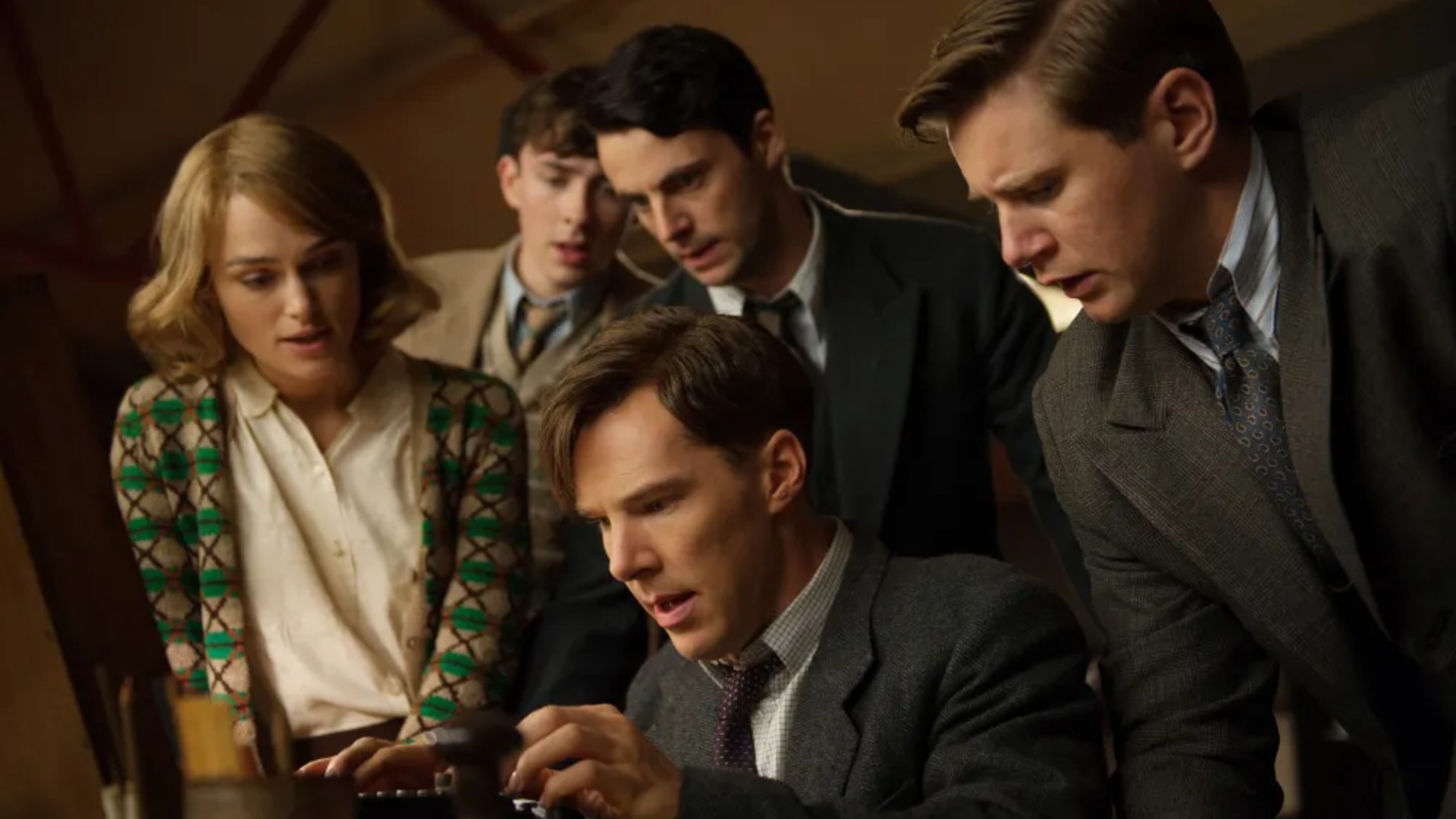
3. The Imitation Game (2014)
While Alan Turing played a crucial role in the development of codebreaking machines that helped decipher the German Enigma code, the film frames him as a largely isolated genius battling dismissive colleagues, when in reality the effort at Bletchley Park was highly collaborative and involved numerous mathematicians, cryptanalysts, and engineers. The screenplay intensifies interpersonal conflicts and introduces fictionalized subplots to heighten drama. Additionally, while Turing’s persecution for homosexuality was tragically real, the film simplifies aspects of the legal and social circumstances surrounding it. Though widely praised and award-nominated, historians have emphasized that the narrative compresses and dramatizes events for emotional resonance.
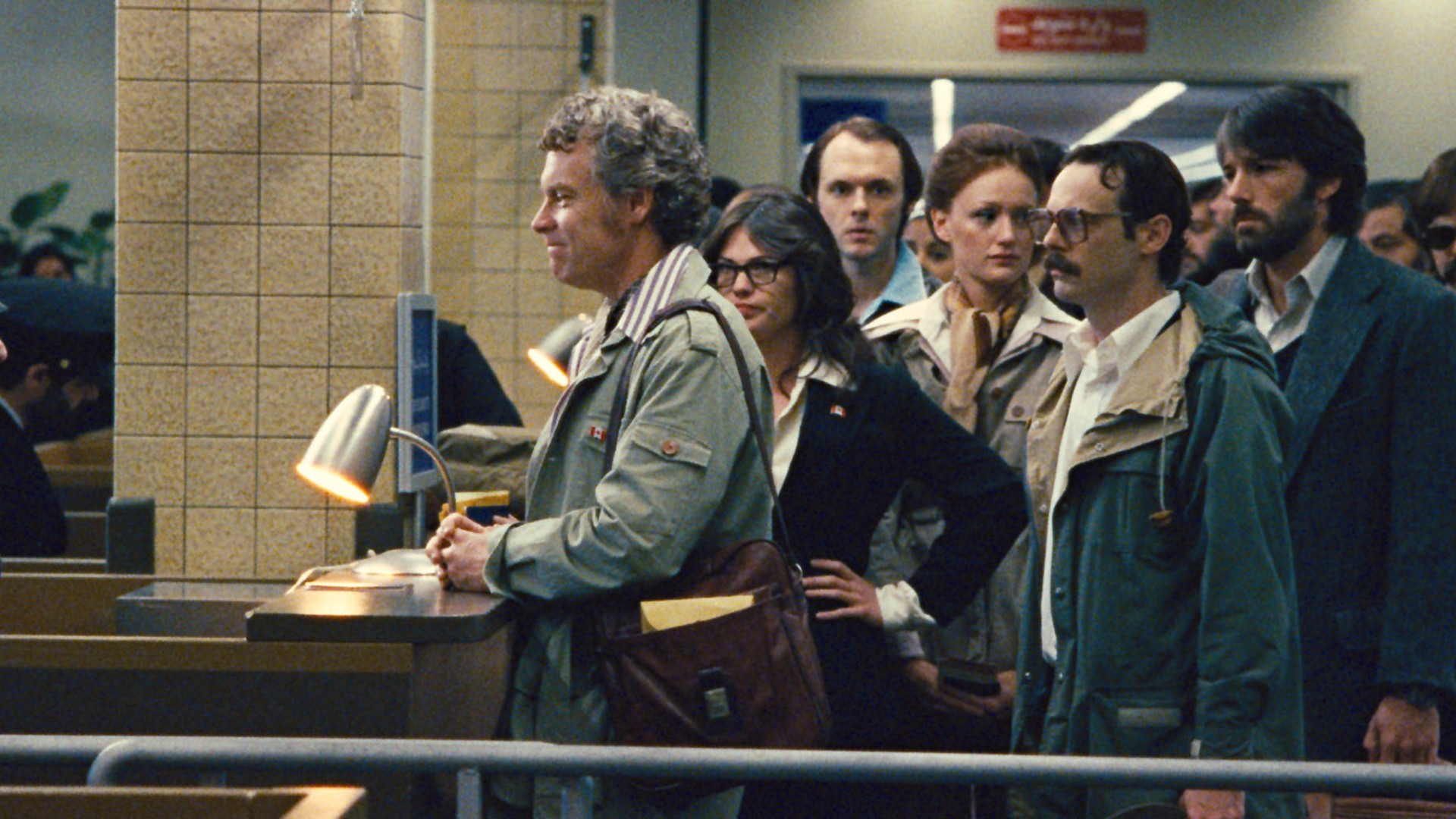
2. Argo (2012)
The film dramatizes the 1979–1981 Iran hostage crisis rescue operation but significantly minimizes Canada’s central role in sheltering and protecting the American diplomats. Former U.S. President Jimmy Carter publicly stated that Canada was responsible for the majority of the operation’s success. The movie also invents a high-stakes airport chase sequence that did not occur in reality, adding suspense for cinematic effect. Despite these liberties, the film was critically acclaimed and won the Academy Award for Best Picture, though Canadian officials and historians noted that the adaptation downplayed their country’s contributions.
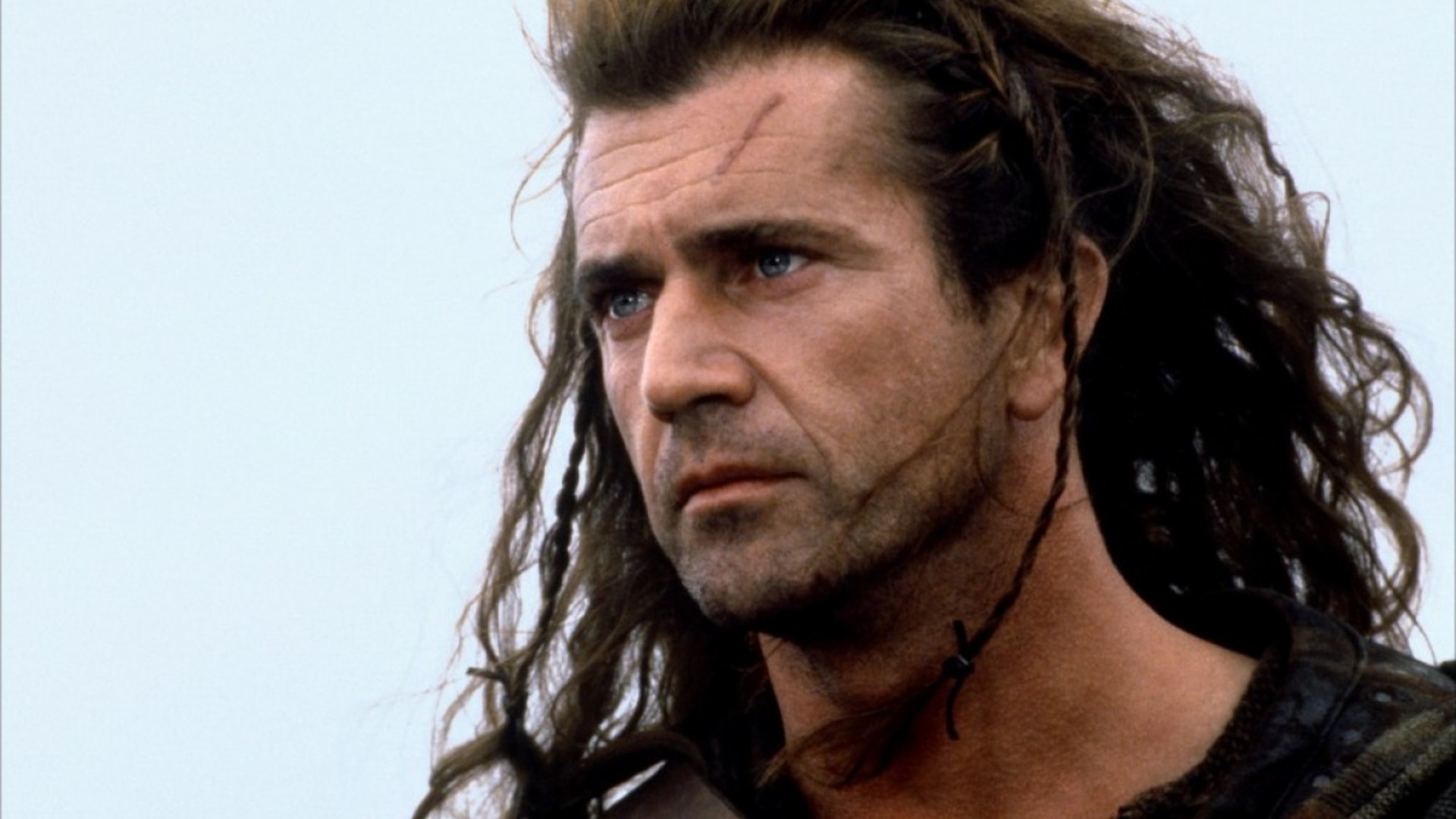
1. Braveheart (1995)
The film takes extensive liberties with Scottish history, depicting 13th-century characters in clothing—such as kilts and face paint—that was not historically accurate for the period. The romantic subplot between William Wallace and Princess Isabella is entirely fictional, as Isabella was a child living in France during the events portrayed. Even the title “Braveheart” historically referred to Robert the Bruce, not Wallace. While the film won multiple Academy Awards and became culturally iconic, historians widely regard it as one of the most historically inaccurate major epics ever produced, reshaping medieval events into nationalist mythmaking for dramatic impact.