10 Movies That Become Much Sadder When You Grow Up
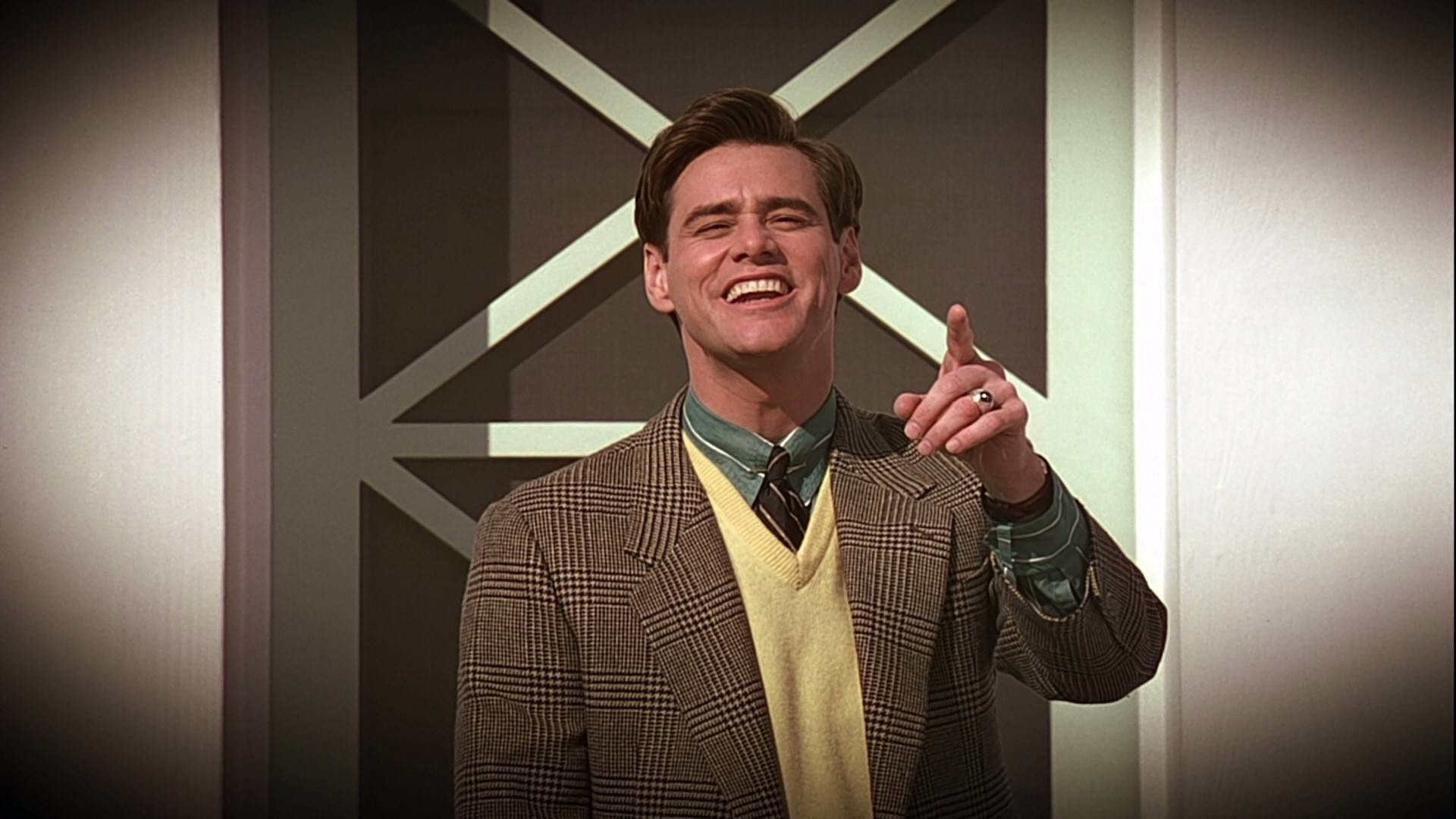
10. The Truman Show (1998)
This feels like a generational piece, especially because of how relevant it is today in a world shaped by social media and constant surveillance. As a kid, it plays like a fun “what if” concept. But as an adult, it becomes a deeply unsettling look at the loss of privacy and how a person’s entire life can be shaped and controlled for entertainment. The saddest realization is that every “friend” Truman ever had was part of the illusion, and his entire childhood was essentially constructed, leaving him with no real foundation of truth to rely on. What makes the story truly powerful, though, is its ending, when Truman finally understands what’s happening, he is offered comfort, security, and everything he has ever known. Yet he still chooses freedom, even at the risk of stepping into the unknown.

9. Lost in Translation (2003)
This film captures a specific type of "adult loneliness" that is impossible to understand until you’ve felt it. It’s not about being alone; it’s about being with someone (a spouse or a partner) and still feeling completely isolated. The bond between Bob and Charlotte is sad because it’s a fleeting connection that can only exist in that specific time and place, and they both have to go back to their "real" lives eventually.
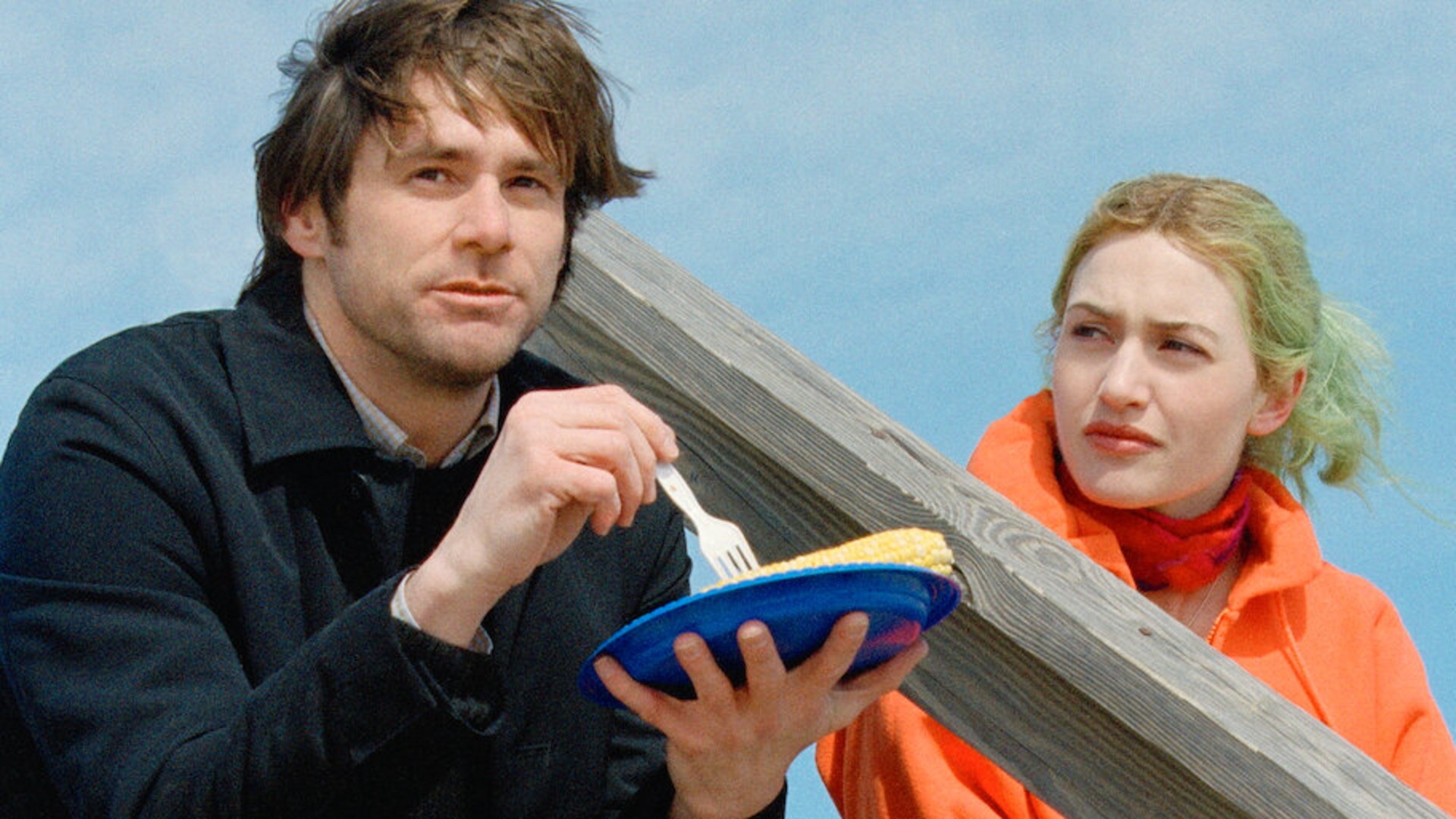
8. Eternal Sunshine of the Spotless Mind (2004)
When you’re young, you focus on the sci-fi memory-erasing hook. As an adult who has been through a difficult breakup, the movie is a haunting look at why we cling to pain. The saddest realization is that even if we could wipe away the bad memories, we are often likely to repeat the same mistakes because we are fundamentally drawn to the same types of people and the same patterns.
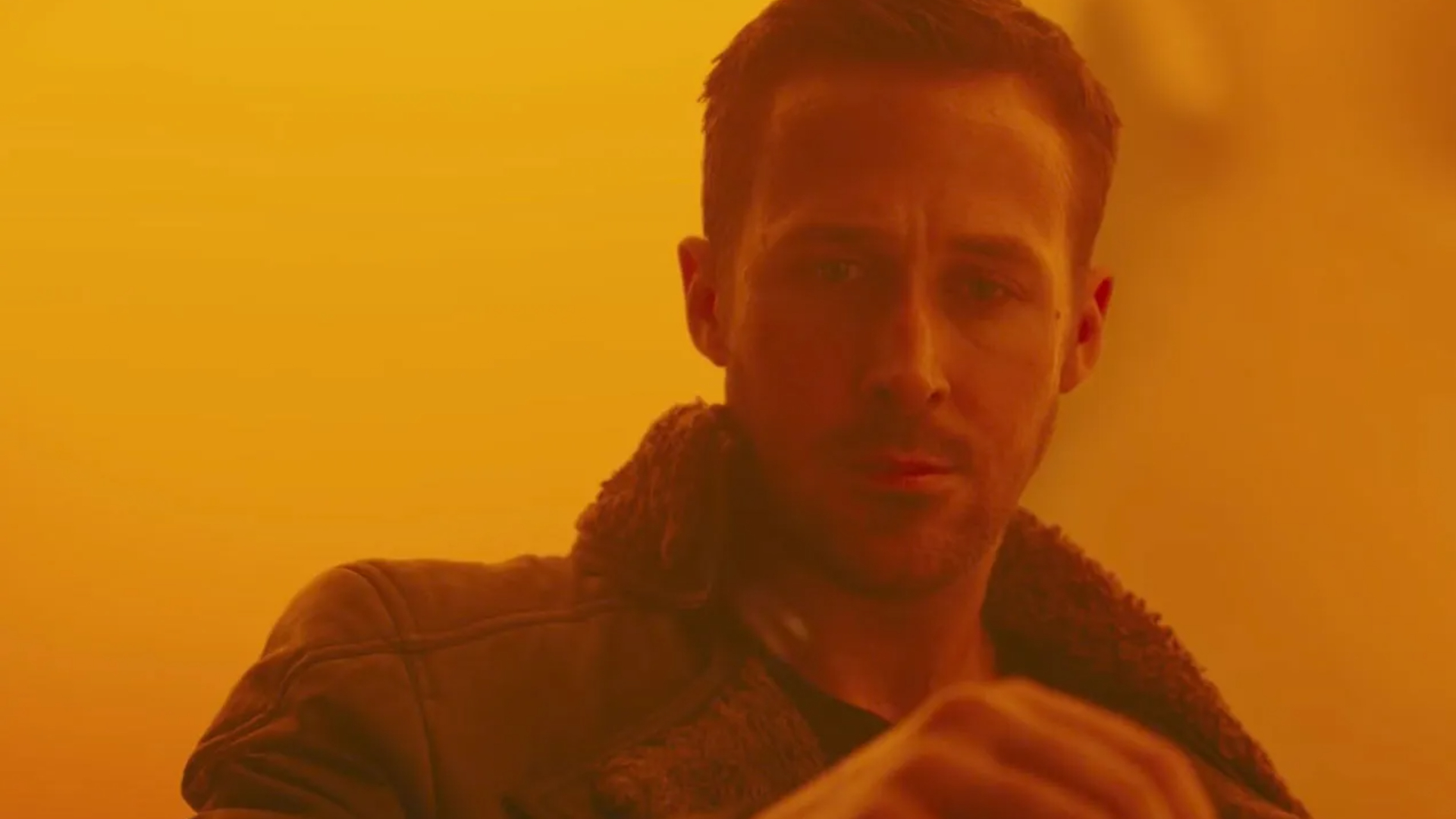
7. Blade Runner 2049 (2017)
The original was about wanting more life; the sequel is about the crushing realization that you aren't "the chosen one." K’s journey is profoundly sad because he spends the movie hoping he is special, only to discover he is just another cog in the machine. His final act of sacrifice is beautiful but tragic, he ends up alone in the snow knowing he was "born" to be irrelevant, finding meaning only in a small, selfless act for someone else.
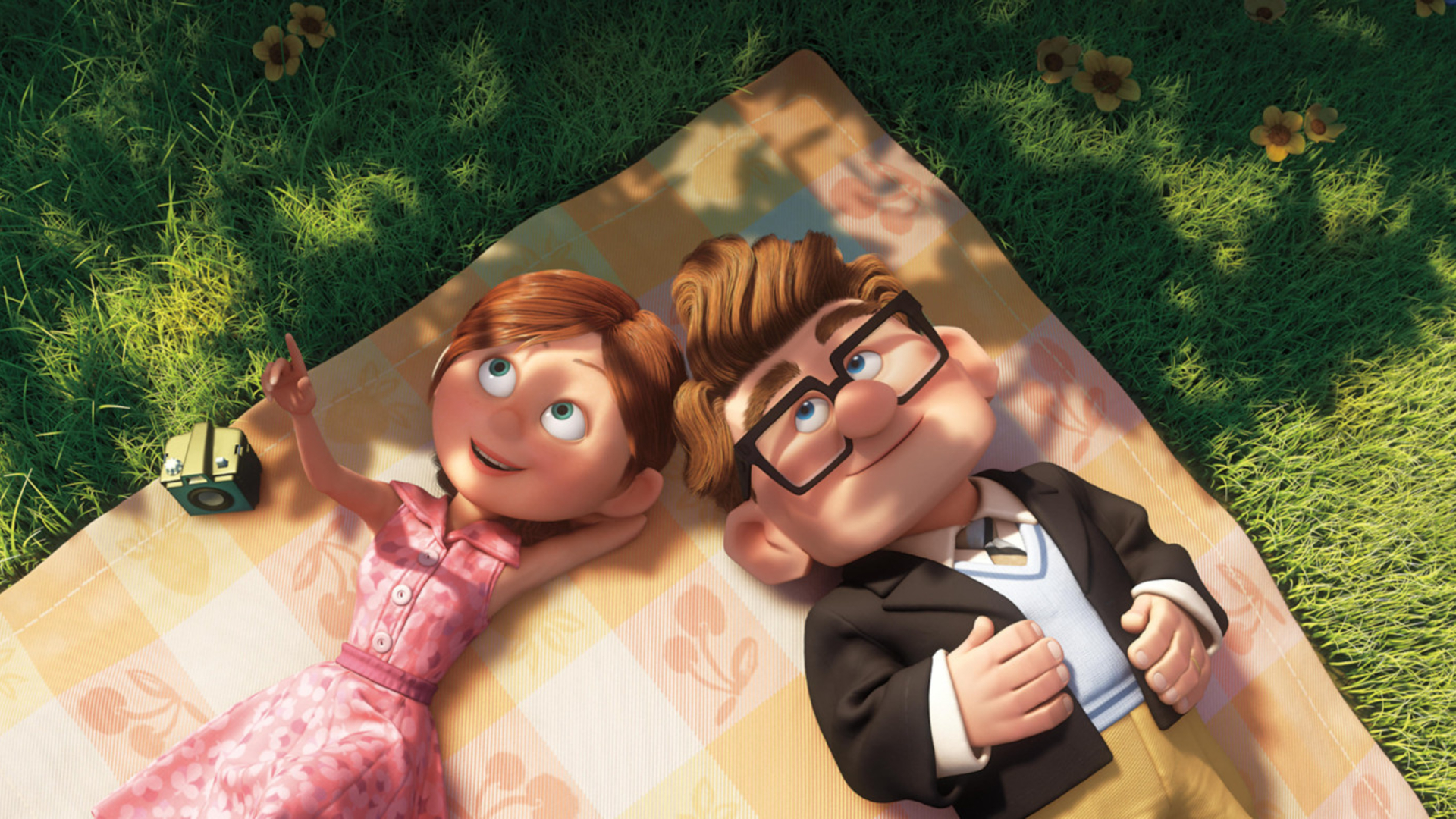
6. Up (2009)
Most people remember the "Married Life" prologue, but the movie gets sadder as you age because of Carl’s literal burden. He is dragging his past (the house) behind him because he feels he failed to give his wife the adventure he promised. The realization that life often gets in the way of our biggest dreams until it’s "too late" is a heavy adult truth that the film handles with honesty.

5. Heat (1995)
As a young person, you watch Heat for the legendary standoff sequence. As an adult, you notice that every single character is a failure in their personal life. Neil’s code ("don't get attached to anything you aren't willing to walk out on in 30 seconds") isn't cool, it's a lonely, paranoid way to live that ensures he ends up alone in a field. The movie is a tragedy about men who are so good at their "jobs" that they have completely damaged their capacity for a home.
4. Drive (2011)
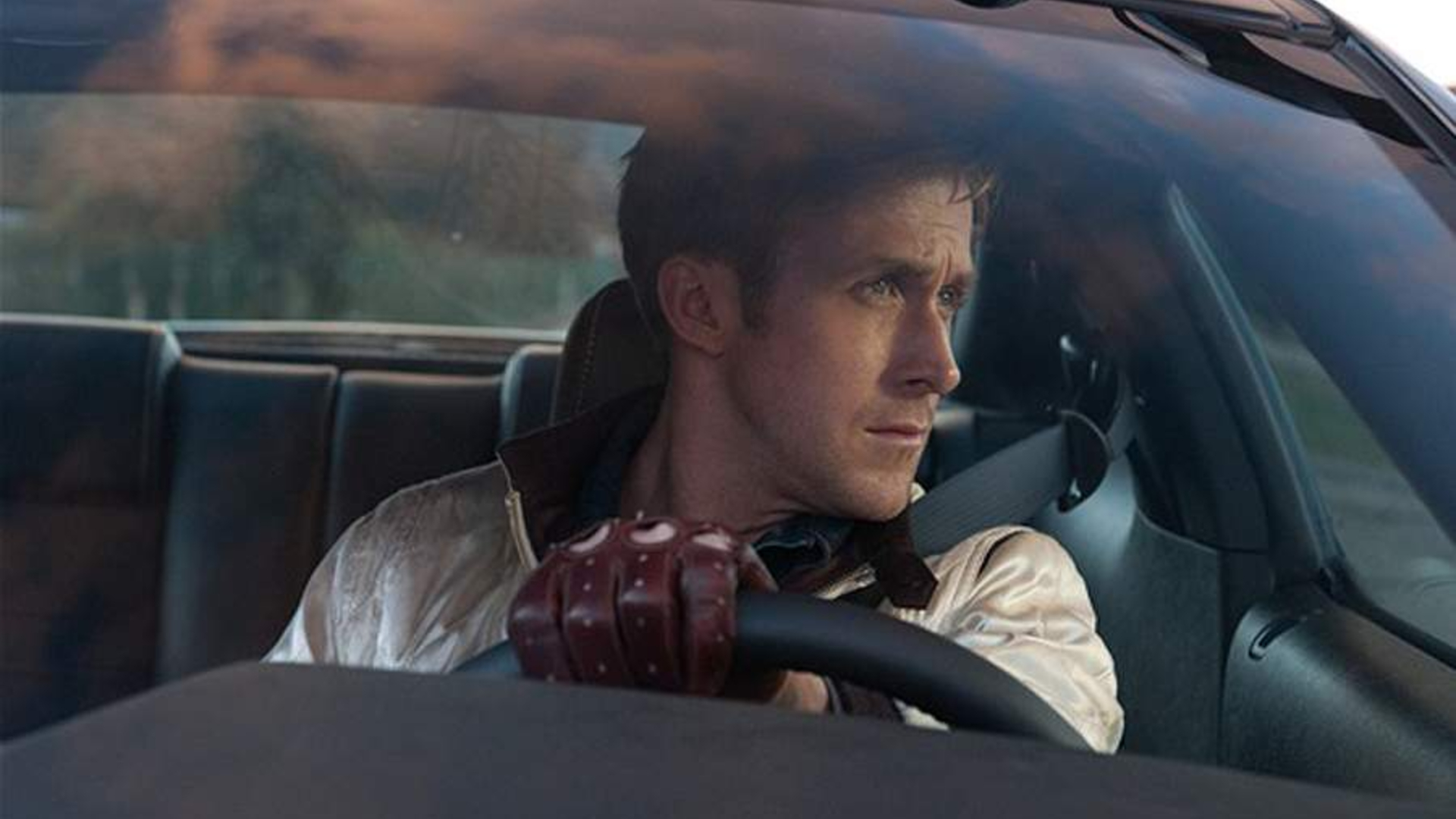
On a first watch, Drive is a stylish neo-noir with a great soundtrack. Growing up reveals it to be a story about a man who is so emotionally stunted that he can only express love through intense actions. The tragedy is the realization that the Driver is "a real hero and a real human being" who can never actually belong in a normal life; he has to drive away at the end because he knows he’s unable to adjust for the family he wants.
3. Interstellar (2014)
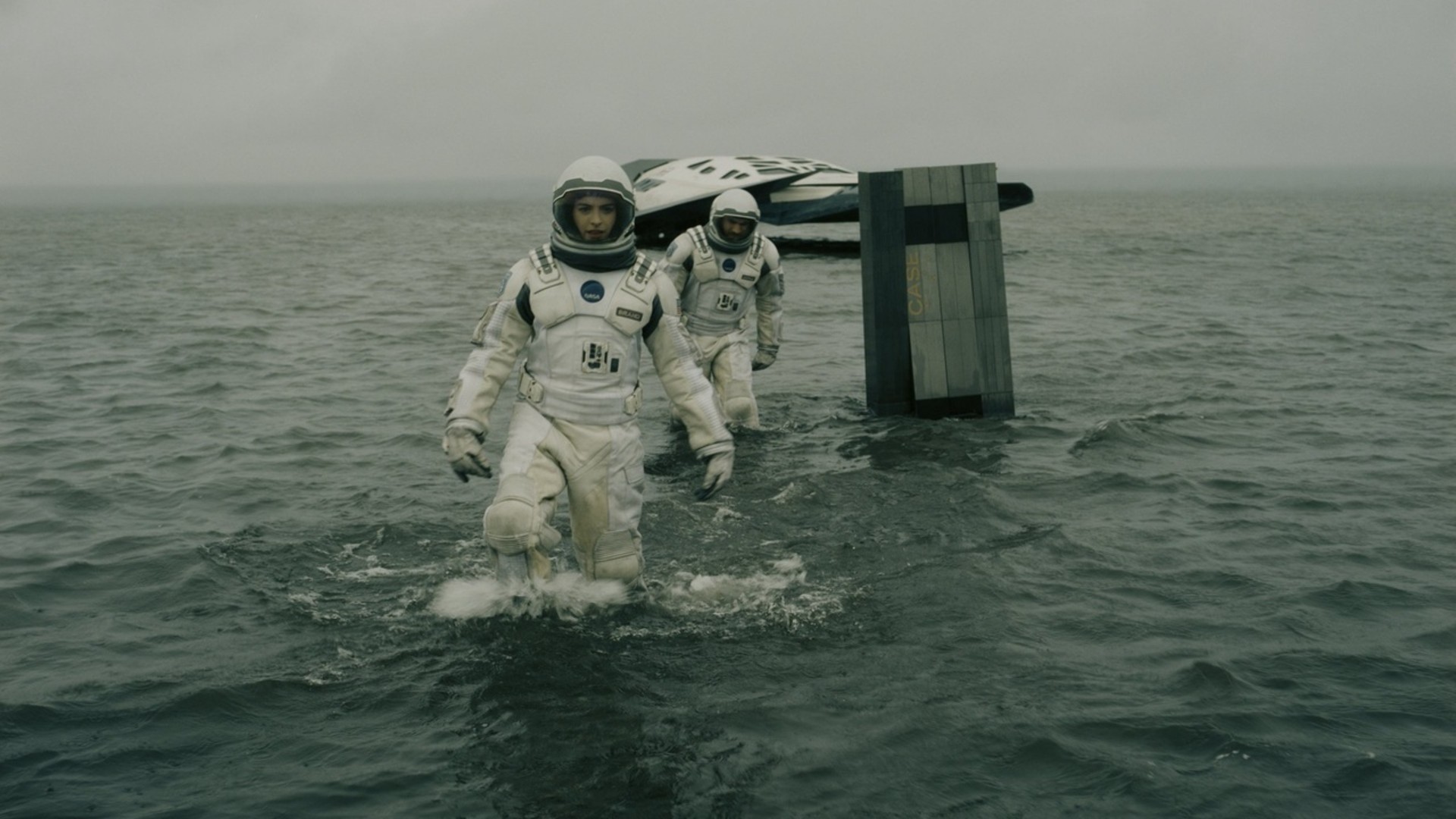
When you’re young, this is a cool sci-fi epic about black holes. As an adult, especially if you have children, it is a devastating story about the literal loss of time. The scene where Cooper watches decades of video messages from his children in a matter of minutes is a visceral metaphor for the way parents feel they are "missing" their children growing up, even when they are right there.
2. The Shawshank Redemption (1994)
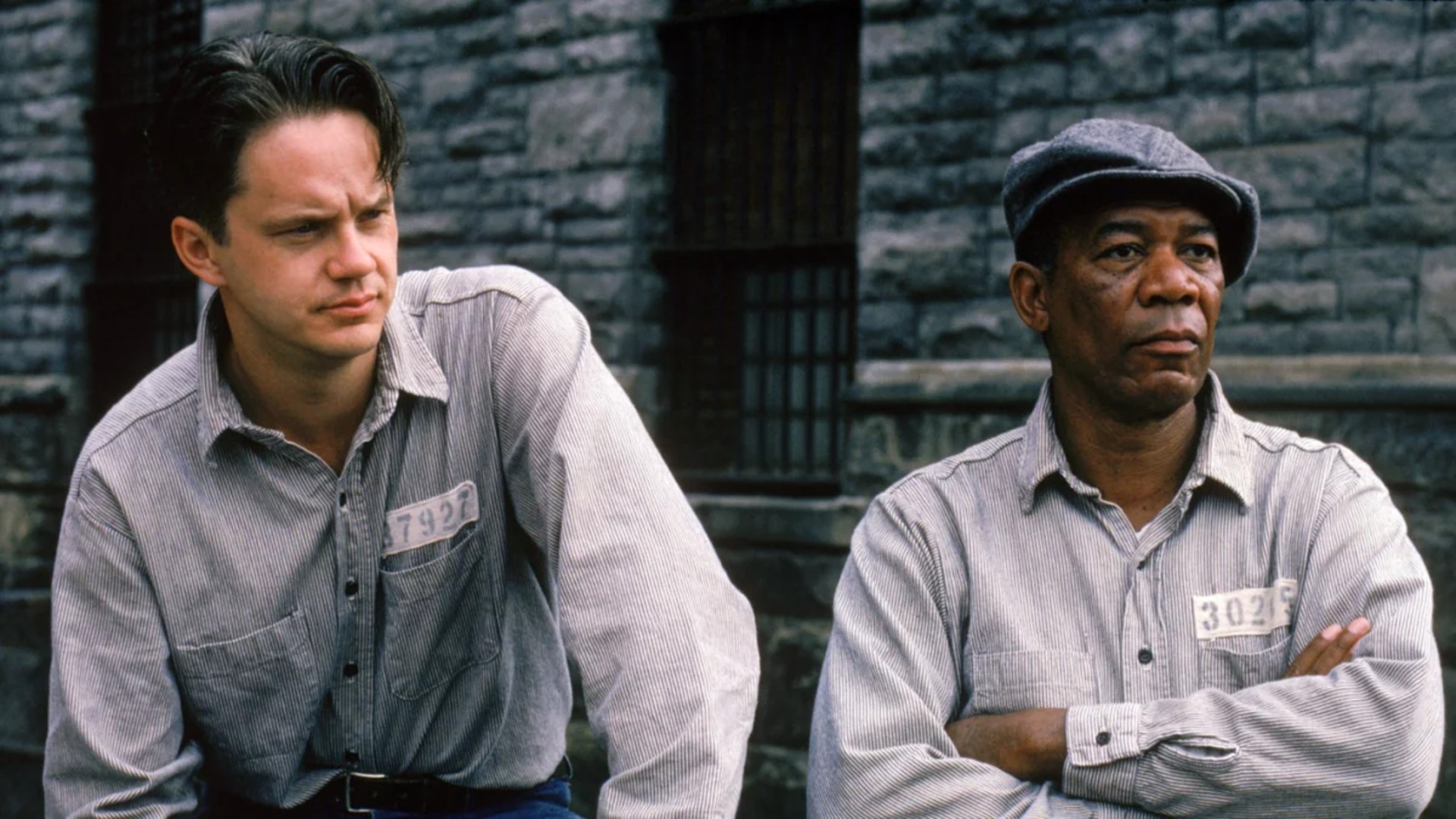
While the ending is hopeful, the adult perspective focuses on the tragedy of "institutionalization." Watching Brooks and Red struggle to exist in a world that moved on without them is heartbreaking once you understand how difficult it is to reinvent yourself later in life. The sadness lies in the decades of life stolen by a broken system, and the fear that, like Brooks, you might find the "real world" too fast and too cold to handle.
1. Taxi Driver (1976)
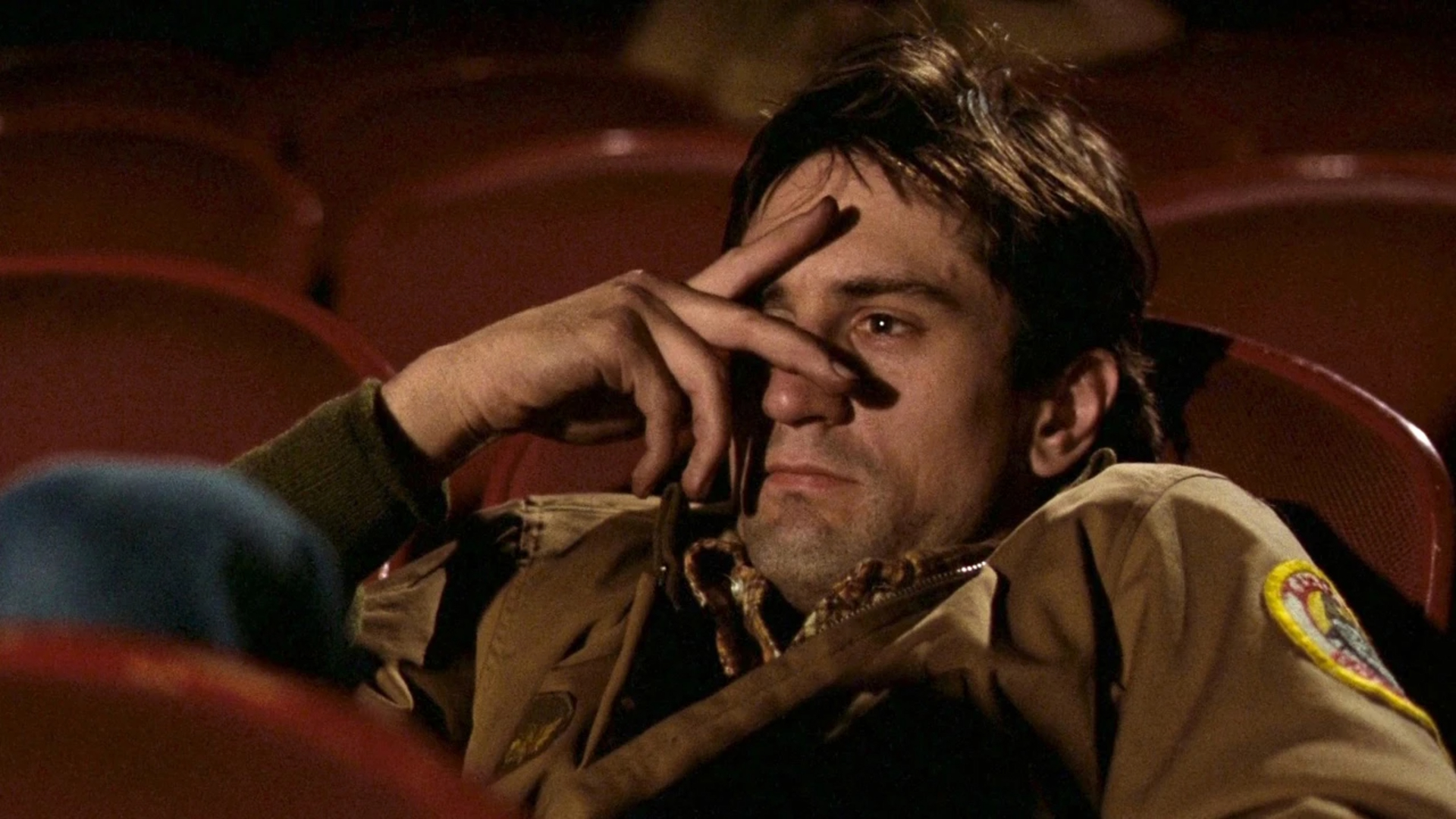
My personal favorite, this might be the only film where I don’t find myself disliking the deeply troubled veteran at its center. When I first watched it, it never occurred to me that this perspective would resonate so strongly later in life. Travis Bickle may initially come across as a “tough guy” anti-hero taking a stand, but with time, you begin to see him for what he truly is: a profoundly troubled, isolated man who feels completely invisible to the world. The real sadness lies in understanding that his “heroic” finale is more a result of a sudden breakdown than any clear sense of purpose, and that without support, he is likely to remain an unstable presence in a city that barely notices him. Yet, in his own way, he seems to find a fragile sense of meaning through the idea of helping others, even if that path is deeply flawed.