10 movies that are so boring that I could not finish them
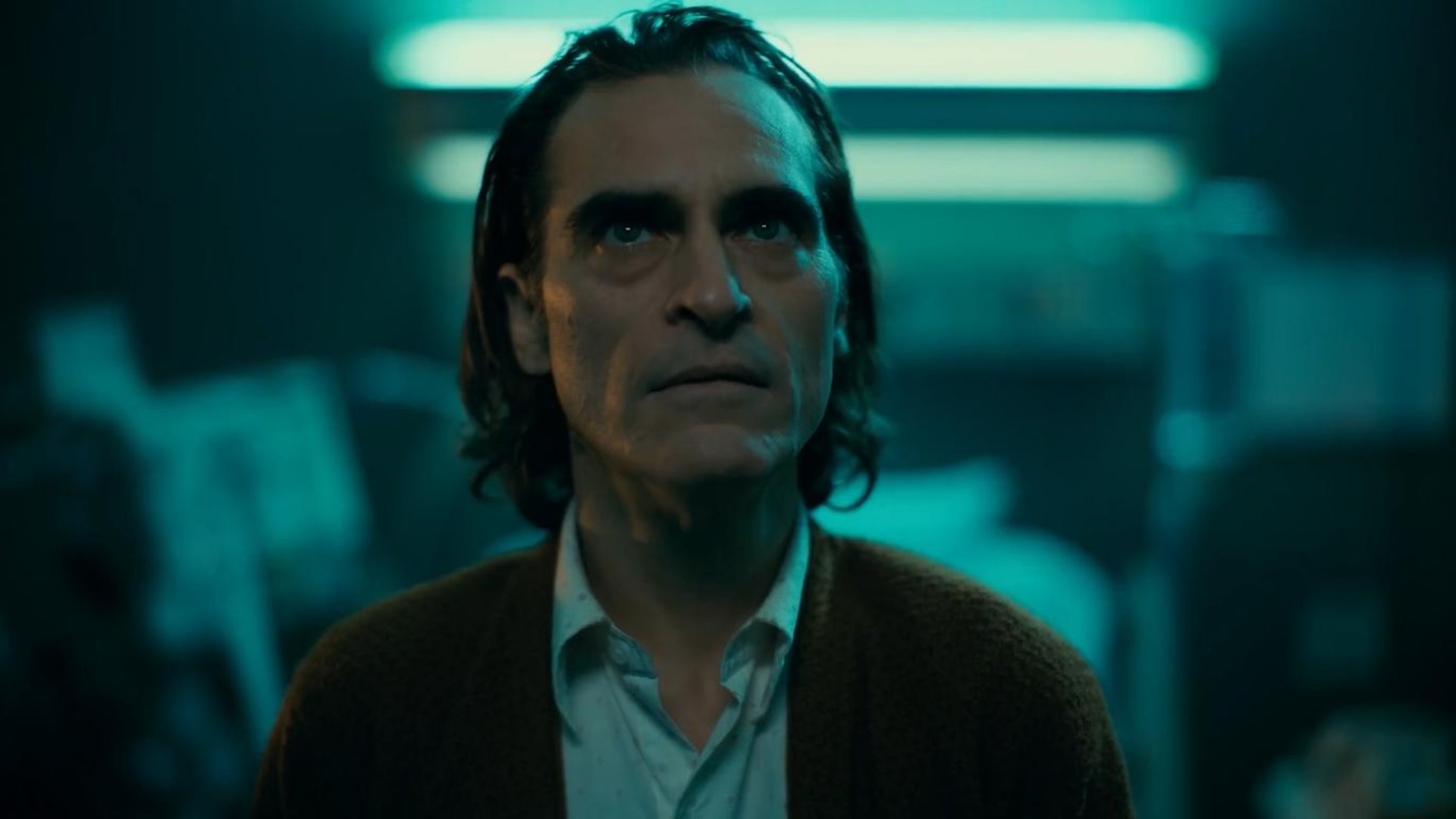
10. Joker (2019)
Joker is an intentional homage to "grindhouse" 70s cinema, specifically Taxi Driver and The King of Comedy. It is a grim, repetitive character study of a man’s mental collapse. For many viewers, watching Joaquin Phoenix dance in bathrooms, climb into fridges, and be bullied for two hours without any "superhero" pay-off was an exhausting and dull experience. It avoids the traditional "hero vs. villain" structure entirely, opting for a slow, depressing build-up that many found indulgent and "one-note," lacking the dynamic energy of other DC or Marvel entries.
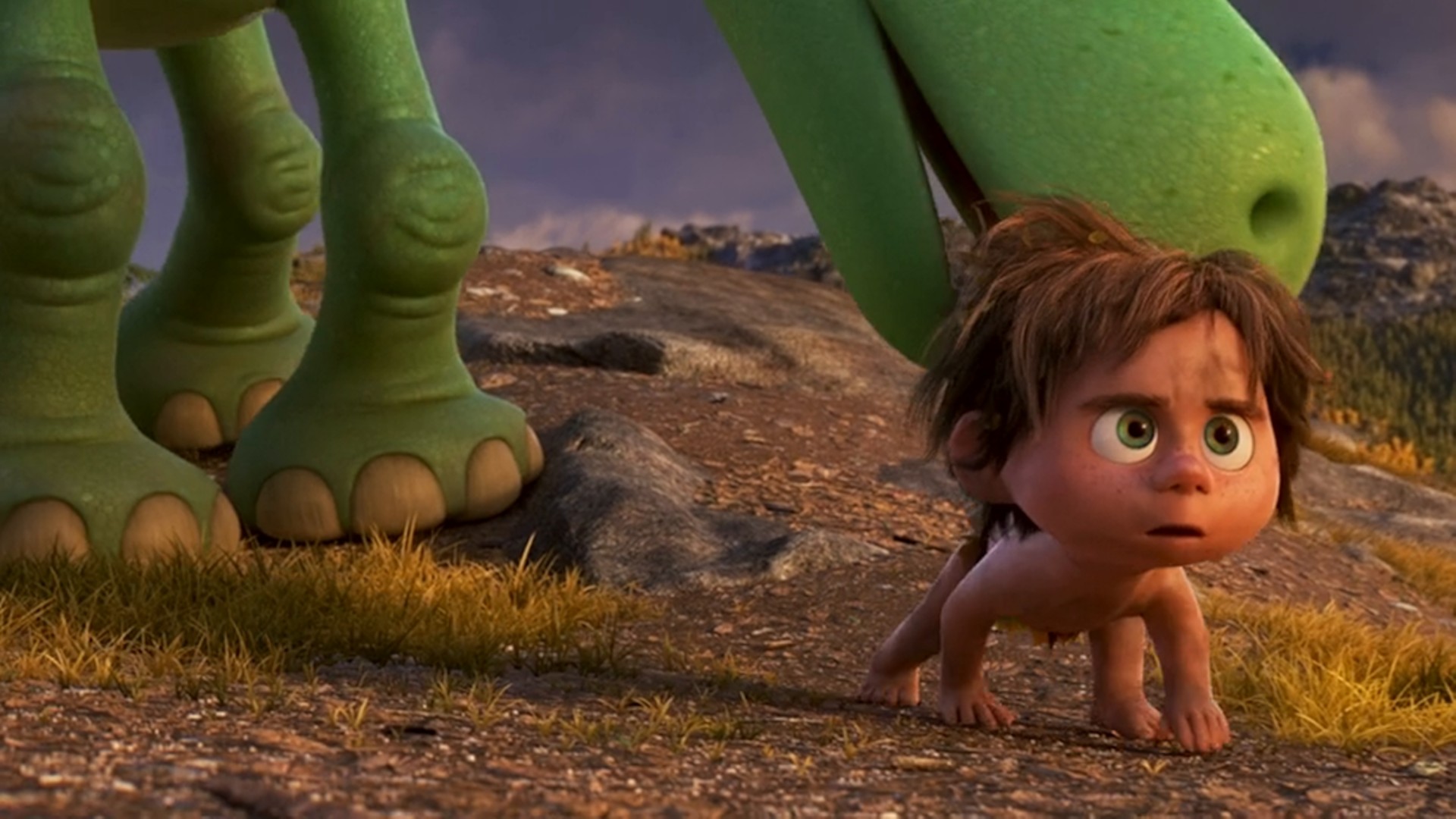
9. The Good Dinosaur (2015)
This Pixar film faced a troubled production, with the entire story being reworked and the voice cast replaced midway through. The final product felt like a disjointed "Western" story that lacked the cleverness of Toy Heart or Inside Out. While the scenery is the most beautiful Pixar has ever rendered, the story—about a cowardly dinosaur trying to get home—is remarkably predictable and slow. It lacked a compelling villain or a unique hook, and the pacing often felt "aimless," leading to its reputation as a rare Pixar film that can't hold the attention of both kids and adults.
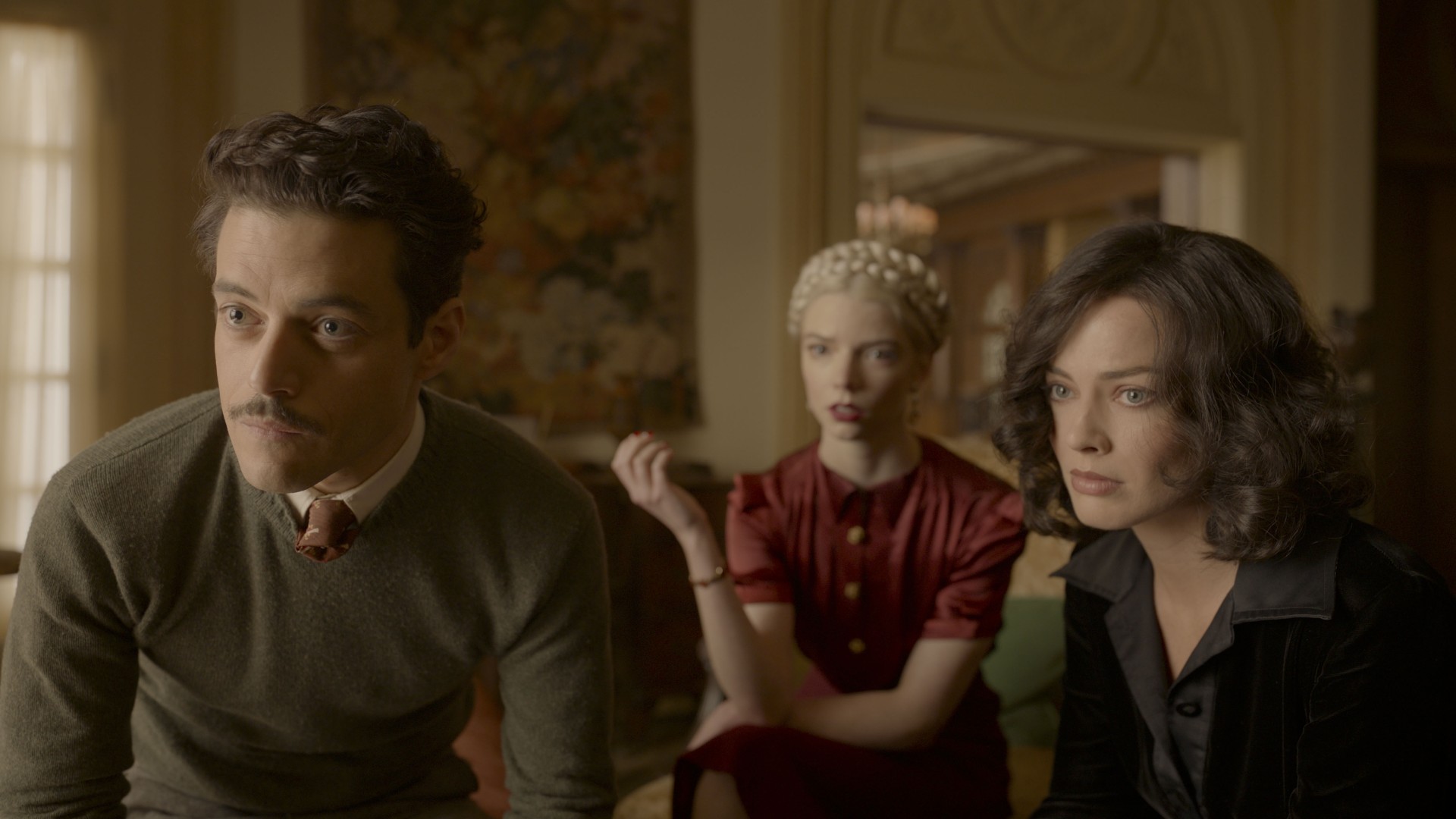
8. Amsterdam (2022)
David O. Russell’s film is a fictionalized account of the "Business Plot" of 1933, where wealthy businessmen tried to overthrow FDR. Despite having every major star in Hollywood, the film is notoriously convoluted and "talky." It relies on a whimsical, screwball comedy tone that many found grating and confusing. The mystery doesn't propel the story forward; instead, characters go on long, eccentric tangents that don't seem to lead anywhere. The result is a film that feels frantic and loud but ultimately empty, making it difficult for viewers to care about the outcome of the conspiracy.
7. Noah (2014)
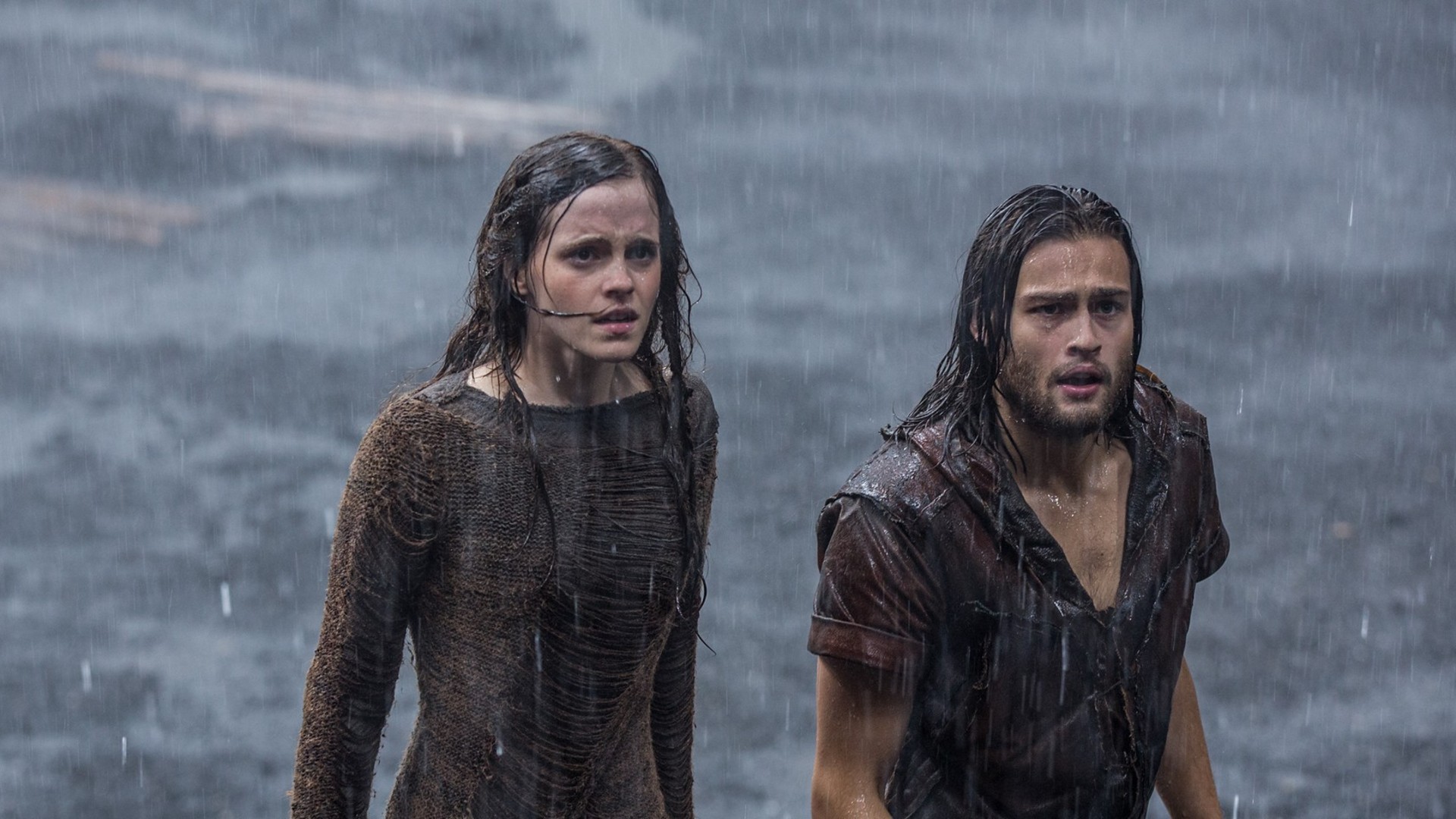
Darren Aronofsky’s Noah is not your Sunday School version of the Ark. It features "The Watchers" (giant stone angels) and a version of Noah who becomes a fanatical survivalist willing to kill his own family to ensure humanity doesn't survive. The first half is a CGI-heavy fantasy, while the second half is a cramped, dark psychological thriller inside the Ark. This jarring tonal shift and the "claustrophobic" mid-section—where characters mostly argue in the dark—felt stagnant to audiences. It was too "weird" for religious audiences and too "theological" for secular action fans, leaving it in a boring middle ground.
6. Clash of the Titans (2010)
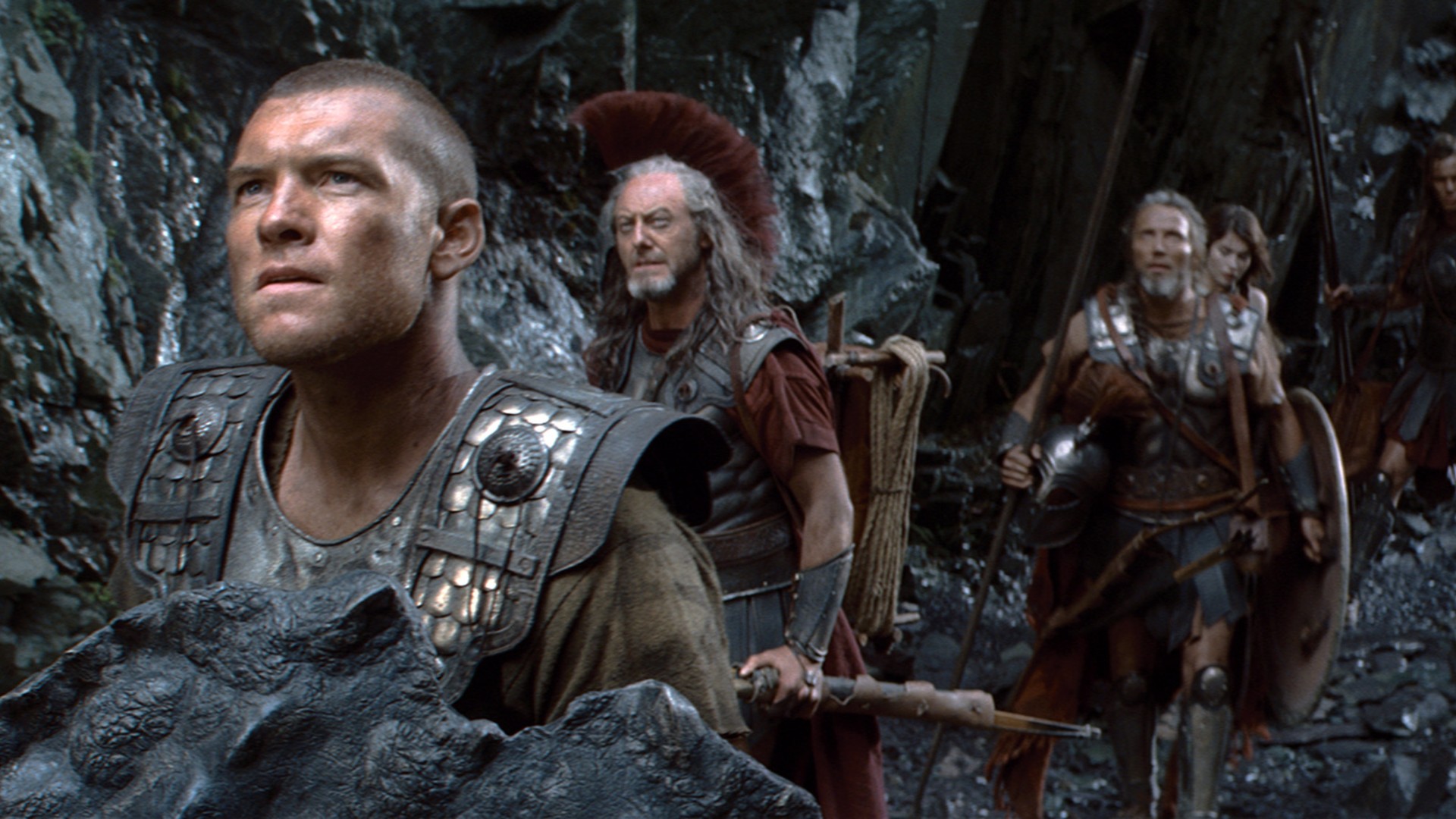
Released at the height of the 3D craze, this remake of the 1981 classic was criticized for being a "grey, joyless adventure." Sam Worthington’s Perseus was a stoic, buzz-cut protagonist with very little personality, and the film moved from one CGI set-piece to the next without any breathing room for character development. The visual palette was muted and dusty, and the plot felt like a video game where the hero simply moves to the next "level." Without a sense of wonder or "magic" that should define Greek mythology, the constant clashing of swords and monsters became a repetitive, boring background noise.
5. The Dark Tower (2017)
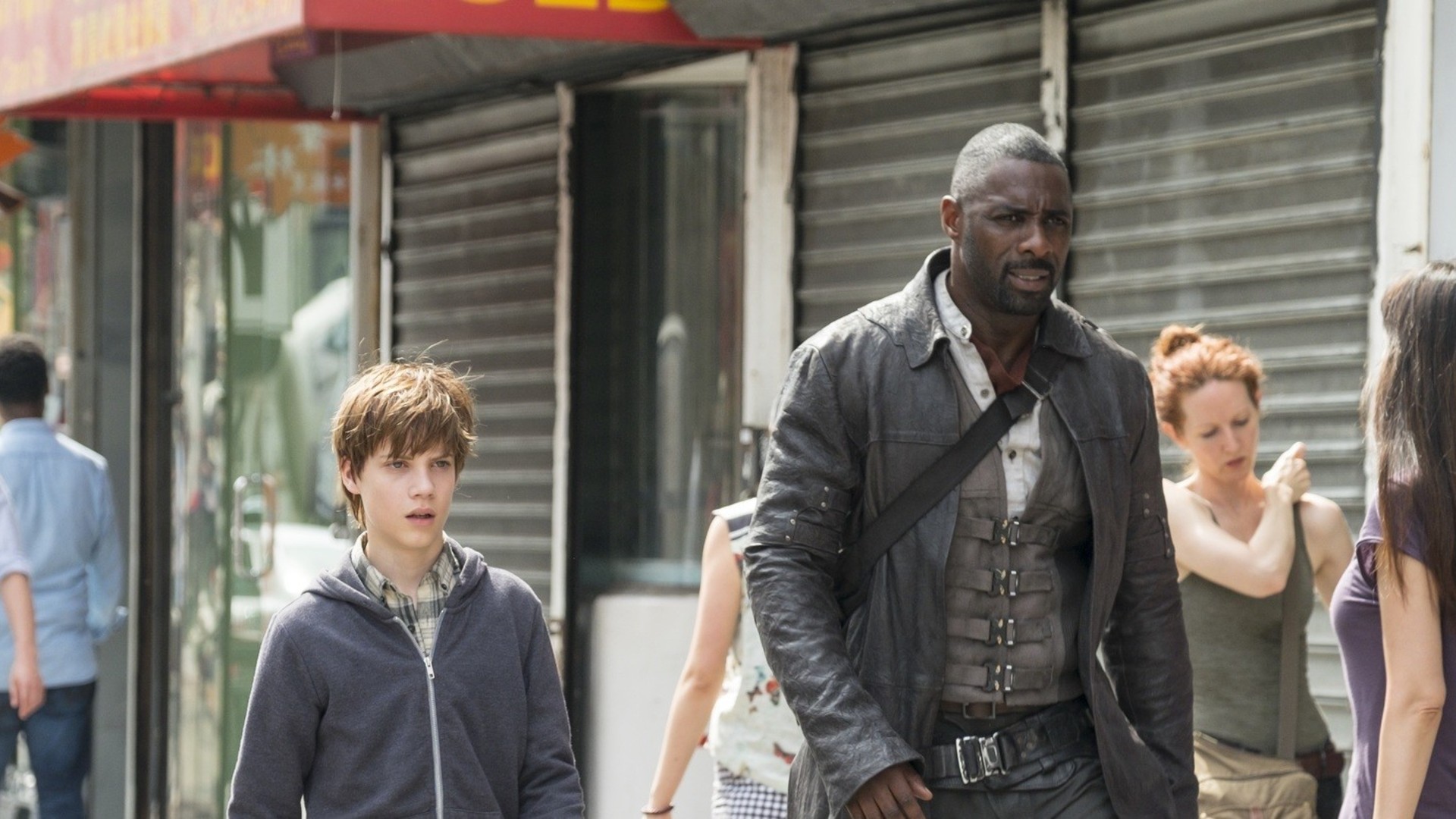
This film is widely considered one of the biggest "wasted opportunities" in sci-fi history. Stephen King’s book series is a sprawling, multi-dimensional epic blending Westerns, fantasy, and horror. However, the film attempted to be a "lite" 95-minute sequel/reboot that simplified the complex lore into a generic "good vs. evil" story. It felt boring because it lacked the weirdness and soul of the books, replacing them with cliché action tropes and a "Chosen One" plot that audiences had seen a hundred times before. Even the charisma of Idris Elba and Matthew McConaughey couldn't save a script that felt like a sanitized, "corporate" version of a much more interesting story.
4. Warcraft (2016)
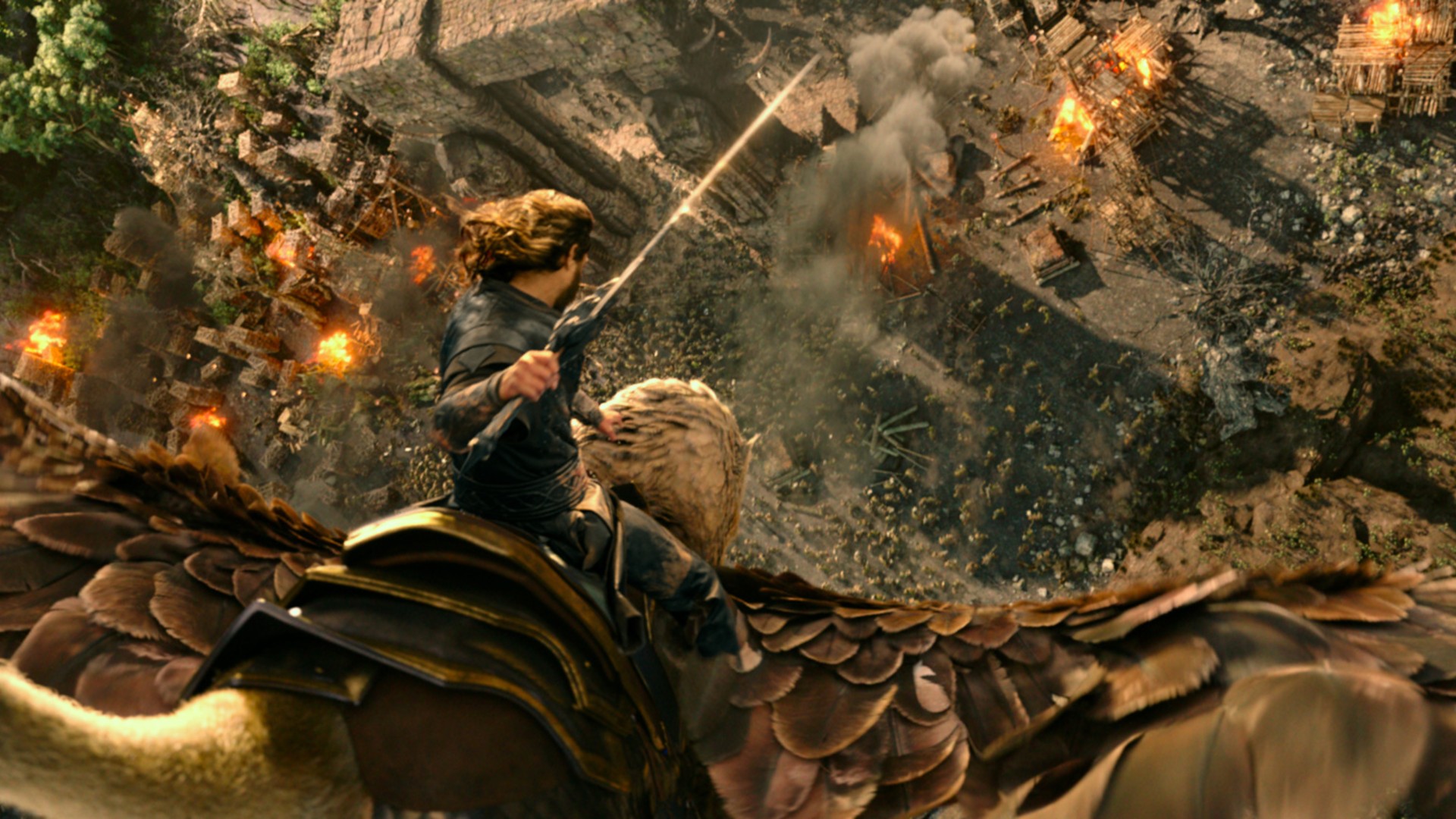
Directed by Duncan Jones, Warcraft was an ambitious attempt to bring the Azeroth universe to the big screen. The film focuses on the initial encounter between humans and orcs, but it suffered from narrative density. To a casual viewer, the movie felt like a "CGI-heavy slog" filled with incomprehensible proper nouns, portals, and magical rules that were never clearly explained. While the Orc motion-capture was groundbreaking, the human characters were often described as "wooden" and "uninteresting." The film spent so much time on world-building and political maneuvering between Orc clans that it forgot to build a cohesive emotional hook, making the two-hour runtime feel much longer.
3. Silence (2016)
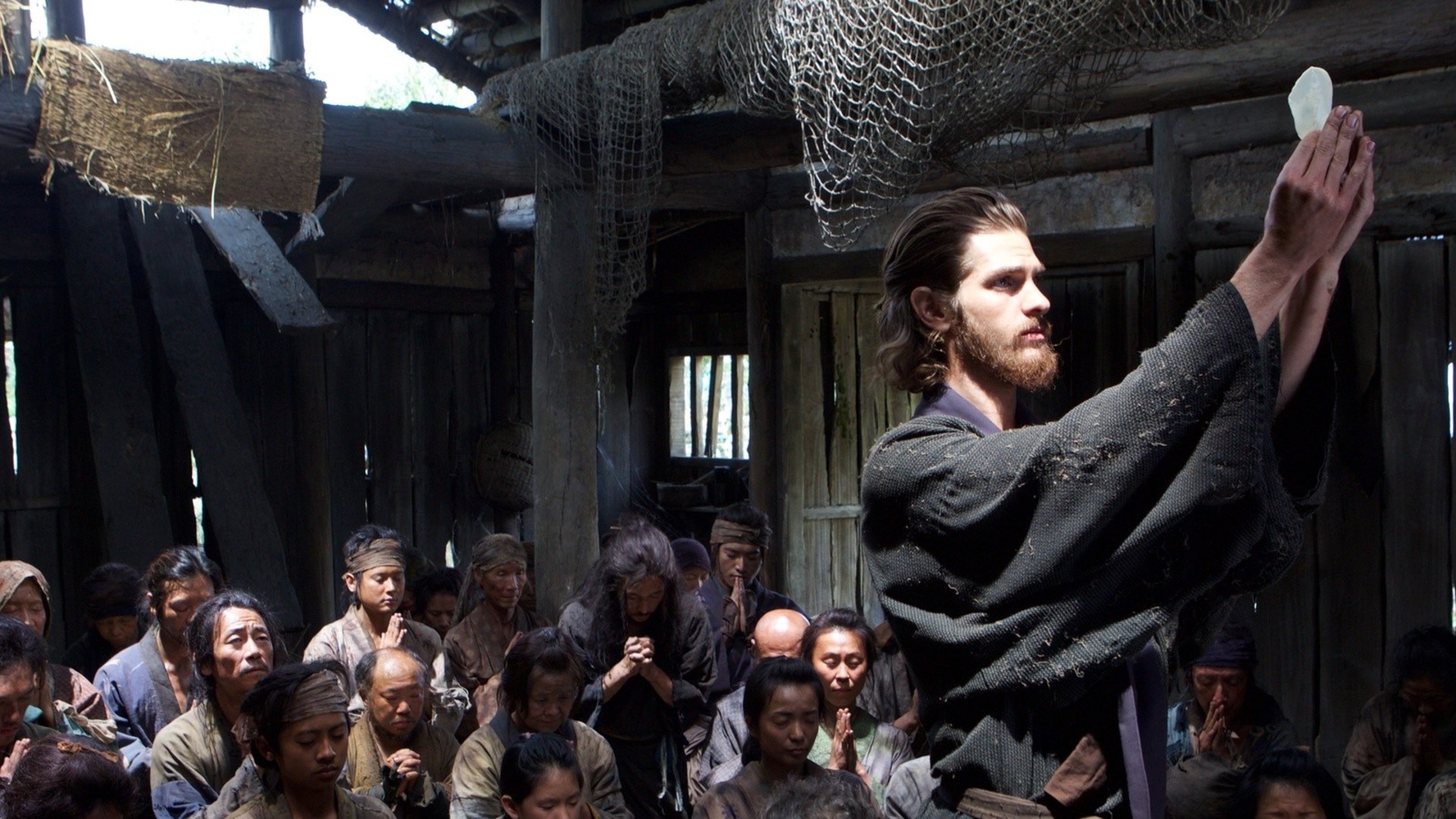
A passion project that Scorsese spent 25 years trying to make, Silence is a grueling exploration of faith, doubt, and the "silence of God." Andrew Garfield and Adam Driver play Jesuit priests who travel to Japan to find their mentor, who is rumored to have committed apostasy. The film is intentionally hushed and meditative, focusing on long theological debates and the internal psychological torture of the characters. It lacks the "action" of a typical historical epic; instead, the conflict is about whether a man will step on a religious image to save others from torture. Its heavy atmosphere and 161-minute runtime make it a difficult, "dry" watch for those not interested in deep religious philosophy.
2. Roma (2018)
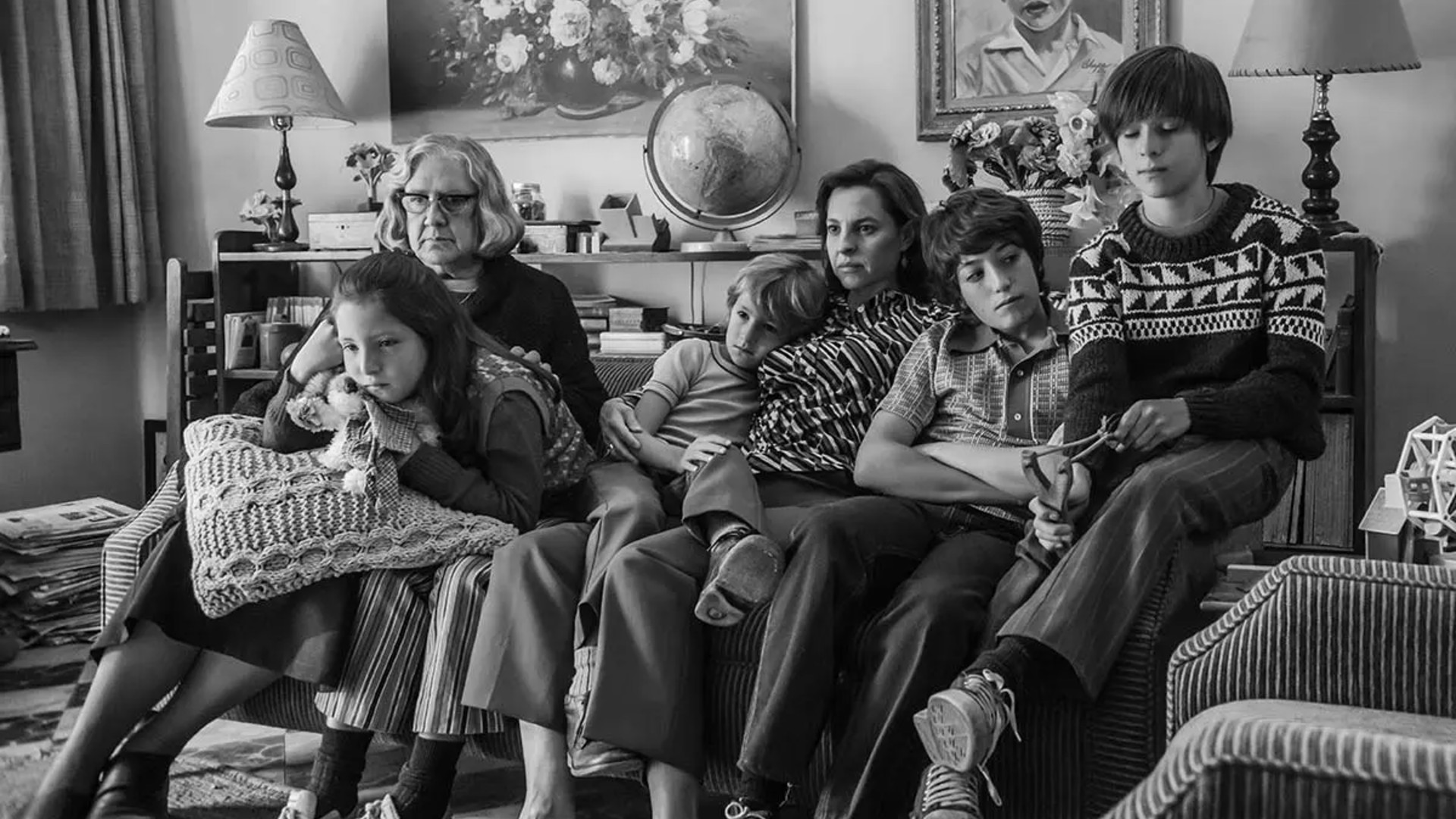
Directed by Alfonso Cuarón, Roma is a black-and-white masterpiece that won three Academy Awards, but it is the definition of "slow cinema." Set in 1970s Mexico City, it follows Cleo, an indigenous domestic worker for a middle-class family. The film uses extreme long takes and a deep-focus lens, often showing Cleo doing mundane tasks like cleaning dog waste or washing clothes in real-time. There is no musical score to guide your emotions, and the "plot" is a collection of life's fragments rather than a rising conflict. For many, the lack of a traditional narrative arc and the silent, observational style made it feel more like a moving photograph than a movie, leading to disengagement.
1. Killers of the Flower Moon (2023)
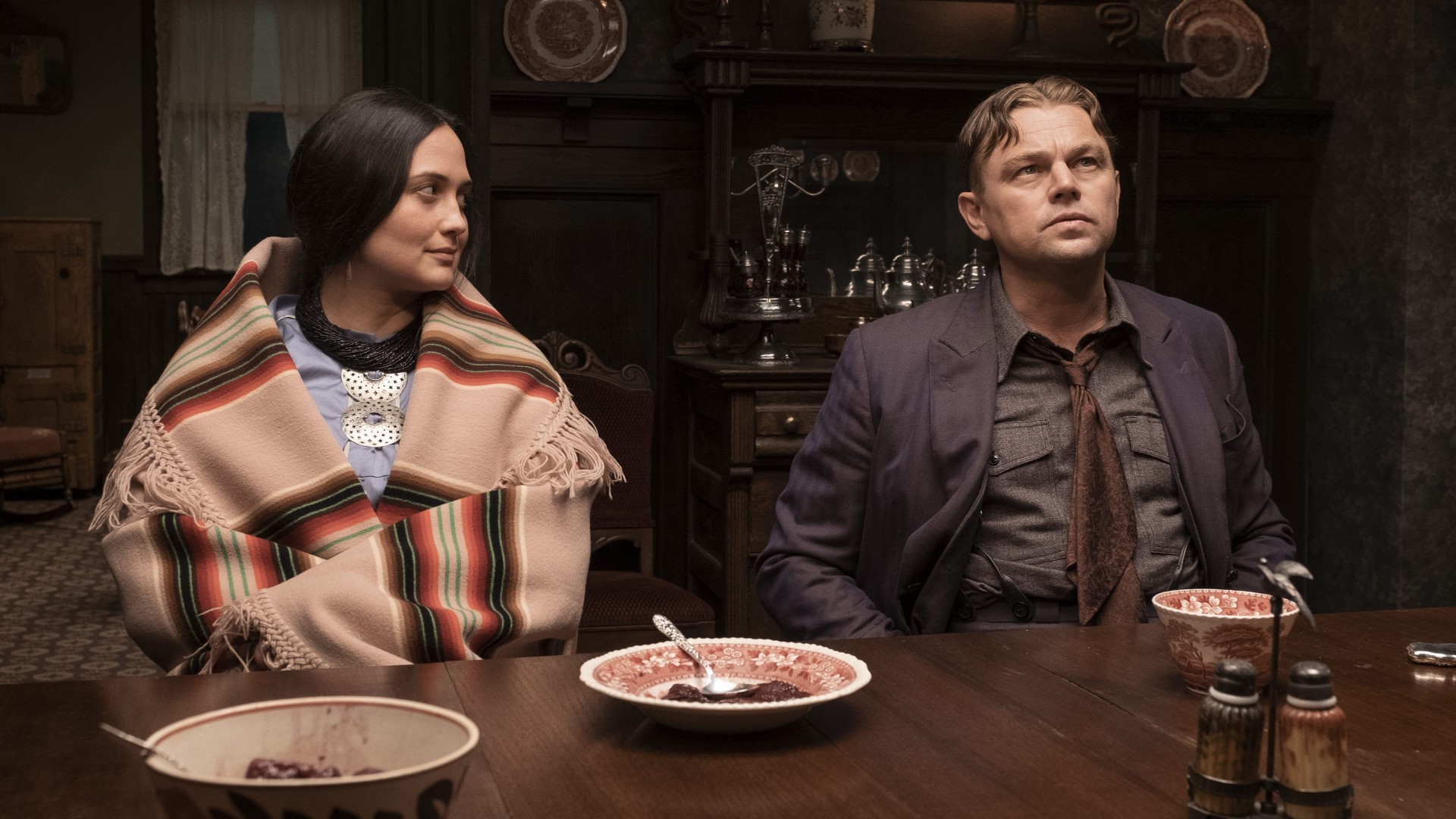
This Apple Original film cost over $200 million and represents Martin Scorsese’s attempt to reckon with "The Reign of Terror" in the 1920s. The plot focuses on the systematic poisoning and shooting of Osage Nation members for their oil wealth, but rather than a "Whodunnit" mystery, the film is a "Whydunnit" character study. It focuses heavily on the toxic marriage between Ernest Burkhart (Leonardo DiCaprio) and Mollie Kyle (Lily Gladstone). Many viewers found it boring because Scorsese chose a methodical, circular pace to show how banally evil people can be. The film intentionally lacks the high-speed editing of The Wolf of Wall Street, instead forcing the audience to sit in the uncomfortable, slow reality of a community being erased over three and a half hours.