10 Movie Recommendations That Will Rewire Your Brain
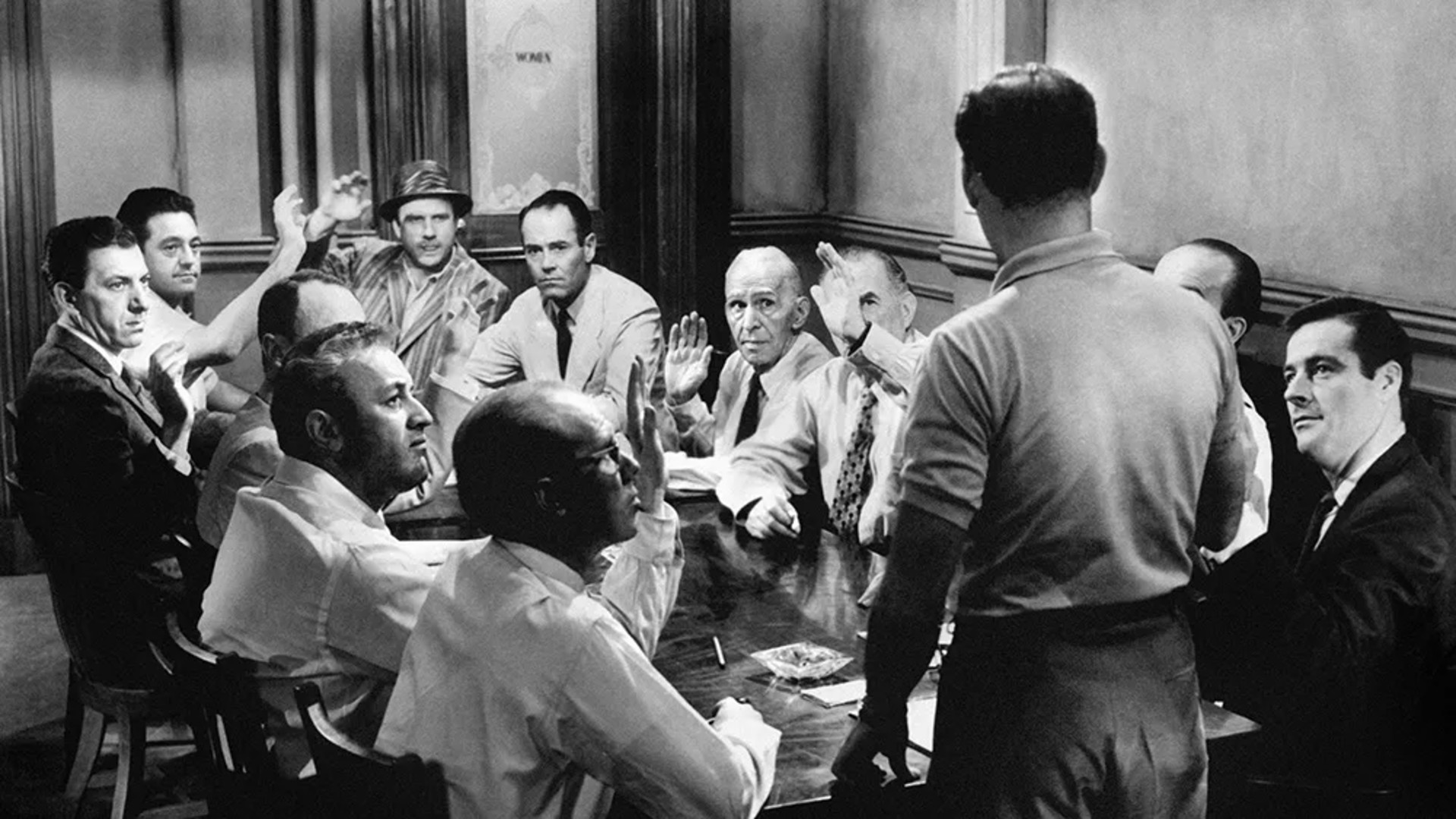
10. 12 Angry Men (Persuasion)
The film presents persuasion as a process built on patience, reasoning, and persistence. Influence grows through dialogue, evidence, and clarity. Change occurs gradually as bias is challenged through discussion rather than authority.

9. Hacksaw Ridge (Conviction)
The film focuses on conviction expressed through refusal, consistency, and belief under pressure. Discipline and faith operate together rather than in opposition. Respect is earned through commitment maintained despite resistance.

8. Limitless (Potential)
This story treats potential as something unlocked through access, discipline, and opportunity rather than talent alone. Short-term efficiency masks long-term instability. Capability expands faster than responsibility or control.

7. Nightcrawler (Ambition)
The film portrays ambition as a response to incentives rather than values. Success is shaped by visibility, access, and adaptability. Moral boundaries shift as rewards increase without external correction.

6. Gladiator (Honor)
The narrative defines honor through consistent conduct during loss and shifting power. Leadership is framed as responsibility rather than dominance. Loyalty, discipline, and restraint guide decisions even when reward is absent.

5. Parasite (Social Class)
This film studies social class through living space routine and access as markers of inequality. Systems shape behavior more than individual morality. Pressure builds through proximity dependence and imbalance rather than open confrontation.

4. Fight Club (Masculinity)
The film explores masculinity through dissatisfaction, identity conflict, and resistance to social structure. Strength is presented as confusion rather than confidence. Control, rebellion, and purpose remain unresolved rather than clearly defined.

3. The Godfather (Strategy and Family)
The story approaches strategy through observation, restraint, and timing rather than impulsive action—power shifts quietly over time while family loyalty functions as both protection and obligation. Decisions are driven by long-term thinking instead of emotion.

2. Whiplash (Perfectionism)
This film examines perfectionism by showing how extreme standards influence behavior, relationships, and self-worth. Improvement becomes tied to control, repetition, and fear rather than balance. It raises questions about whether excellence requires personal sacrifice.

1. The Pursuit of Happyness (Resilience)
The film presents resilience through everyday pressure rather than dramatic breakthroughs and focuses on routine discipline, patience, and responsibility. Progress arrives slowly through repeated effort, setbacks, and small decisions. Success is portrayed as something built over time, rather than something granted.