10 most relatable villains
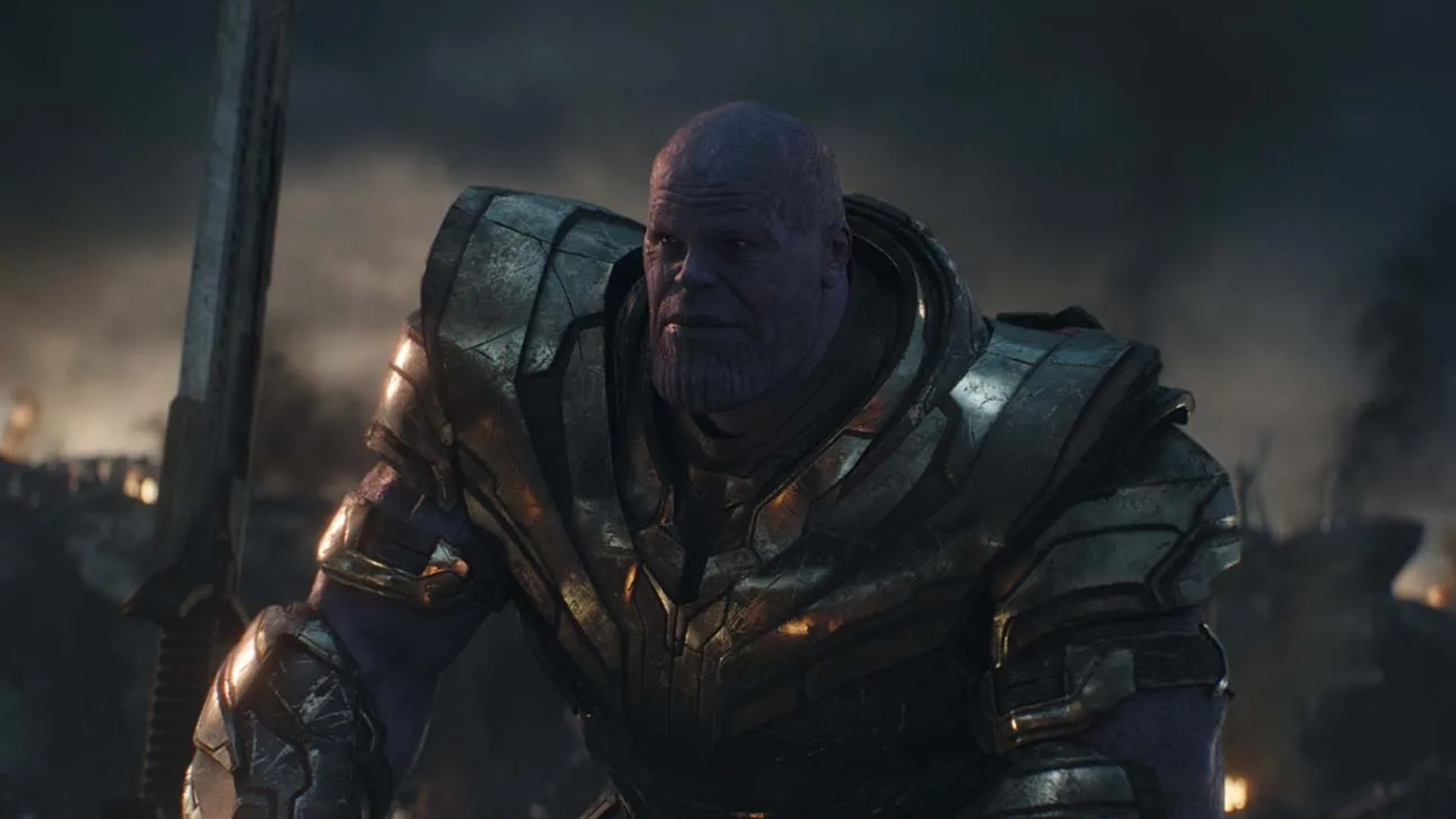
10. Thanos
Thanos embodies utilitarian logic taken to an unforgiving extreme. Convinced that finite resources will inevitably lead to universal collapse, he believes mass sacrifice is the only solution. He does not see himself as cruel, but as necessary. His relatability lies in the painful reality of choosing between outcomes where no option feels morally clean. Thanos serves as a warning about the dangers of logic stripped of empathy and human connection.
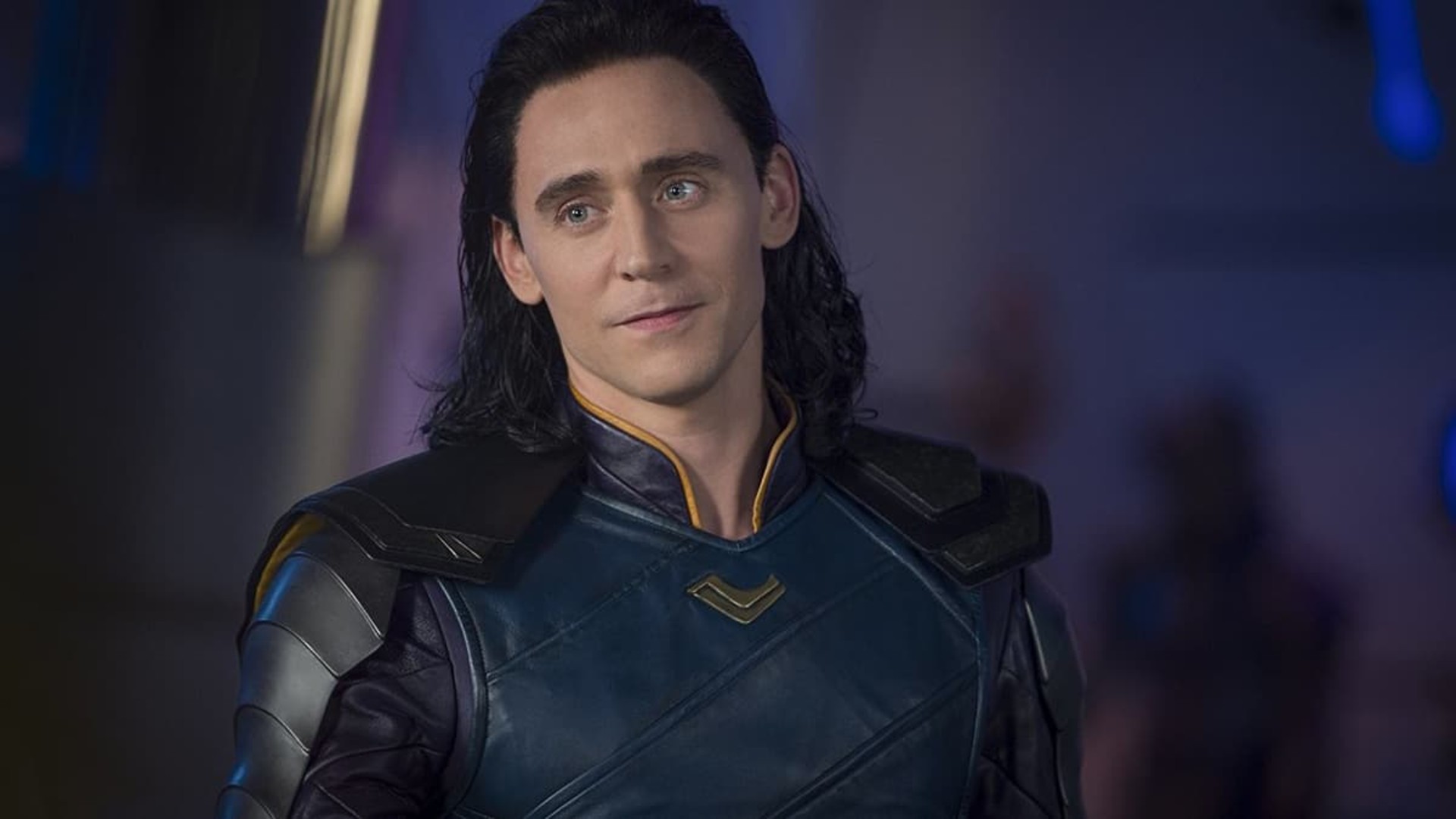
9. Loki
Loki’s appeal lies in his struggle for identity and belonging. Raised as the “second prince,” he is constantly compared to Thor’s strength and confidence. The revelation of his Frost Giant heritage—everything he was taught to despise—shatters his sense of self. His turn toward villainy is not driven purely by ambition, but by a desperate need for validation and acceptance. Loki represents the “shadow self” felt by anyone who has ever lived in someone else’s shadow or questioned where they truly belong.
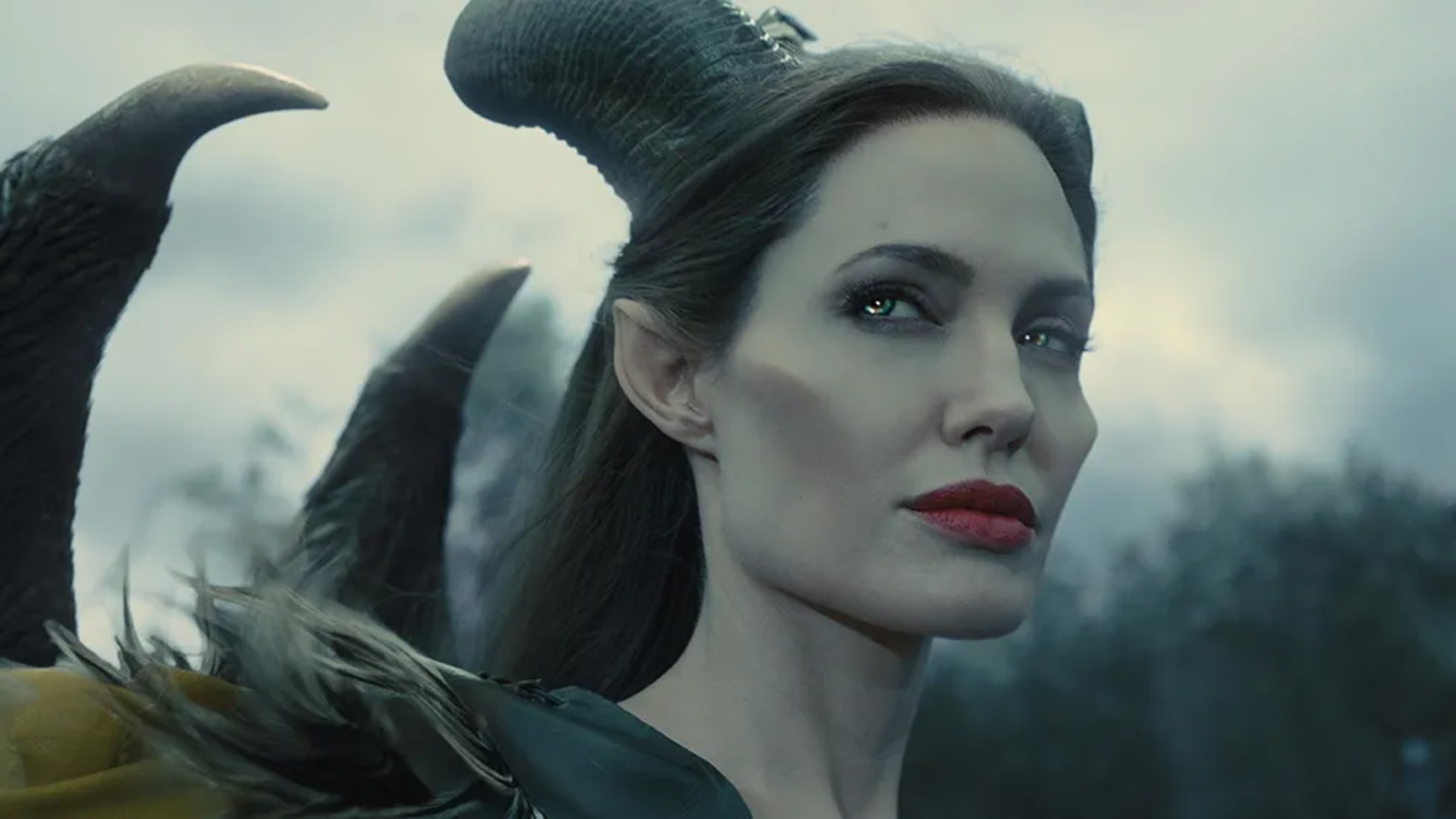
8. Maleficent
This reimagined Maleficent is shaped by betrayal rather than vanity. The loss of her wings serves as a metaphor for violated trust and autonomy. Her cruelty emerges from grief and self-protection, not inherent malice. She represents the emotional hardening that often follows trauma, showing how pain can transform someone into what others perceive as a monster.
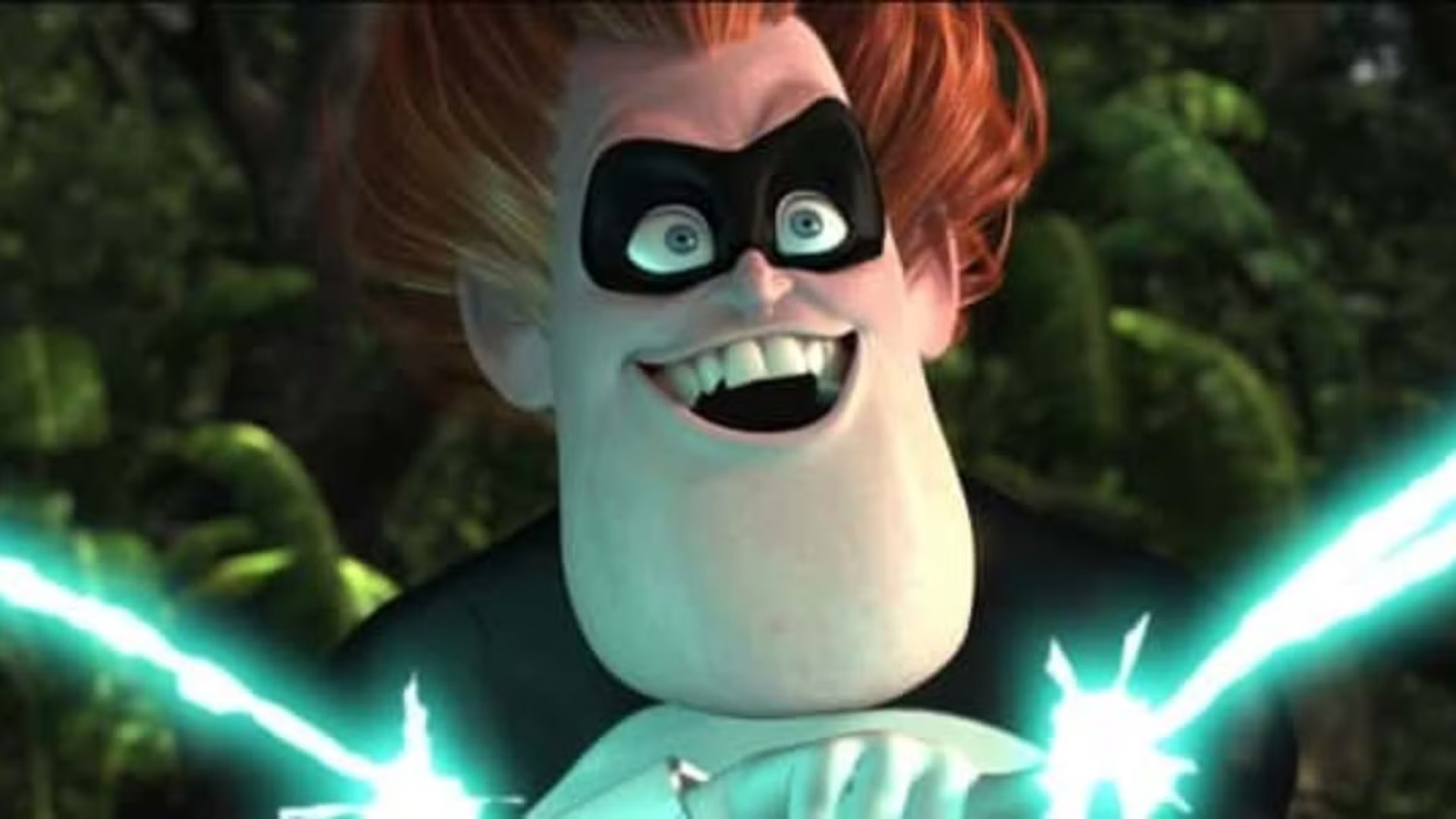
7. Syndrome
Once an eager admirer of heroes, Buddy Pine is rejected for lacking innate greatness. That rejection twists his admiration into resentment. Syndrome’s mission to erase natural superiority stems from a desire to feel equal in a world that told him he never could be. His relatability lies in the pain of exclusion and the destructive potential of unmet idealism.

6. Javert
Javert is defined by absolute faith in law and order. He believes morality is fixed and that people cannot truly change. His pursuit of Jean Valjean is not fueled by cruelty, but by certainty. Javert’s downfall comes when confronted with compassion that contradicts his worldview. His story illustrates the danger of rigid thinking and the inability to accept grace.
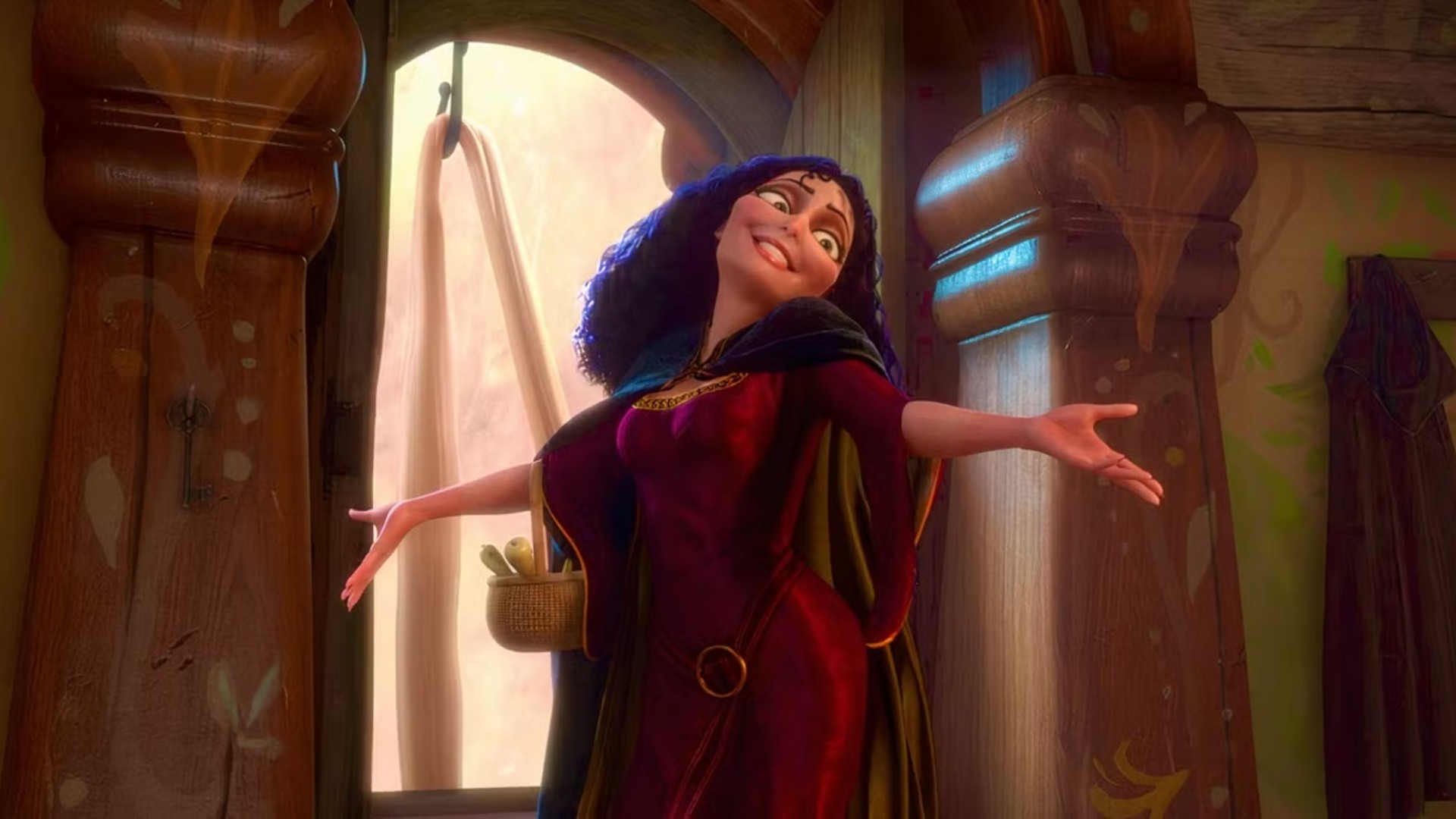
5. Mother Gothel
Mother Gothel’s villainy is driven by a fear of aging and losing relevance. Her manipulation of Rapunzel reflects a deeply realistic form of emotional control rooted in narcissism. Viewing her child as an extension of herself rather than an individual, she represents the dark consequences of prioritizing self-preservation over genuine care. Her story highlights how fear of irrelevance can corrupt love into control.
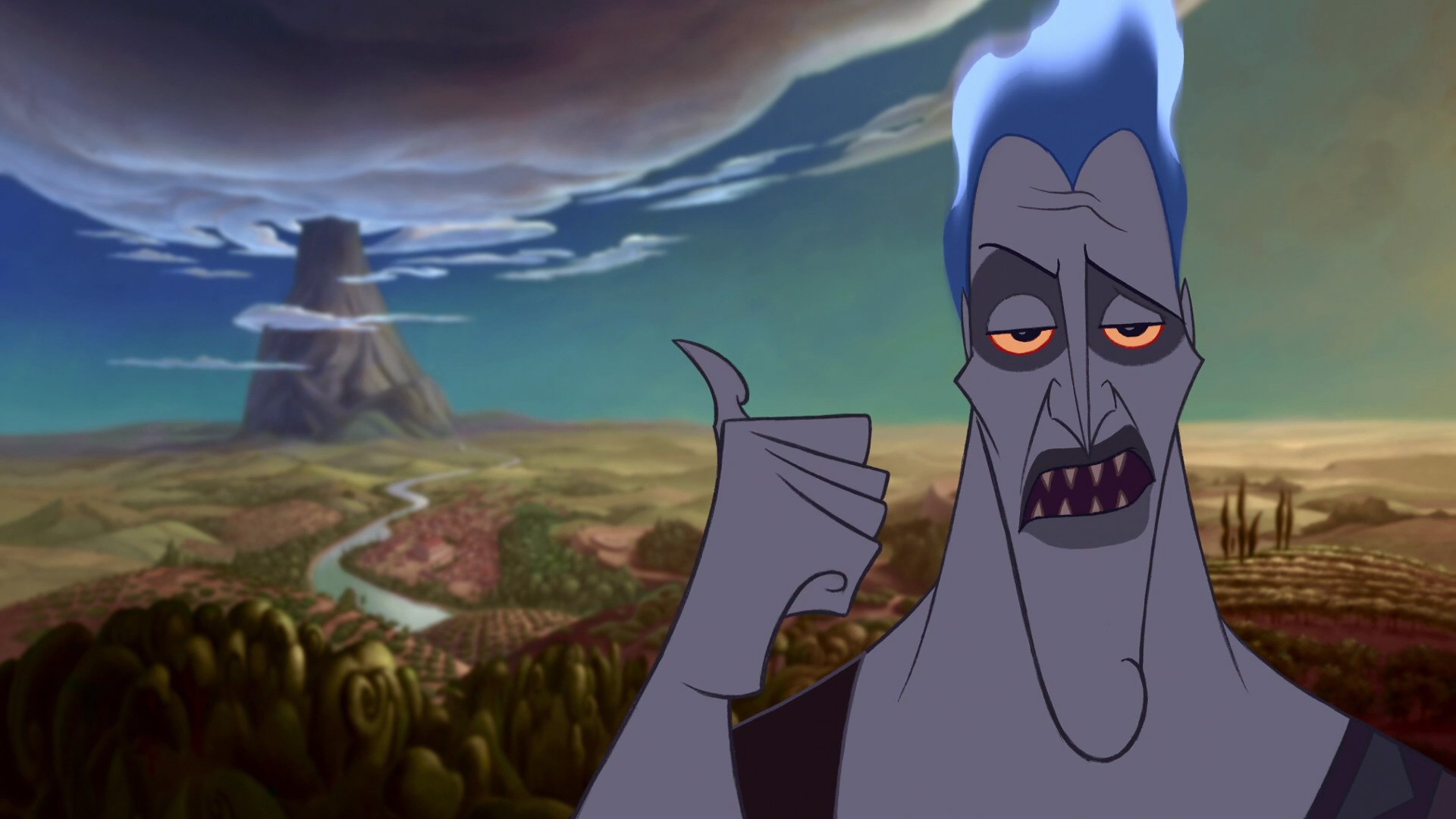
4. Hades
Disney’s Hades is portrayed as a sharply modern antagonist: a frustrated professional stuck in an unglamorous role while others thrive. His sarcasm and impatience echo the language of workplace burnout and resentment. While exaggerated for humor, his motivation is rooted in a desire for recognition and escape from a system he feels undervalues him, making him surprisingly relatable.

3. Draco Malfoy
Draco Malfoy is not a grand strategist or true believer but a child shaped by fear, privilege, and expectation. Raised to equate worth with superiority, he clings to his father’s beliefs for safety. When faced with genuine moral responsibility, he falters. His relatability comes from his weakness—the inability to defy toxic influences even when recognizing their harm. Draco reflects the quiet tragedy of compliance born from fear.
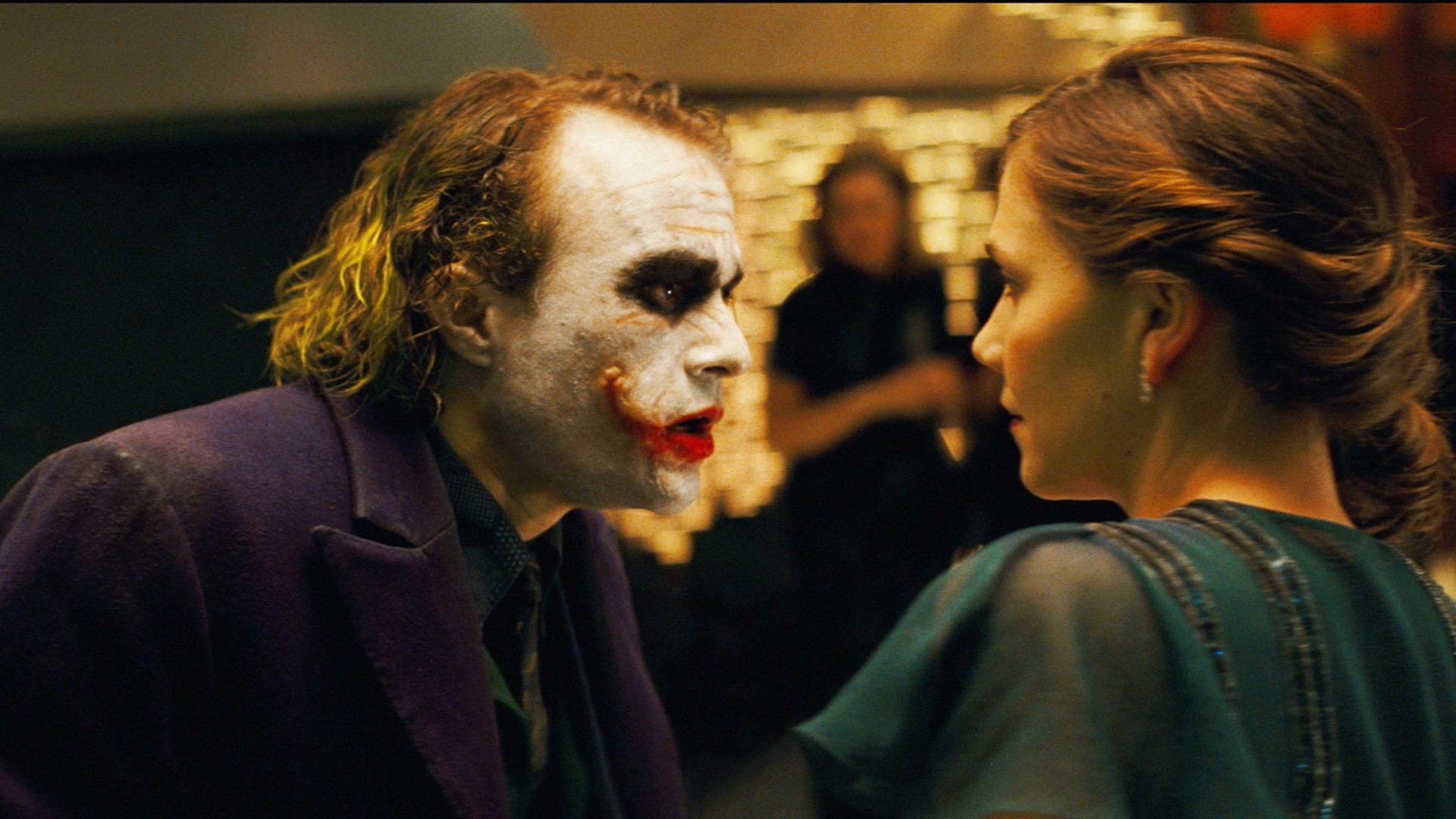
2. The Joker
Heath Ledger’s Joker is less a figure of chaos and more a cynical social philosopher. He challenges the idea that morality is stable, arguing that people abandon their principles when pushed far enough. His actions target institutions and authority figures, exposing how fragile social order can be. The Joker resonates because he voices a disturbing suspicion many people quietly harbor—that order and decency may be thinner than we would like to believe.

1. Magneto
Magneto’s worldview is shaped by the trauma of surviving the Holocaust. His belief system is rooted in the conviction that persecution will always repeat itself if left unchecked. While Professor X dreams of peaceful coexistence, Magneto views that hope as dangerously naive. His extremism reflects the mindset of those who have endured systemic oppression and no longer trust institutions to protect them. His villainy functions as emotional armor, forged through survival and fear of history repeating itself.