10 Most Overrated Harry Potter Characters, Ranked
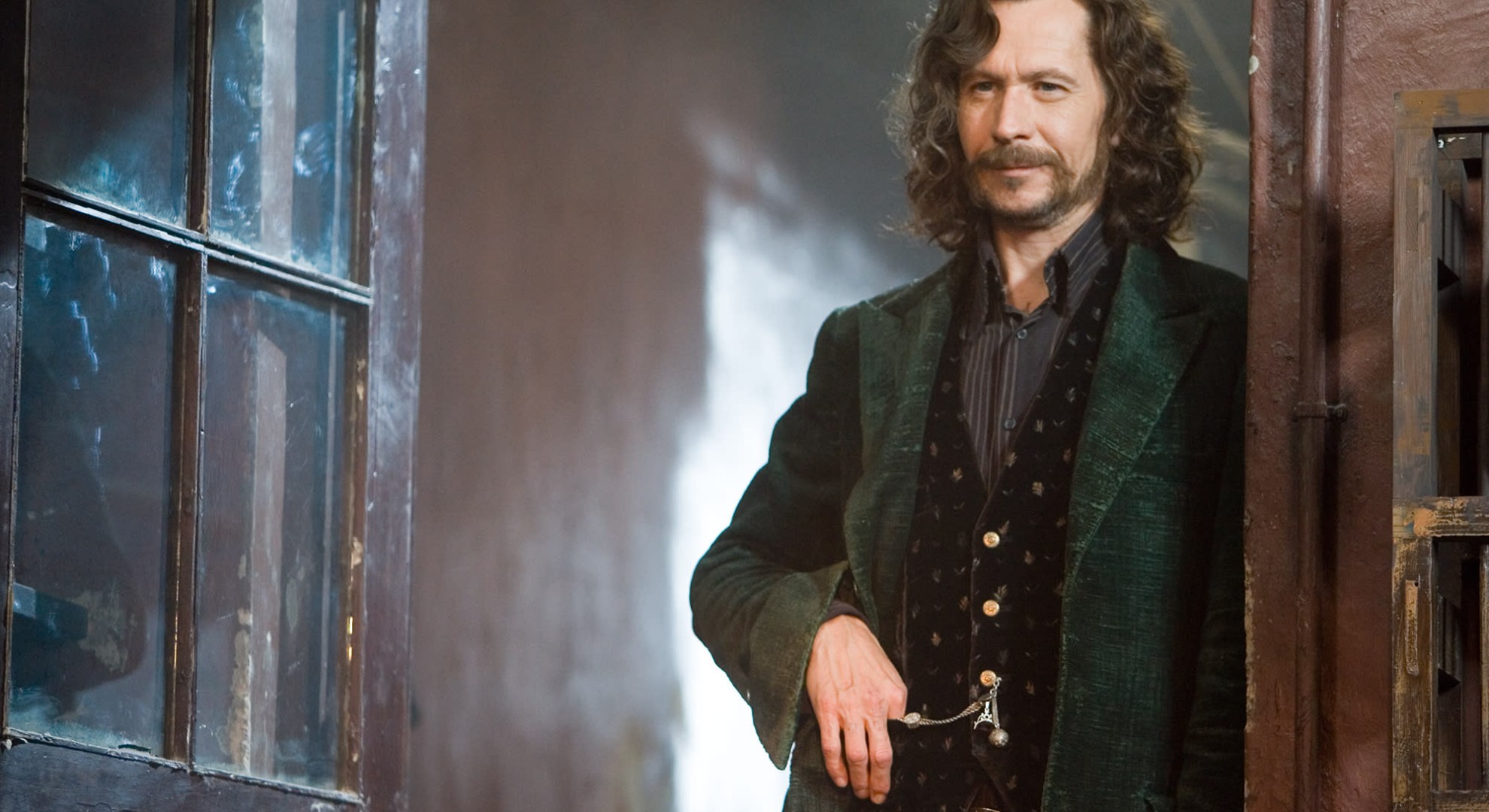
10. Sirius Black
Gary Oldman brings gravity and warmth to Sirius, but the films sand down his volatility, leaving behind a safer, paternal figure. In the books, Sirius is reckless, emotionally stunted, and haunted by imprisonment, often projecting James onto Harry in ways that blur boundaries. The cinematic portrayal trims that danger, presenting him largely as a weary but affectionate godfather. By muting his impulsiveness and unresolved trauma, the movies sacrifice the tension that made him unpredictable. Sirius should feel like someone frozen in adolescence by Azkaban, desperate to reclaim lost years. Instead, he becomes almost saintly. That simplification makes his death tragic but less complicated. The messy duality—protective yet irresponsible—is what gave him texture, and without it, his character feels polished where it should feel jagged.
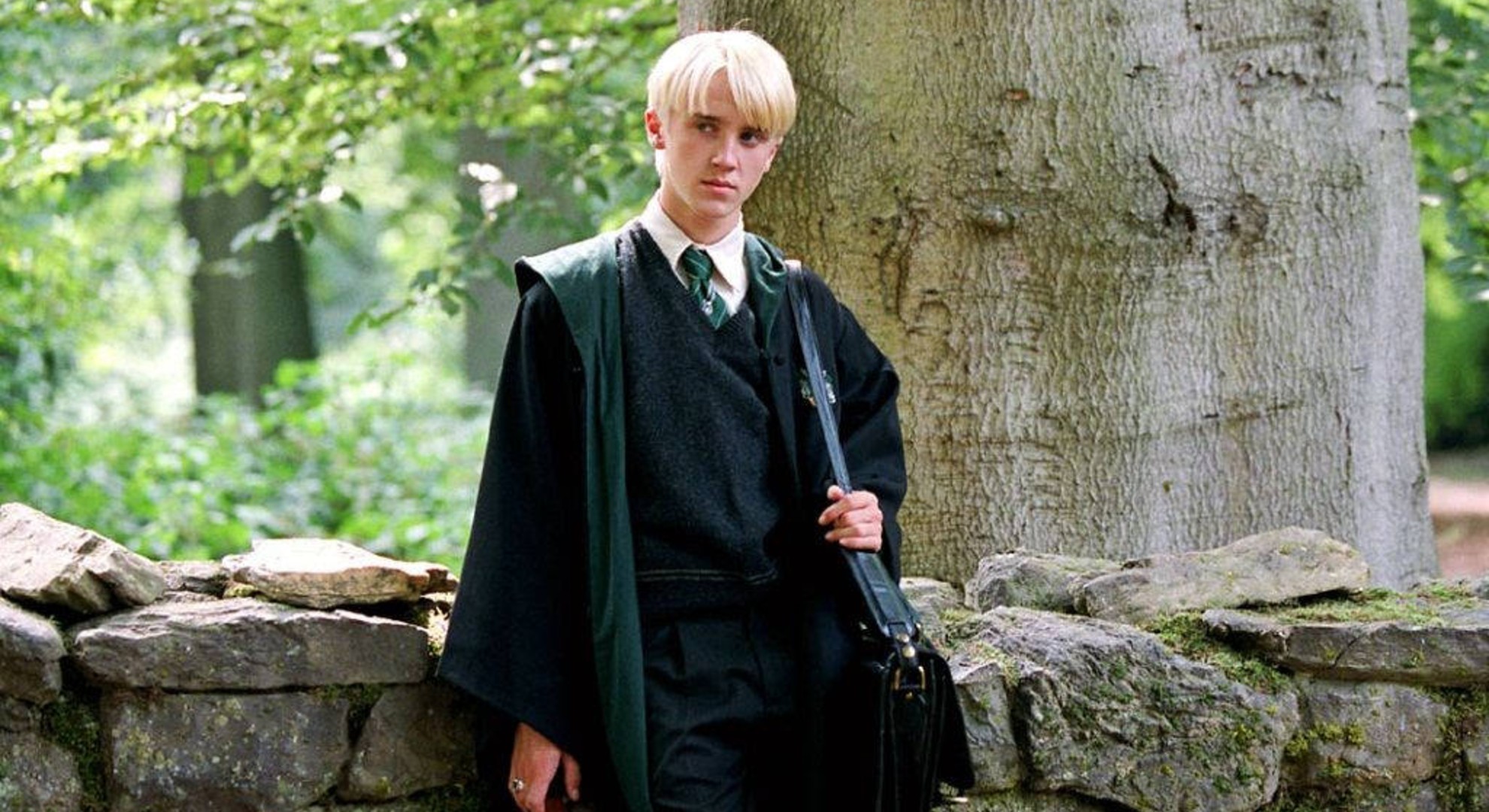
9. Draco Malfoy
Tom Felton gave Draco undeniable screen presence, but the films flattened him into aesthetic angst rather than fully realized moral conflict. For eight movies he oscillates between sneering hallway bully and visibly trembling coward, yet the deeper psychological rot—his indoctrination, entitlement, and fear—is only lightly explored. Fans romanticize him as a tragic antihero, but onscreen he rarely earns that elevation; he spends most of the saga posturing, deflecting, and scrambling when consequences appear. The Half-Blood Prince arc hints at something richer—hesitation, panic, the crushing weight of expectation—but it resolves without meaningful reckoning. He doesn’t confront his ideology; he simply survives it. That ambiguity fuels fan reinterpretation, but within the films themselves, Draco feels more like a symbol of cowardice under pressure than the misunderstood prince fandom often defends.
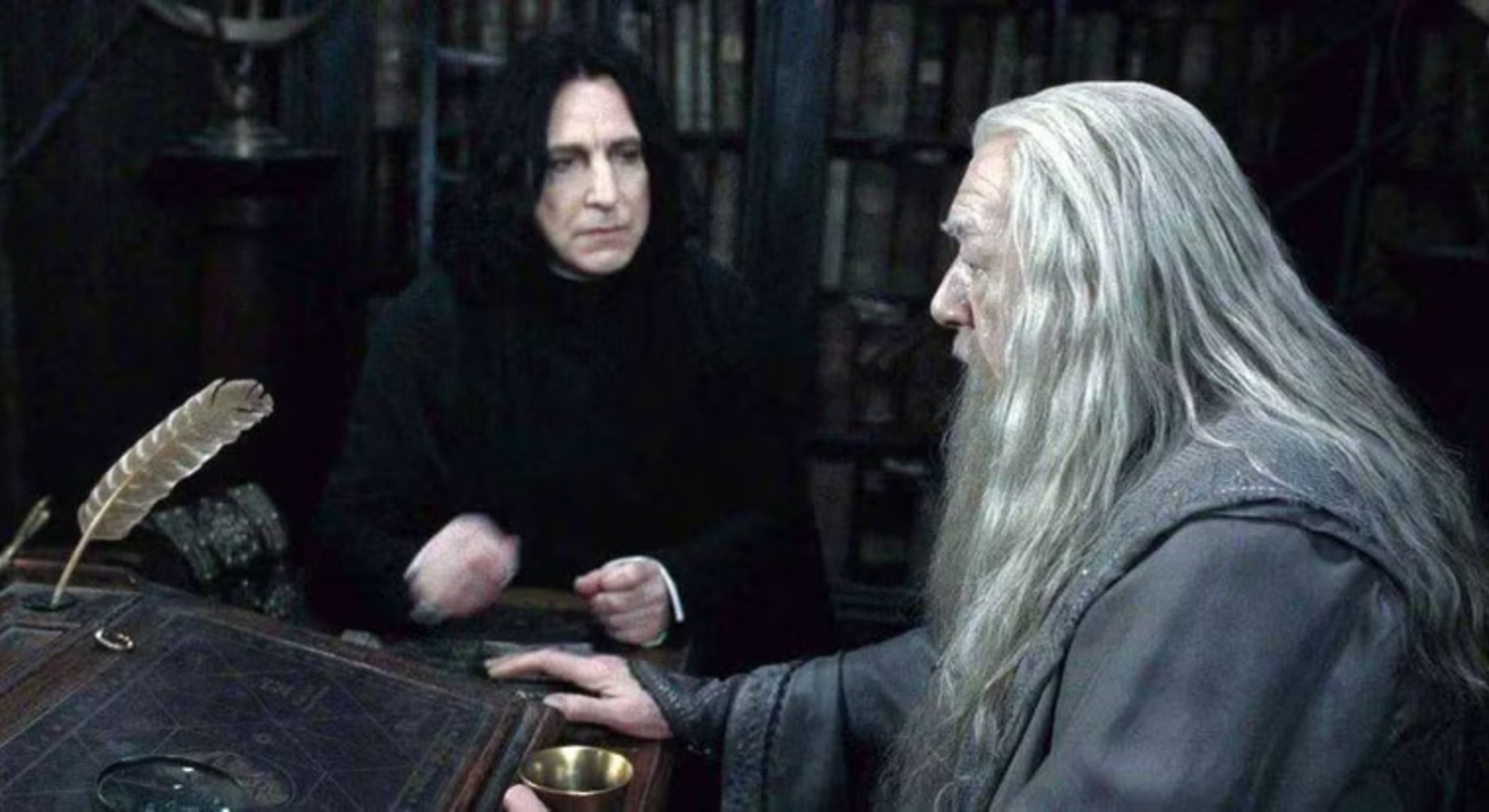
8. Severus Snape
Alan Rickman’s performance is magnetic, but the films undeniably soften Snape’s cruelty, reshaping him into a tragic romantic more than a deeply flawed adult. By trimming his harsher classroom humiliations and obsessive bitterness, the movies tilt audience sympathy heavily in his favor. His love for Lily becomes framed as enduring devotion rather than fixation frozen in adolescence. The reveal of his allegiance lands powerfully, yet it risks reframing years of emotional abuse as morally excusable collateral. Snape is compelling precisely because he is contradictory—brave and vindictive, loyal and petty. The cinematic version leans too clean, smoothing out the toxicity that made him unsettling. He is heroic in outcome, yes, but mentorship requires compassion, and the films gloss over how frequently he weaponized authority against children he was meant to protect.
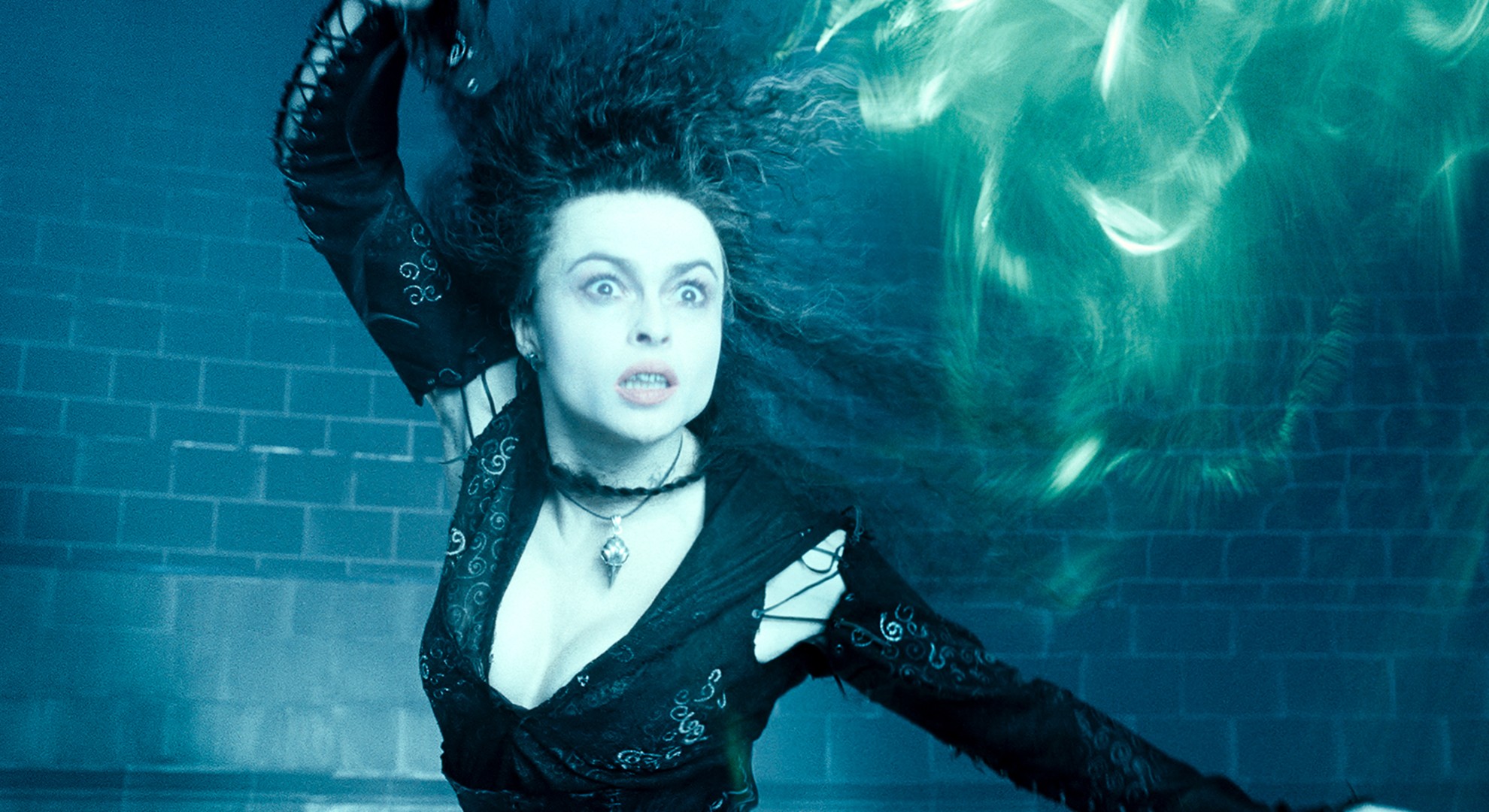
7. Bellatrix Lestrange
Helena Bonham Carter commits fully to Bellatrix’s theatrical insanity, but the films prioritize spectacle over psychology. She exists as explosive chaos—cackling, taunting, casting lethal spells with ecstatic devotion—yet the fanaticism lacks deeper exploration. Bellatrix should embody ideological extremism warped by obsession, but onscreen she’s reduced to flamboyant villainy with minimal introspection. Her loyalty to Voldemort hints at warped love, religious zeal, and personal delusion, yet the narrative rarely pauses to dissect it. Instead, she functions as a recurring burst of manic energy before vanishing again. The performance is memorable, but memory isn’t depth. Without context for her radicalization or internal fractures, she becomes aesthetic evil—entertaining, quotable, visually striking—yet emotionally surface-level compared to the menace she represents in theory.
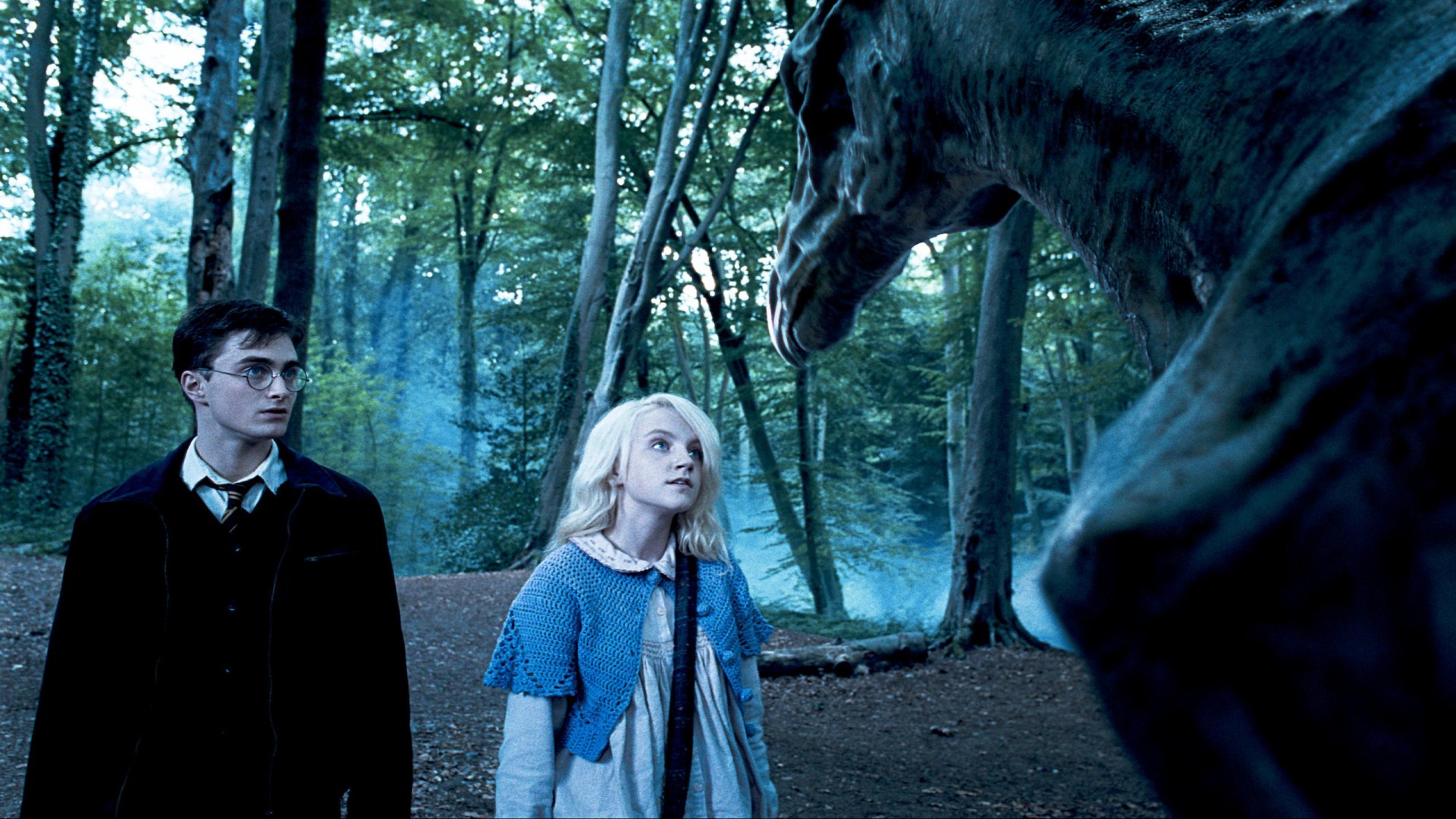
6. Luna Lovegood
Luna’s ethereal calm and dreamy cadence make her instantly recognizable, but the films reduce her to whimsical symbolism rather than fully integrating her into the narrative engine. She offers comfort, odd observations, and cryptic wisdom, yet rarely drives plot momentum. Her outsider status—beliefs dismissed, family stigmatized—could have anchored a powerful exploration of marginalization, but that thread remains understated. Instead, she becomes aesthetic serenity: soft voice, distant stare, unexpected insight. Evanna Lynch captures her gentleness beautifully, but the script limits her impact to emotional support and tonal contrast. Luna resonates with fans because she embodies unapologetic individuality, yet in cinematic terms she often functions as atmosphere. She feels spiritually present, but narratively peripheral, existing more as a mood than a mover of events.

5. Viktor Krum
Viktor Krum is introduced as an international Quidditch icon, a prodigy carrying the pride of an entire school, yet the films barely let him exist beyond silent brooding. His reputation precedes him, but his personality never materializes. The romance with Hermione could have expanded his character—showing insecurity beneath celebrity or cultural contrast—but it plays as a brief subplot rather than development. He participates in the Triwizard Tournament with minimal dialogue, making his status feel informed rather than demonstrated. The spectacle of his arrival overshadows his humanity. For someone framed as elite and formidable, he remains curiously underwritten. Instead of complexity—a driven athlete navigating fame and rivalry—we get glimpses and then absence. His potential depth dissolves into background presence.
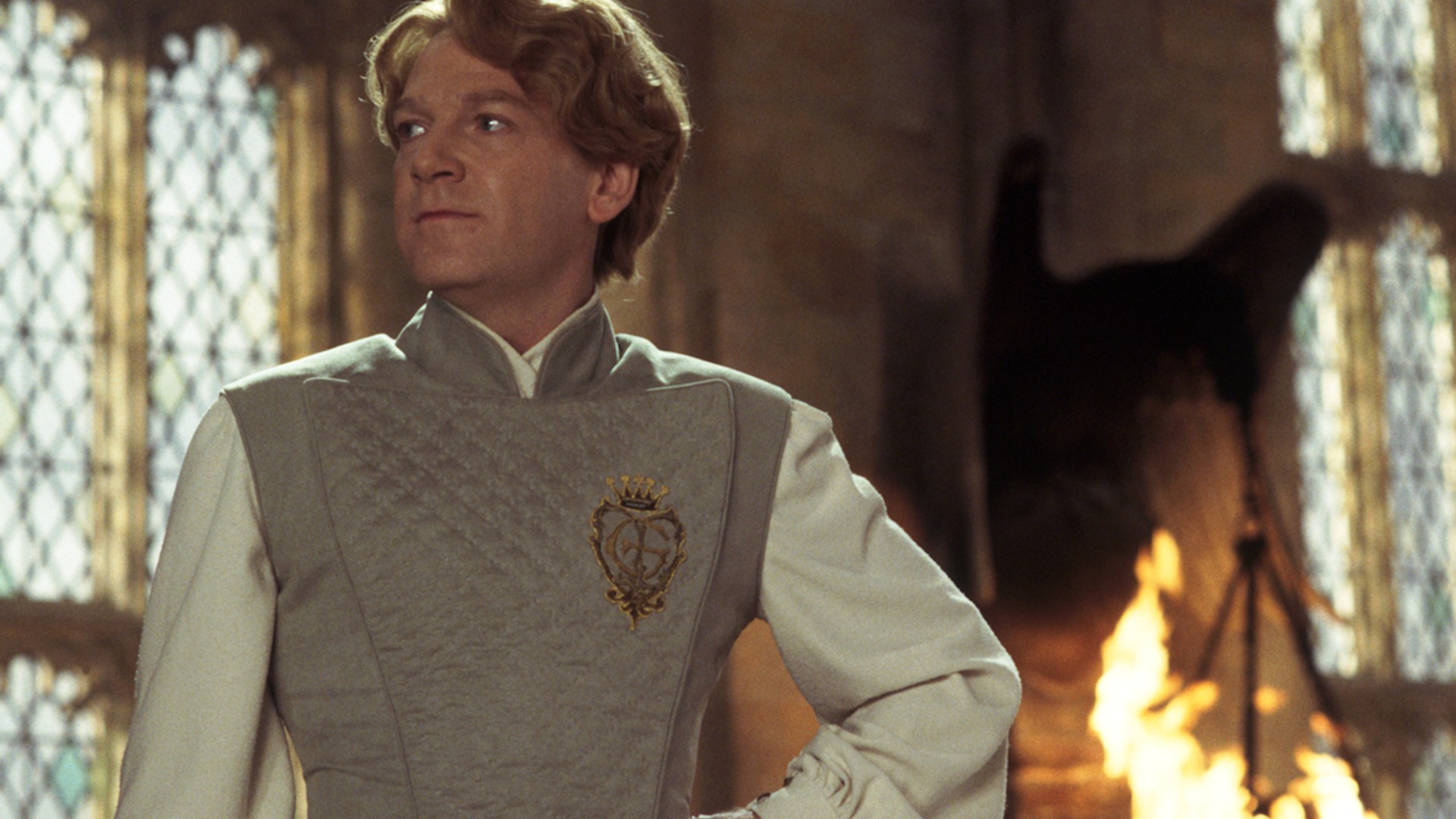
4. Gilderoy Lockhart
Kenneth Branagh delivers flamboyant vanity with precision, but Lockhart’s cinematic portrayal stretches a single joke across significant runtime. His fraudulence is amusing initially—self-obsessed, oblivious, preening—but once exposed, the character plateaus. The narrative uses him as comedic relief while the darker mystery unfolds elsewhere, creating tonal imbalance. Lockhart represents performative heroism and media manipulation, themes ripe for sharper satire, yet the films lean heavily on exaggerated ego without digging deeper. His cowardice at the climax is predictable rather than revelatory. While entertaining, he rarely transcends caricature. The idea of a wizard whose fame is entirely fabricated could have interrogated celebrity culture within the magical world, but instead it becomes extended farce, amusing yet narratively thin.
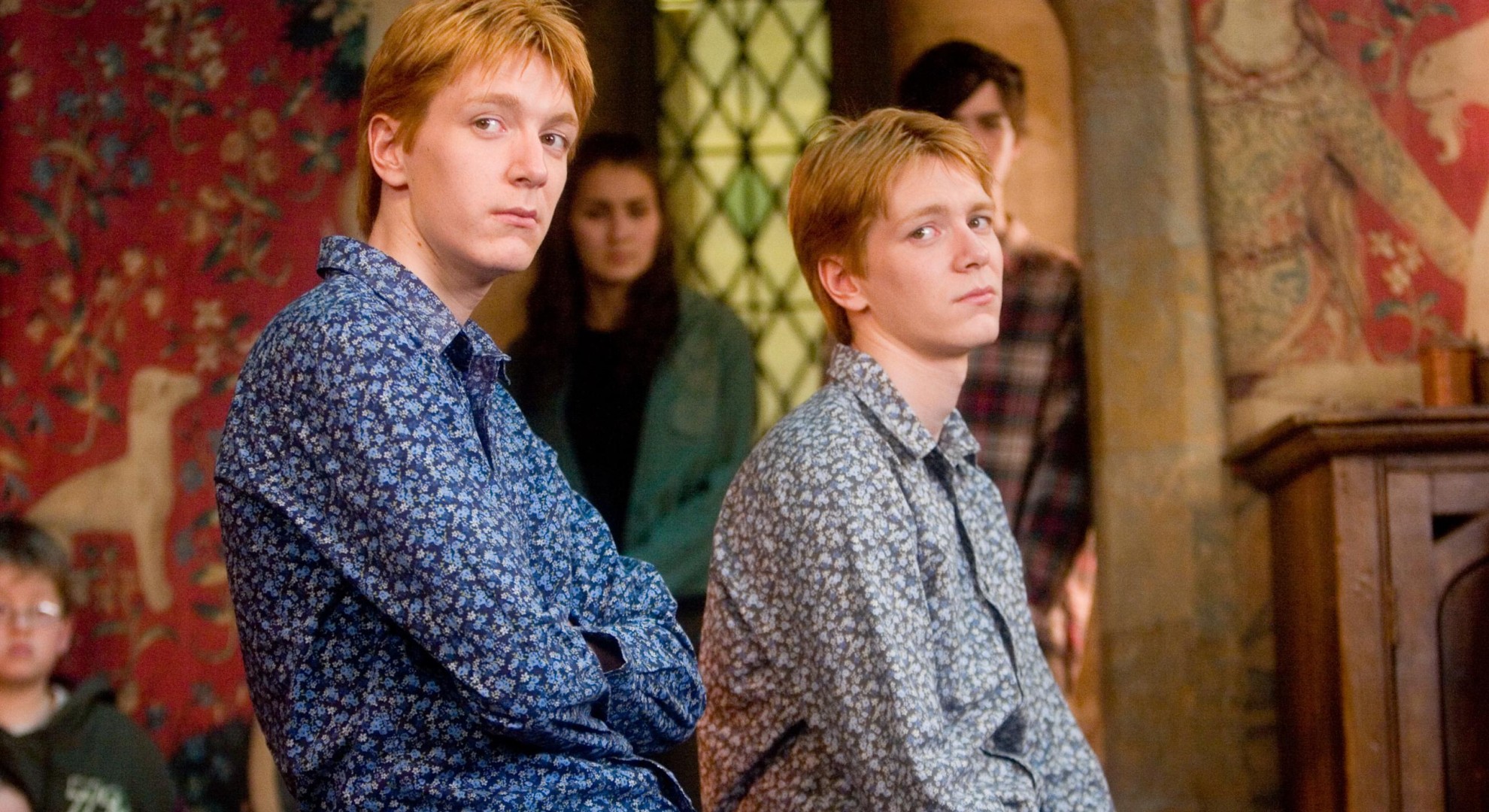
3. Fred and George Weasley
Fred and George radiate charisma and comedic timing, but the films blur their individuality into synchronized punchlines. In the source material, they balance humor with calculated rebellion and flashes of cruelty that complicate their charm. The movies streamline them into interchangeable pranksters whose primary function is levity. Their entrepreneurial brilliance and subtle defiance of authority receive limited exploration, reducing them to rhythmic banter and explosive candy. The emotional weight of loss later in the series depends on recognizing distinct personalities, yet cinematic shorthand diminishes that separation. They remain beloved for energy and loyalty, but their sharper edges—wit tinged with bite, humor masking strategic intelligence—are softened. What remains is enjoyable but simplified, missing the layered mischief that defined them.
2. Fleur Delacour
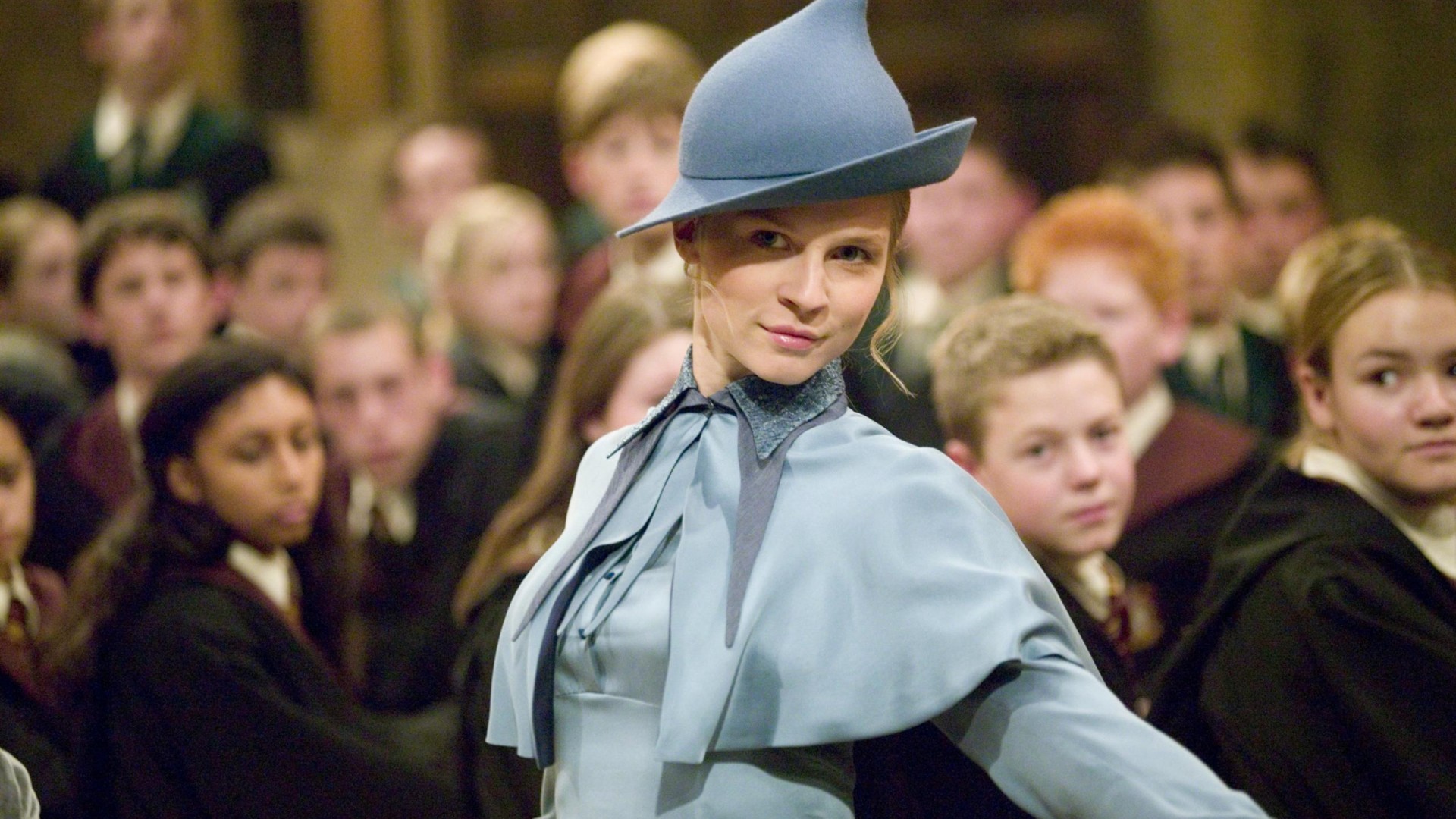
Fleur enters as a champion representing elite magical education, yet the films sideline her into an ornamental presence. Her competence during the Triwizard Tournament is undercut by minimal focus, reinforcing an unintended narrative that she is style over substance. The tension she faces—being underestimated for beauty—could have offered commentary on bias, but the script rarely allows her to rebut it through action. Her later marriage to Bill Weasley arrives with limited emotional groundwork, making her transition from competitor to family feel abrupt. Fleur possesses resilience and pride that barely surface onscreen. Instead of exploring her strength under scrutiny, the films treat her as a secondary spectacle. The result is a character introduced with grandeur but developed with restraint, leaving her significance muted.
1. Cedric Diggory
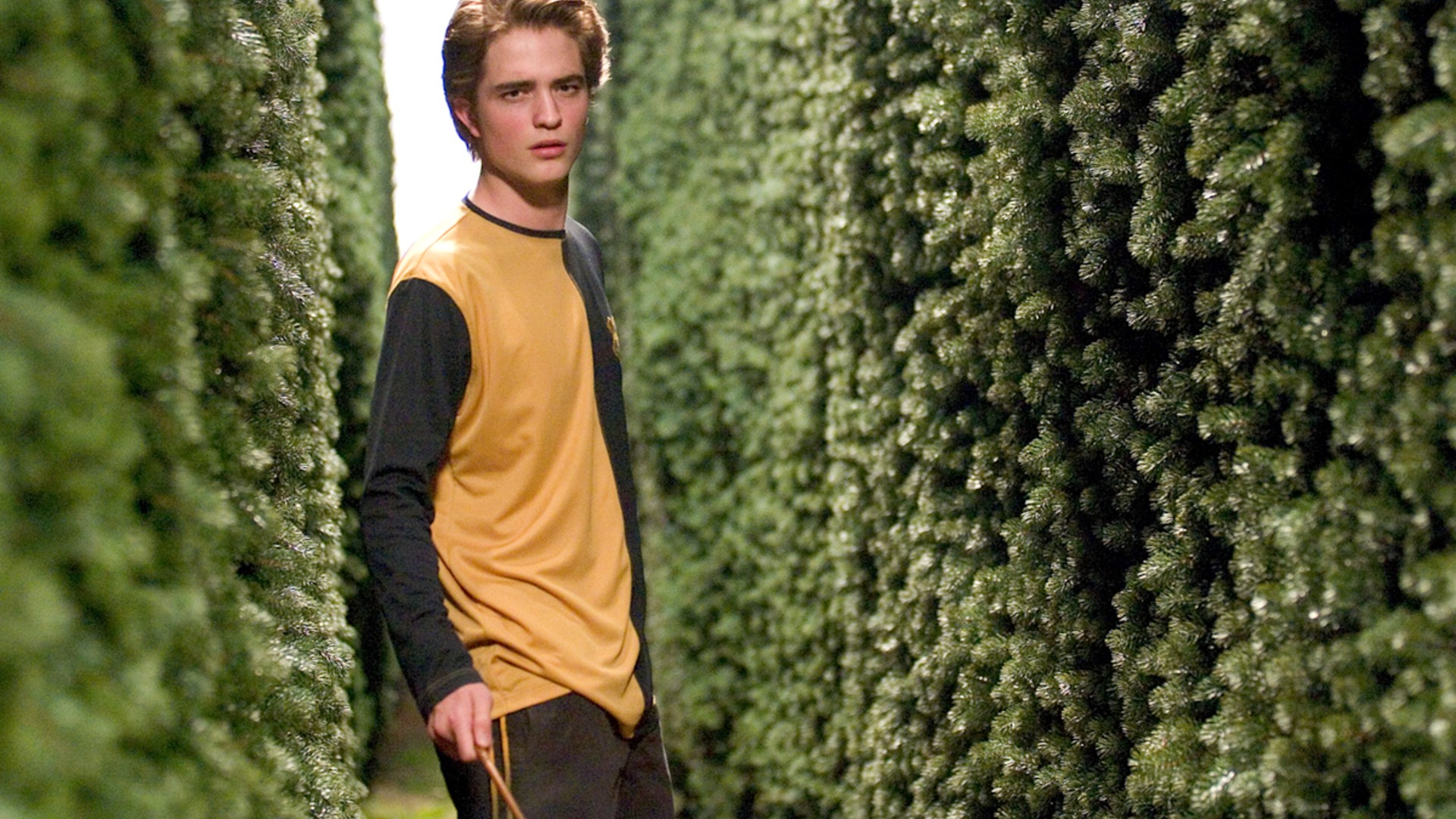
Cedric Diggory is framed as noble, talented, and universally admired, yet the films offer only fragments of personality before elevating him into a tragic symbol. His fairness toward Harry and quiet confidence suggest depth, but limited screen time prevents deeper attachment. The emotional impact of his death relies heavily on score and reaction rather than extensive character exploration. Cedric represents lost innocence—the cost of escalating darkness—but that symbolism overshadows individuality. We understand what he means more than who he is. Robert Pattinson brings understated sincerity, yet the script confines him to an archetype: handsome, honorable, and doomed. The devastation is thematic rather than intimate. He becomes memorable because of what happens to him, not because the narrative allowed us to fully inhabit his life beforehand.