10 Most Controversial Anime I’ve Watched
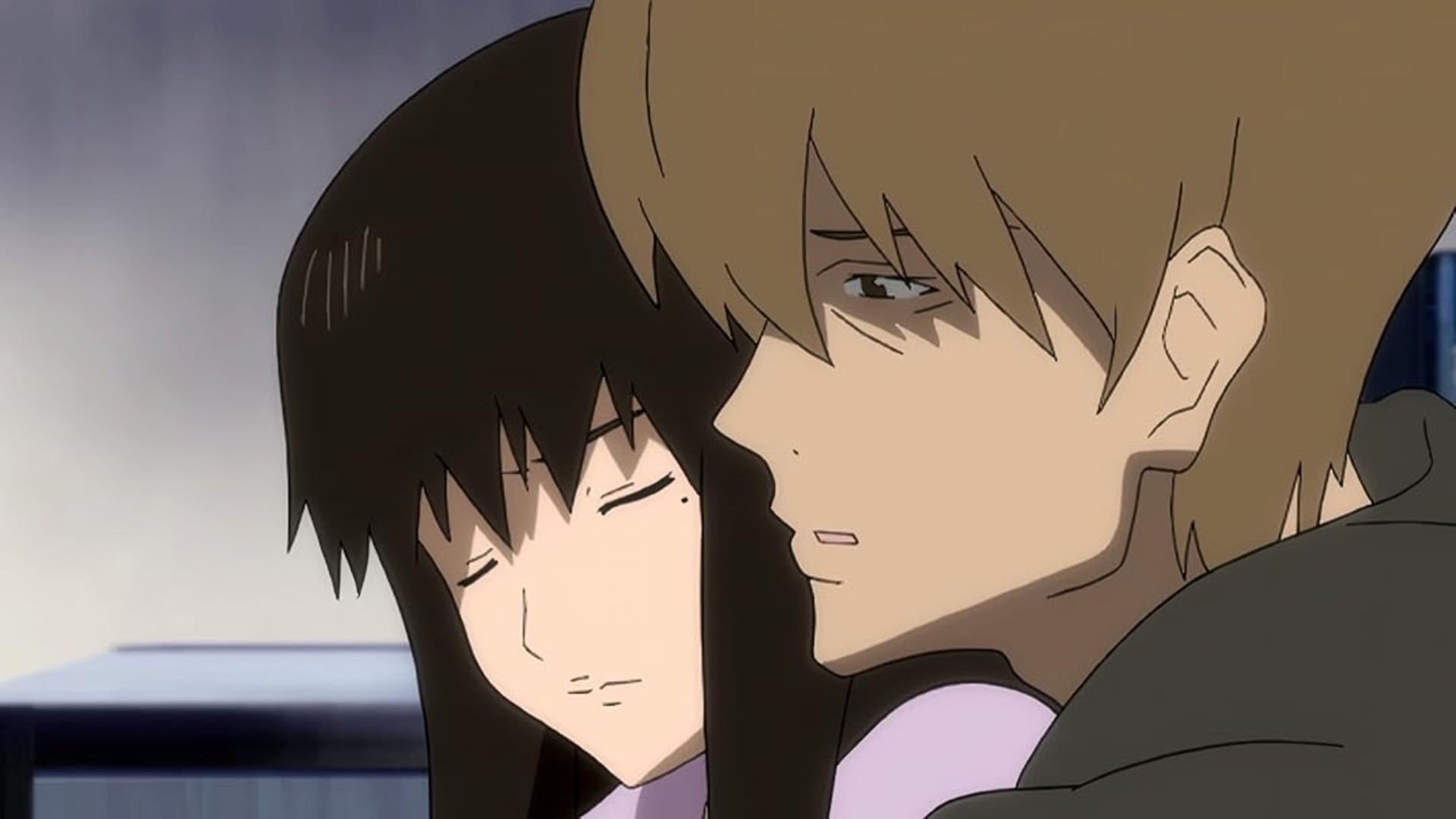
10. Bokurano
A bleak deconstruction of the "child pilot" trope, where 15 children must pilot a giant robot to protect their Earth from parallel universes. The catch is that the robot is powered by the pilot’s life force, meaning every victory results in the death of a child. It is noted for its existential nihilism, stripping away the glamour of heroism and replacing it with the heavy, tragic reality of sacrifice.
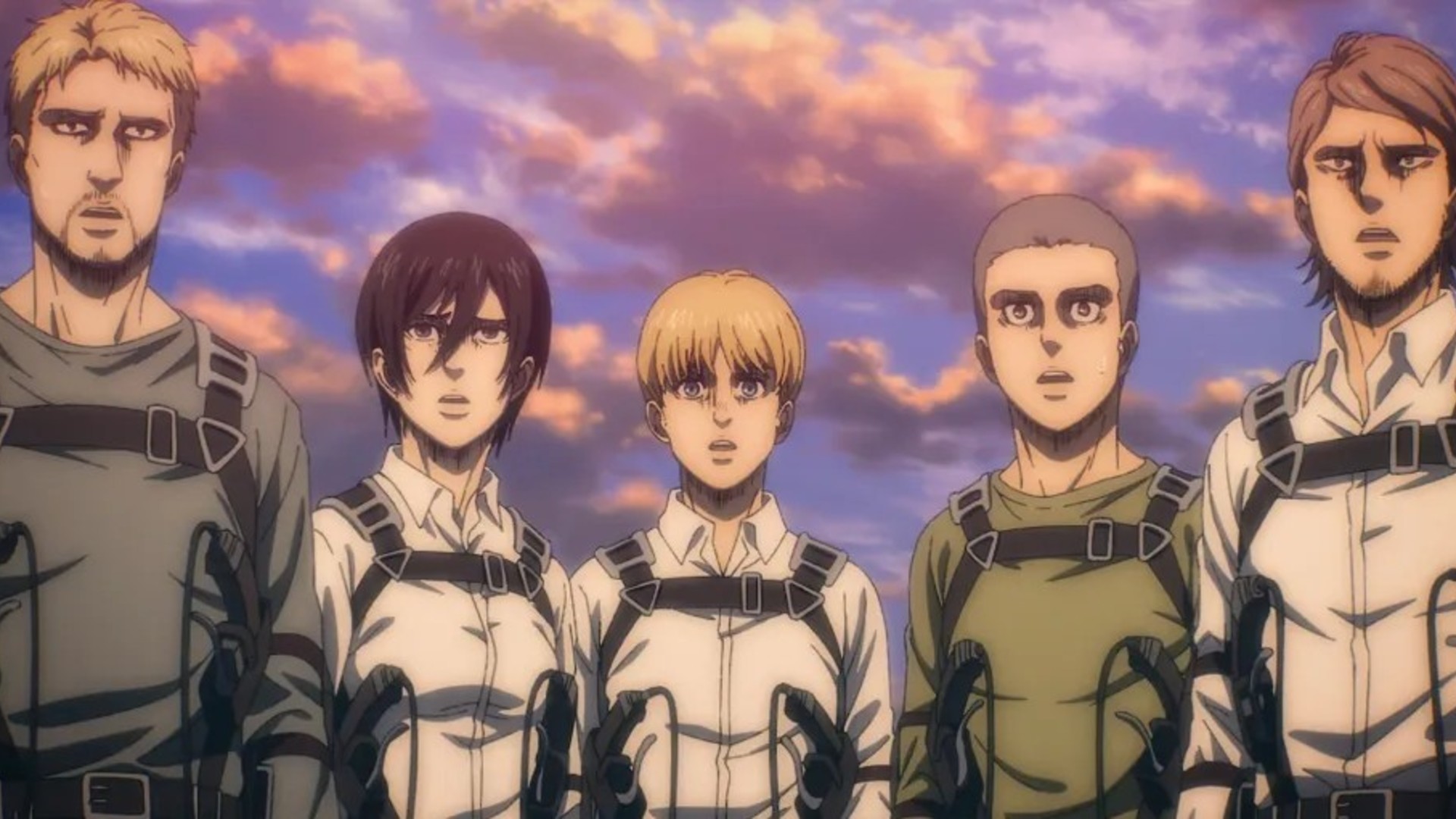
9. Attack on Titan
This epic transitioned from a survival story into a deep exploration of war, racial trauma, and the "cycle of hatred." The narrative culminates in the protagonist choosing to commit global genocide to save his own people, a choice that has sparked endless debate among fans and scholars. The ending remains one of the most divisive in the medium, forcing audiences to grapple with the lack of a "perfect" moral solution.
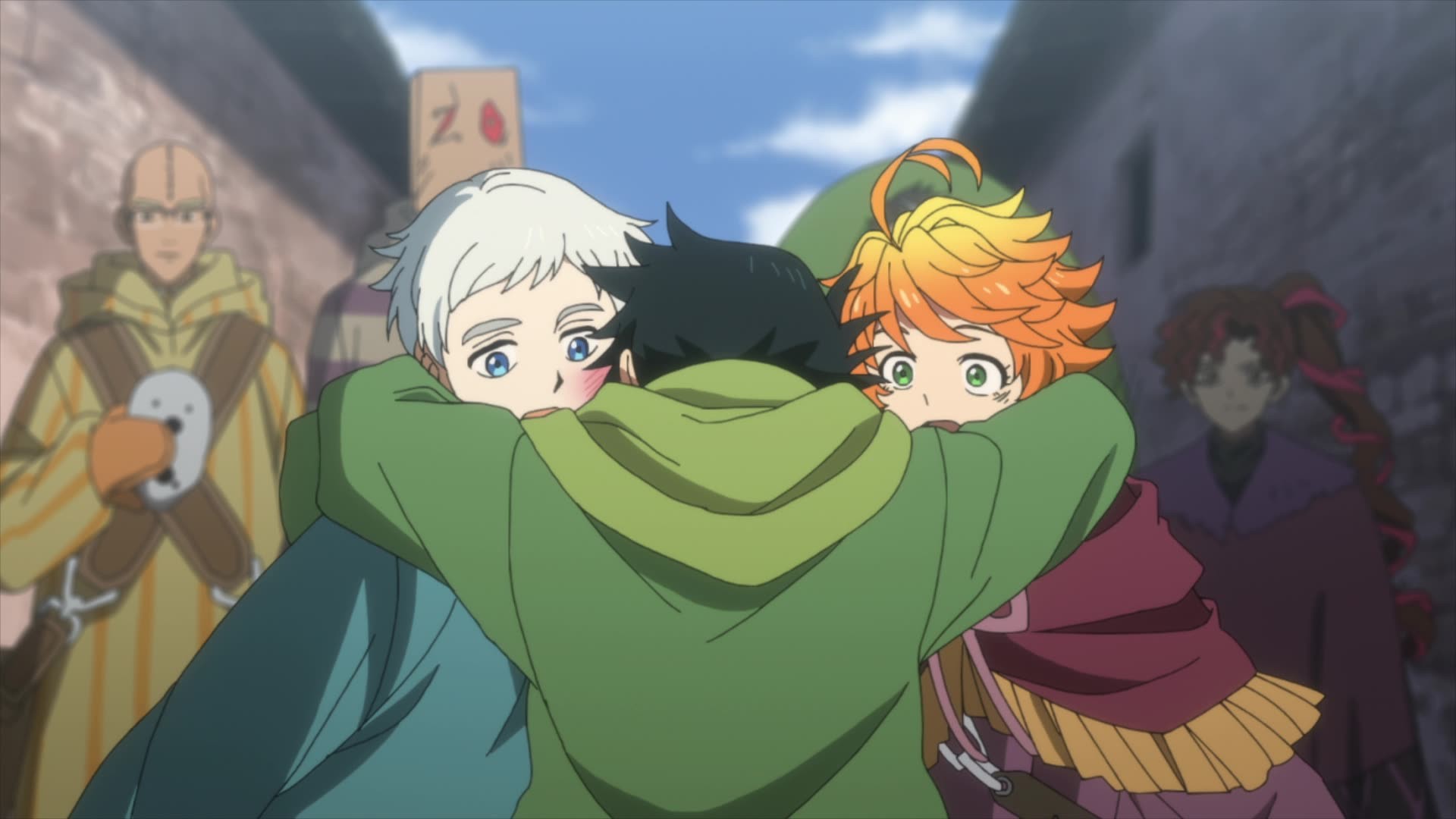
8. The Promised Neverland (Season 2)
Following a highly acclaimed first season, the second season became a case study in difficult adaptations. The production team chose to skip over 100 chapters of the original manga, removing several fan-favorite arcs and condensing years of character development into a few episodes. This resulted in a literal "slideshow" finale that remains a major point of discussion regarding the pressures of anime production.
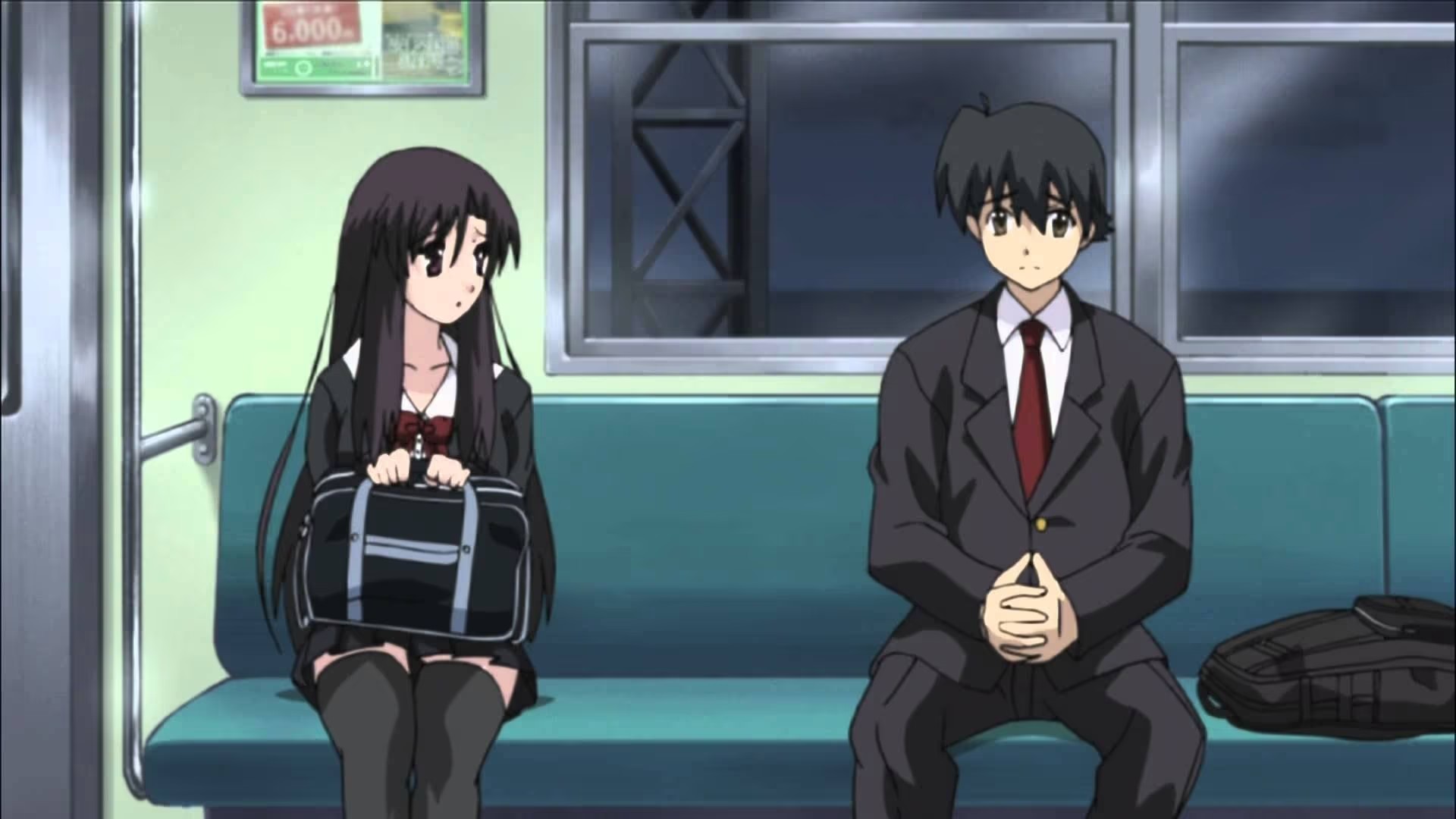
7. School Days
What begins as a typical high school romance slowly descends into a psychological thriller centered on infidelity and obsession. The series is legendary for its "Nice Boat" finale; the original airing was delayed when a real-life murder in Kyoto involving an axe occurred just before the final episode’s scheduled broadcast. The episode was replaced with the peaceful scenery of a boat, which became an enduring internet meme.
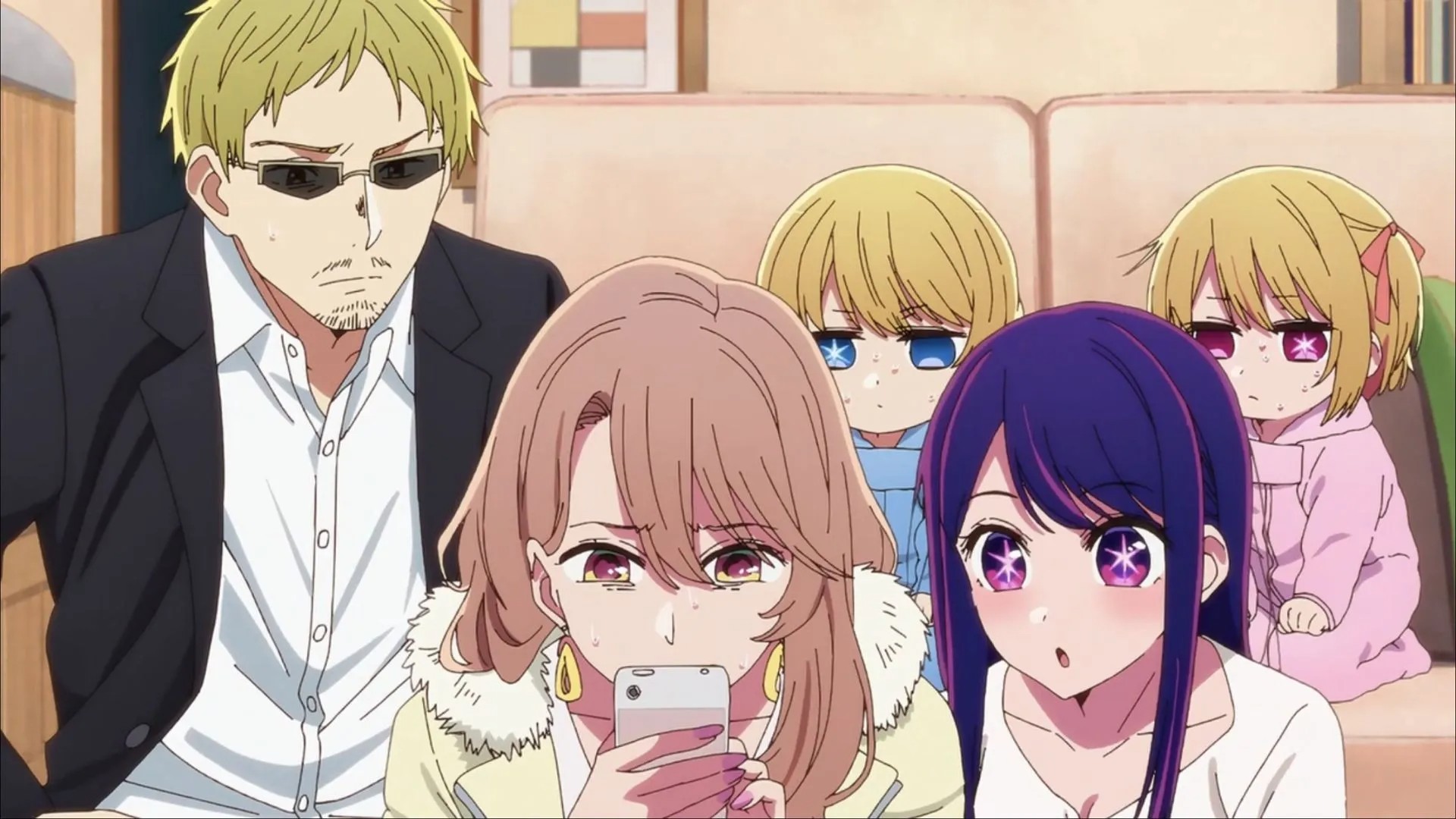
6. Oshi no Ko
A sharp critique of the Japanese entertainment industry, this series blends reincarnation with a murder mystery. It gained massive attention for a storyline involving cyberbullying and a suicide attempt that closely mirrored the real-life tragedy of professional wrestler Hana Kimura. The parallels were so striking that Kimura’s family publicly criticized the production for using real-life trauma as "source material" without a warning.
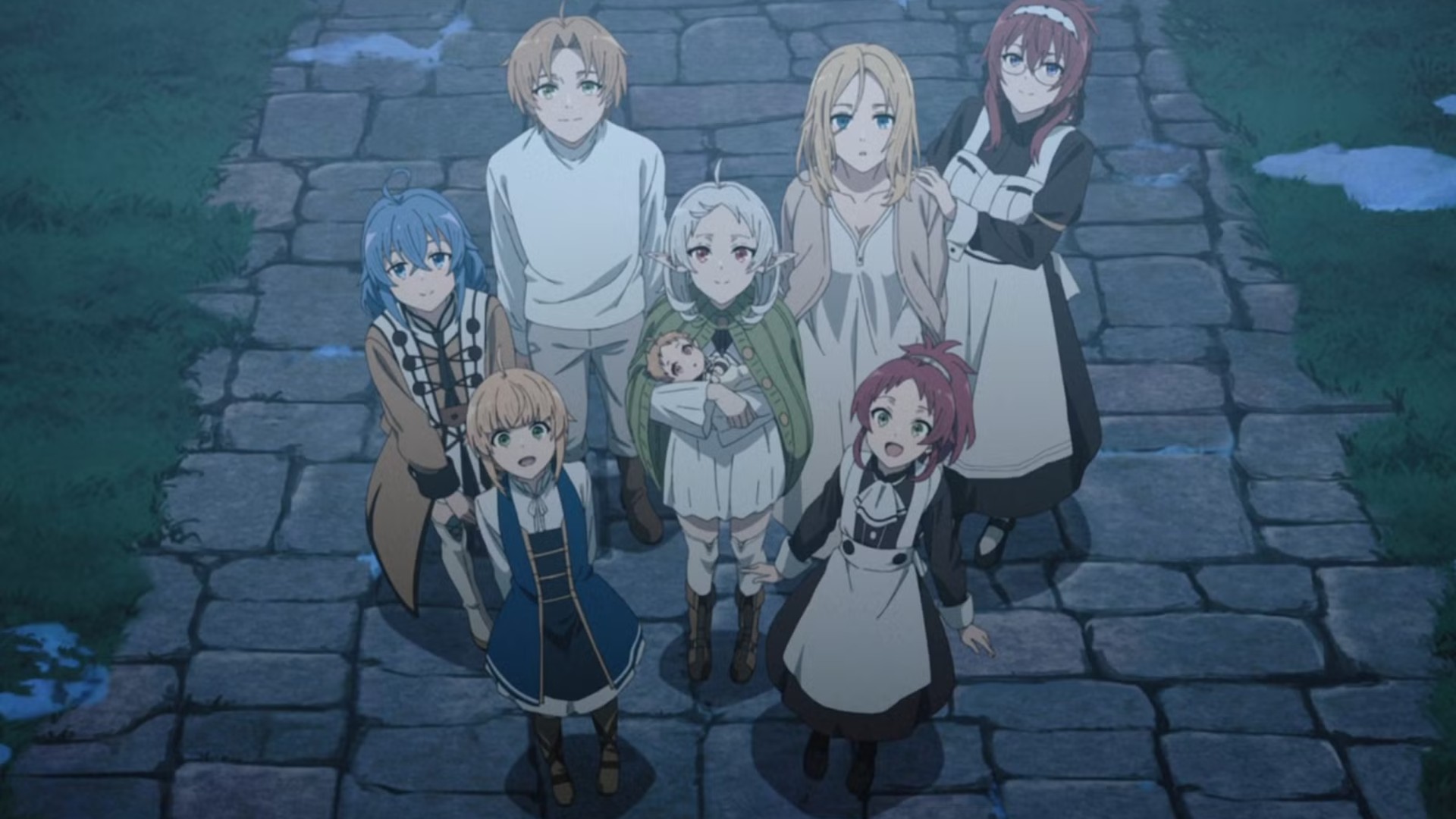
5. Mushoku Tensei: Jobless Reincarnation
Often cited as a foundational work of the modern "Isekai" (reincarnation) genre, it follows an unlikable 34-year-old shut-in reborn into a fantasy world. The series is grounded in a "warts-and-all" approach to character growth, where the protagonist often acts on predatory or inappropriate impulses from his past life. While fans view it as a long-form story of redemption, critics point to these elements as a significant barrier for many viewers.
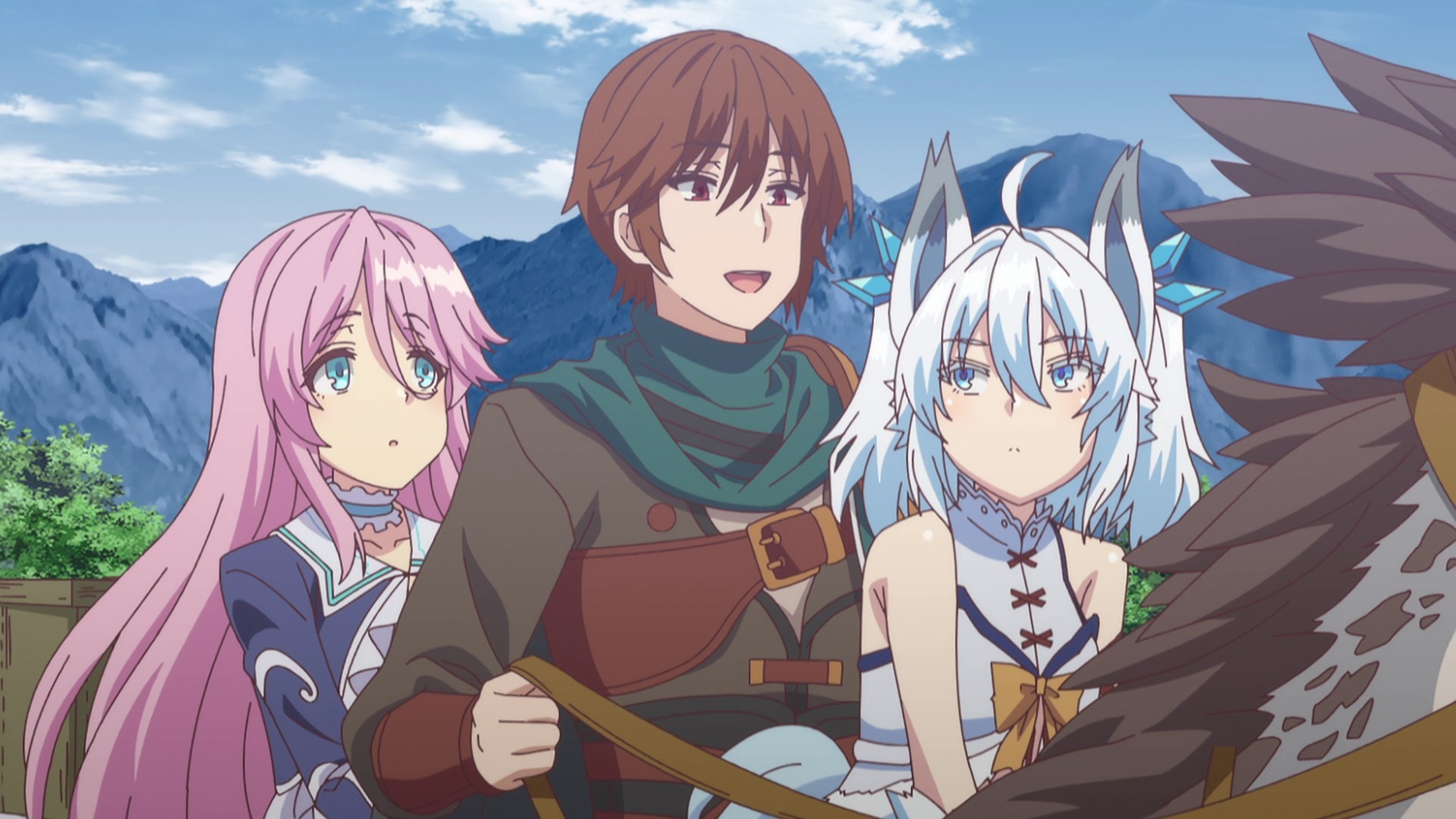
4. Redo of Healer
This series represents one of the most extreme examples of the "revenge fantasy" genre. It follows a protagonist who uses time manipulation to turn the tables on those who abused him, resulting in a narrative filled with graphic violence and psychological torture. Due to its explicit nature, the show was heavily censored or entirely blocked on most mainstream streaming services, airing primarily on adult-oriented channels.
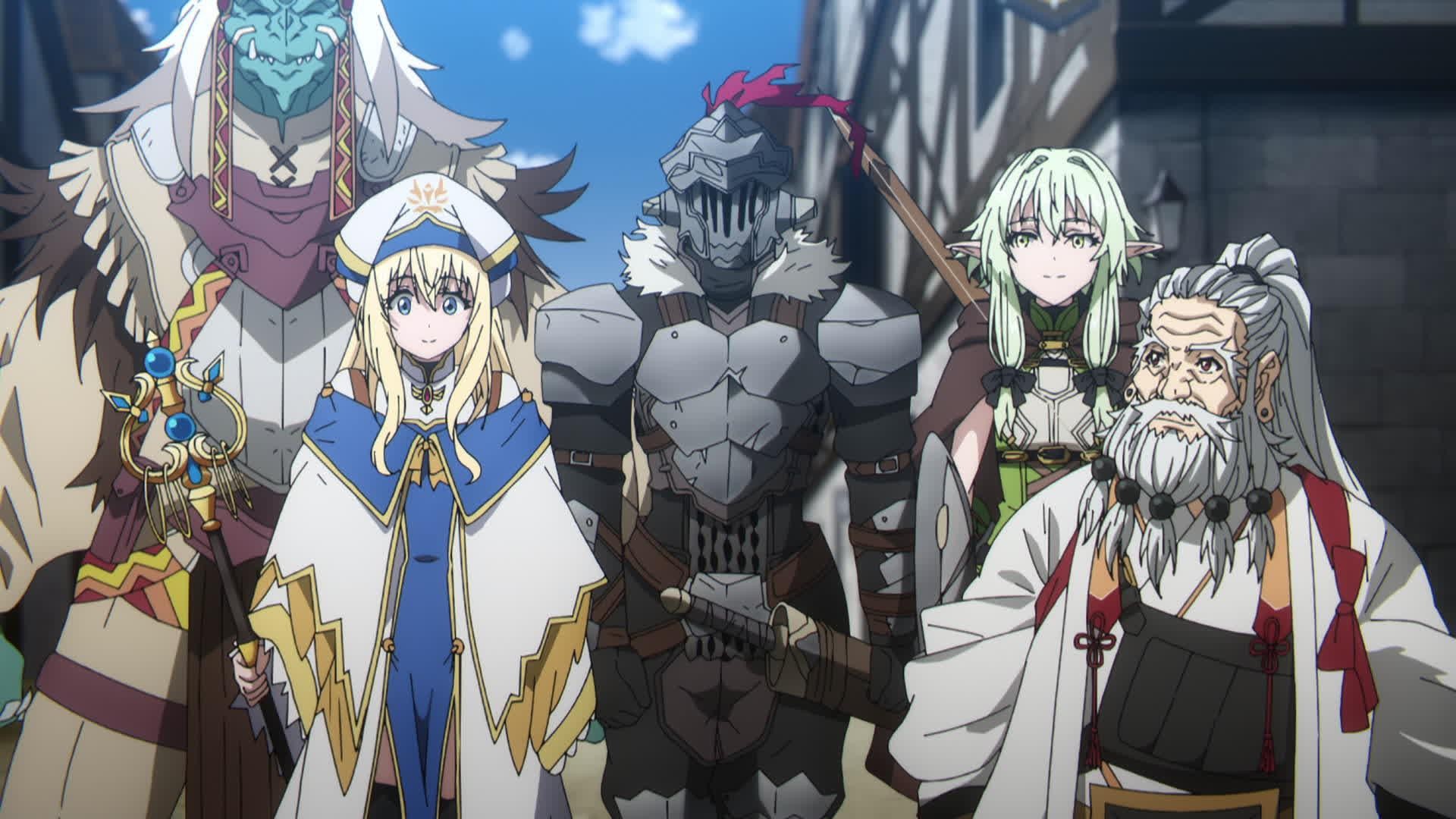
3. Goblin Slayer
A dark fantasy that subverts the idea of goblins as "low-level" threats, instead portraying them as a terrifying biological menace. The premiere episode is particularly noted for its graphic depiction of an adventuring party’s total collapse. This artistic choice was so impactful that streaming platforms like Crunchyroll retroactively added content warnings to the series to prepare viewers for its uncompromising tone.
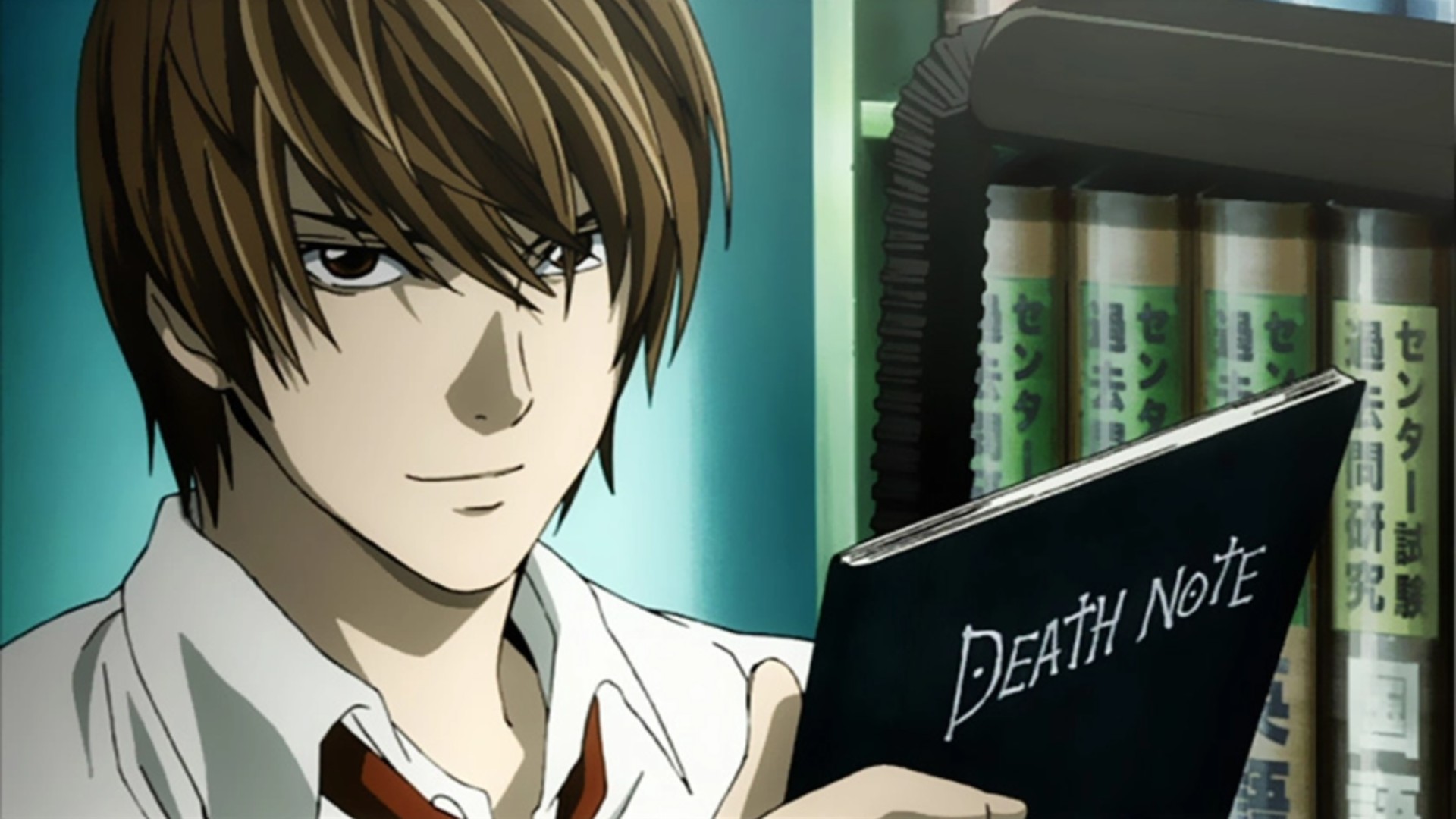
2. Death Note
This series centers on a high-stakes intellectual duel between a student with a "god complex" and a world-class detective. It explores the philosophical question of whether the "ends justify the means" through Light Yagami’s use of a supernatural notebook to eliminate criminals. Its influence on reality became a point of international study after several "copycat" notebooks were found in schools worldwide, leading to localized bans in regions like China and Russia.
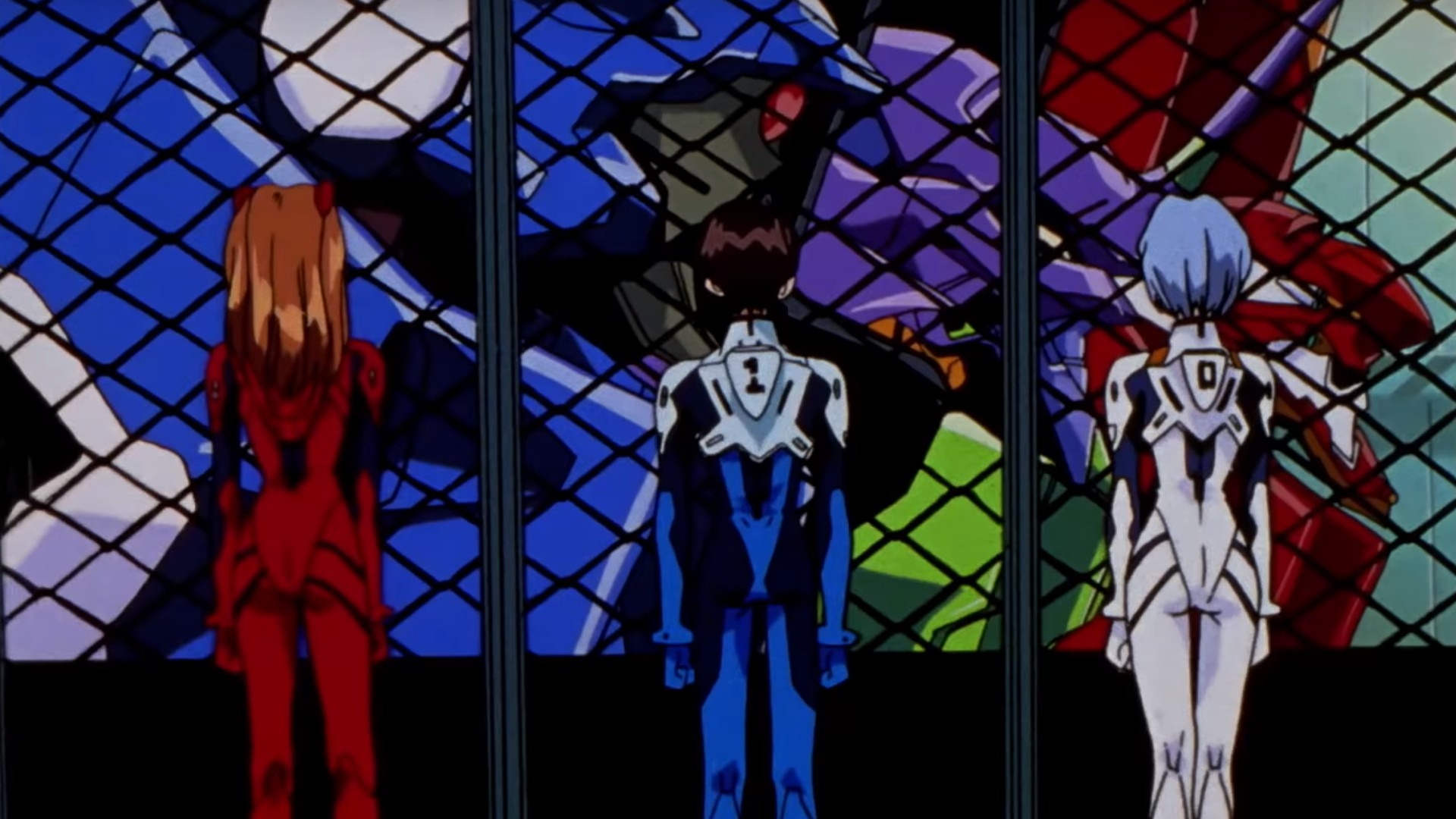
1. Neon Genesis Evangelion
Originally presented as a standard "giant robot" series, it evolved into a landmark deconstruction of the mecha genre. Director Hideaki Anno utilized the show to mirror his personal journey with depression, incorporating complex psychological theories from Freud and Jung. The television finale—which abandoned physical action for abstract internal monologues—remains a defining moment in animation, leading to the theatrical End of Evangelion, which provided a visceral, high-stakes alternate conclusion.