10 Mind-Bending Movies That Actually Paid Off

10. Amores Perros (2000)
Alejandro González Iñárritu’s debut film interconnects three stories linked by a car crash in Mexico City. The non-linear narrative explores love, violence, and human fragility. The film received an Academy Award nomination for Best Foreign Language Film. It launched Iñárritu’s international career and influenced multi-thread storytelling.
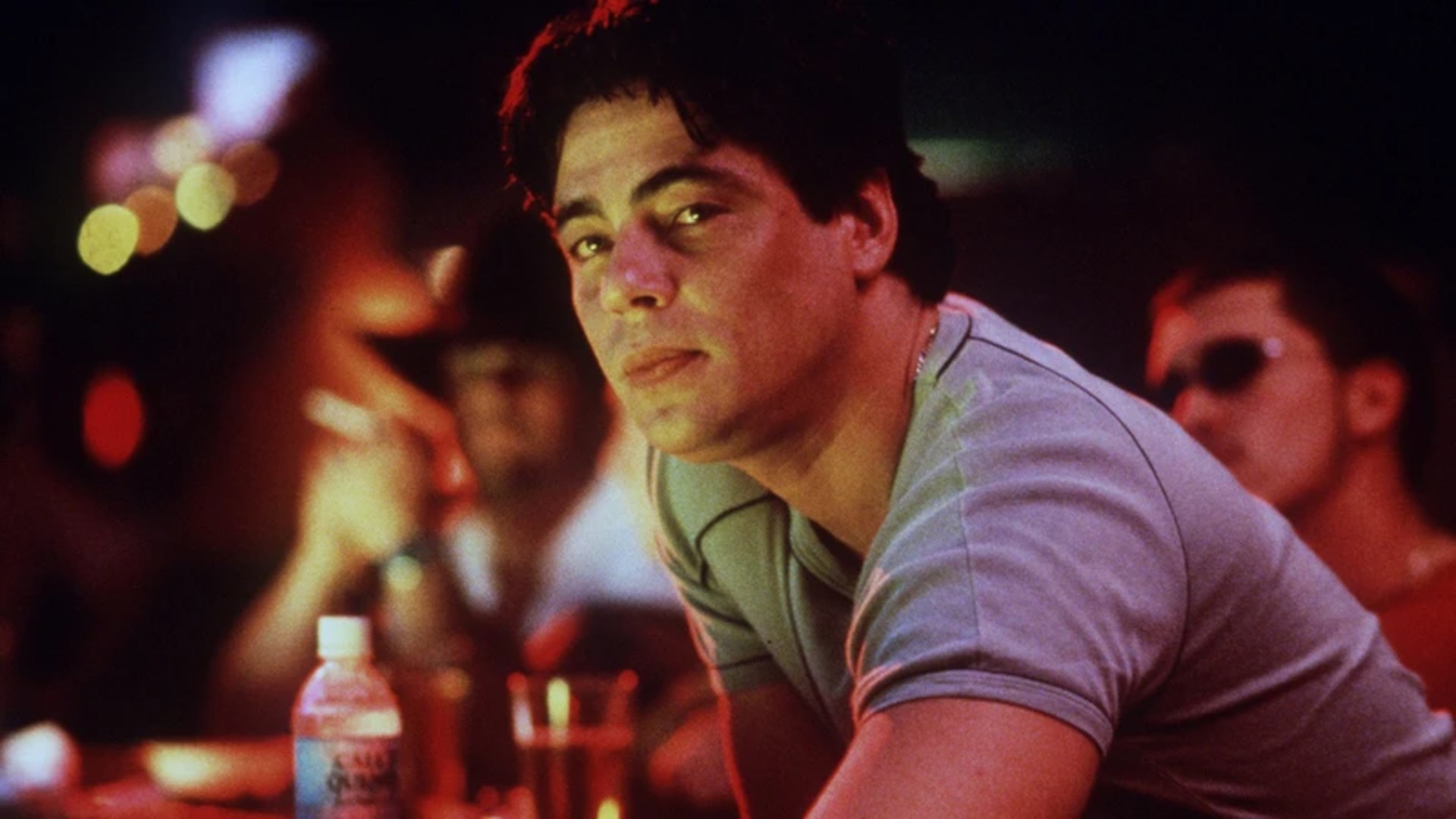
9. Traffic (2000)
Steven Soderbergh’s crime drama examines the U.S. substance trade through multiple perspectives: users, law enforcement, and traffickers. The nonlinear, interwoven narrative emphasizes systemic complexity. It won four Academy Awards, including Best Director. Each storyline is distinguished by color-coded cinematography.
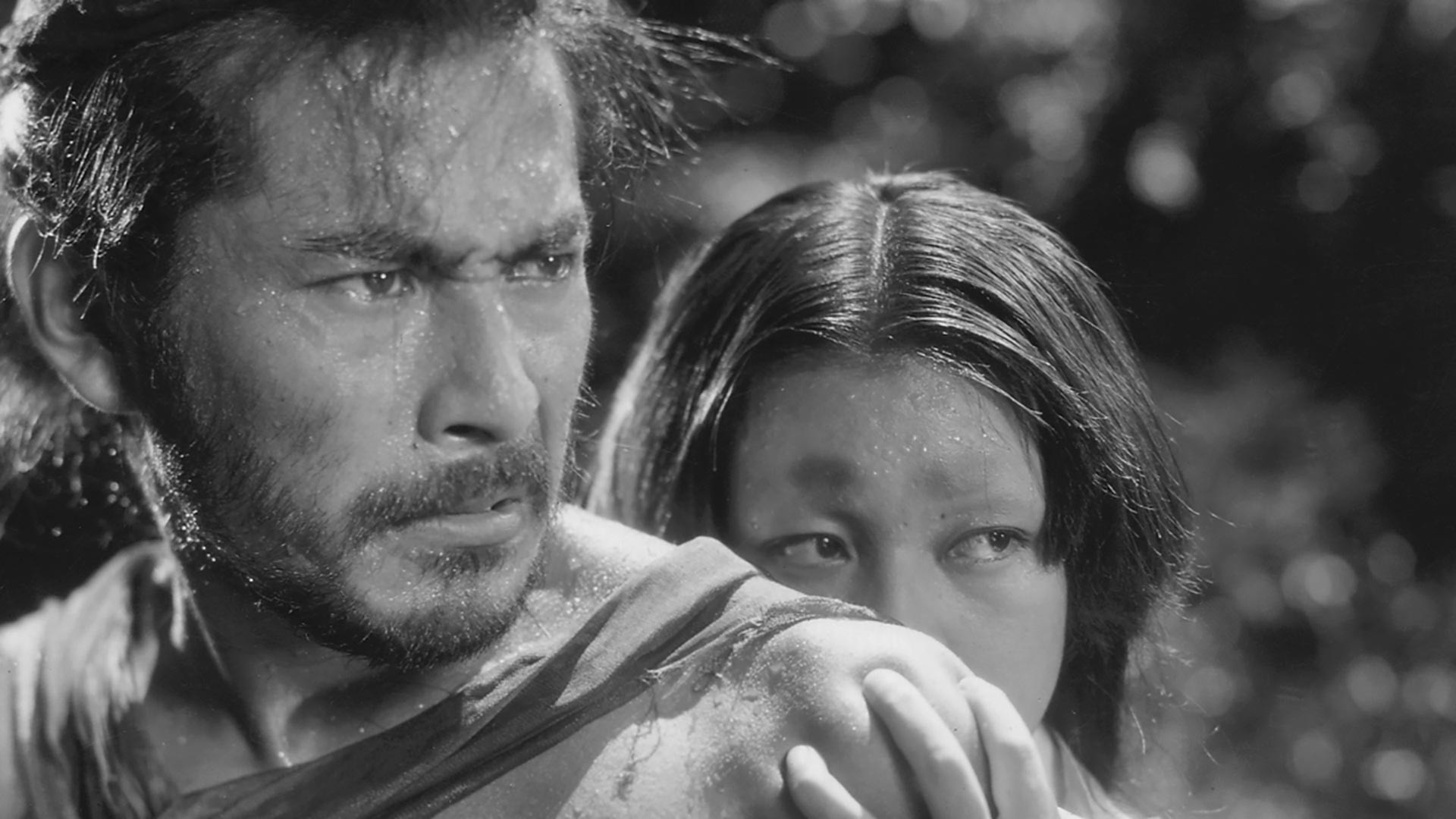
8. Rashomon (1950)
Akira Kurosawa’s classic explores the murder of a samurai from four conflicting perspectives. The film challenges notions of truth and subjectivity in storytelling. Its innovative narrative structure influenced global cinema. Rashomon won the Golden Lion at Venice and an Academy Honorary Award.
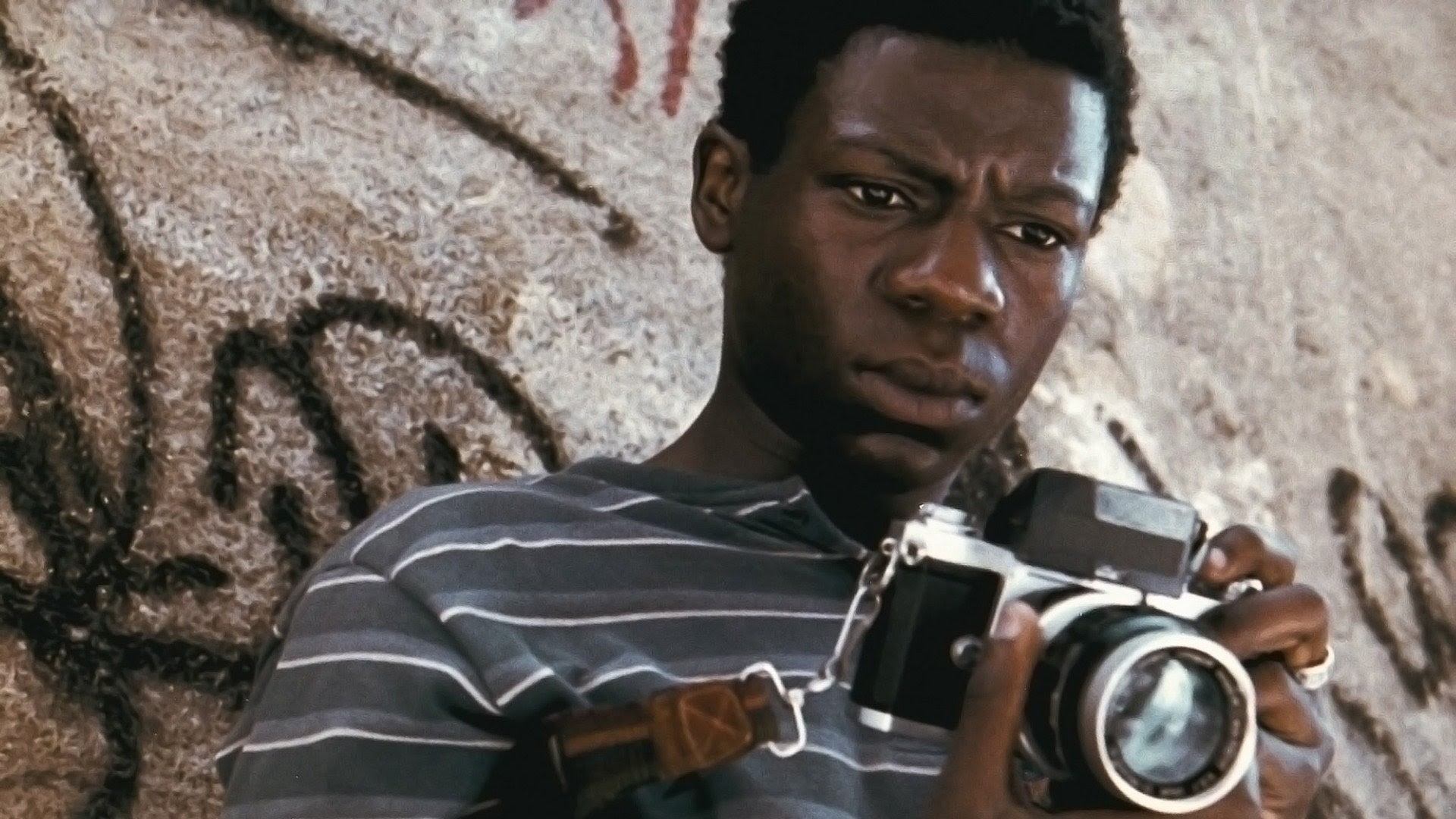
7. City of God (2002)
Fernando Meirelles and Kátia Lund’s film depicts organized crime over decades in Rio de Janeiro’s favelas. The story is told through multiple characters, showing cause and effect in a fragmented narrative. The film received four Academy Award nominations, including Best Director. It is praised for its kinetic cinematography and realism.
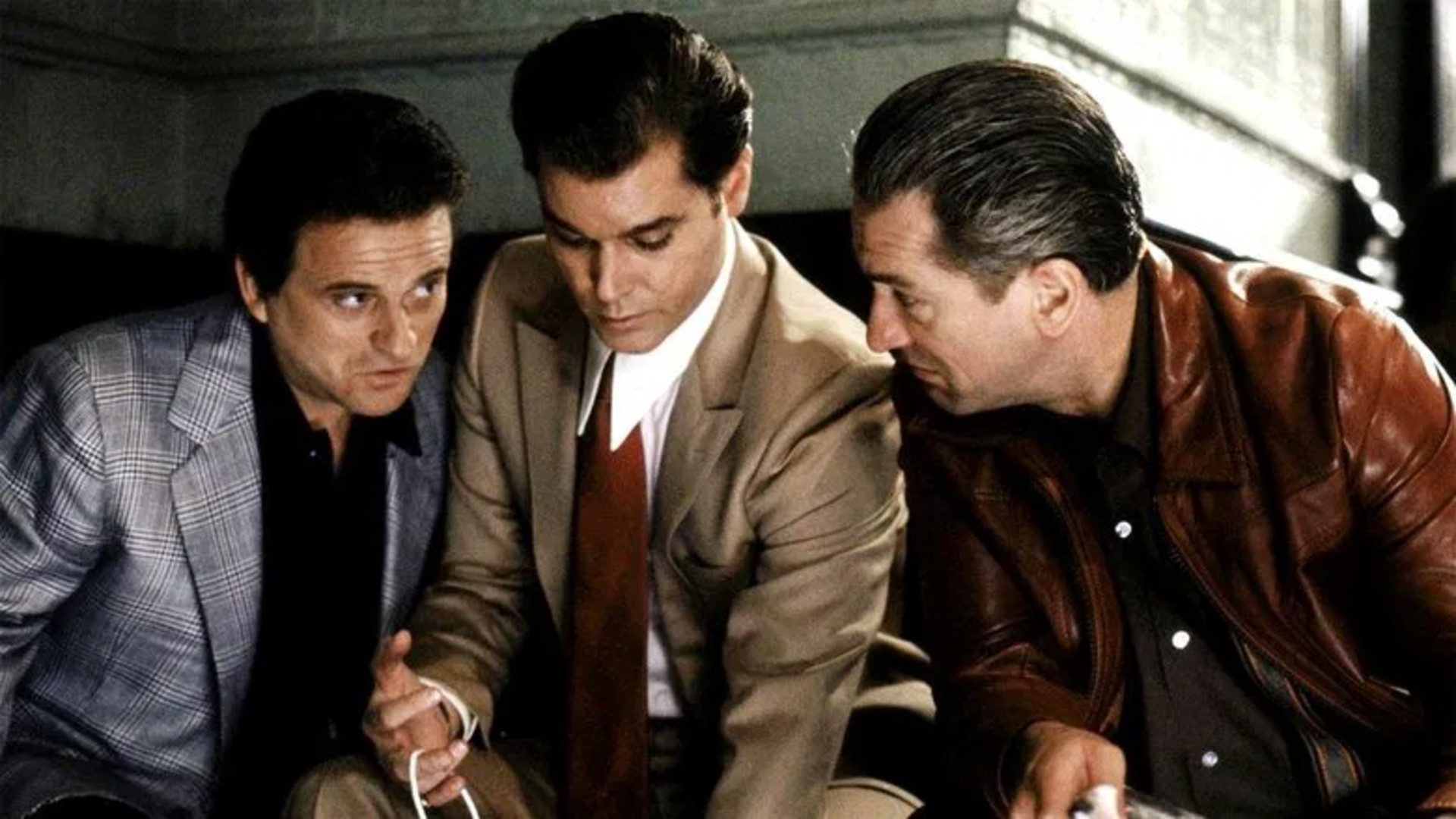
6. Goodfellas (1990)
Martin Scorsese’s crime film follows Henry Hill’s life in the Mafia across decades. Its complex narrative includes multiple viewpoints, betrayals, and criminal enterprises. The film received six Academy Award nominations and is a model of narrative pacing. Its style influenced gangster films for decades.
5. Primer (2004)
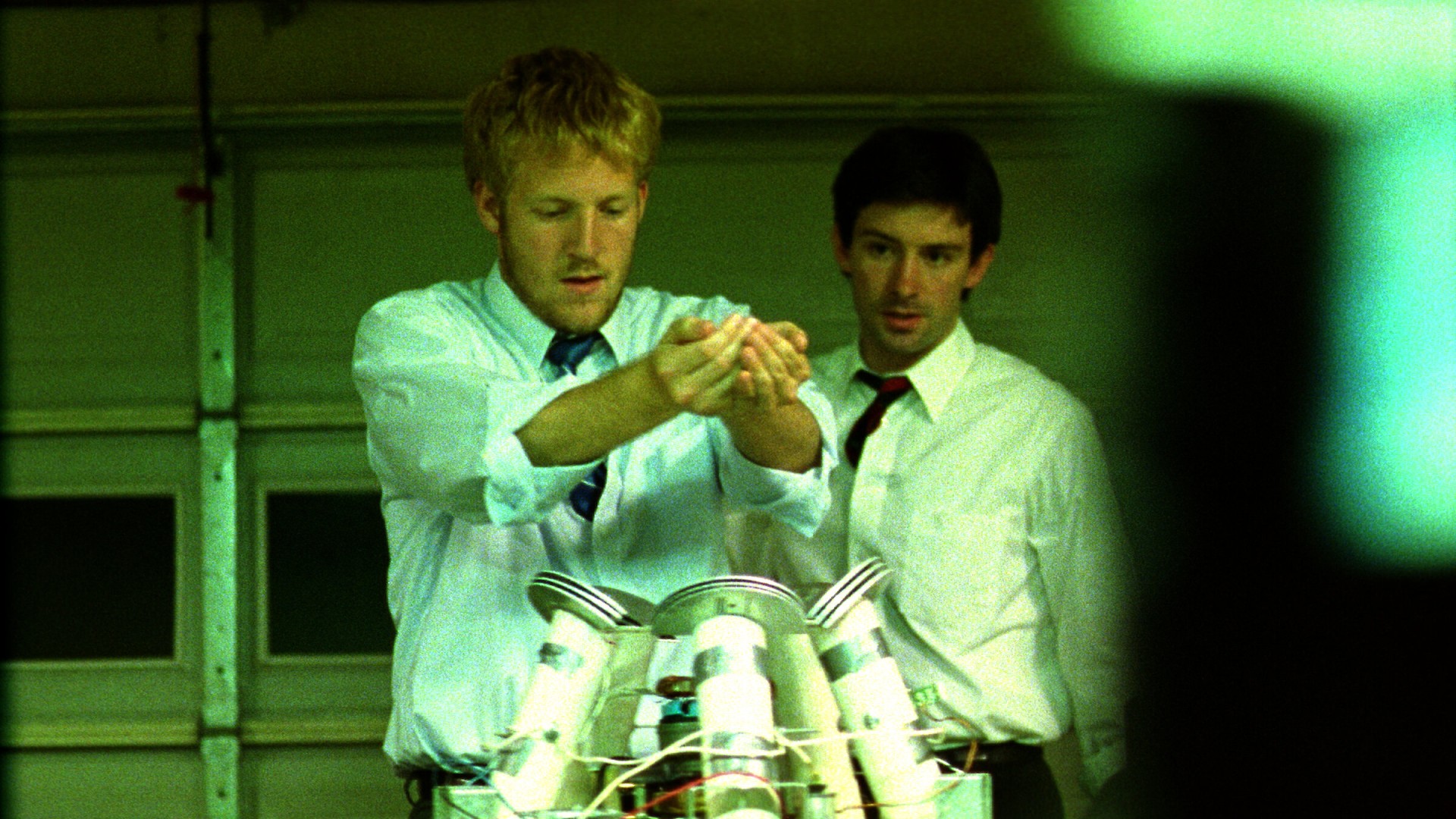
Shane Carruth’s low-budget sci-fi examines accidental time travel by two engineers. Its extremely technical and dense plot requires careful attention. The film is known for realism in technical dialogue and its minimalistic approach. It has become a benchmark for intellectual sci-fi filmmaking.

4. Tree of Life (2011)
Terrence Malick’s experimental film juxtaposes a 1950s Texas family story with cosmic and evolutionary imagery. Its non-linear, poetic narrative emphasizes memory and human existence. Cinematography by Emmanuel Lubezki is widely praised. It won the Palme d’Or at Cannes.

3. Donnie Darko (2001)
Richard Kelly’s cult classic blends psychological thriller with sci-fi and time travel. A teenager receives cryptic messages from a mysterious figure in a rabbit costume. Themes include fate, parallel universes, and adolescent angst. Its complexity has prompted numerous interpretations and analyses.
2. Synecdoche, New York (2008)
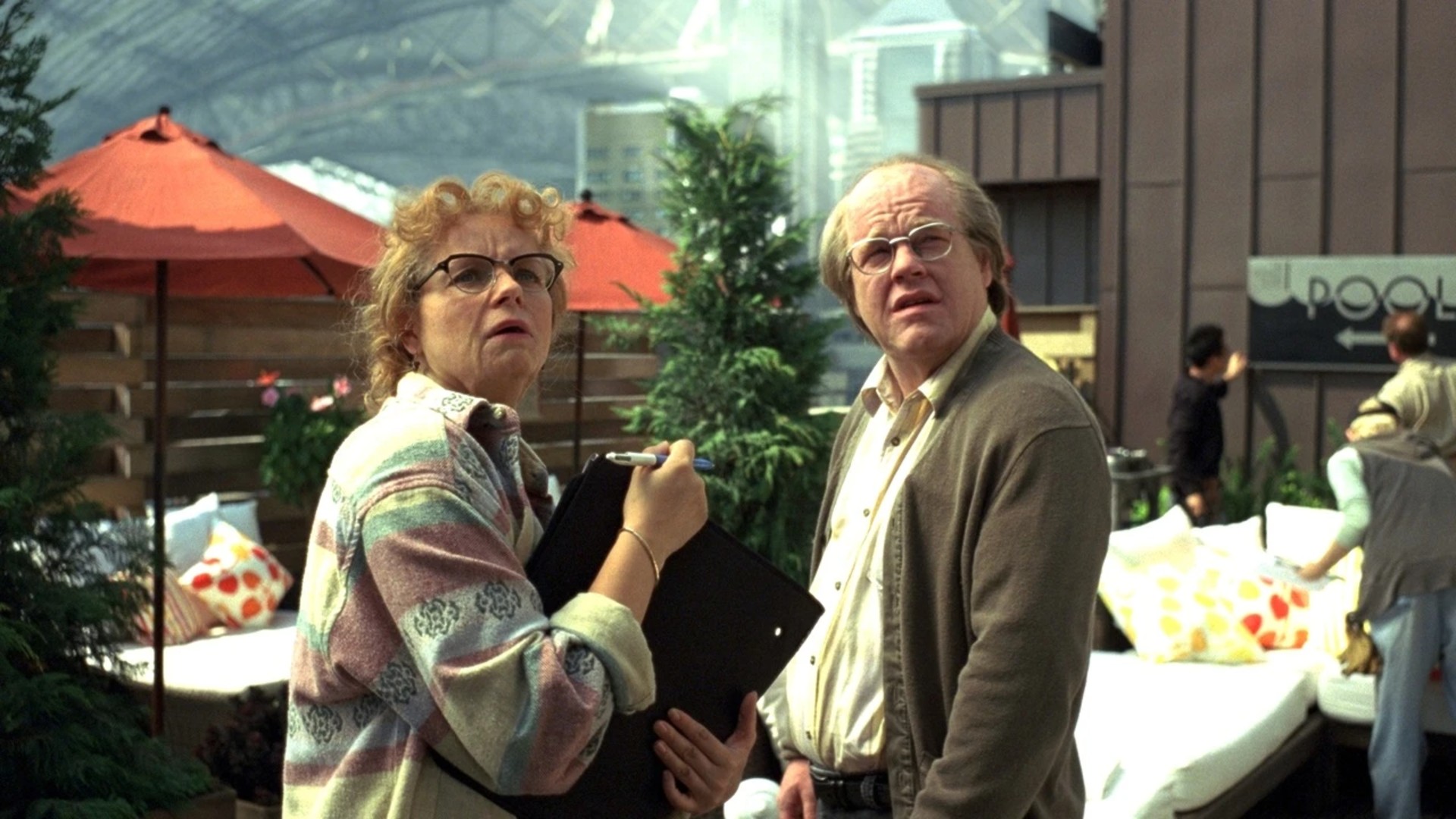
Charlie Kaufman’s directorial debut follows a theater director creating a life-size replica of New York. The film explores mortality, creativity, and existential despair. Its intricate narrative blends reality and performance, creating dense thematic layers. It received critical acclaim for ambition and narrative audacity.
1. 2001: A Space Odyssey (1968)
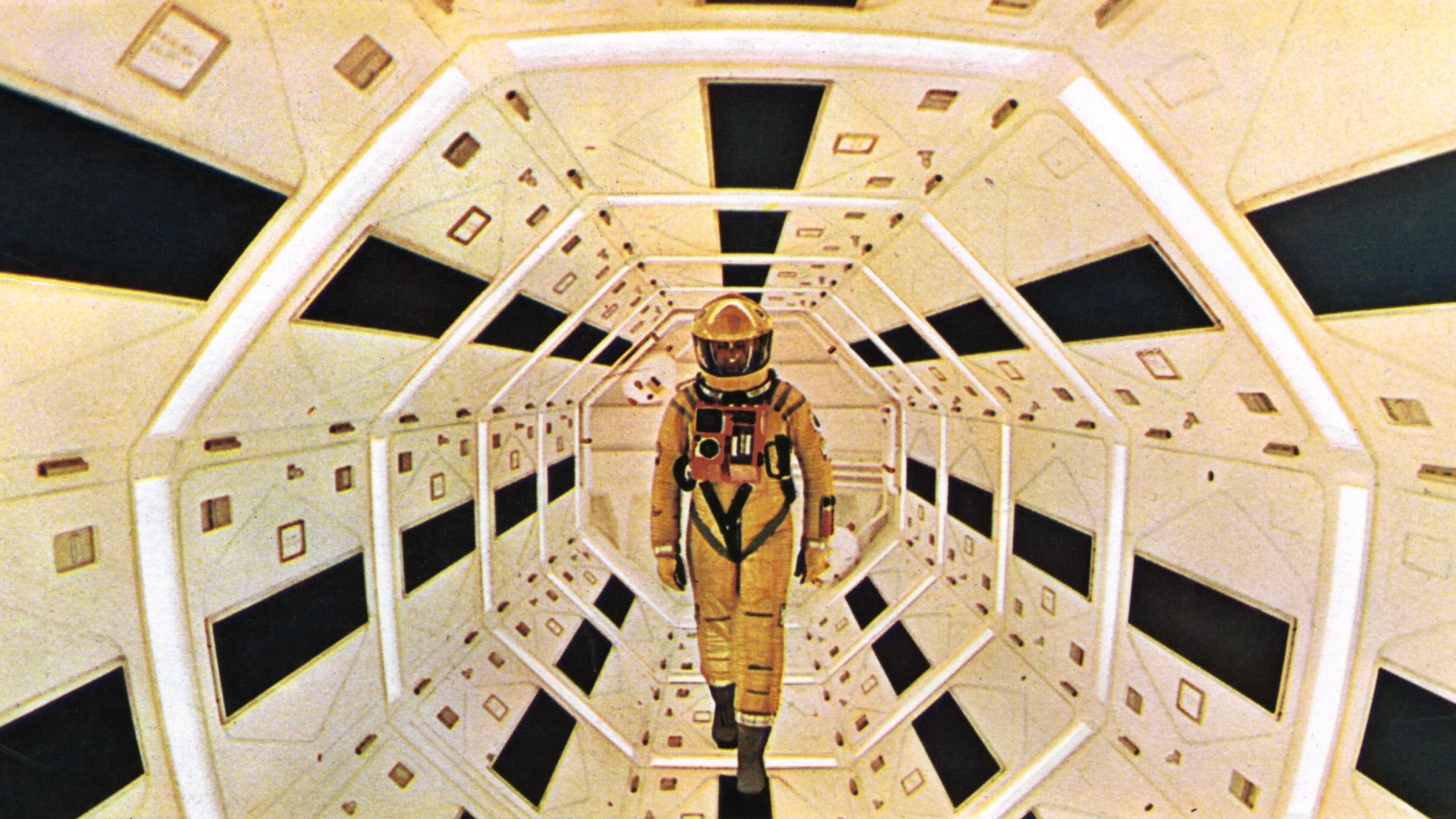
Stanley Kubrick’s science fiction epic covers humanity’s evolution and space exploration. Its abstract visual storytelling minimizes dialogue. Themes include artificial intelligence, existentialism, and cosmic evolution. It influenced decades of science fiction filmmaking and visual effects.