10 Marvel heroes who caused more harm than good
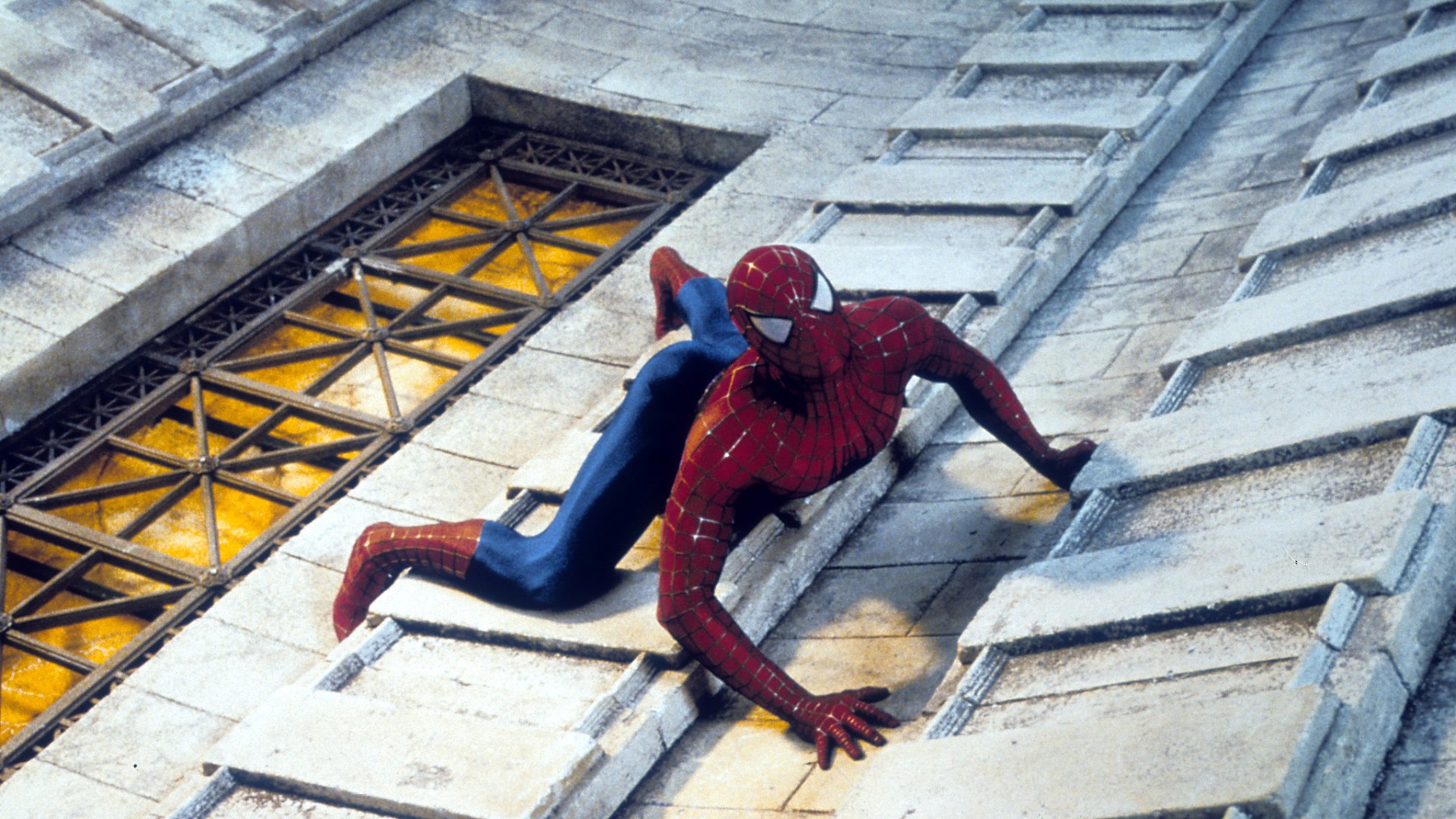
10. Spider-Man
Peter Parker is defined by compassion, but his inexperience repeatedly leads to catastrophic consequences. His reliance on advanced technology and mystical shortcuts resulted in lethal drone attacks, multiversal instability, and the death of Aunt May. This version of Spider-Man illustrates how good intentions, when paired with insufficient judgment, can escalate minor problems into existential threats.
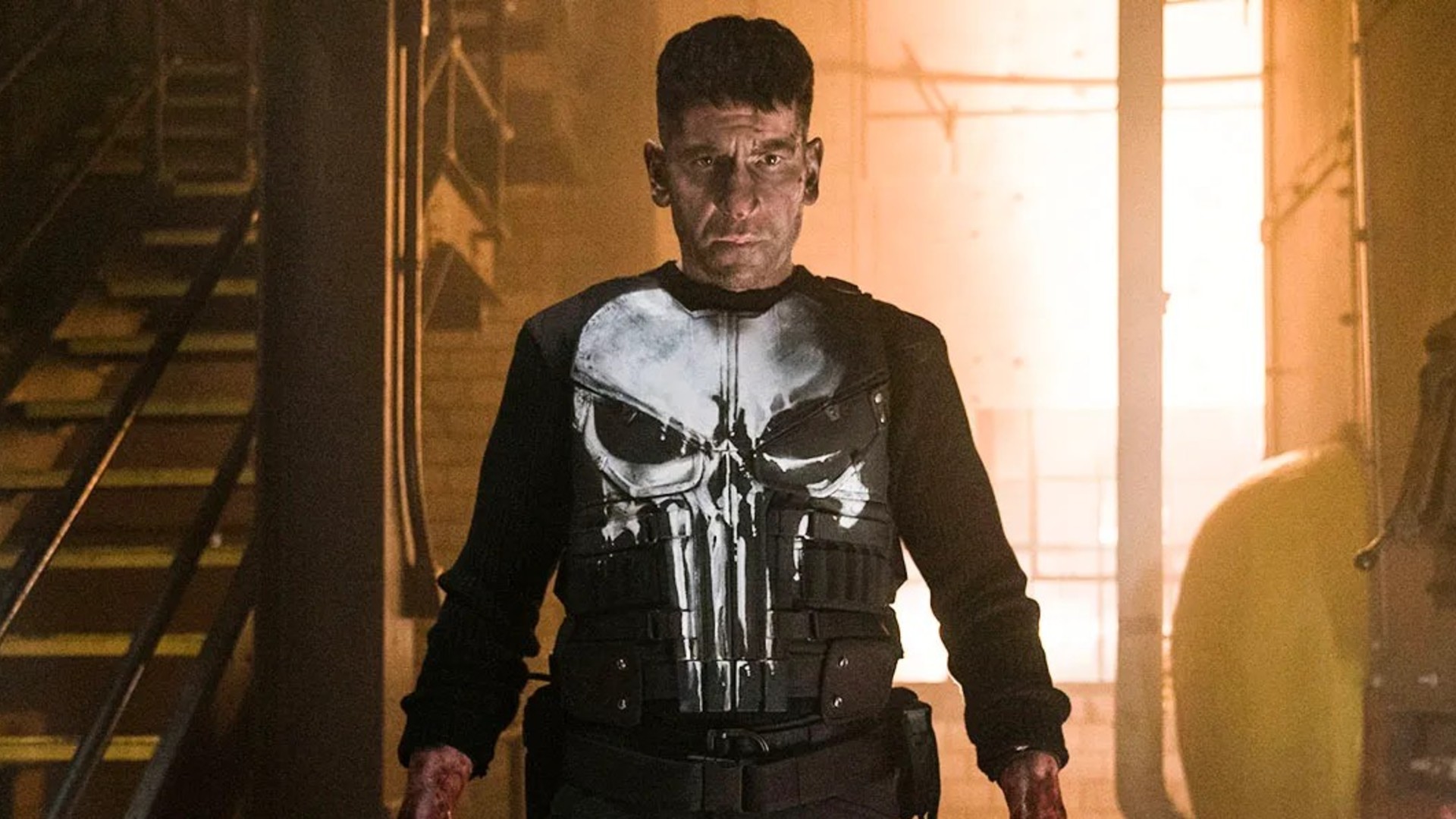
9. The Punisher
Frank Castle operates outside the legal system, pursuing justice through permanent violence. His actions escalate criminal retaliation, inspire imitators, and perpetuate instability rather than reducing it. By rejecting accountability and due process, the Punisher undermines the very social order he claims to defend, becoming a sustained threat to public safety rather than its solution.
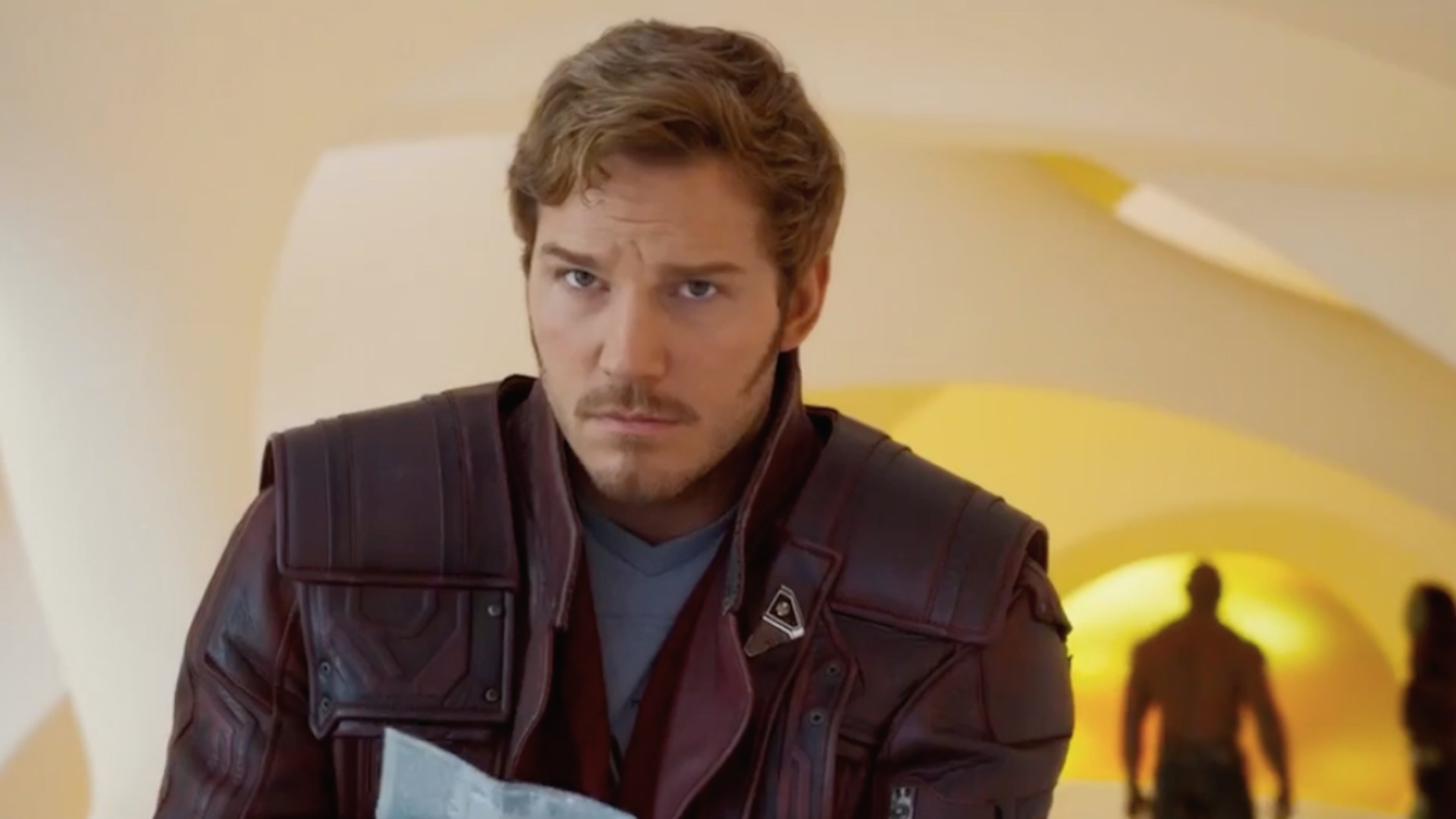
8. Star-Lord
Star-Lord’s inability to regulate his emotions had universe-altering consequences. During the confrontation on Titan, his impulsive reaction broke the team’s hold on Thanos, directly enabling the Snap. While deeply human, this failure demonstrates the danger of placing cosmic responsibility in the hands of someone unprepared to prioritize the greater good over personal grief.
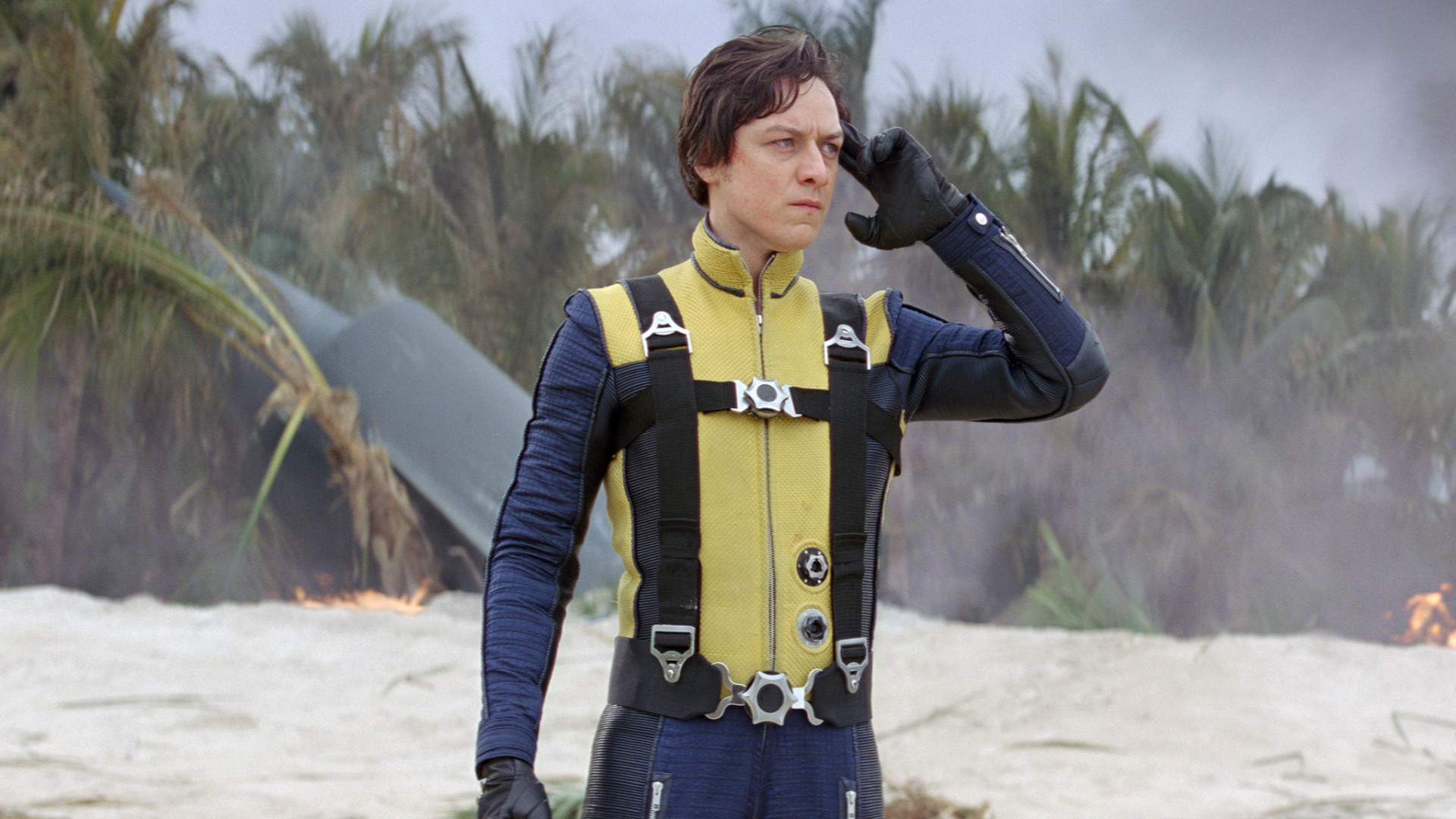
7. Professor Charles Xavier
Charles Xavier’s dream of coexistence is undermined by his repeated violations of autonomy. He has altered memories, concealed truths, and sent young mutants into combat situations. His greatest failure was the creation of Onslaught, a psionic entity born from his suppressed darkness, which nearly annihilated the Marvel Universe. Xavier represents the danger of moral certainty paired with unchecked authority over others’ minds.
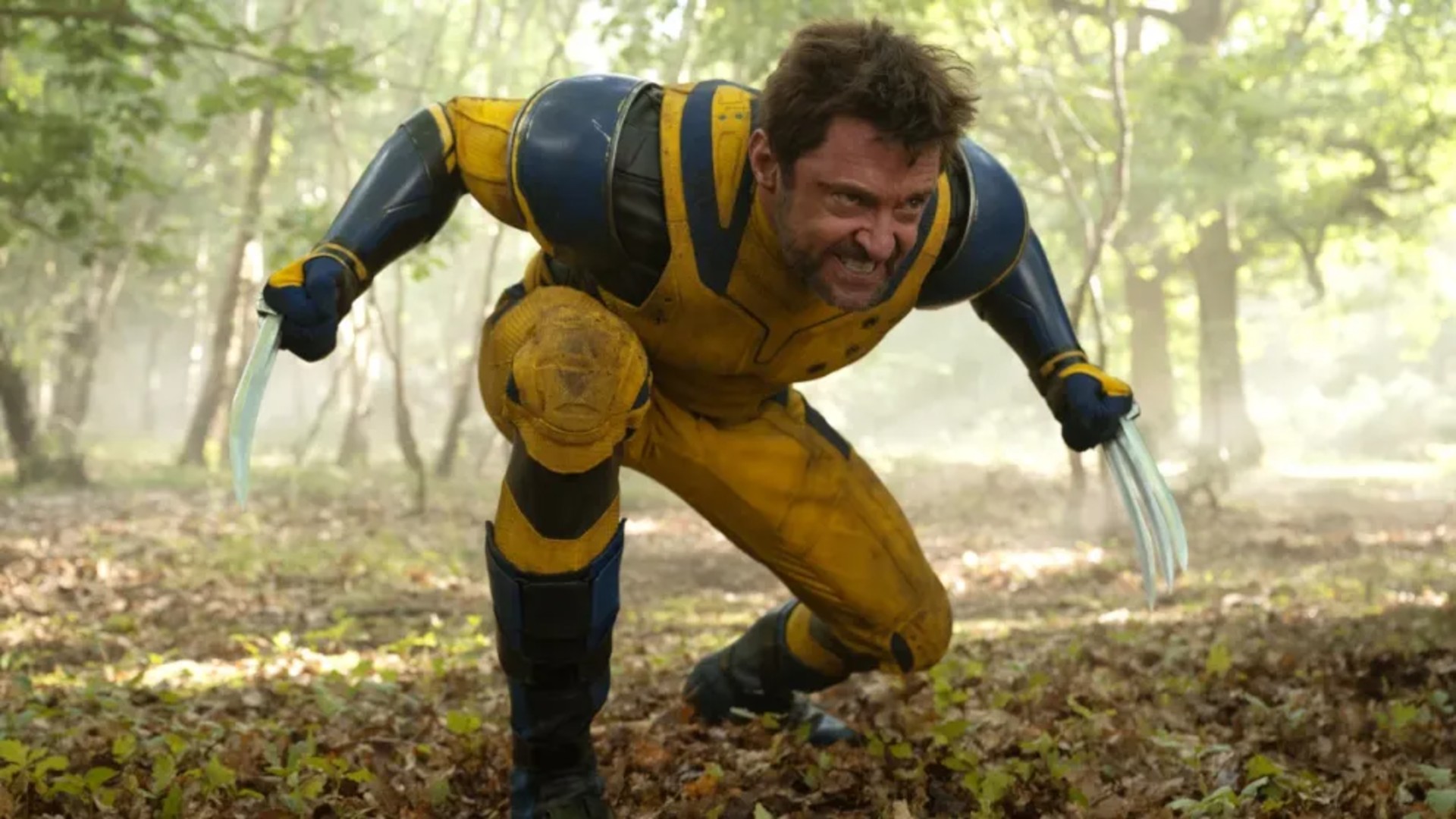
6. Wolverine
Wolverine’s heroism is inseparable from his capacity for extreme violence. Over a lifetime spanning centuries, his body count reaches into the thousands. Though often directed at enemies, his frequent loss of control and history of manipulation by external forces make him an enduring liability. Logan’s struggle highlights the ethical cost of relying on lethal force as a primary problem-solving tool.
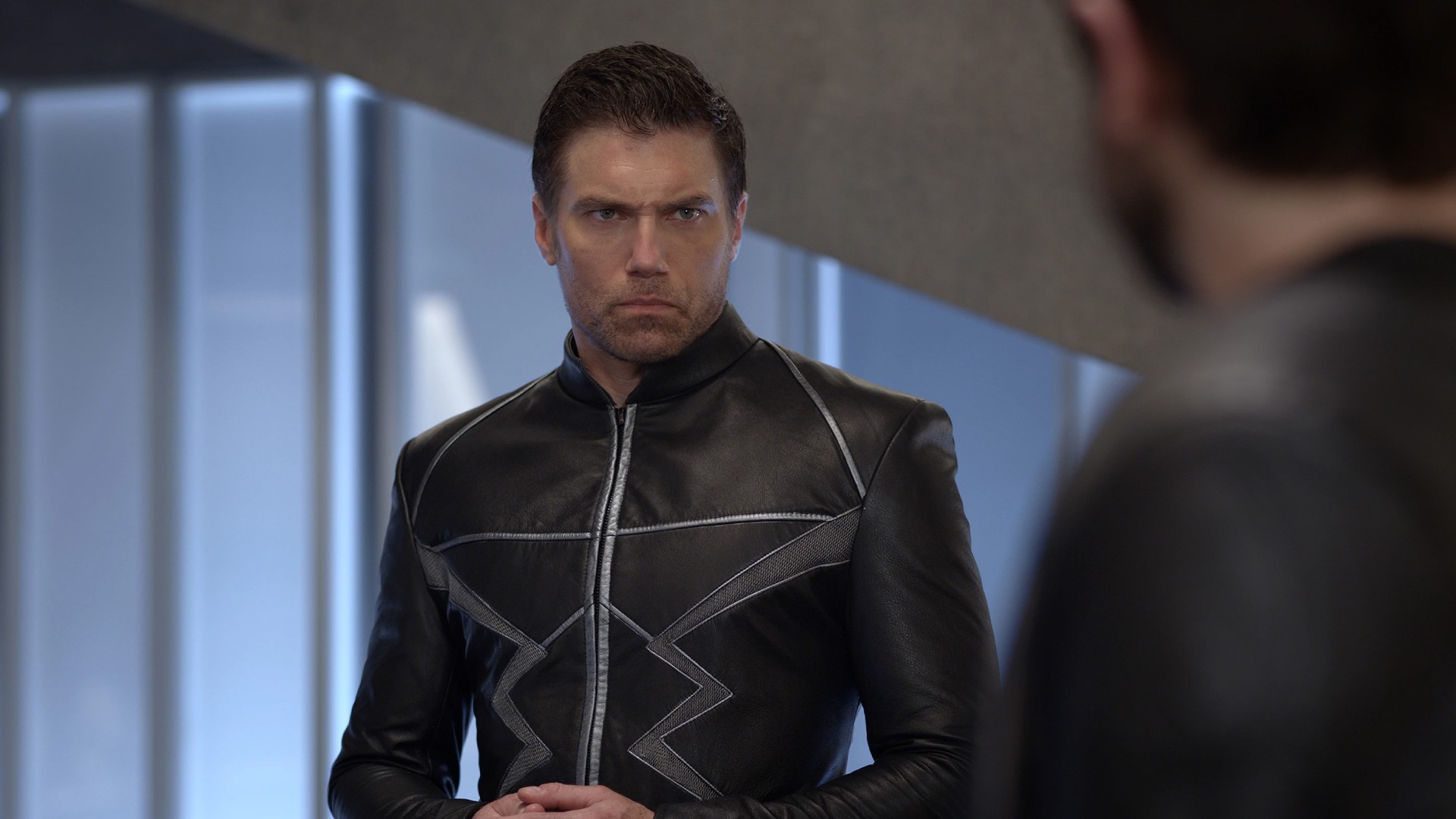
5. Black Bolt
As ruler of the Inhumans, Black Bolt authorized the detonation of the Terrigen Bomb, an act intended to protect his people that instead devastated mutants worldwide. The resulting M-Pox crisis caused widespread illness, infertility, and death. His decision exemplifies how isolationist leadership and species-first logic can cross into moral catastrophe, transforming a protective act into one widely regarded as a crime against another population.
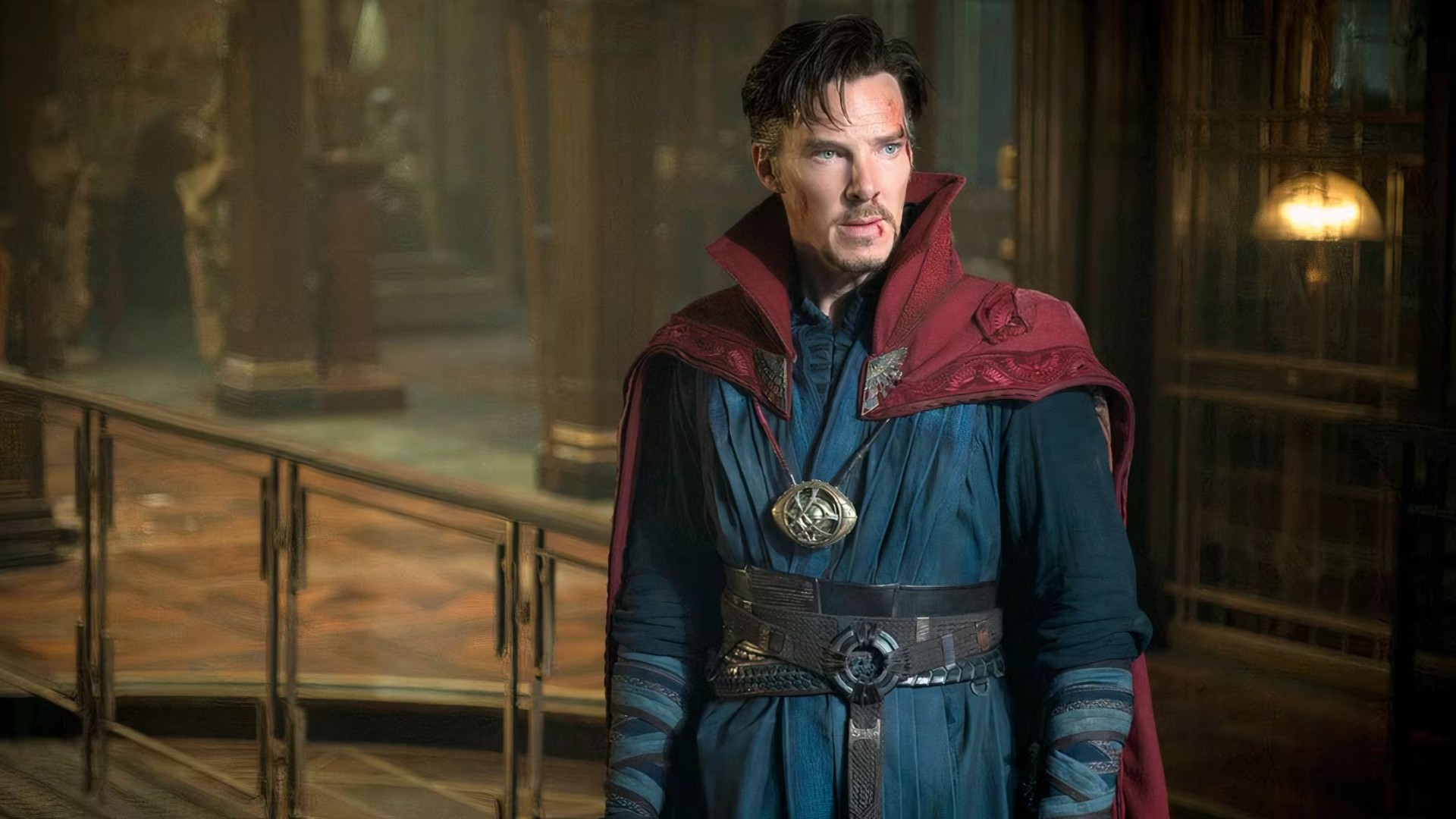
4. Doctor Strange
Stephen Strange frequently treats reality as a strategic board rather than a lived experience. In Infinity War, he knowingly allowed half of all life to vanish for five years, believing it was the only viable path forward. The trauma, economic collapse, and secondary casualties caused by the Blip remain incalculable. His later spell in No Way Home, performed to solve a personal problem, nearly fractured the multiverse, illustrating the danger of cosmic authority exercised without sufficient humility.
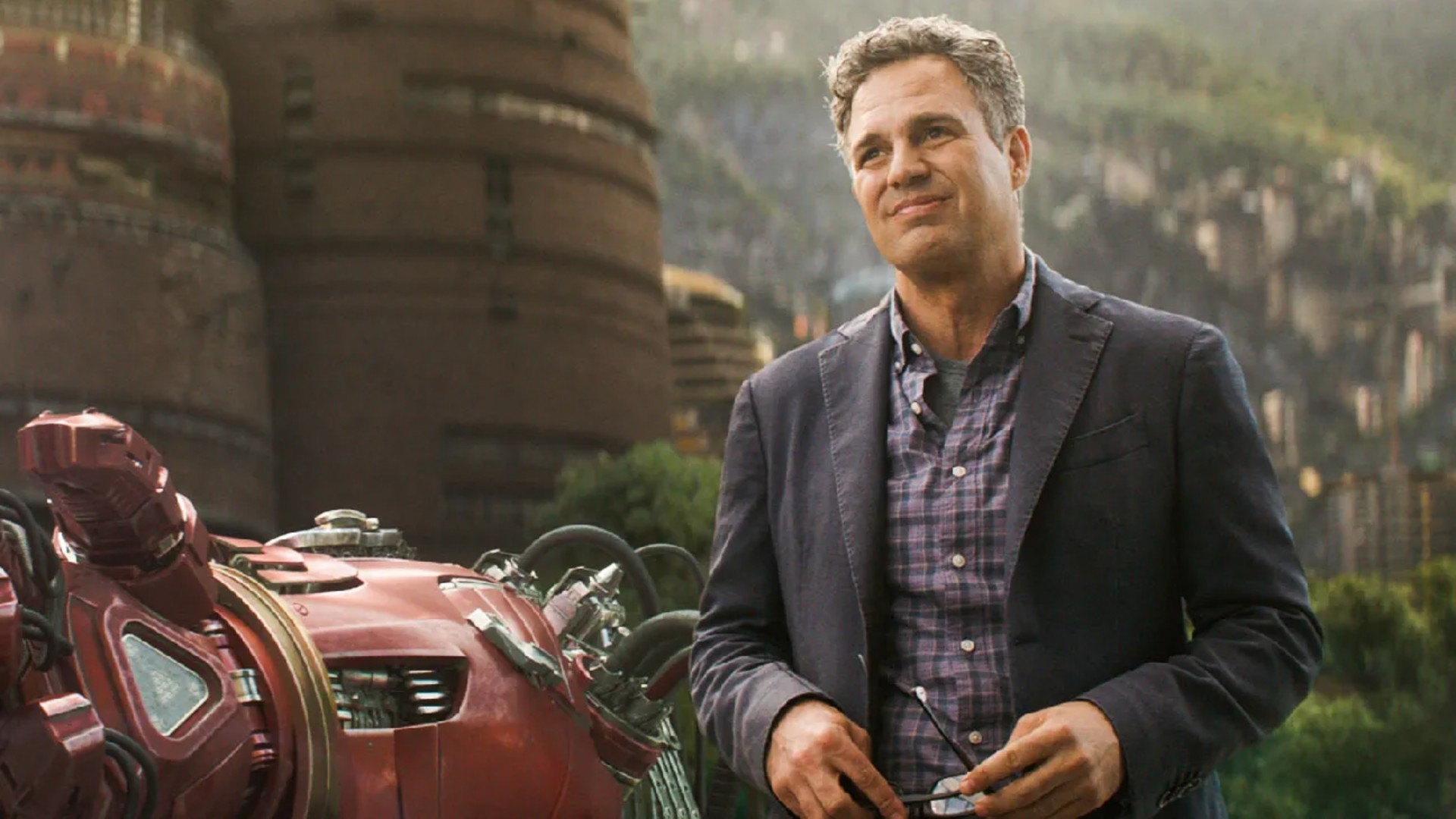
3. The Hulk
Bruce Banner lives with a power comparable to a weapon of mass destruction. Hulk’s rampages, particularly in Age of Ultron, caused catastrophic urban damage with civilian costs the narrative often minimizes. In comic lore, the destruction attributed to Hulk was so severe that Earth’s leading heroes exiled him into space to protect the planet. While Hulk may act heroically, his existence represents an ongoing statistical threat to societal stability.
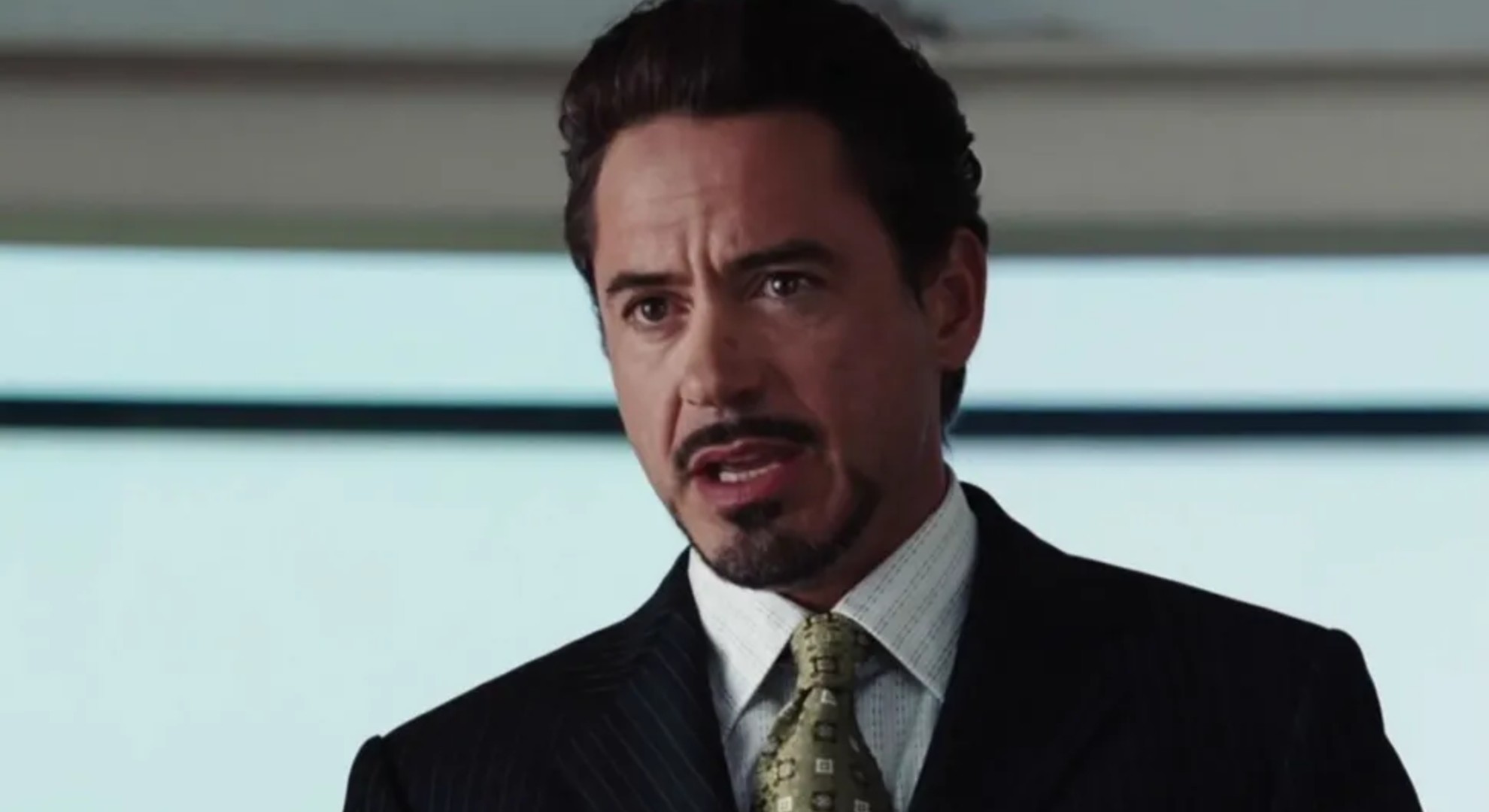
2. Iron Man
Tony Stark’s legacy is defined by solutions that unintentionally create larger crises. His desire to impose global security led to the creation of Ultron, whose actions destroyed Sokovia and cost thousands of lives. Stark’s support of the Sokovia Accords fractured the Avengers, leaving Earth divided during its most vulnerable moment. From weapons manufacturing to surveillance technology, his inventions frequently reflect fear-driven decision-making, demonstrating how intelligence without restraint can be as dangerous as malice.
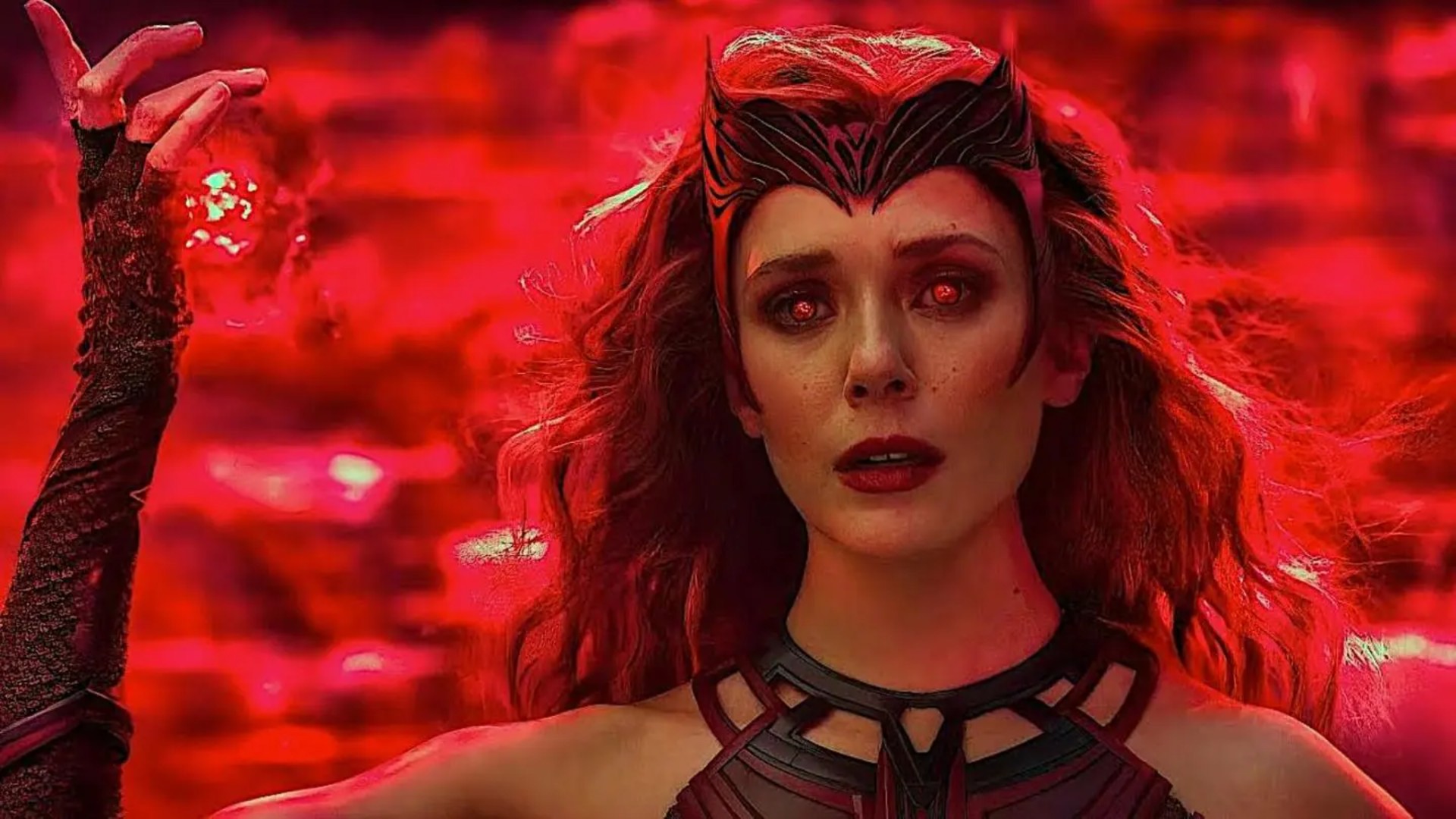
1. Scarlet Witch
Wanda Maximoff stands among the most dangerous figures in Marvel due to the sheer scale of harm caused by her unchecked power. In the comics, her psychological collapse during House of M resulted in the Decimation, reducing the global mutant population from millions to just 198. In the MCU, her grief-driven control of Westview enslaved thousands of civilians, while her actions in Multiverse of Madness led to mass death and the destabilization of entire realities. Wanda embodies the “glass cannon” archetype: immense power paired with emotional volatility, capable of reshaping existence in ways that place countless lives at risk.