10 Marvel Comics Heroes Who Are Basically Unrecognizable on Screen
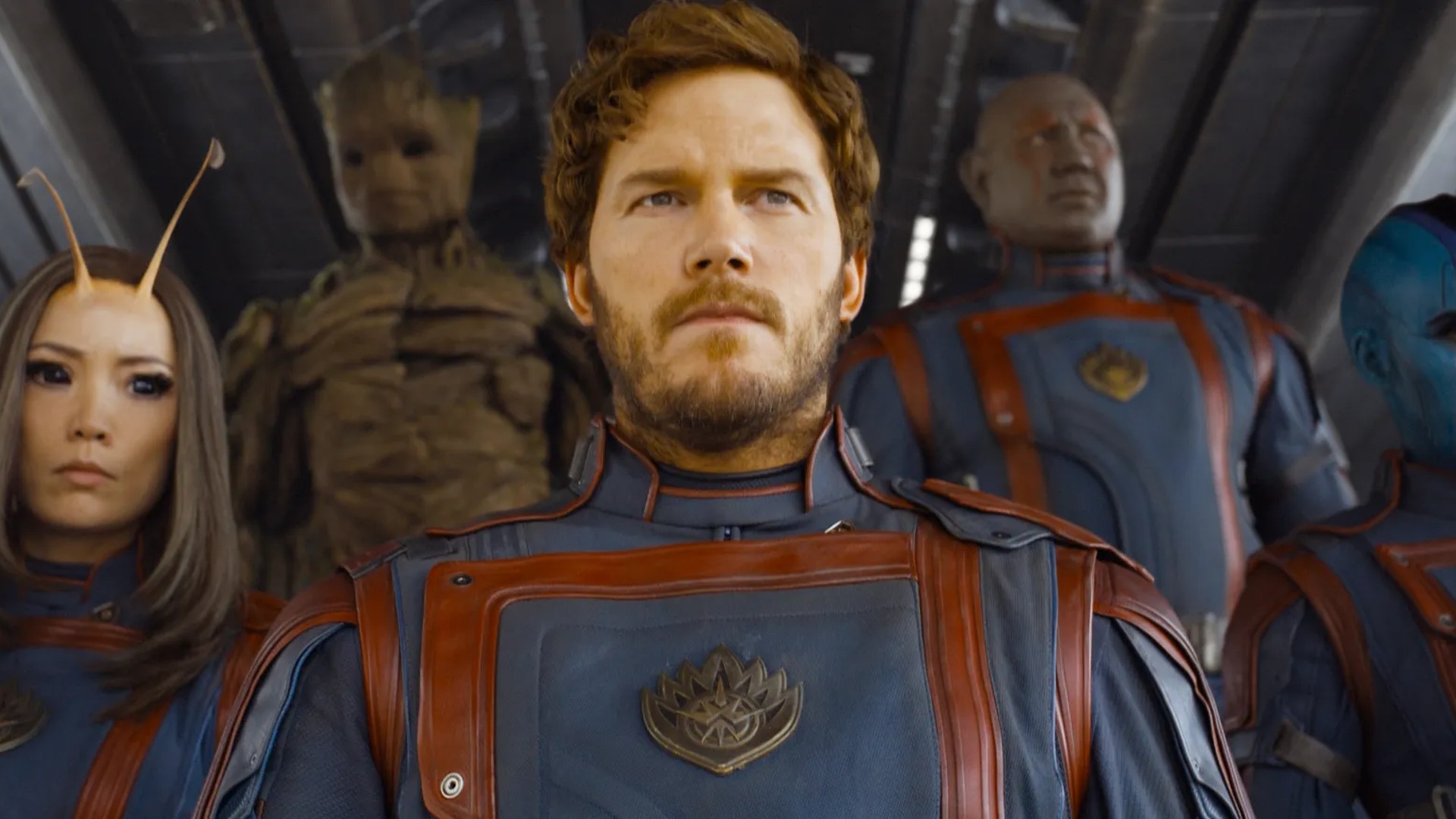
10. Star-Lord (Peter Quill)
Before Guardians of the Galaxy, comic Peter Quill was hardened military—disciplined, strategic, and burdened by command decisions. The MCU version, shaped heavily by Chris Pratt’s charisma, leaned into pop-culture nostalgia and impulsive immaturity. The goofiness became central, redefining him as emotionally stunted yet lovable. That reinterpretation proved so popular that later comics adopted elements of the cinematic tone. The transformation wasn’t minor—it recalibrated the character’s core identity across mediums. What was once stoic space commander became an emotionally reactive rogue. Fans remain divided: some prefer the levity and relatability, others miss the battle-hardened tactician. Either way, the MCU didn’t just adapt Star-Lord—it permanently rewrote him.
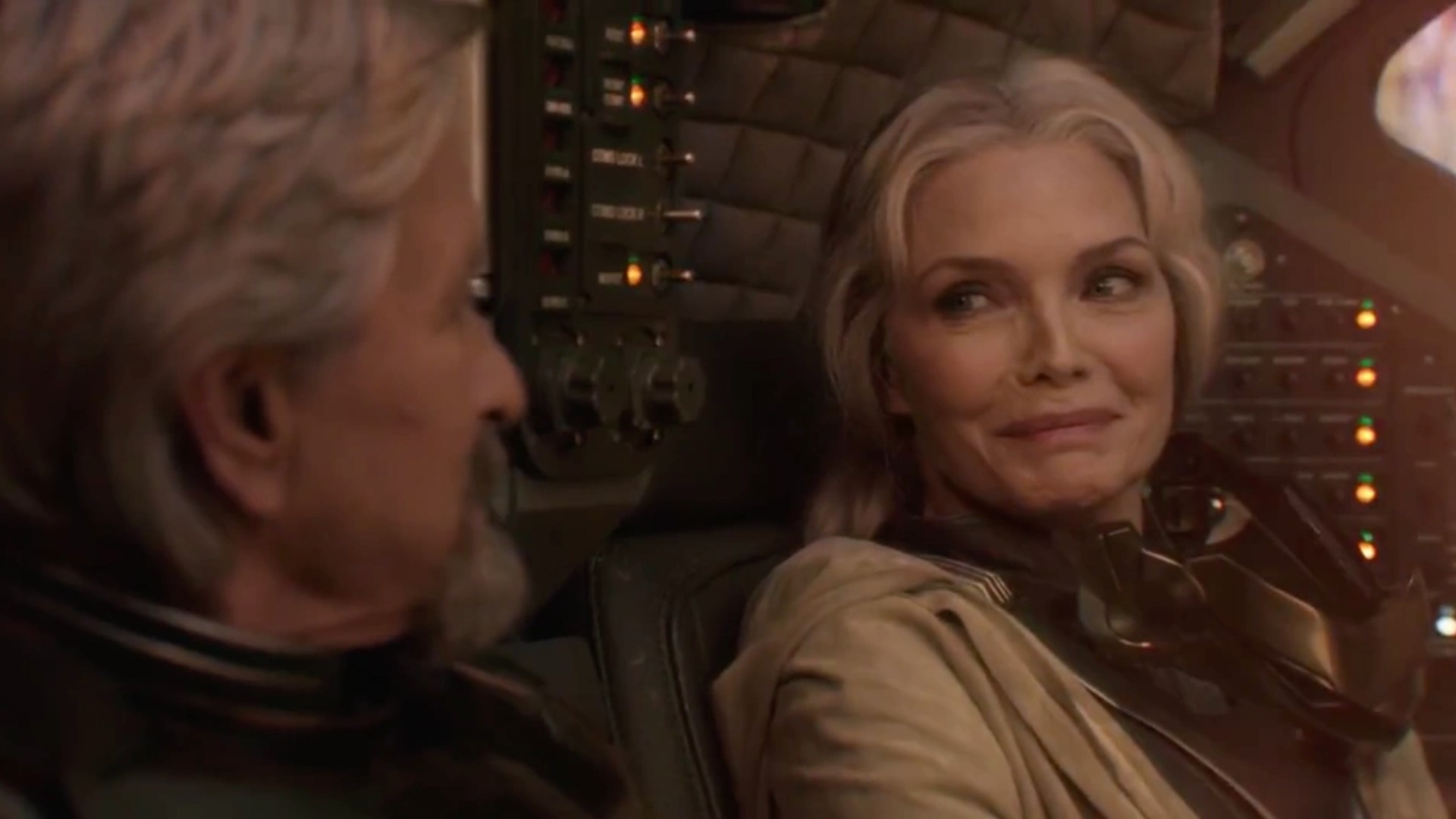
9. Janet van Dyne
In the comics, Janet van Dyne is foundational—an Avenger, socialite, strategist, and the one who names the team itself. She balances glamour with tactical intelligence and holds significant narrative agency. The MCU, beginning with Ant-Man, positioned her as a legendary but absent figure, lost in the Quantum Realm for decades. When she returns, her role centers on exposition and survival rather than leadership legacy. The mantle focus shifts to Hope, effectively repositioning Janet as a predecessor rather than a pillar. While Michelle Pfeiffer brings gravitas, the structural choice sidelines a founding Avenger into supporting mythology. It reframes her from architect of heroism to catalyst within someone else’s journey.
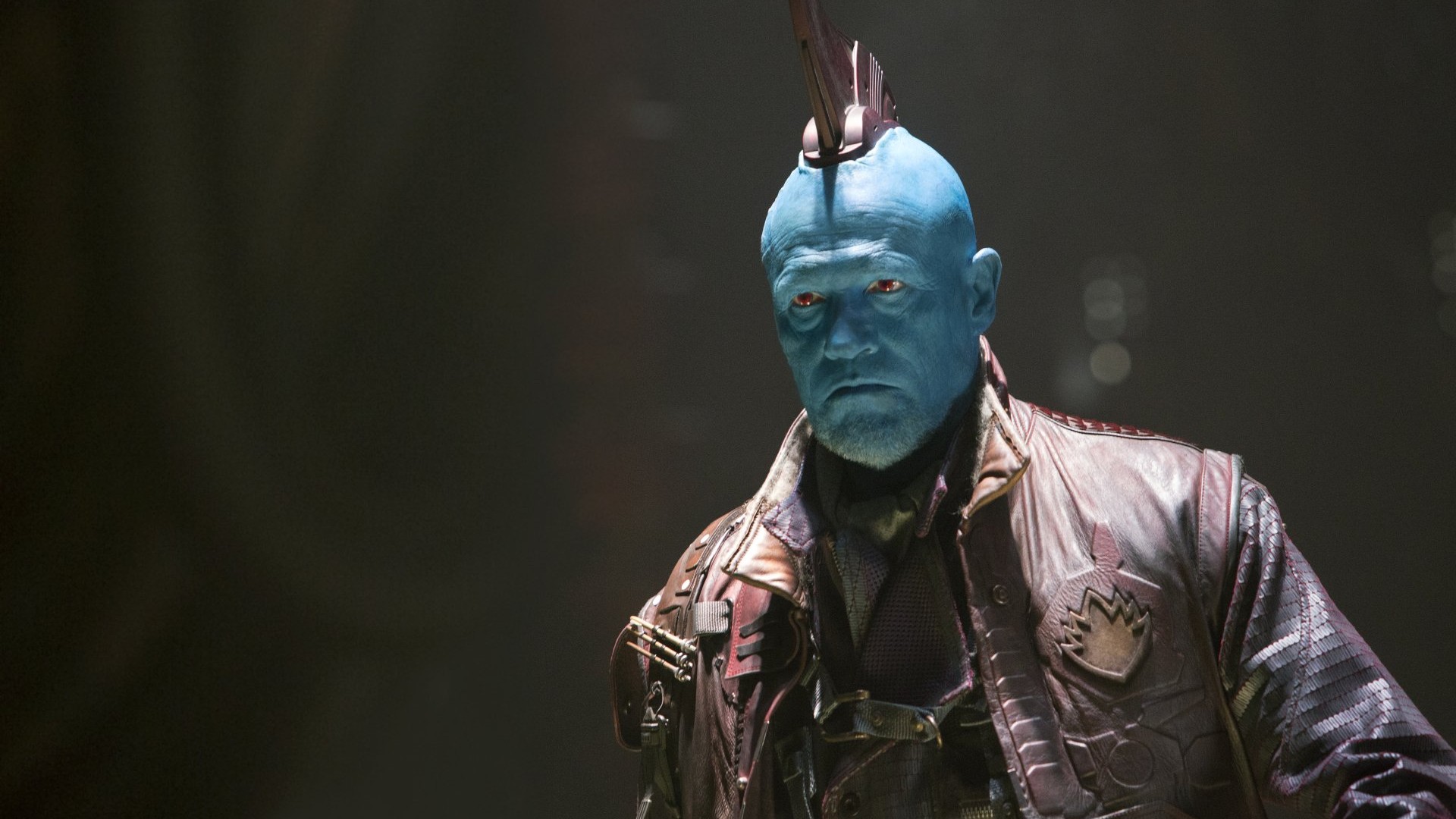
8. Yondu Udonta
Comic Yondu was a noble Centaurian archer from the 31st century, spiritually attuned and a founding Guardian. The MCU’s version, beginning in Guardians of the Galaxy, recast him as a Ravager pirate with a cybernetic fin controlling a whistling arrow. The mysticism was traded for outlaw swagger and emotional paternalism. While the cinematic Yondu became deeply beloved—especially through his redemptive arc—he shares little with his comic counterpart beyond name and arrow motif. The reinterpretation prioritized found-family drama over futuristic mystic legacy. It’s arguably a stronger emotional character, but in terms of fidelity, it’s reinvention bordering on replacement.
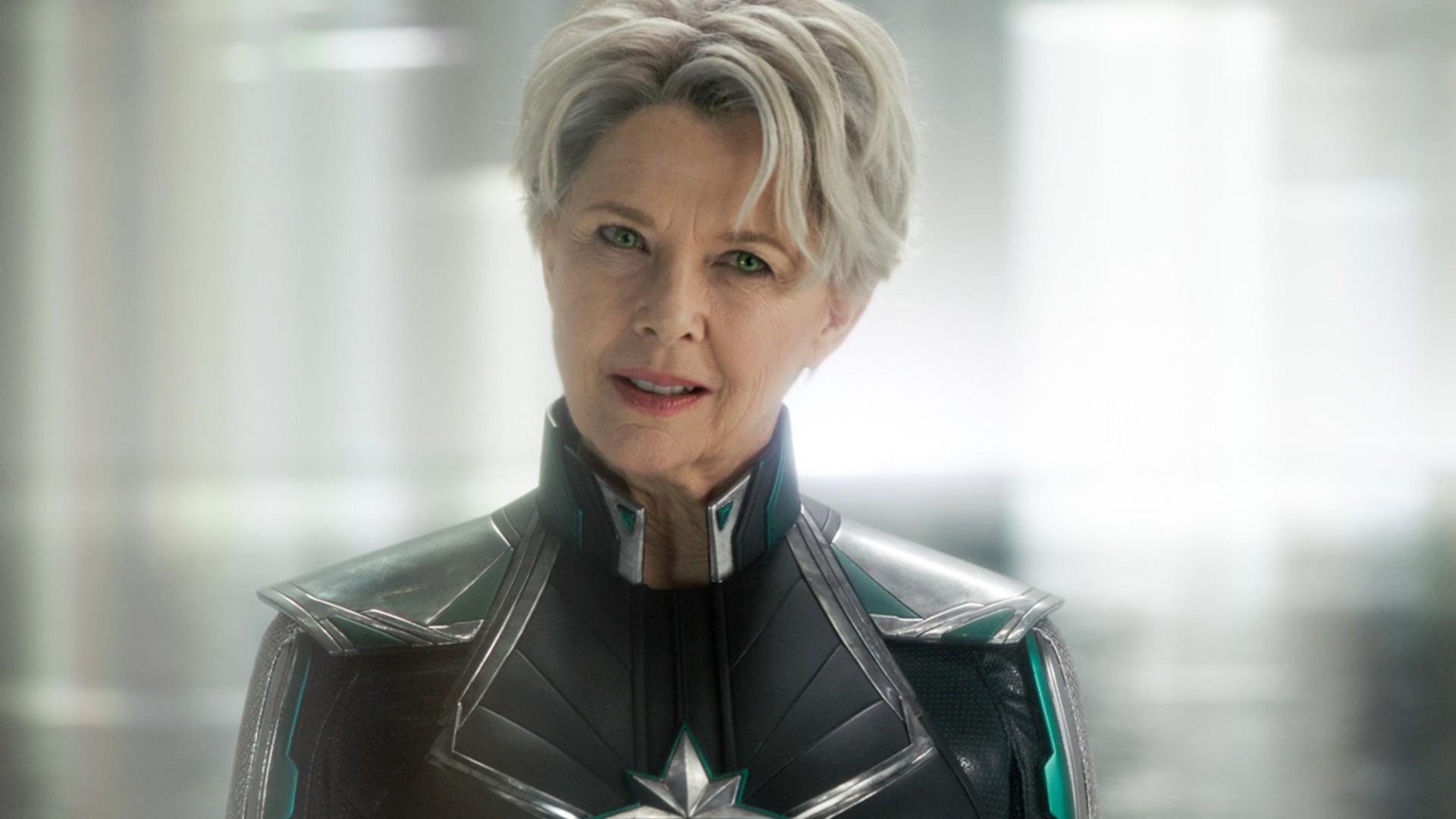
7. Mar-Vell
Mar-Vell in the comics was the original Captain Marvel—a Kree warrior whose heroism defined an era and whose legacy shaped cosmic Marvel storytelling. In Captain Marvel, the character became Dr. Wendy Lawson, a Kree scientist and maternal mentor figure to Carol Danvers. The shift reframed Mar-Vell from frontline superhero to compassionate guide, removing her warrior iconography and tragic arc. While the twist streamlined Carol’s origin and avoided redundancy, it also erased a foundational cosmic champion. For longtime readers, Mar-Vell represents sacrifice, nobility, and interstellar politics. The MCU preserved the name but reallocated the mythos, transforming an era-defining hero into narrative scaffolding for another’s ascent.
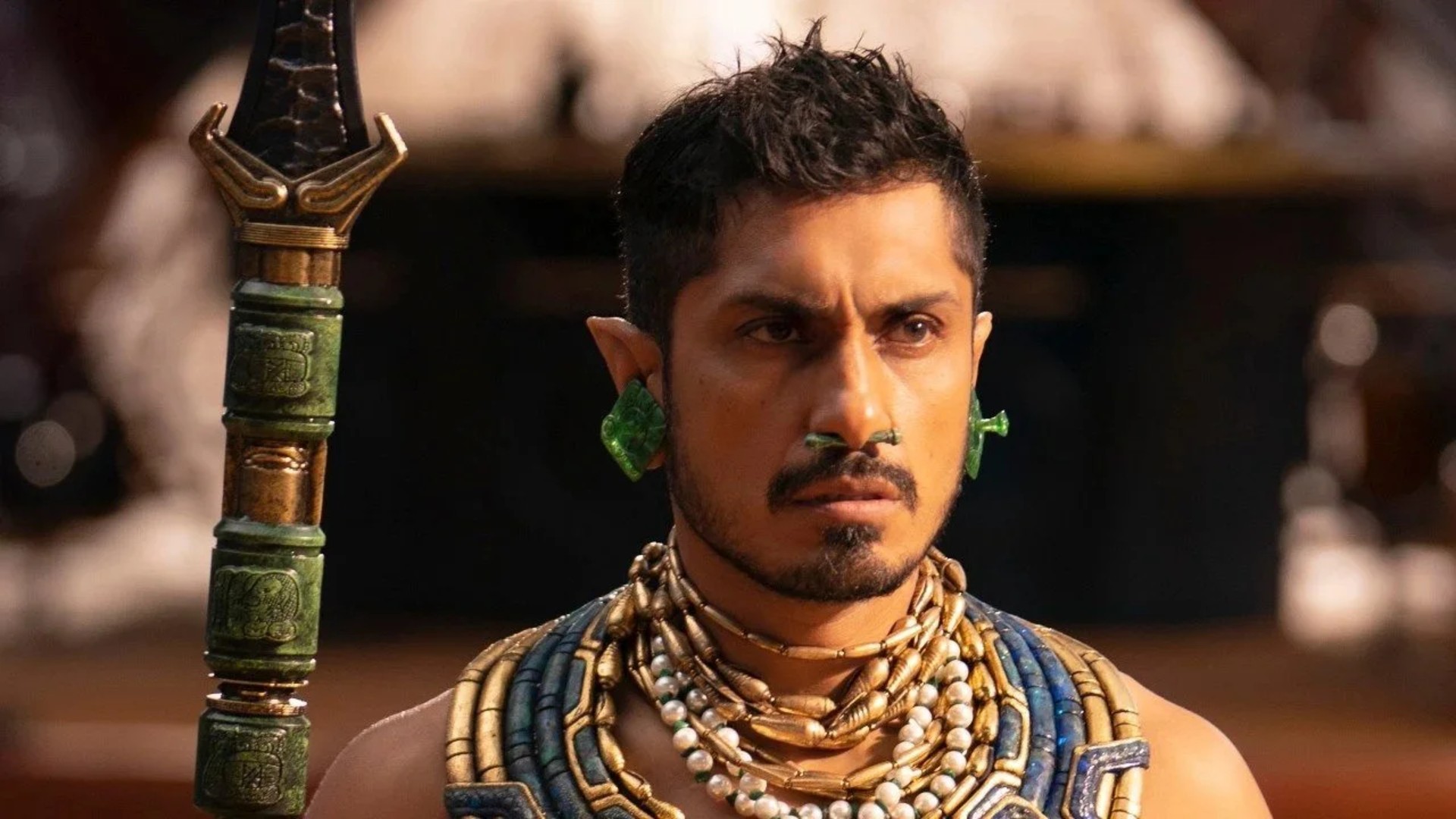
6. Namor
Namor’s comic identity as the Sub-Mariner, ruler of Atlantis, draws heavily from Greco-Roman mythic aesthetics and early 20th-century pulp grandeur. In Black Panther: Wakanda Forever, he was boldly reimagined as the ruler of Talokan, rooted in Mesoamerican culture and history. The reinvention was visually rich and culturally thoughtful, replacing Atlantis with a civilization inspired by Mayan iconography. His motivations remained anti-colonial and protective, but his mythology, geography, and etymology were reengineered. For some fans, it was a refreshing evolution; for others, it felt like a complete departure from classic lore. The core arrogance and regal defiance survived, yet nearly every foundational detail shifted. It’s a rare case where adaptation didn’t tweak—it rebuilt.
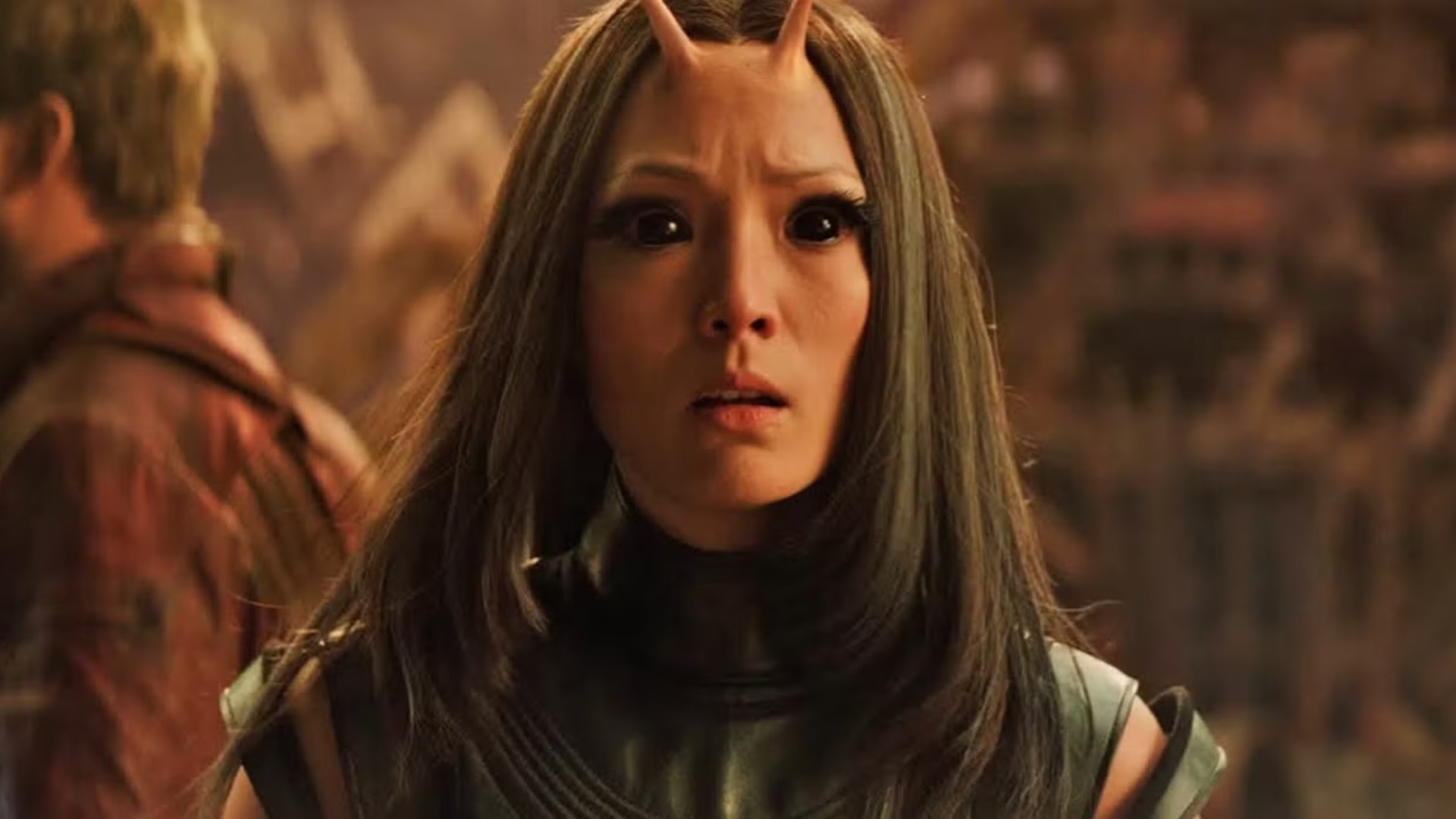
5. Mantis
Comic Mantis is formidable—a martial artist, Celestial Madonna, spiritually disciplined, and physically dominant enough to challenge gods. She carries mysticism, prophecy, and lethal grace. The MCU version, introduced in Guardians of the Galaxy Vol. 2, reimagines her as socially awkward, emotionally transparent, and primarily empathic support. Her combat prowess and celestial mythology were minimized, replaced by vulnerability and comedic innocence. Pom Klementieff’s portrayal is endearing, but it shifts the axis of the character from warrior-mystic to emotional anchor. The rewrite humanizes her but reduces her mythic weight. Fans familiar with her comic lineage felt the downgrade in physical agency, even if the found-family dynamic enriched her emotionally. It’s a trade: epic combatant for adorable sister.
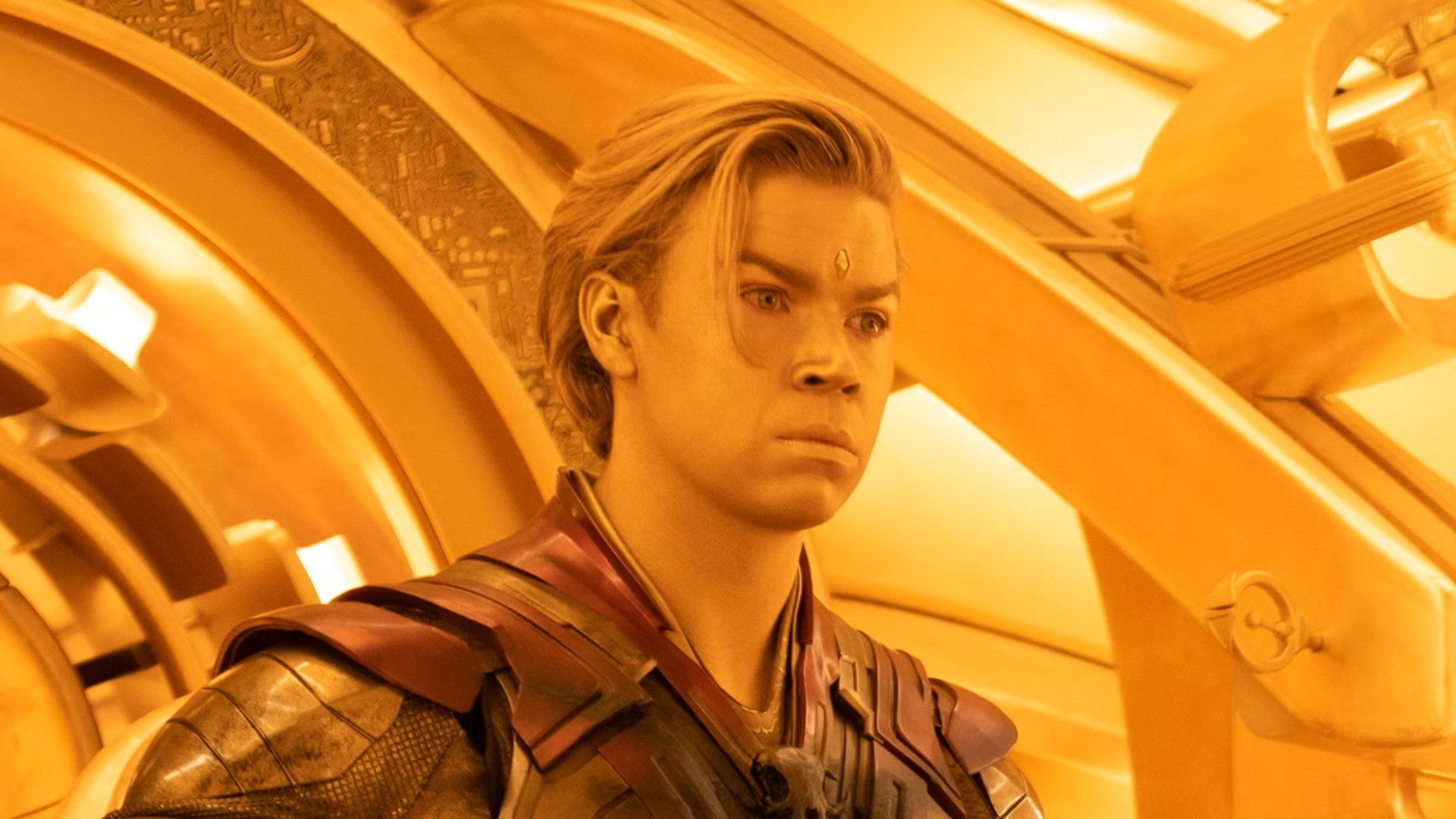
4. Adam Warlock
Comic Adam Warlock occupies mythic territory: philosophical, tormented, and intimately tied to the Infinity saga. He wrestles with destiny, morality, and godhood, often outmaneuvering Thanos through intellect rather than brute force. In Guardians of the Galaxy Vol. 3, he emerges prematurely from his cocoon—powerful but emotionally immature, more a volatile child than an enlightened cosmic guardian. The decision reframed him as developmental potential rather than existential authority. While it leaves room for growth, it diverges sharply from the “Space Messiah” archetype fans anticipated. His gravitas, philosophical introspection, and Soul Gem legacy were sidelined for comedic unpredictability. It’s not a betrayal so much as a delay, but for readers who know Warlock as a cerebral cosmic heavyweight, the portrayal felt intentionally scaled down.
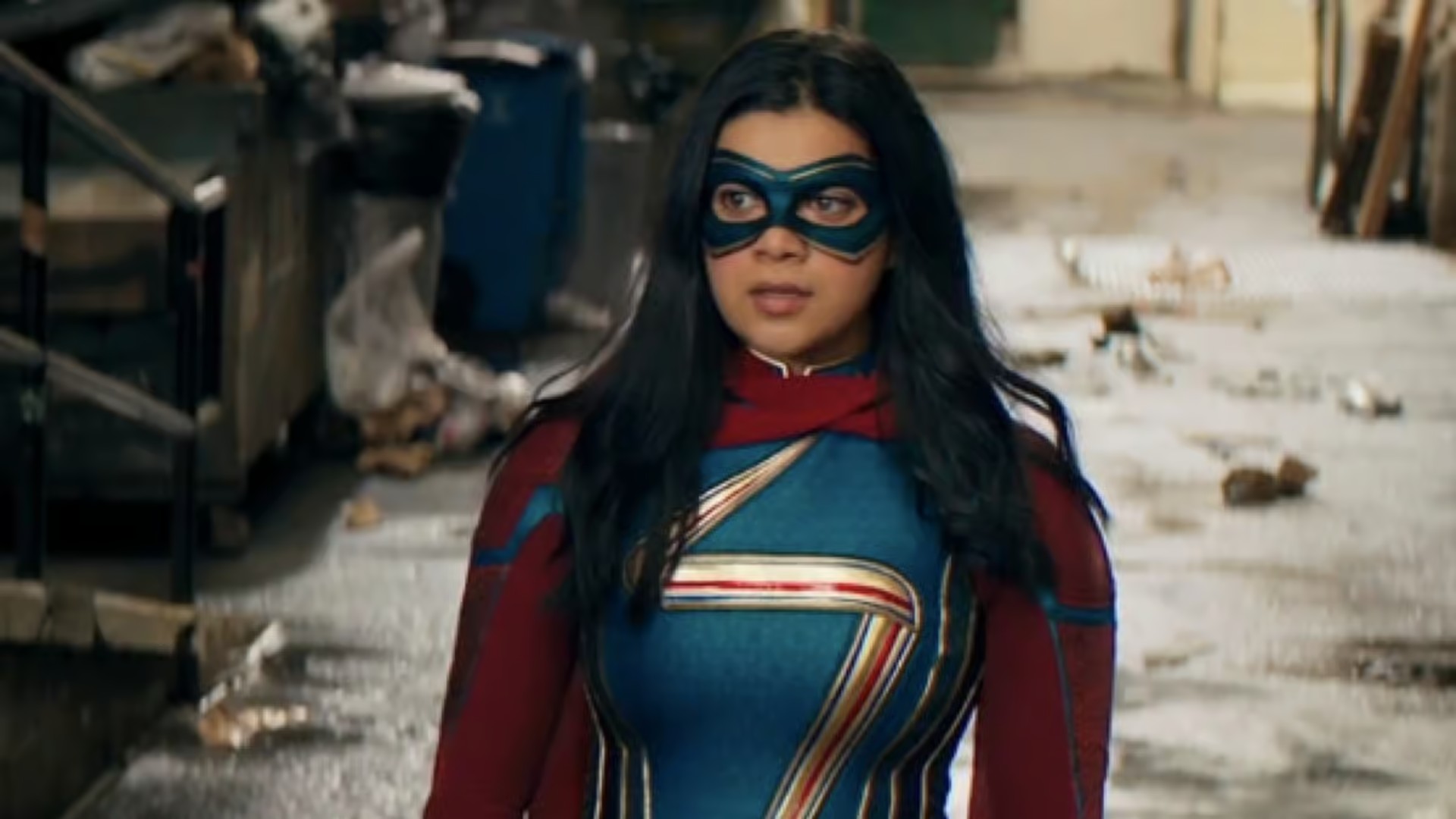
3. Ms. Marvel (Kamala Khan)
Kamala Khan’s comic-book identity is inseparable from her polymorphic “embiggen” abilities—stretching, enlarging, and reshaping her body in ways that symbolically mirror adolescent self-discovery. Her inhuman origin ties directly into themes of identity, otherness, and inherited legacy. In Ms. Marvel, the shift to cosmic bangles generating purple hard-light constructs recontextualized her powers into something visually safer and more traditionally “superheroic.” The change streamlined lore but sacrificed metaphor. Stretching wasn’t just aesthetic; it embodied awkward growth and fluid identity. By externalizing her abilities into glowing constructs, the MCU reframed her from physical shapeshifter to energy wielder. The heart of Kamala—her fandom, family, and culture—remained intact, but the tactile symbolism of her comic powers was undeniably altered in translation.
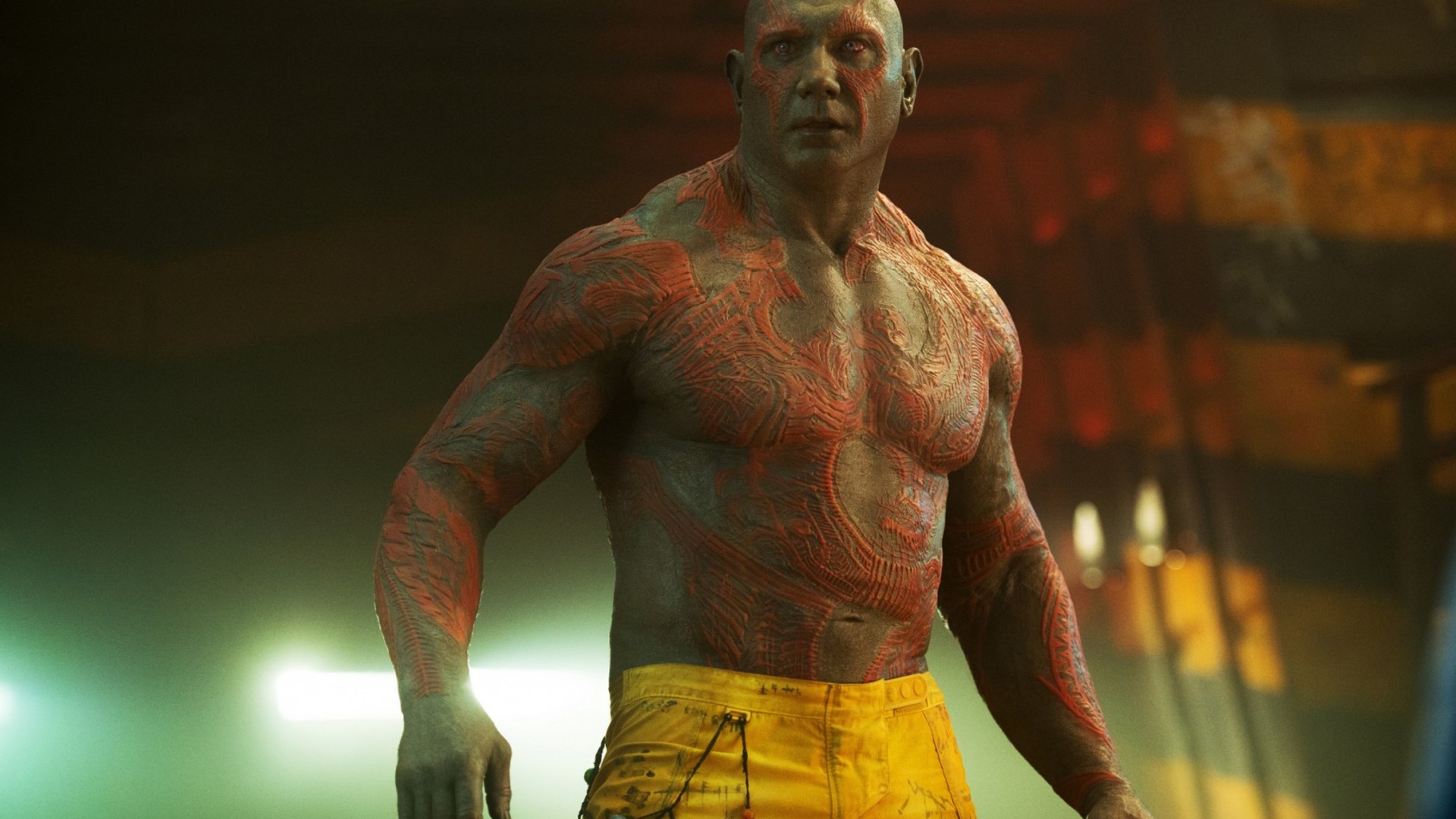
2. Drax the Destroyer
In the comics, Drax began as Arthur Douglas, resurrected in a new body engineered for one purpose: to destroy Thanos. He was grim, singular, and mythic—a cosmic executioner forged from grief. The MCU redefined him through Guardians of the Galaxy as literal-minded comic relief, leaning heavily into deadpan misunderstandings and self-aware absurdity. While the humor worked and Dave Bautista committed fully, the philosophical weight of a man reborn purely for vengeance was diluted. His power scaling shrank, his brooding intensity softened into punchlines, and his existential tragedy became background texture. The reinterpretation isn’t without charm, but longtime fans felt the loss of gravitas. Drax shifted from cosmic avenger to ensemble jester, and that tonal pivot permanently reshaped how audiences perceive him.
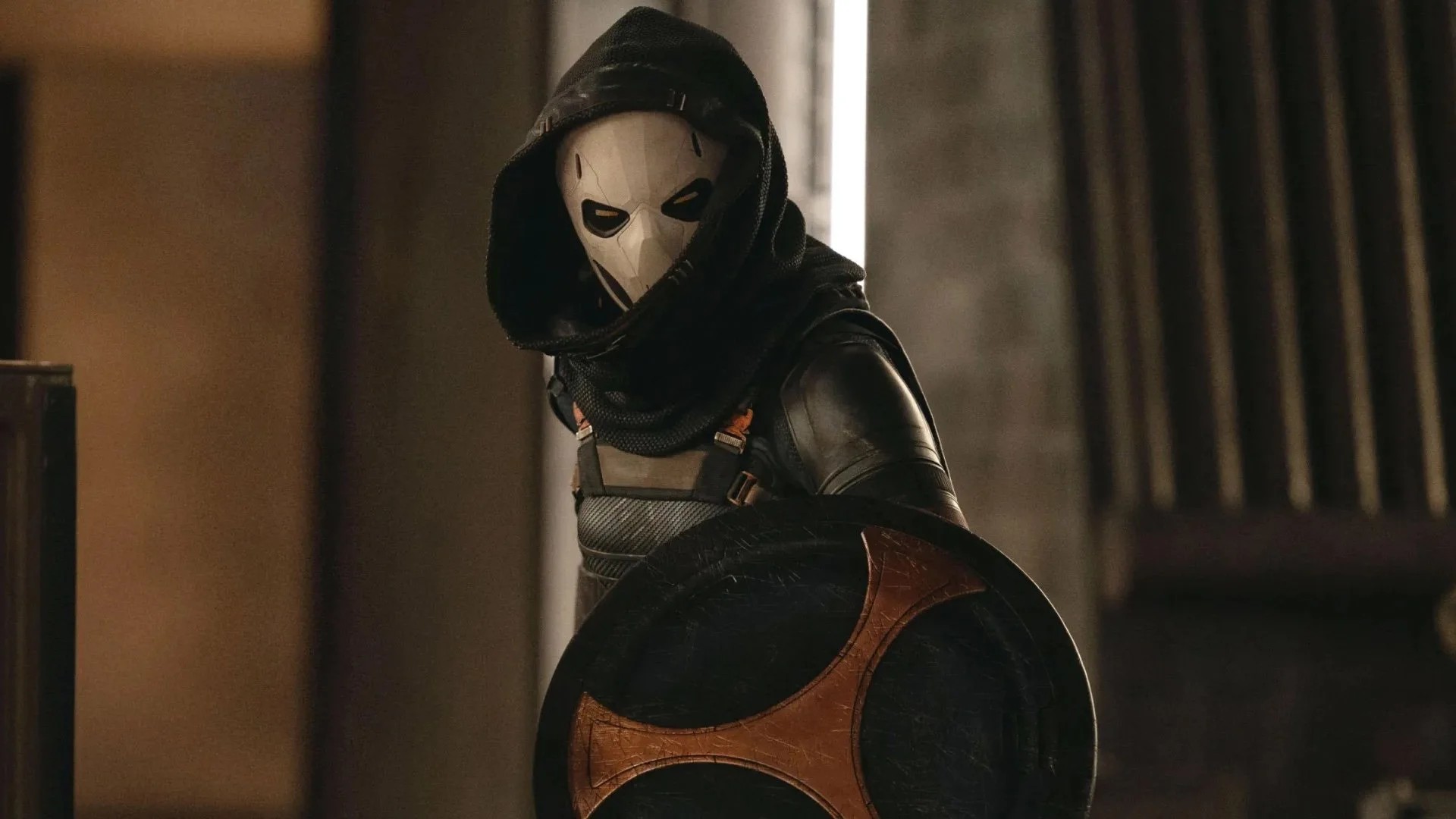
1. Taskmaster (Antonia Dreykov)
Comic Taskmaster, Tony Masters, thrives on personality as much as power; his photographic reflexes make him lethal, but his cocky mercenary swagger makes him memorable. He’s a trainer of villains, a contractor with a sense of humor about the chaos he profits from. In Black Widow, that essence is stripped away and replaced with Antonia Dreykov, a brainwashed, mostly silent enforcer molded into tragic weaponry. The gender swap itself wasn’t the issue—it's the erasure of agency and wit. Instead of a morally flexible freelancer who chooses his work, we got a controlled drone whose identity barely exists beyond trauma. The photographic reflex concept became visual mimicry without commentary. Fans didn’t want just the mask; they wanted the mouth, the ego, and the mercenary philosophy that defined the character.