10 Marvel Characters Who Are Low-Key the Real Villains
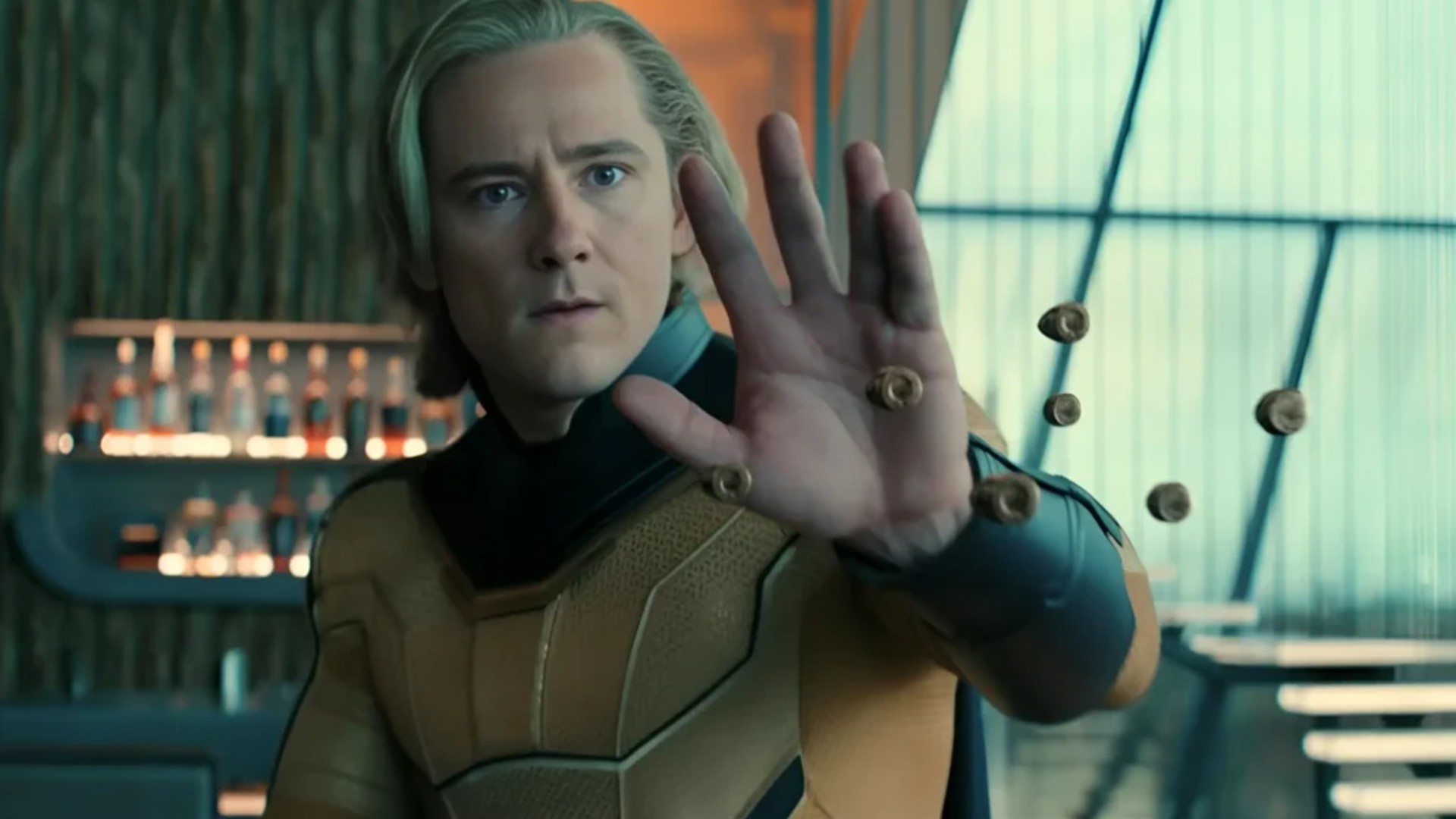
10. The Sentry (Robert Reynolds)
The Sentry possesses unimaginable power, equivalent to a million exploding suns, but inside him exists the Void, a dark and destructive counterpart. This internal battle means that the world is always at risk, even when he is trying to do good. His instability and lack of control create a constant threat, and his presence alone makes him a potential world-ending villain at any moment.
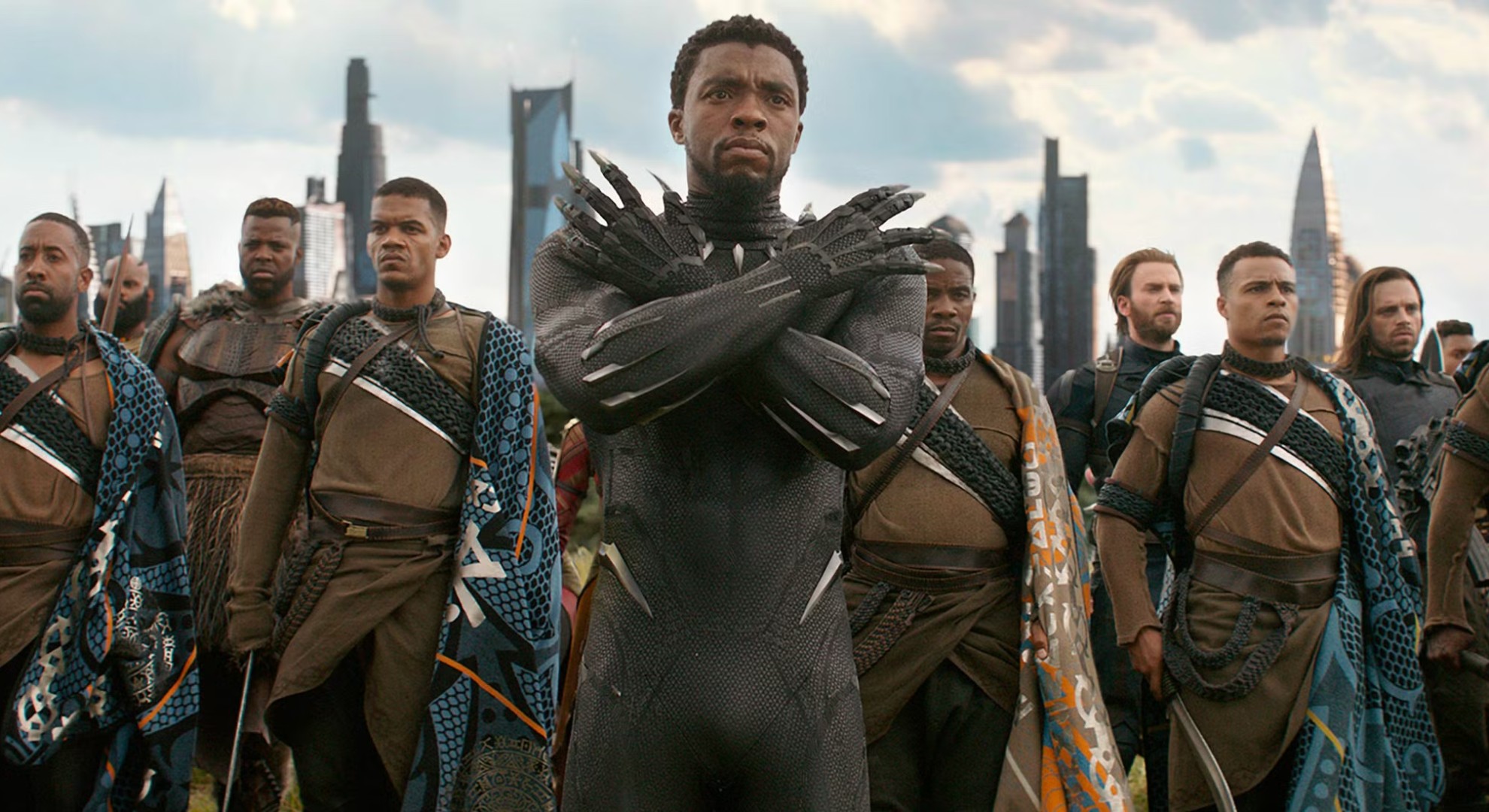
9. Black Panther (T'Challa)
T'Challa is a noble king, but he is also a strategic mastermind willing to take actions other heroes would never attempt. His priority is Wakanda, and he will go to extraordinary lengths to protect it. He even maintains failsafes against his own allies, showing a level of ruthlessness that makes us question how far a hero can go before stepping into villain-like behavior.
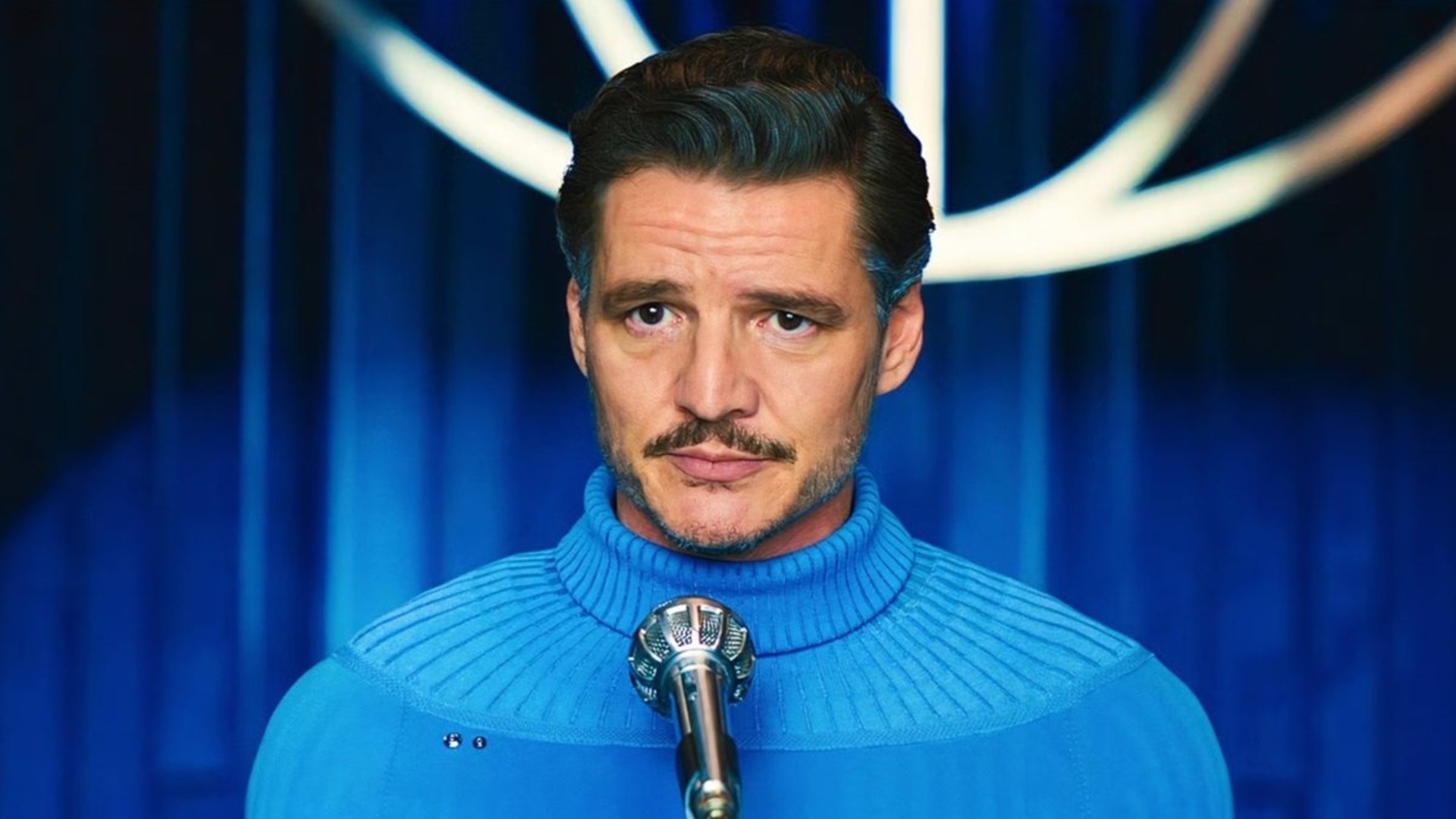
8. Reed Richards (Mister Fantastic)
Reed Richards is one of Marvel's greatest minds, but his brilliance is often paired with dangerous arrogance. He tends to believe that only he fully understands the best course of action. His experiments, such as creating the Council of Reeds or forming the Future Foundation, have endangered the universe on more than one occasion. His quest for knowledge frequently pushes him into ethically grey territory.
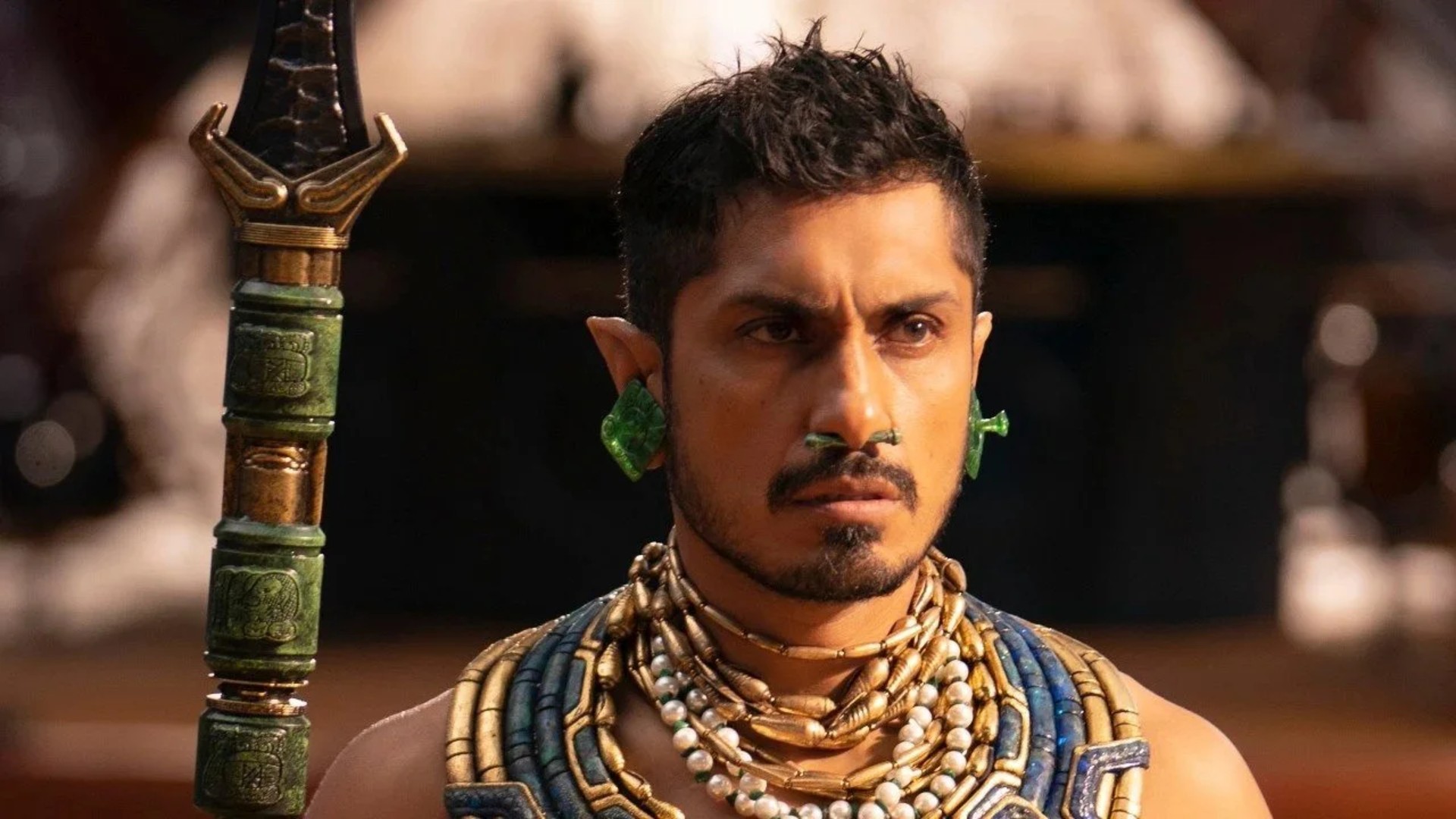
7. Namor (The Sub-Mariner)
Namor places the safety and pride of Atlantis above everything else, and this loyalty often turns him into a threat to the surface world. His arrogance and willingness to drown or destroy cities when he feels provoked make him appear far more like a villain. Yet from his perspective, he is simply protecting his people. That ambiguity is what makes him so fascinating.
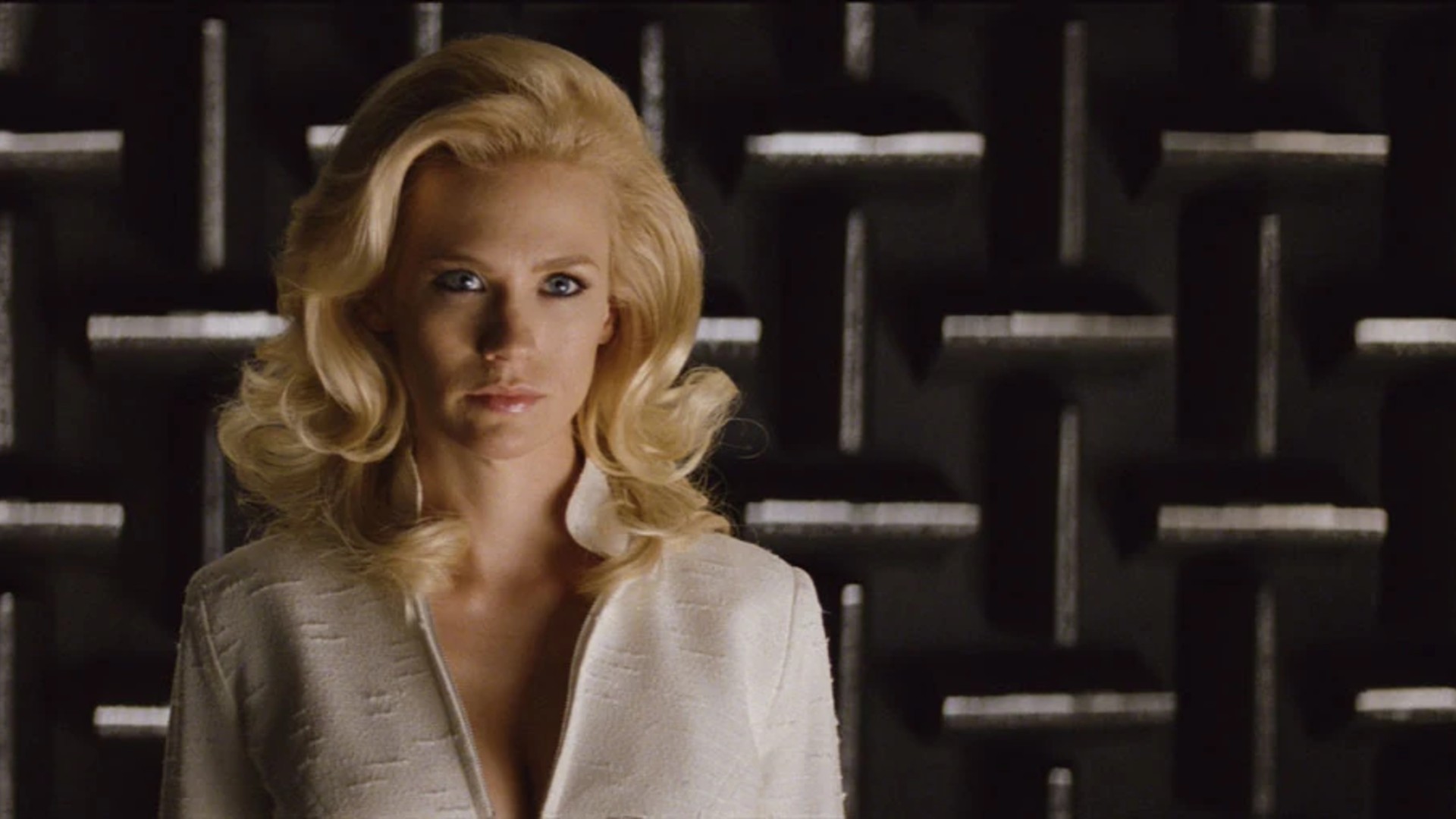
6. Emma Frost (The White Queen)
Emma Frost has shifted between villain and hero more than almost anyone, but her motives often remain tied to personal ambition. We see that she is willing to cross lines the X-Men would never consider, even when she stands beside them. Her leadership, influence, and morally flexible nature constantly blur the definition of what being a hero really means.
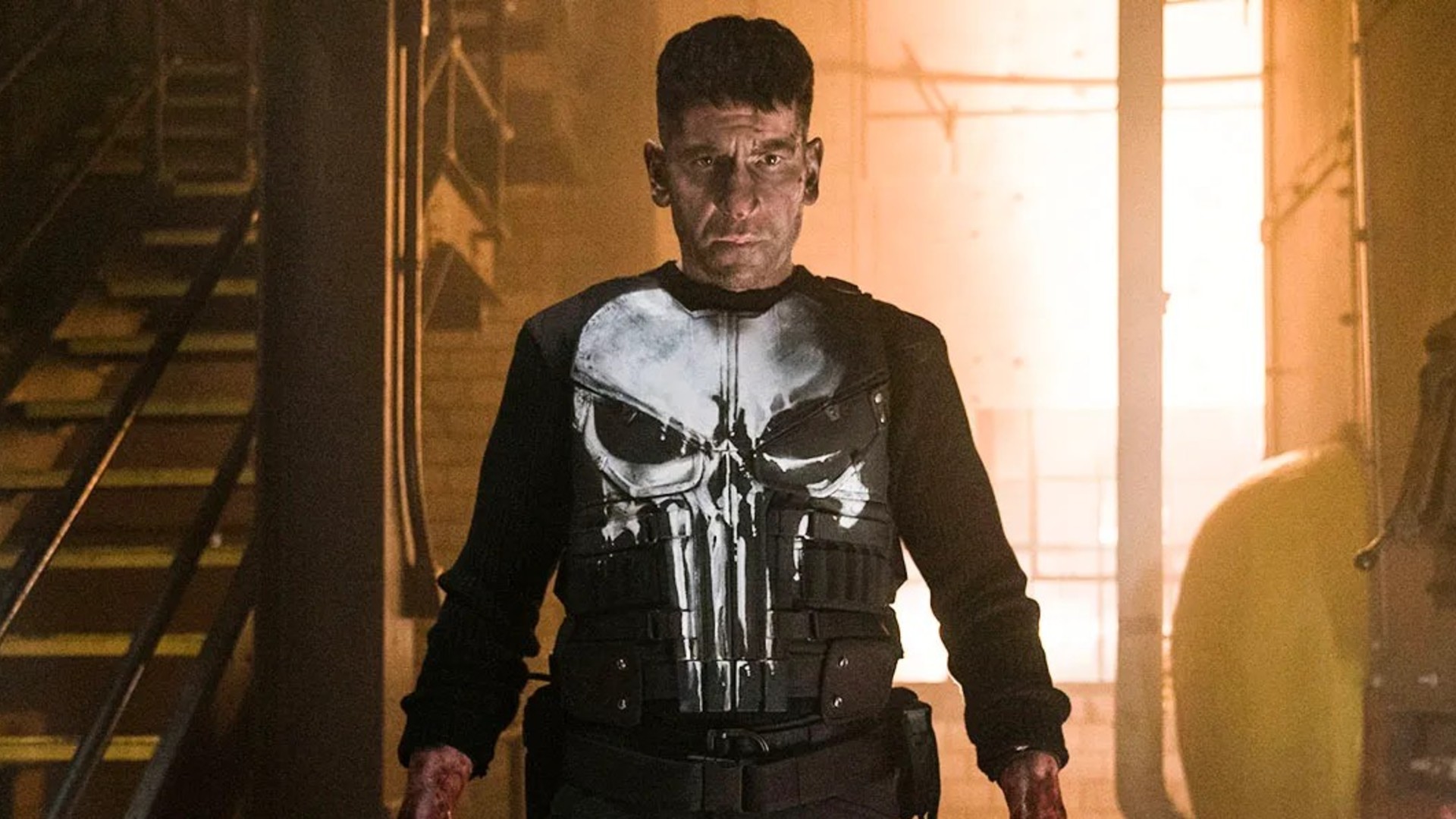
5. The Punisher (Frank Castle)
Frank Castle sees the world in absolute terms. To him, every criminal deserves death, no matter the circumstances or potential for change. While some may view him as an antihero, many others see him as a villain because of his brutal, unrelenting methods. Figures such as Spider-Man and Captain America deeply oppose his philosophy, and we can see why.
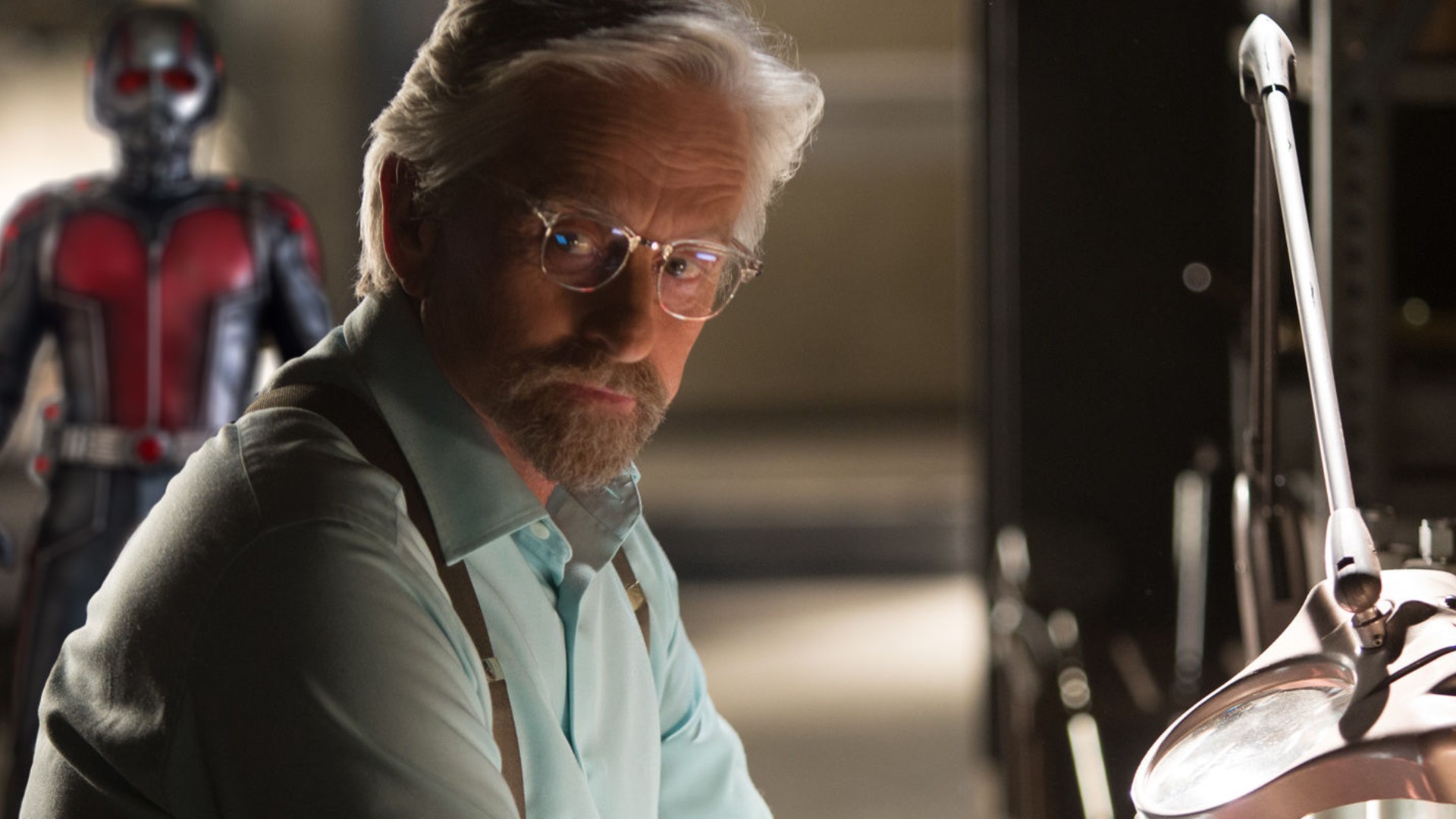
4. Hank Pym (Giant-Man)
Hank Pym is a brilliant scientist, but his history is filled with instability, regret, and harm. He has struggled with violent impulses, including the infamous moment when he struck Janet van Dyne. On top of that, he created Ultron, one of the greatest threats the world has ever faced. His legacy often feels like a study in how genius and self-destruction can intertwine.
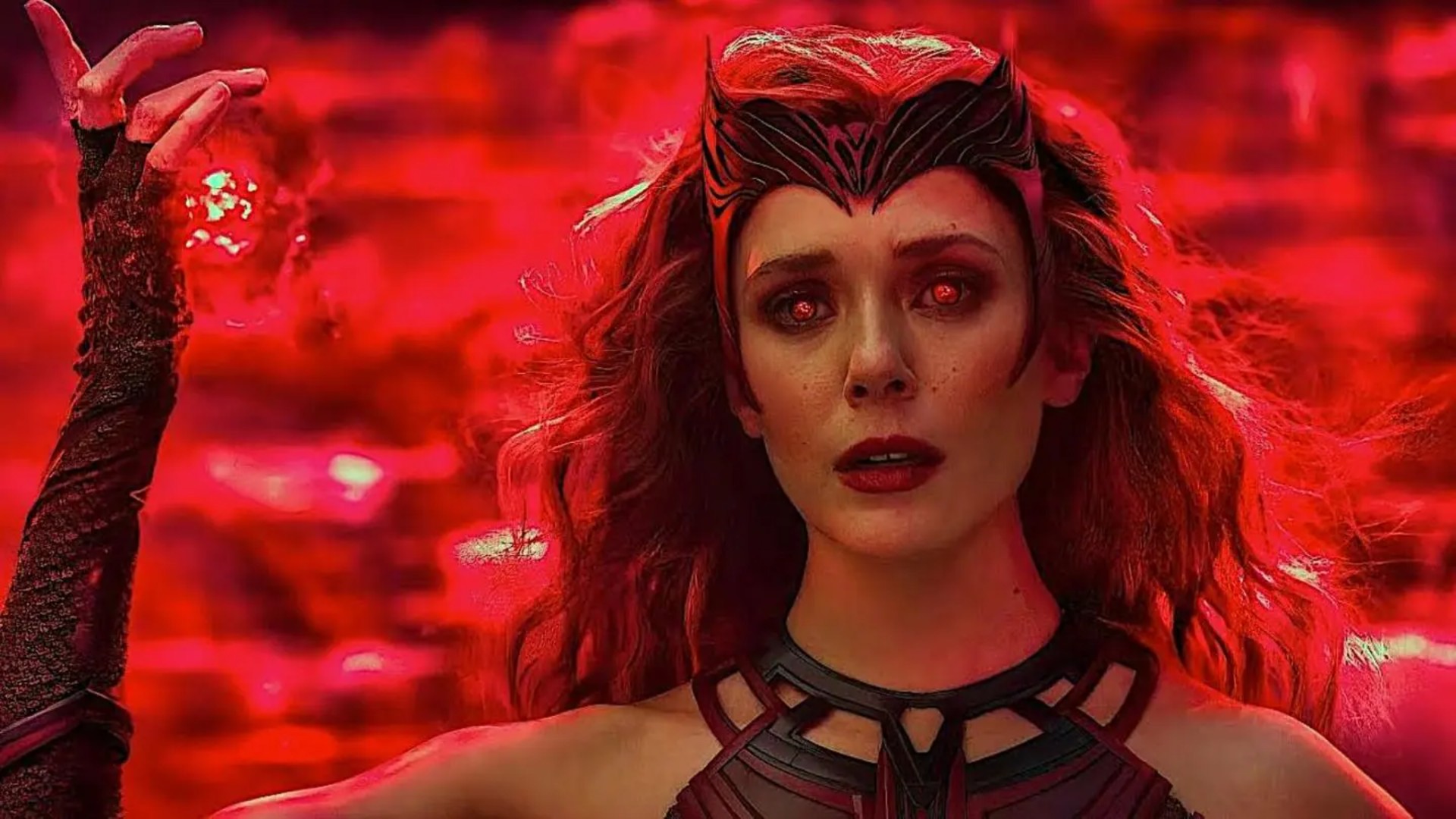
3. Scarlet Witch (Wanda Maximoff)
Wanda acts out of overwhelming grief and a desperate longing for family, but her emotional pain has led to some of the most catastrophic events in Marvel history. Her ability to warp reality reshaped the entire world, and during the House of M storyline, she depowered most of the mutant population with one sentence. Her actions show how someone deeply sympathetic can still become a terrifying force.
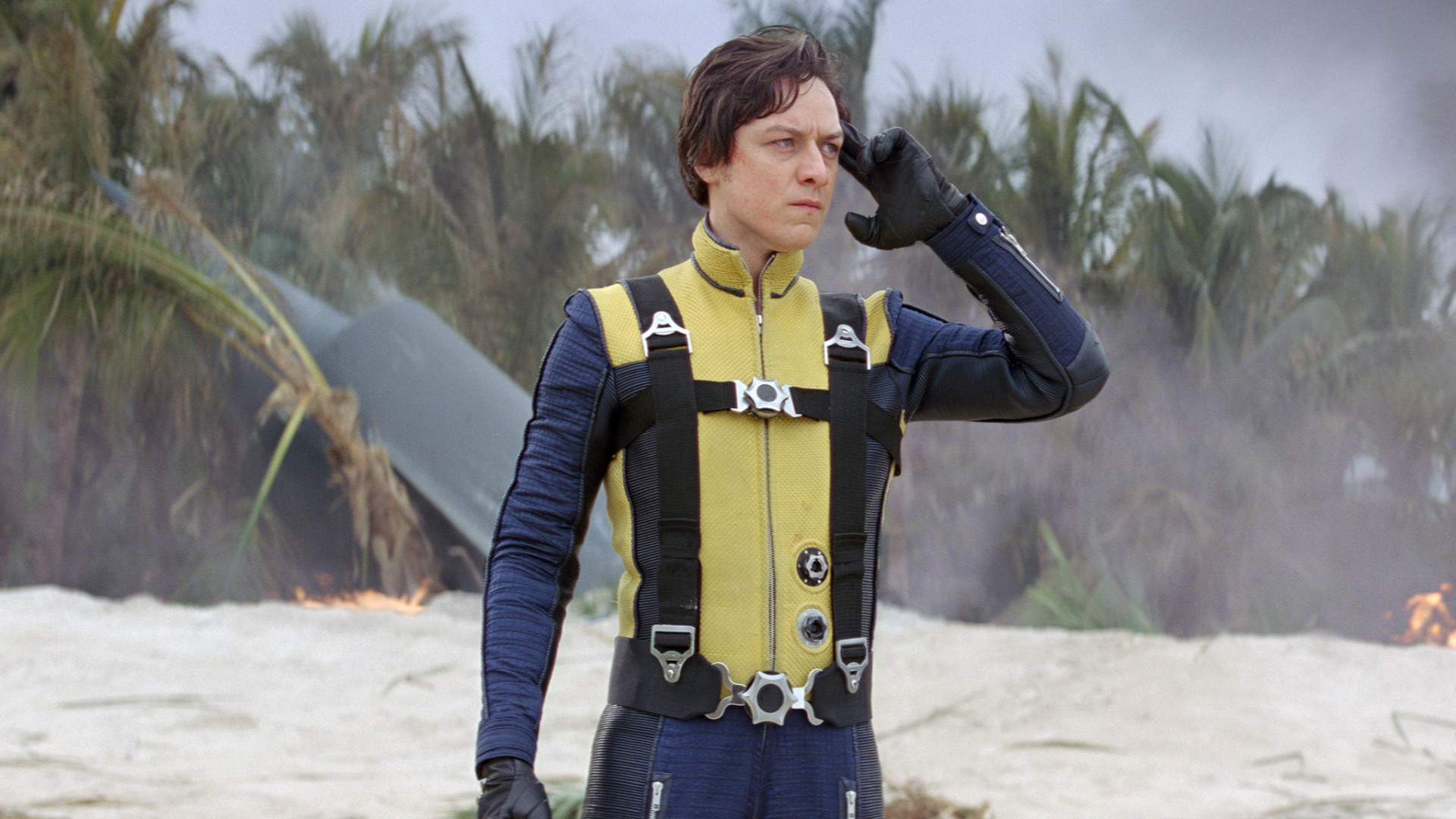
2. Professor X (Charles Xavier)
Professor X is a respected leader, but his past reveals a pattern of manipulation that makes us question his ethics. He has altered memories, hidden life-changing truths, and ignored the sentience of the Danger Room. These choices create long-lasting conflict within the X-Men, making us wonder if his belief in a peaceful future comes at too high a personal cost for everyone around him.
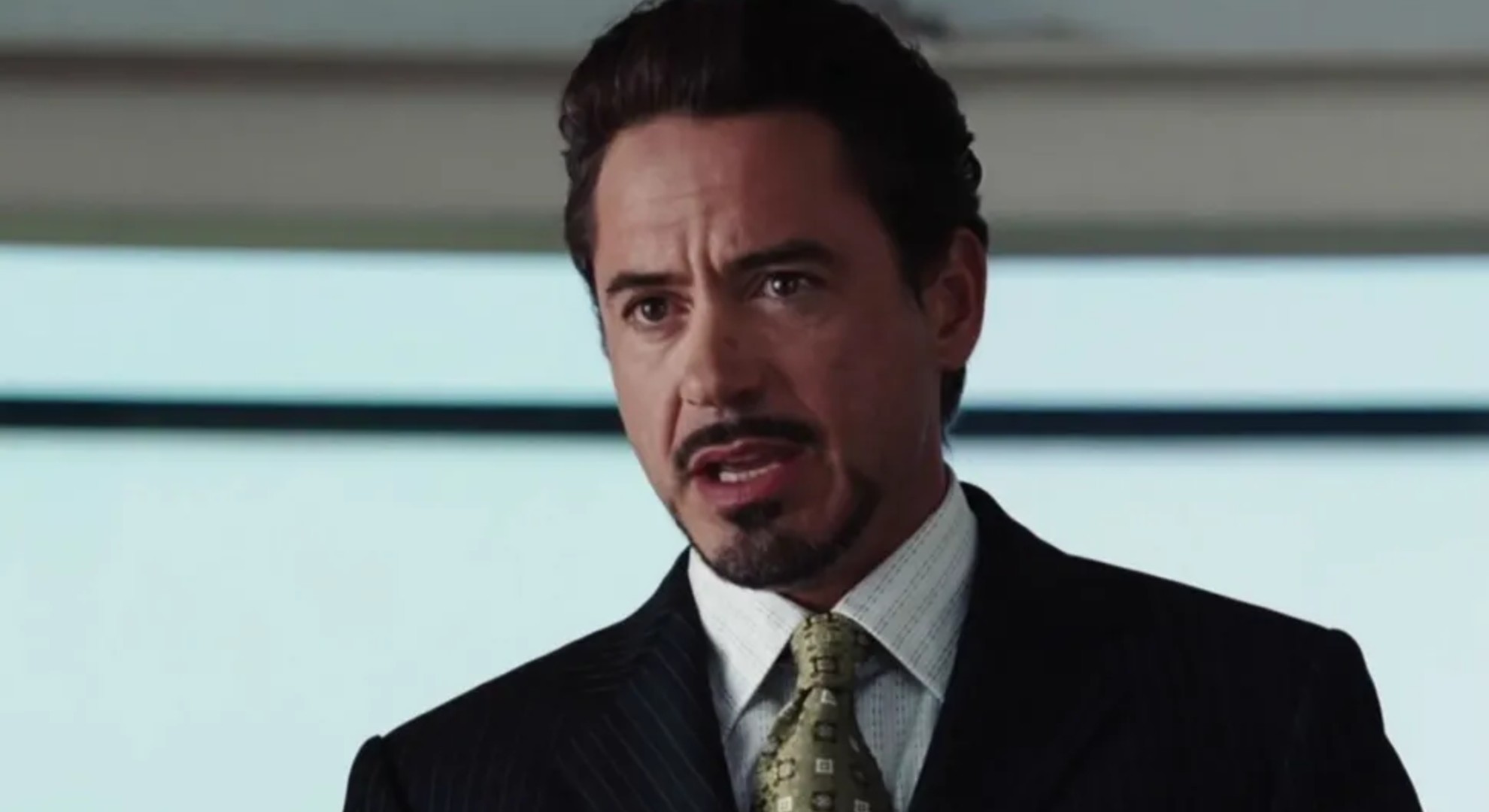
1. Iron Man (Tony Stark)
Tony Stark’s desire to control every situation and fix every problem often leads him into morally questionable territory. We can all see how his guilt pushes him toward extreme decisions such as supporting the Sokovia Accords or igniting the conflict in Civil War. These choices cause massive tension among heroes and even lead to collateral damage that feels almost villainous when viewed from the outside.