10 Harry Potter characters that never made sense
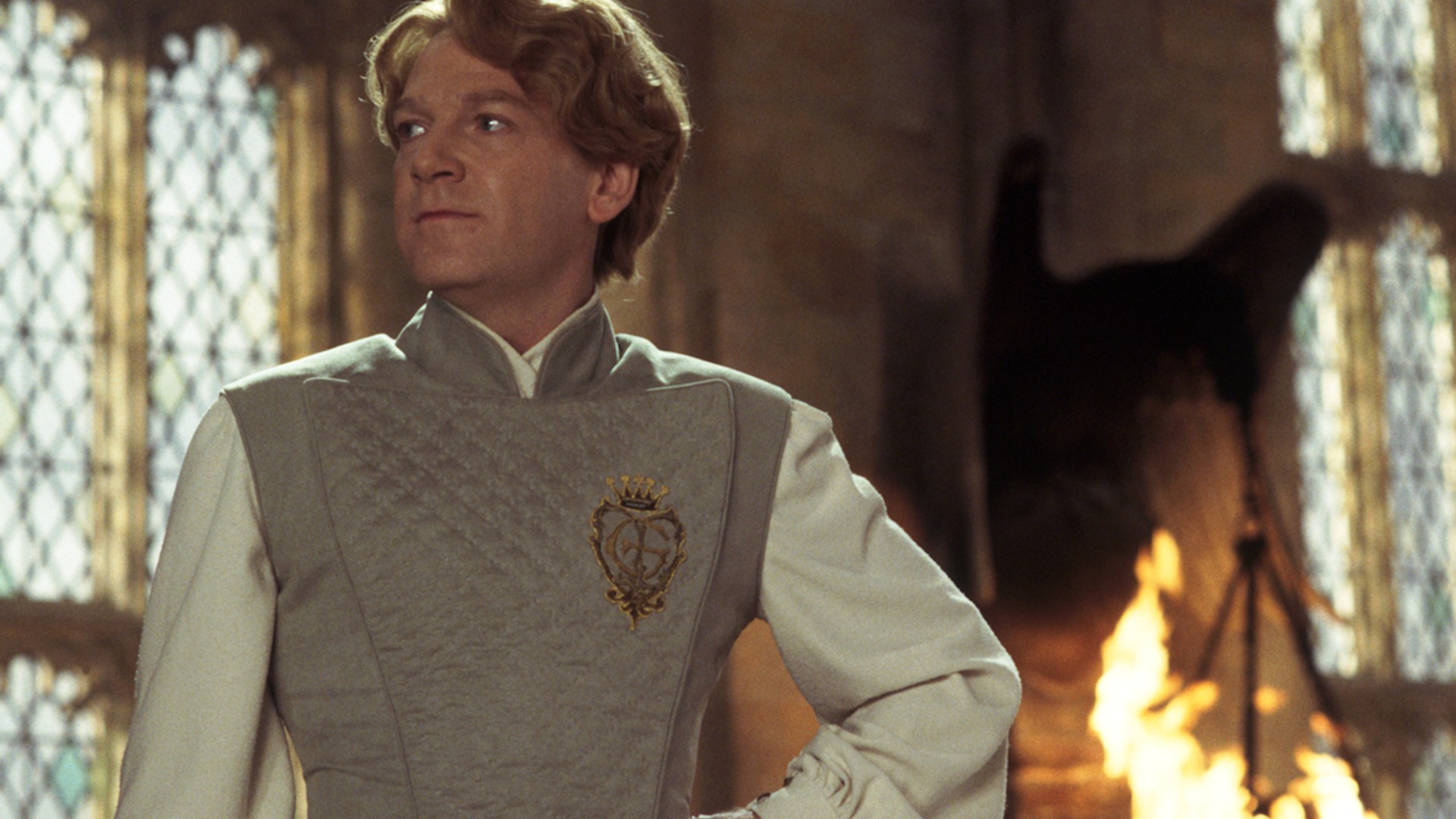
10. Gilderoy Lockhart
Lockhart is one of the series' most successful "villains" in terms of public relations, but his downfall feels like a narrative shortcut. After years of stealing the memories of brave witches and wizards to claim their heroics as his own, his career ends not through a court of law or public disgrace, but by a "magical backfire." Using Ron Weasley’s broken wand, he accidentally wipes his own memory. To many fans, this felt like a convenient way for J.K. Rowling to "reset" the character and remove him from the board without having to deal with the messy legal ramifications of his lifelong crimes.
9. Peeves the Poltergeist (Book Reference)
The complete omission of Peeves from the films remains one of the biggest points of contention for book purists. In the novels, Peeves isn't just a background ghost; he is a constant, chaotic force who provides crucial comic relief and even participates in the Battle of Hogwarts. By cutting him, the films lost a significant part of the "soul" of Hogwarts—the idea that the school itself is a sentient, unpredictable place. His absence leaves a void of unexplained chaos that the movies tried to fill with Filch’s clumsiness, which never quite matched Peeves' malicious joy.
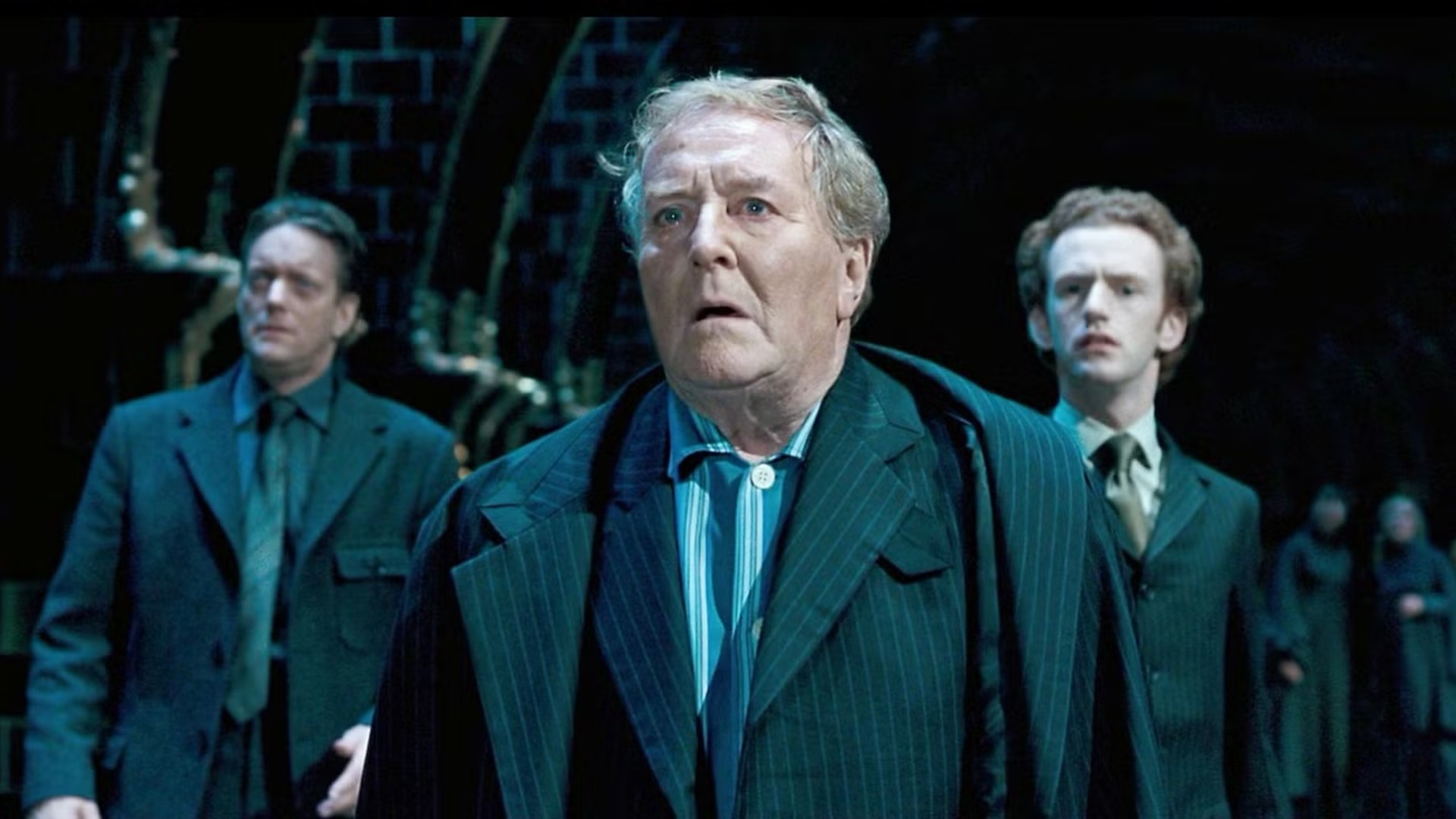
8. Cornelius Fudge
Fudge represents the "head-in-the-sand" style of leadership that often frustrates audiences. While his refusal to acknowledge Voldemort’s return was clearly a satire of political cowardice, the sheer level of his denial—even in the face of Dumbledore’s evidence and Harry’s eyewitness account—felt bordering on the nonsensical. Fans often argue that for a wizard to reach the level of Minister for Magic, he should have possessed enough basic logic to realize that a smear campaign against a teenager wouldn't stop a Dark Lord, making his behavior feel more like a plot device than a believable character trait.
7. Winky the House-Elf (Book Reference)
Winky is perhaps the most tragic and misunderstood character left out of the films. In the books, she is a heartbroken alcoholic (addicted to butterbeer) after being dismissed by Barty Crouch Sr. Her story was intended to show the dark side of House-elf "freedom" and the psychological damage of their enslavement. However, because her arc was so bleak and tied to the complicated "S.P.E.W." (Society for the Promotion of Elfish Welfare) subplot, she was cut entirely. This left moviegoers with no context for the deep-seated tragedy of the Crouch family.
6. Ludo Bagman (Book Reference)
Bagman served as a perfect foil to the serious Ministry officials—a former Quidditch star turned gambling addict who owed money to goblins. His subplot in The Goblet of Fire added a layer of "shady" realism to the wizarding world, showing that not all villains are Death Eaters; some are just pathetic, desperate men. By cutting him from the films, the Triwizard Tournament lost its sense of being a corrupt spectacle, and the mystery of who was trying to help Harry win (for gambling reasons) was simplified into a purely sinister plot.
5. Andromeda Tonks (Book Reference)
Andromeda was the "middle" sister between Bellatrix and Narcissa. In the books, she is described as looking remarkably like Bellatrix, but with kinder, wider eyes and light brown hair. Her decision to marry Ted Tonks, a Muggle-born, resulted in her being blasted off the Black family tapestry and completely disowned. Her role is crucial because she provides the "third path" for the Black family—neither a Death Eater nor a passive bystander. Her home serves as a safe house for Harry during the "Seven Potters" flight, and she eventually raises her grandson, Teddy Lupin, after the Battle of Hogwarts. By cutting her, the films lost a powerful symbol of a Pureblood who chose morality over lineage.
4. Ted Tonks (Book Reference)
Ted was a jovial, kind-hearted Muggle-born wizard who balanced the intensity of the Black family traits in his daughter, Nymphadora Tonks. His role in the final book is tragic and poignant; when the Ministry falls, he refuses to register as a Muggle-born and goes on the run with other fugitives like Dean Thomas and the goblins. Ted was eventually caught and murdered by Snatchers. This loss was a massive emotional turning point for Nymphadora Tonks, contributing to her depression and the "fading" of her Metamorphmagus powers in the later books. Without Ted in the films, the stakes of the Muggle-born persecution felt more like an abstract concept than a personal tragedy affecting the characters we loved.
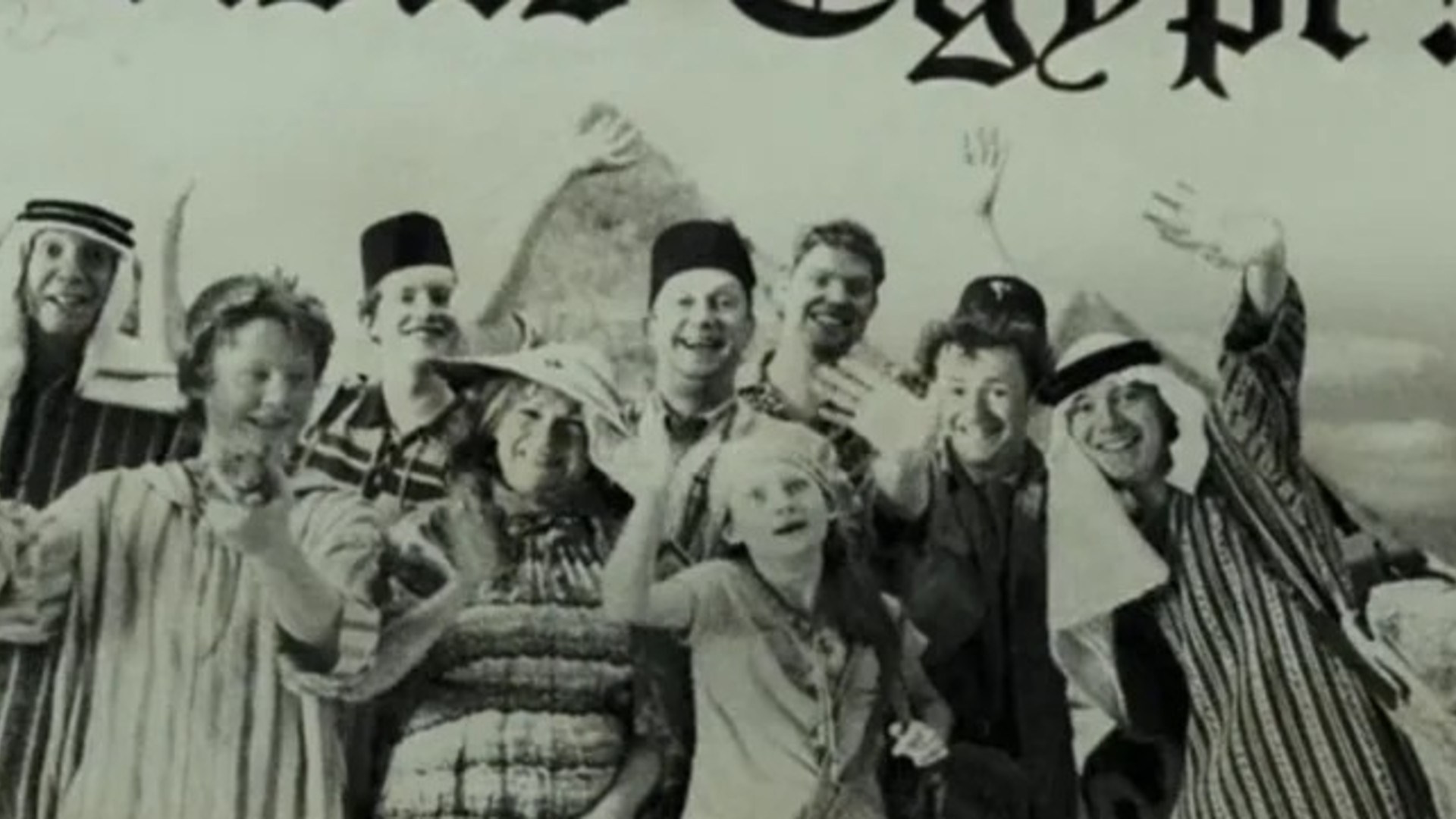
3. Charlie Weasley
Charlie Weasley is famously the "missing" Weasley of the film franchise. While he appears in a single family photograph in The Chamber of Secrets (taken during their trip to Egypt), he never physically appears in any scene across the eight movies. This omission stripped the series of its most "outdoorsy" and physically imposing Weasley brother. In the books, Charlie is the second-eldest son, described as stocky and muscular with weather-beaten skin and arms covered in burns—a result of his dangerous career as a dragon tamer in Romania. He was a legendary Gryffindor Seeker (so good that Oliver Wood claimed he could have played for England) and served as a prefect and Quidditch captain.
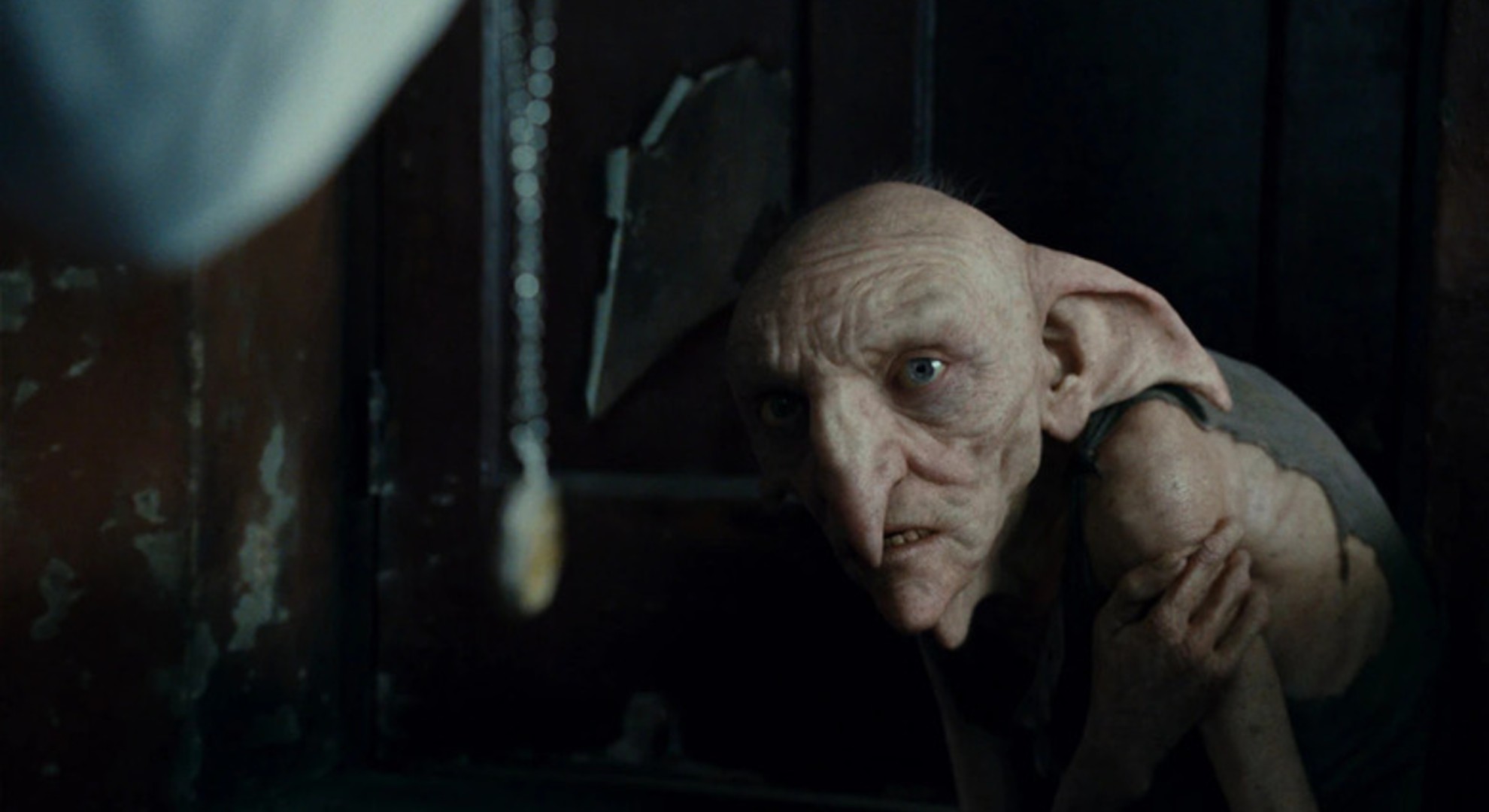
2 . Kreacher
While Kreacher does appear in the films, his vital redemption arc is mostly "blink-and-you'll-miss-it." In the books, Harry’s decision to give Kreacher Regulus Black’s locket is a turning point that transforms the elf from a hateful servant into a loyal ally who leads the House-elves into battle. Because the movies lacked the screen time to develop this, his sudden shift in allegiance feels unearned to casual viewers, missing the profound point that even the most "cruel" creatures can be changed by a single act of kindness.
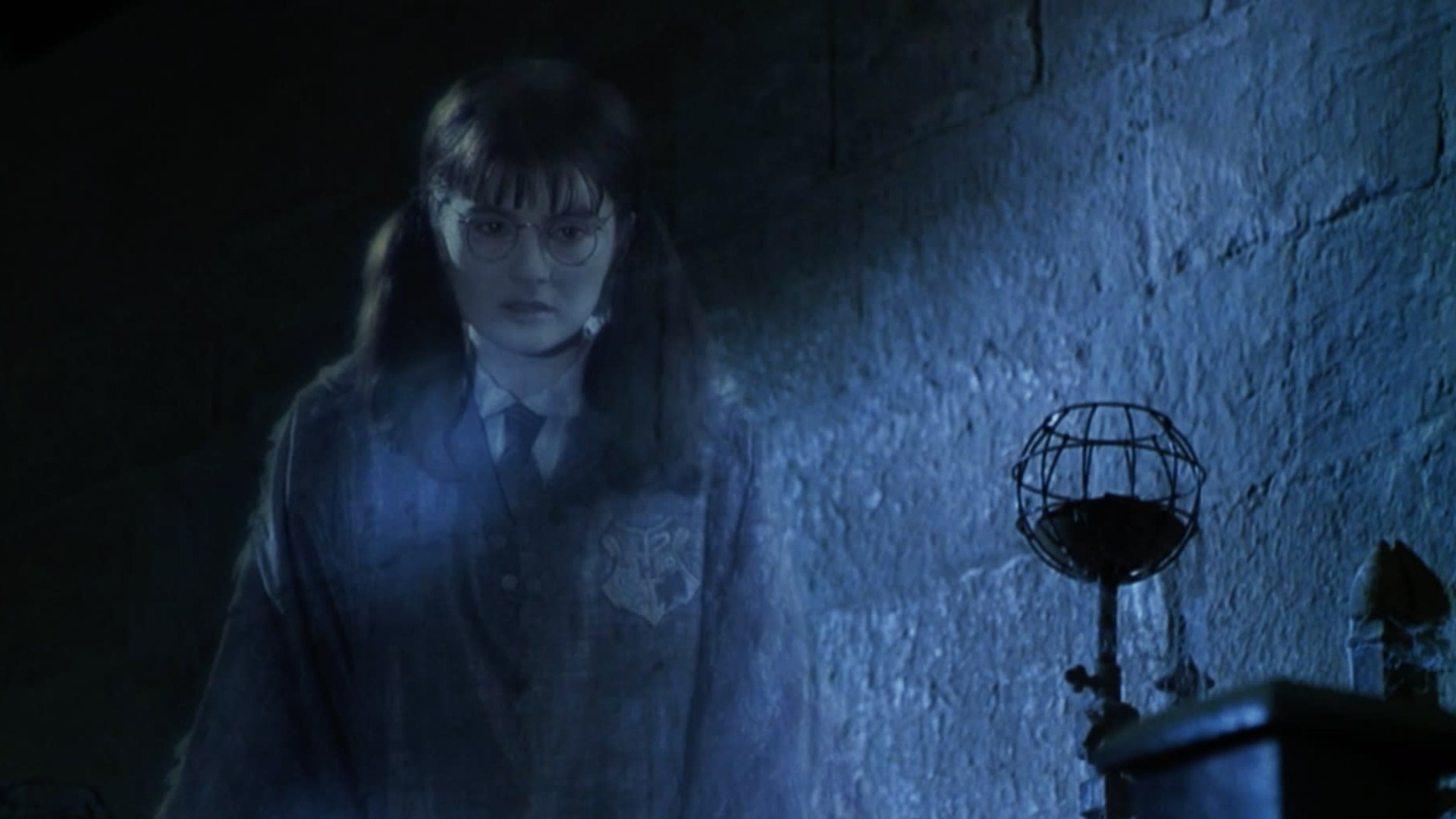
1. Moaning Myrtle
Myrtle is a character whose tragedy is often eclipsed by her annoyance. While her backstory is essential—she was the first victim of the Chamber of Secrets and the key to finding its entrance—her personality in the films is portrayed as purely "whiny." Some fans find her presence puzzling because she seems to exist solely to harass the main characters in bathrooms, making it easy to forget that she is a victim of a school-aged Tom Riddle, a fact that should carry more emotional weight than it does.