10 Best Adventure Time Episodes, Ranked
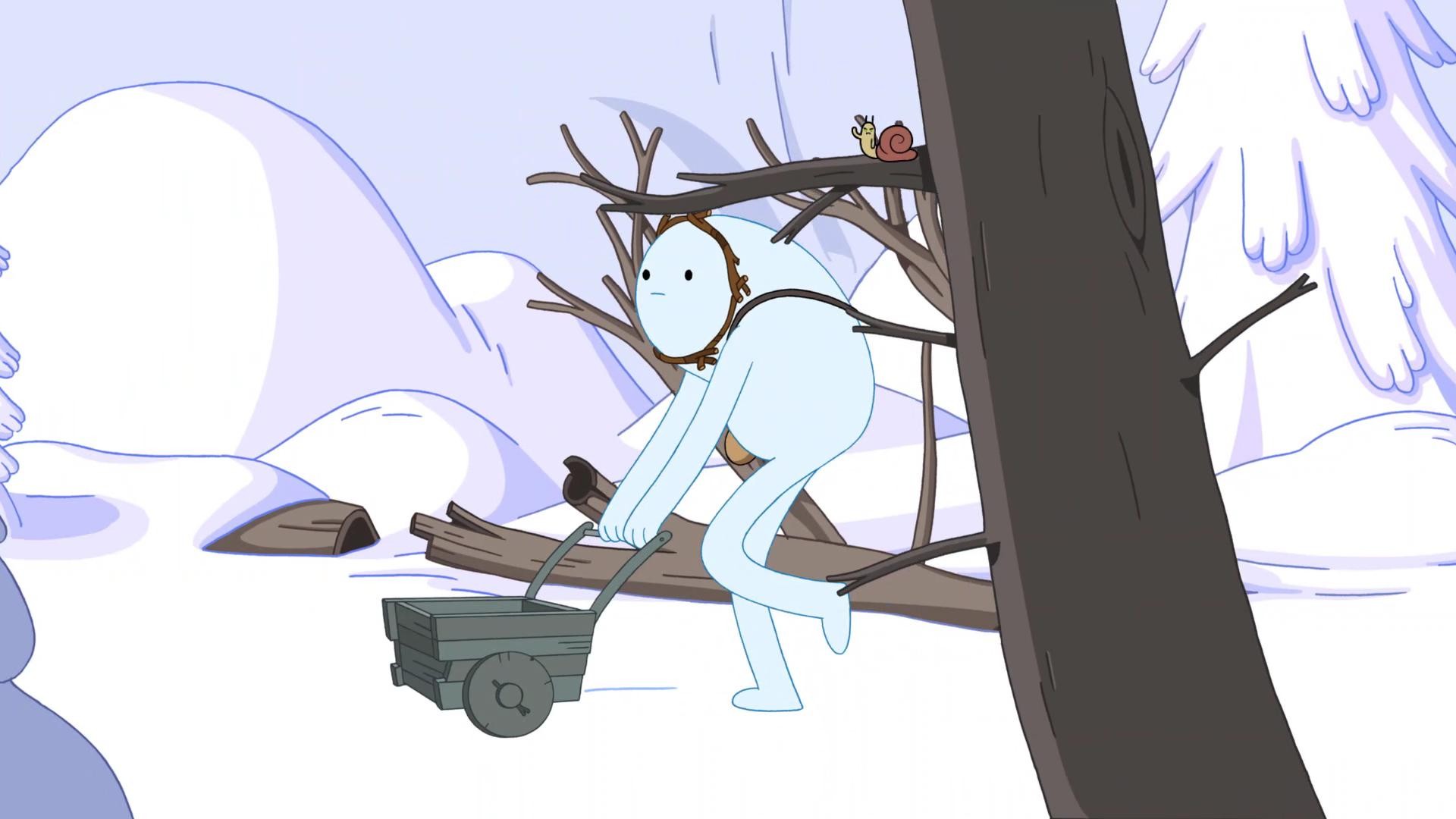
10. “Thank You” (Season 3)
This quiet episode in the series follows supporting players in the wake of a big battle—the point of view changes from the main players. Storytelling through emotional arcs relies on the power of visuals. Deeds of kindness substitute for dialogue. This episode explores the power of consequences, not heroism. Recovery in the post-battle scenario shows community effort.
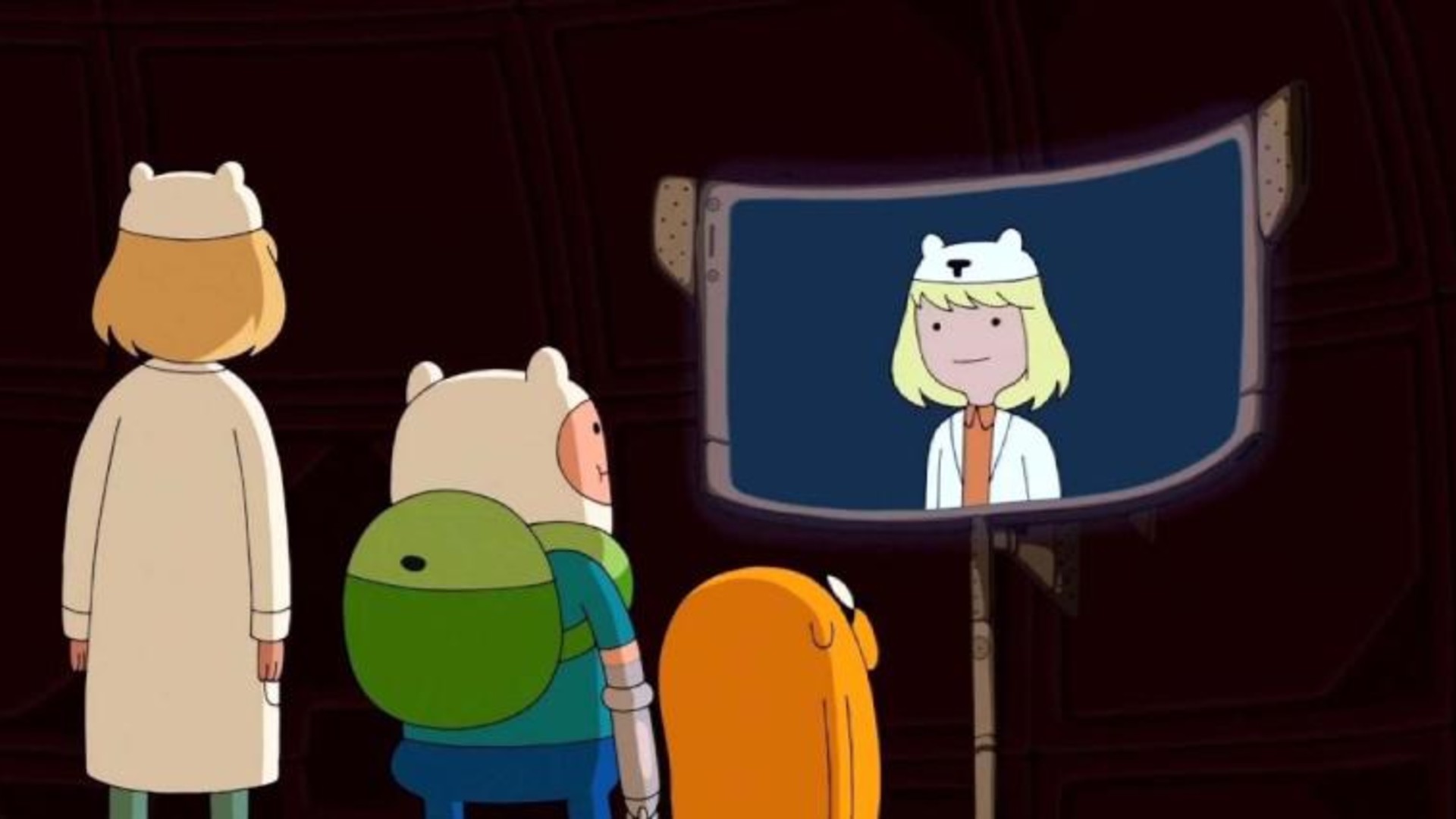
9. ‘Islands Part 8: The Light Cloud’ (Season 8)
Finn’s journey of unraveling his background comes to a close. Responses are provided without reshaping his identity. The Light Cloud is a mark of acceptance rather than discovery. Finns learn that identity is not a factor in having a connection. The spotlight turns from lineage to choice. Jake’s role strengthens the idea of wellness.
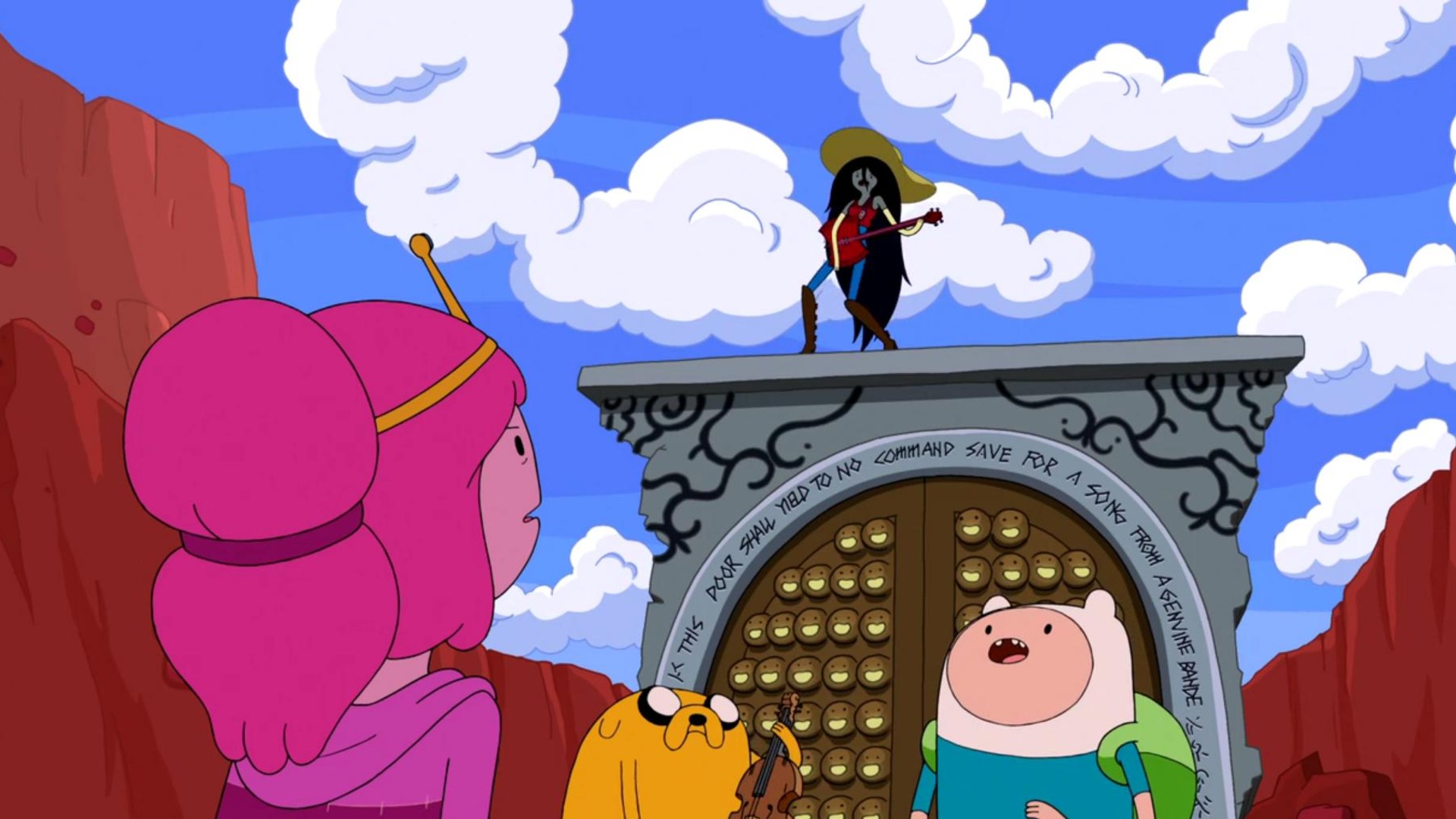
8. "What Was Missing" (Season 3)
This episode deals with the unresolved tension in the group. The Music Hole requires honesty by means of song. Emotional denial is the problem rather than the danger in this case. The relationship between Marceline and Bubblegum is alluded to but not explained. Music is the confession of emotion. The value of friendship is revealed to be fragile but repairable.
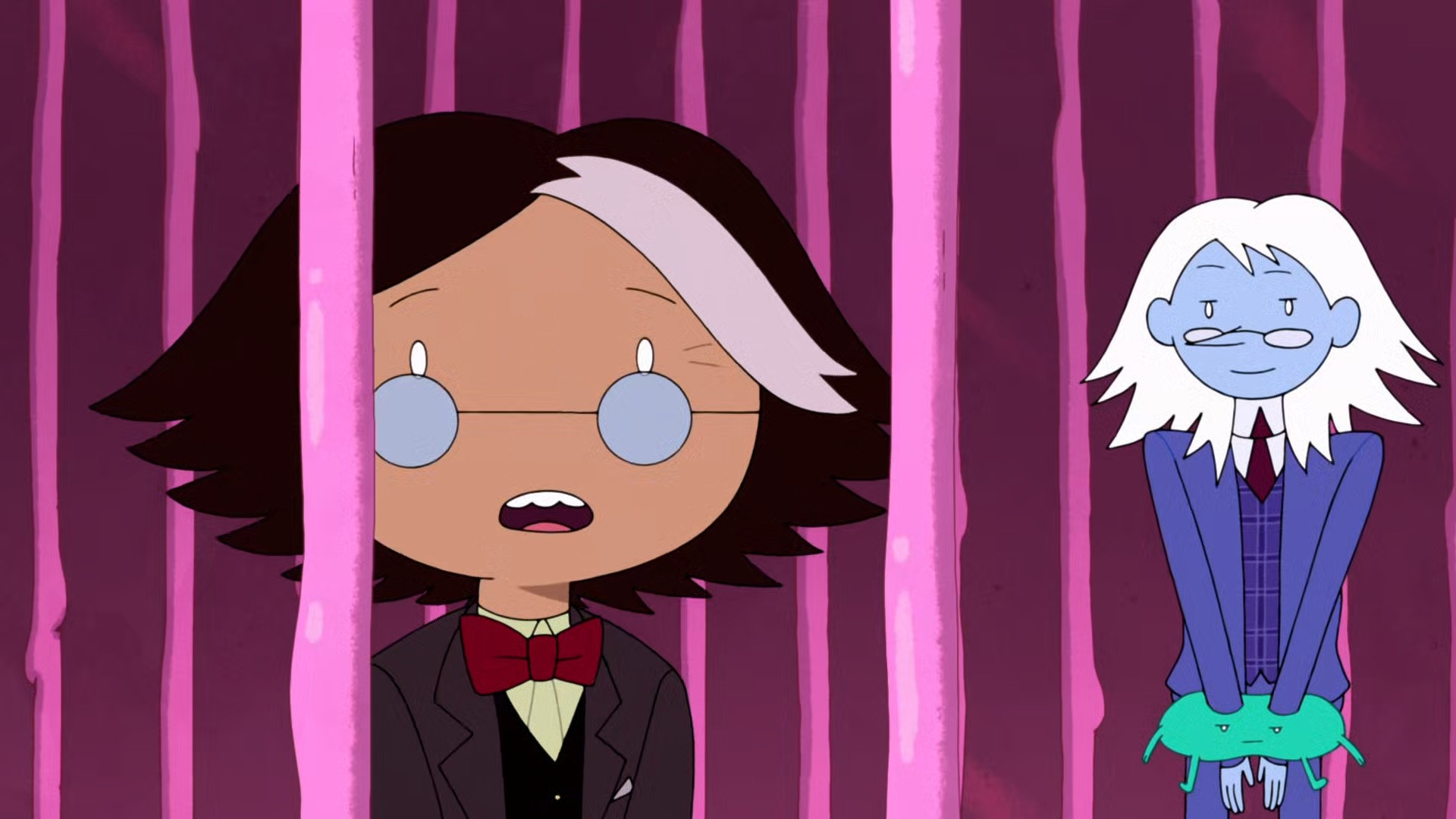
7. “Fionna and Cake” (Season 3)
An alternate universe based on the Ice King’s imagination is introduced in this episode. A gender-swapped version of known characters reflects known relationships. There is a meta-level in this episode that comments on storytelling itself. The issue of authorship and escapist tendencies comes into play in this episode as well. The structure of this TV series has been extended in this episode. Comedy and meta comments coexist in this episode. This idea proves
6. “The Lich/“Finn the Human/“Jake the Dog” (Seasons 4-5)
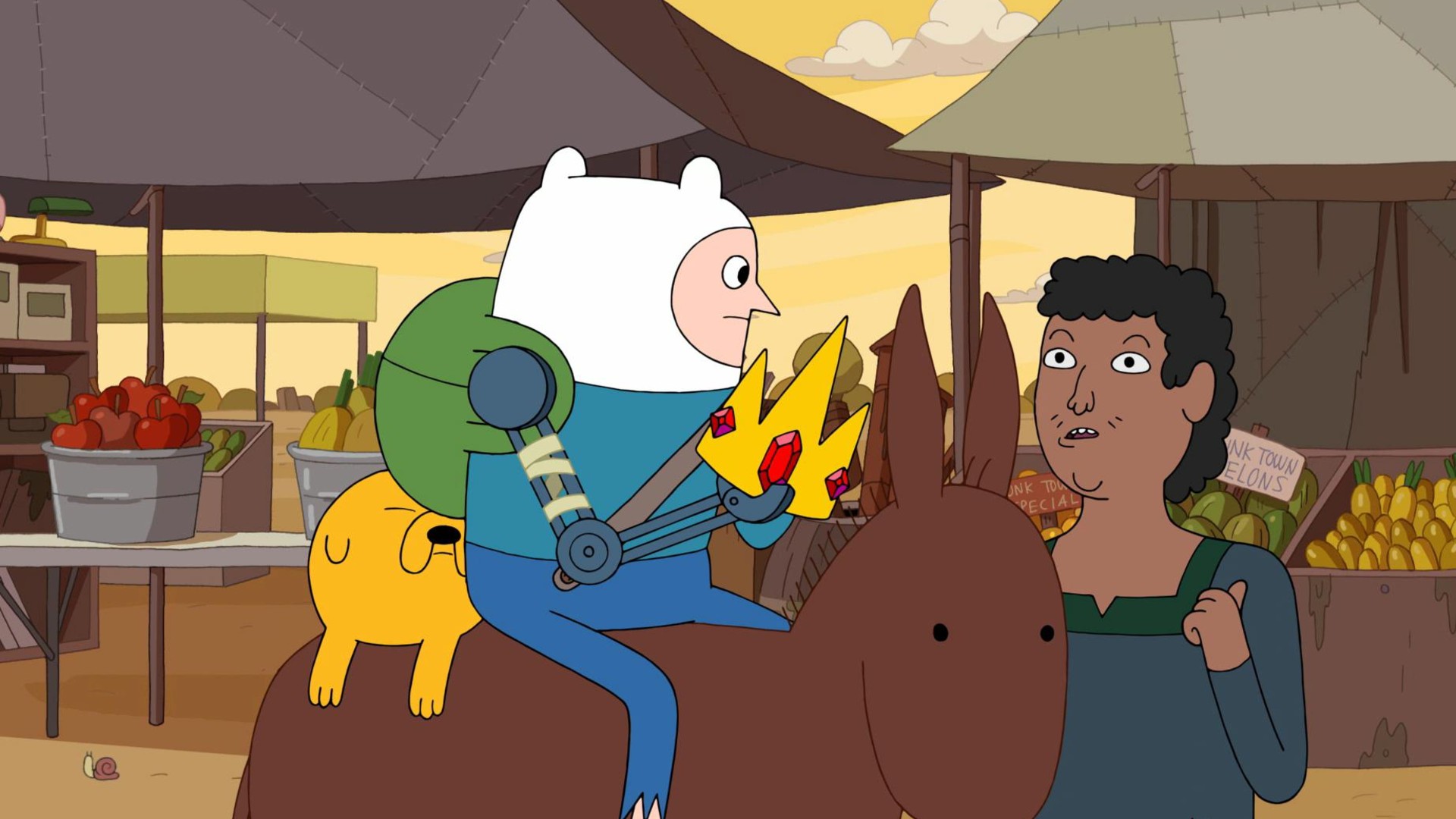
This is a three-episode storyline where the Lich emerges as a threat to existence. The wish-altering implications change reality. Alternate realities delve into notions of identity and strength. Finn and Jake become redefined through their absence. The storyline sets up long-term consequences. The Lich represents inevitability as opposed to a personal trait. It broadens philosophical elements.
5. “Escape From the Citadel” (Season 6)
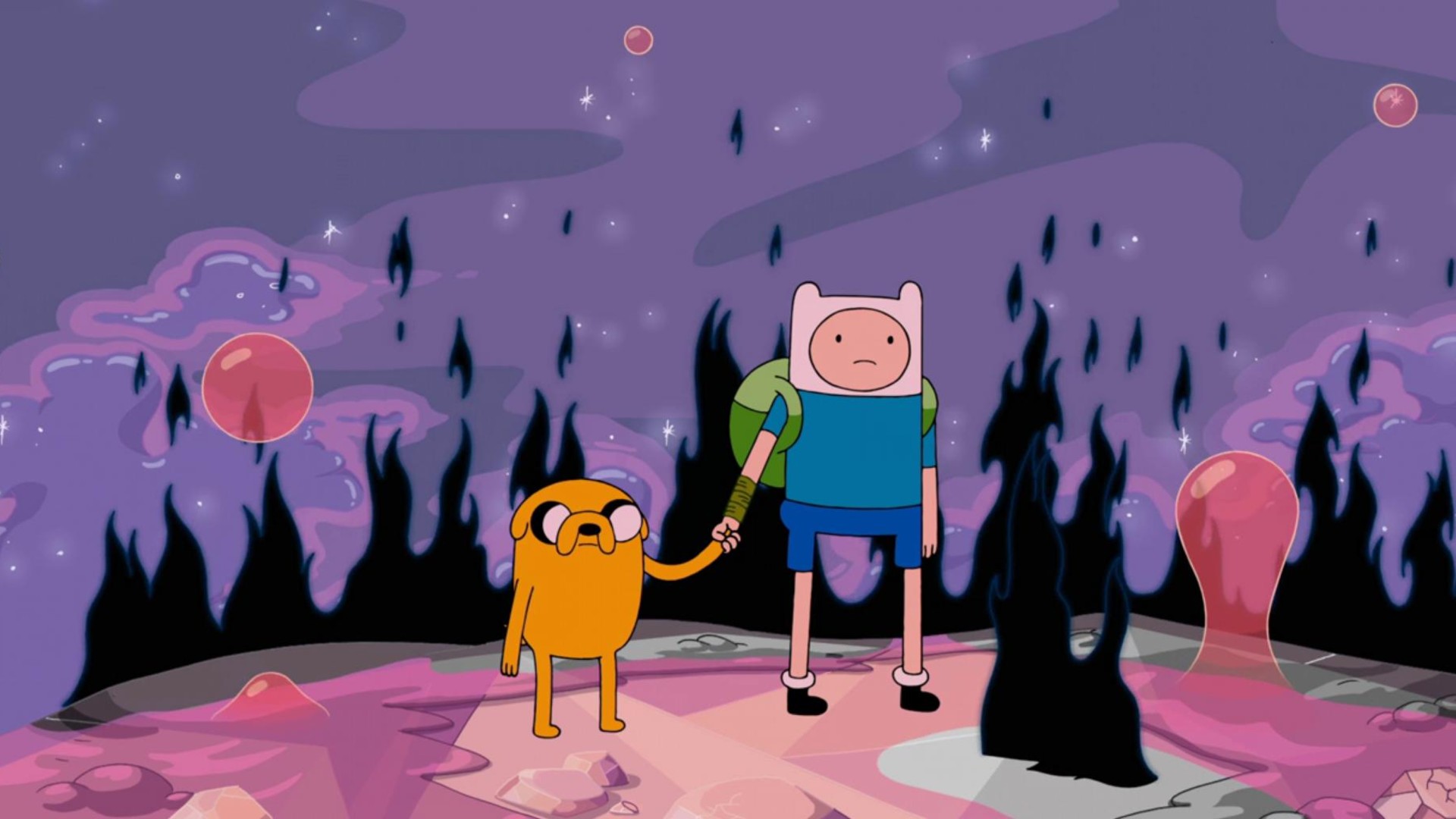
Finn's much-awaited reunion with his father is unexpected. Martin is depicted as emotionally distant and unreliable. His character tests Finn's idealism. The loss of Finn's arm changes the tone. The consequences of this loss affect Finn physically and psychologically. "The Citadel" develops themes related to abandonment. Character development happens through disappointment and not through resolution.
4. “Stakes” (Season 7)
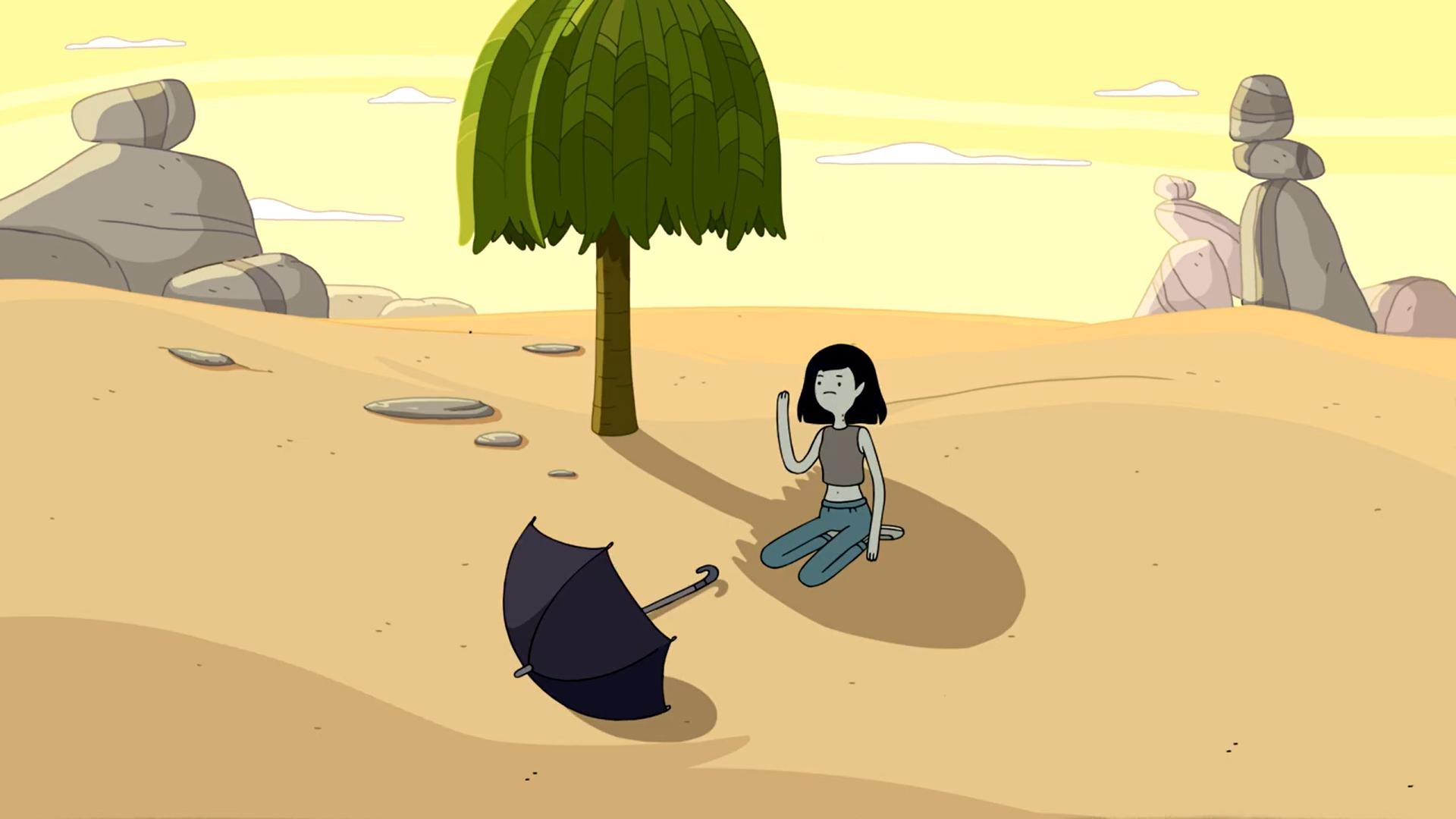
This episode is an exploration of Marceline’s desire for a life that is not immortal. The idea of being a vampire is both a blessing and a curse. Marceline’s history with the Vampire King is introduced. There are flashbacks, which add meaning without redefining the character. Marceline’s conflict is more about choice than destiny. Finn and Jake are more of a support system than the cause.
3. “Simon & Marcy” (Season 5)
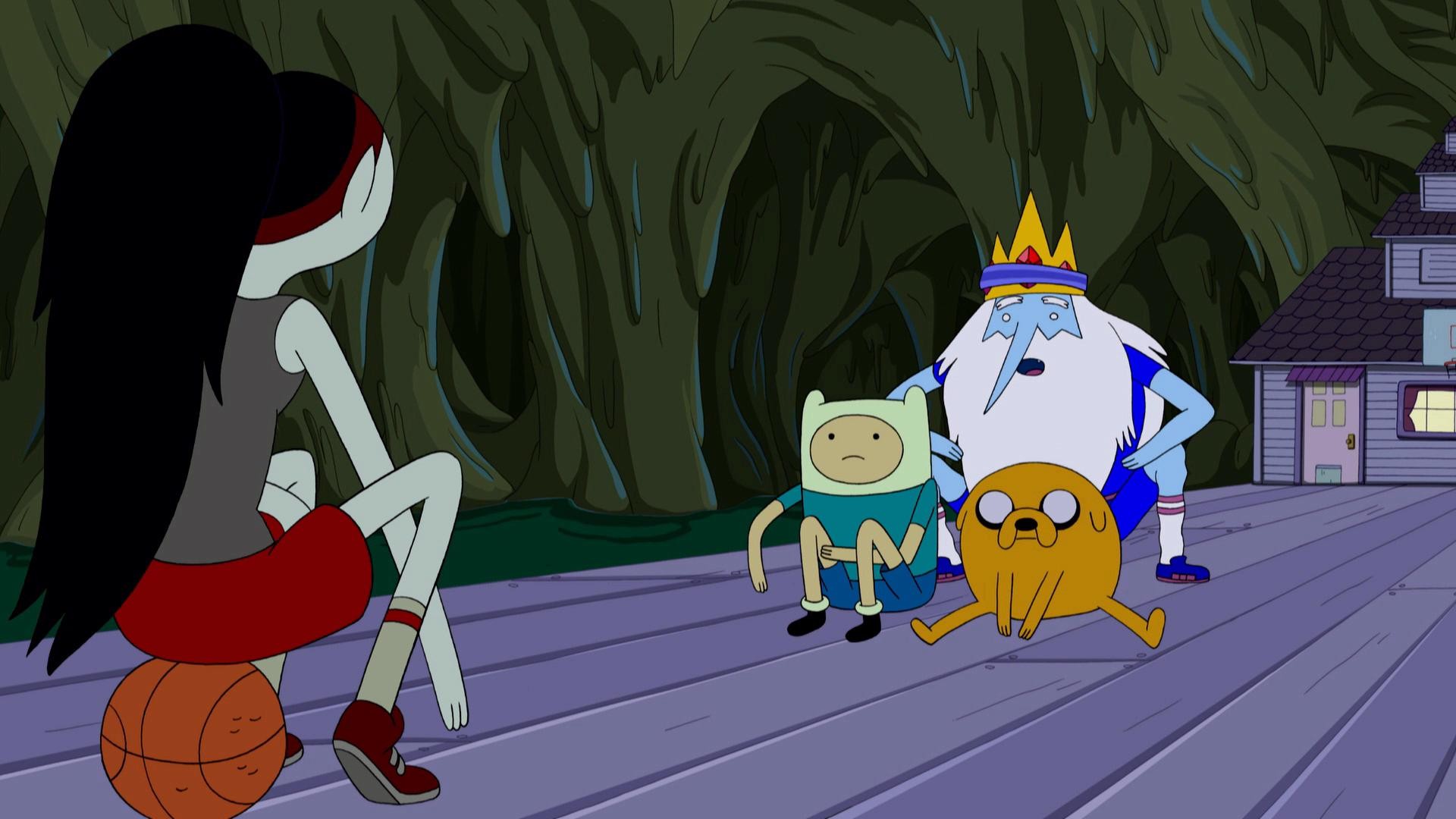
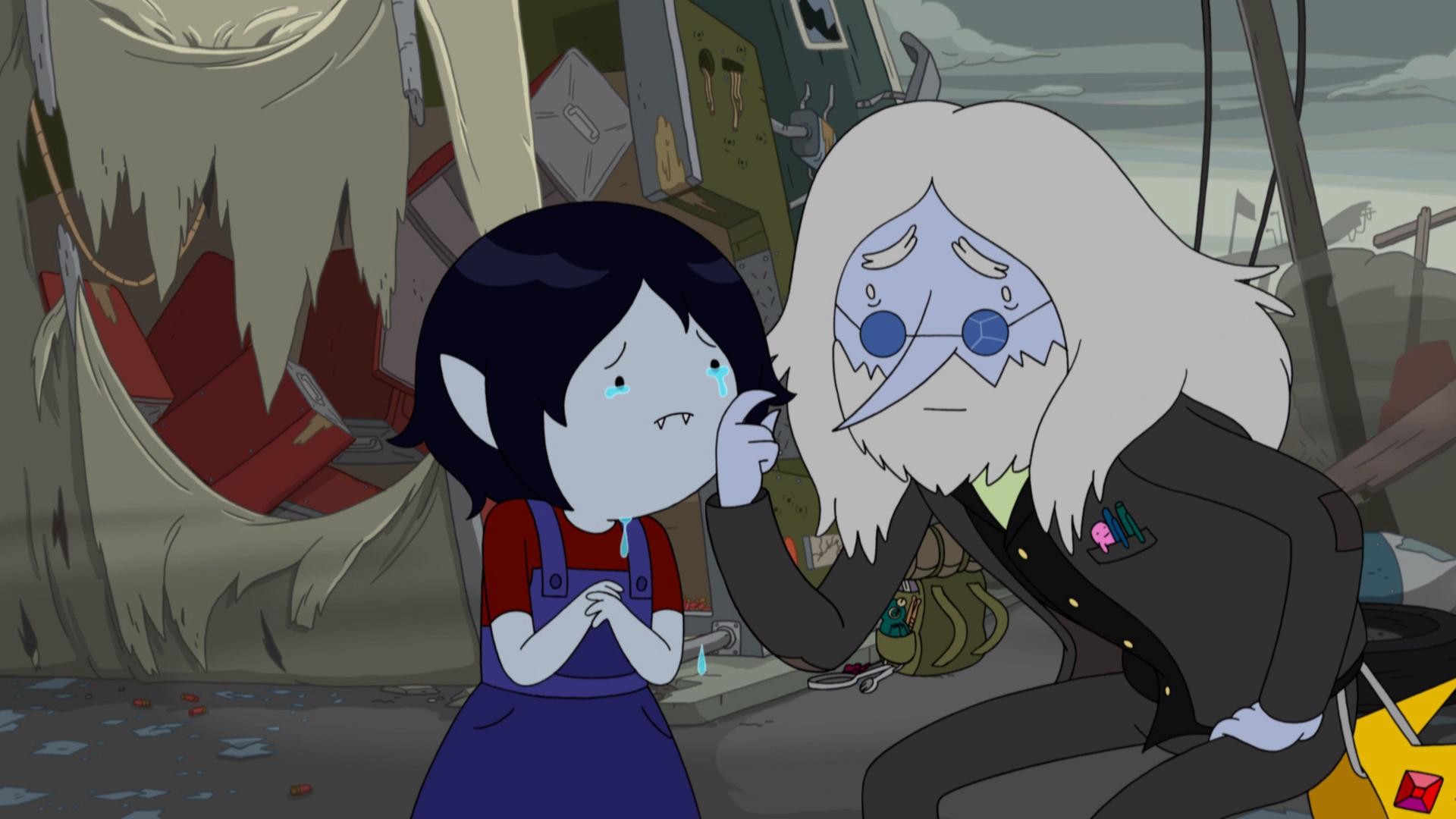
The episode shows the initial stages post the Mushroom War. The descent into madness for Simon is handled through action. Taking care of Marceline is his last purpose. The cost for the Crown is gradually revealed. The environment surrounding the characters portrays a lack of resources. Marceline’s strength is measured through survival.
2. “I Remember You” (Season 4)
This episode repositions the Ice King not through comedy, but through shared history. His past relationship with Marceline is made clear before the Mushroom War completely destroyed his identity. The loss of memory is now the struggle instead of being the bad guy. Music is an intimate documentation instead of a performance. The relationship of humor to loss is forged in this episode. There is a complete change in how the Ice King is perceived. The tale is told through restraint instead of explication.
1. “Come Along With Me” (Season 10)
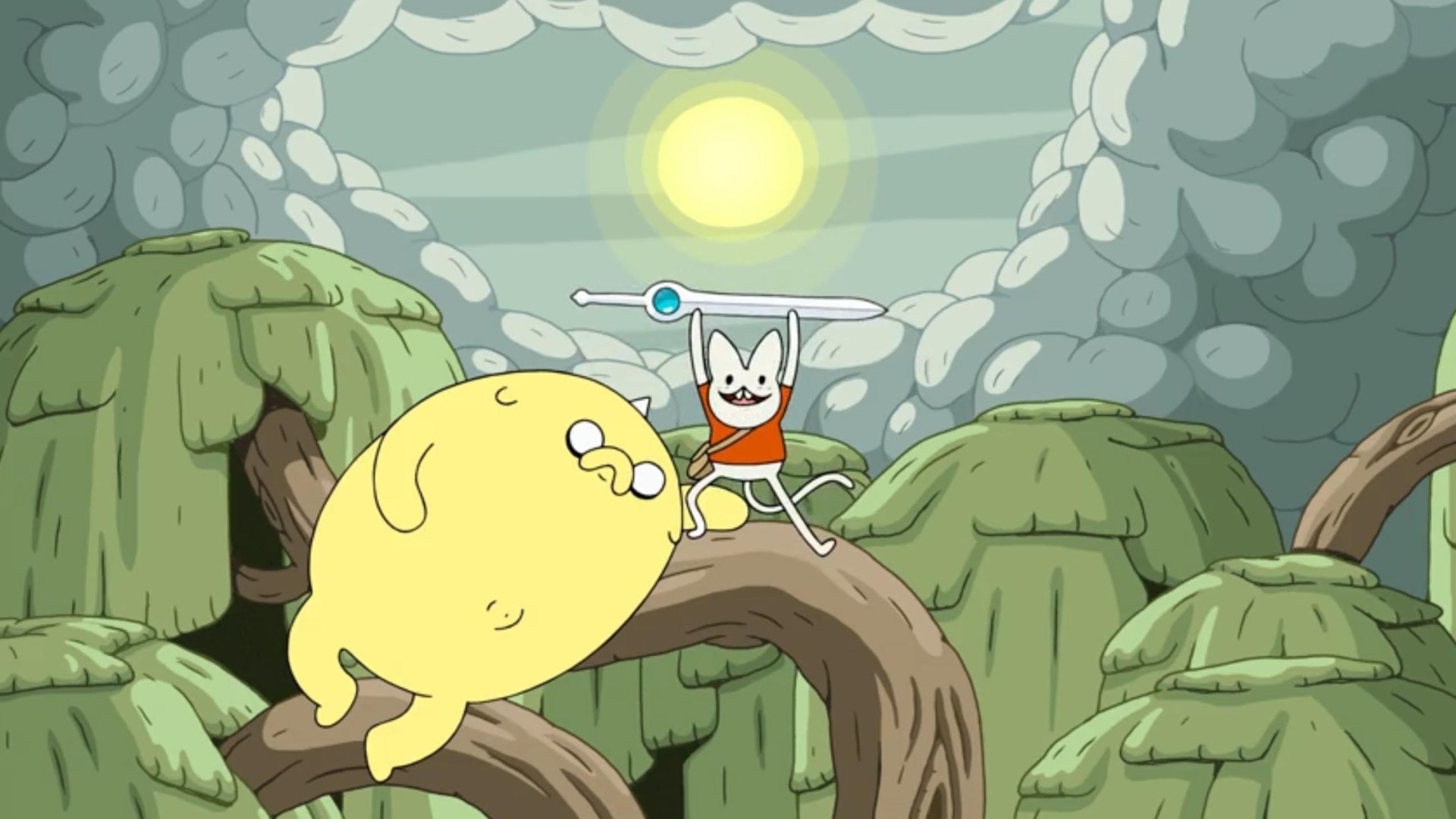
The series finale features almost the entire lineup of characters. The main theme is the confrontation with GOLB without providing the audience with a clear-cut dichotomy of good vs. evil. The characters are involved in battles on a macro level, while on the micro level, they have moments that allow the viewer to bond with them. The passage of time reveals the effects of the various decisions the characters have had to make. The core aspect is the friendship between Finn and Jake.