10 Anime Villains Who Were Right All Along
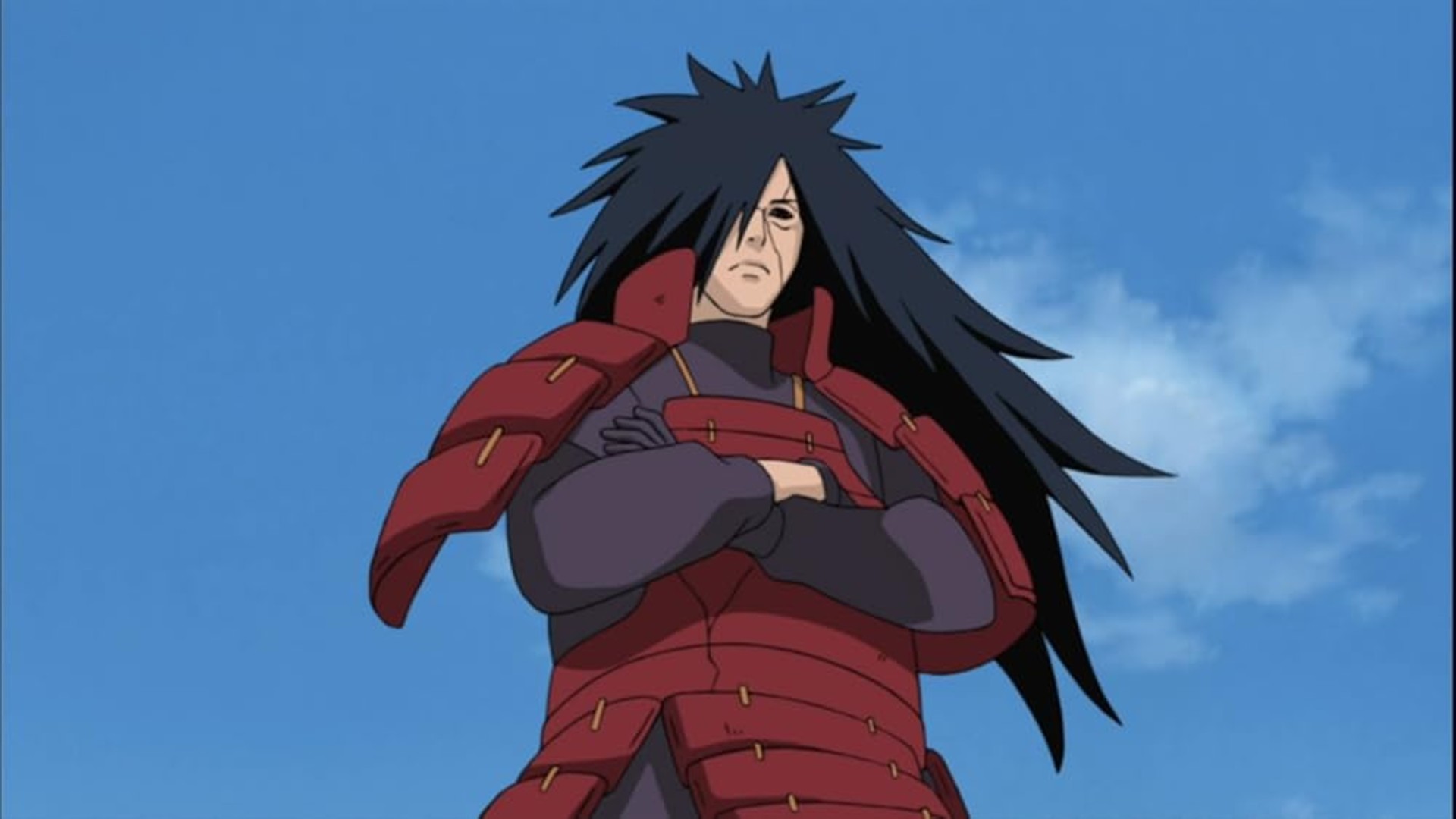
10. Madara Uchiha – Naruto Shippuden
Madara believed lasting peace was unattainable in reality due to human nature. His solution was to place humanity in a shared dream where conflict would no longer exist and everyone could experience their ideal life. From his perspective, a constructed reality free from suffering was preferable to a world defined by constant struggle. His argument raises questions about whether perceived happiness is any less meaningful if it feels real.
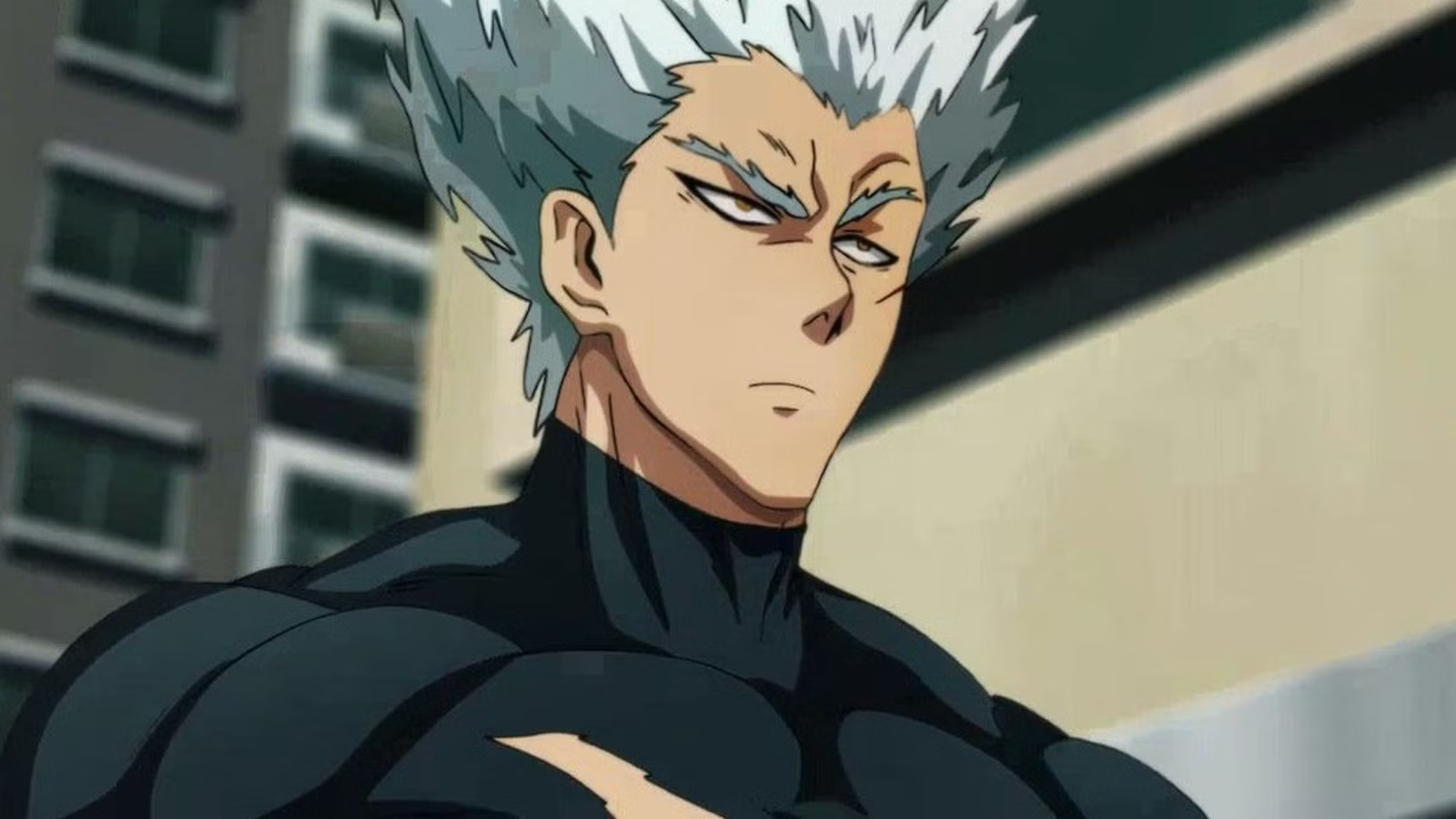
9. Garou – One Punch Man
Garou set out to become a symbol powerful enough to unite people against a single threat. He believed society often creates divisions between “winners” and “losers,” leaving many marginalized. By positioning himself as a universal opponent, he aimed to eliminate those divisions through shared opposition. His perspective highlights how external pressure can sometimes bring people together, even if only temporarily.
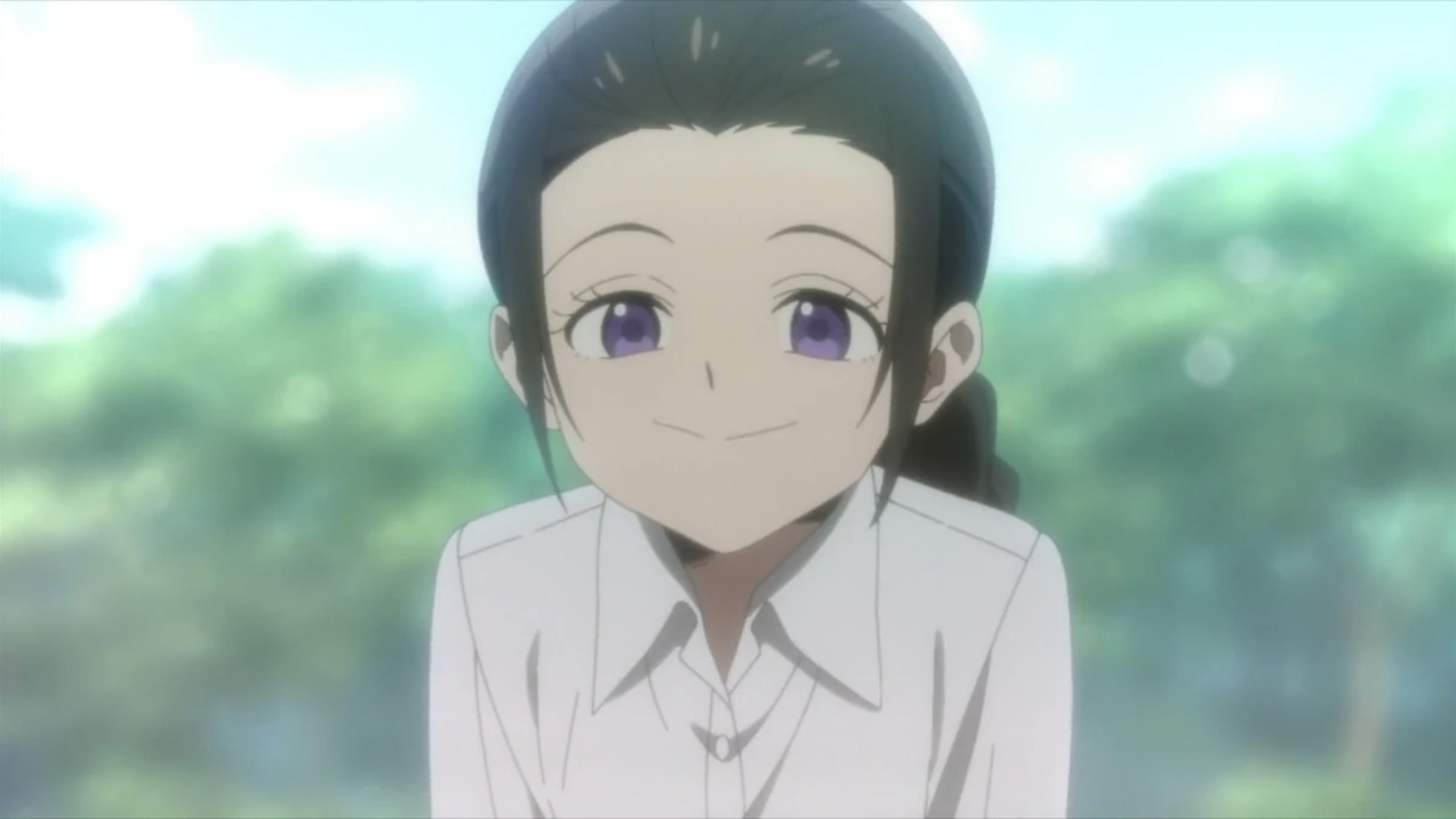
8. Isabella – The Promised Neverland
Isabella operated within a system she believed could not be changed. Her approach was to provide the children under her care with a peaceful and happy upbringing, even while knowing their futures were predetermined. She saw this as a way of preserving comfort and emotional well-being in an otherwise harsh reality. Her perspective reflects a difficult balance between truth and protection in extreme circumstances.
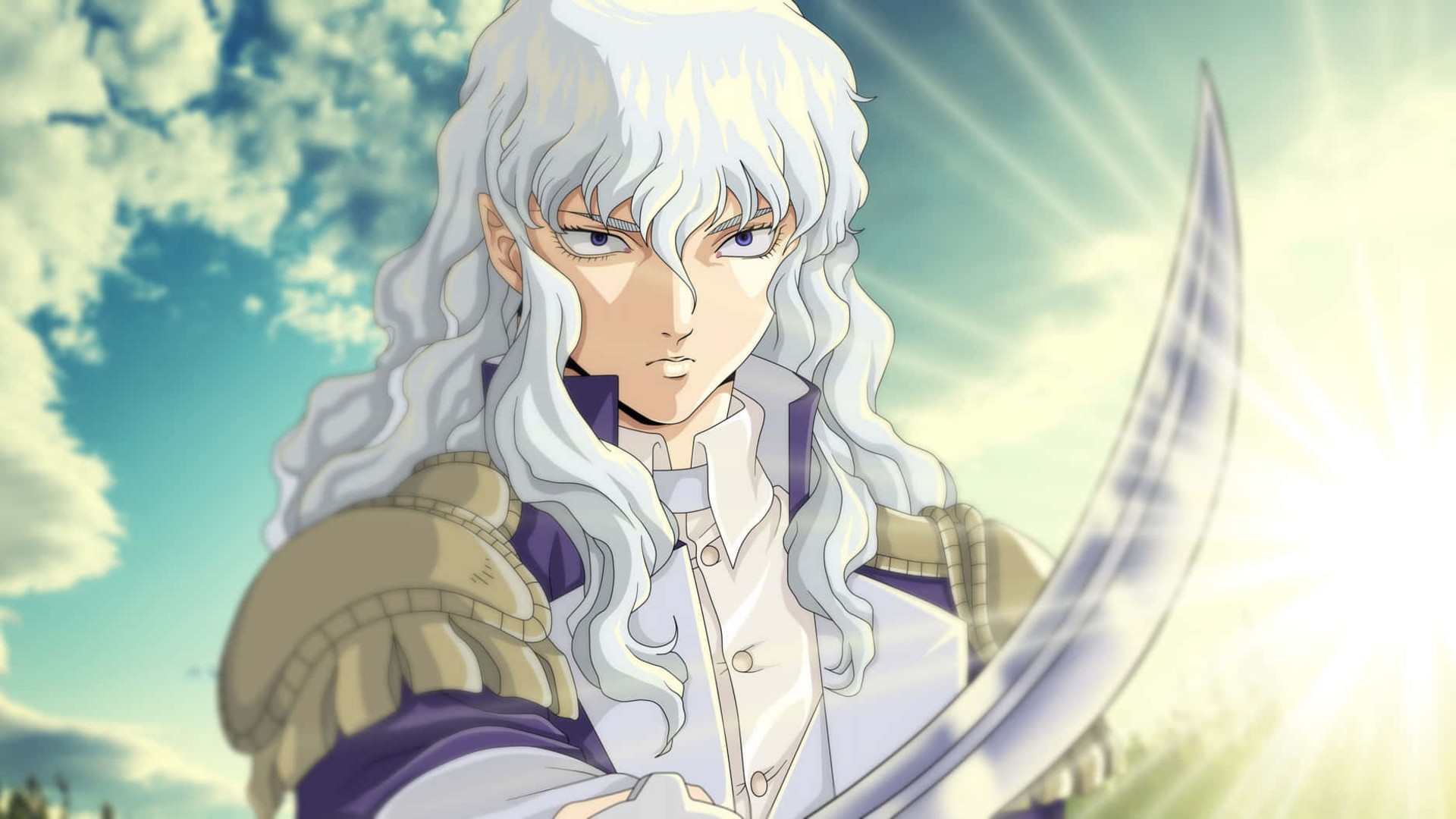
7. Griffith – Berserk
Griffith pursued his vision of a perfect kingdom at any cost, eventually creating a world where people could live in relative safety within a controlled environment. In contrast to the chaos outside, this society offered stability and protection. While his rise involved deeply controversial choices, the result was a structured world where many found security. His story explores the trade-off between freedom and safety under powerful leadership.
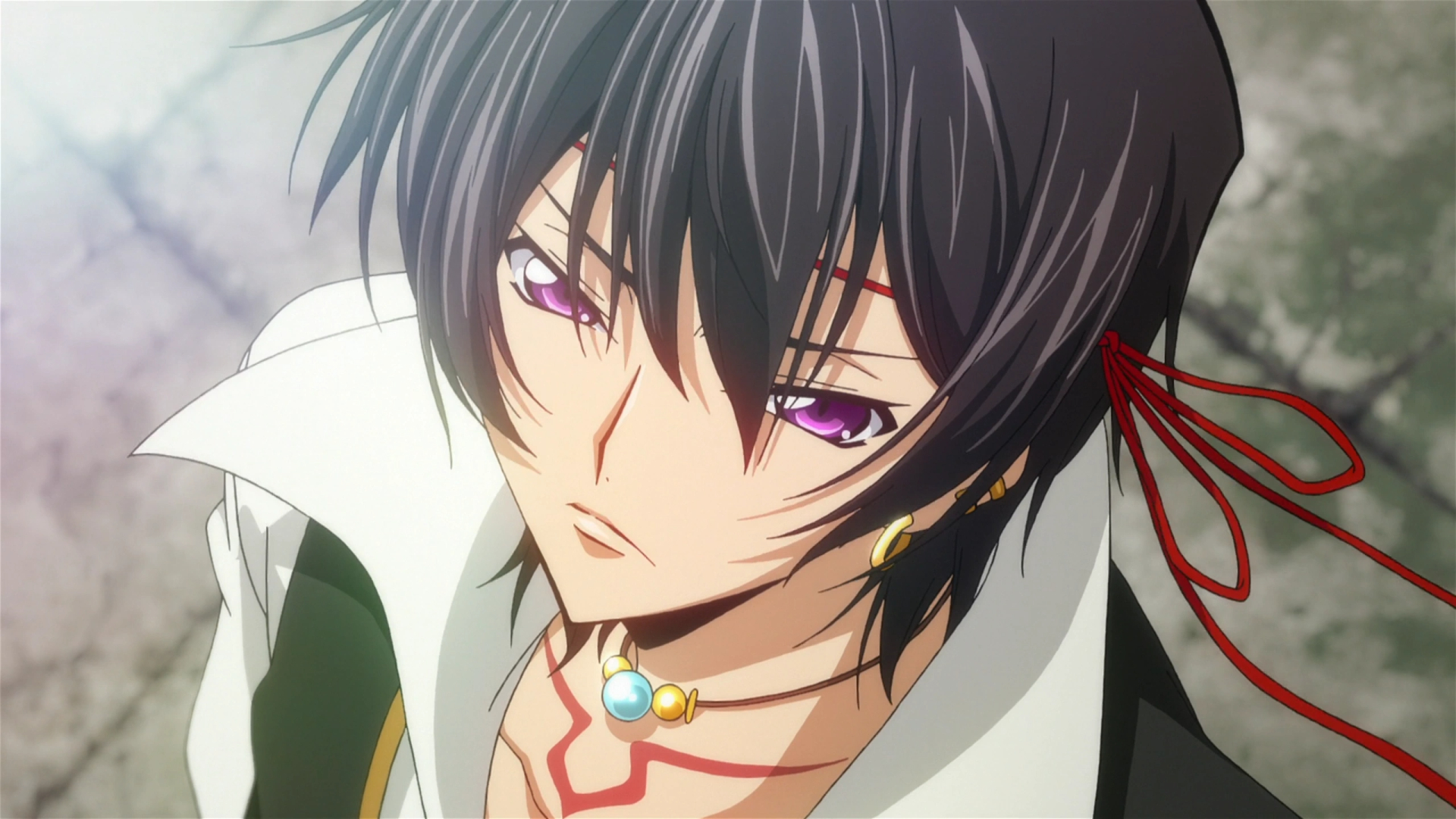
6. Lelouch vi Britannia – Code Geass
Lelouch took on the role of a unifying enemy, believing that a divided world could only come together against a common force. By concentrating global hostility toward himself, he aimed to reset existing power structures and create a path toward cooperation. His strategy ultimately succeeded in bringing about a period of stability, showing how shared purpose, even if temporary, can reshape global dynamics.
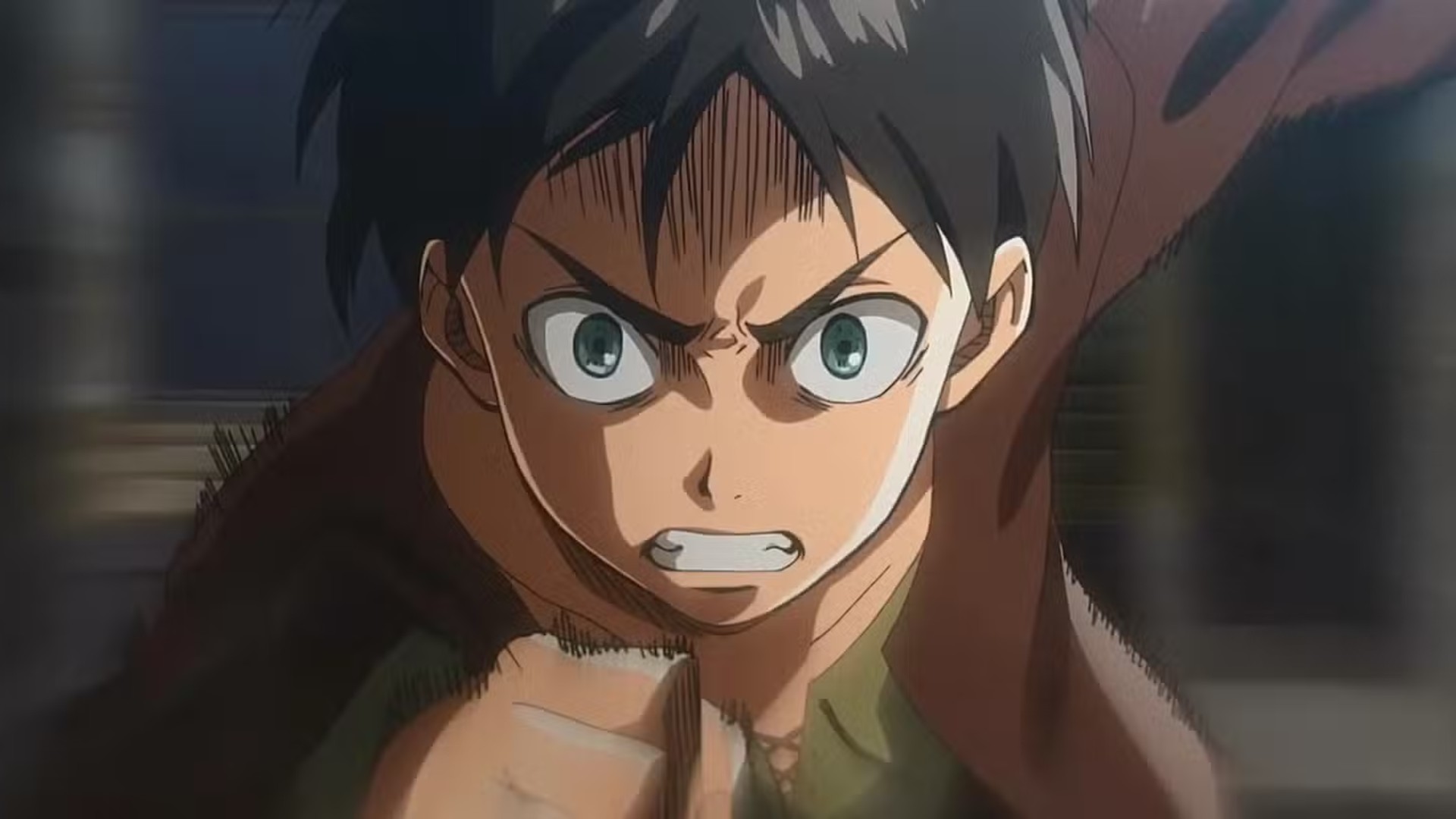
5. Eren Yeager – Attack on Titan
Eren’s actions were driven by the belief that the outside world would never stop viewing his people as a threat. He saw an ongoing cycle of fear and retaliation that would continue unless something drastic changed. By placing himself at the center of that conflict, he aimed to shift how others were perceived and create an opportunity for survival. The series’ later developments suggest that the cycle he feared may never fully disappear, reinforcing the bleakness of his outlook.
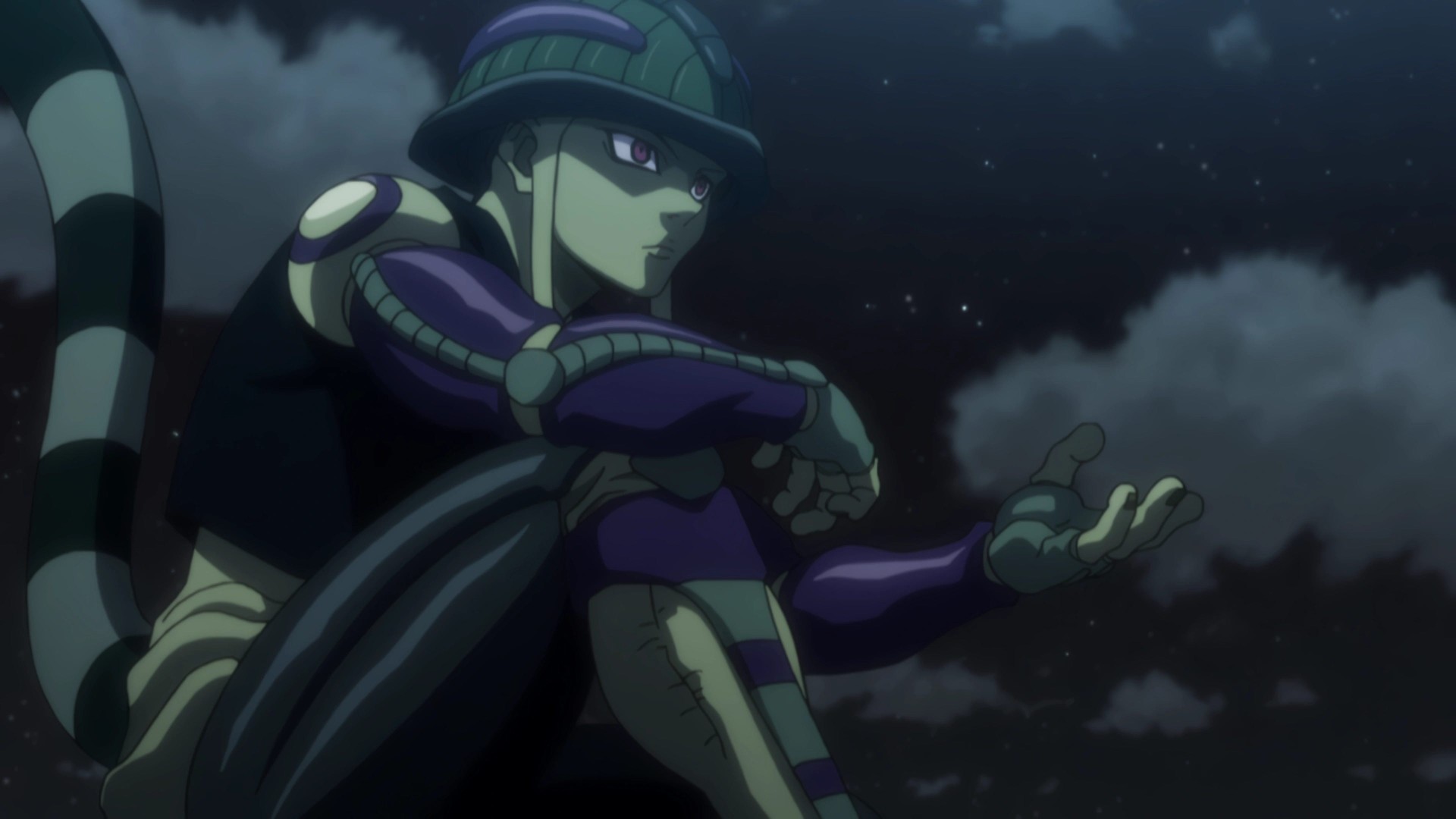
4. Meruem – Hunter x Hunter
Meruem began with a detached view of humanity, but his experiences led him to question human systems of inequality and leadership. He envisioned a world where resources and power were distributed more fairly under a single authority. In doing so, he highlighted the contradictions within human societies, particularly how inequality persists despite advancement. His evolving perspective adds complexity to his role as an antagonist.
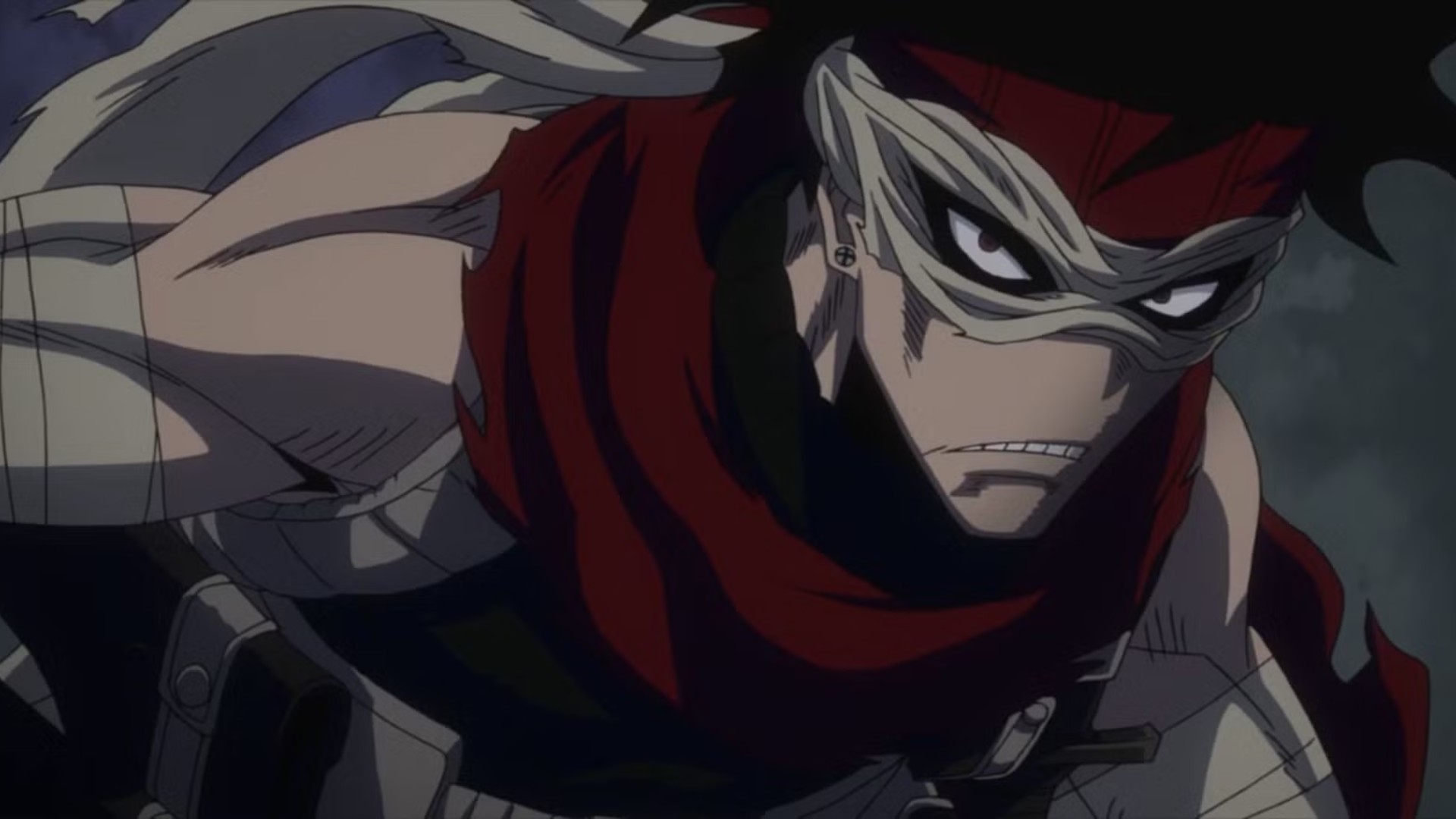
3. Stain – My Hero Academia
Stain targeted professional heroes not out of pure hostility, but from a belief that the system had lost its original purpose. He saw heroism becoming more about recognition than selflessness and sought to challenge that shift. His perspective gained attention when later events showed how quickly public support for heroes could fade under pressure. While his methods were extreme, his critique forced a deeper reflection on what it truly means to be a hero.
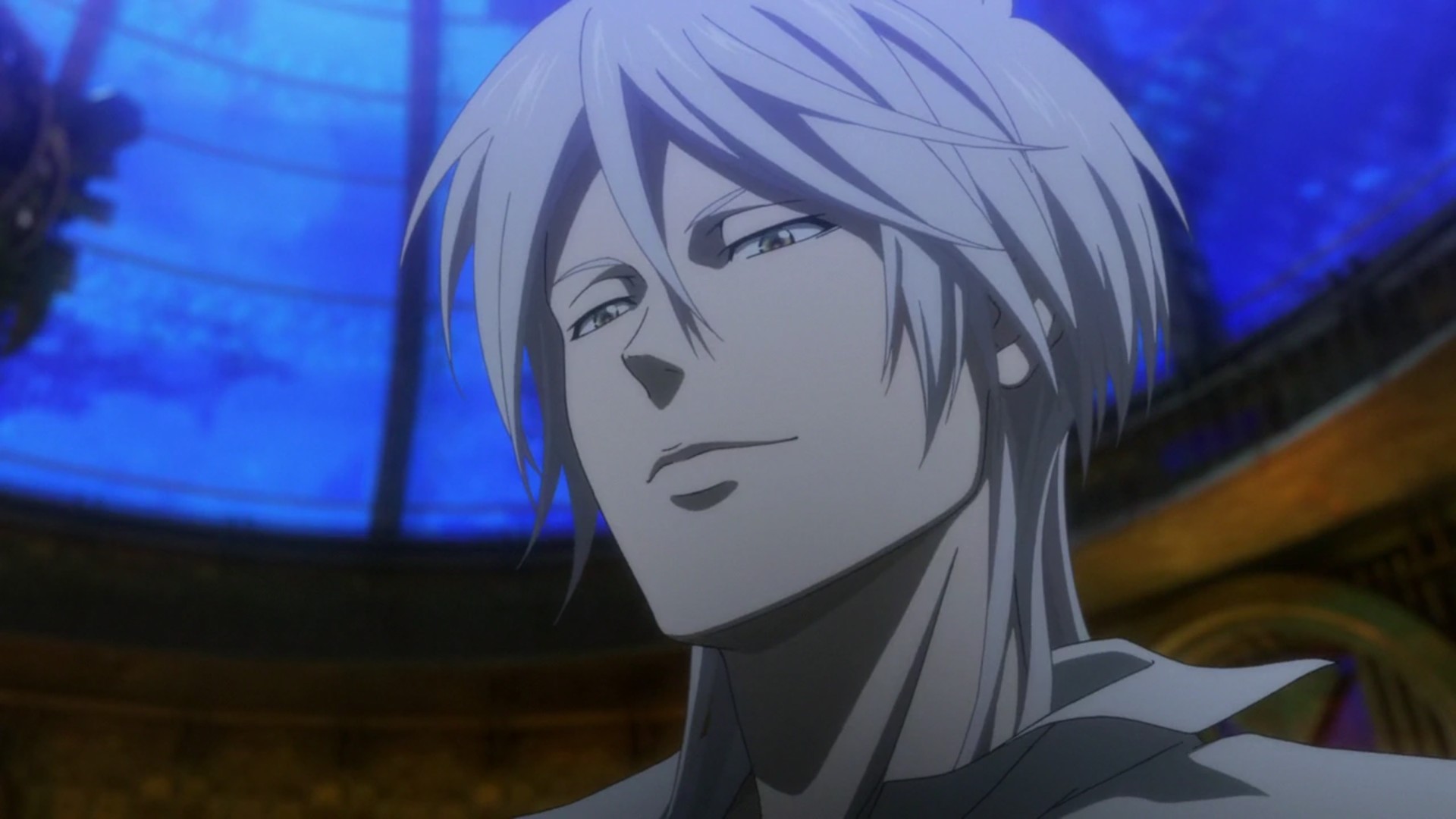
2. Shogo Makishima – Psycho-Pass
Makishima sought to challenge the Sibyl System, an AI network that evaluates people before they act. He argued that relying on such a system removes individual responsibility and limits genuine moral choice. To him, a person’s value comes from acting on their own will, even when those choices are difficult. His ideas remain relevant, as the series highlights how dependent society becomes when decision-making is outsourced.
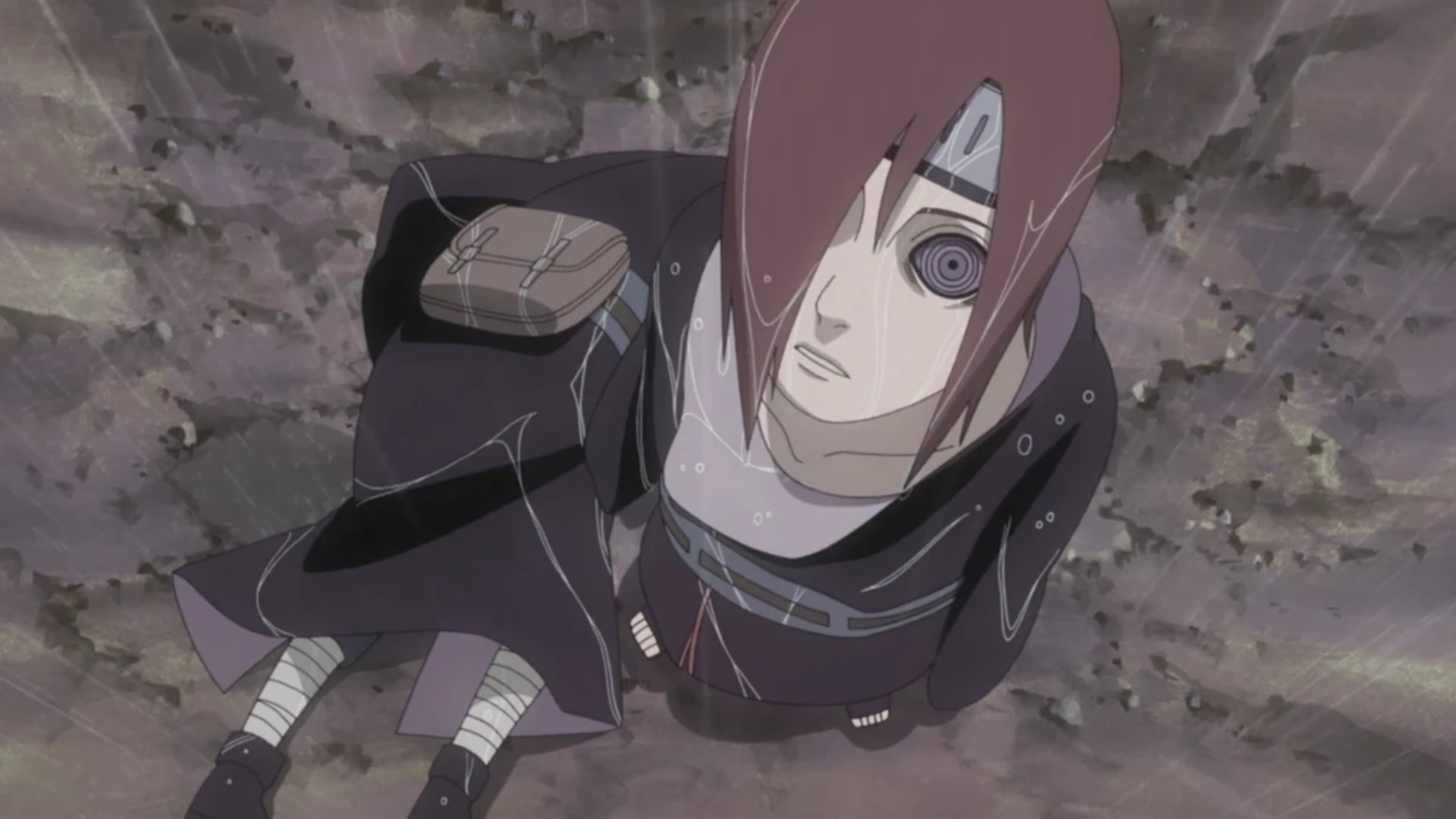
1. Pain (Nagato) – Naruto Shippuden
Pain’s philosophy was rooted in the idea that people cannot truly understand one another without experiencing the same level of hardship. He believed the shinobi world was trapped in a cycle of conflict because peace was often temporary rather than lasting. By forcing the world to confront a shared crisis, he aimed to create unity through collective understanding. In many ways, the eventual alliance of the major nations during a global threat reflects aspects of his perspective.