10 Anime Side Characters So Good They Made the Lead Look Boring
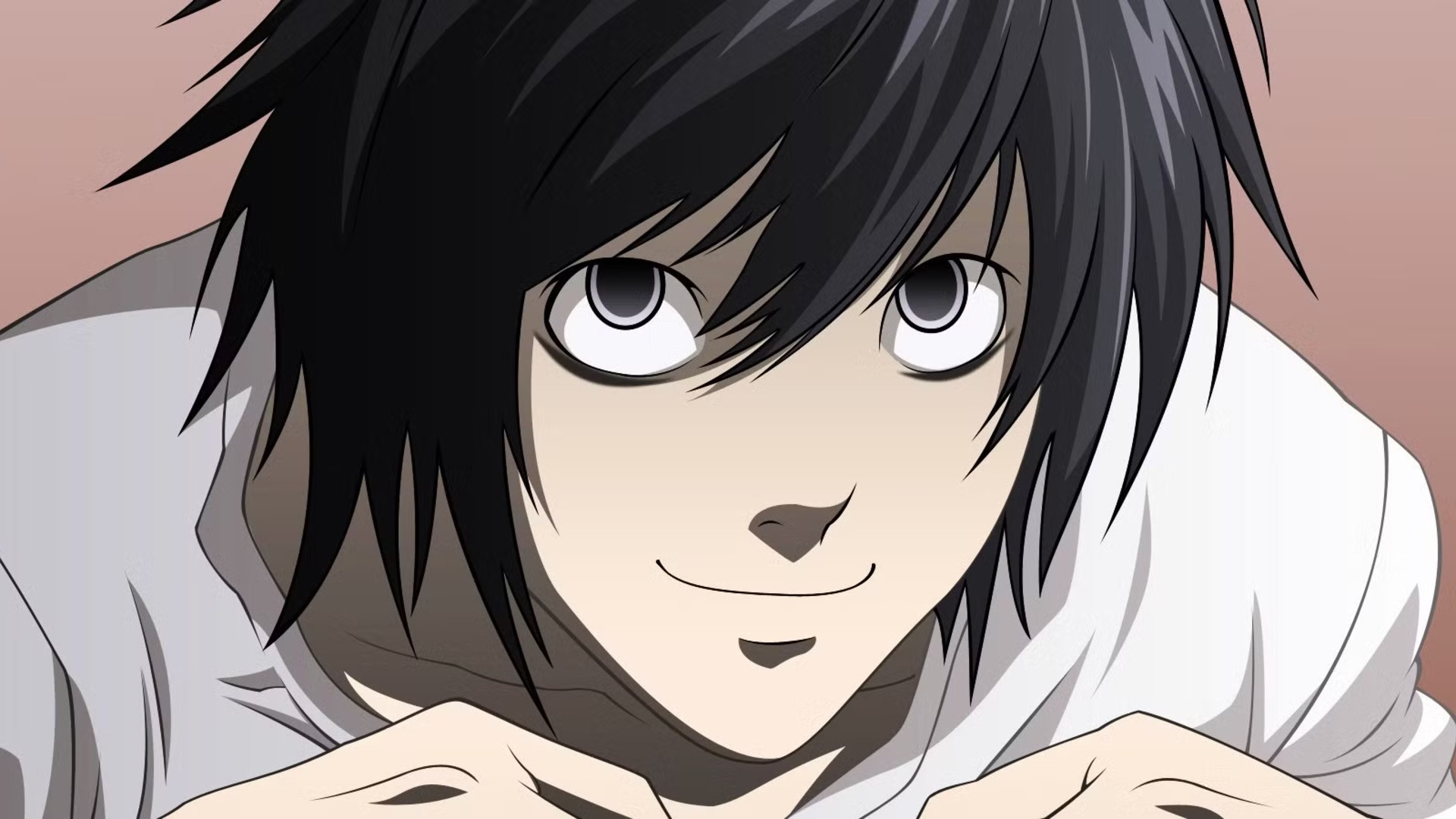
10. L (Death Note)
In Death Note, Light builds a god complex, but L builds tension. Every hunched posture, every sugar cube ritual, and every deadpan accusation sharpened the series into a psychological thriller masterpiece. Fans didn’t just enjoy L—they felt the electricity whenever he shared a room with Light. He wasn’t loud or flashy; he was surgical. The tennis match alone became symbolic warfare. Once L exited the story, many viewers felt the narrative's oxygen thin. Near and Mello were interesting, but L was singular. His unpredictability, his moral ambiguity, and his quiet willingness to sacrifice himself for truth elevated him beyond “detective rival.” He wasn’t just opposing Kira—he was the narrative equalizer. For many fans, L was the real heartbeat of the mind game.
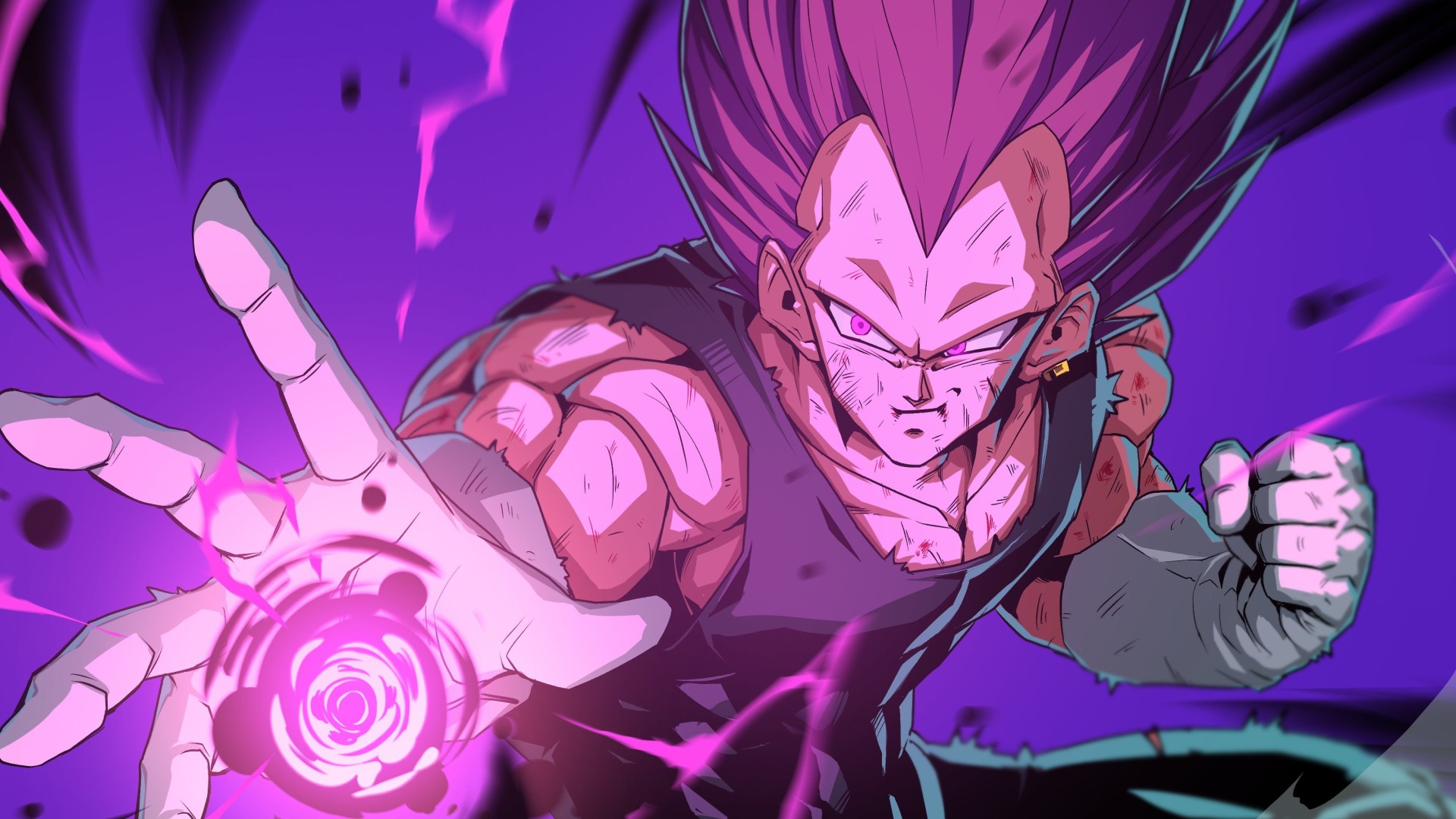
9. Vegeta (Dragon Ball Z)
In Dragon Ball Z, Goku is a symbol; Vegeta is a journey. Fans don’t cling to him because he’s stronger—they cling to him because he’s fractured. He arrives as a genocidal prince driven by ego and humiliation, spends entire arcs choking on his rivalry, and slowly, painfully evolves into someone capable of love and accountability. The Majin Vegeta sacrifice wasn’t just a spectacle; it was a payoff for years of pride cracking under real emotion. Watching him struggle to say “thank you,” to accept Goku’s superiority, to fight not for conquest but for family—that’s layered growth. Goku resets to optimism after every battle. Vegeta carries his history. That emotional continuity makes him feel human in a world of gods and aliens. Fans don’t just admire Vegeta—they witness him.
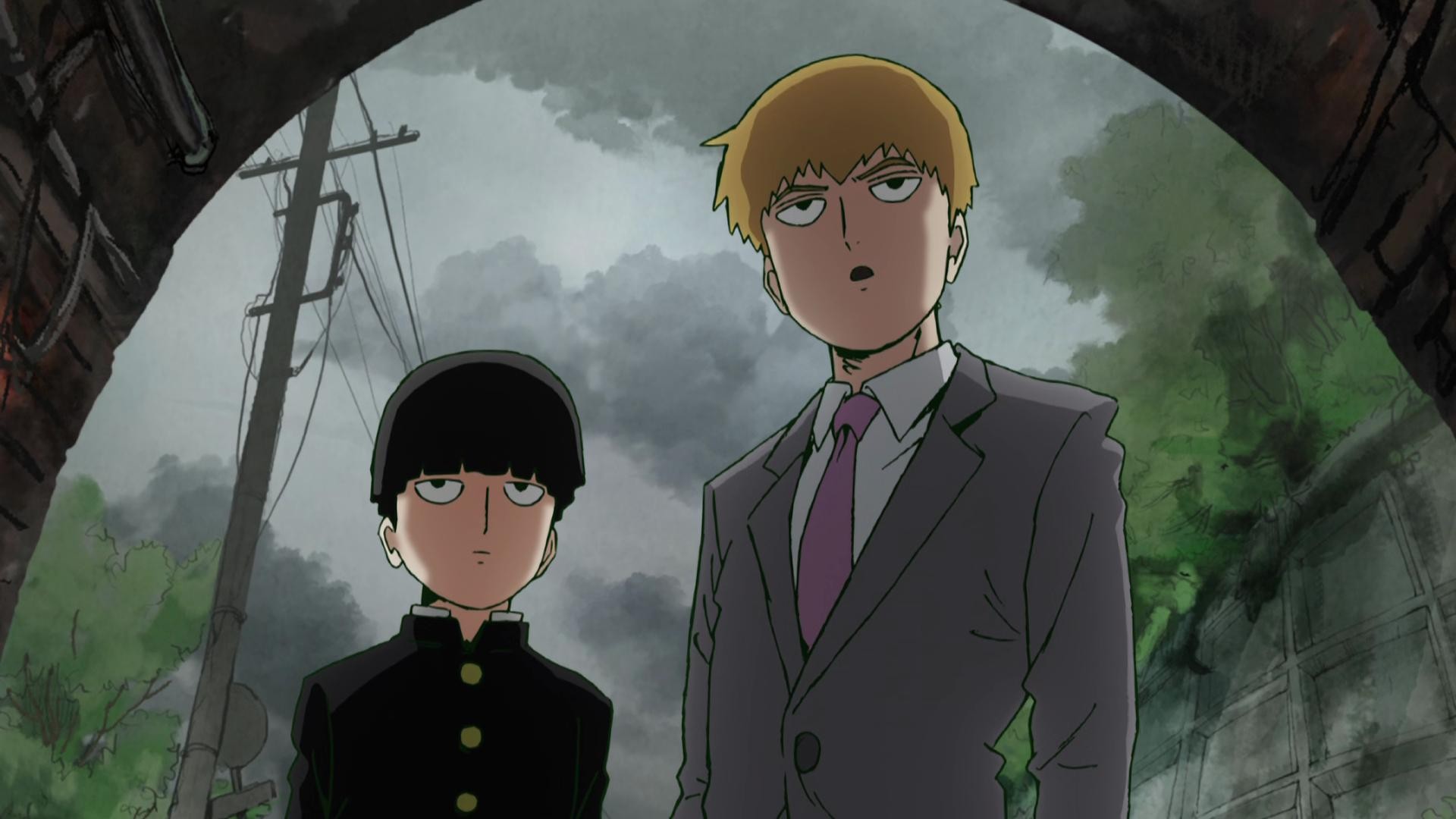
8. Arataka Reigen (Mob Psycho 100)
In Mob Psycho 100, Mob can level cities, but Reigen anchors the soul of the story. He’s a fraud, a talker, a man surviving on bluff and instinct—yet somehow he becomes the moral compass. Fans love him because he feels painfully real: insecure, ambitious, occasionally selfish, but capable of choosing the right thing when it matters. His breakdown arc exposed the loneliness behind the bravado, turning a comic relief mentor into one of the most layered adults in shonen anime. Reigen teaches Mob that power doesn’t define worth, hit harder than any psychic explosion. He wins battles with speeches and vibes, but more importantly, he grows. In a show about supernatural escalation, Reigen’s humanity becomes the most compelling force on screen.
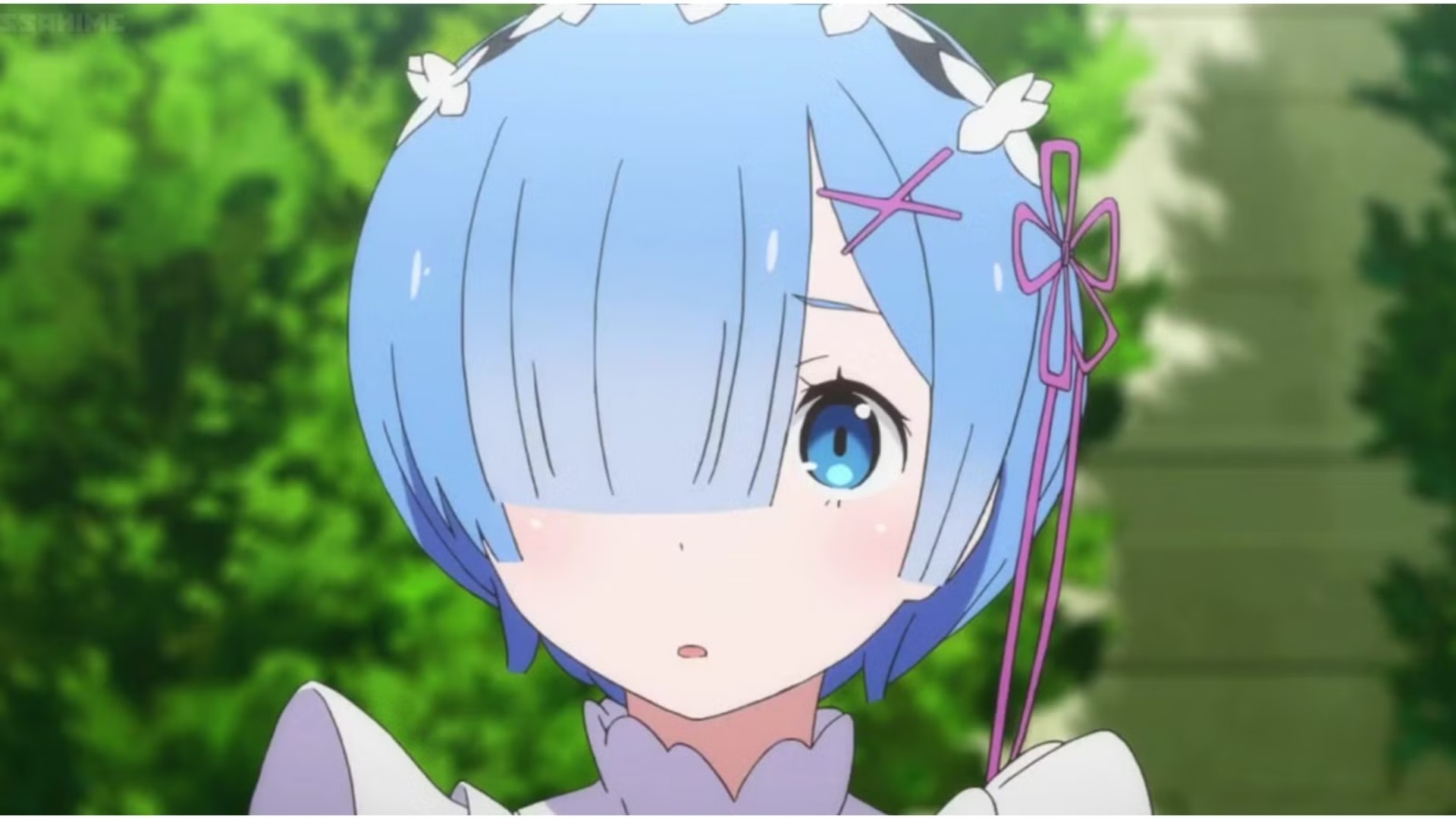
7: Rem (Re:Zero)
In Re:Zero − Starting Life in Another World, Subaru’s suffering drives the plot, but Rem’s devotion detonated the fandom. Her arc—from suspicion and violence to unconditional loyalty—felt earned, not manufactured. The confession scene wasn’t just romantic; it reframed the emotional stakes of the entire series. Fans connected to her vulnerability, her quiet self-worth struggles, and her willingness to choose love even when she knew she might not be chosen back. For a stretch, she felt like the emotional protagonist, grounding Subaru’s chaos with sincerity. When the story sidelined her, the reaction wasn’t mild disappointment—it was collective grief. That intensity says everything. Rem became more than a supporting character; she became the emotional benchmark against which every relationship in the series was measured.
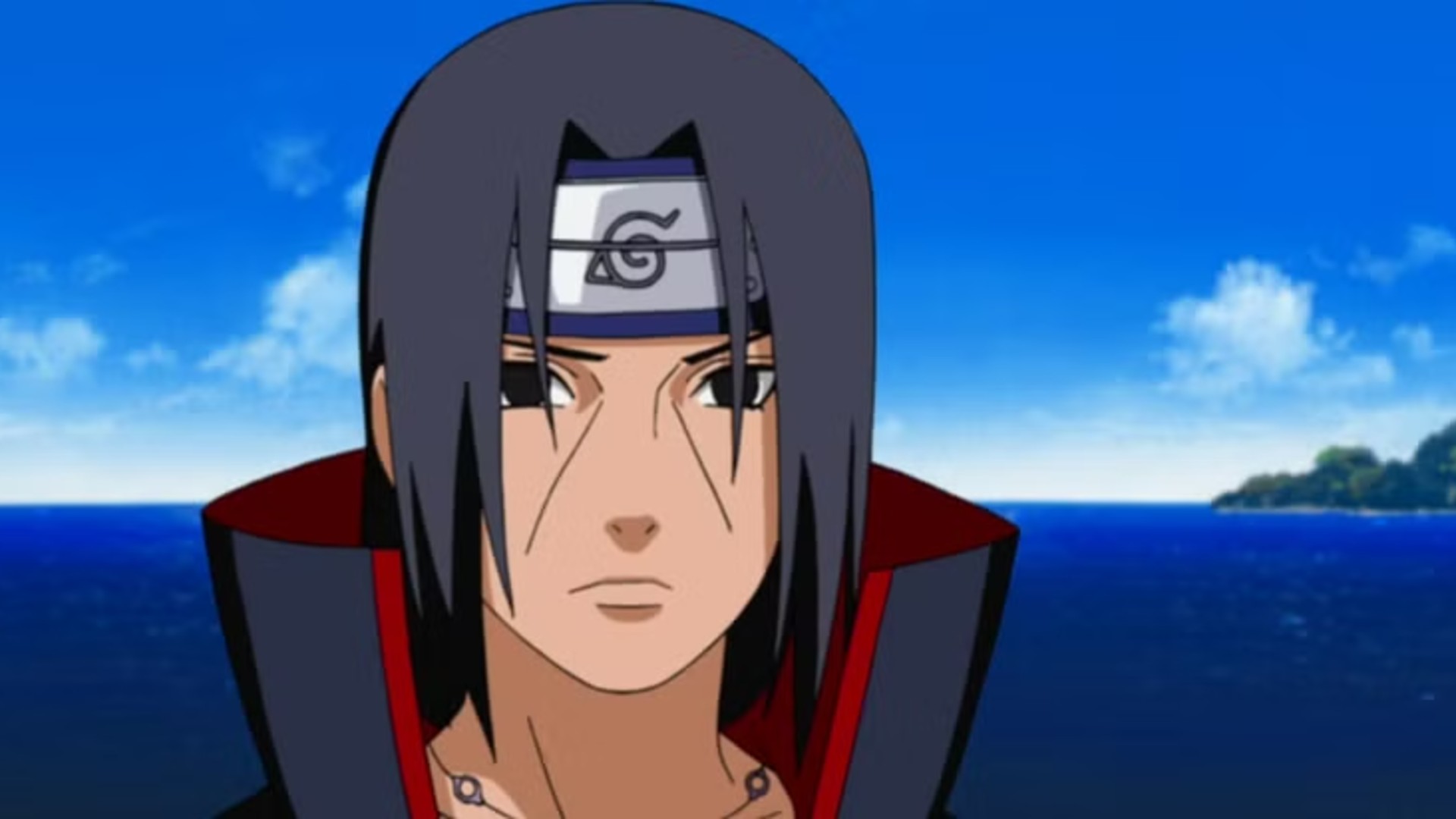
6: Itachi Uchiha (Naruto)
In Naruto, Naruto seeks acknowledgment, but Itachi relinquishes it entirely. Initially framed as a cold-blooded murderer, his reveal transformed him into one of anime’s most tragic figures. Fans gravitated toward the moral devastation of his choice: annihilating his clan to prevent a civil war, then living—and dying—as a villain to protect his brother. The quiet composure, the layered symbolism of crows and genjutsu, and the restraint in every fight—Itachi radiated inevitability. His final moments with Sasuke reframed years of hatred into heartbreaking clarity. The fandom didn’t simply forgive him; they elevated him into legend. Debates about whether he was right still rage because his dilemma feels real. Itachi’s story isn’t about power—it’s about sacrifice, perception, and the unbearable weight of peace.
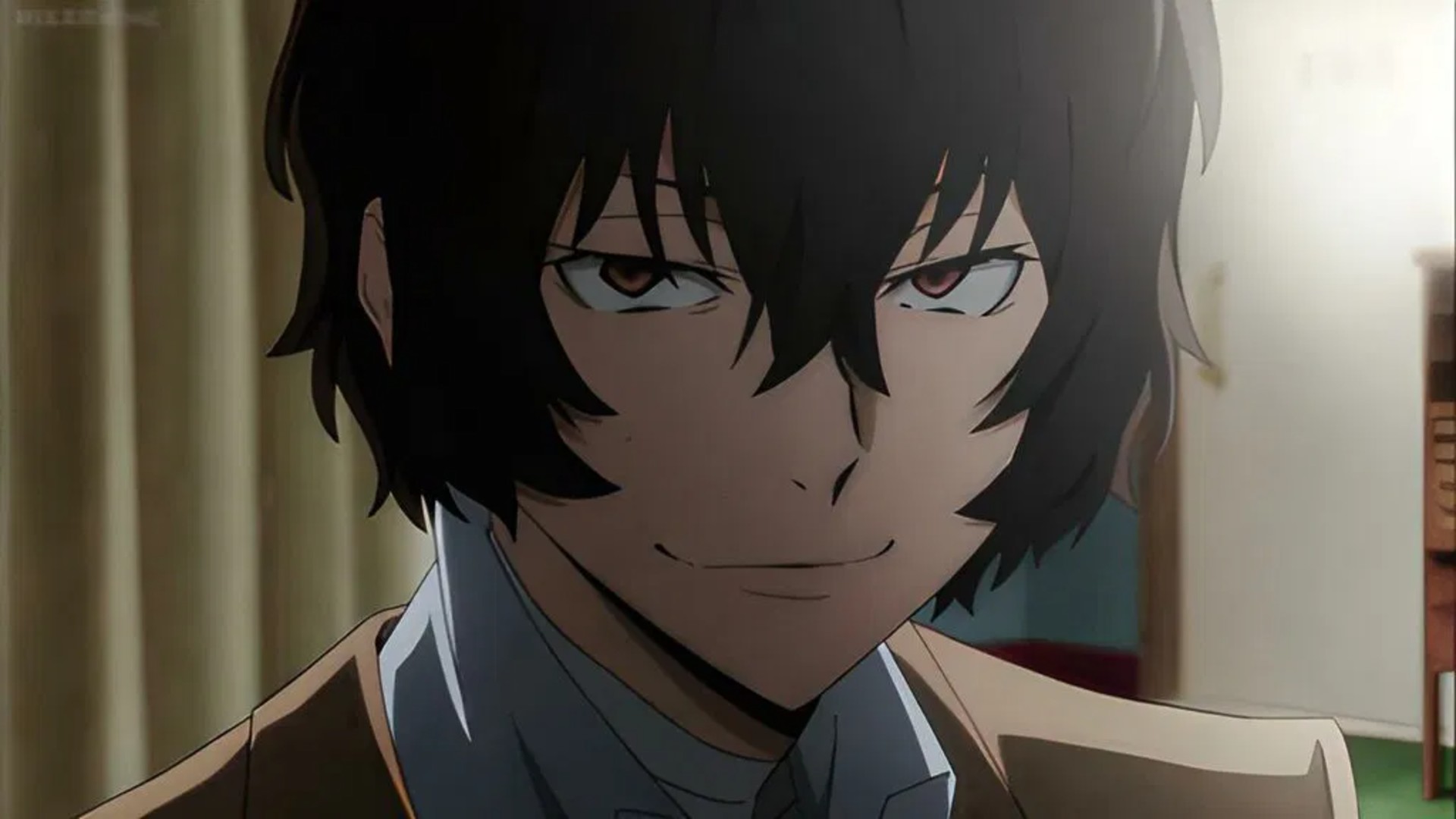
5: Osamu Dazai (Bungou Stray Dogs)
In Bungou Stray Dogs, Atsushi may headline the narrative, but Dazai dictates its rhythm. Every time he appears, the tone sharpens. His flippant suicide jokes mask razor-intellect strategy, and fans obsess over the contrast between his Mafia past and Agency present. He operates like a chess master three moves ahead, yet his emptiness lingers beneath the humor. The Dark Era arc deepened him from eccentric mentor to haunted survivor, revealing the cost of his detachment. Viewers don’t just watch Dazai—they analyze him, theorize about him, and quote him. He embodies unpredictability without chaos and control without cruelty. In ensemble scenes, eyes drift toward him instinctively. That gravitational pull is rare. Dazai doesn’t need to dominate screen time to dominate attention.
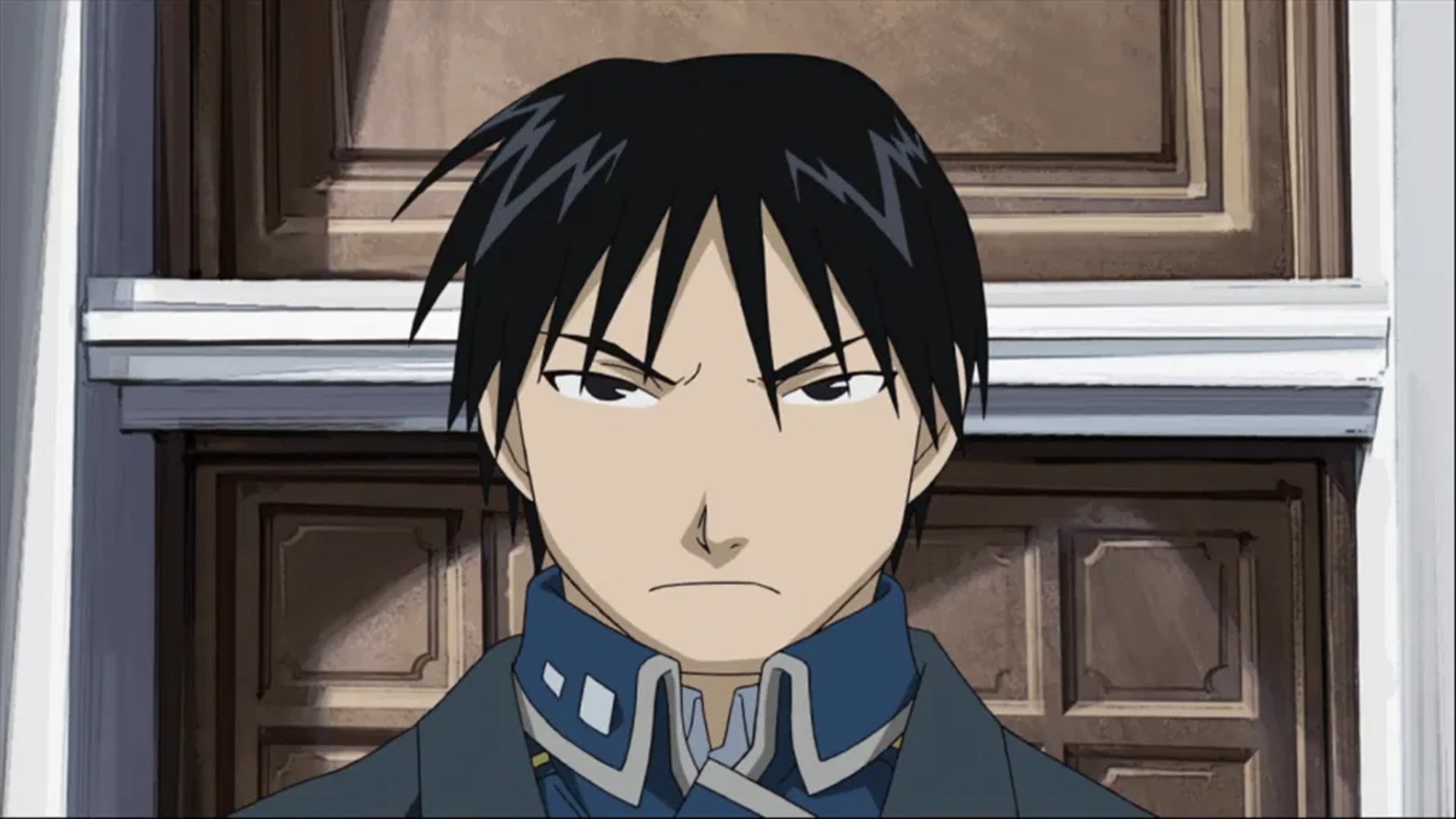
4: Roy Mustang (Fullmetal Alchemist)
In Fullmetal Alchemist: Brotherhood, Edward’s quest is intimate, but Mustang’s ambition reshapes a nation. Fans connect to him because he operates within systems, not just against villains. His goal to become Führer isn’t ego—it’s reform. The Ishvalan War guilt shadows him, and when he confronts Envy, the rage feels earned and terrifying. “It’s a terrible day for rain” wasn’t just a meme—it crystallized suppressed grief and loyalty in one restrained exchange. Mustang balances charisma, intelligence, and moral struggle in a way that elevates the narrative from adventure to political drama. He isn’t merely a powerful alchemist; he’s a man trying to dismantle corruption from within. That scale of consequence makes him feel larger than the protagonist at times.
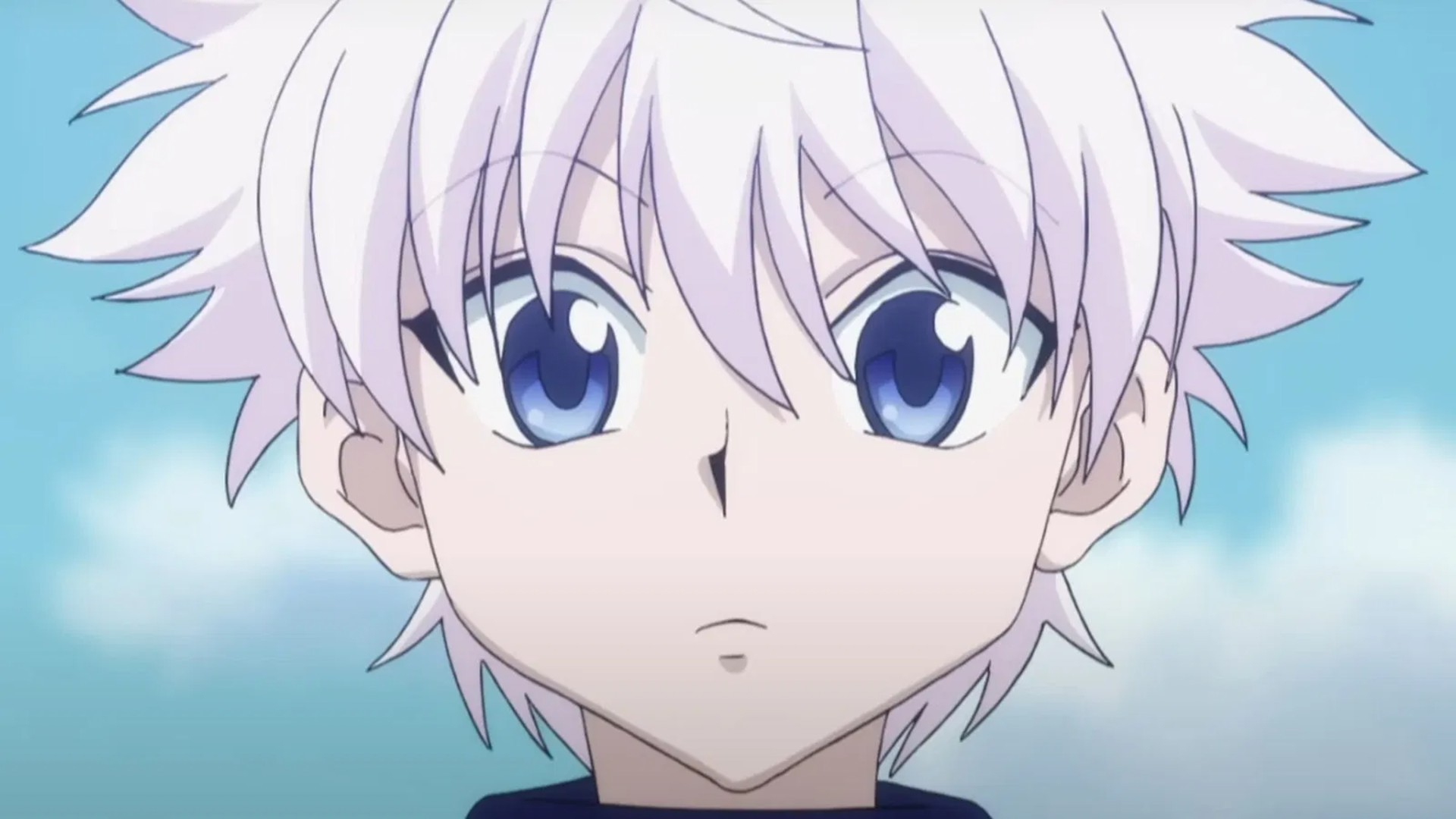
3: Killua Zoldyck (Hunter x Hunter)
In Hunter x Hunter, Gon charges forward with pure ambition, but Killua evolves in quiet, devastating layers. Raised as an assassin, conditioned to kill without hesitation, he slowly learns what friendship actually means. Fans connected to the subtlety of his trauma—the hesitation in his eyes, the instinct to flee when emotions overwhelm him. The Chimera Ant arc exposed his internal battle between loyalty and fear, especially in his dynamic with Alluka. Watching Killua choose compassion over programming felt revolutionary in a genre that often glorifies violence. By the time Gon spirals, many viewers are emotionally anchored to Killua instead. His journey isn’t about becoming stronger—it’s about becoming free. That psychological liberation resonates deeper than any power-up ever could.
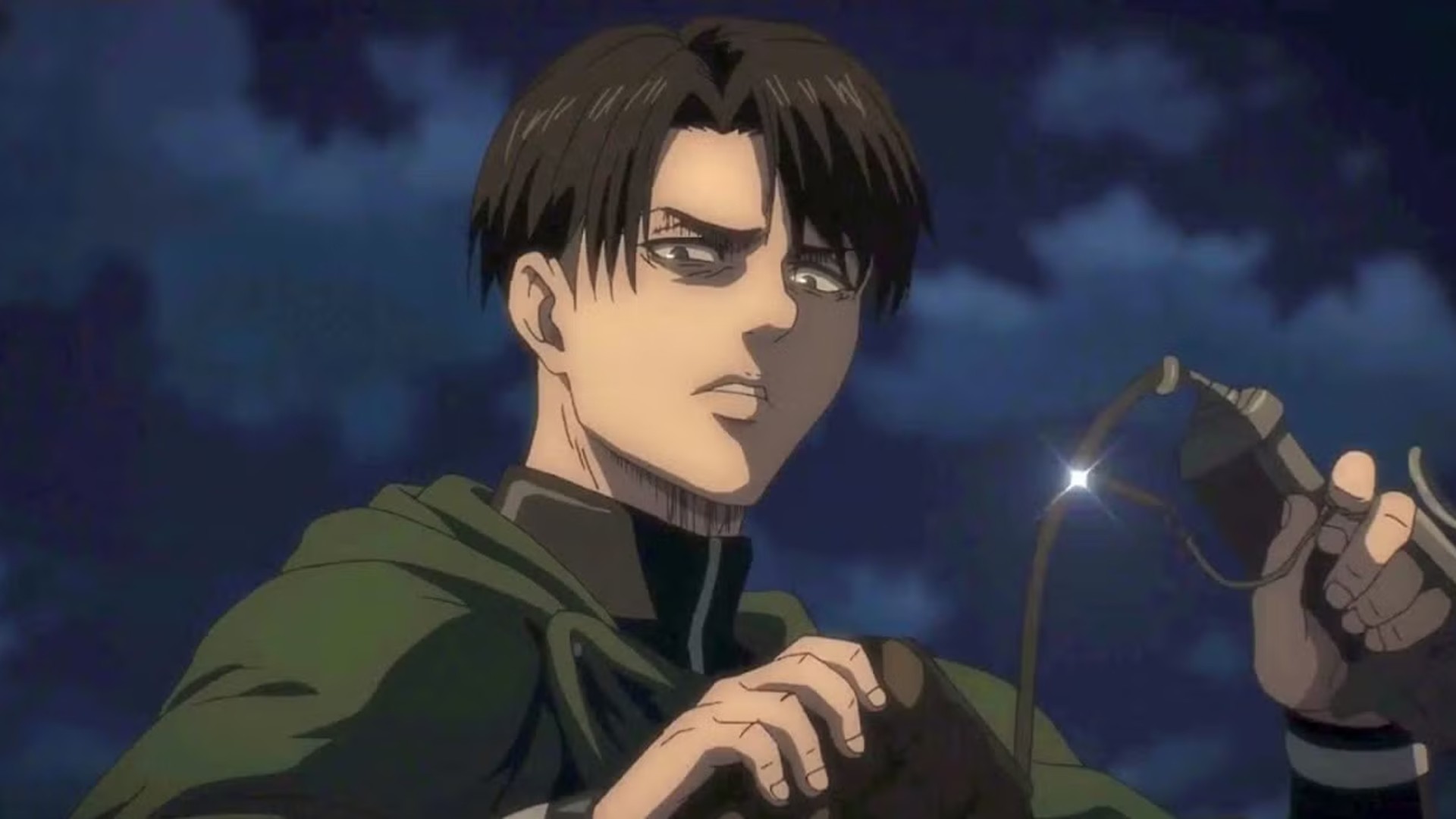
2: Levi Ackerman (Attack on Titan)
In Attack on Titan, Eren delivers ideology; Levi delivers results. Fans rallied behind him not just for his combat dominance but for his restraint. Every movement in battle is precise, almost clinical, yet his quiet loyalty to his squad reveals buried tenderness. Popularity polls weren’t accidents—Levi embodied competence in a world collapsing under moral ambiguity. When others broke under pressure, he tightened his grip. His backstory in the Underground added grit without melodrama, reinforcing why he values discipline and cleanliness as control mechanisms. Even as the narrative spiraled into existential warfare, Levi remained grounded in tangible duty. That consistency made him stable. In a story about chaos and shifting truths, Levi felt solid—something viewers could rely on.
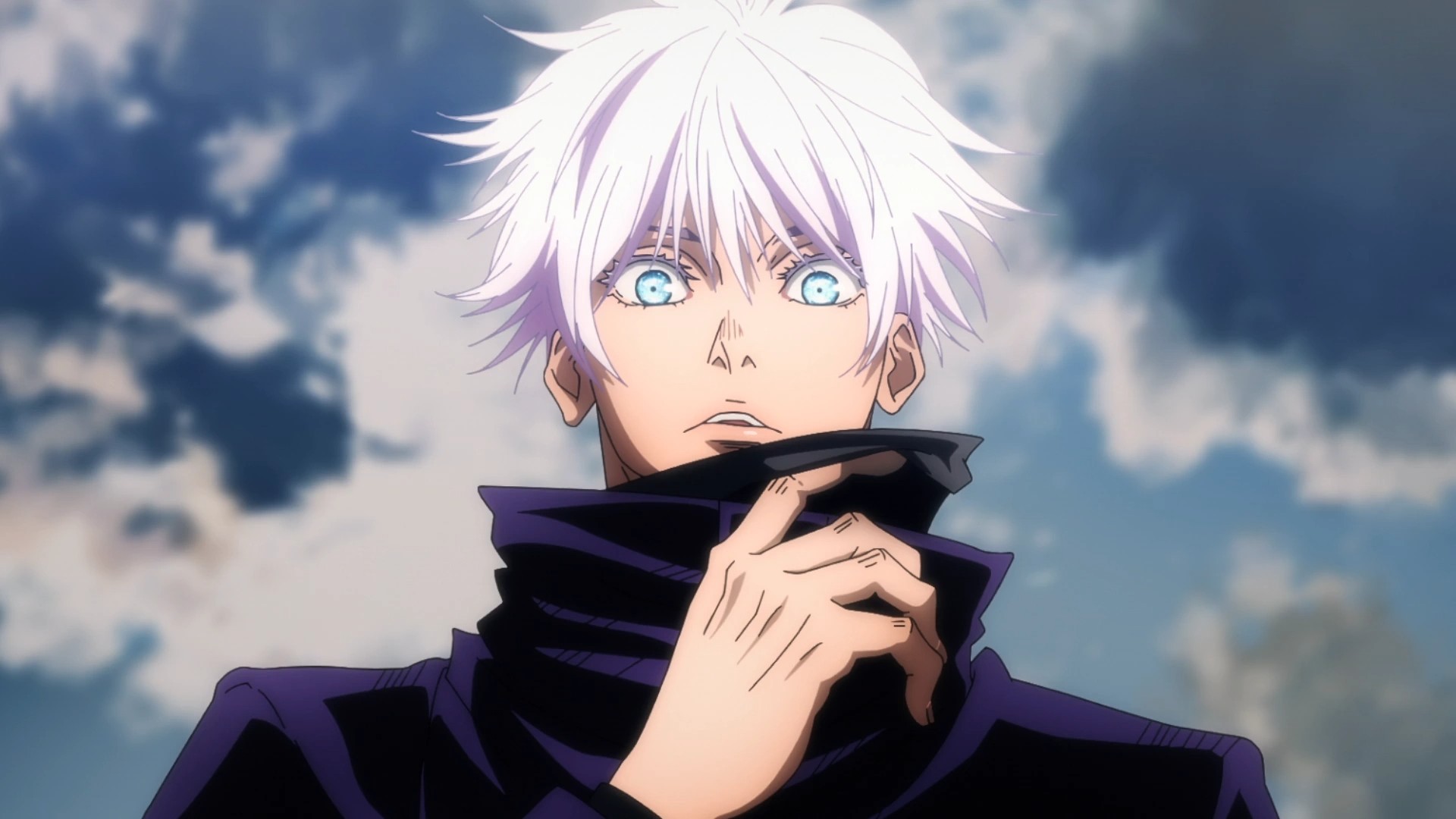
1: Satoru Gojo (Jujutsu Kaisen)
In Jujutsu Kaisen, Yuji carries the curse, but Gojo carries the cultural impact. From the blindfold reveal to domain expansions that bend reality, he redefined what “overpowered” could look like—stylish, playful, untouchable. Fans didn’t just admire his strength; they adored his confidence. He mentors with teasing ease, yet beneath that swagger lies calculated awareness of the system’s rot. His sealing wasn’t just a plot twist—it was proof that the narrative had to sideline him for the stakes to breathe. Memes, fan art, global popularity polls—Gojo dominates all of it. When your teacher outshines the entire battlefield by existing, you’re not secondary. You’re the axis. Gojo isn’t just a fan favorite; he’s an event every time he steps on screen.