10 Anime Deaths That Shattered Me
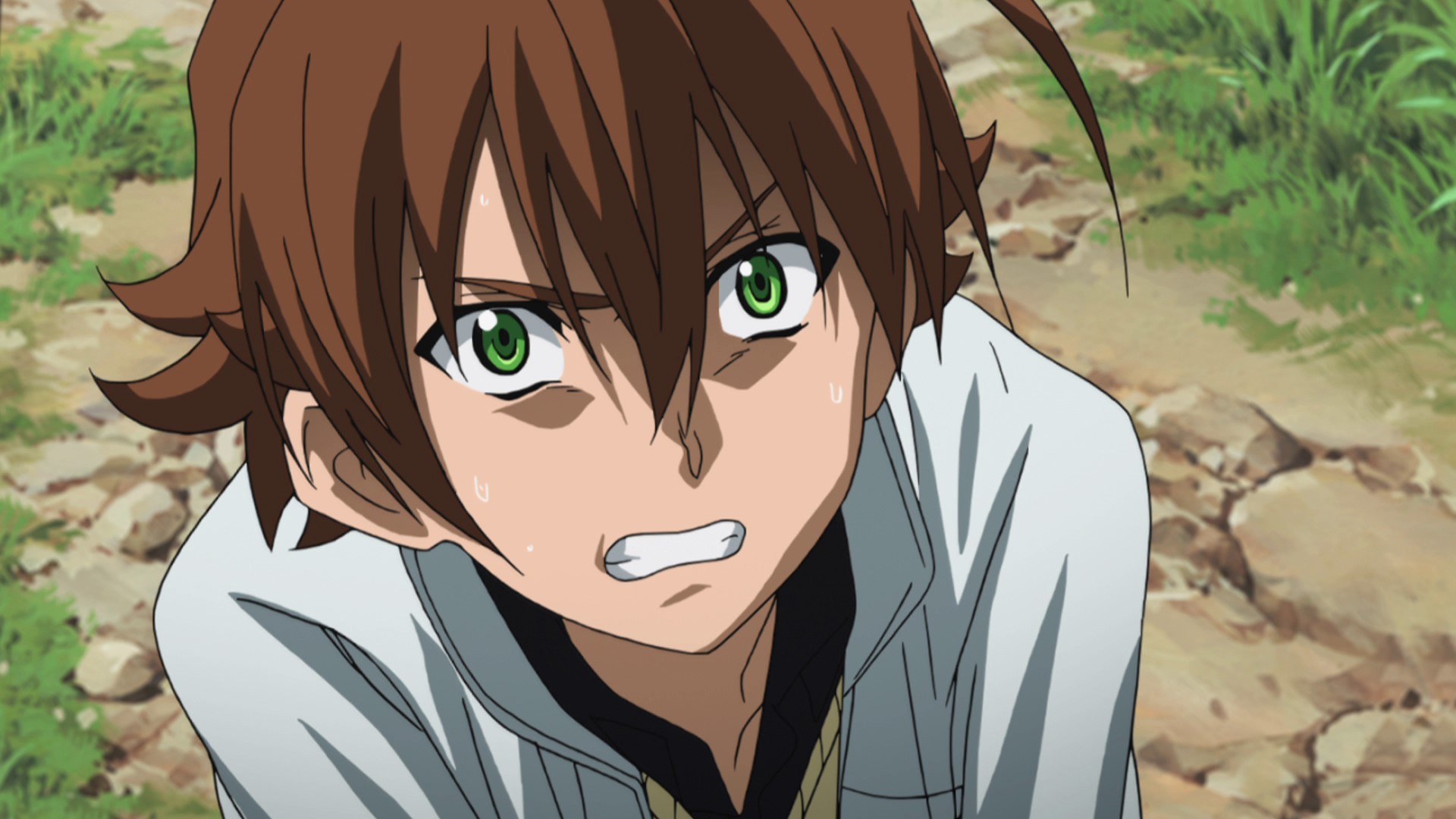
10. Tatsumi (Akame ga Kill!)
In a series known for its high body count, the death of the main protagonist, Tatsumi, remains its most controversial and heartbreaking moment. During the final battle against the Emperor’s ultimate Imperial Arm, Tatsumi pushed his Incursio armor beyond its limits to stop the massive machine from crushing innocent civilians. Unlike the manga—where he survives in a transformed state—the anime sees him succumb to his internal injuries, dying in Akame’s arms just after the victory was secured. This ending hammered home the grim reality of the Night Raid's mission: that they were "cleaners" who would not live to see the new world they fought so hard to build.
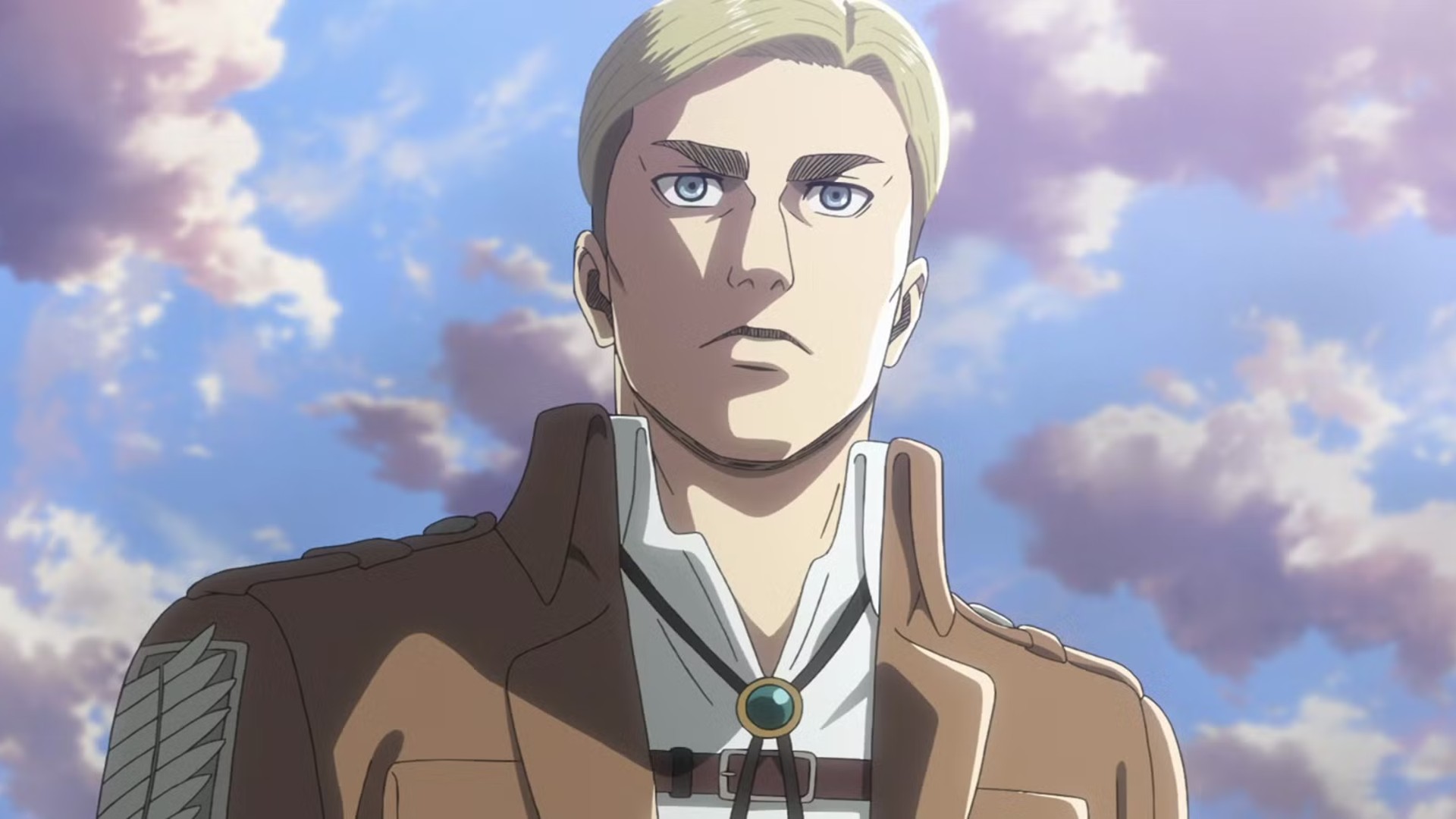
9. Erwin Smith (Attack on Titan)
Commander Erwin Smith’s death was a monumental sacrifice that decided the future of humanity within the walls. Faced with the Beast Titan’s lethal boulder barrage, Erwin chose to abandon his lifelong dream of reaching the basement to lead his recruits in a suicidal distraction charge. His final speech about the meaning of life in the face of certain death is legendary, as he rode first into the carnage and was struck down. The subsequent "serum choice" between saving the veteran commander or the brilliant Armin was a grueling moral dilemma for the characters and the fans alike. Erwin's death represented the end of an era of cold, calculated leadership, making way for a new, more uncertain world.
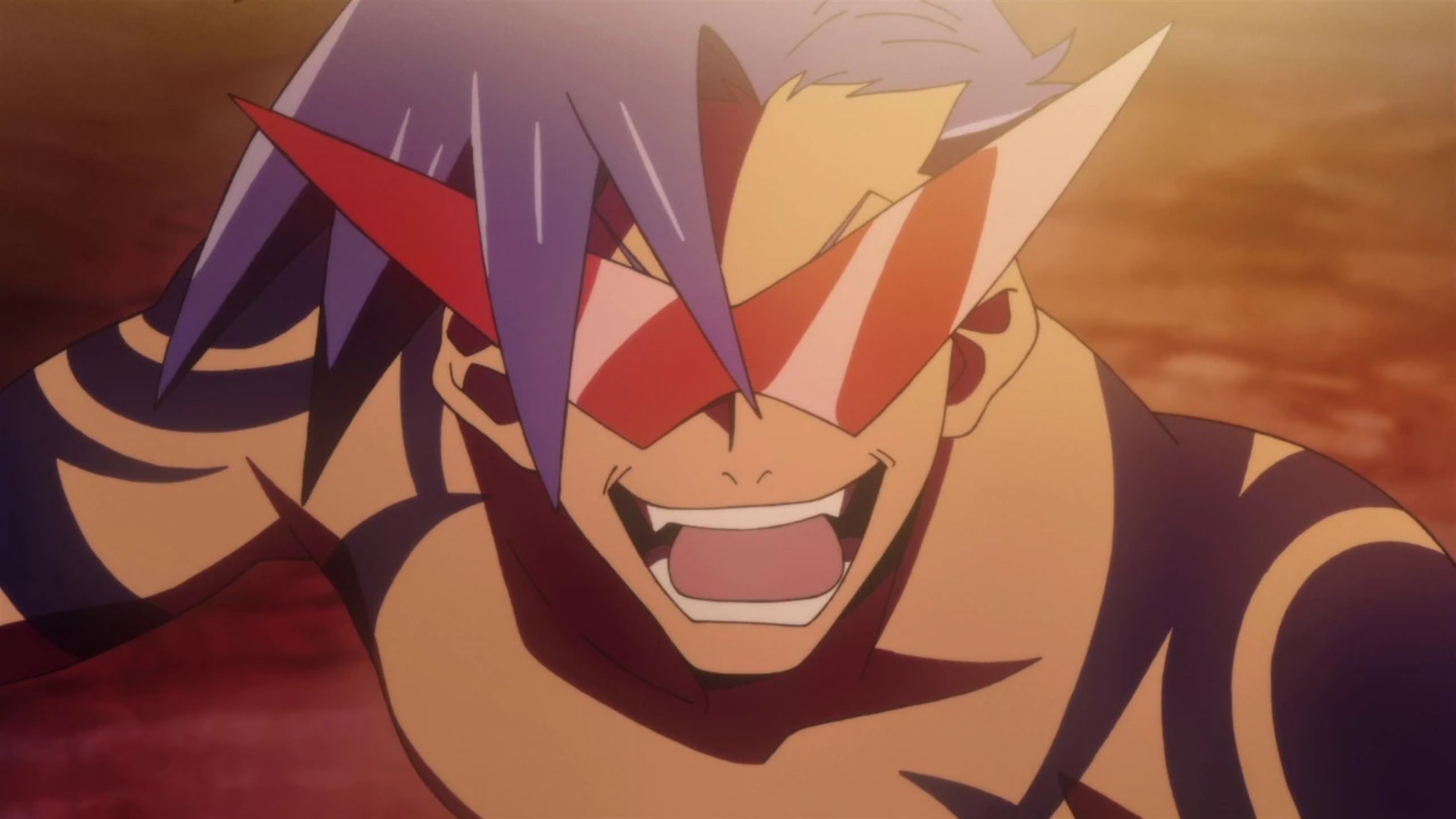
8. Kamina (Gurren Lagann)
Kamina's death is one of the most famous mid-series shocks in anime history. As the charismatic, larger-than-life leader who inspired everyone to "pierce the heavens," his death in Episode 8 felt impossible to many first-time viewers. After sustaining fatal injuries during the capture of the Dai-Gunzan, Kamina exerted one final burst of Spiral Power to finish the fight, delivering his iconic "Believe in the me that believes in you" speech to Simon before passing away in his cockpit. His departure forced Simon to step out of Kamina's shadow and find his own strength, proving that while Kamina was the spark, Simon was the drill that would truly change the universe.
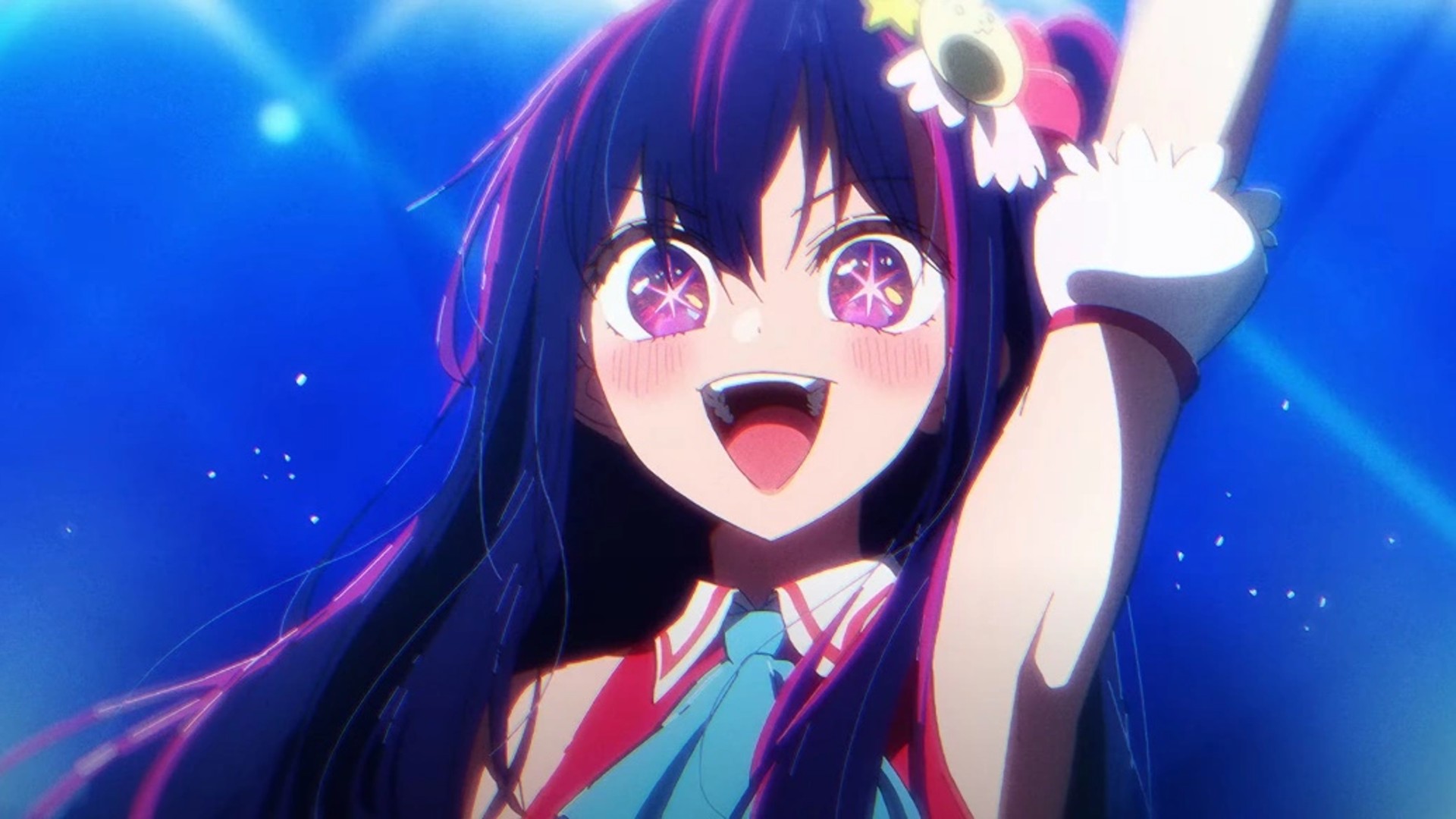
7. Ai Hoshino (Oshi no Ko)
The murder of Ai Hoshino is the definitive "prologue" tragedy that sets the entire revenge plot of the series in motion. As a 20-year-old idol at the peak of her fame, Ai was stabbed at her front door by an obsessed fan while her two young children watched from behind a door. The scene is masterfully directed to contrast the glittering, fake world of idols with the raw, bloody reality of her death. Her final realization—that she truly, honestly loved her children—was the first time she felt she wasn't "lying," making her death an act of tragic self-discovery. This moment fundamentally traumatized her son, Aqua, turning a bright story about show business into a dark, psychological thriller centered on the hunt for her killer.
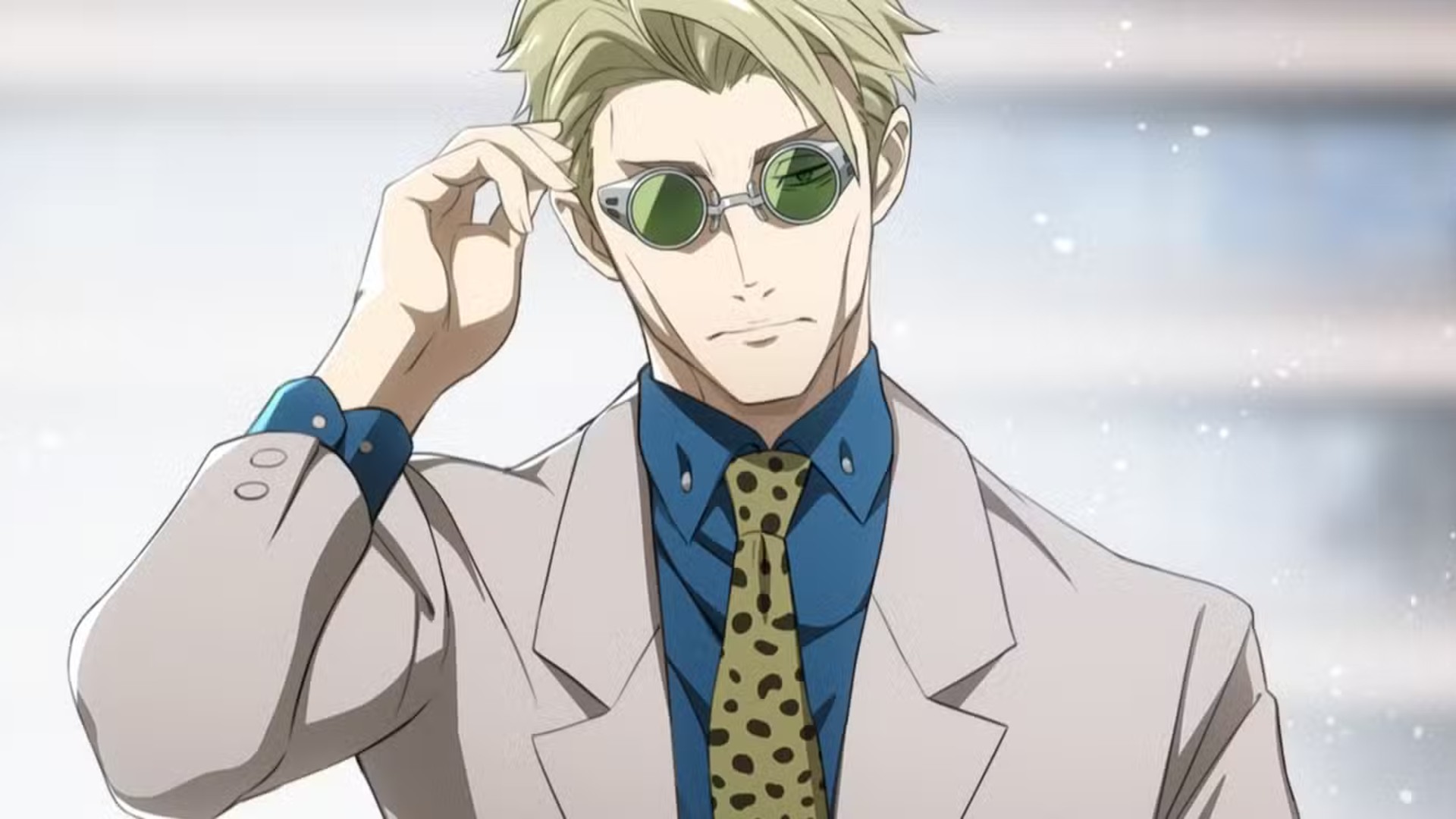
6. Kento Nanami (Jujutsu Kaisen)
Nanami was the "adult" of the jujutsu world—a pragmatic, weary man who hated overtime but loved protecting the youth. His death during the Shibuya Incident was an excruciating slow-burn tragedy; after being half-burnt by Jogo and fighting through a horde of transfigured humans by pure muscle memory, a dying Nanami was confronted by Mahito. In his final moments, he hallucinated a peaceful life on a beach in Malaysia, only to snap back to reality when he saw Yuji watching him. By telling Yuji, "You take it from here," he passed on a final "curse" of responsibility that would haunt the young protagonist. His brutal execution by Mahito’s Idle Transfiguration remains a visceral blow that reinforced the series' theme that sorcerers rarely die without regret.
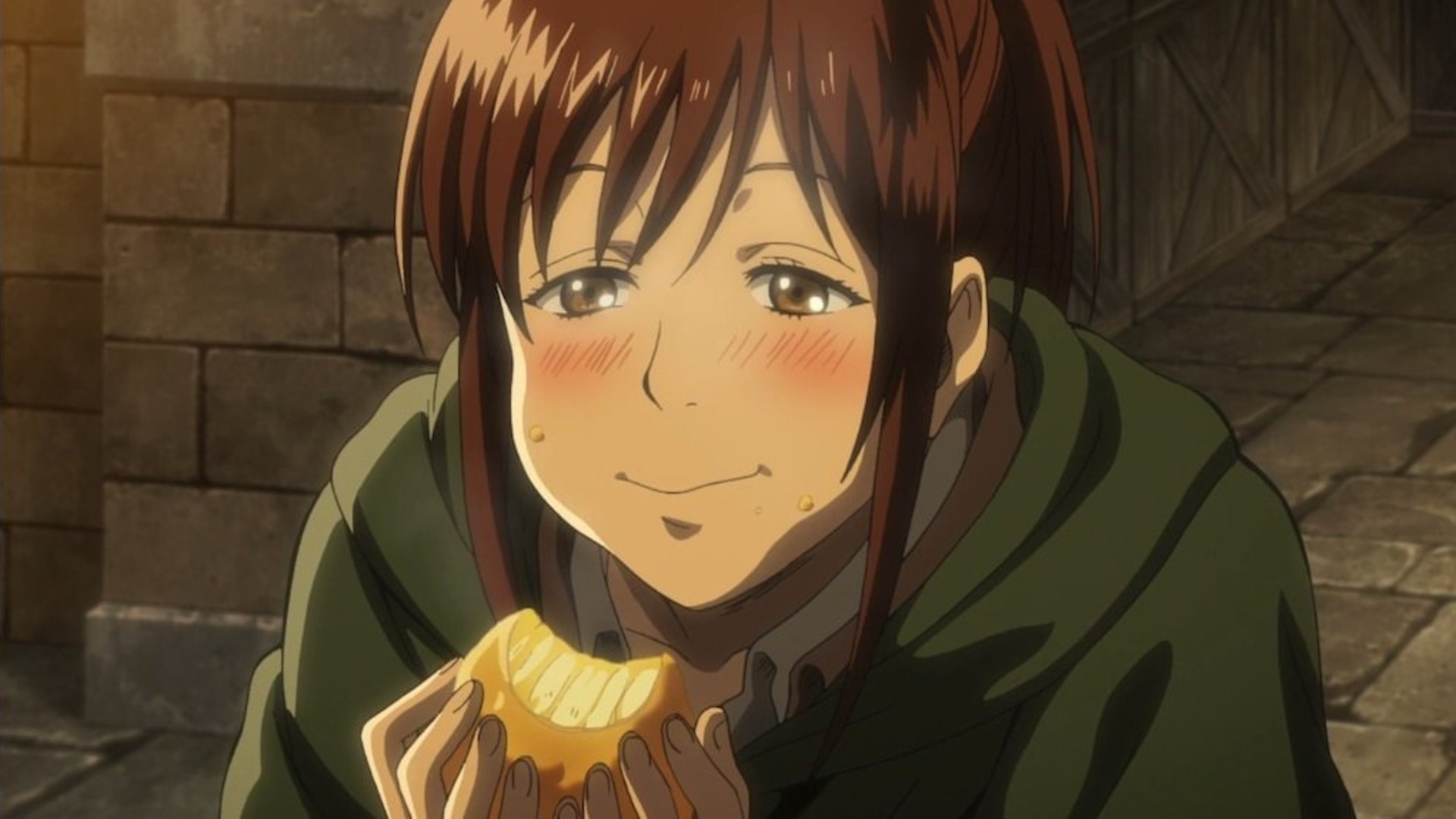
5. Sasha Braus (Attack on Titan)
Sasha's death was a cold, abrupt reminder of the cycle of hatred that defines Attack on Titan. After the Survey Corps’ "victory" in Marley, the mood of celebration on the retreat airship was instantly silenced when Gabi, a brainwashed child soldier, sniped Sasha through the chest. The "Potato Girl" died with the word "meat" on her lips—a characteristic obsession that made her final moment feel both grounded and incredibly tragic. Her passing served as the catalyst for the fracture between Eren and his friends, as it was the first time his reckless plans cost the life of one of their core "104th Cadet Corps" family. It stripped the show of its last remaining bit of comic relief, plunging the story into its darkest final act.
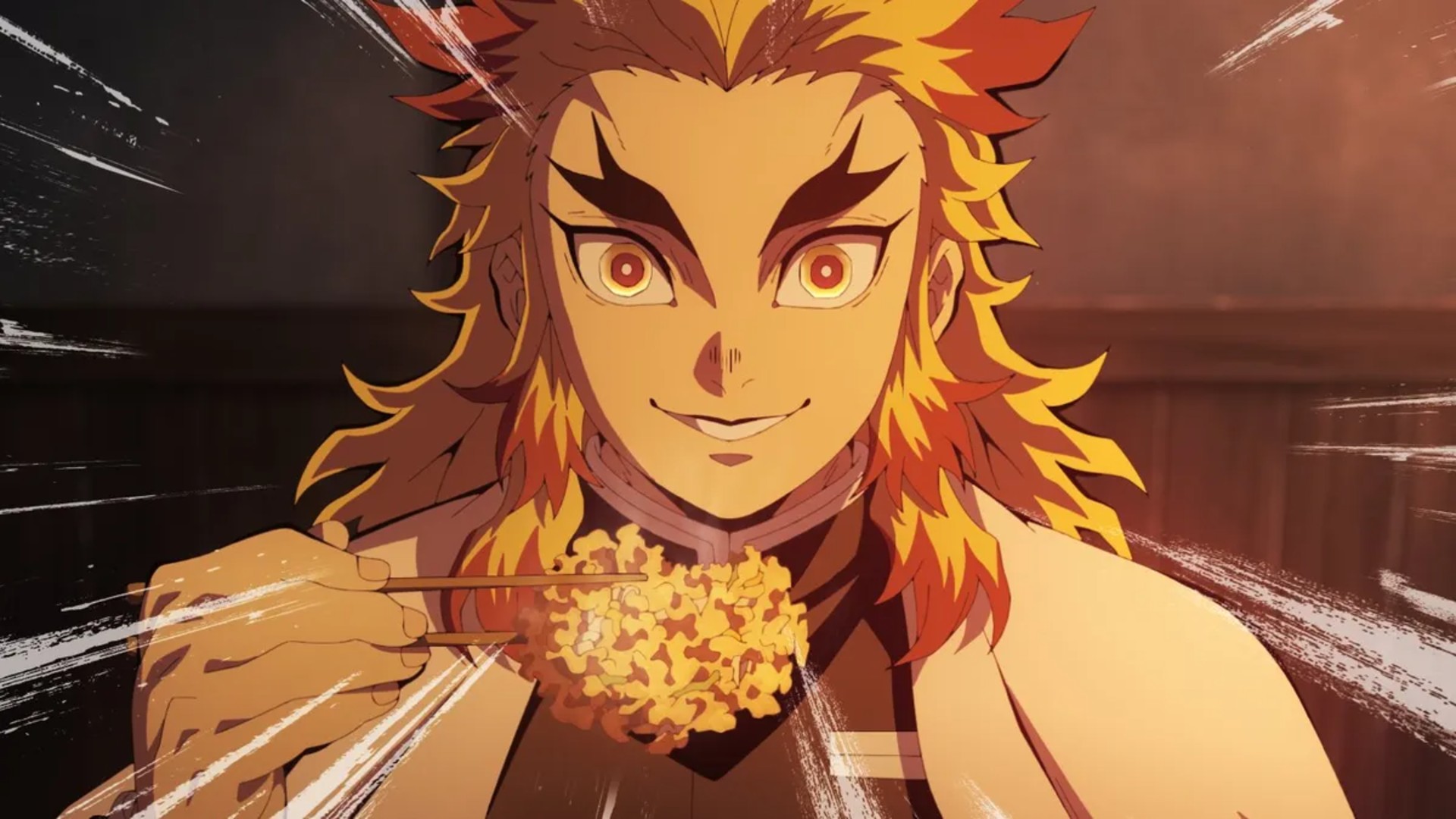
4. Kyojuro Rengoku (Demon Slayer: Mugen Train)
The Flame Hashira’s death was a shocking subversion of the "mentor" trope, occurring at the very height of his perceived power. After successfully protecting all 200 passengers on the Mugen Train, Rengoku was forced into a sudden, brutal duel with the Upper Moon Three demon, Akaza. Despite having his ribs crushed and losing an eye, Kyojuro refused to become a demon, choosing to "set his heart ablaze" and fight until the sun rose. He died standing up, leaving Tanjiro with words of encouragement that would define the boy's resolve for the rest of the series. His death proved that in the world of Demon Slayer, even the brightest lights can be extinguished, but their heat can inspire the next generation to carry on.
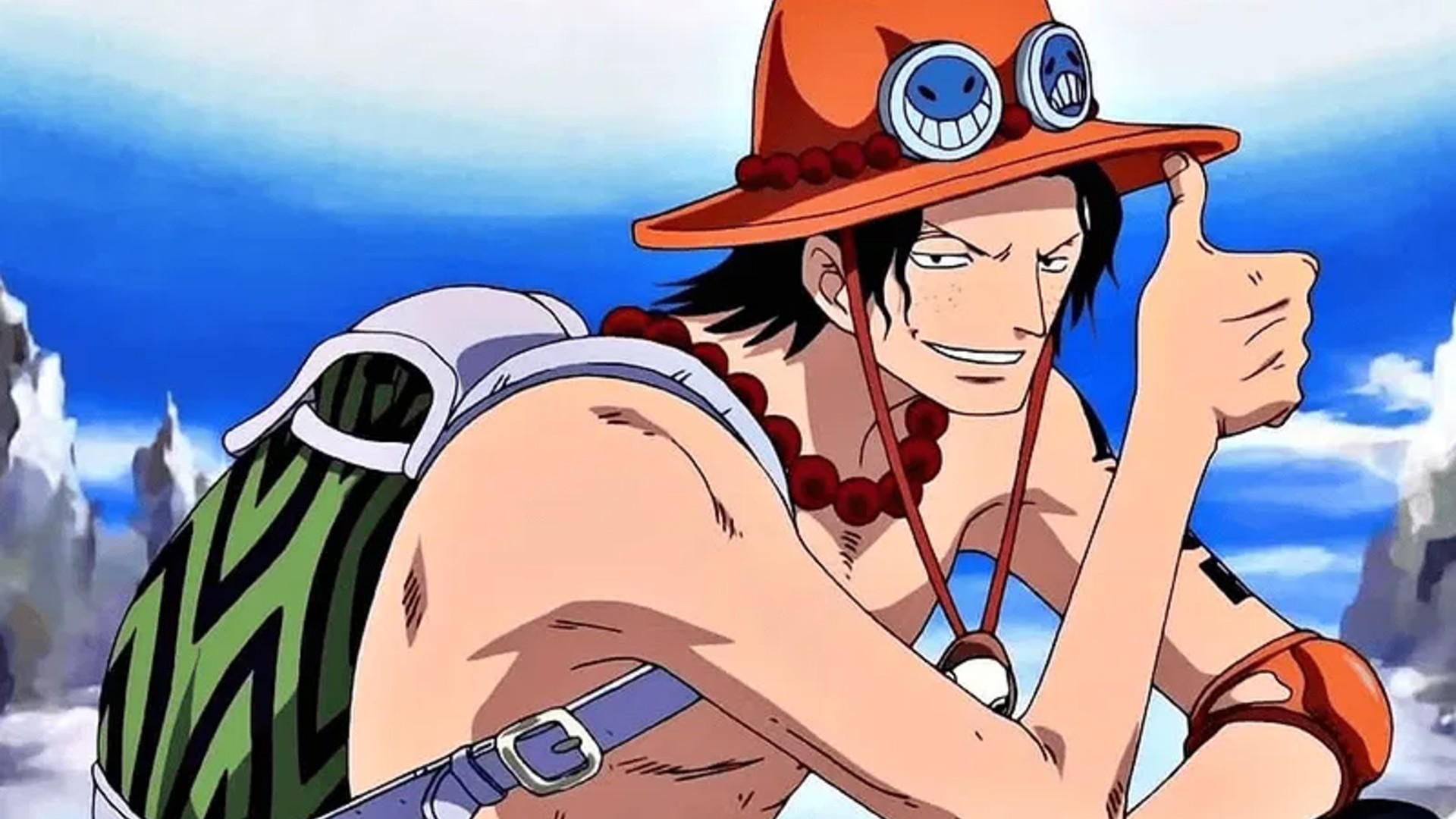
3. Portgas D. Ace (One Piece)
Ace’s death is the most significant turning point in the One Piece timeline, occurring at the climax of the massive Paramount War at Marineford. After an entire saga dedicated to his rescue, the relief of his liberation was short-lived when he shielded Luffy from Admiral Akainu’s magma fist, suffering a fatal wound to his torso. Ace died in Luffy's arms, using his final breaths to thank his crew and his brother for loving a man with "cursed blood" like his. The sight of Luffy’s subsequent mental breakdown shattered fans who had viewed the series as a fun, adventurous romp, signaling that the New World would be a place where even the most beloved characters could be lost forever.
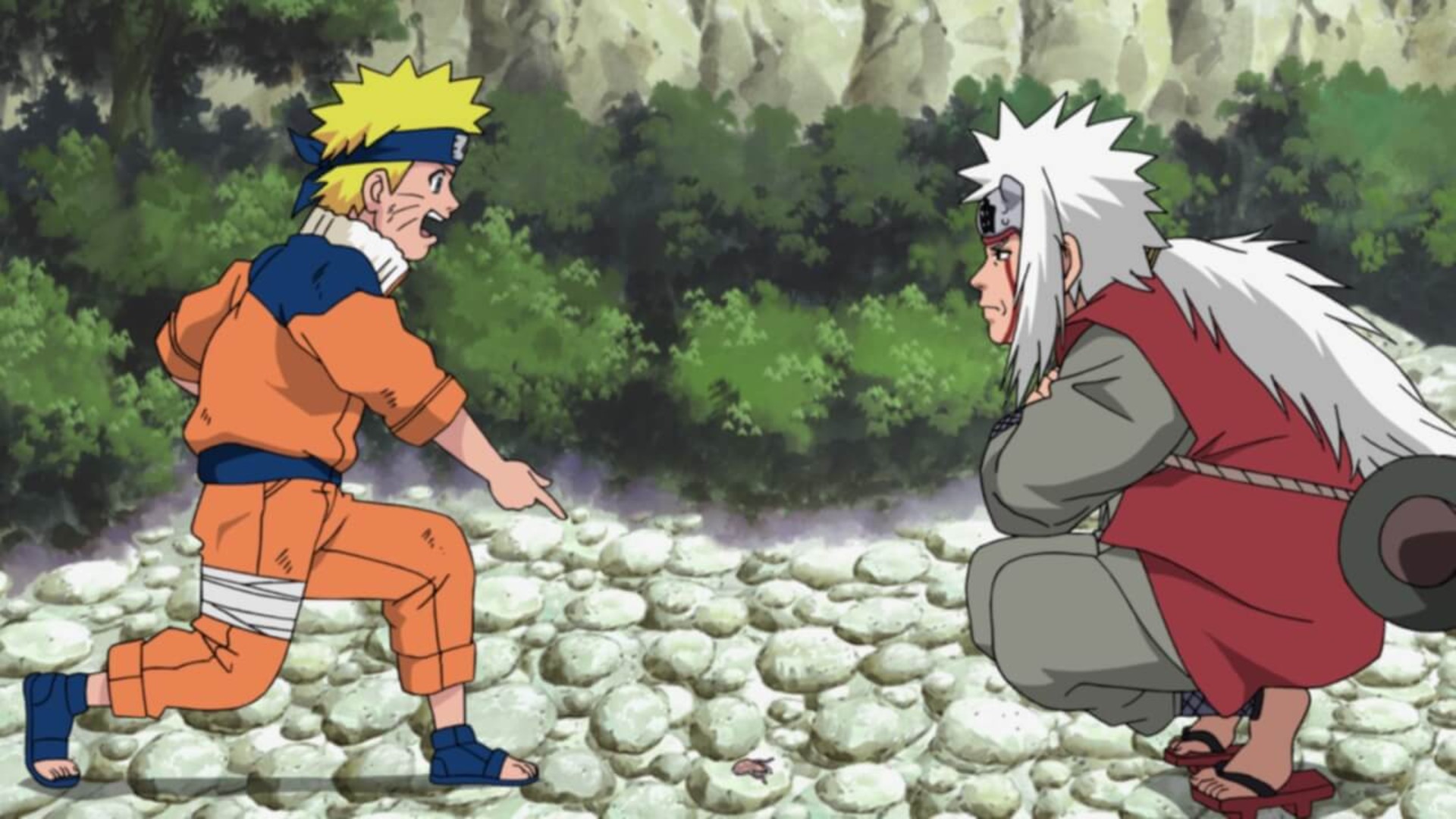
2. Jiraiya (Naruto Shippuden)
The death of the "Pervy Sage" marked the definitive end of Naruto’s childhood. During his solo infiltration of the Hidden Rain Village, Jiraiya faced his former student, Nagato (operating as Pain), in a battle that pushed the Sannin to his absolute limit. Even after losing an arm and having his throat crushed, Jiraiya’s sheer willpower allowed him to return from the brink of death one last time to etch a coded message onto the back of Fukasaku. His final thoughts weren't of his own pain, but of the realization that Naruto was the true "Child of Prophecy." As he sank into the dark depths of the water with a peaceful smile, the torch was officially passed, forcing Naruto to evolve from a mischievous boy into a leader capable of carrying the burden of peace.
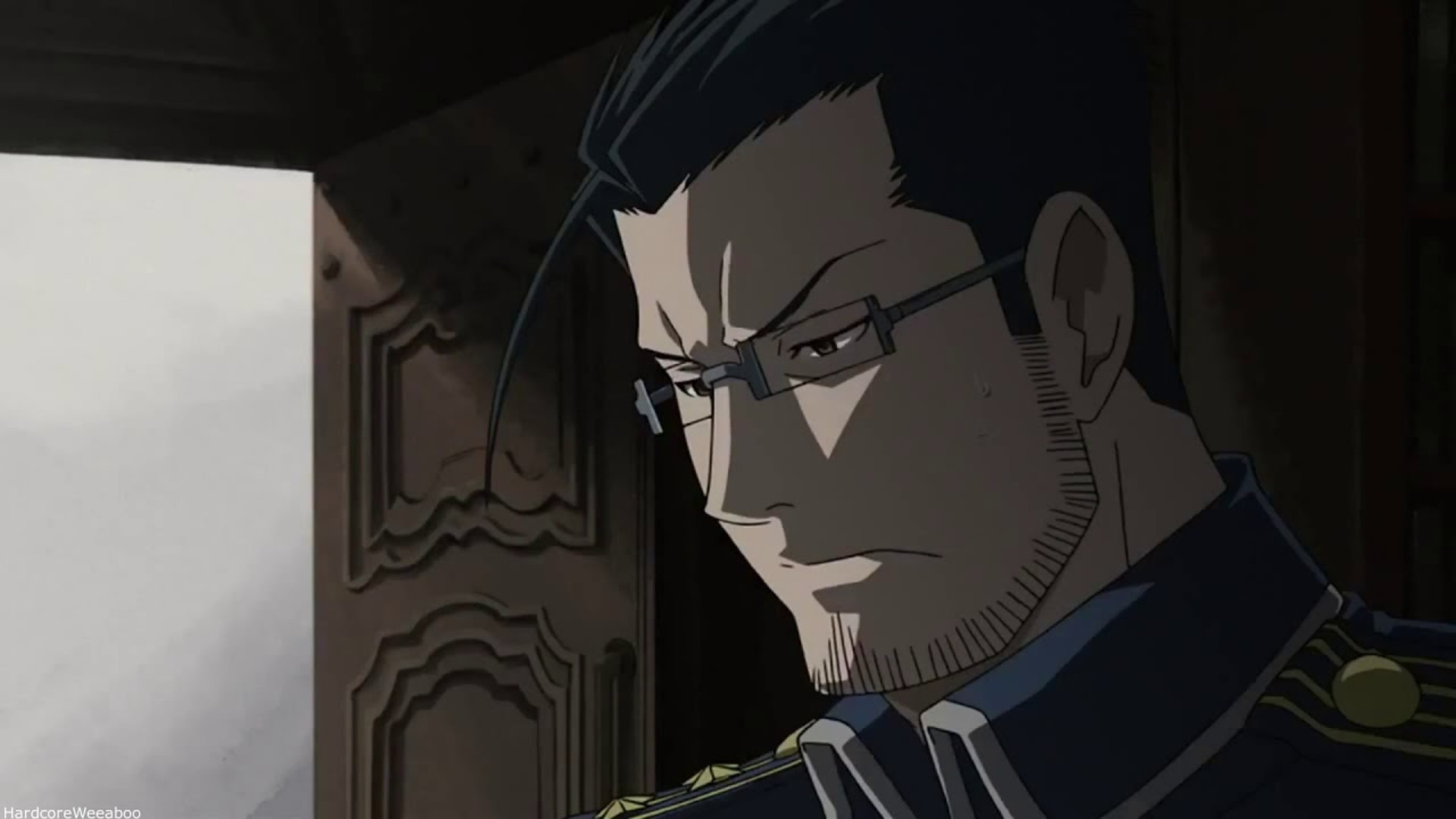
1. Maes Hughes (Fullmetal Alchemist: Brotherhood)
Maes Hughes was the emotional anchor of the series, a doting father and loyal friend who provided a rare sense of normalcy in a world of alchemical horrors. His death is uniquely cruel because he was murdered by Envy—who transformed into Hughes' own wife to hesitate him—just as he discovered the truth about the nationwide transmutation circle. The tragedy of his passing is cemented not by the act itself, but by the funeral scene that followed; the sight of his young daughter, Elicia, innocently asking why the soldiers were burying her father so he couldn't "go to work" remains one of the most soul-crushing moments in anime history. It transformed the Elric brothers' quest from a personal journey into a high-stakes battle against a systemic, murderous conspiracy.