10 Anime Characters Who Would Be Cancelled Immediately in the Real World
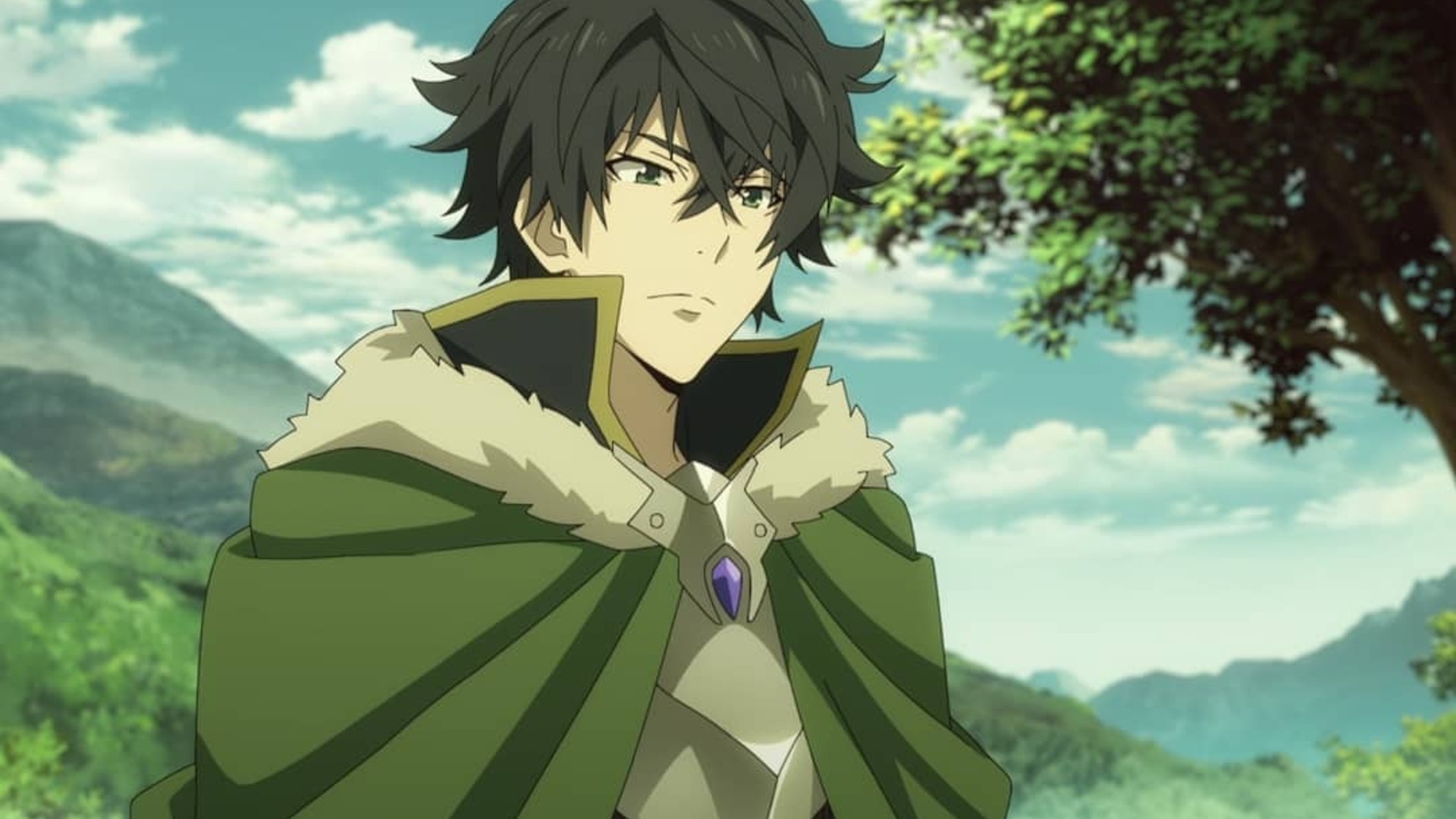
10. Naofumi Iwatani (The Rising of the Shield Hero)
Naofumi’s "cancellation" usually stems from a single, foundational decision: purchasing a demi-human slave, Raphtalia. While the narrative frames this as a desperate move by a man betrayed by a kingdom, and he eventually treats her as an equal, the act of engaging in human trafficking is a non-starter in real-world ethics. No matter how much "redemption" he achieves later, the fact that he used a slave to fight his battles would remain a permanent stain on his reputation that no amount of public relations could ever scrub away.
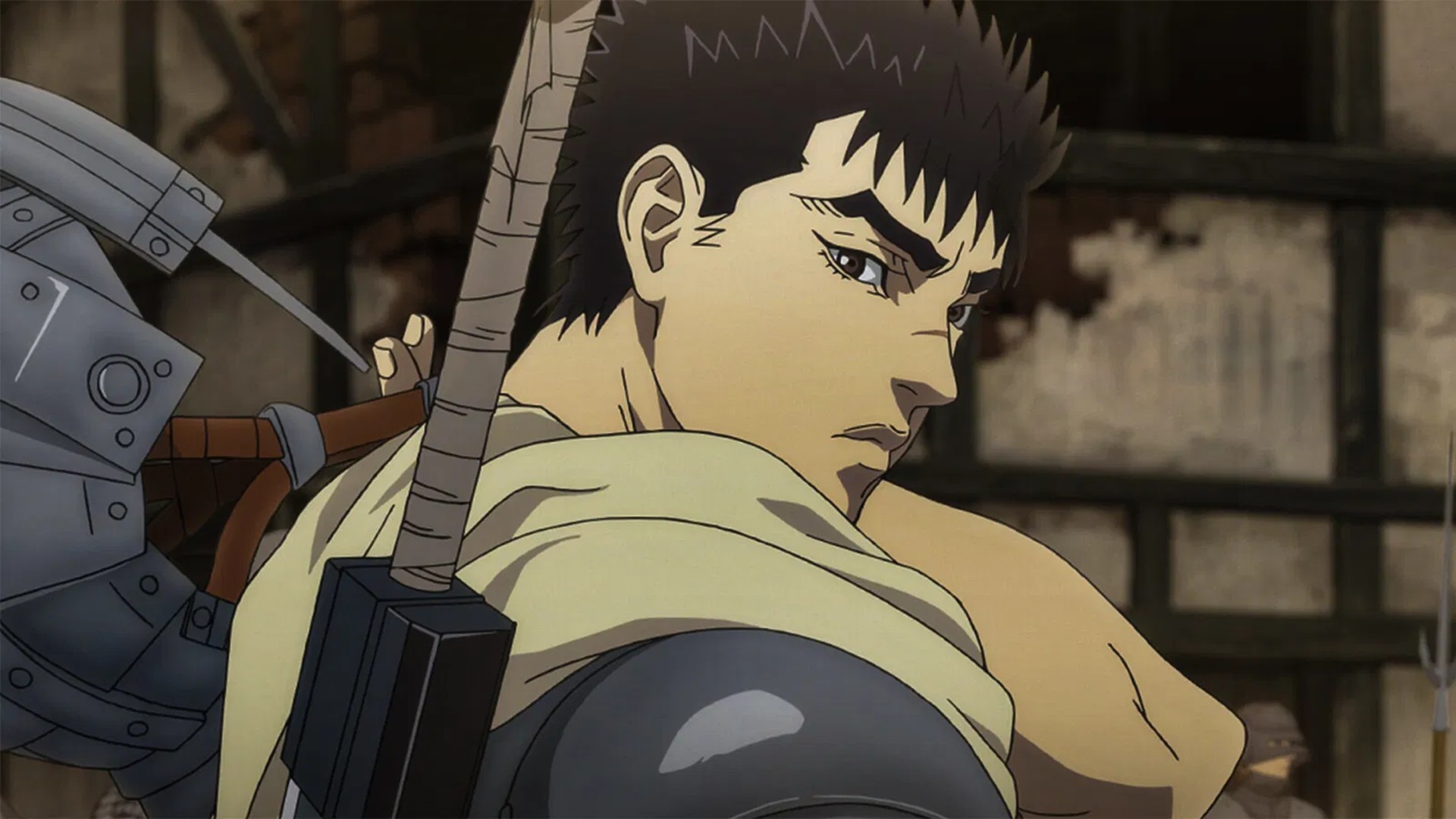
9. Guts (Berserk)
Guts is a tragic figure, but his early actions—particularly the "Black Swordsman" era—show a man who has lost his humanity to vengeance. His brutal, scorched-earth tactics often lead to the collateral deaths of innocents (such as the count's daughter or the children in the Misty Valley). While driven by extreme trauma, his violent nature and lack of regard for civil law would make him a "public menace" and a high-priority target for law enforcement. In a world of social media, his grim methods would be denounced as "monstrous" rather than heroic.
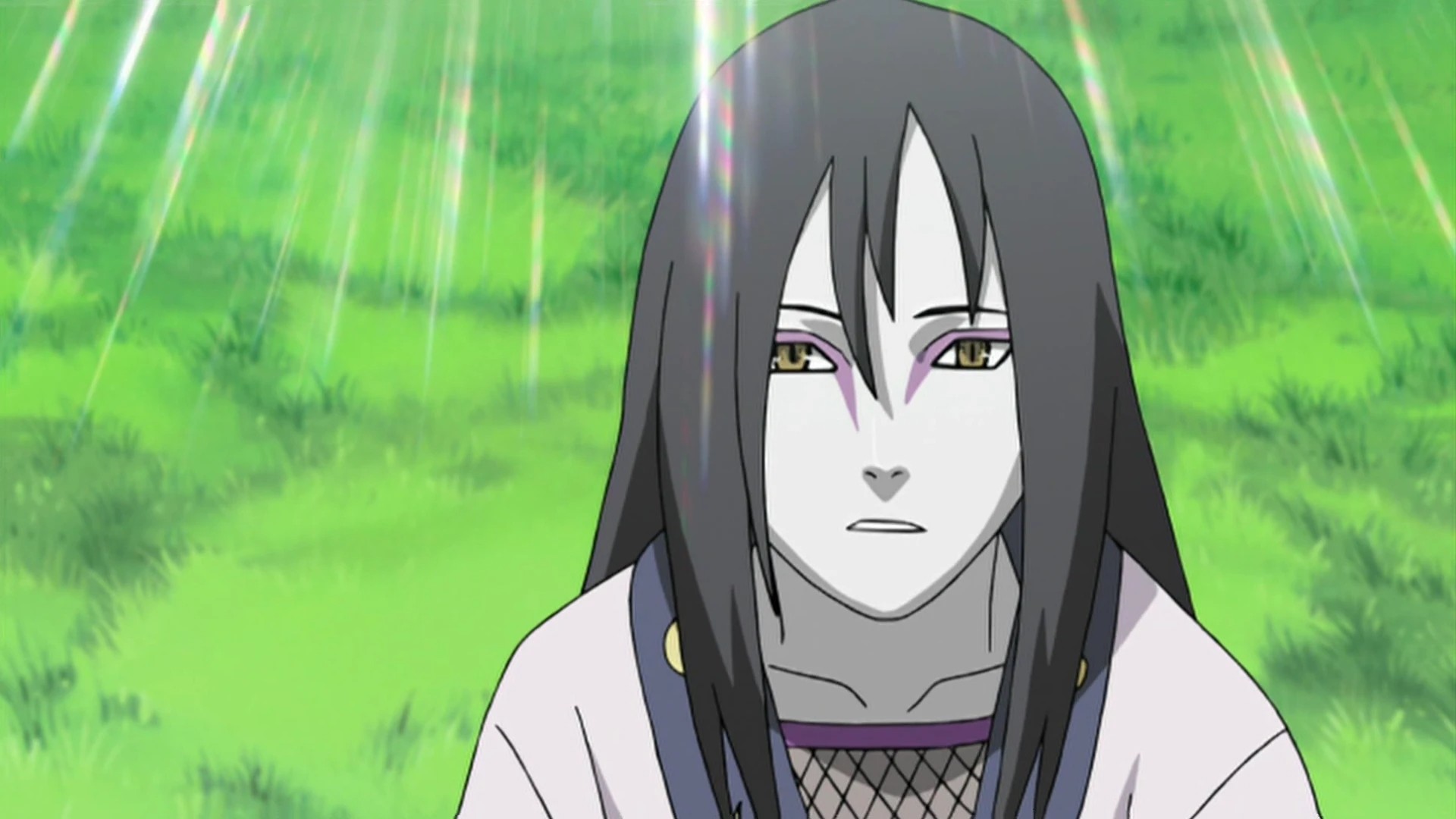
8. Orochimaru (Naruto)
A brilliant but amoral "mad scientist," Orochimaru’s list of crimes is extensive: he kidnapped 60 infants for DNA experimentation (killing 59 of them), performed human sacrifices to achieve immortality, and groomed children like Kimimaro and Sasuke to use as "vessels" for his soul. While the Hidden Leaf village eventually allows him a form of supervised freedom for his scientific contributions, any real-world court would sentence him to multiple life terms without the possibility of parole for crimes against humanity and child exploitation.
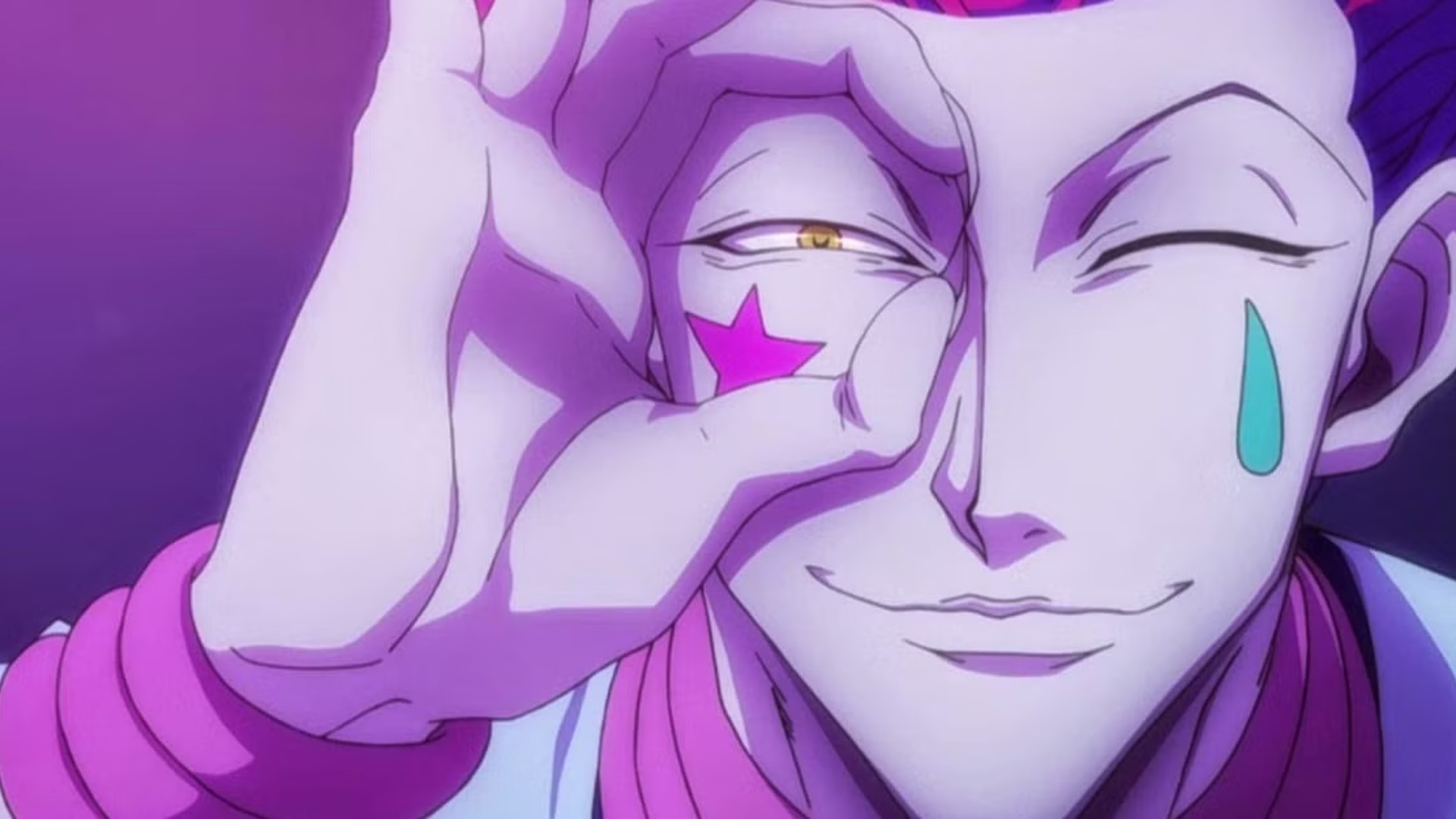
7. Hisoka Morow (Hunter x Hunter)
Hisoka is perhaps the most "disturbing" character on this list due to the nature of his sadism. He is a predatory individual whose primary motivation is finding strong opponents to kill, but his specific obsession with the "potential" of children like Gon and Killua is framed with highly uncomfortable overtones. His "lust for battle" frequently manifests in ways that are coded as predatory, which would result in immediate police intervention and a lifetime ban from any professional hunter organization in a real-world scenario.
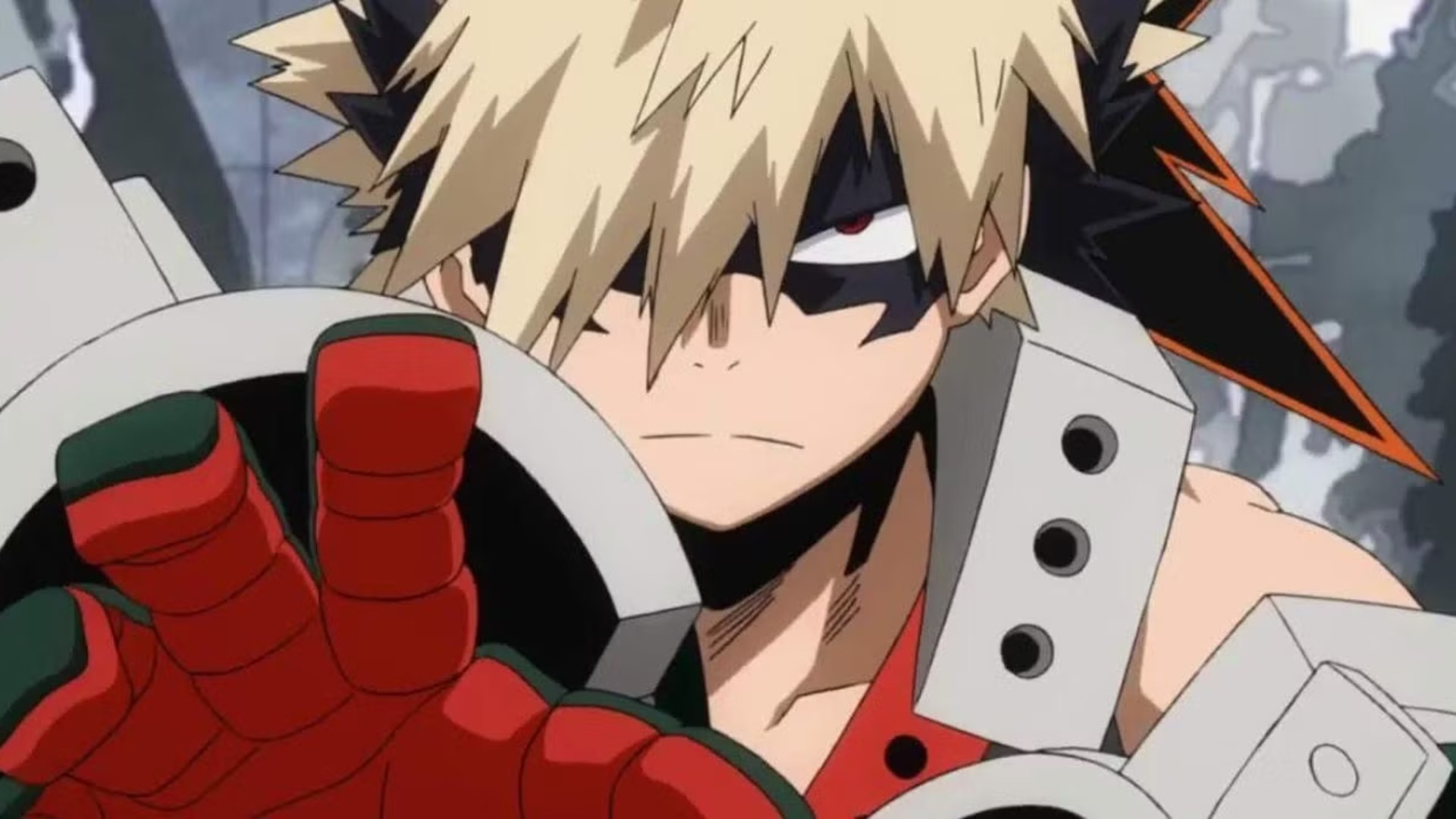
6. Katsuki Bakugo (My Hero Academia)
While Bakugo undergoes one of the most significant redemption arcs in modern shonen, his early behavior is the definition of a "toxic bully." In the series' first chapter, he tells the protagonist, Midoriya, to "take a swan dive off the roof." This level of verbal and physical abuse, combined with his explosive aggression, would lead to his immediate removal from school and potential criminal charges. Even with his later growth, the digital footprint of his early cruelty would likely result in a permanent "cancellation" in the eyes of a public that values hero ethics.
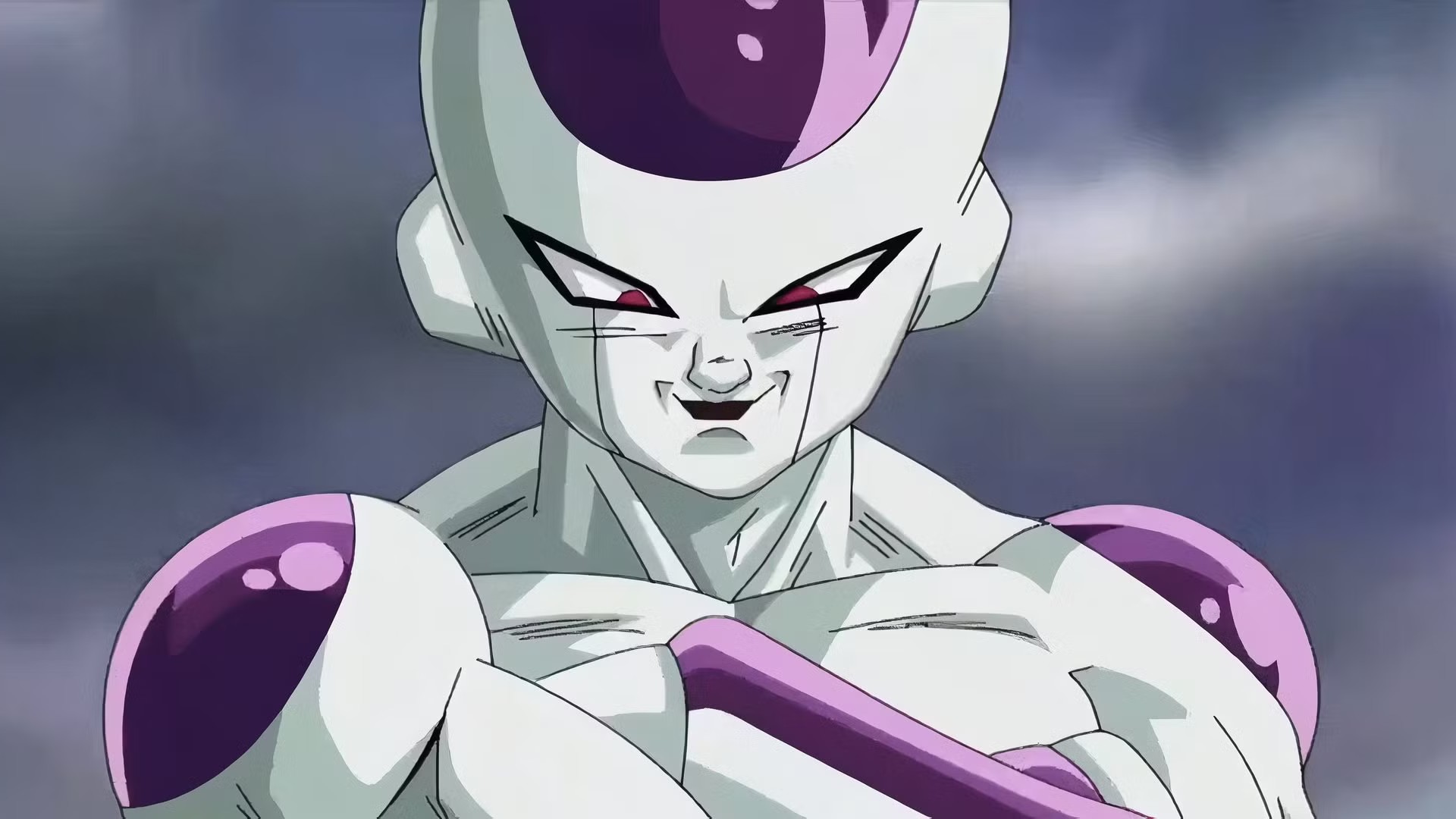
5. Frieza (Dragon Ball Z)
Frieza is a galactic tyrant who wears his villainy as a badge of honor. His actions include the systematic genocide of the Saiyan race, the enslavement of entire planets, and a deeply ingrained sense of racial superiority (frequently referring to others as "monkeys"). In any real-world political or social context, Frieza represents the pinnacle of fascism and war crimes. With a body count numbering in the billions across the universe, he possesses no redeeming qualities that would allow for public forgiveness or social reintegration.
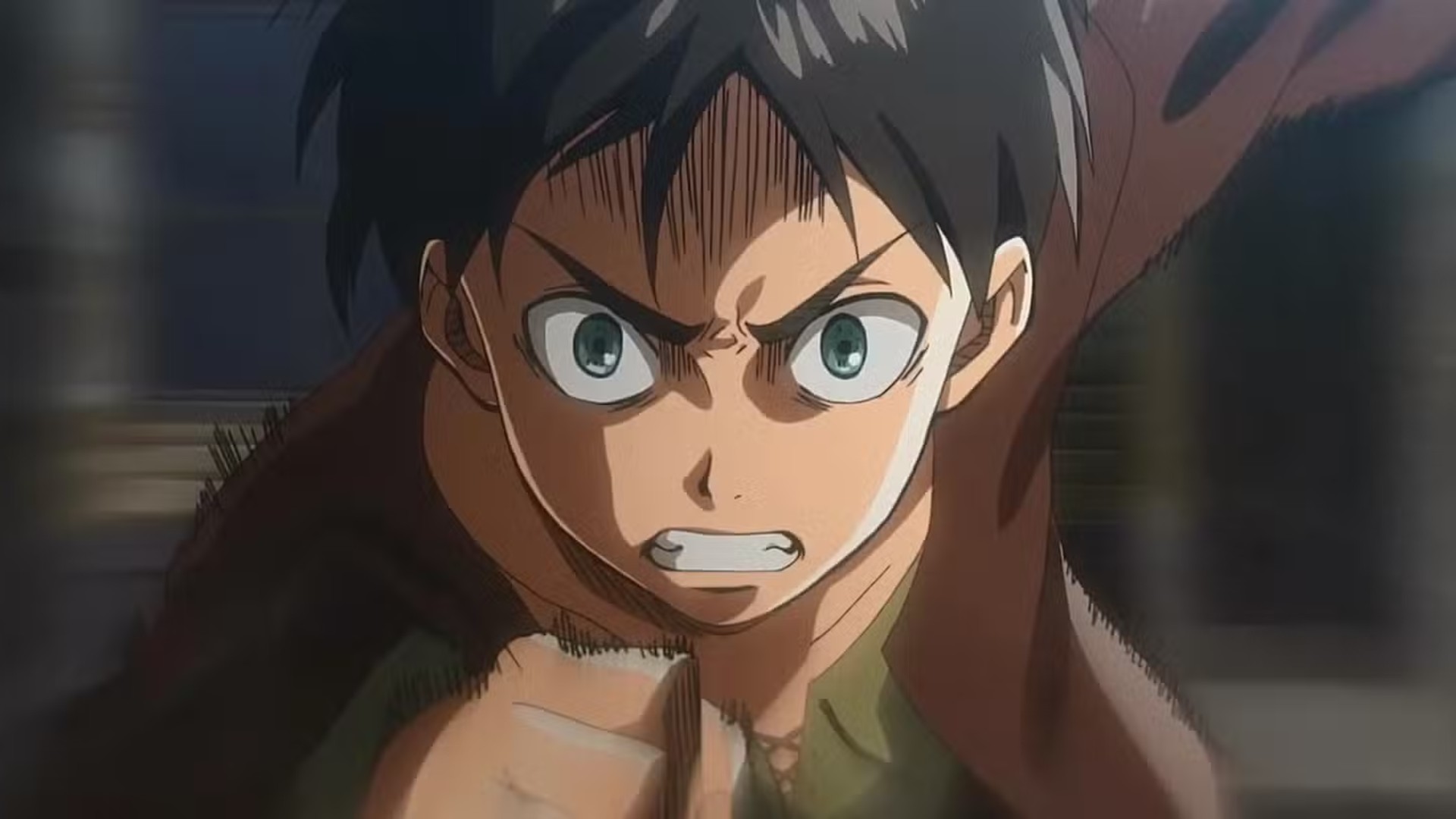
4. Eren Yeager (Attack on Titan)
Eren is the ultimate example of a "hero turned villain." By the final season, his initiation of "The Rumbling"—a global genocide intended to kill 80% of the world’s population (estimated at hundreds of millions of people)—would classify him as the greatest terrorist in human history. Despite his stated goal of protecting his home, Paradis Island, the sheer scale of his atrocities and the indiscriminate slaughter of civilians, children, and ecosystems would make him a figure of universal hatred, far beyond the reach of any "cancellation" or redemption.
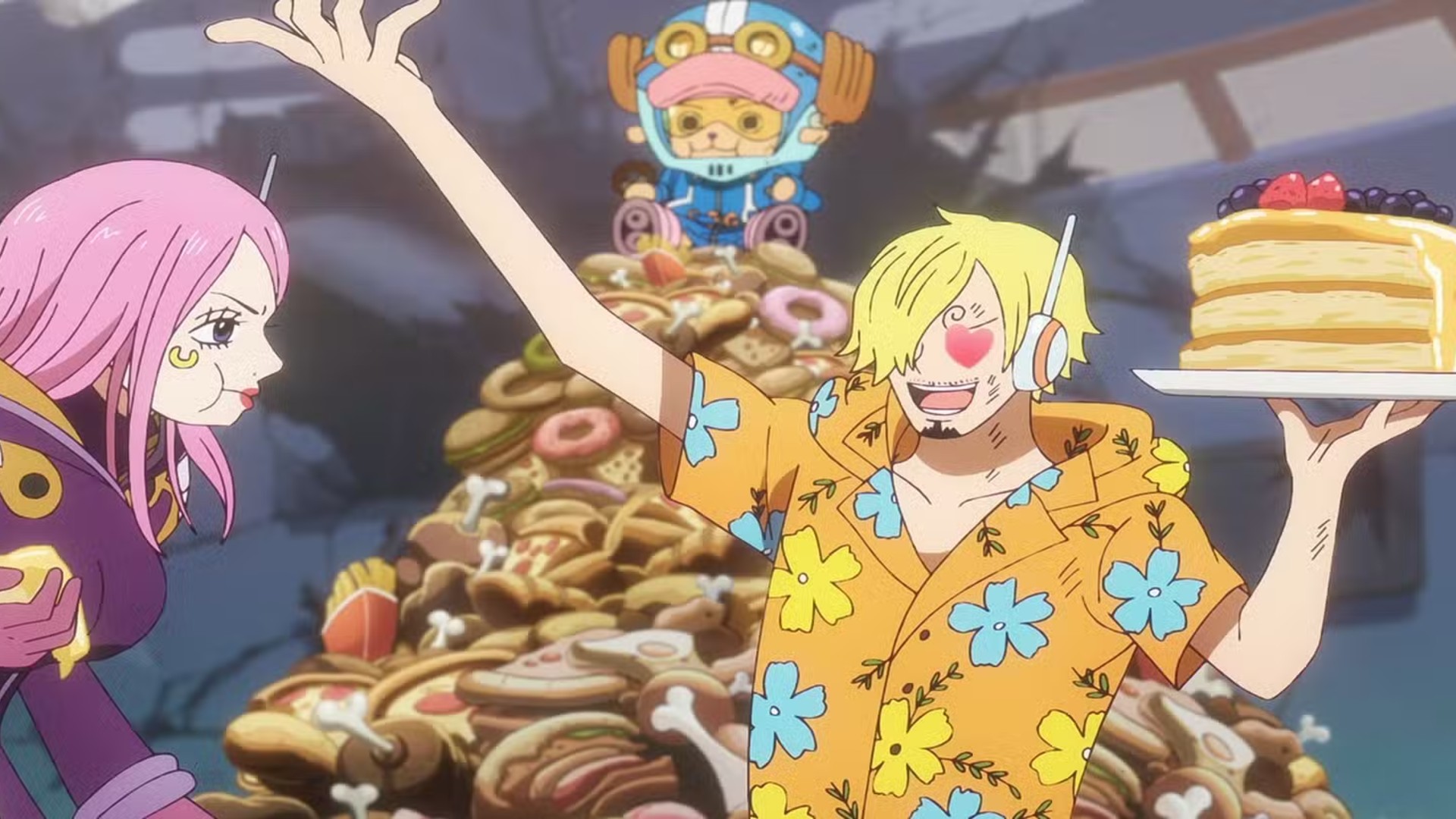
3. Sanji (One Piece)
Sanji presents a complex case of "Chivalry vs. Objectification." While he follows a strict code of never hitting a woman, his behavior often crosses into predatory territory, most notably during the Fishman Island arc where his "nosebleed" trope nearly cost him his life. In a modern workplace or social circle, his refusal to view women as anything other than romantic prizes and his frequent voyeuristic tendencies (such as his obsession with the "Clear-Clear" fruit for peeping) would lead to his "cancellation" for creating a hostile and unsafe environment for his female peers.
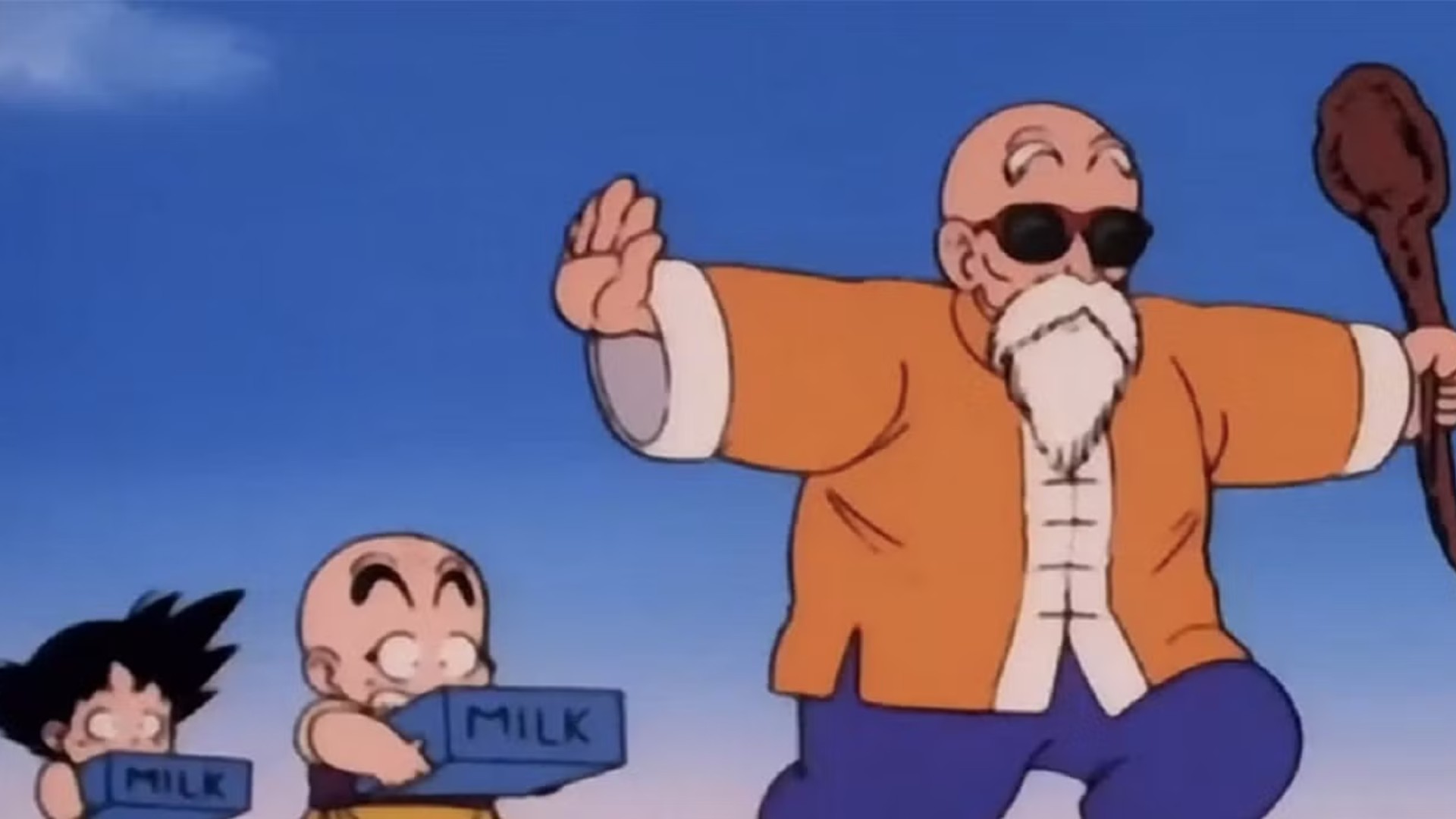
2. Master Roshi (Dragon Ball)
As a "legendary martial arts master," Roshi is the blueprint for the lecherous mentor trope. His history of harassing women—including Bulma and Launch—along with his obsession with adult magazines, would instantly disqualify him from any position of mentorship or public respect today. While he is 300+ years old and a savior of the world, his "dirty old man" persona would lead to a total loss of sponsorships and a permanent ban from martial arts tournaments in a real-world professional setting.
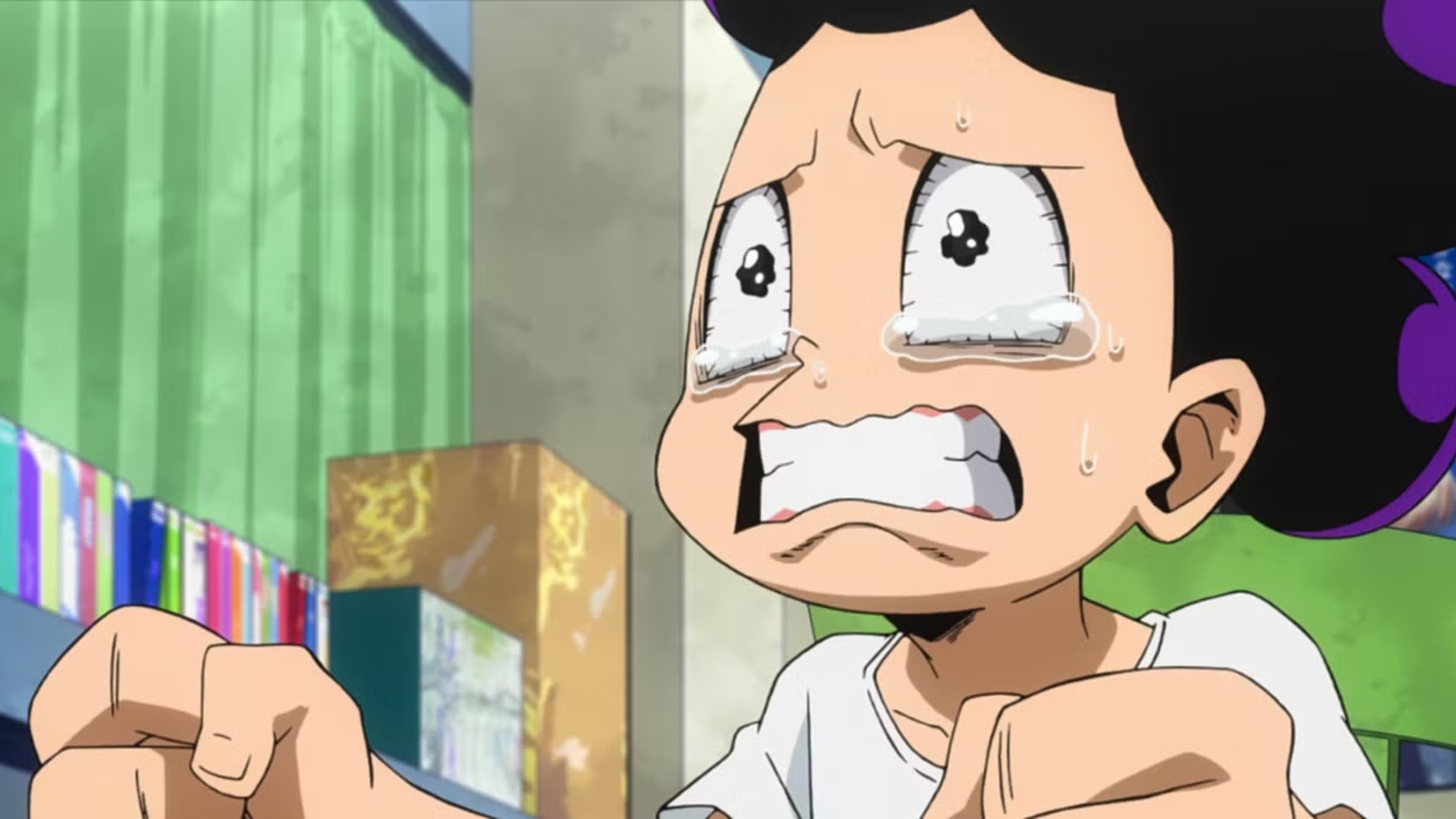
1. Minoru Mineta (My Hero Academia)
Mineta is a frequent source of controversy because his "Quirk" is often secondary to his behavior as a chronic SH. In the series, his constant attempts to peep on female classmates or touch them without consent are played for laughs; however, in reality, these are serious criminal offenses. With dozens of documented instances of harassment across the series' 400+ chapters, Mineta would face immediate expulsion from any educational institution and potential sex offender registration, making his goal of becoming a "popular hero" an impossibility.