10 Akira Kurosawa Films That You Must Watch
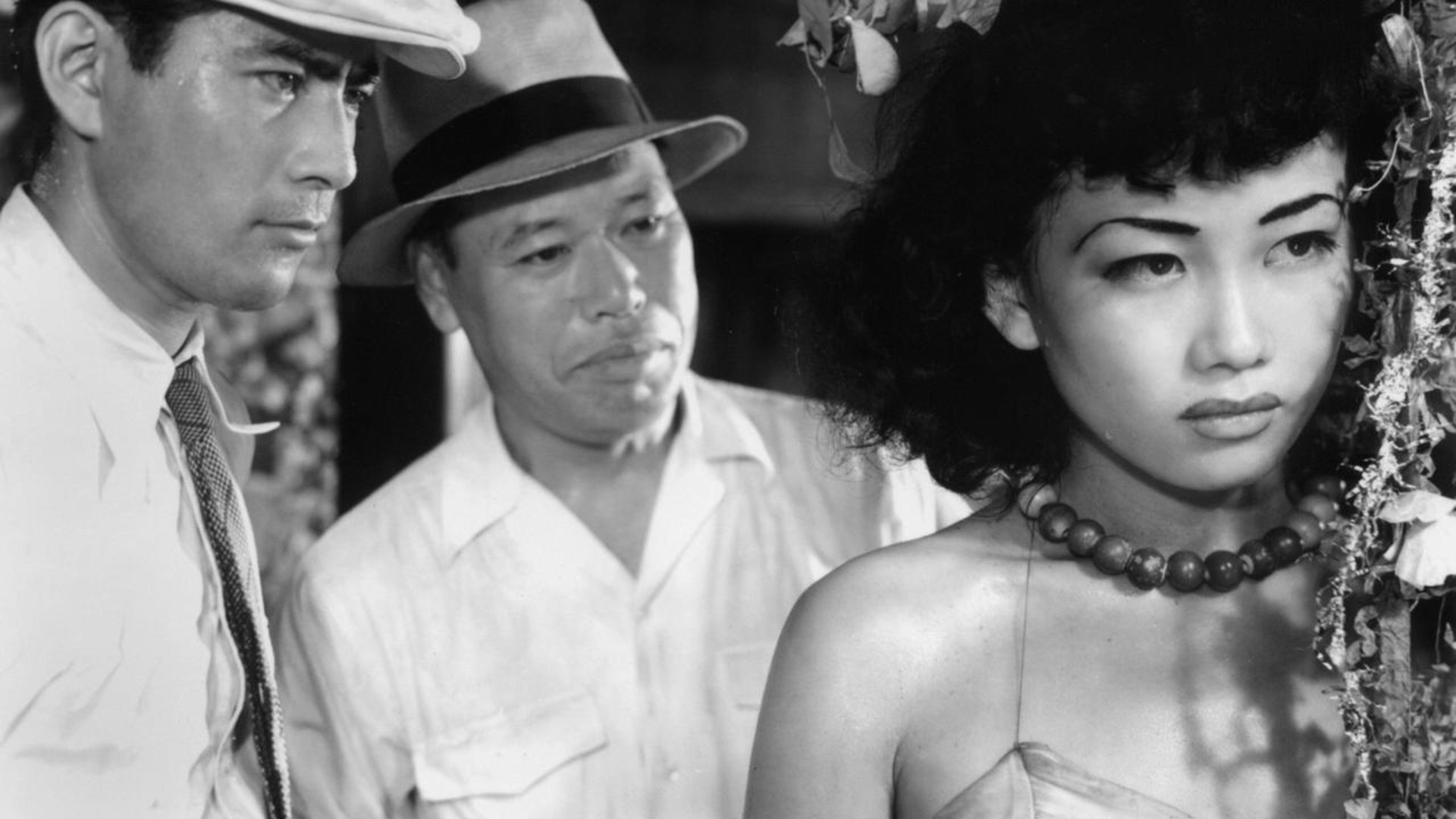
10. Stray Dog (1949)
In post-war Tokyo, a young detective searches for his stolen pistol in a society scarred by poverty and guilt. Stray Dog combines noir tension with social observation, showing the moral struggle between order and desperation. Kurosawa’s direction captures heat, dust, and unease with documentary precision. The dynamic between mentor and apprentice reveals both empathy and disillusionment. It laid the groundwork for modern crime dramas rooted in humanity.
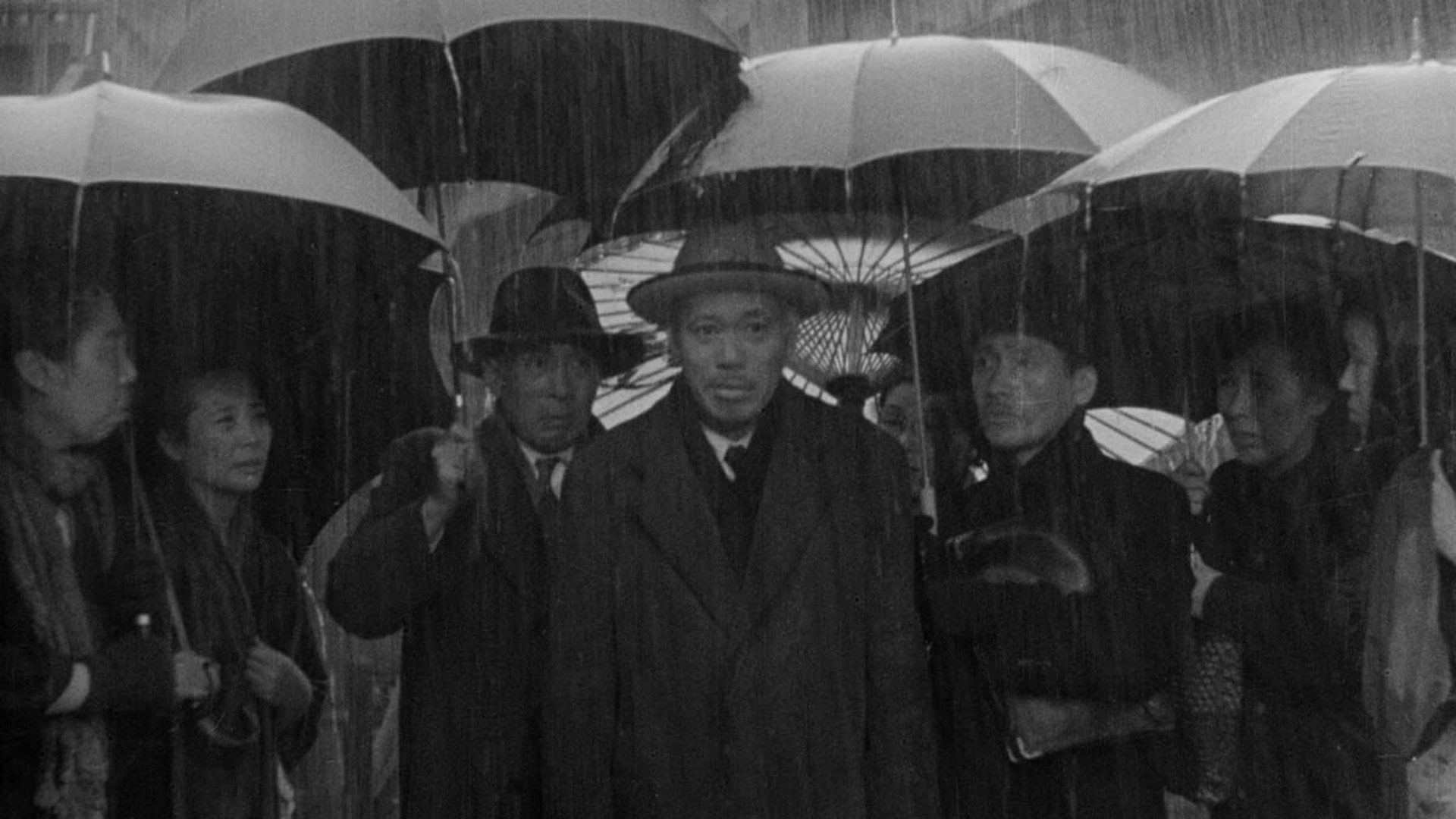
9. Ikiru (1952)
Ikiru tells the story of a bureaucrat who, upon learning he is dying, tries to give his life meaning through one final act of kindness. Kurosawa portrays the quiet search for purpose with empathy and restraint. The film’s emotional impact lies in its realism and moral simplicity. Through its structure and symbolism, it questions what it means to live a fully lived life. Ikiru endures as one of cinema’s most profound reflections on mortality and the pursuit of grace.
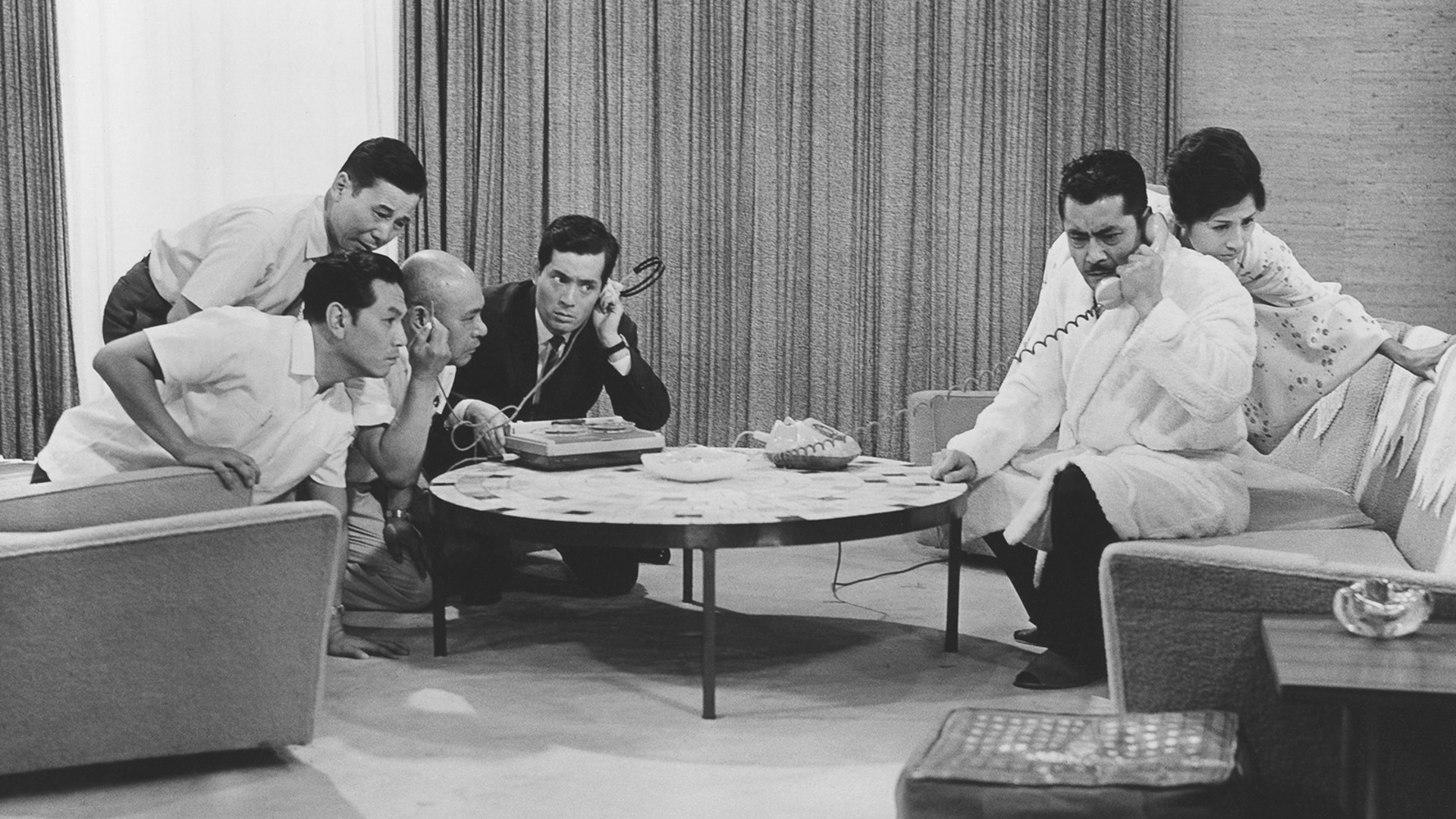
8. High and Low (1963)
Set in contemporary Japan, High and Low is both a moral drama and a tense procedural about a businessman facing a ransom demand. Kurosawa contrasts the luxurious heights of the city with the desperation below. The film explores conscience, class, and justice through precise framing and rhythm. Its shift from domestic tension to police investigation shows mastery of tone. It stands as one of Kurosawa’s most tightly constructed and modern works.
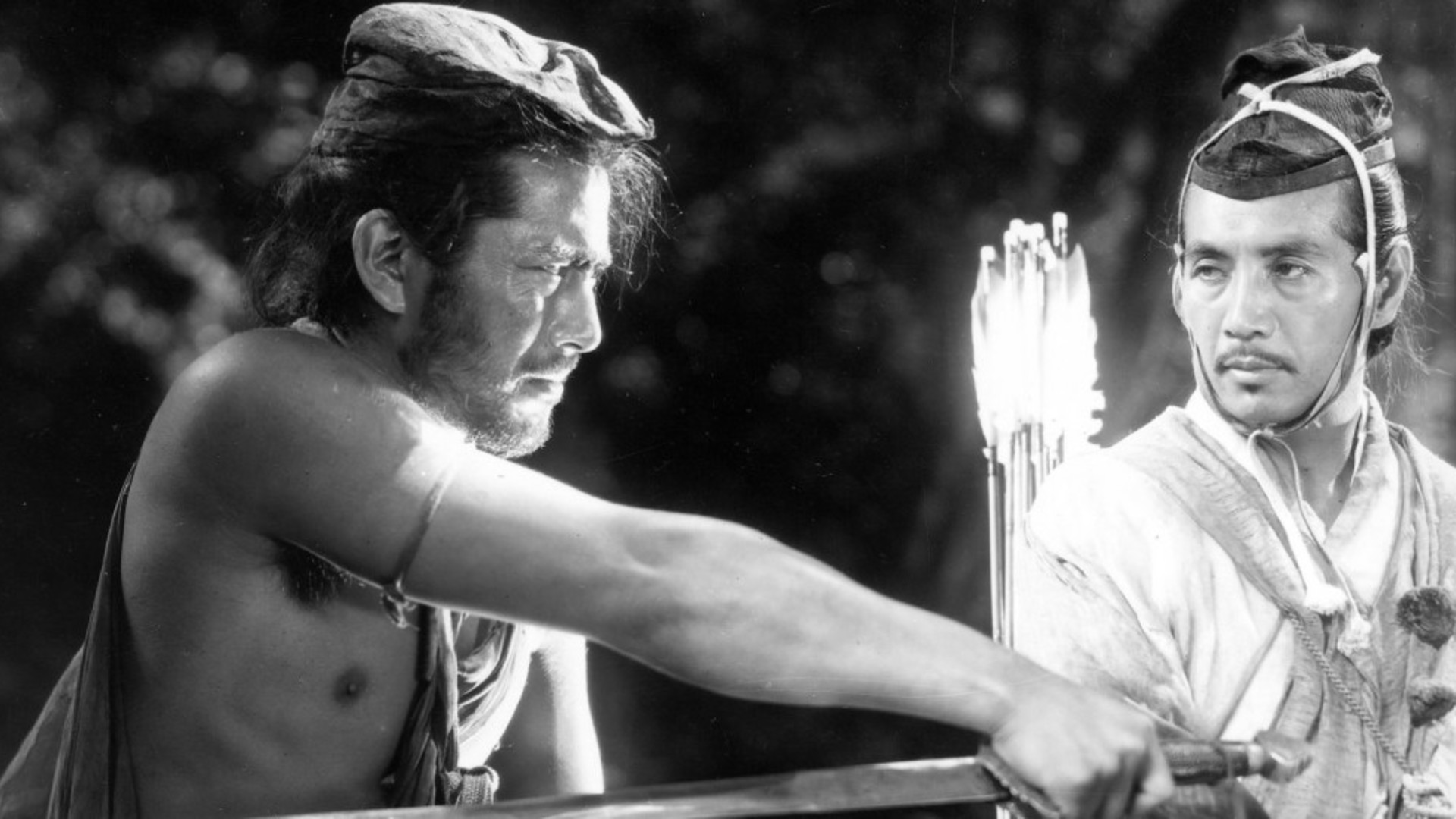
7. Rashomon (1950)
Rashomon revolutionized narrative cinema through its story of a crime told from conflicting viewpoints. Each retelling reveals truth as subjective, shaped by fear, pride, and self-interest. Kurosawa used light, shadow, and editing to mirror psychological depth and uncertainty. The film’s structure challenged traditional storytelling and introduced moral ambiguity to world audiences. It earned Kurosawa global recognition and remains foundational to modern narrative theory.
6. Throne of Blood (1957)
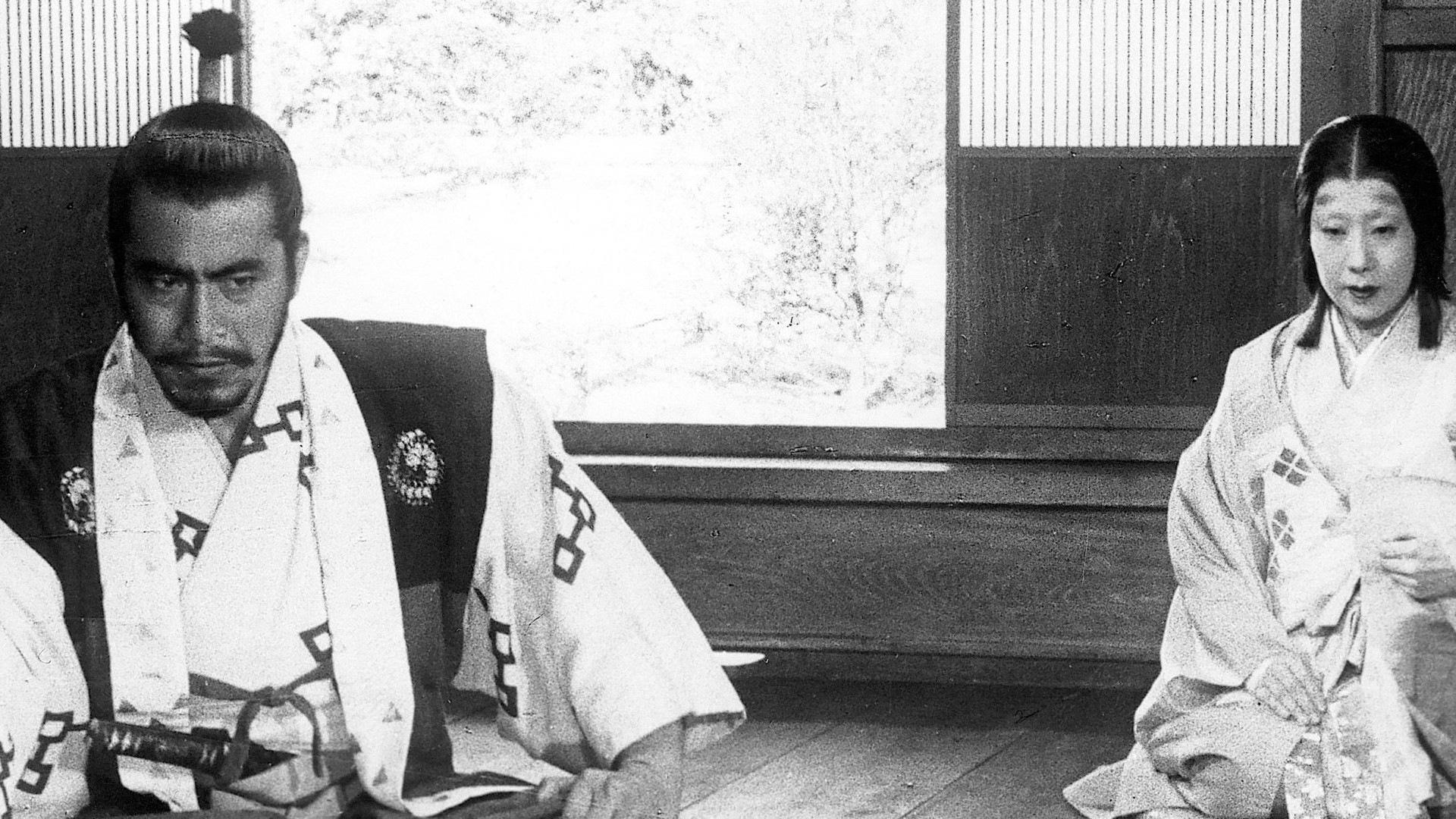
An adaptation of Macbeth, Throne of Blood transforms Shakespeare’s tragedy into a haunting tale of ambition and fate in feudal Japan. Kurosawa’s use of fog, silence, and movement builds an atmosphere of doom and inevitability. Toshiro Mifune’s performance channels inner turmoil through physical intensity. The film captures how power consumes those who seek it most. It remains one of the most potent visual interpretations of tragedy ever filmed.
5. The Hidden Fortress (1958)
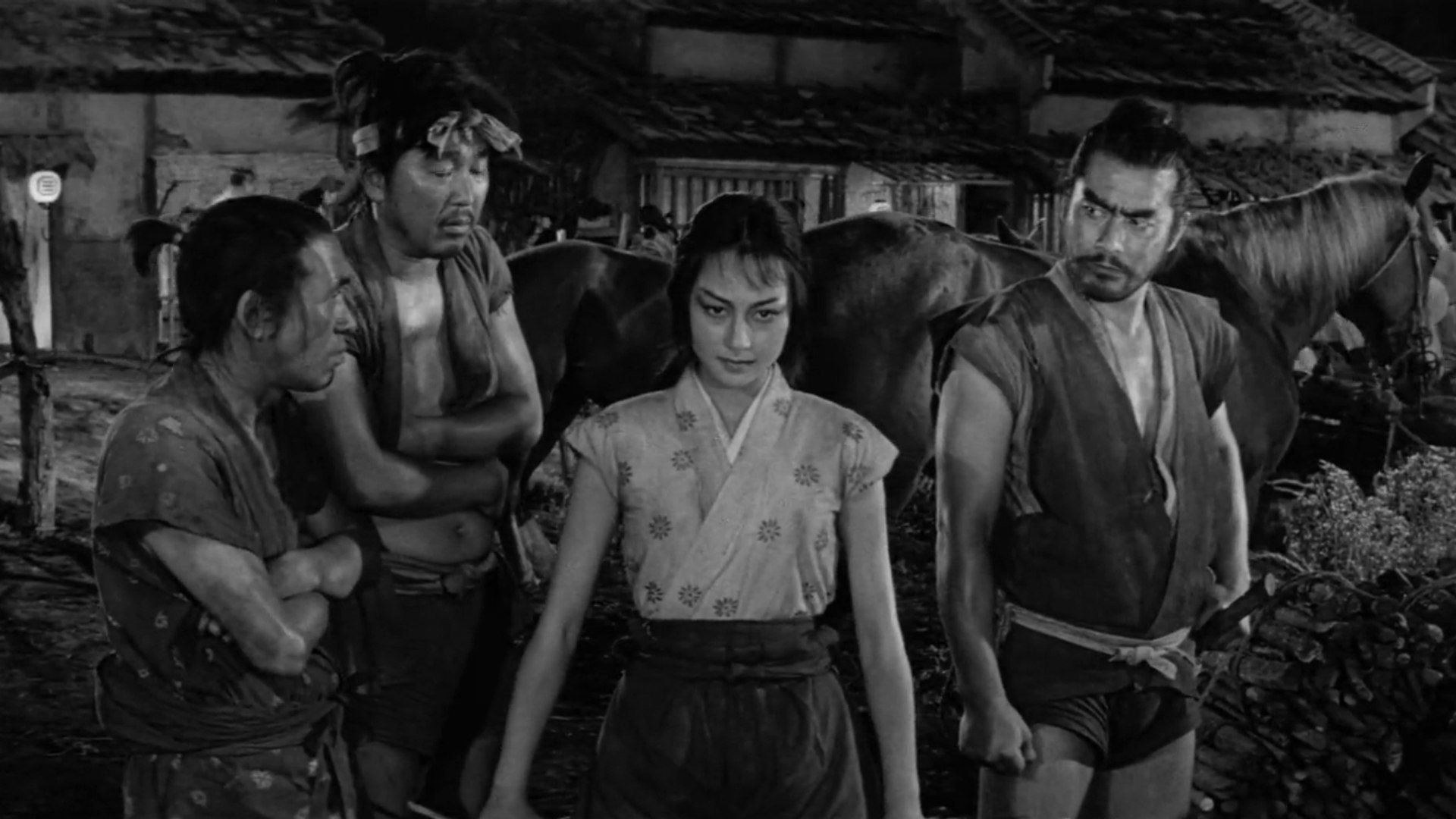
This adventure tale follows a princess and her loyal general as they escape enemy forces with the help of two foolish peasants. Kurosawa mixes humor, action, and social commentary, using shifting perspectives to tell a story of courage and loyalty. The dynamic camera work gives motion to every scene, making the journey both thrilling and human. Its influence is widely recognized, especially in the Star Wars franchise. The film’s balance of scale and simplicity defines Kurosawa’s accessible storytelling.
4. Kagemusha: The Shadow Warrior (1980)
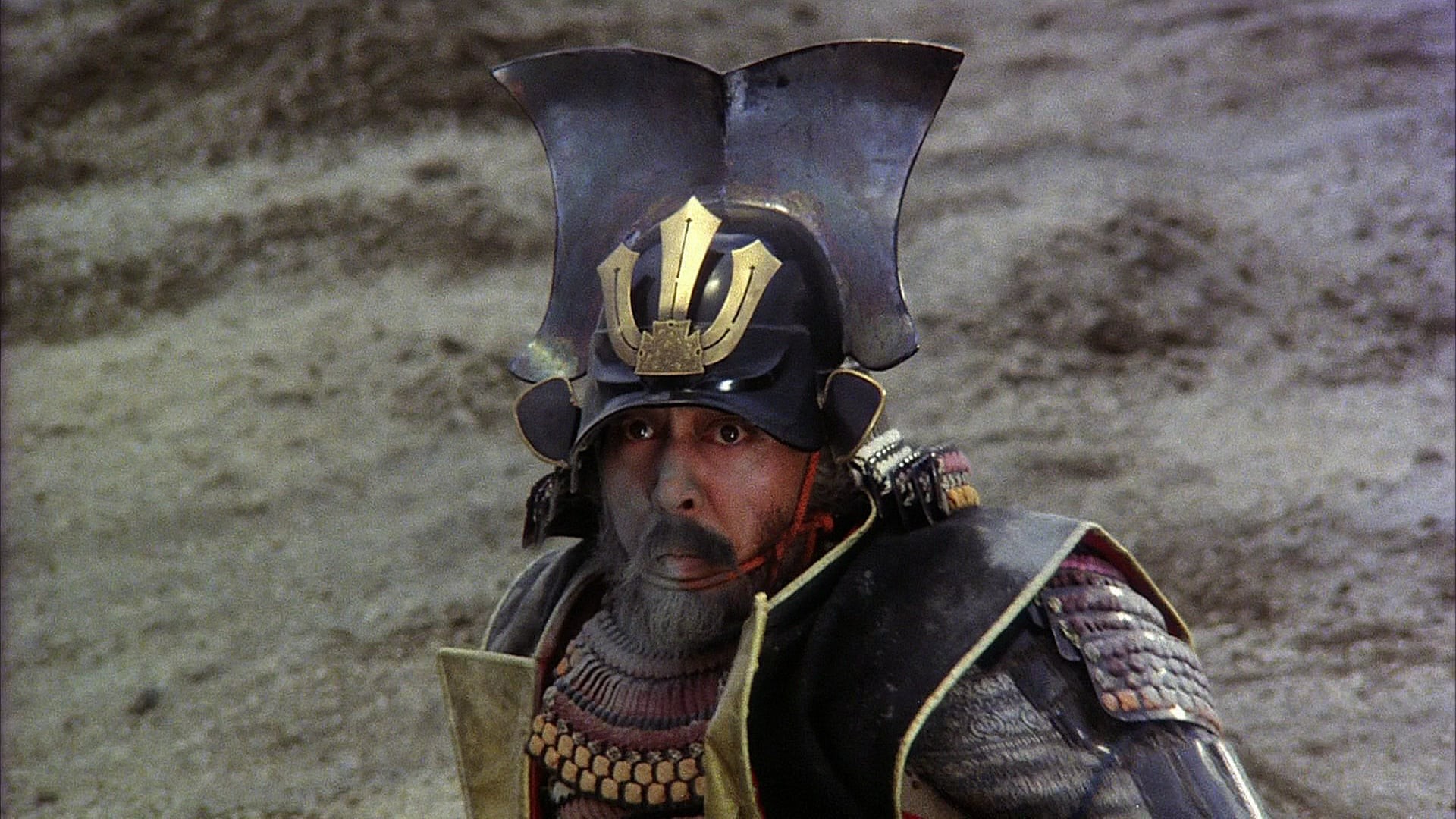
Kagemusha follows a thief who is forced to impersonate a dying warlord, blurring the line between reality and illusion. Kurosawa explores identity, loyalty, and the fragile nature of leadership through striking imagery and measured storytelling. The film’s sweeping battles contrast with its quiet emotional core. As the imposter grows into his role, he faces the cost of imitation and duty. It is a reflection on power as performance and burden.
3. Yojimbo (1961)
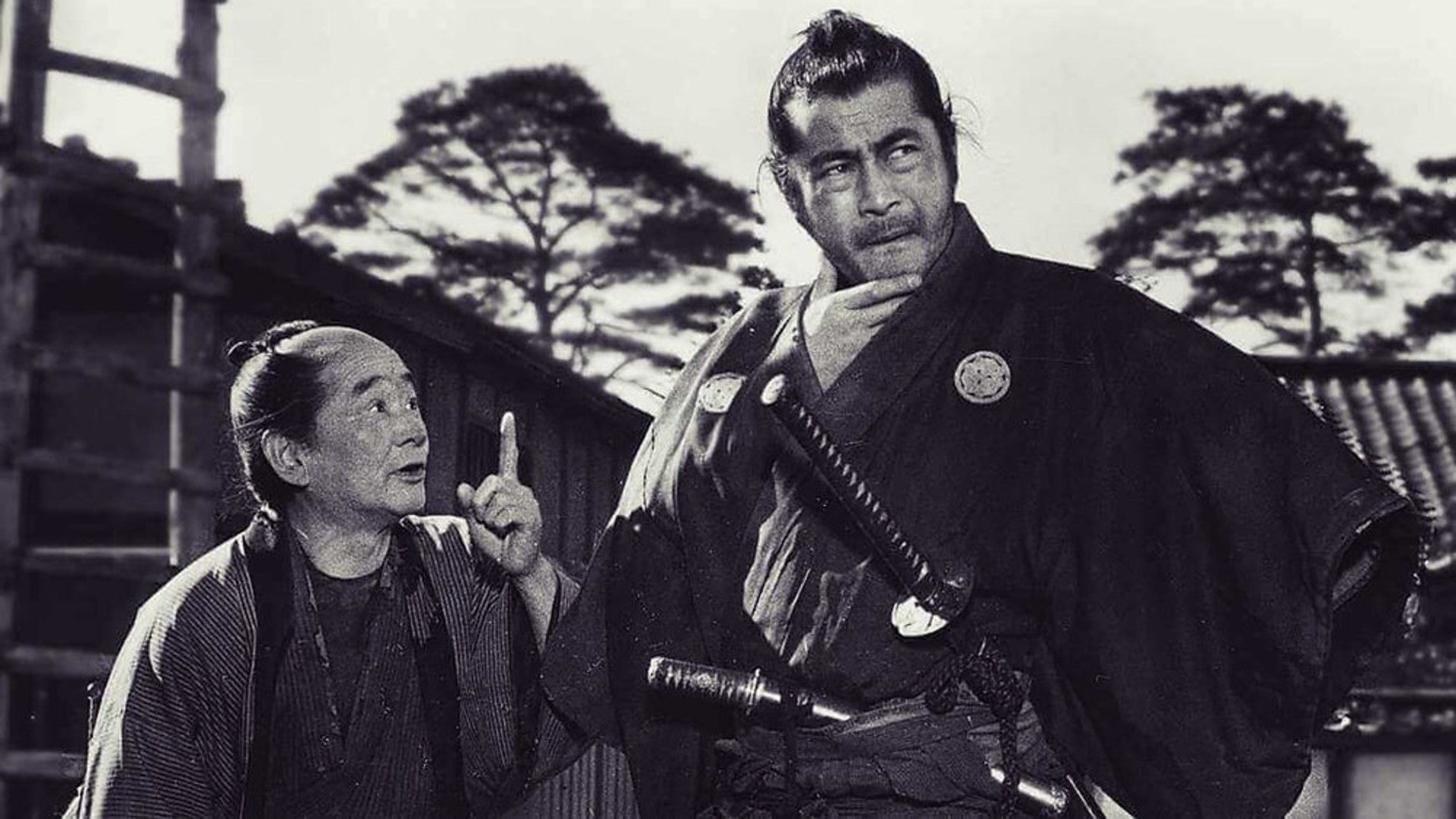
In Yojimbo, a wandering samurai enters a lawless town and pits two rival factions against each other for control. Kurosawa blends sharp humor with moral ambiguity, crafting a story that explores the complexities of survival and manipulation. Toshiro Mifune’s commanding performance gave birth to the archetype of the cool, calculating antihero. The film’s pacing and tension influenced generations of Westerns and thrillers. It remains a study in controlled storytelling and character-driven power.
2. Ran (1985)
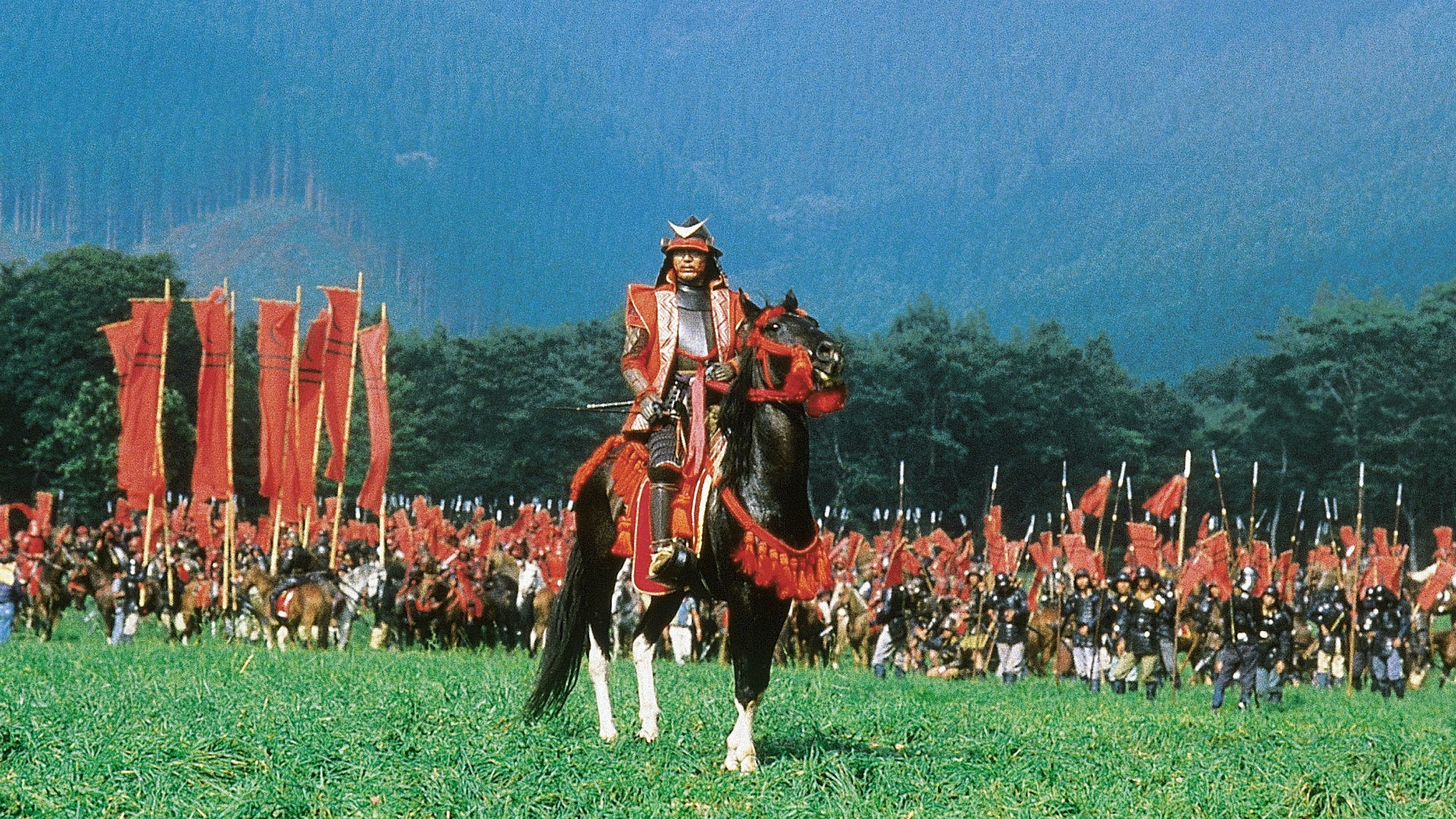
Ran transposes Shakespeare’s King Lear into feudal Japan, using an epic scale to depict betrayal and the decay of power. Kurosawa’s mastery of color and composition creates images that are both grandiose and desolate. The story of a warlord undone by pride and division unfolds with tragic inevitability. Each frame reflects the chaos and futility of human ambition. It stands as one of cinema’s most visually and emotionally overwhelming works.
1. Seven Samurai (1954)
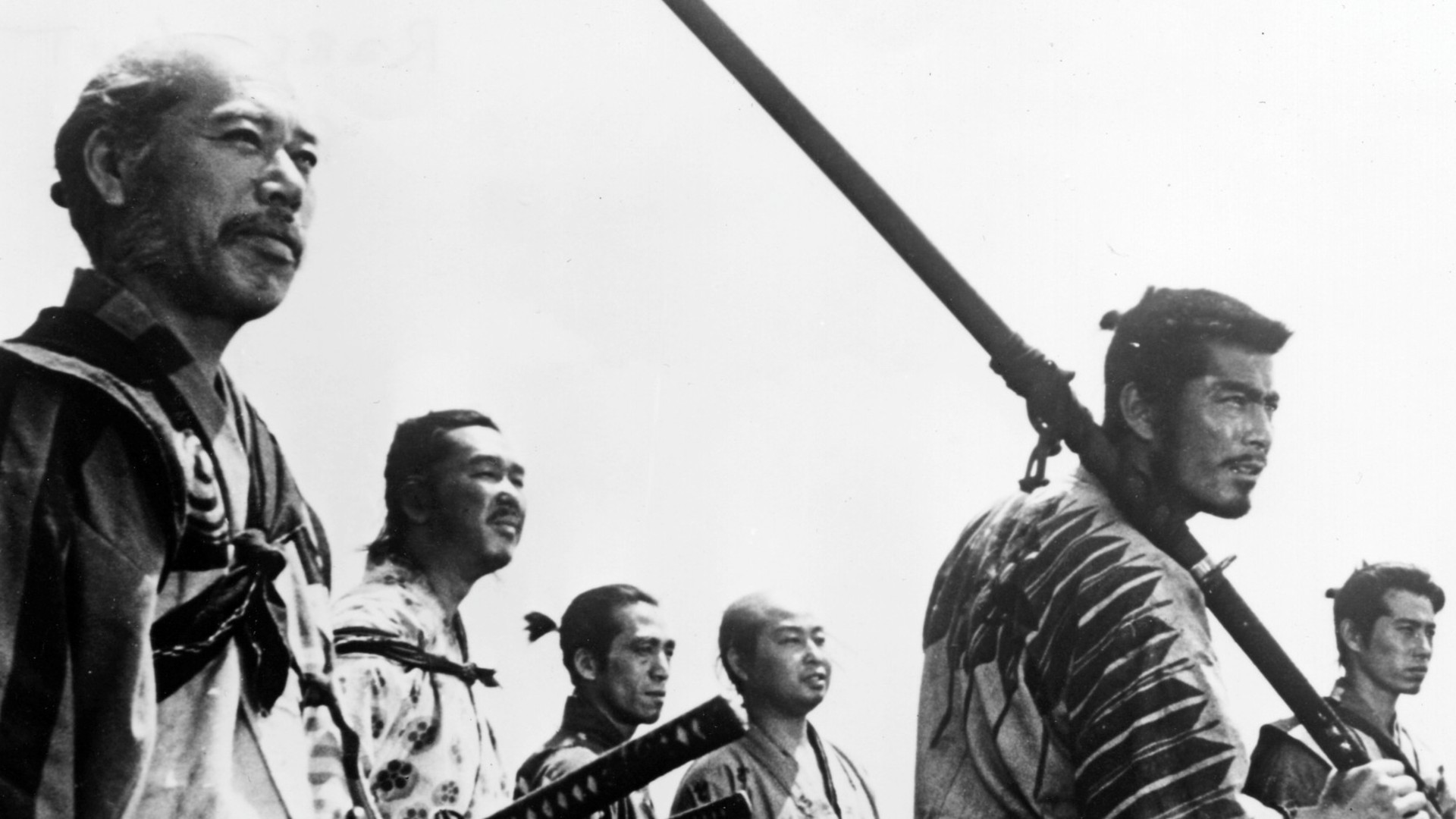
A landmark of world cinema, Seven Samurai follows a group of masterless warriors who defend a poor village from bandits. Through its deep character development and moral complexity, it explores sacrifice, honor, and social class. Kurosawa’s direction combined realism with precise choreography in battle scenes that redefined the art of action filmmaking. The film’s structure later inspired countless remakes and reinterpretations worldwide. It remains a masterclass in human storytelling and visual power.