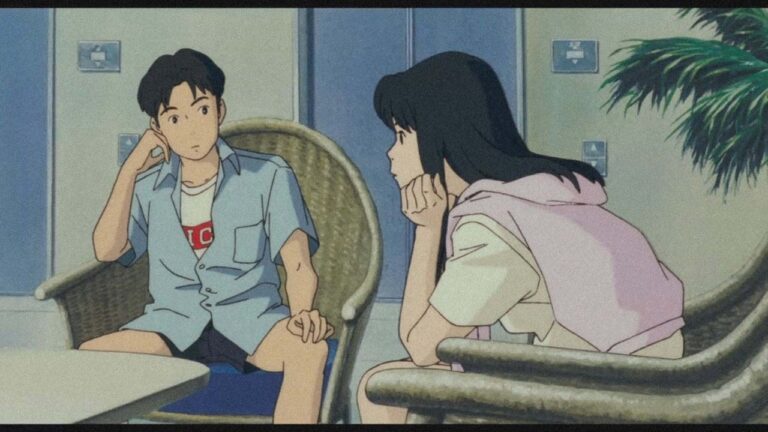
We all know that how Studio Ghibli’s name usually makes everyone of us to think about stories that involves adventures, intricate worlds, and weighty messages about the environment or human nature. But then there is ‘Ocean Waves,’ which is surprisingly made by the same studio that made the Oscar winning ‘Spirited Away.’
For those who have never heard about this 1993 film, you all should know that it often sits on the sidelines of the Ghibli library, and there is a very good reason why.
Ocean Waves Remains Overlooked Due to Divided Legacy
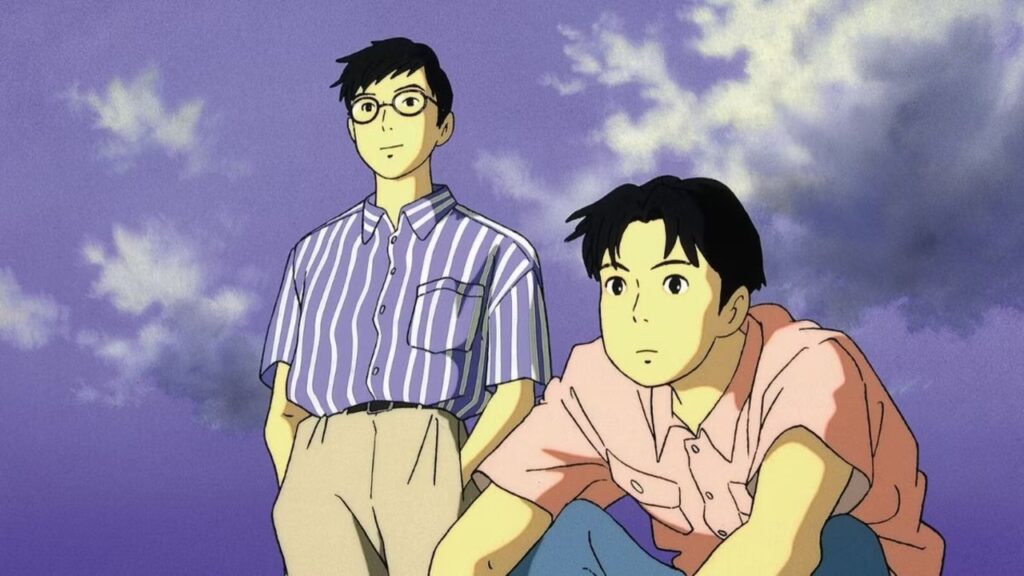
It is a film that challenges our expectations because it is not a typical Ghibli story, and this is because it lacks the Ghibli elements of its stablemates and was produced under very different circumstances, which makes it an outcast.
The main difference is basically the movie’s portrayal of a very simple, and grounded reality story. The narrative focuses on adolescent relationships, the awkwardness of maturation, and the mundane dramas that constitute that period of life.
The characters are developed with an unvarnished realism; and this approach creates the contrast to the wholesome character arcs or overt philosophical statements that is usually found in other Ghibli movies.
But keeping everything in mind, we need to understand that Ocean Waves was an experimental project. It is the only Ghibli feature film that is not directed by the studio’s founders, Hayao Miyazaki or Isao Takahata.
The studio intended to provide younger staff members an opportunity to lead a production, which resulted in a reduced budget and a distinct, more subdued tone. The entire story is structured through flashbacks as the main character, Taku, reflects on his past.
A Simpler Story, Told with Unvarnished Honesty
People do not discuss Ocean Waves much because it had a minimal reach for a long time. It was initially conceived as a television movie for the Japanese market and was never intended for a significant worldwide theatrical release. For many years, it was difficult to access outside of Japan.
It did not have an official release in the US until the year 2016 and it also remains as the only Ghibli movie without an English dub.
In the end of the film we see that this film does not provide a definitive, neat resolution.
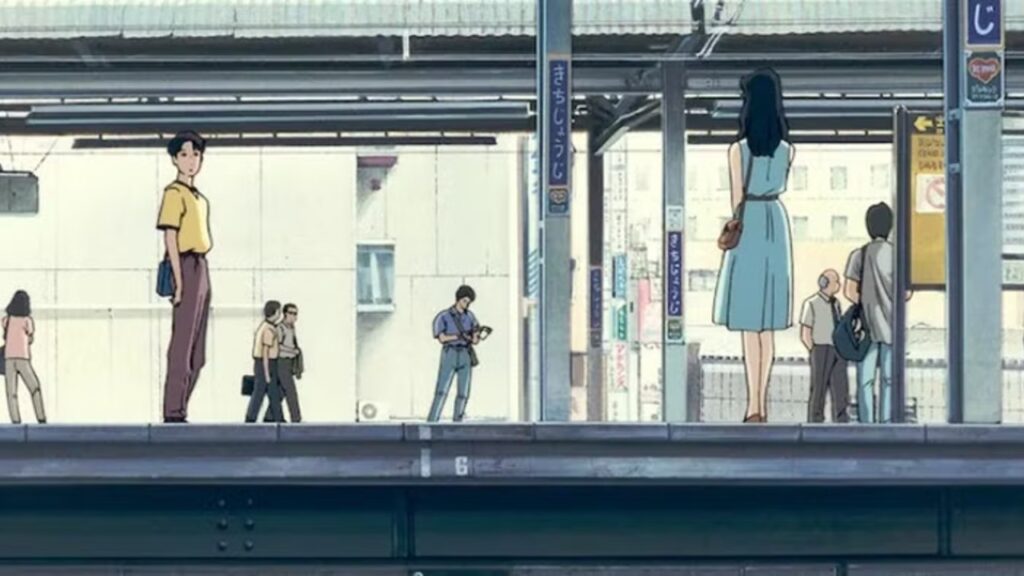
In the final moments, Taku is at a train station in Tokyo for a college entrance ceremony, and we see him spotting a woman on the opposite platform whom he recognizes as Rikako, the girl he had hoped to see again after they parted ways following their difficult high school years.
They lock eyes across the tracks, and the film ends right there. This reflects that life, especially during our formative years, does not always follow a structured narrative with a clear-cut happy ending.