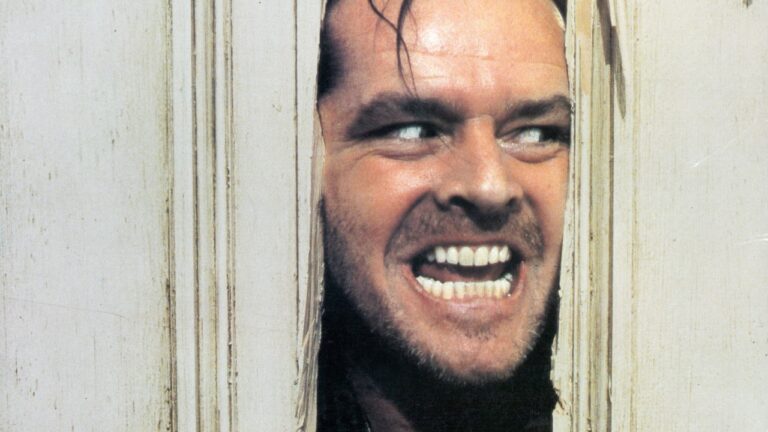
It is said by so many fans and film critics that Stanley Kubrick’s 1980 film ‘The Shining‘ remains as one of those films that continue to divide audiences and critics even after all these years. The movie is based on Stephen King’s 1977 novel of the same name, which tells us the story of Jack Torrance.
In both the book and the story we see that he is a struggling writer who takes a job as the winter caretaker of the remote Overlook Hotel. He arrives with his wife Wendy and their young son Danny, whose psychic gift, “the shining,” allows him to sense the dark presence within the hotel building.
The Terror of Recognition, Not Possession
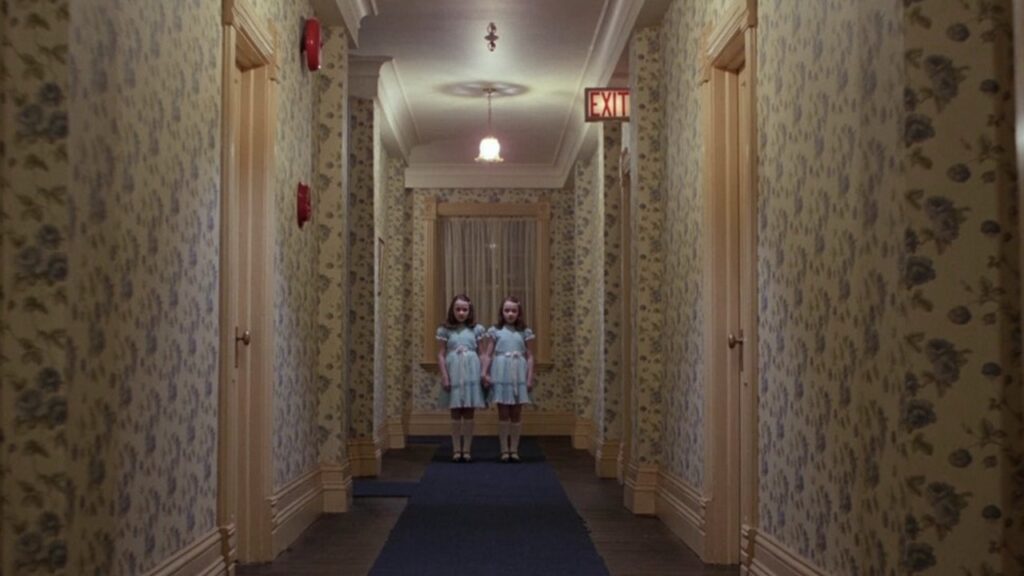
While the film and the novel share the same outline, they are very different works in tone, intention, and perspective in both ways. When you read King’s book you will know that it is a family tragedy that examines love and addiction, while the film studies control, isolation, and the disintegration of the human mind.
When we compare the two, the most revealing difference lies in how Jack Torrance is portrayed. In the novel, we discover that Jack is a deeply wounded man. The hotel feeds on his insecurities, drawing him further into its influence until he loses all sense of self.
In the end we see, Jack regaining a moment of love and clarity, urging his son to flee before the hotel’s boiler explodes. But it’s the total opposite in Kubrick’s Jack, movie as we see Jack being unstable person from the very beginning.
His horrifying smile, sharp tone, and unpredictable personality suggested us that the danger was already there before the family even arrived. When he freezes to death in the hedge maze, there is no redemption from his end, there was no love no affection just simple odd silence.
We also see the same with Wendy Torrance as she undergoes a similar transformation in adaptation. In King’s version, we know that she is intelligent, self-reliant, but also complex, and her painful childhood with a controlling mother has made her protective and strong.
In Kubrick’s film, Shelley Duvall’s Wendy seems far more vulnerable, and her nervous energy, as well as frightening expressions make her appear trapped within her husband’s world long before the hotel begins to influence them.
In King’s novel, the hotel is openly hostile, which is filled with ghosts and unknown memories which demands its own recognition. It also craves Danny’s psychic ability and Jack’s surrender.
The Horror of What Remains Unspoken
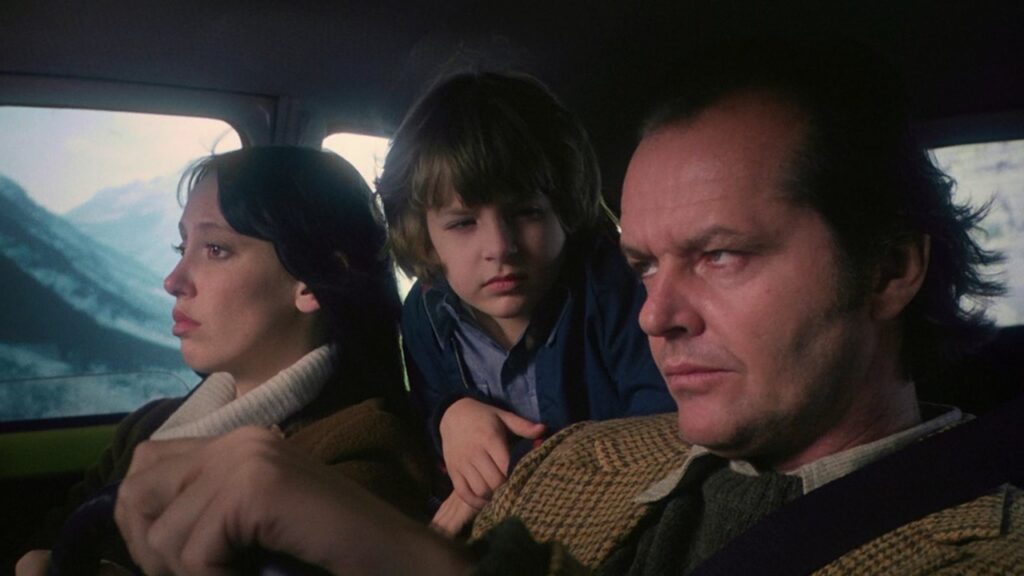
On the other hand we get a different story on Kubrick’s Overlook which feels colder, and more ambiguous. We are never sure whether the evil lies within the building or within Jack himself, and sadly Kubrick never resolves this.
And because of significant differences in all aspects it was bound to happen to Danny’s psychic power, “the shining,” character. In King’s story, it connects Danny to Hallorann, the hotel’s cook, who shares the same ability and returns to help the family. In the film, Hallorann travels back only to be killed almost immediately.
The author himself has often voiced his disappointment with Kubrick’s adaptation, as he felt the film stripped away the very essence of his story, replacing its emotion and warmth into mere acts of detachment.
To him, the novel was about the destruction of a family by addiction and guilt, while the film reduced it to an abstract study of madness. Many fans share Kings view and agree with him, whereas others believe Kubrick’s restraint is precisely what makes the film so haunting.