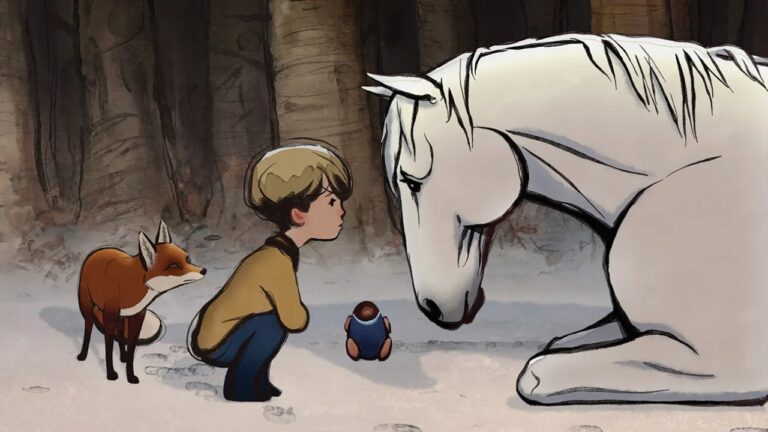
When “The Boy, the Mole, the Fox and the Horse” was released in 2022, it came as a gentle answer to a world that had increasingly become distant and uncertain. The animated film, directed by Peter Baynton and Charlie Mackesy, was based on the 2019 picture book by Charlie Mackesy.
The making of the film was born out of collaboration during a period of learning new ways to connect in the world. After the book was a success, several producers wanted to turn the book into a film, but Cara Speller and Matthew Freud understood the depth of emotional truth that the book had.
They established NoneMore Productions, but soon J. J. Abrams also joined them through his company, Bad Robot Productions. More than 120 artists from over 20 countries collaborated, doing their best to create a film that was as handmade as the message they wanted to convey.
The Gentle Story That Helped Millions Find Comfort During the Pandemic
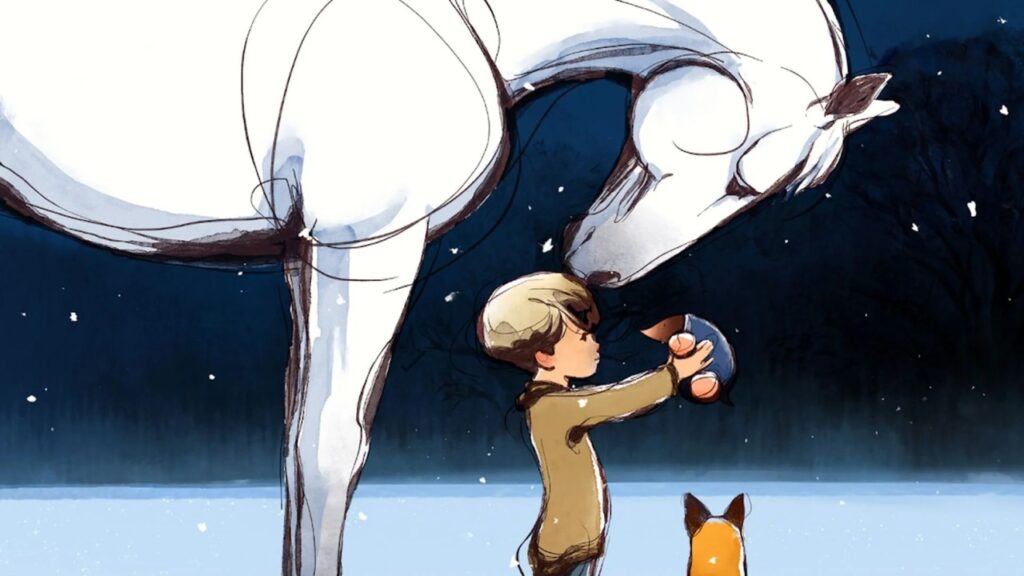
For Mackesy, it was a personal adaptation. His illustrations began as simple sketches posted on Instagram, encapsulating small moments of communication between a boy, a mole, a fox, and a horse.
These pictures came to represent the comfort of reading during the pandemic. “If we have ever needed kindness, we need it now,” Mackesy said, echoing the mood the film was meant to convey.
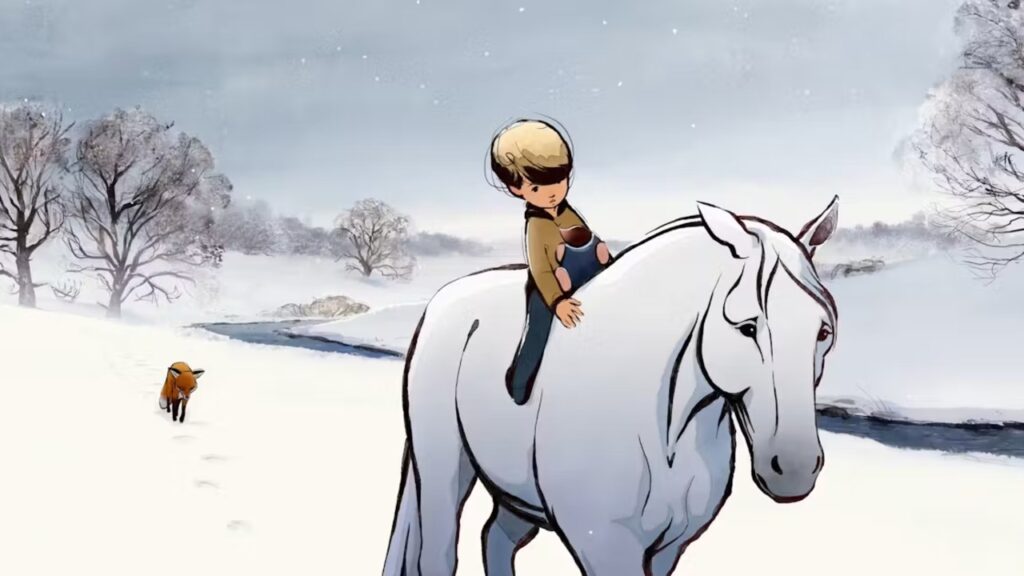
A young boy, lost in a frozen world, finds friendship with a mole. The two set out on a journey in search of a home that the boy has never known.
They come across a fox who, although threatening at first, turns out to be vulnerable himself when the mole saves him from a trap. Then they meet the horse, an elegant and sad animal, exiled from his own kind.
What begins as a search for a destination shifts to an understanding of the value of kindness as its own shelter.
When the horse reveals that he is a pegasus, his wings are both a blessing and a curse. The acceptance of his friends will become a moment of reconciliation not only for him but for all of them.
The promise of resolution is offered by the boy’s view of the village lights, but instead, when he decides not to go, the story becomes more complex. “Home,” the boy says, “is wherever loved ones are.”
How a Global Team Turned Kindness Into an Academy Award-Winning Masterpiece
The casting of the boy was also challenging. Jude Coward Nicoll, chosen after hundreds of auditions. Although the two actors recorded their parts separately due to constraints, the chemistry between Nicoll and Hollander seemed real. The spirit of the story itself was apparently echoing the process of its creation. Speller said it was “a phenomenal effort,” not just in terms of technical requirements but because of the generosity of the people involved. It was described by Mackesy as “a journey of kindness and friendship.” The process became an embodiment of the philosophy reflected in the story that even in isolation, with compassion and patience, beauty can be created. When the film opened on BBC One and Apple TV+, it was met with universal acclaim. It won the Academy Award for Best Animated Short Film and the BAFTA Award for Best Short Animation.