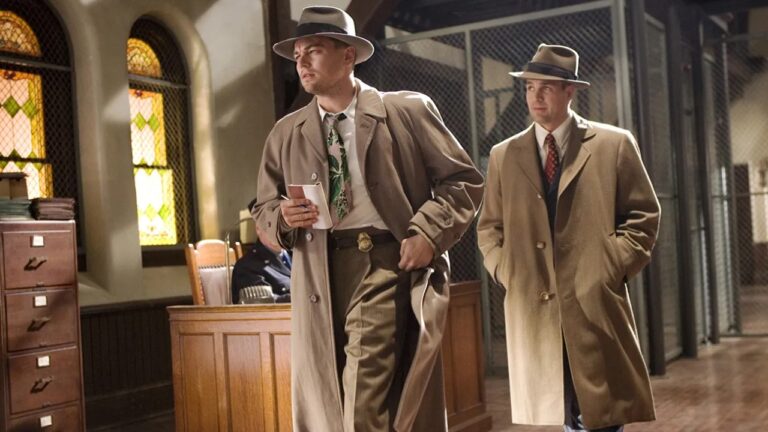
Martin Scorsese’s psychological thriller film, “Shutter Island,” released in 2010, directs audiences’ attention towards the complexities of guilt and the distortions it can cause within an individual’s perception of reality. Leonard Shelby, the protagonist of Memento, is a character who has experienced guilt, and his psychological structure was shaken by it. Although Leonard Shelby is a completely different character from Teddy Daniels, both characters are similar in the sense that they possess some common features. For instance, both are protagonists with a mysterious past. Moreover, both characters have experienced guilt in their past. Leonard Shelby encountered guilt due to the death of his wife and son, while Teddy Daniels experienced guilt regarding his past at a mental institution. These characters can be compared in terms of their similarity to each other or on the basis of their common characteristics.
So when Martin Scorsese’s ‘Shutter Island‘ was released in 2010, it was evident that the film would be unique, with its tense atmosphere and complex theme. While it is a film based on Dennis Lehane’s novel, it also transcends the genre of a thriller to deal with themes of guilt, grief, and the boundaries that exist between reality and imagination. This is because it is not merely an account of a man searching for a missing patient, but also an insight into the mind that is functioning under pressure, and how that influences reality.
Unmasking The Illusion: Chuck, Cawley, And The Truth Behind Teddy’s World
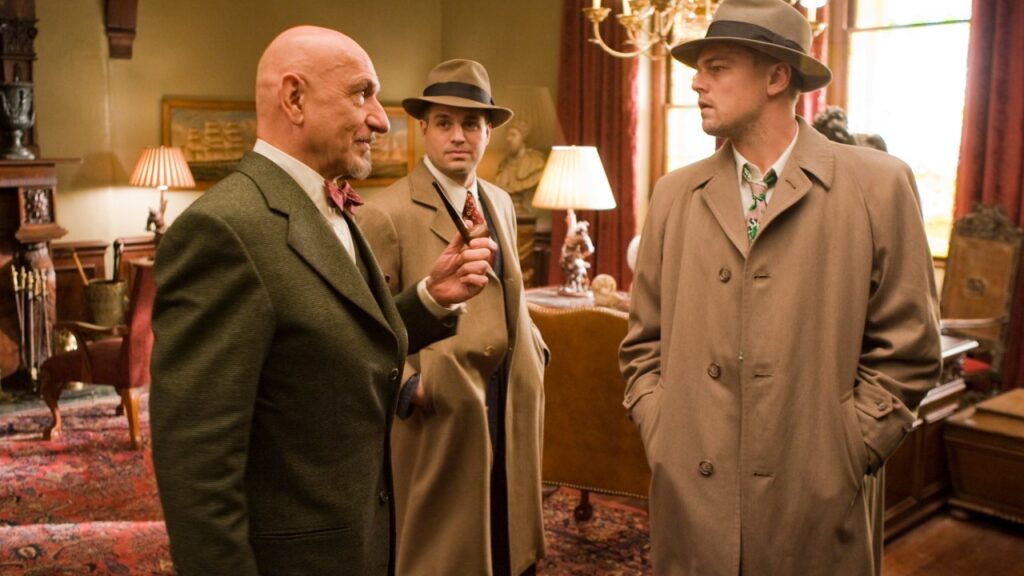
Each detail, from environment to character to storytelling, blends together to effectively submerge the audience in Andrew Laeddis’s world, so much so that the island itself comes to feel like a projection of his mind. The film introduces Teddy Daniels, played by Leonardo DiCaprio, who travels to Ashecliffe Hospital on Shutter Island to investigate the disappearance of a patient. Initially, it seems like Teddy has only one mission.
As the events of the investigation progress, the audience is also introduced to Teddy’s partner, Chuck Aule, portrayed by Mark Ruffalo. Their relationship does appear to be very ordinary at first, but beneath these superficial appearances, there are enough indications to establish that Teddy’s reality is not what it may seem. Towards the end of the movie, it’s apparent that Chuck is in fact Dr. Sheehan, the main psychiatrist treating Teddy, and that the whole investigation process has been a sort of role-play to prepare Teddy for a revelation that he has been avoiding all along.
The whole atmosphere of a stormy and foggy setting, along with the oppressive architectural design of the hospital, mirrors the tumultuous state that pervades Teddy’s mind. There is nothing but the feeling of something not being quite right in every hallway, every locked door, and every darkened room.
Living as a Monster or Dying a Good Man: The Ambiguity of Andrew’s Choice
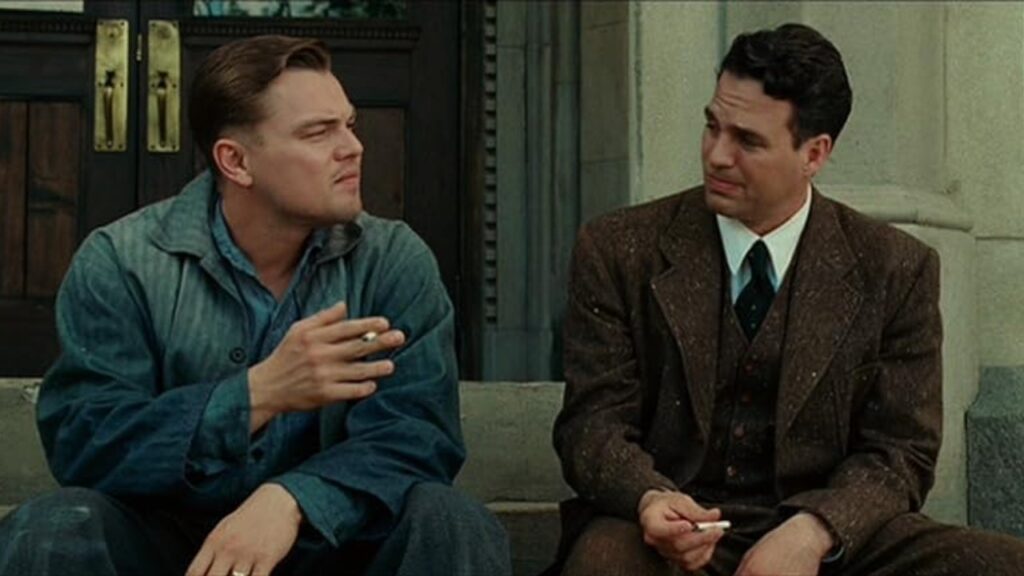
As the story unfolds, it is no less than Teddy’s, or indeed Andrew Laeddis’s, deep personal pain that lies at the center of it all. Andrew, it is revealed, is the man behind the marshal façade. He killed his wife, Dolores Chanal, after she drowned their children, and his whole delusion is a defense mechanism to shield himself from this agonizing truth. Dolores, played with subtle passion by Michelle Williams, haunts Andrew in his dreams and flashbacks, making sure that his guilt and pain are ever present in his mind. The journeys through his past and his “investigation” are expertly blended together.
Watching over this meticulously planned intervention is Dr. John Cawley, aka Ben Kingsley. As the lead psychiatrist at Ashecliffe, Dr. Cawley has designed this role-playing exercise to perfection, blending a strong need for control with compassion. Although the means he employs are questionable, these actions stem from a deep knowledge of the human psyche and a last-ditch attempt to connect with Andrew through the shell that has developed around him after all these years of pain. The conclusion of the movie brings all these elements together in a moment that is profoundly ambiguous. Andrew seems to come to terms with his real identity, but when he says, “Which would be worse: to live as a monster or to die as a good man?” we are left bewildered as to whether he is indulging in his delusions once again or whether he has come to a rational decision about ending his life rather than being punished for his deeds.