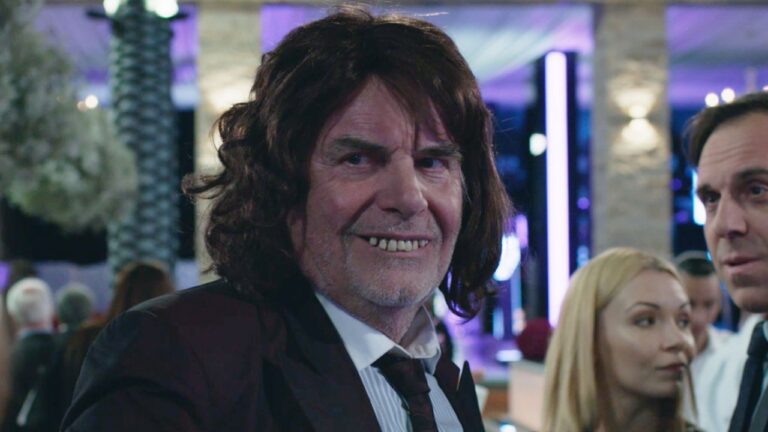
’Toni Erdmann‘ (2016) by Maren Ade is a milestone in modern European cinema, bringing together deadpan comedy, emotional resonance, and profound social commentary in a unique way. The movie is based on Winfried Conradi, portrayed by Peter Simonischek, who is the retired music teacher with a love for playing pranks on people, but is trying to reconnect with his daughter Ines, a high-powered management consultant in Bucharest.
Ines exudes professionalism and emotional unavailability, which prompts Winfried to create a mascot for himself, which he calls Toni Erdmann. Toni Erdmann is a highly colorful life coach, complete with a wig and dentures. The motivation behind creating such a persona is the attempt to break through his daughter’s corporate mask. The result is a hilarious and touching saga that interweaves comedy and deep sentiment.
Balancing Humor and Emotional Depth, While Exploring Family, Authenticity, and Social Expectations
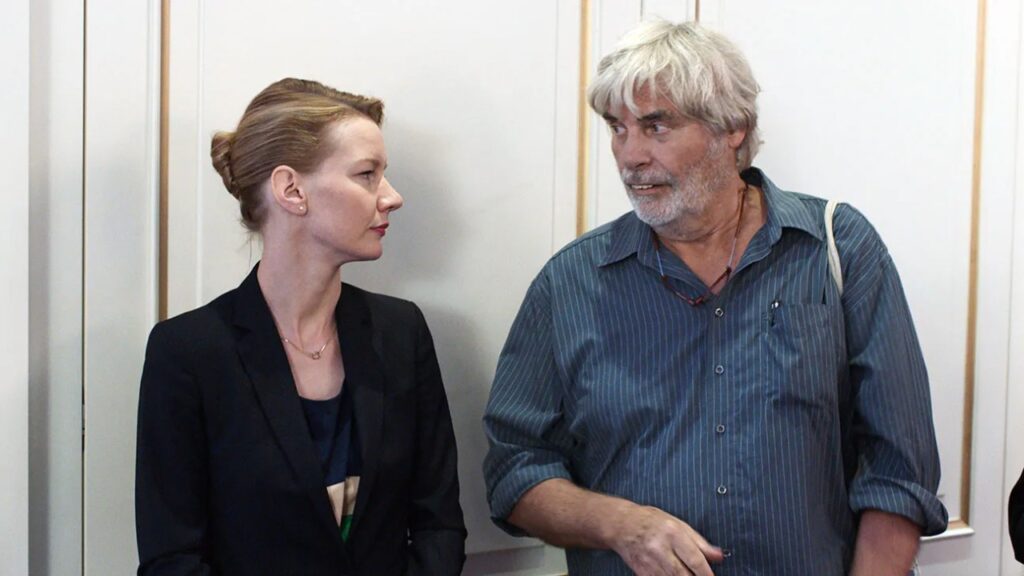
The movie delves into the intricacies of the father-daughter relationship, as well as the pressures of professional and social demands. Winfried represents spontaneity, comedy, and emotional expressiveness, while Ines stands for professional ambition, emotional control, and social standing. The conflict between these opposing natures propels the plot, and Ade’s direction makes sure that the ensuing interactions are both credible and interesting.
Also important are key sequences that reveal how the film manages the expression of both the comedic and emotional moments shared between the pair. The business dinner sequence, where Toni Erdmann sneaks into a professional dinner party for Ines’ colleagues, manages both laughs and insights.
Likewise, the quieter moments that take place in elevators and cars create opportunities for long takes that highlight the emotional distance of the characters, as well as the way that they are slowly reconnecting. Of course, it is these moments that allow the viewer to sense the slow development of the relationship.
Visual Storytelling and Emotional Resonance in Toni Erdmann
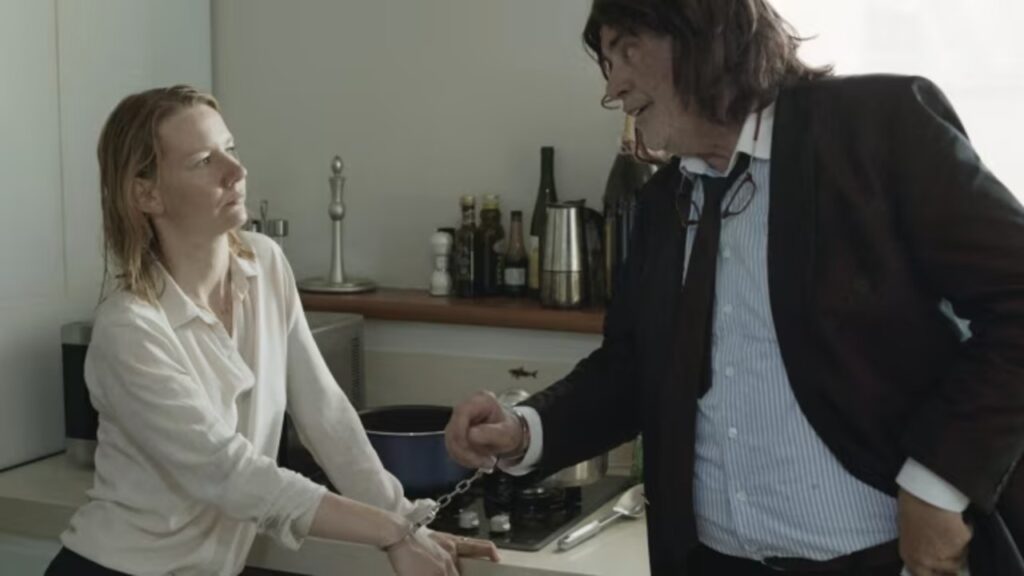
The movie also explores the conflict between societal norms and personal authenticity as it discusses how inflexible social norms might impede authentic human expression. Toni Erdmann is a vehicle through which the movie examines how comedy, music, and performance can function as a mode of emotional release and relational healing. The scenes at the karaoke party and the final scene are examples of how Ines begins to rediscover her spontaneity and self-expression, although simultaneously, the comedic element emphasizes the absurdity of her professional stiffness, such that the humor is never merely surface-level but rather metaphorically linked to psychological truth. Ade’s technical work continues to emphasize these ideas while also increasing the comedic and emotional effect. Long takes, subtle camera work, and key use of music enable the viewer’s attention to stay on the performances and interactions of the characters, making the awkward humor as well as the emotional moments seem spontaneous and true. The success of the film is evident in its recognition, including an Academy Award nomination for Best Foreign Language Film and a number of awards at the Cannes Film Festival and the European Film Awards.