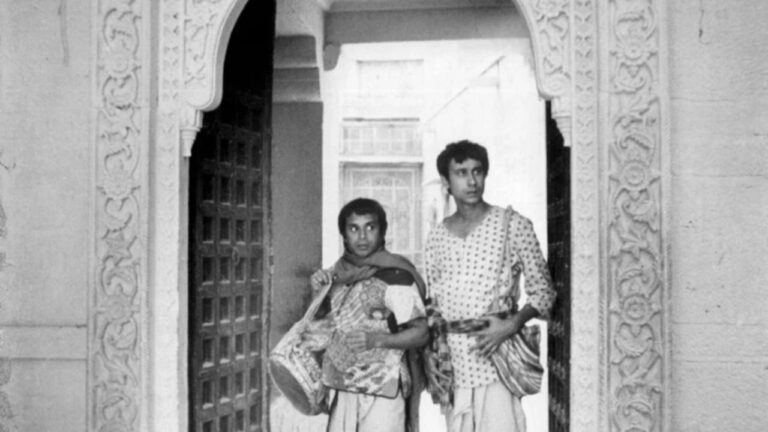
Satyajit Ray is a person who is still widely celebrated for his masterful realist cinema, particularly through his works such as The Apu Trilogy (Pather Panchali, Aparajito, Apur Sansar). His subsequent films, such as Charulata and Mahanagar, showcased the immense versatility he possessed as a filmmaker. While Ray was known for his explorations into the subtleties of life itself, human psychology, and various issues, his 1969 ghost-fantasy comedy film Goopy Gyne Bagha Byne consisted of something entirely different from these serious contemplative stories.
From Magical Boons to Timeless Adventures
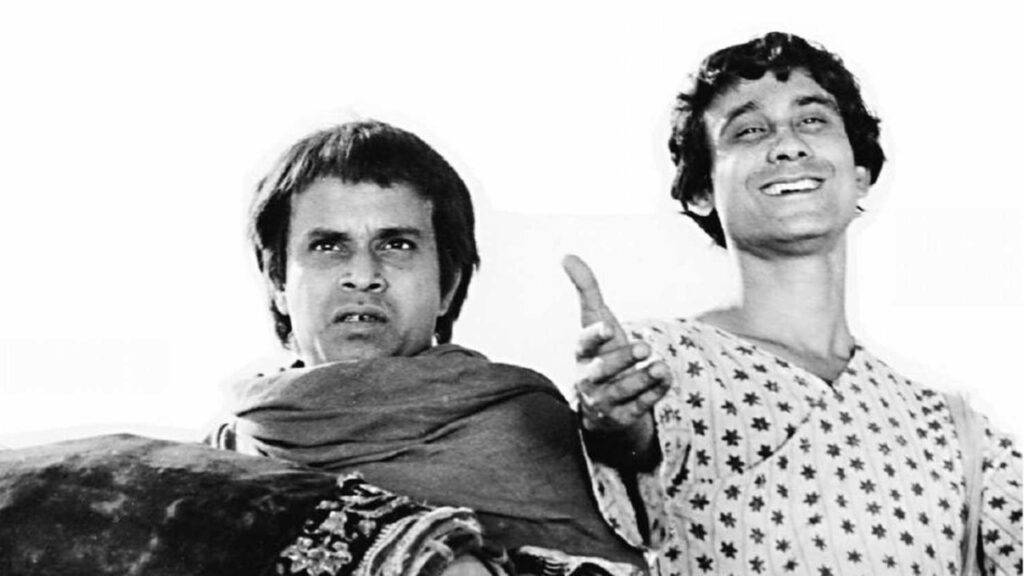
Rather than the grounded realism and emotional resonance that was a hallmark of his previous work, he brought together aspects such as humor, with colorful characters, and imagination, and through this change, he has managed to weave a tale that is replete with magical music, magical events, and clever teachings, while at the same time proving that he had the skills to tell a narrative that did not necessarily center on the realistic depiction of human struggle.
The story involves two unlucky musicians named Goopy, who is a singer, and Bagha, who performs on the ‘dhol’, who due to their lack of talent are banished from their respective villages. Just when things are not going in their favor, they stumble upon the Bhooter Raja (King of Ghosts) in a forest, who had been touched by their unfortunate circumstances. The King gifts them three special boons: the first boon allows them to produce music that will please all and sundry, the second boon enables them to go wherever they want in an instant, and the third boon ensures that they get food and clothes wherever they go. With these special boons, the two joyful namods, Goopy and Bagha, embark upon a journey to stop a war between the kingdoms of Halla and Shundi.
Generations United by Goopy and Bagha’s Adventures
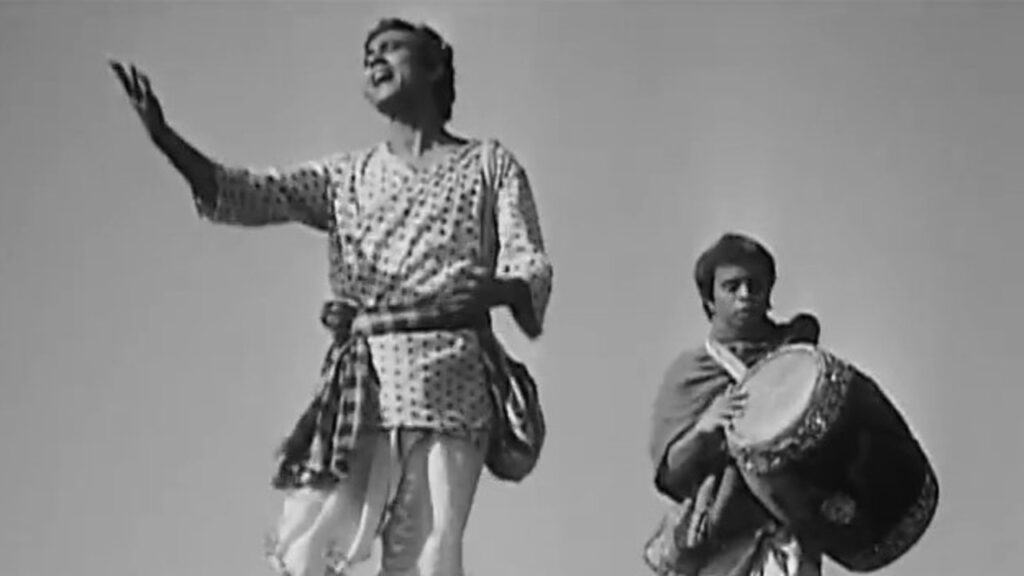
The story, although very simple, is infused with clever humor and creative possibilities. Ray employs fantasy as a tool to examine human greed, power, and forgiveness but does so in such a way that the tone remains light and easy to digest. The appeal of the story also derives from the chemistry between the two main protagonists. Tapen Chatterjee, as Goopy, and Rabi Ghosh, as Bagha, are memorable in their roles because of their innocence and impeccable comic timing.
The Music, having in mind that the film revolves around two musicians, is an integral part of the film, and Ray himself has composed the music, which incorporates elements of traditional Indian music with his own innovative creativity. The ‘Bhooter Naach’ (Dance of Ghosts) is a specially pleasing part, which incorporates the Carnatic classical rhythm of ‘Tani Avartanam’, complementing perfectly the magical quality of the film.
The impact of the film cannot be measured or quantified, as it was a tremendous commercial success, running for a record 51 weeks in Bengal. It received the National Film Award for Best Feature Film and Best Director for Satyajit Ray, cementing its legendary status. This popular success gave birth to two sequels: Hirak Rajar Deshe in 1980, starring Soumitra Chatterjee as Goopy, and Goopy Bagha Phire Elo in 1992, also known as Goopy Bagha Returns, directed by none other than Satyajit Ray’s son, Sandip Ray, as the magical adventures of this iconic duo continued. Decades after its release, this film still acts as a point of reference for Bengali cinema.