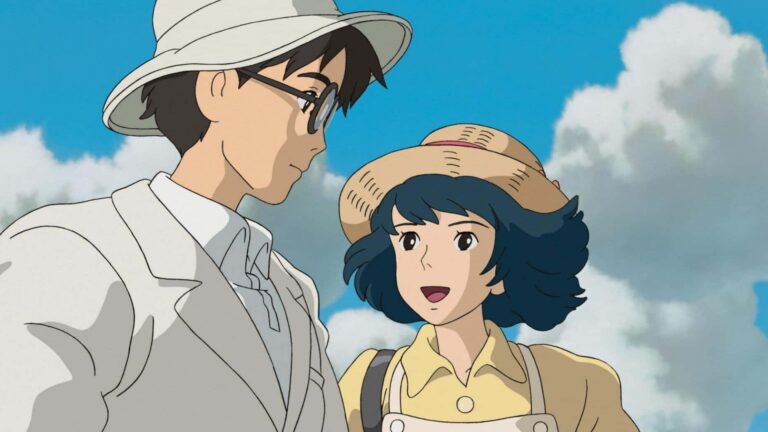
When it comes to the beauty of Studio Ghibli, there is no denying that all of the films hold a very special place in the hearts of most of us. Out of them all, some movies have tried to show how fantasy can be mixed with imagination and how stories can be told with watercolor frames, and there are stories that are inspired by Japan’s devastation during the Second World War. The film The Wind Rises is one of those that tells how Japan became a part of the war. The story is actually based on real history that is not easy to forget, and we understand where real life ends; Hayao Miyazaki’s storytelling begins. But when you look closely, a few surprising facts about Jiro’s character stand out and add a whole new layer of meaning to the film. Here are three of the most interesting ones that the best of us often miss:
3. Jiro’s Nearsightedness Comes Straight from History
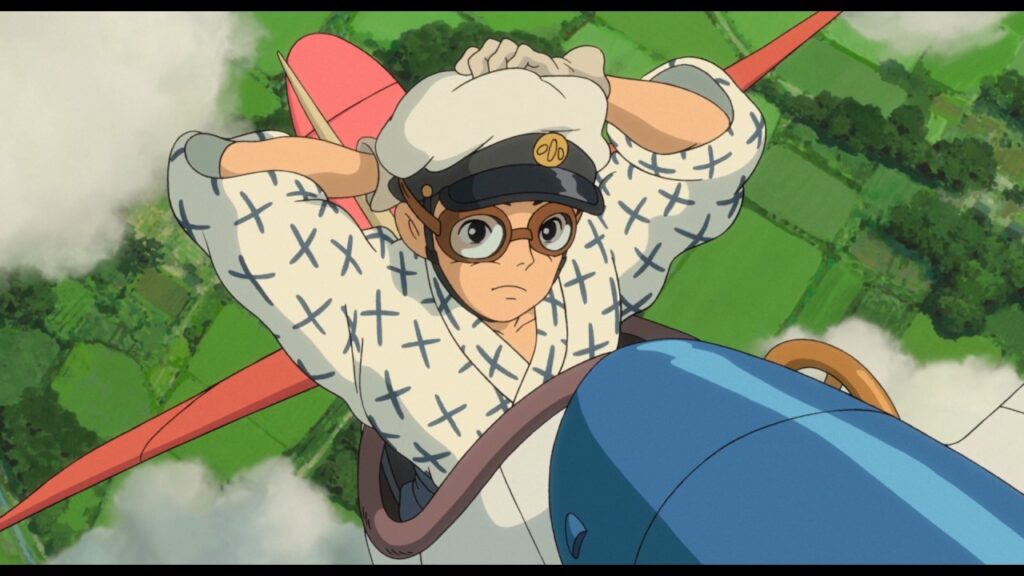
Unlike some of the film’s emotional embellishments, Jiro’s poor eyesight is completely accurate and true. The real Jiro Horikoshi was nearsighted enough that he couldn’t become a pilot, which was his dream that day, which put a limitation on him that pushed him into aircraft design instead. What could have been a setback became the defining direction of his life. The film uses this detail beautifully, as it anchors Jiro’s passion in reality while highlighting how personal limitations often lead to unexpected paths.
2. Caproni Exists for Miyazaki, Not Jiro
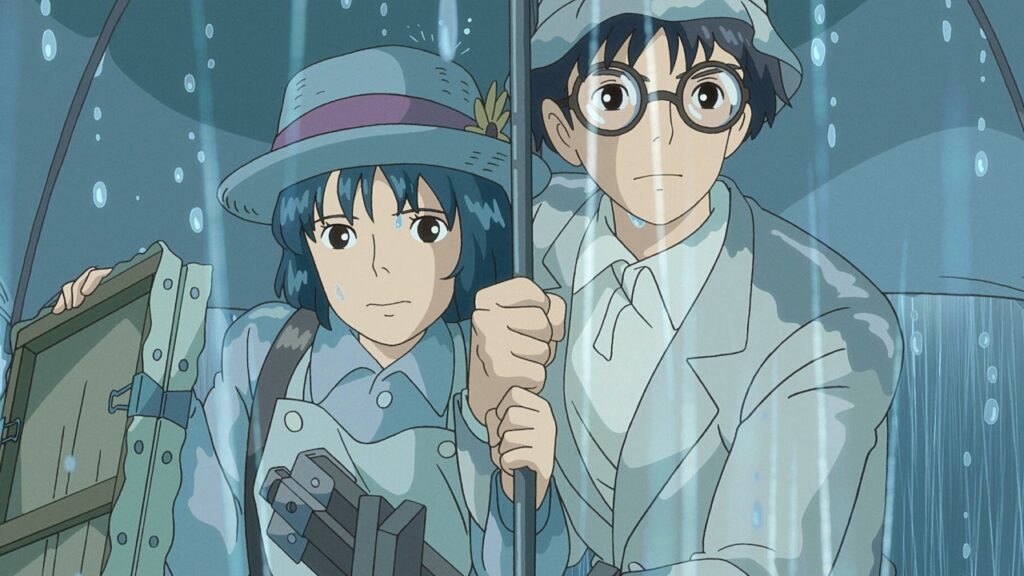
The visionary aircraft designer we see in Jiro’s dreams was never someone the real Horikoshi met. His presence is apparently a direct reflection of Hayao Miyazaki’s own admiration for Italian aviation and design. What we see is that Caproni isn’t just a mentor figure, and apparently, he represents the creative spirit that inspires both Miyazaki and Jiro. For those who have watched the movie Porco Rosso, they will even recognize the same affection for Italian aircraft woven into the dream scenes here, making Caproni feel like a signature Miyazaki motif.
1. Nahoko Isn’t Real — but Jiro’s Wife Was
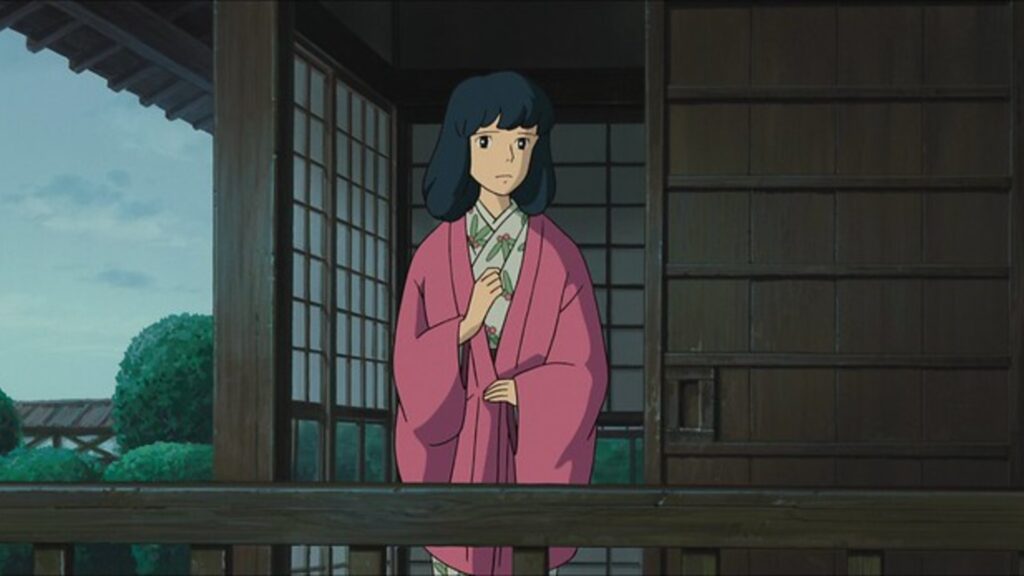
Many of us believed and assumed that Nahoko Satomi is based on a real person, but she is actually a fictional creation. The real Jiro Horikoshi married a woman named Sumako, and the two shared a long, steady life together. Nahoko was crafted specifically for the film to bring out the emotional, bittersweet side of Jiro’s journey. She symbolizes fragility, love, sacrifice, and the cost of ambition far more than she represents a historical figure. Her role helps the film lean into poetic storytelling rather than strict biography.
Related Posts
Why Studio Ghibli’s ‘Ocean Waves’ Is The Forgotten Film
10 Studio Ghibli Characters Who Would Be Terrifying in the Real World