10 worst ‘Peaky Blinders’ characters, ranked
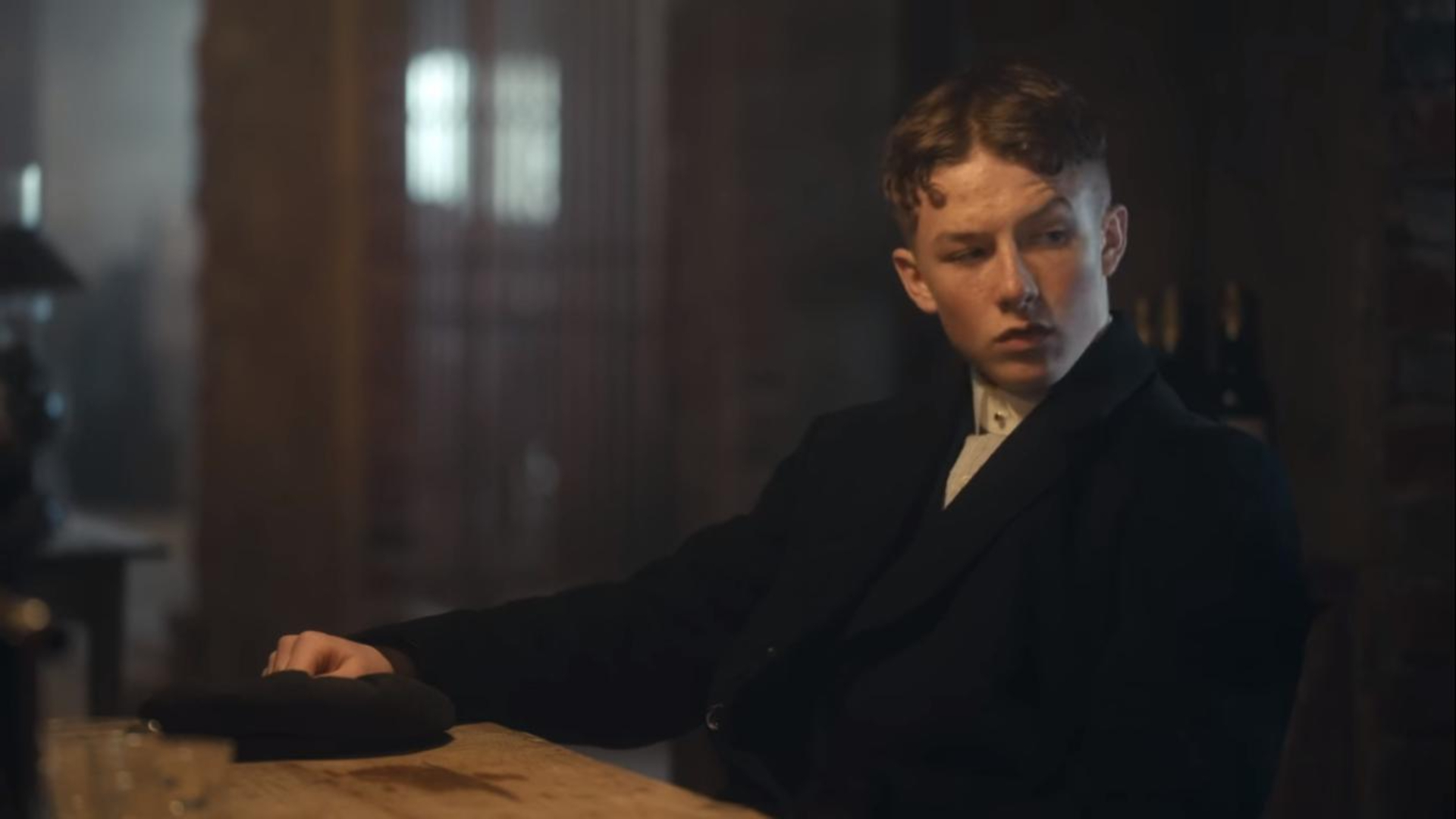
10. Finn Shelby
Finn lands here mostly because of how much potential never paid off. As the youngest Shelby, I kept waiting for him to step up like John or Arthur, but he stayed the weak link, choosing outsider loyalties over his own family. His decision to side with Billy Grade in the Season 6 finale ultimately led to his banishment from the Shelby estate. By the time the 2026 film arrived, his absence just reinforced how little he ever grasped the weight of the peaky cap.
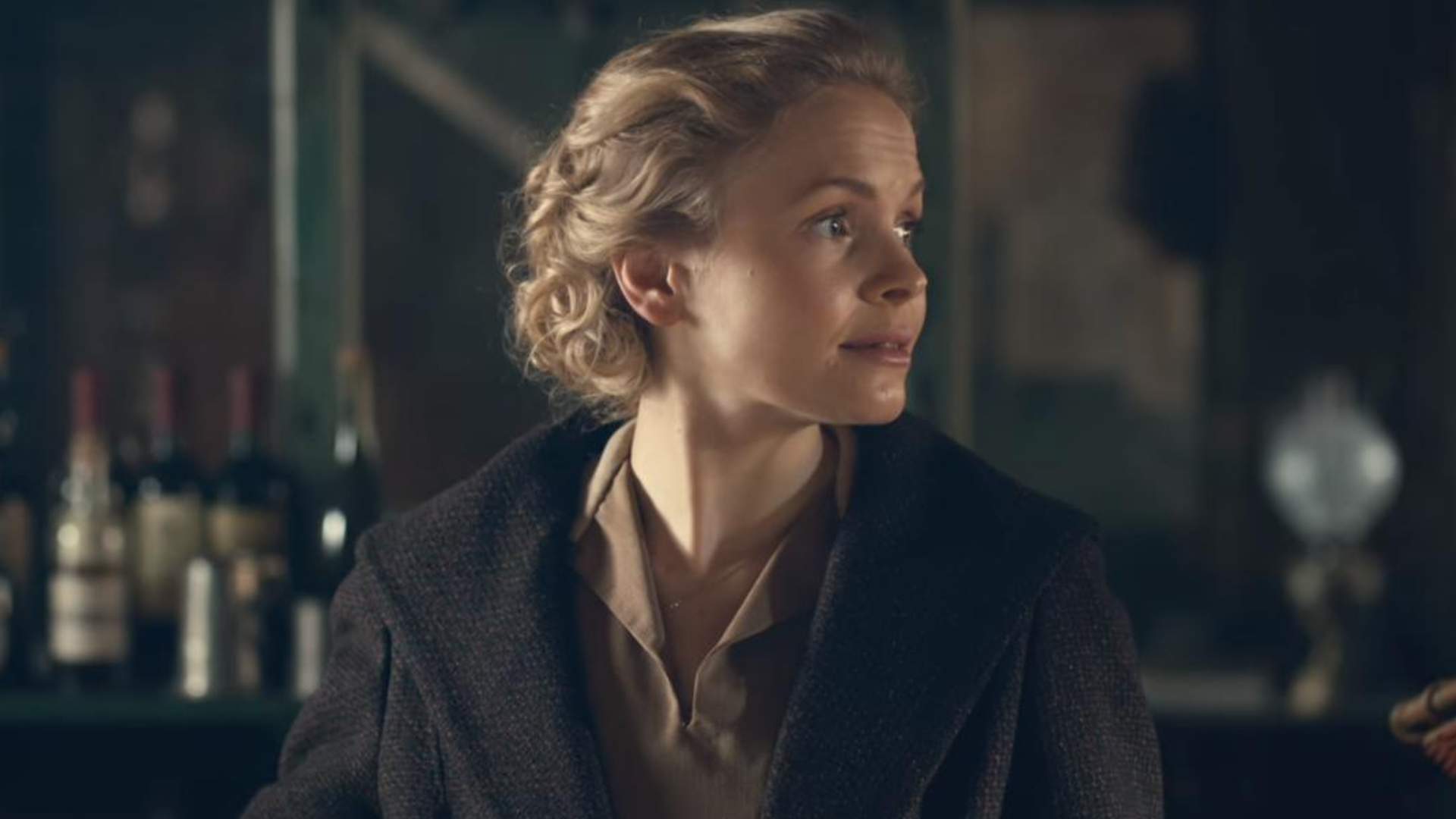
9. Linda Shelby
“Fook Linda” didn’t become a catchphrase for nothing. She constantly brought a kind of sanctimonious tension into the Shelby household. While her desire to pull Arthur away from his darker life made sense on paper, her hypocrisy, benefiting from the Shelby lifestyle while condemning how it was built, made her difficult to watch. Her use of religion as leverage against Tommy often slowed the story’s momentum, and even her later appearances did little to change how I saw her.

8. Gina Gray
Gina arrived as an outsider and immediately felt like one. Her condescending attitude and clear ambition to challenge Tommy’s authority made her easy to dislike. She played a major role in pushing Michael toward arrogance, constantly feeding his belief that he could take over. For me, her presence often clashed with the grounded, gritty tone that made the earlier seasons so compelling.
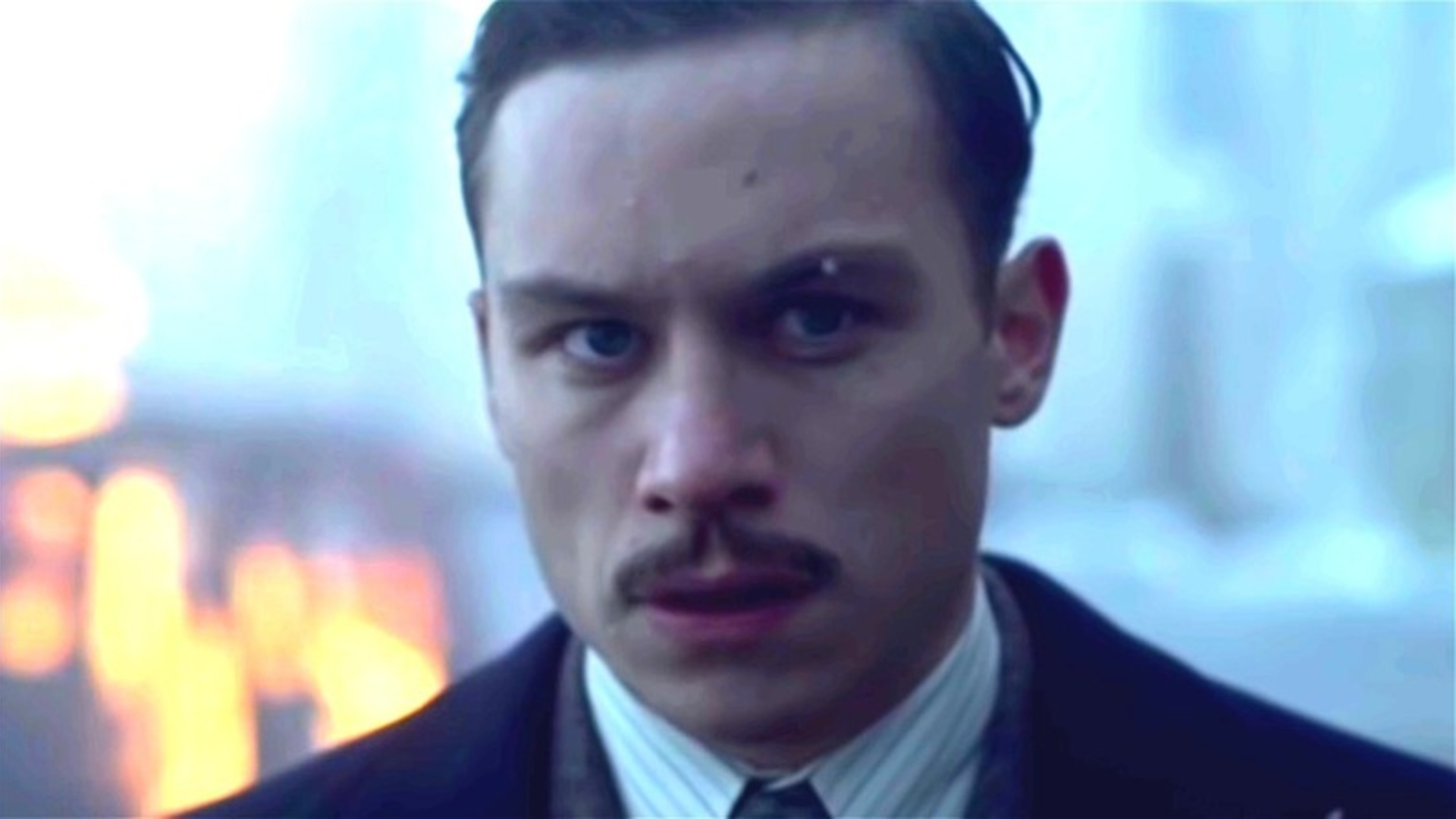
7. Michael Gray
Michael’s transformation from promising protégé to full-blown antagonist is one of the most frustrating arcs in the series. He started as someone sharp and capable, but his growing ego pushed him into direct conflict with Tommy. By the final season, when he was actively plotting against him, he had lost the edge that once made him interesting. His downfall ended up feeling less tragic and more like an inevitable consequence.
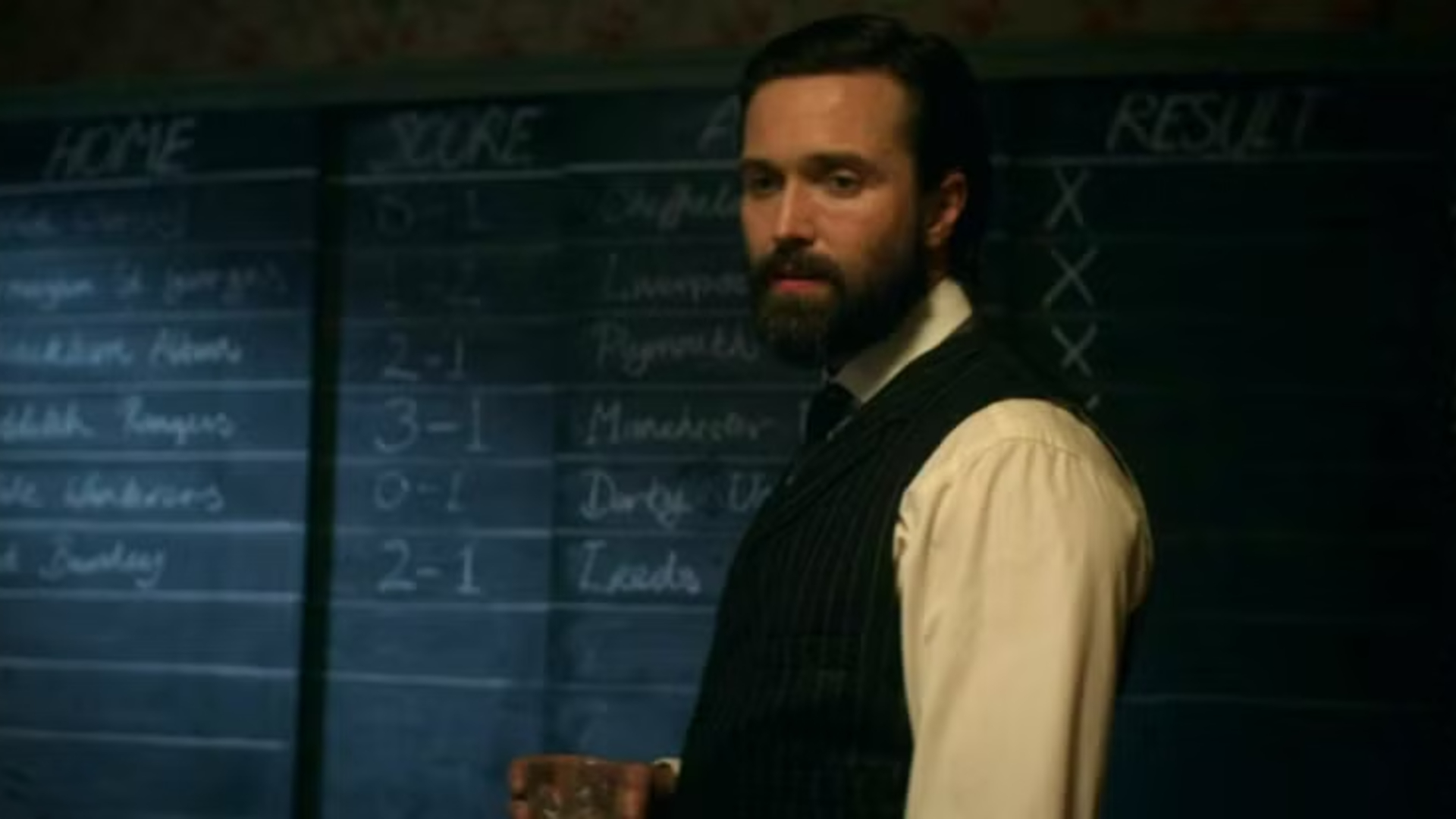
6. Billy Grade
Billy never felt like he belonged in the world of the Peaky Blinders. He was more of a liability than a threat, and his nervous, self-preserving nature made him frustrating to watch. Even if he was partly a victim of circumstance, his actions had serious consequences for key characters. Instead of raising the stakes, his presence often slowed things down at crucial moments.
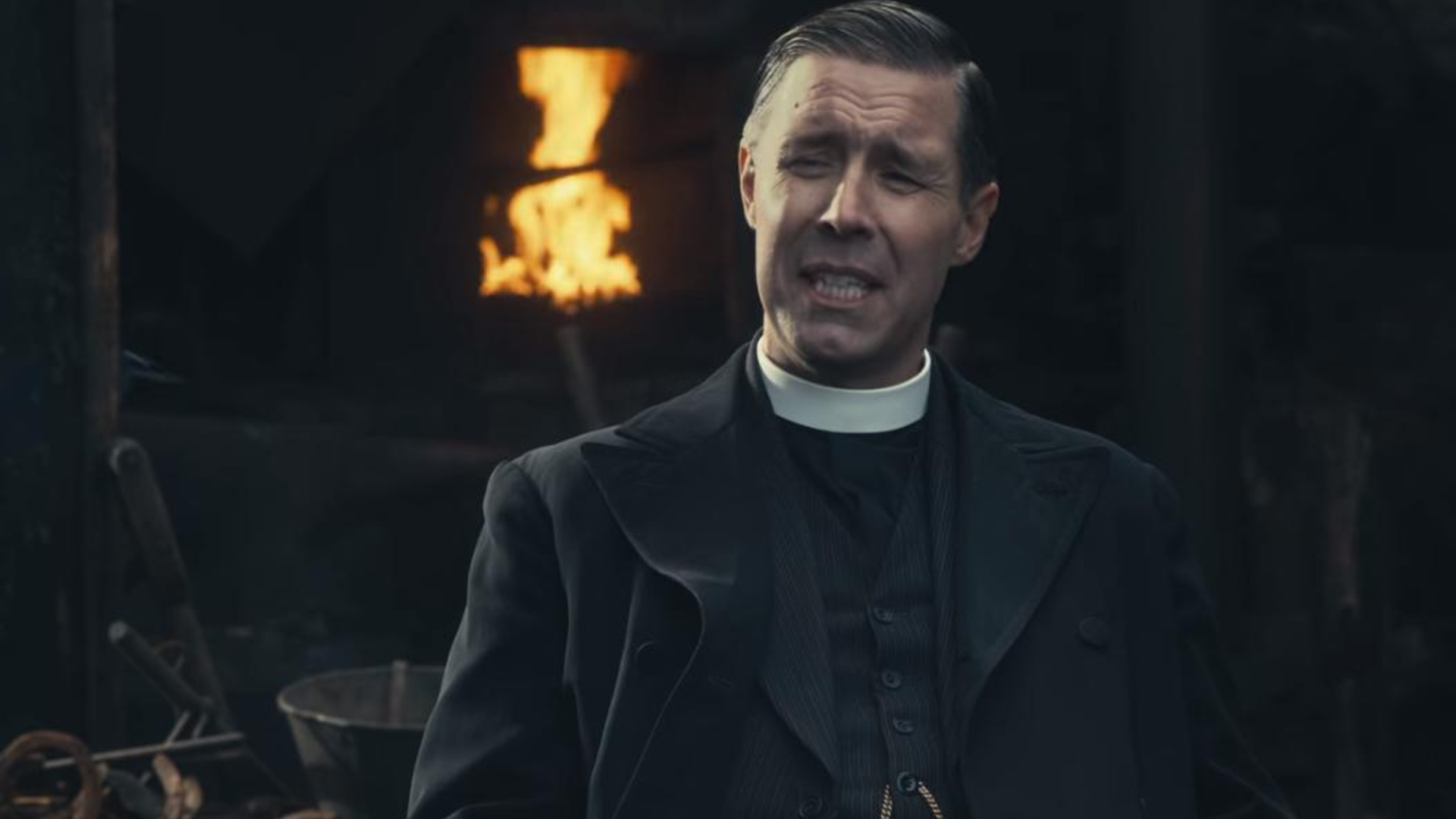
5. Father John Hughes
Father Hughes stands out as one of the most disturbing antagonists in the series. His role as a corrupt figure tied to powerful institutions, combined with deeply abusive behavior, made his scenes hard to sit through. The performance itself was incredibly effective, which only made the character more unsettling. His eventual downfall brought a rare sense of relief, not just for the characters but for me as a viewer.
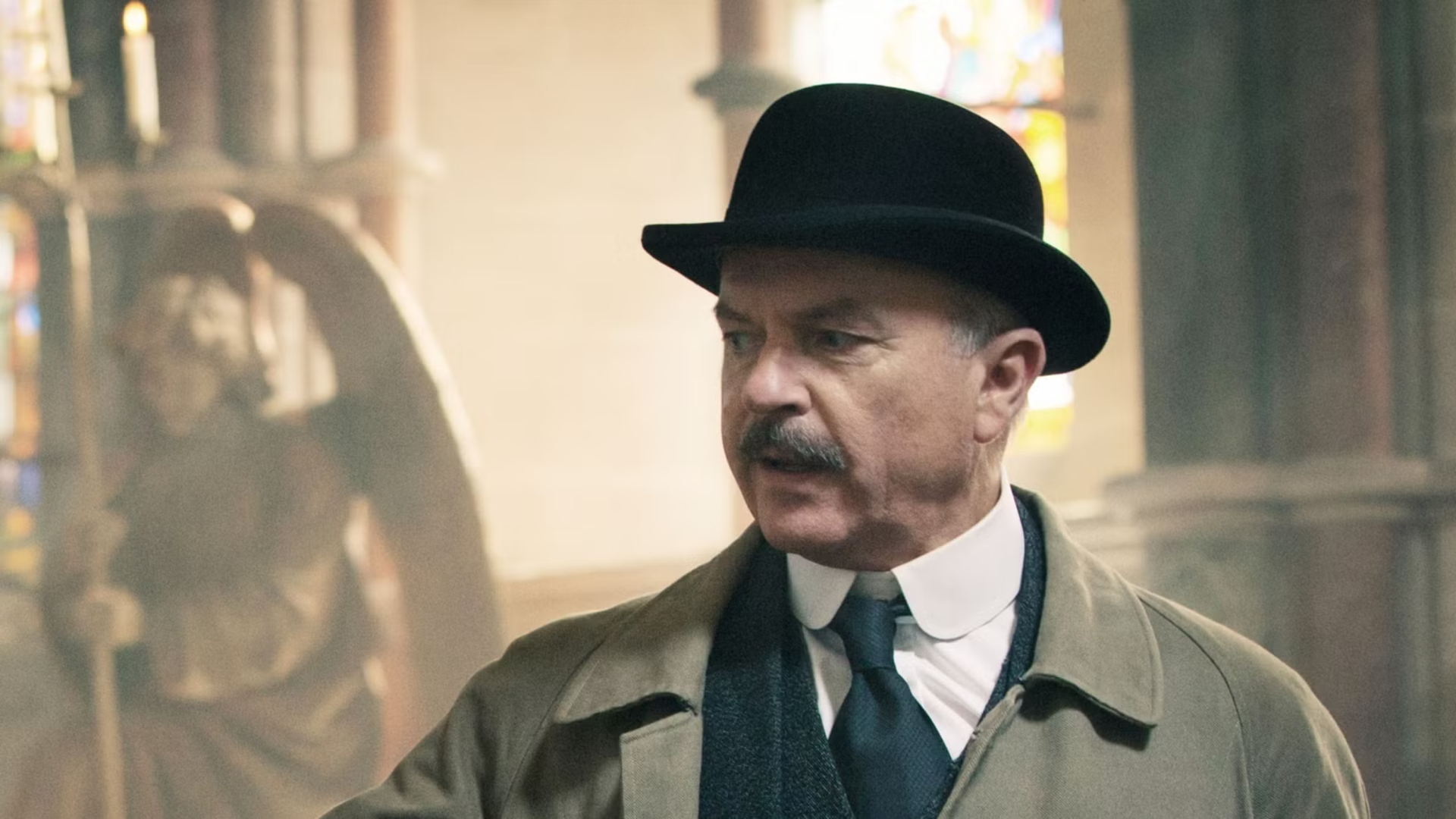
4. Inspector Campbell
Campbell began as a strict man of law, but it didn’t take long for that image to crack. His obsessive fixation on Grace and his abusive treatment of Polly pushed him far beyond any sense of moral authority. What made him especially frustrating was the contrast between what he claimed to represent and how he actually behaved. His end in Season 2 felt less like a twist and more like long-overdue justice.
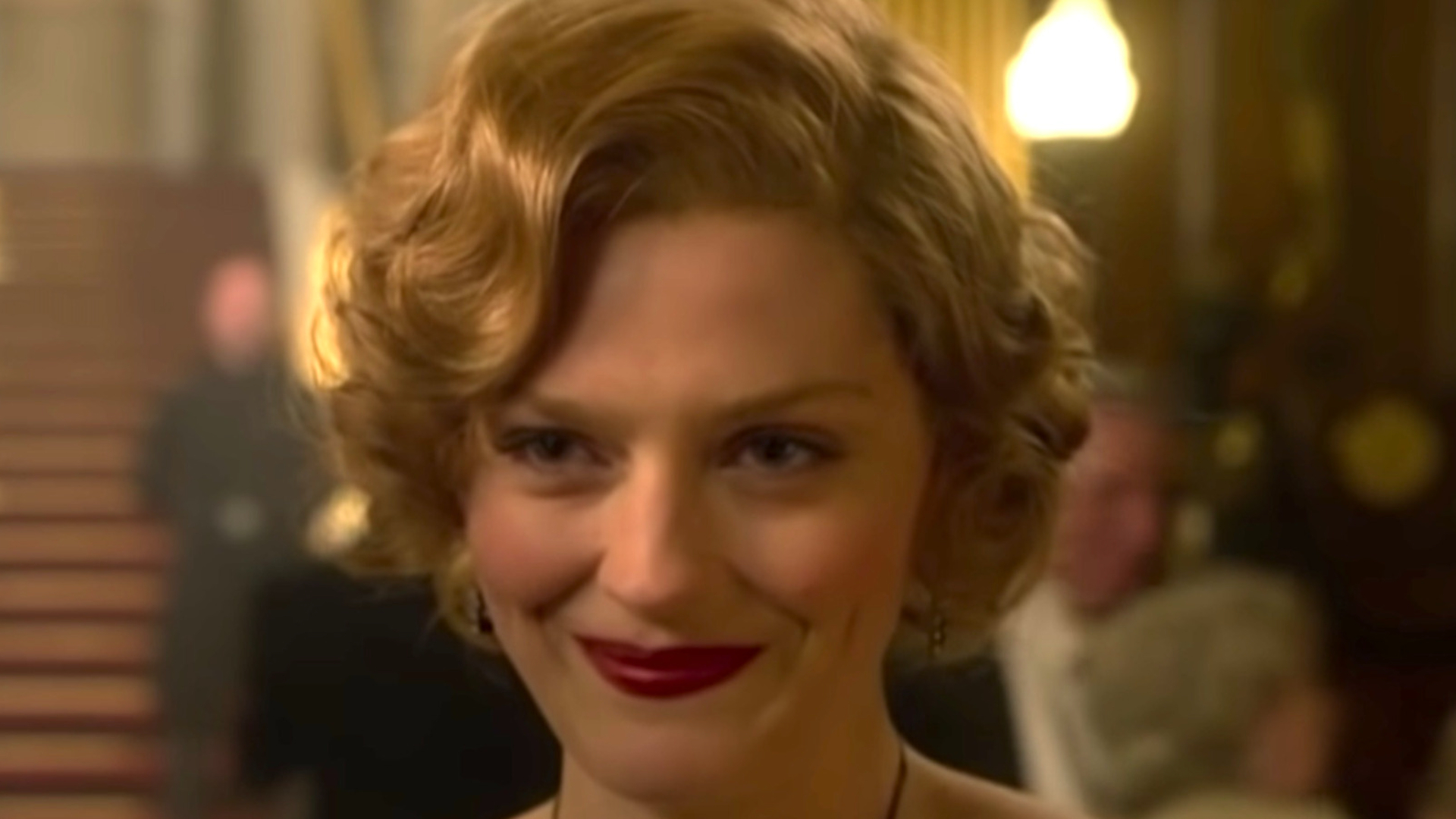
3. Diana Mitford
Diana Mitford was written to be deeply unsettling, and it worked. Her cold, aristocratic confidence and open alignment with dangerous ideology made her a uniquely chilling presence. What stood out most to me was how she operated without violence, using influence, manipulation, and social power instead. Her involvement in Tommy’s personal life only made her more infuriating to watch.
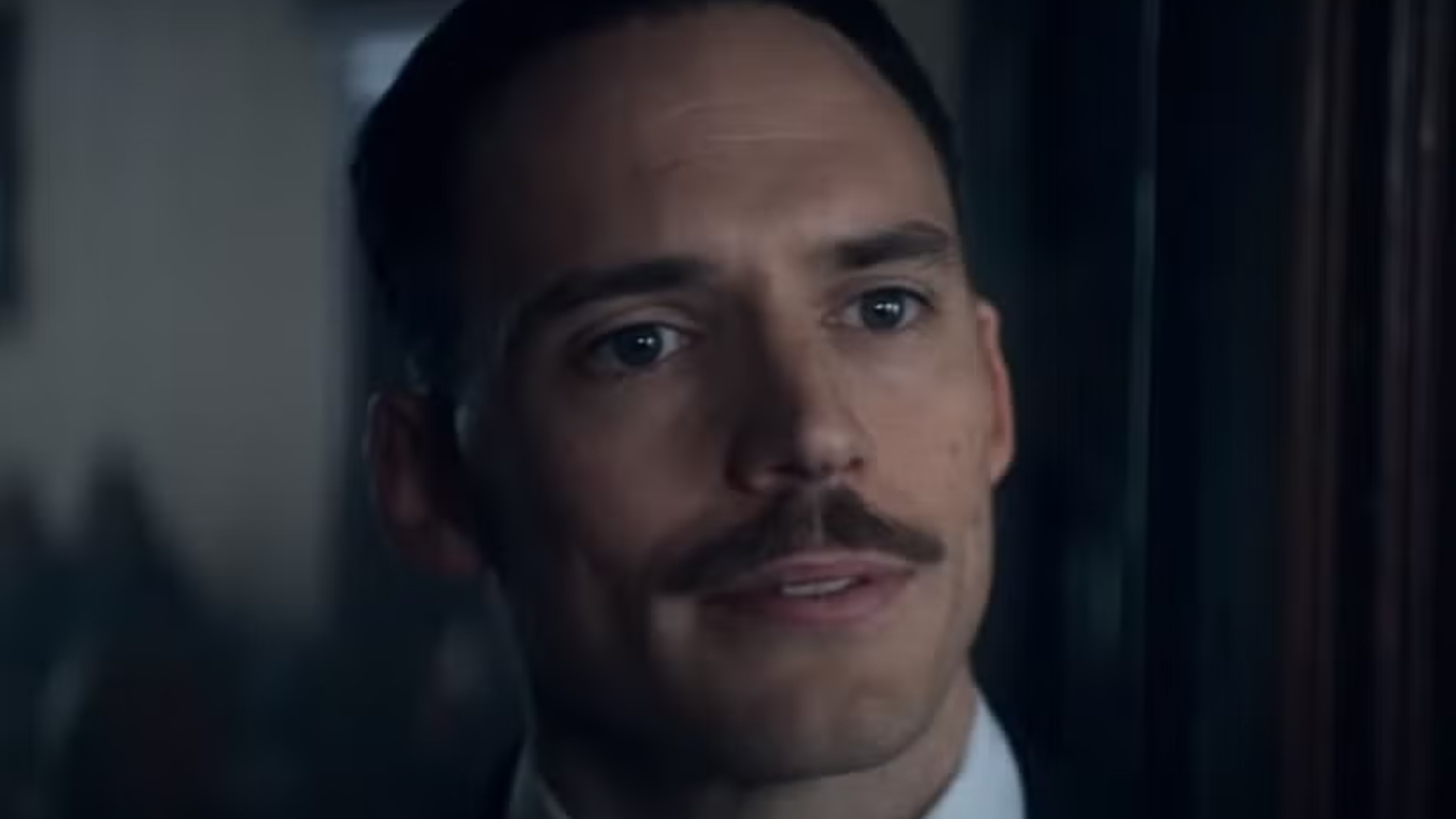
2. Oswald Mosley
Mosley is easily one of the most effective antagonists in the series, which also makes him one of the hardest to watch. Knowing the real-world history behind the character adds an extra layer of discomfort. He’s the kind of enemy Tommy can’t simply outgun or outmaneuver, which makes his presence feel heavier. Every time he gains ground, it leaves a lingering sense of frustration that never fully resolves.
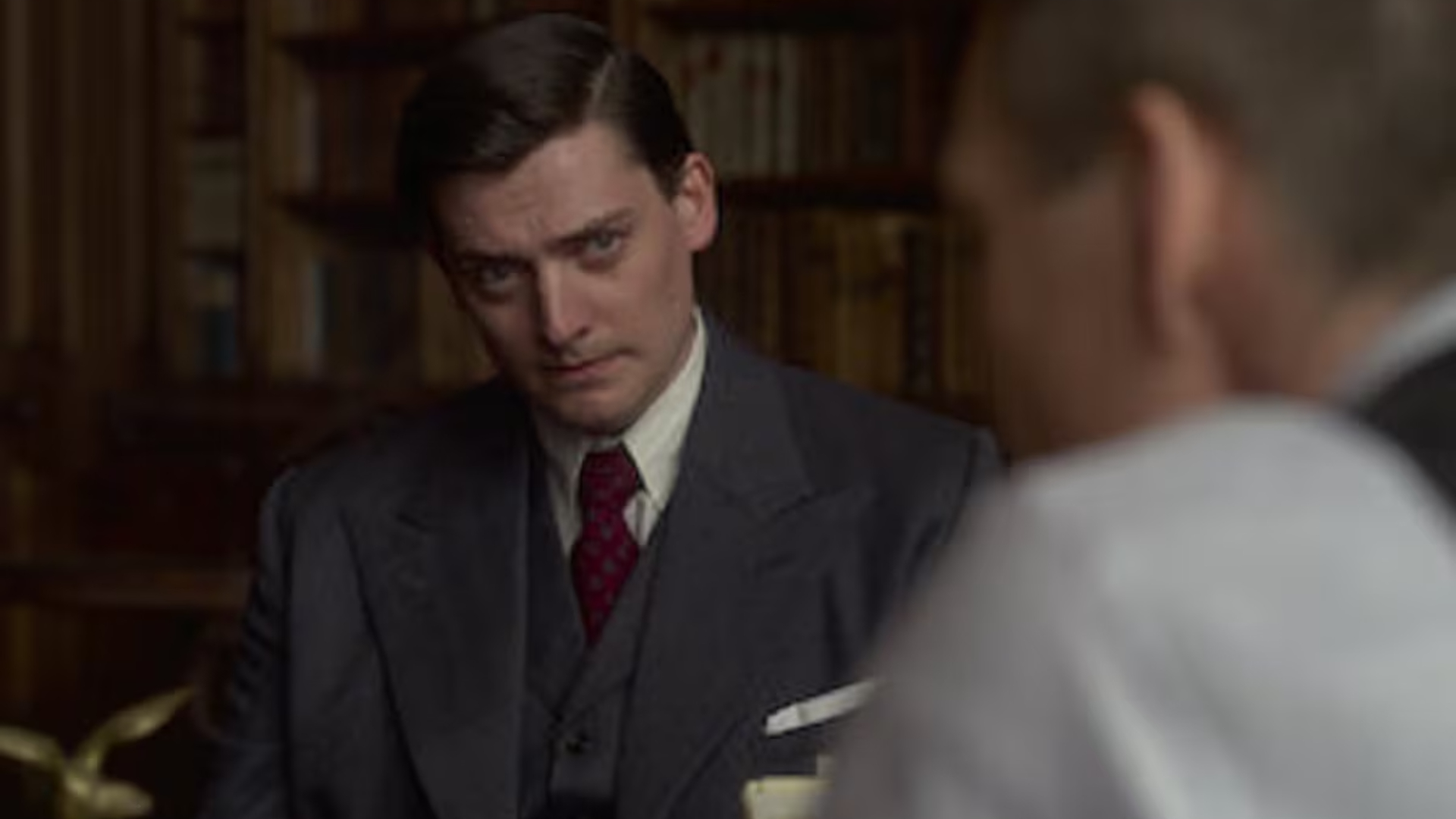
1. Dr. Holford
Dr. Holford takes the top spot for how calculated and personal his actions were. Convincing Tommy that he was terminally ill pushed him to his lowest point, making the deception feel especially cruel. It wasn’t just manipulation, it was targeting someone at their most vulnerable. When the truth came out, it completely reframed everything, solidifying him as the character I found hardest to forgive.