10 Most Overrated Hollywood Directors, Ranked
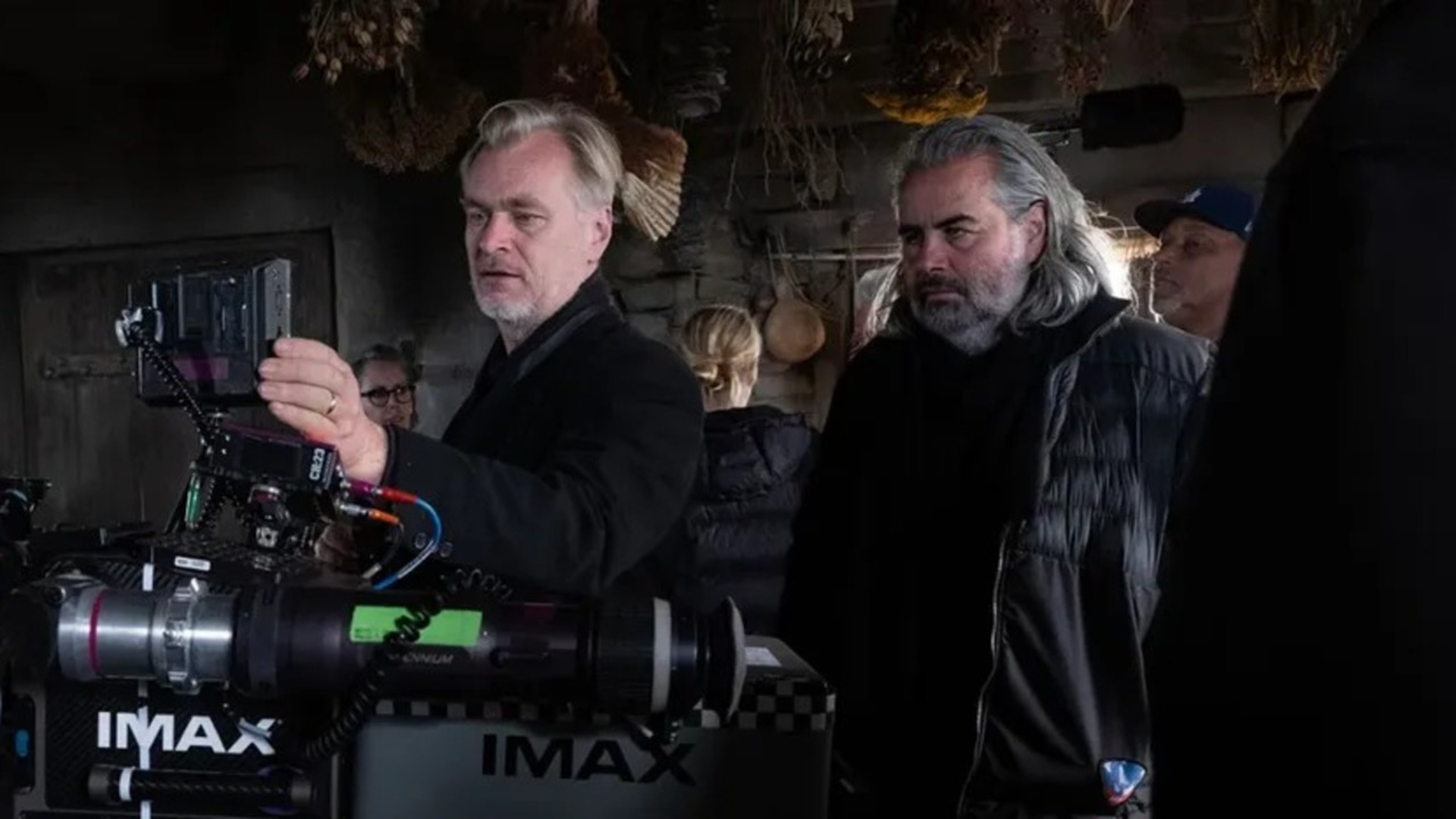
10. Christopher Nolan
Ranking Nolan as "overrated" is a cinematic paradox, as he is widely considered one of the most influential directors of the modern era. From Inception to Oppenheimer, his ability to deliver large-scale, original films with technical precision is unmatched. However, some critics point to a sense of emotional distance in his work, arguing that complex structures and themes can overshadow character depth. While his fans see him as a visionary, detractors often view his films as intellectually impressive but less emotionally engaging.
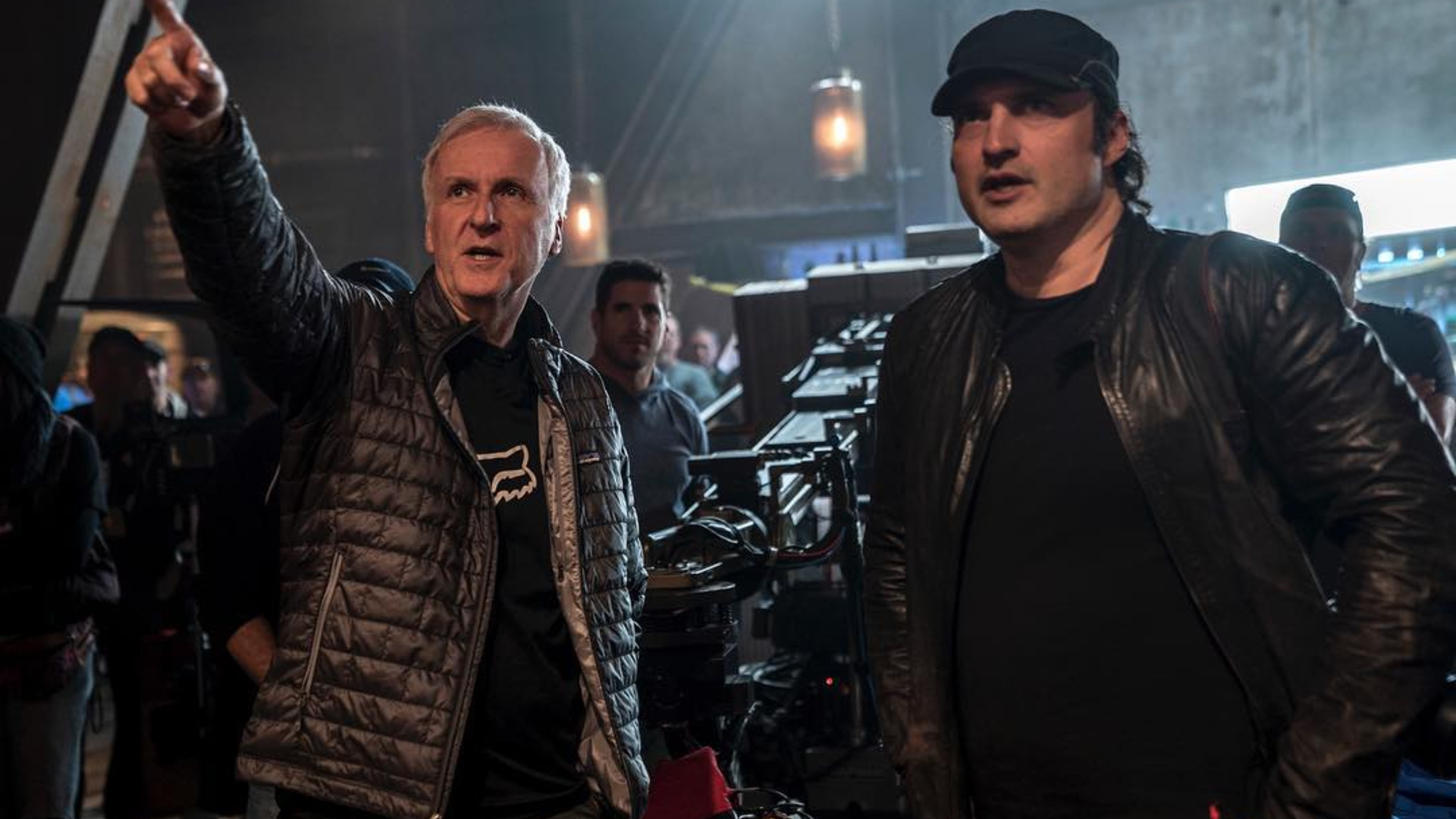
9. James Cameron
Cameron’s influence on blockbuster filmmaking is undeniable, particularly with advancements in visual technology. However, critics have often pointed out that his storytelling can feel straightforward compared to the scale of his visuals. While Avatar was groundbreaking in presentation, its narrative drew comparisons to familiar story structures. His focus on technical innovation sometimes appears to take priority over complex character writing. As a result, he is often seen as a master of cinematic engineering whose stories don’t always match his ambition.
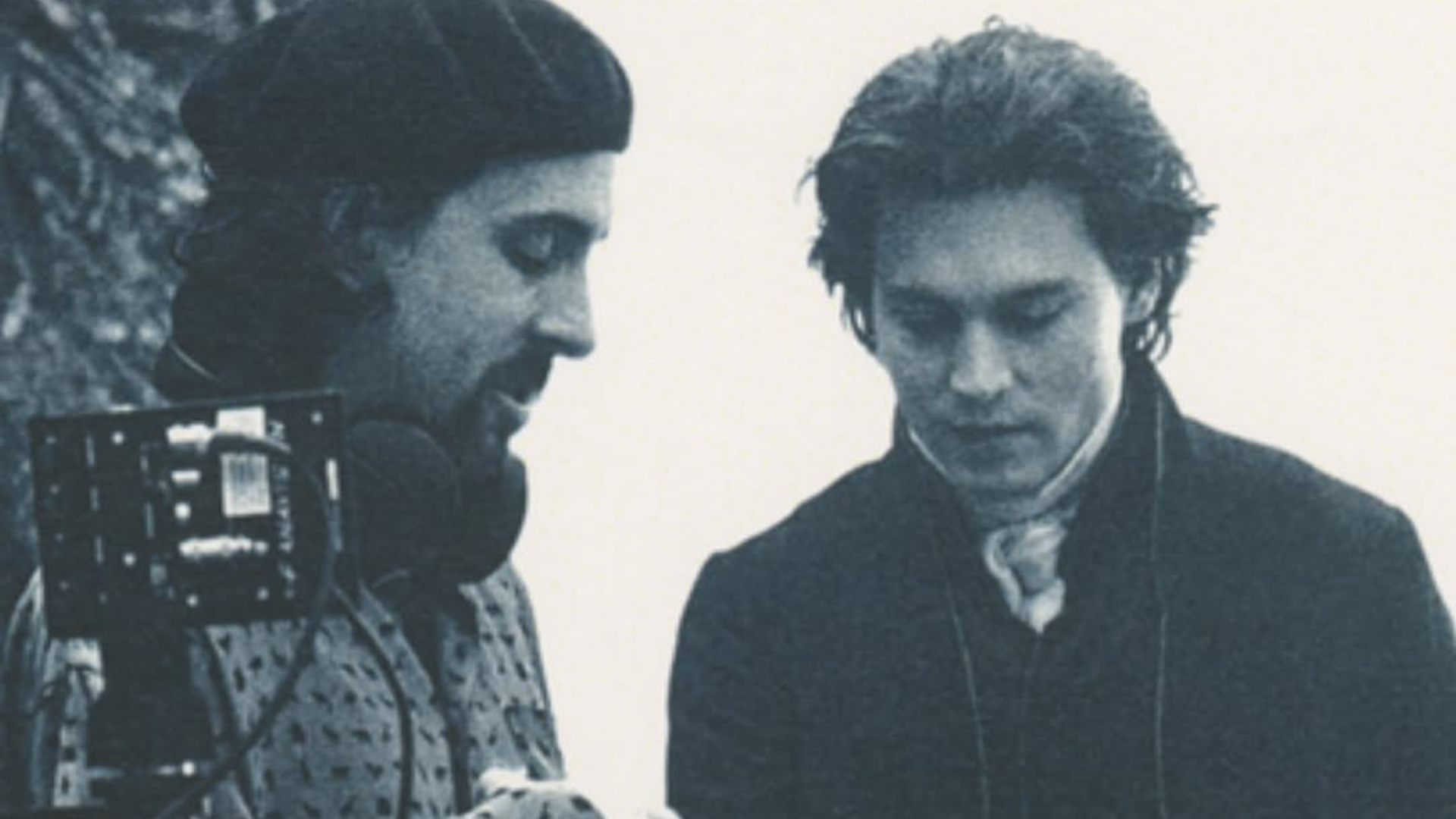
8. Tim Burton
Once known for pioneering a distinct gothic-fantasy style, Burton has faced criticism for repeating familiar visual themes in recent years. His reliance on signature aesthetics has led some to feel his work has become predictable. While his early films were widely celebrated for originality, later projects especially effects-heavy remakes have drawn mixed reactions. Many critics view him as a filmmaker who found a unique style but has struggled to evolve beyond it.
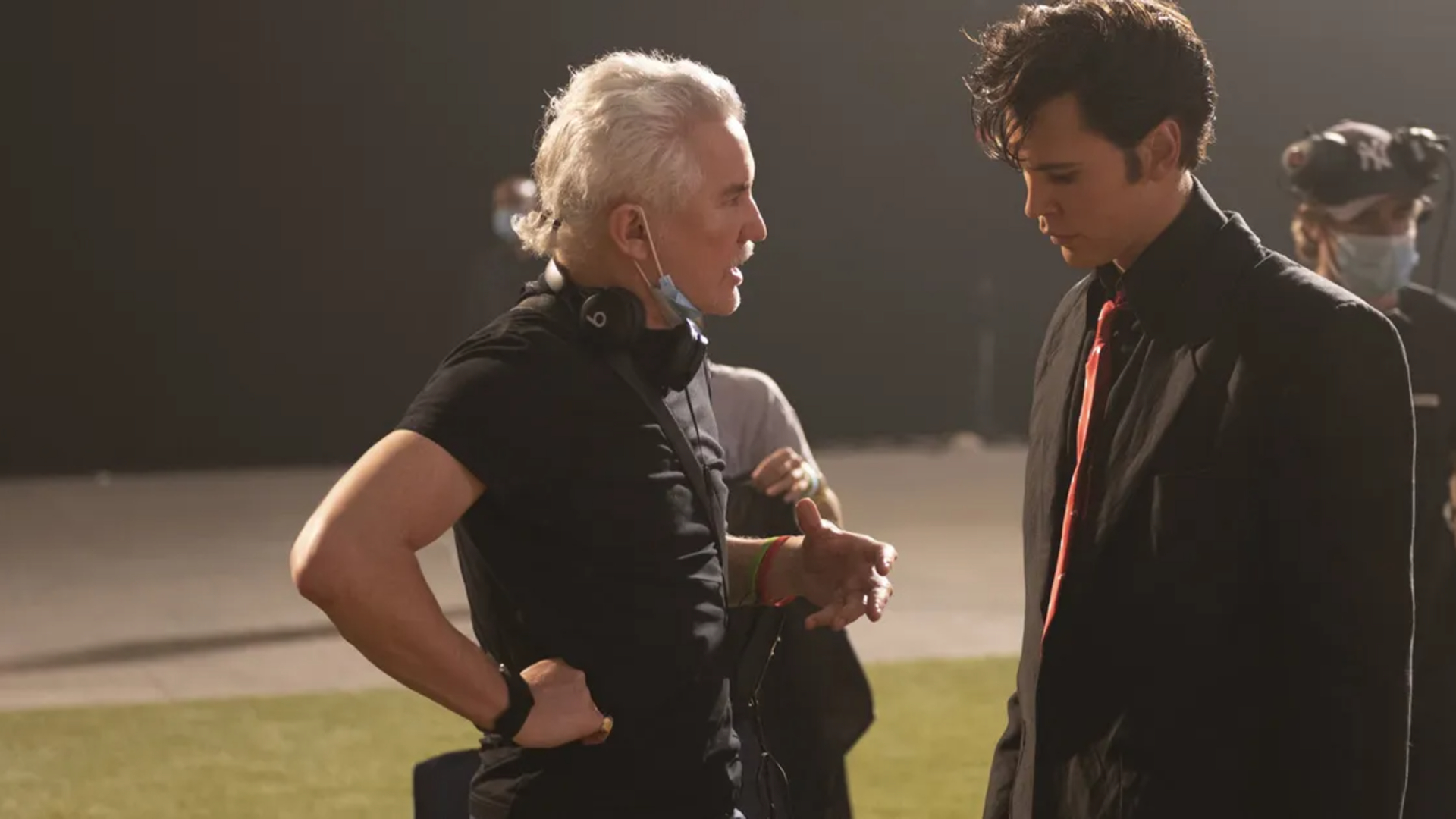
7. Baz Luhrmann
Luhrmann’s signature style is a high-energy blend of rapid editing, vibrant visuals, and modern music, which sharply divides audiences. While films like Elvis found success, critics often find his approach overwhelming and lacking subtlety. His storytelling can prioritize spectacle over historical nuance and character intimacy. For some viewers, his films are visually exciting but emotionally less grounded.
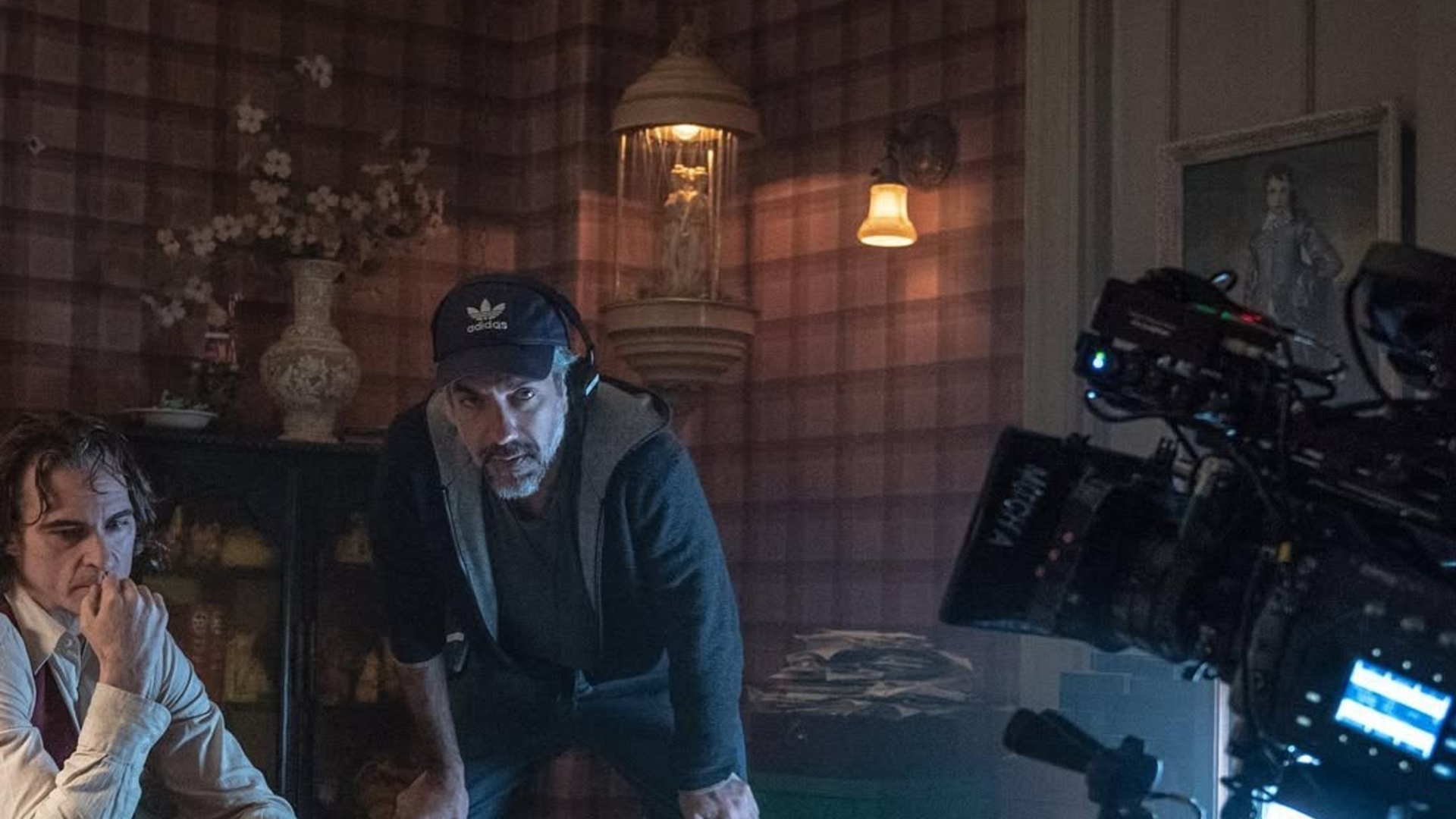
6. Todd Phillips
Though Joker was a global success, some critics argue that Phillips draws heavily from earlier filmmakers without adding the same level of thematic depth. His shift from broad comedies to serious drama divided audiences, with some viewing it as a natural evolution and others as stylistic imitation. Detractors suggest that his films can lean toward surface-level seriousness rather than deeper exploration. The debate continues over whether he is a bold creative voice or simply influenced by stronger predecessors.
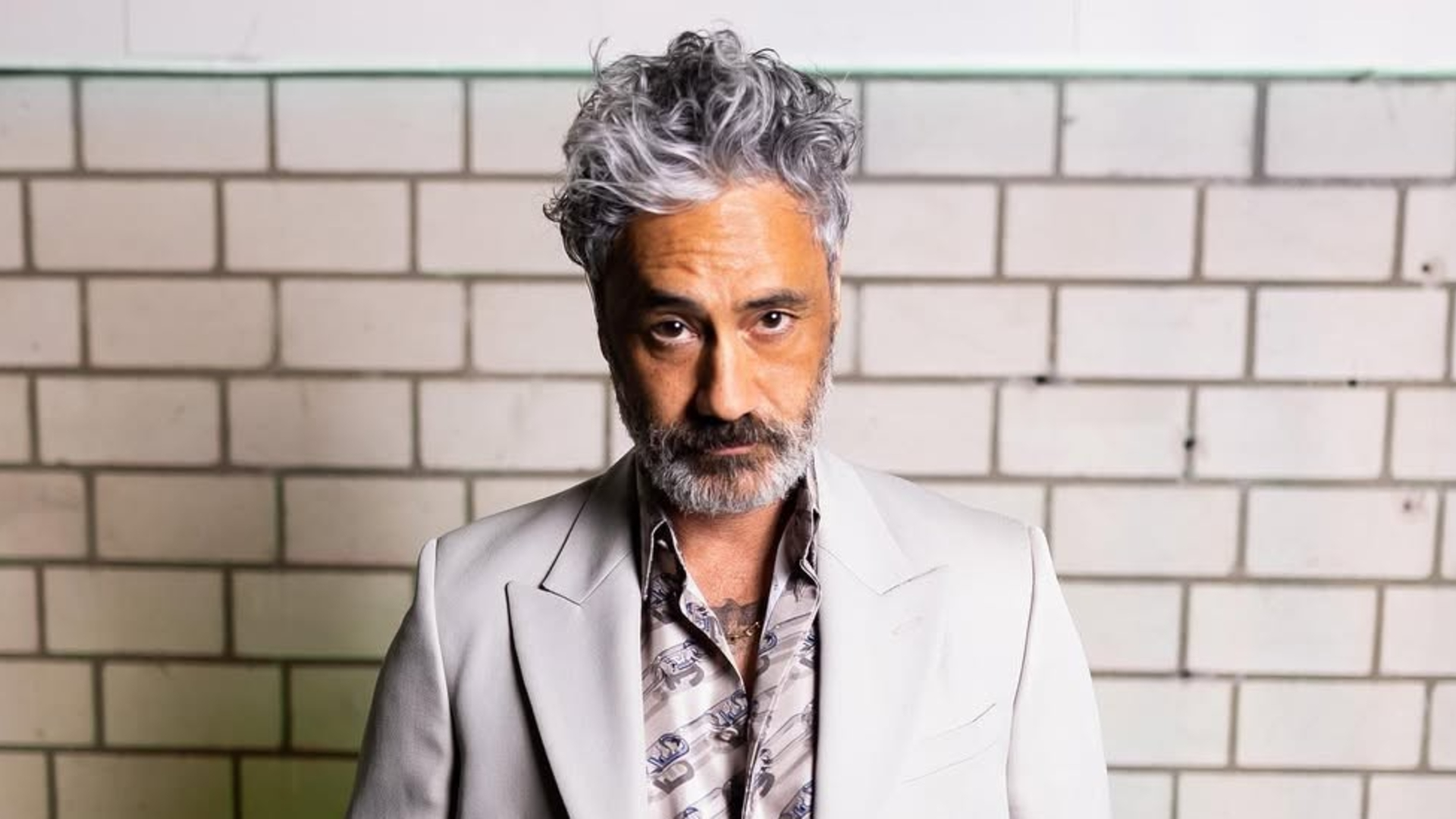
5. Taika Waititi
After the success of Thor: Ragnarok, Waititi’s signature humor began to receive mixed responses. His tendency to balance emotional moments with comedy can sometimes feel tonally uneven. While his unique voice brought freshness to major franchises, some critics feel his improvisational style occasionally weakens narrative focus. He is often seen as a director whose strong personal style can sometimes overshadow the story itself.
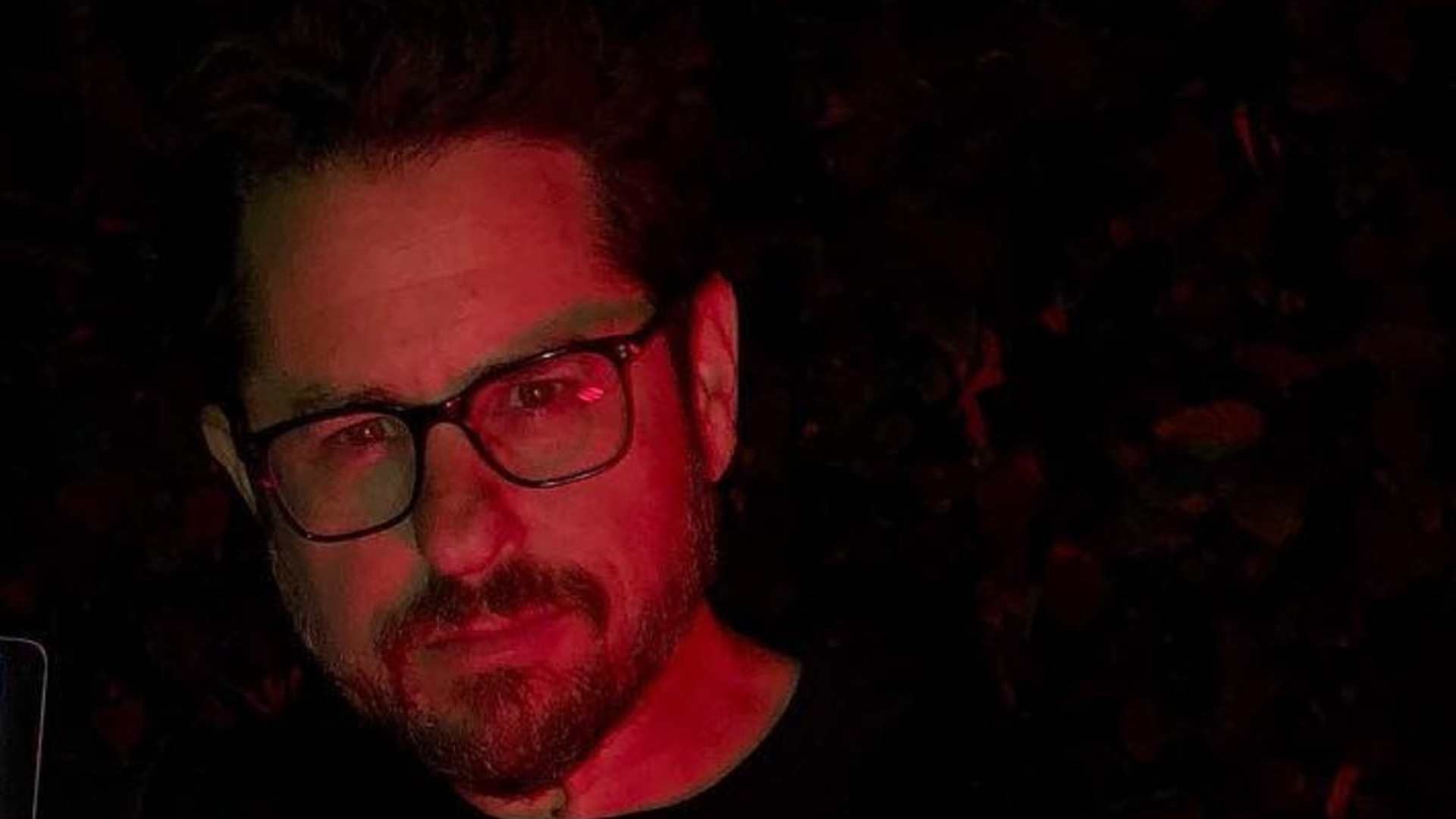
4. J.J. Abrams
Often called the "ultimate fanboy," Abrams is known for his ability to tap into nostalgia, though critics question his originality. His "Mystery Box" approach sets up intriguing ideas but sometimes leads to unsatisfying or overly familiar conclusions. He is also known for stylistic choices like lens flares and reworking established material. By 2026, he is widely respected as a producer, though some feel his directorial work lacks a distinct, lasting identity.
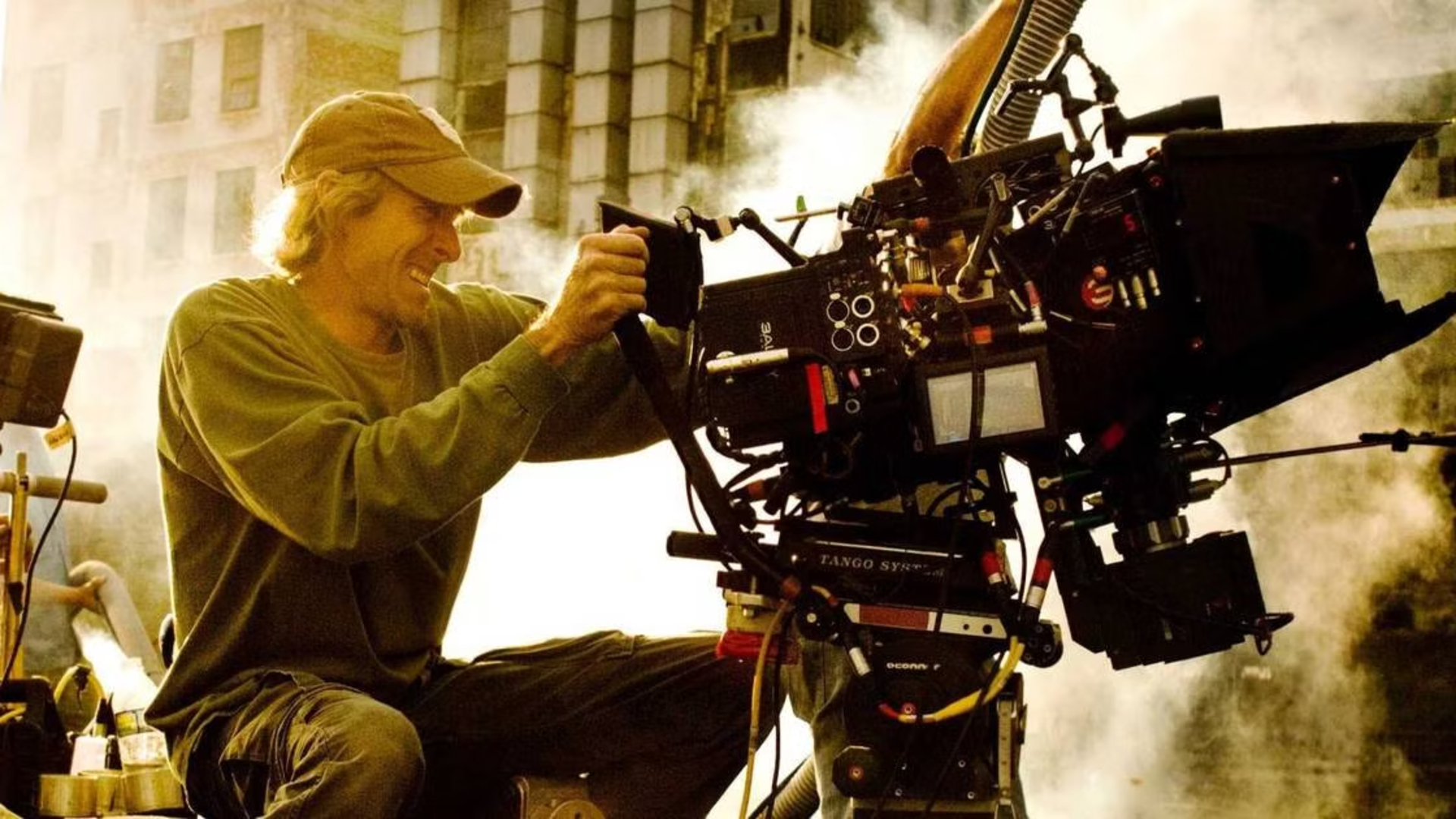
3. Michael Bay
The "Bayhem" style defined the early 2000s blockbuster, but in hindsight, his legacy is often seen as spectacle over substance. His films are frequently criticized for overly stylized portrayals, rapid editing, and a "more is more" approach to action that can overwhelm the audience. While he is a technical expert behind the camera, his films often lack nuanced human moments. As a result, his large-scale productions can feel more focused on visual impact than emotional depth.

2. Zack Snyder
Snyder is a master of the "visual tableau," creating frames that resemble living comic book art, but his detractors find his narrative depth lacking. His reliance on slow-motion, desaturated color palettes, and darker reinterpretations of heroes can feel repetitive over time. Critics often argue that his films prioritize style over coherent themes, leading to a body of work that is visually striking but emotionally distant. To many, he is a visionary visualist who struggles to deliver compelling storytelling.
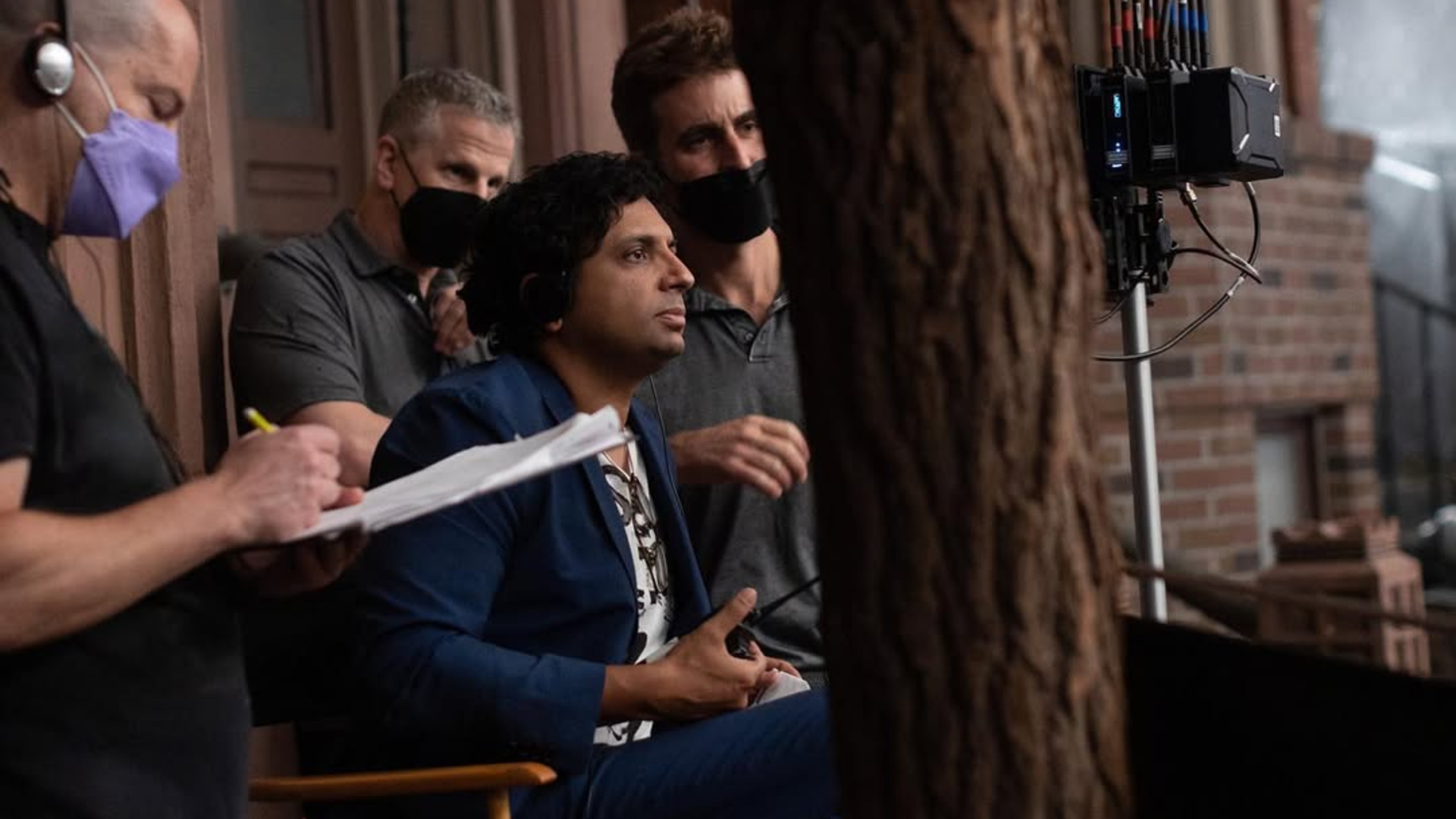
1. M. Night Shyamalan
While he is the undisputed king of the "twist ending," many critics argue that Shyamalan has spent two decades chasing the legacy of The Sixth Sense. His films often suffer from stiff dialogue and overly complex plots that struggle to fully come together. By 2026, his brand of "mystery box" storytelling can feel more like a recurring device than genuine cinematic depth. He is frequently cited as a director who prioritizes a surprise reveal over consistent character development.