10 Movie Franchises That Refuse to Die Down
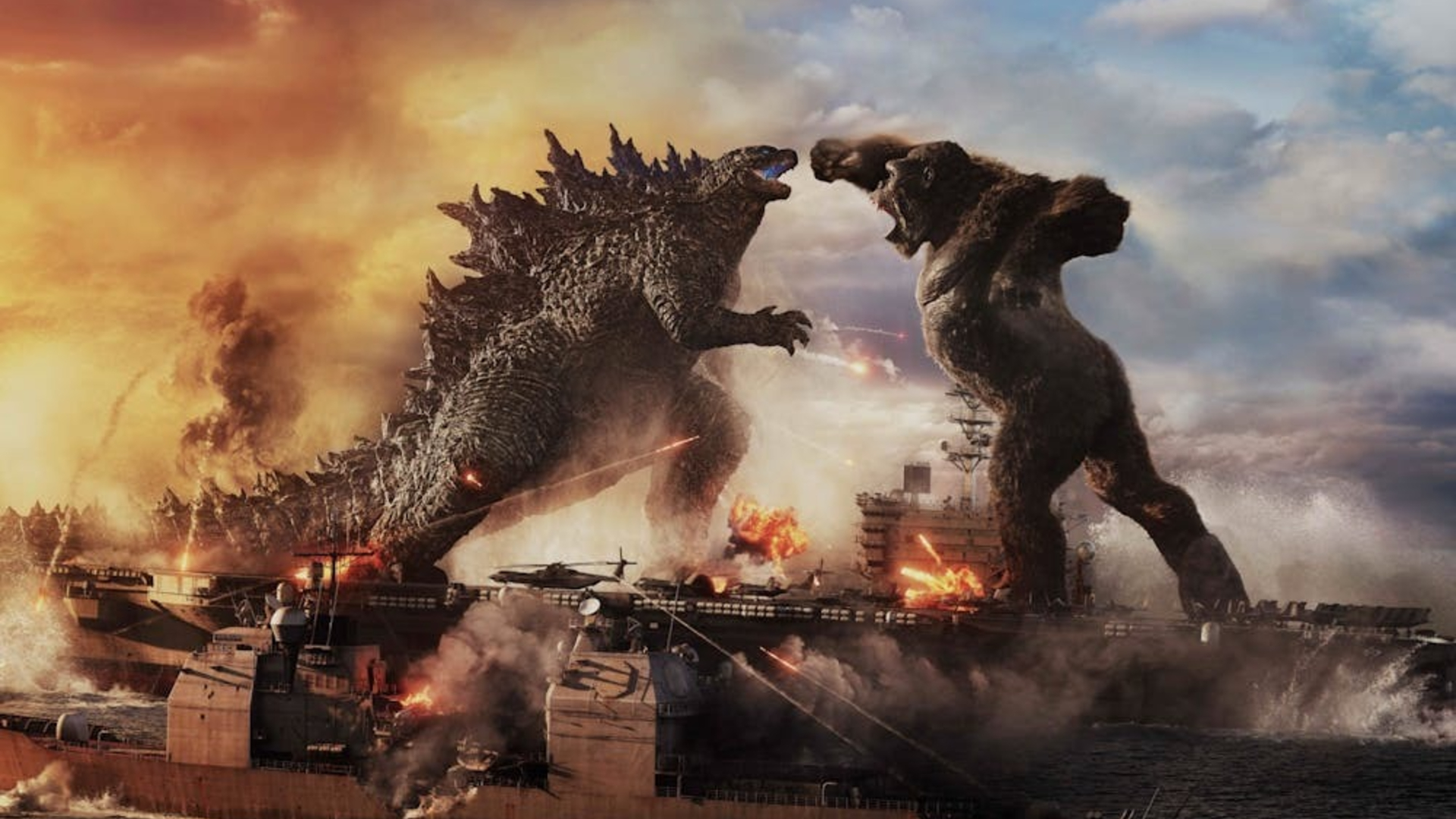
10. Godzilla
Holding the record for the longest-running film franchise, Godzilla has survived by being both a terrifying metaphor for nuclear devastation and a colorful defender against other giant monsters. From Toho’s classic Japanese films to the modern American "MonsterVerse," the character is endlessly adaptable to different cultural perspectives and genre needs. Godzilla is the ultimate cinematic survivor, proving that even a 70-year-old monster can evolve to face any new challenge.
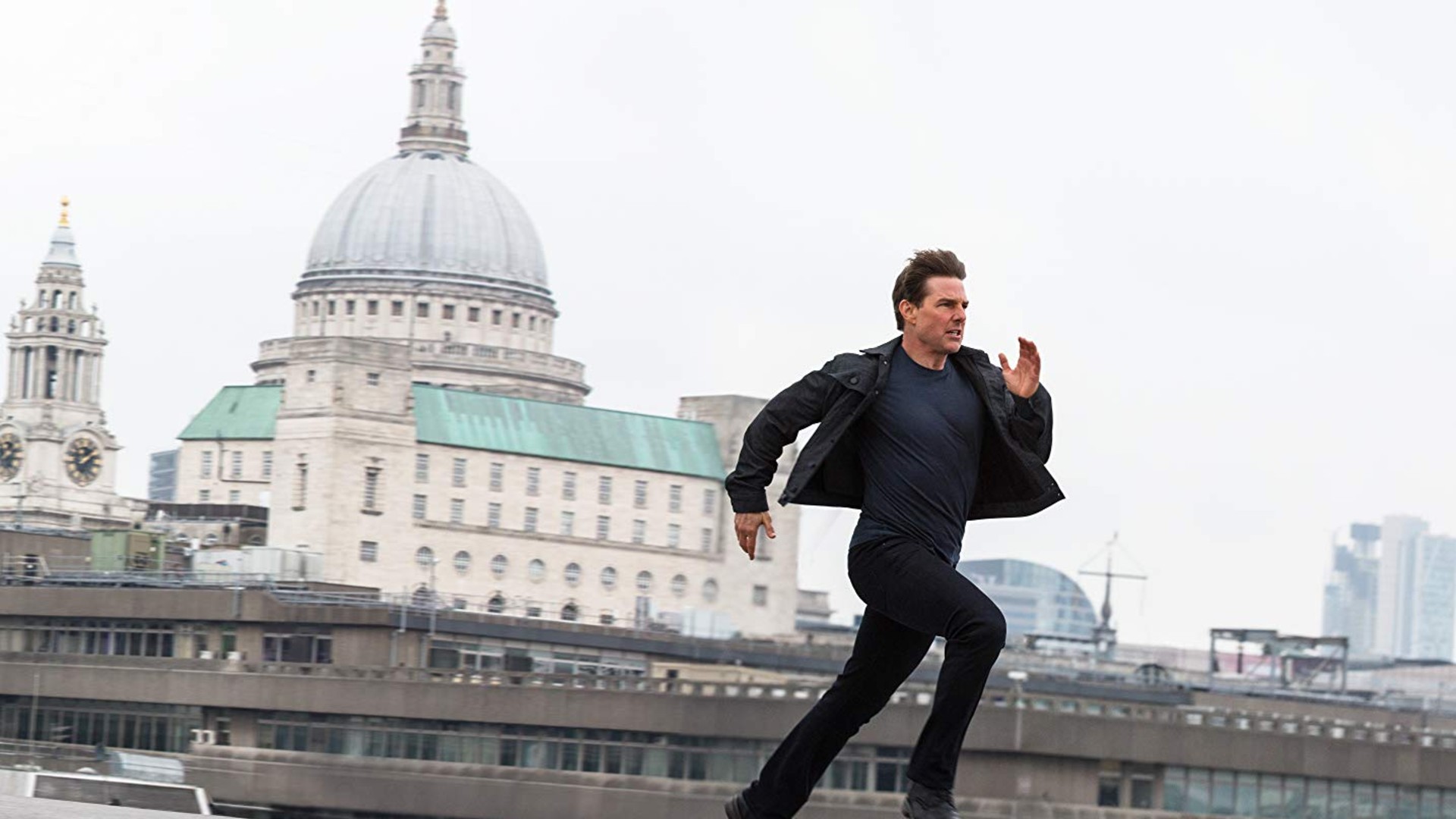
9. Mission: Impossible
Driven by the relentless dedication of Tom Cruise to perform real-world, death-defying stunts, Mission: Impossible has become the gold standard for practical action filmmaking. Each installment manages to feel like a high-stakes, standalone spy thriller while building toward a consistent, sophisticated narrative. Its focus on quality and cinematic spectacle has allowed it to become more critically acclaimed as the series has progressed.
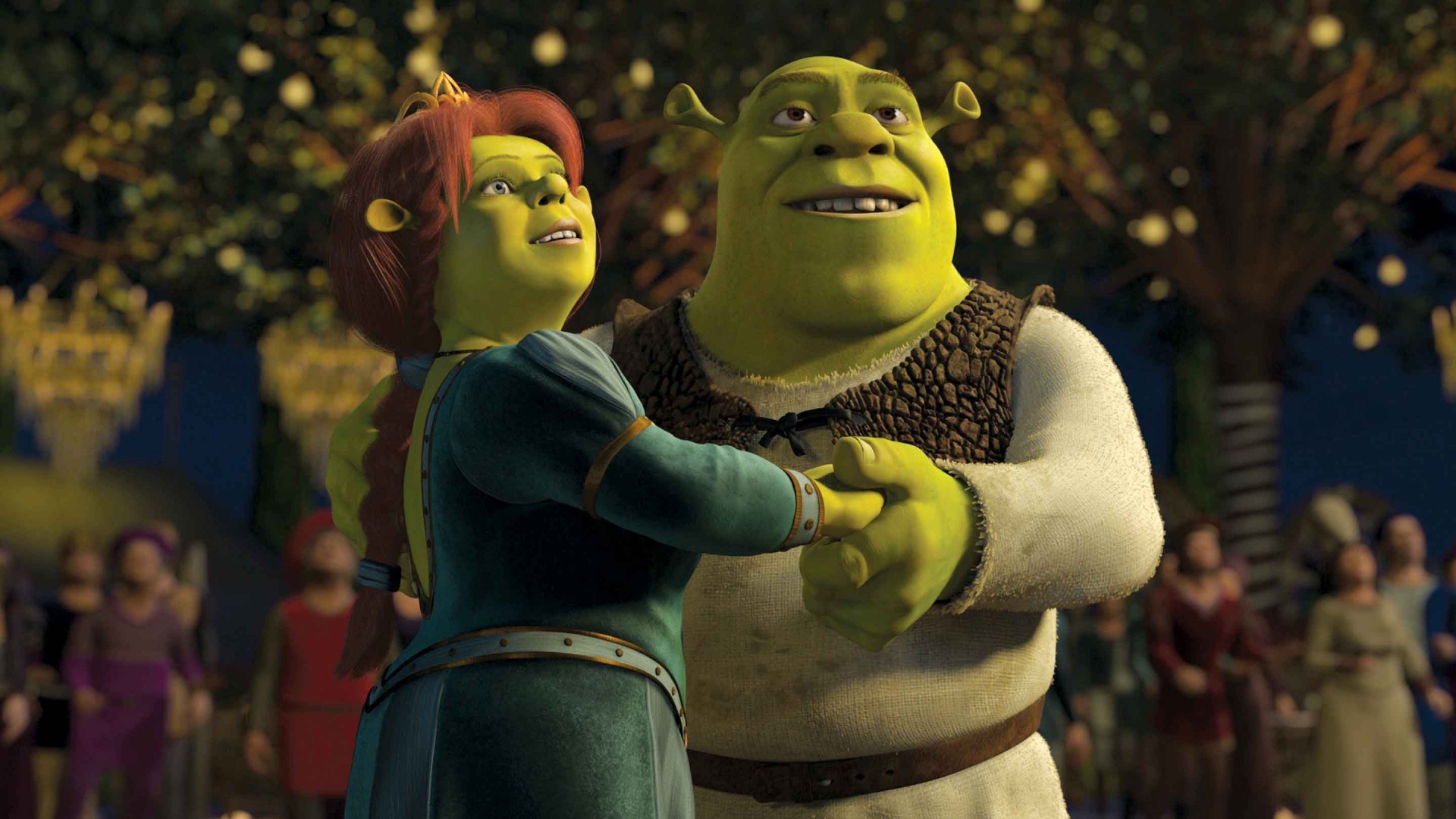
8. Shrek
By subverting traditional fairy-tale tropes with biting humor and heart, Shrek carved out a unique space in animation that resonated with both kids and adults. Even long after its initial quadrilogy, the character’s cultural footprint remains massive, fueled by constant internet nostalgia and a dedicated fan base. The enduring popularity of the swamp-dwelling ogre proves that a well-crafted, satirical world never truly goes out of style.
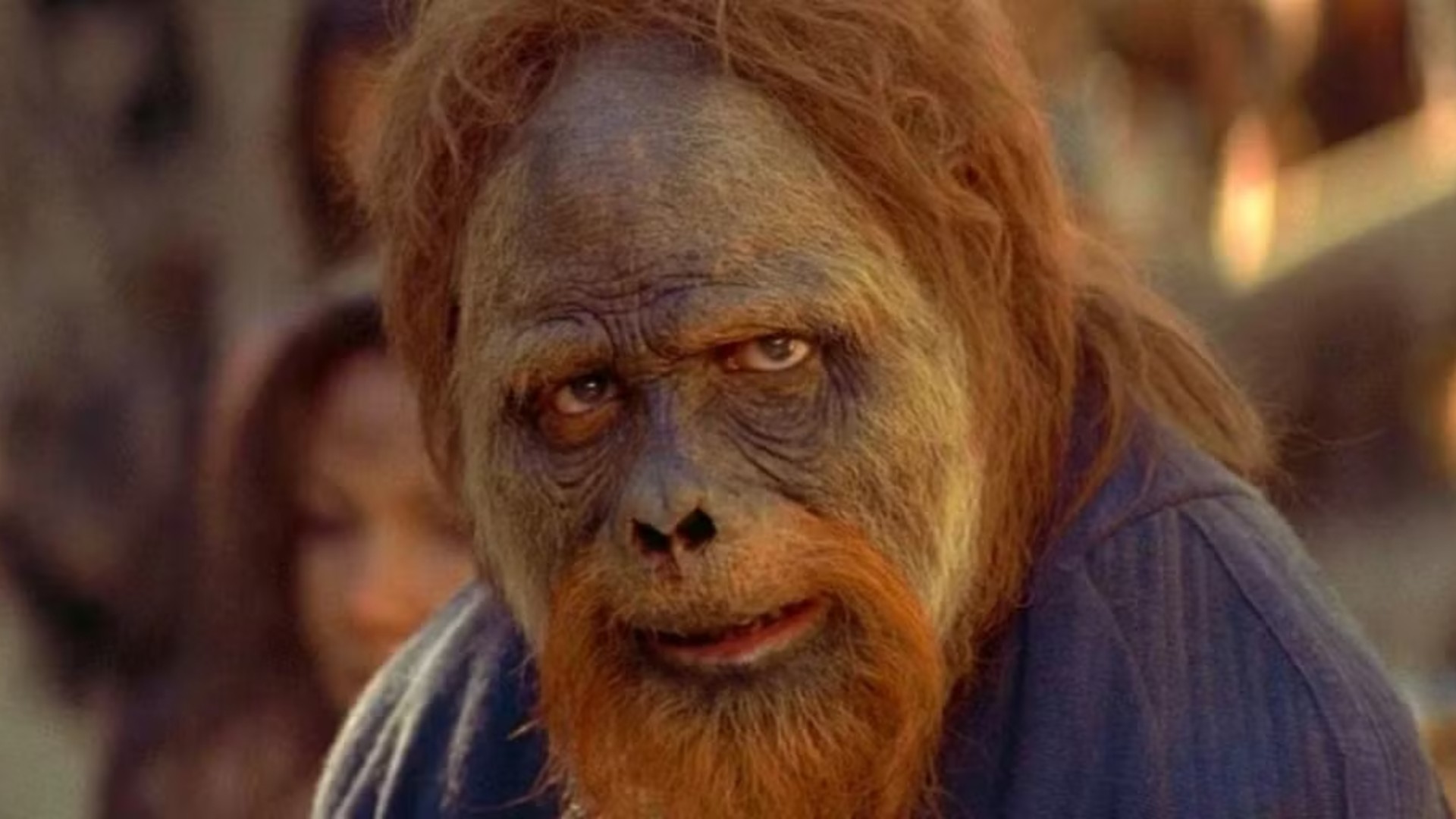
7. Planet of the Apes
This franchise has shown remarkable resilience, using its sci-fi premise to explore profound questions about human nature, society, and evolution. Whether through the social commentary of the original 1968 classic or the motion-capture-driven emotional depth of the modern reboot trilogy, the series consistently finds new ways to reflect our own world. It remains a testament to how speculative fiction can provide deep, philosophical longevity.
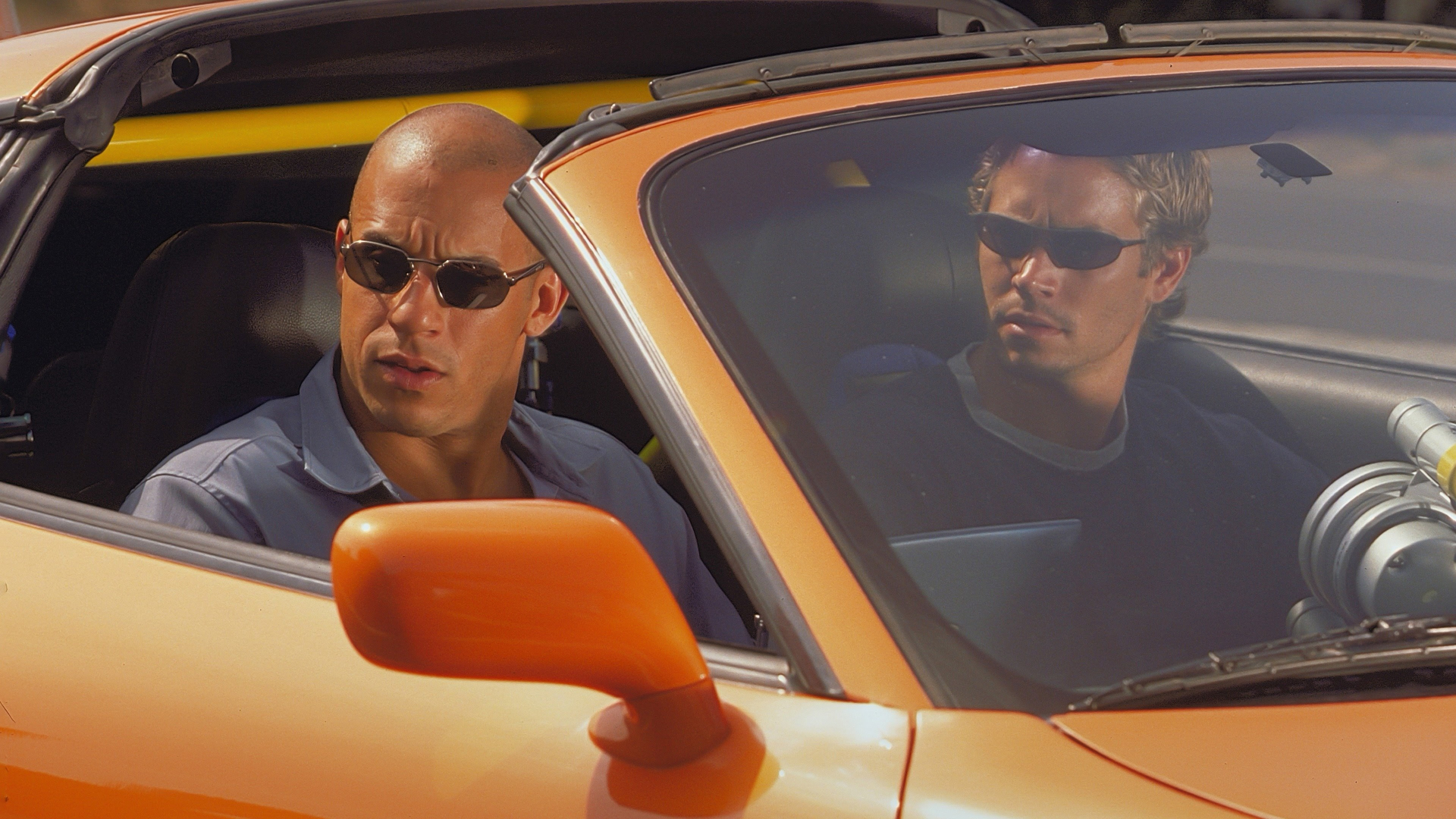
6. The Fast & The Furious
What began as a gritty street-racing drama has transformed into one of the most absurdly entertaining, high-octane sagas in cinematic history. The franchise’s secret is its commitment to "family"—both on and off-screen—which has allowed it to scale up its stunts to impossible heights without losing its emotional anchor. Its ability to reinvent itself from a grounded crime thriller into a globe-trotting spectacle is a masterclass in franchise pivot.

5. Jurassic Park
Jurassic Park turned the wonder of paleontology into a high-stakes blockbuster spectacle that changed visual effects forever. While the series has shifted from cautionary science fiction to grand-scale adventure, the primal appeal of living, breathing dinosaurs continues to draw massive audiences worldwide. It remains a rare example of a concept that effectively balances nostalgic charm with modern technological flair.
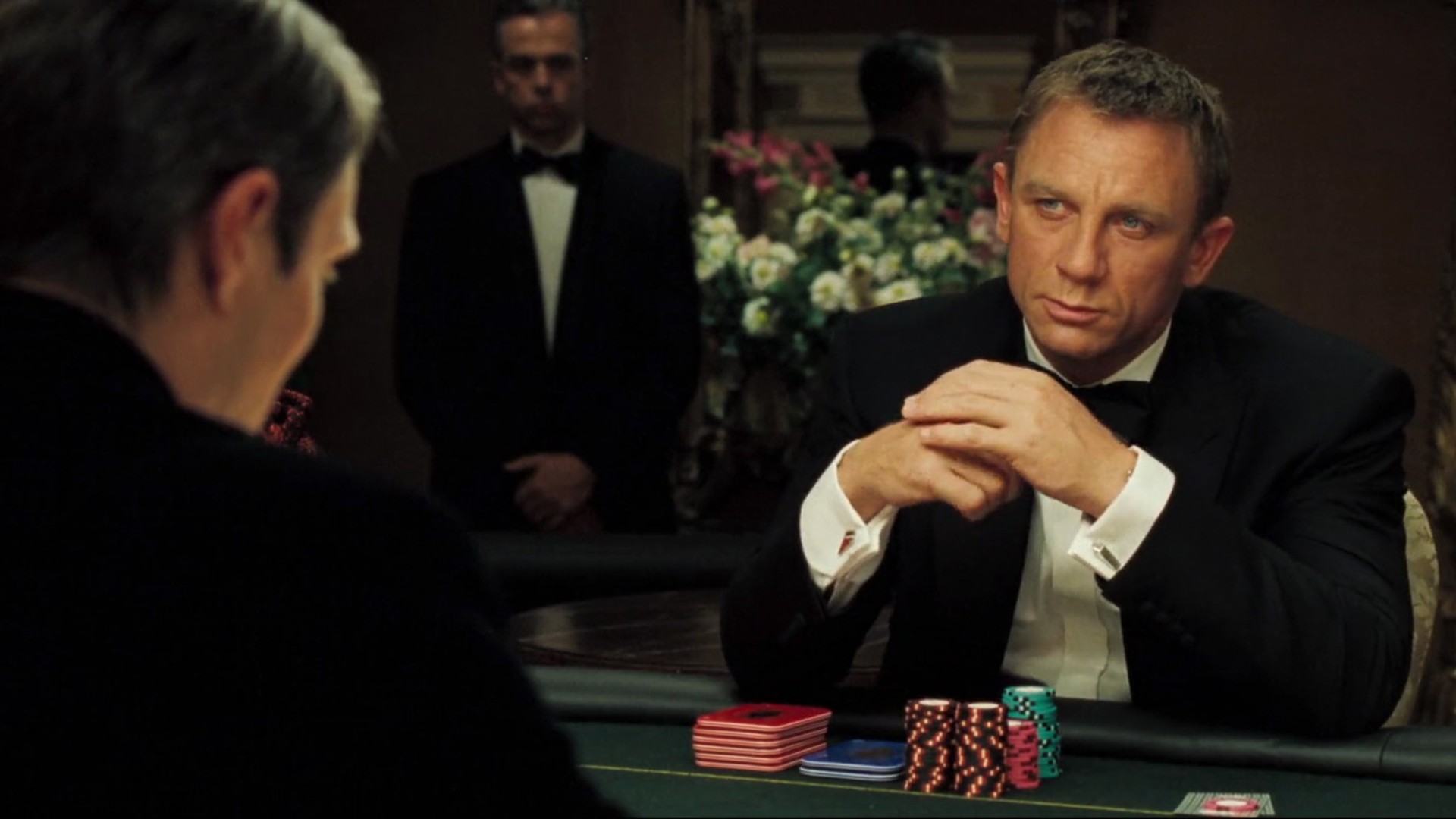
4. James Bond
For over six decades, the James Bond franchise has remained a mirror for the evolving geopolitical anxieties of the world. By treating "007" as a role rather than a fixed identity, the series has seamlessly transitioned between different actors, allowing each iteration to feel fresh while maintaining the iconic spy tropes fans love. This unique formula of episodic reinvention has kept Bond at the pinnacle of the action-thriller genre since the Cold War.
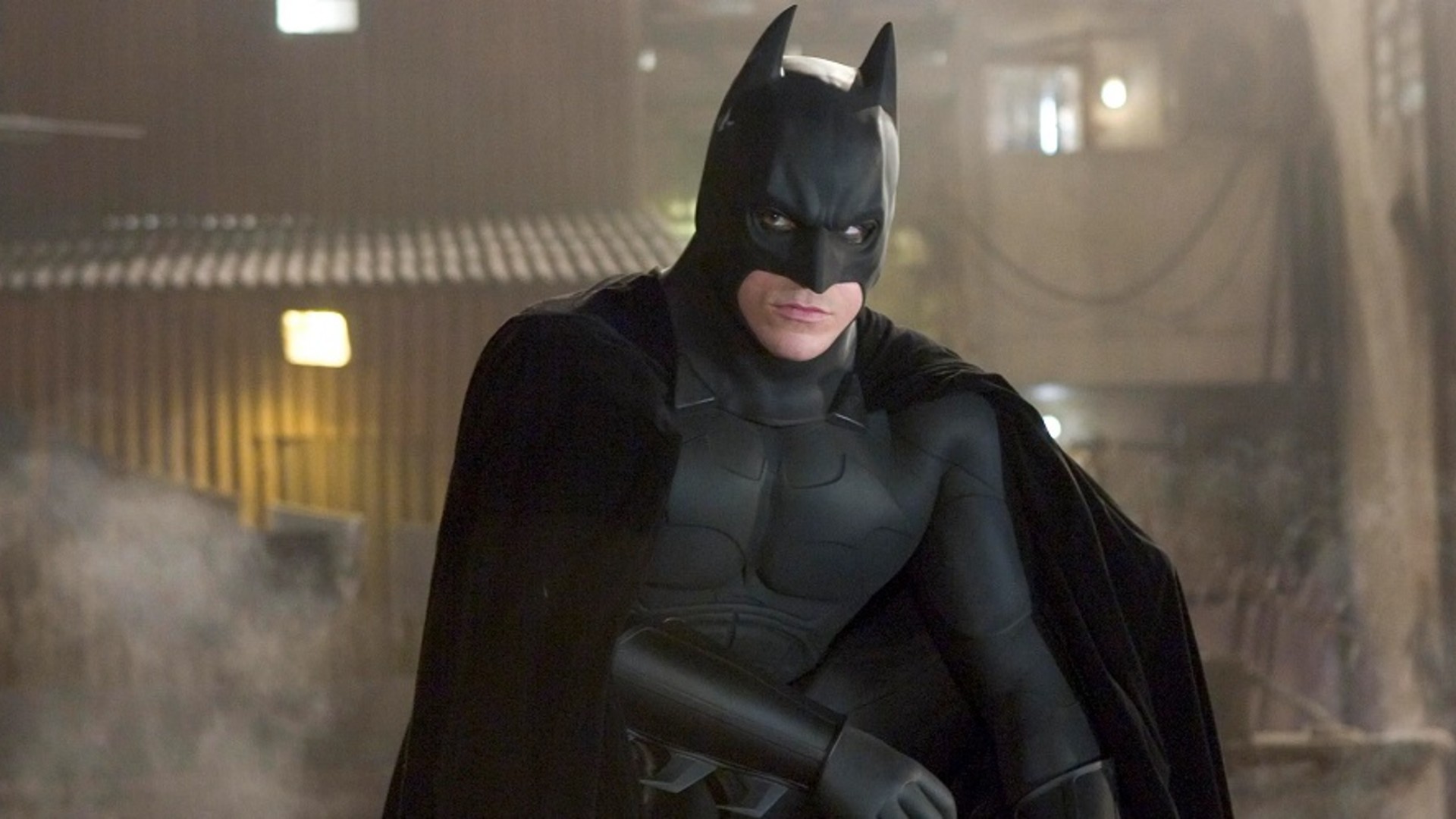
3. Batman
Batman is perhaps the most versatile icon in cinema, capable of shifting from the campy fun of the 1960s to the dark, psychological realism of the modern era. Because the character is inherently grounded in human trauma rather than superpowers, filmmakers have been able to reinvent his world repeatedly for every new generation. This ability to adapt its tone while keeping the core mythos intact ensures the Caped Crusader never stays off the screen for long.
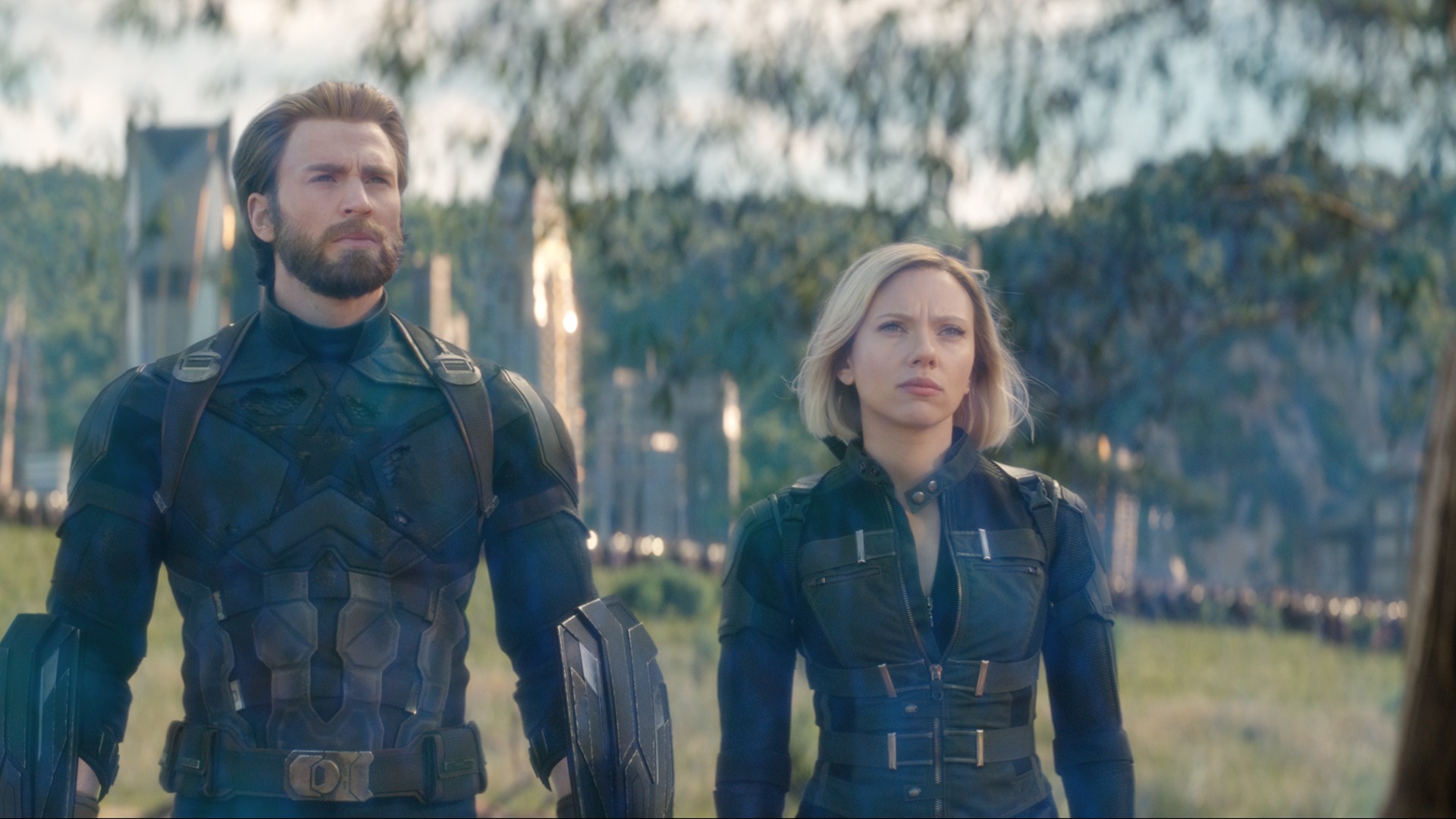
2. The Marvel Cinematic Universe
The MCU revolutionized the modern blockbuster by treating cinema like a long-form, interconnected television epic. By meticulously weaving distinct superhero origins into a shared, overarching narrative, it created a level of audience commitment previously unseen in film history. With constant expansion into new phases and mediums, the franchise remains the gold standard for shared cinematic universes.
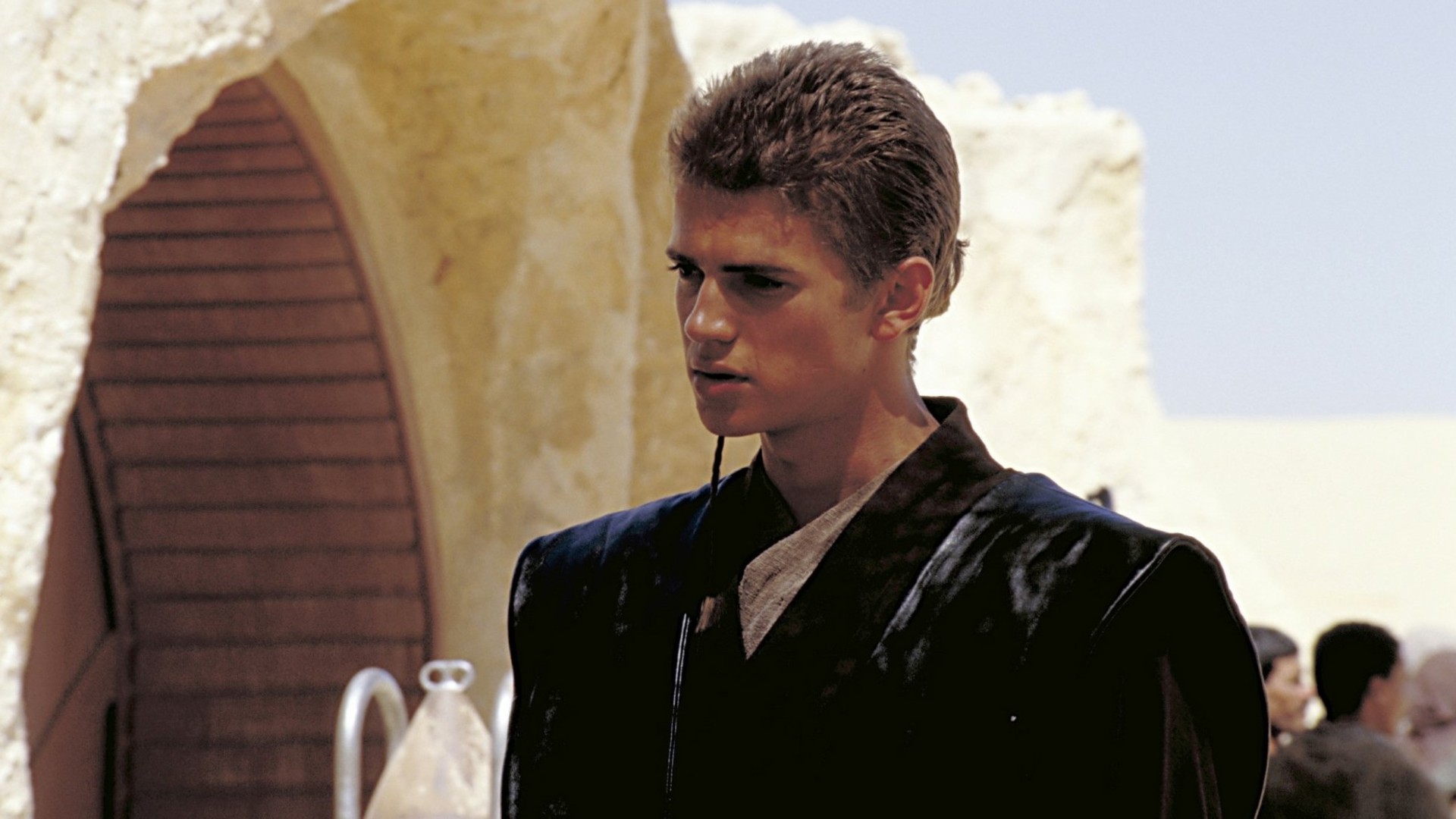
1. Star Wars
Since George Lucas’s original space opera debuted in 1977, Star Wars has transcended film to become a global mythological touchstone. It has successfully spanned generations, evolving from a groundbreaking independent vision into a sprawling multimedia empire of sequels, prequels, and streaming series. Its core themes of hope, family, and the eternal struggle between light and dark ensure its continued place at the center of pop culture.