10 Movies that were Blatant ripoffs
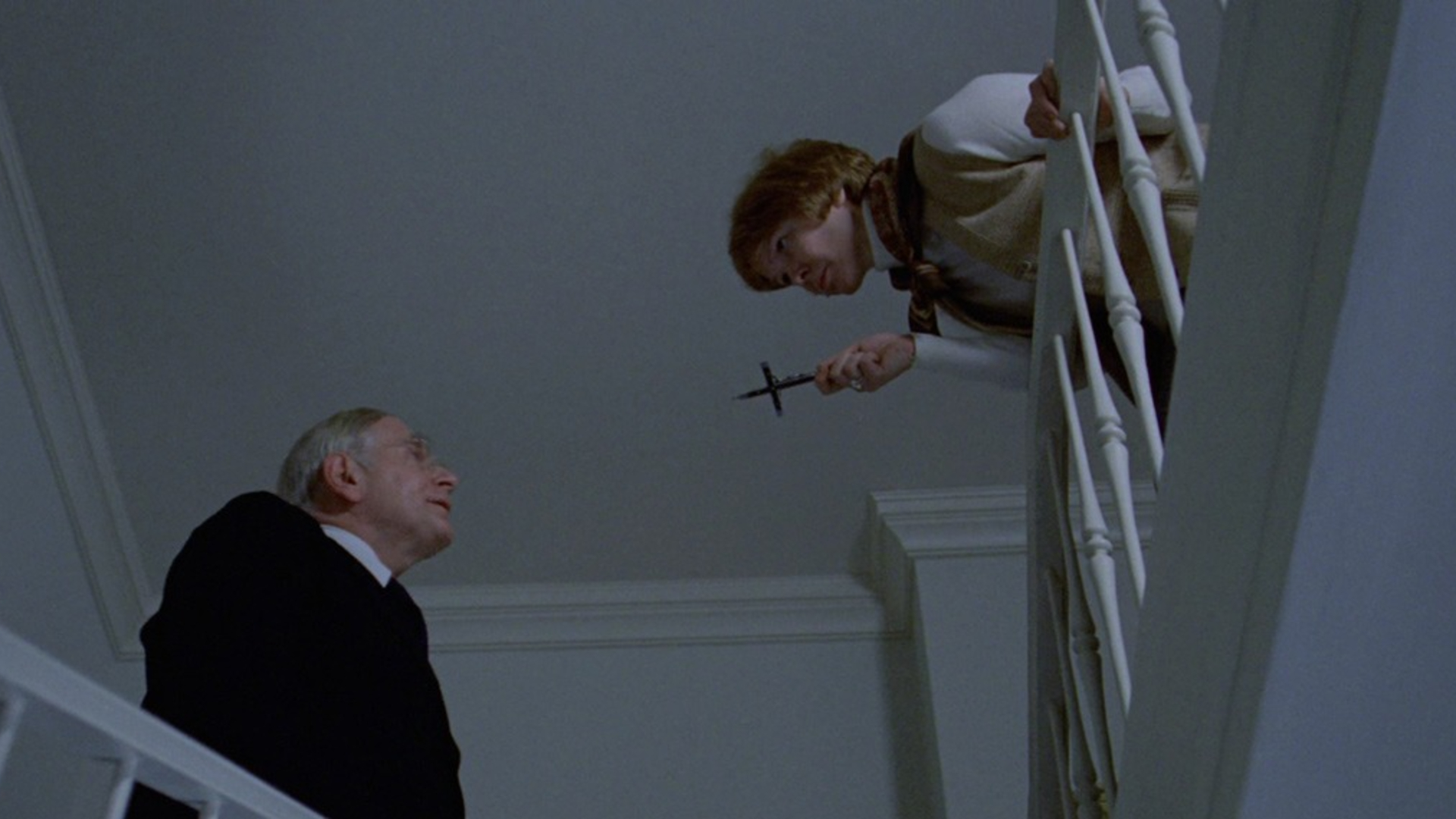
10. Seytan (1974) vs. The Exorcist (1973)
Released just a year after The Exorcist, the Turkish film Seytan recreated much of William Friedkin’s horror story with remarkable similarity. The plot follows the same possession narrative and includes several moments that resemble the original film’s famous scenes. One key difference appears in the religious elements, where the Catholic priest is replaced with an Islamic imam. Aside from that change, the parallels are difficult to overlook.
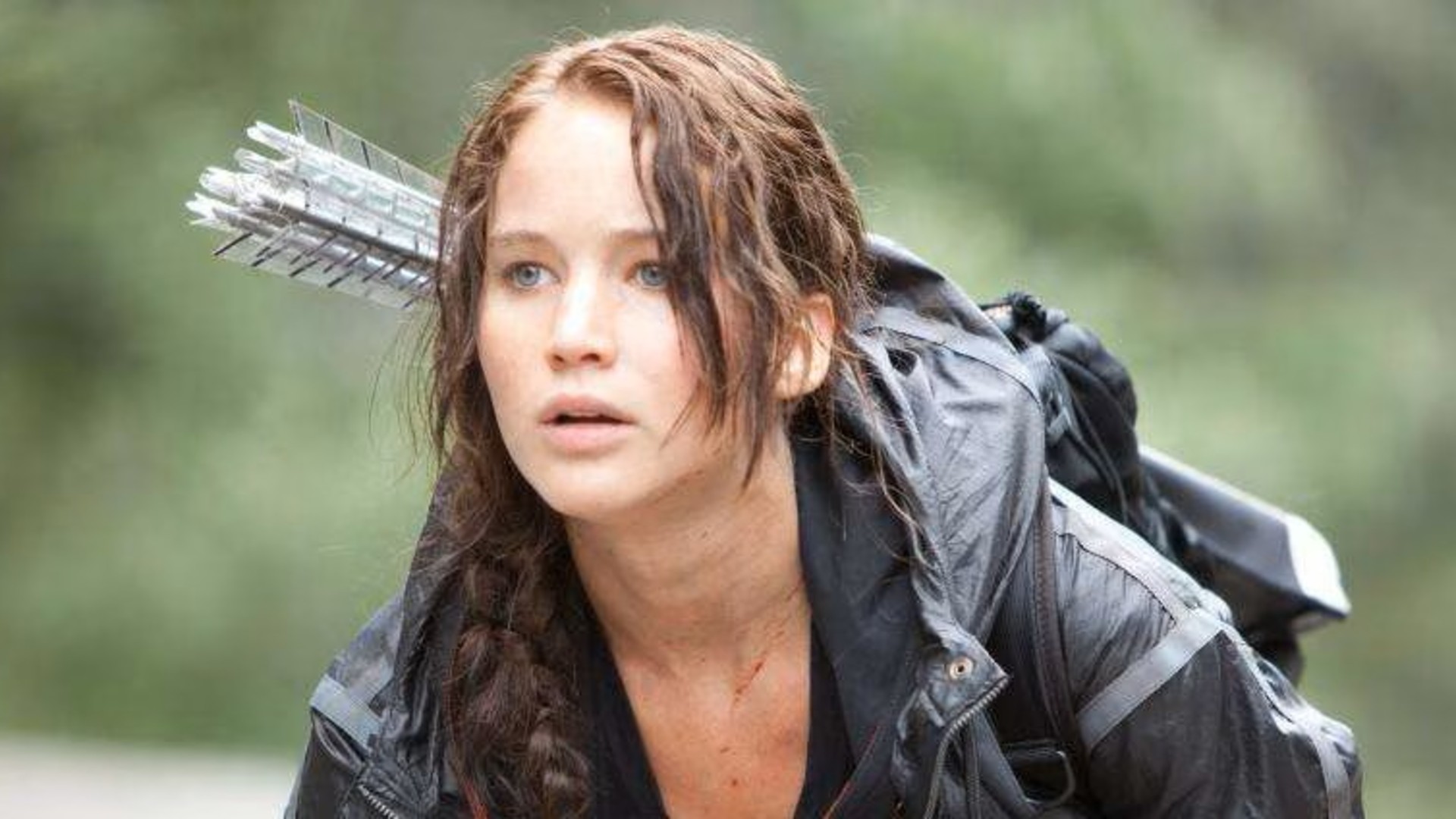
9. Battle Royale (2000) vs. The Hunger Games (2012)
When The Hunger Games reached theaters, comparisons to the Japanese film Battle Royale quickly spread online. Both stories feature a dystopian government forcing teenagers into a deadly competition where only one participant survives. Author Suzanne Collins has stated she had never seen the earlier film or read the novel behind it. Even so, the similarities in premise and tension continue to fuel debate among fans.
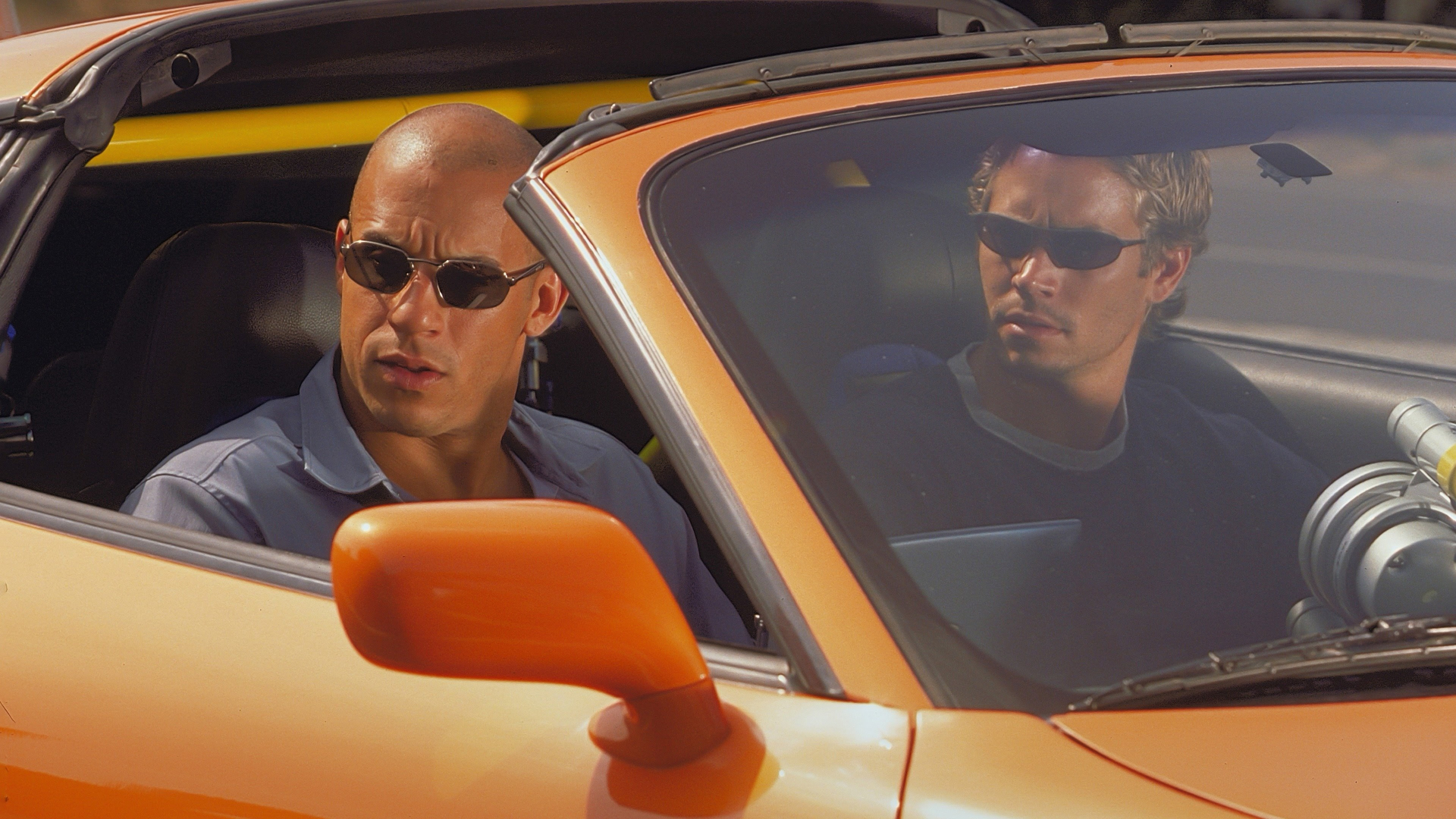
8. The Fast and the Furious (2001) vs. Point Break (1991)
The original Fast and the Furious plot feels familiar once the street racing fades into the background. While often called a "ripoff," it is legally considered an unofficial remake. The beats are nearly identical, but no lawsuit was ever filed. The story echoes Point Break, where an undercover officer infiltrates a group of thrill seekers suspected of committing robberies. Over time the officer grows close to the group’s leader, complicating the mission. Surfing in one film, street racing in the other. The movie was also partly inspired by a 1998 Vibe magazine article titled “Racer X,” which explored the underground street racing scene.
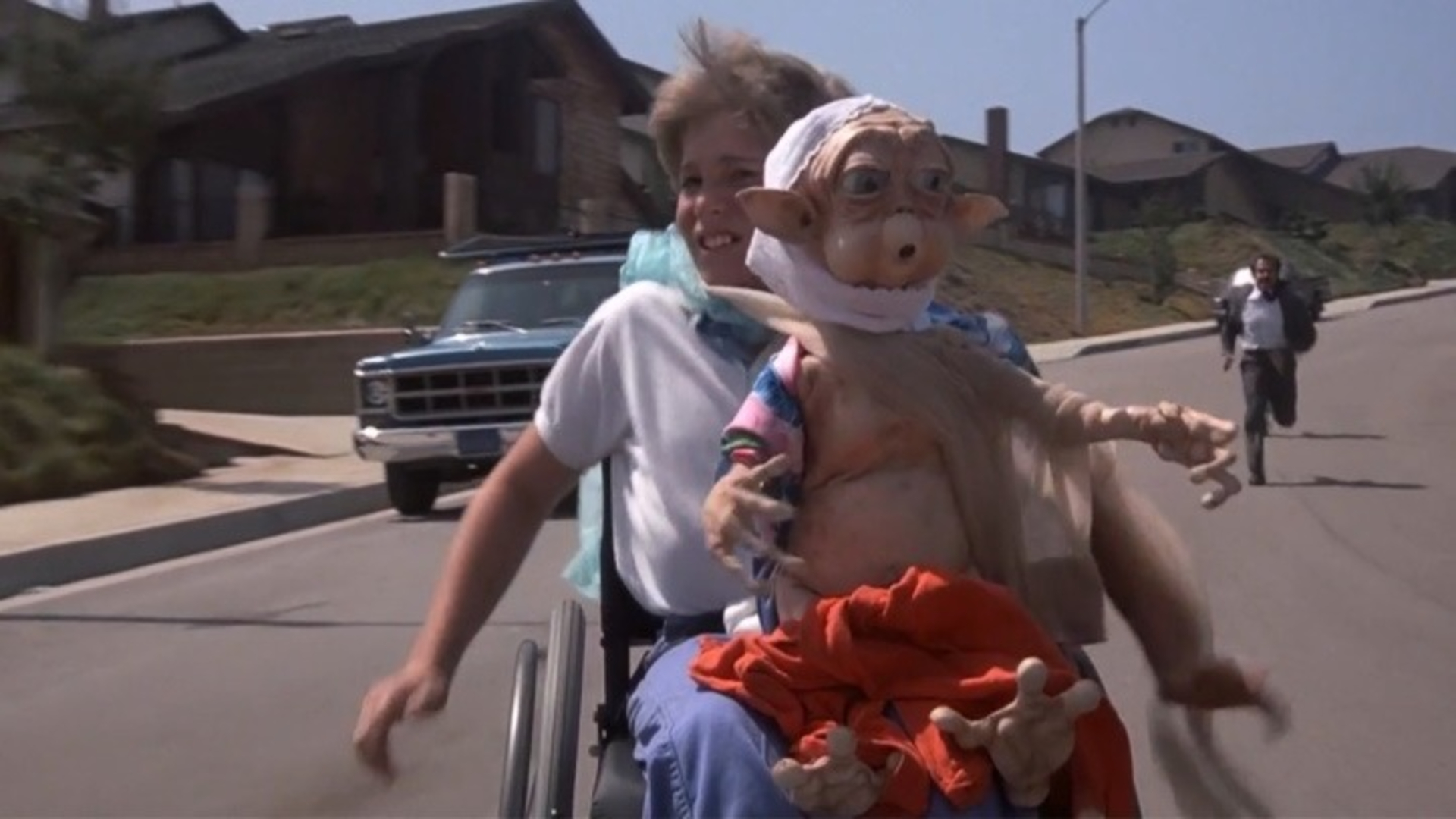
7. Mac and Me (1988) vs. E.T. the Extra-Terrestrial (1982)
Comparisons between Mac and Me and E.T. the Extra-Terrestrial appeared immediately after release. Both stories involve a lost alien forming a bond with a young boy while authorities search for the creature. Even the emotional beats follow similar patterns. One major difference involved marketing. Mac and Me leaned heavily on product placement, particularly McDonald’s and Coca-Cola, which led many critics to dismiss the film as an extended advertisement.
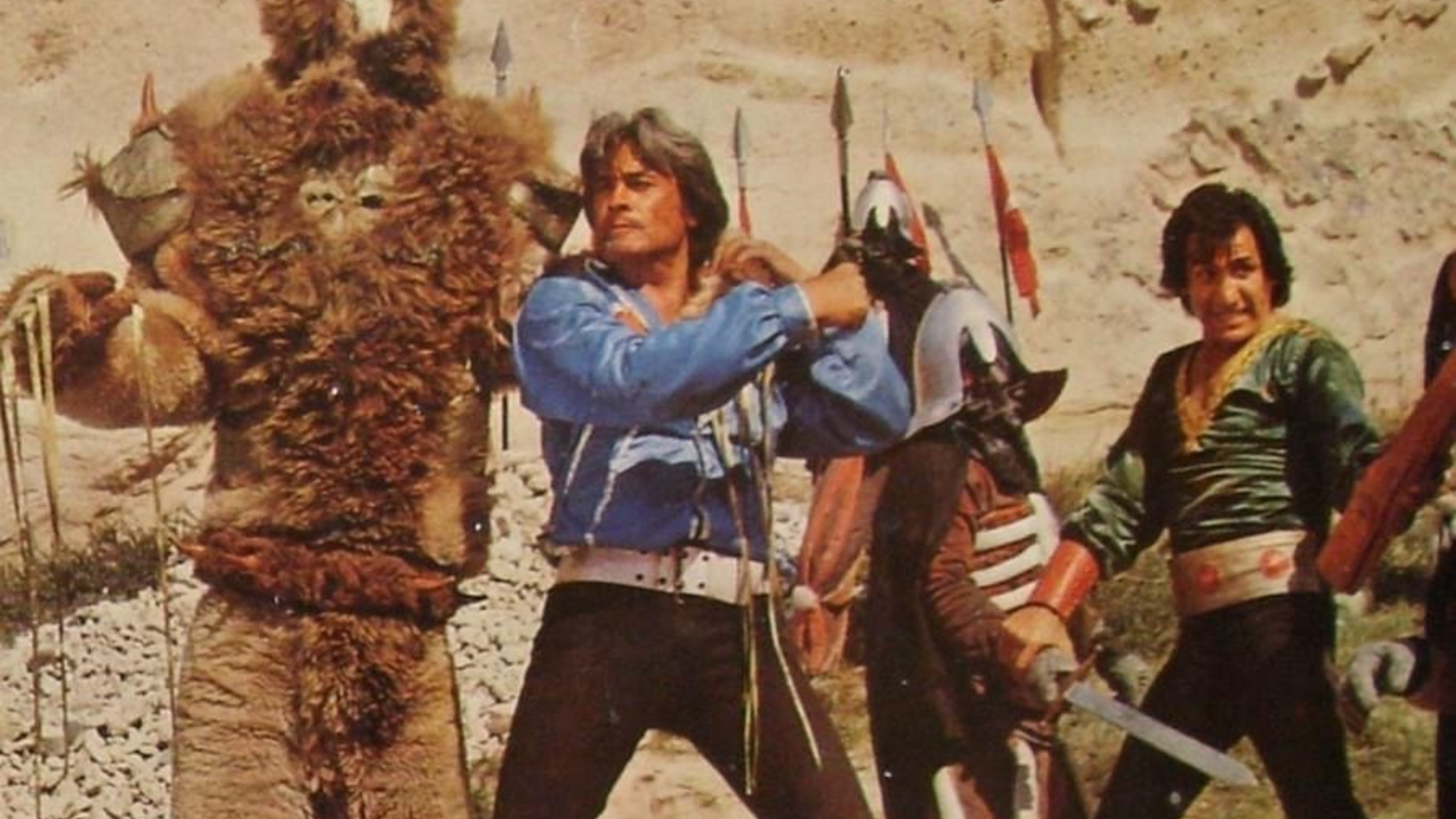
6. The Man Who Saved the World (1982)
Known among cult film fans as “Turkish Star Wars,” The Man Who Saved the World goes far beyond inspiration. The production used unauthorized footage from Star Wars space battles, inserting those shots directly into its own scenes. The soundtrack also borrowed music from several sources, including Raiders of the Lost Ark and Flash Gordon. The result is chaotic but strangely entertaining, eventually gaining a reputation as one of the most unusual cult films ever produced.
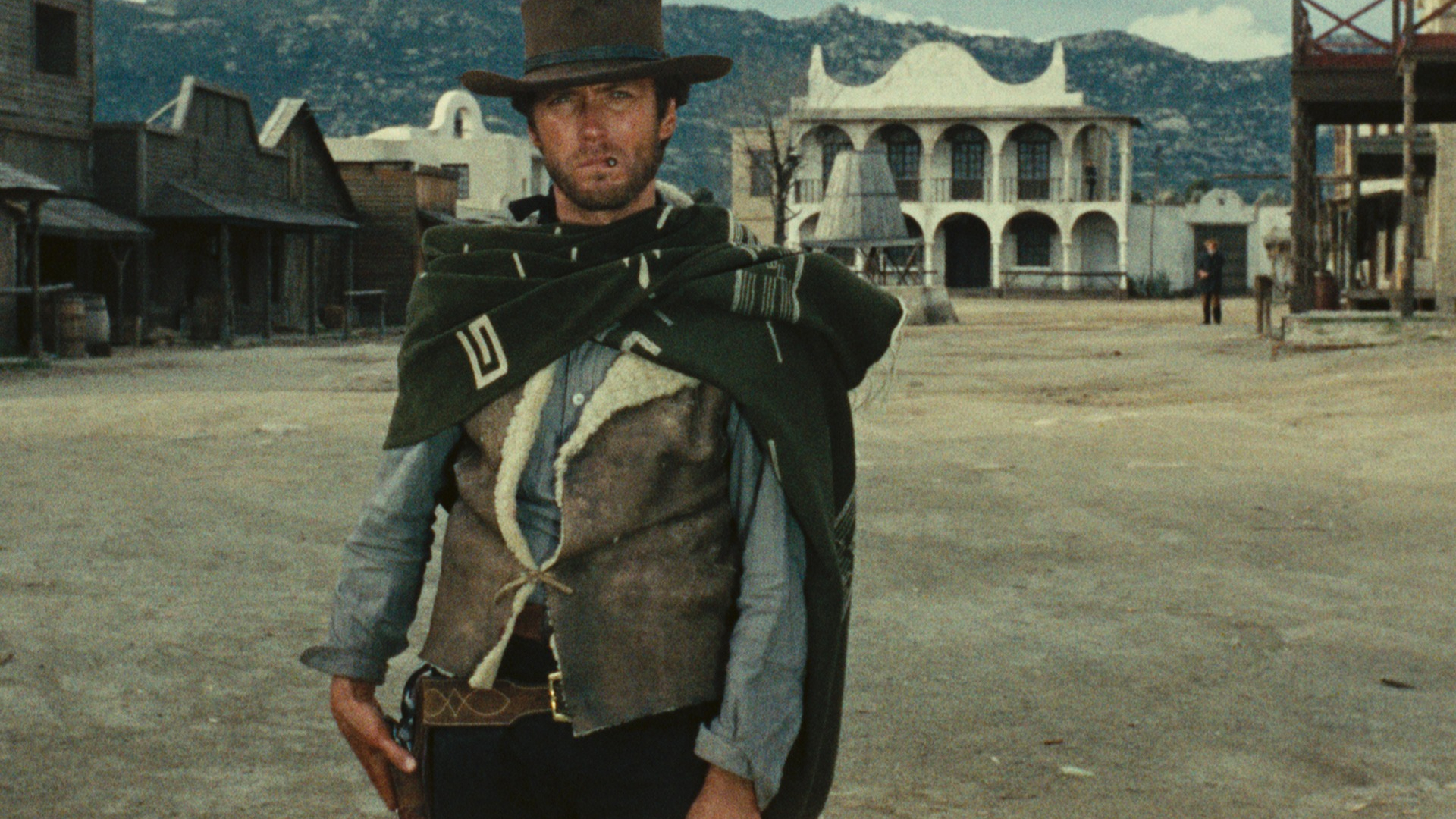
5. A Fistful of Dollars (1964) vs. Yojimbo (1961)
Sergio Leone’s western A Fistful of Dollars helped launch the spaghetti western boom, yet its roots were easy to trace. The story closely mirrors Akira Kurosawa’s samurai film Yojimbo, where a lone fighter manipulates two rival gangs in a divided town. Leone essentially moved the concept from feudal Japan to a dusty frontier setting. Kurosawa quickly noticed the resemblance and filed a lawsuit. The dispute ended with the Japanese director receiving a percentage of the film’s profits.
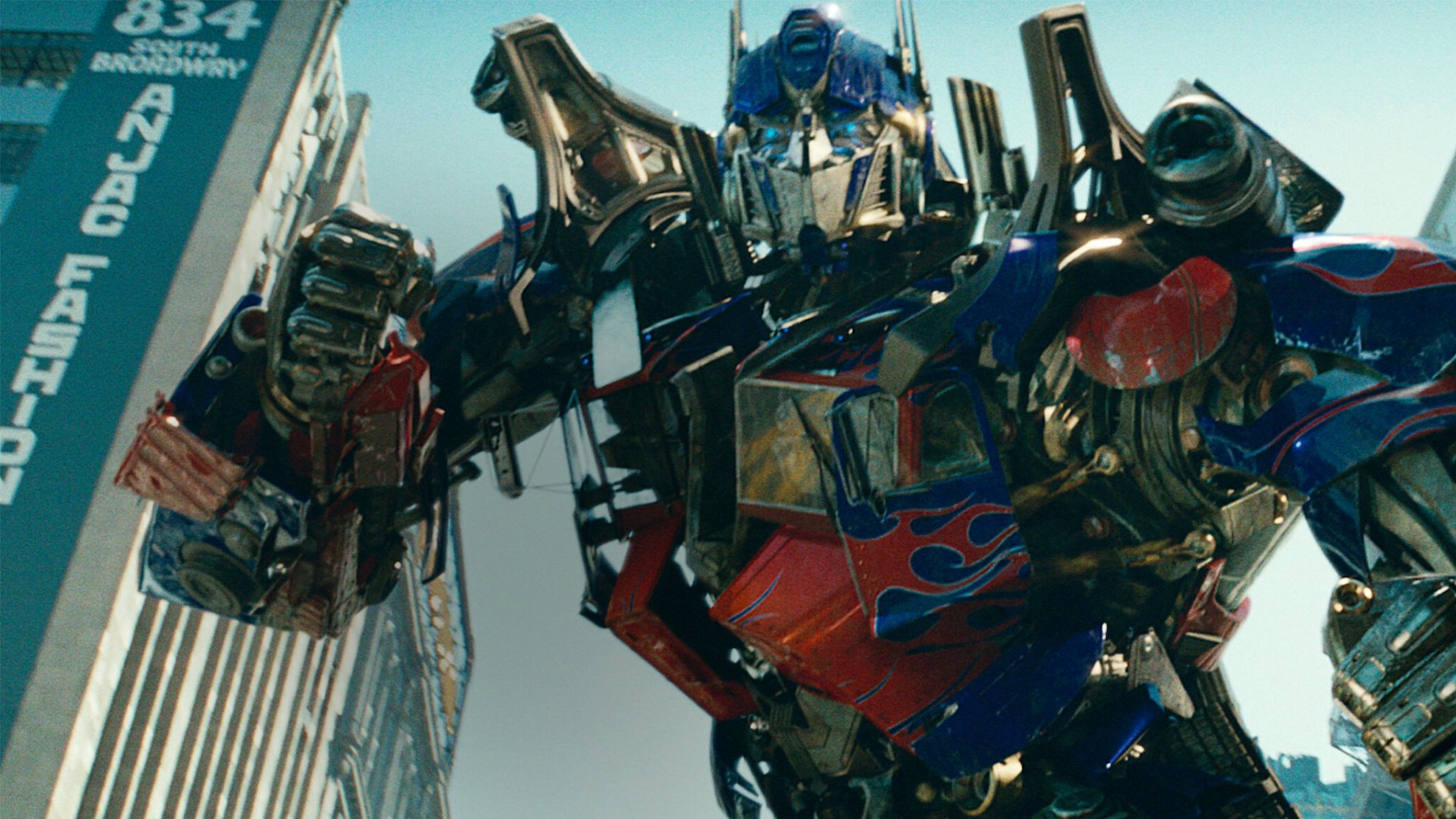
4. Transmorphers (2007) vs. Transformers (2007)
The studio The Asylum built its reputation on what are commonly called mockbusters, films designed to resemble major releases closely enough to attract curious viewers. Transmorphers arrived the same year as Transformers, featuring robotic creatures and a suspiciously similar title. Timing also plays a role, since these films often release shortly before the big studio production. The same strategy produced titles like Atlantic Rim, Snakes on a Train, and Sunday School Musical.
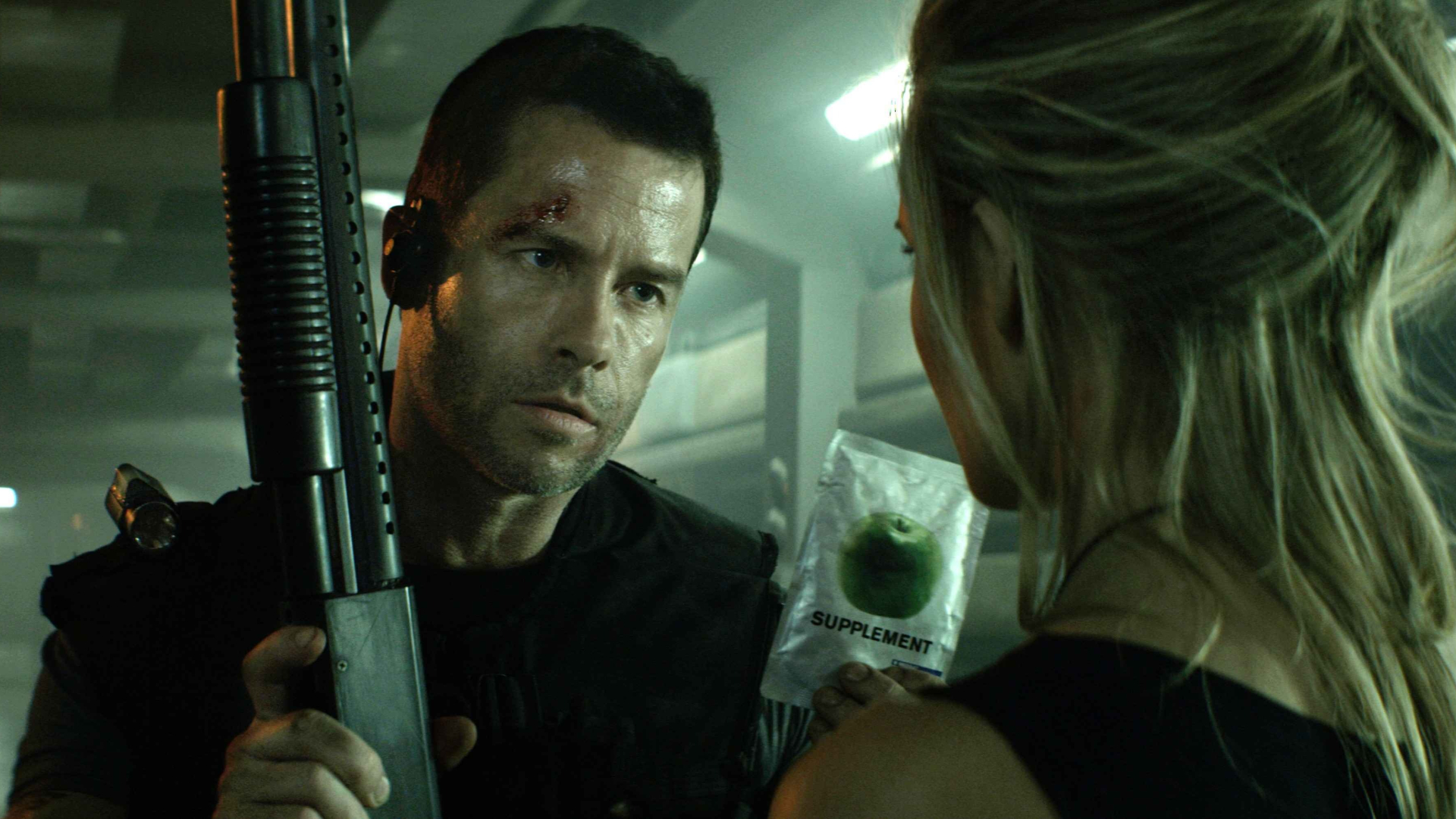
3. Lockout (2012) vs. Escape from New York (1981)
This comparison eventually reached a courtroom. Director John Carpenter accused the creators of Lockout, produced by Luc Besson, of copying his cult classic Escape from New York. Both stories feature a hardened antihero offered freedom if he rescues the President’s daughter from a heavily fortified prison controlled by violent inmates. The similarities were strong enough that a court ruled in Carpenter’s favor. The decision turned the argument from fan speculation into an official legal judgment.
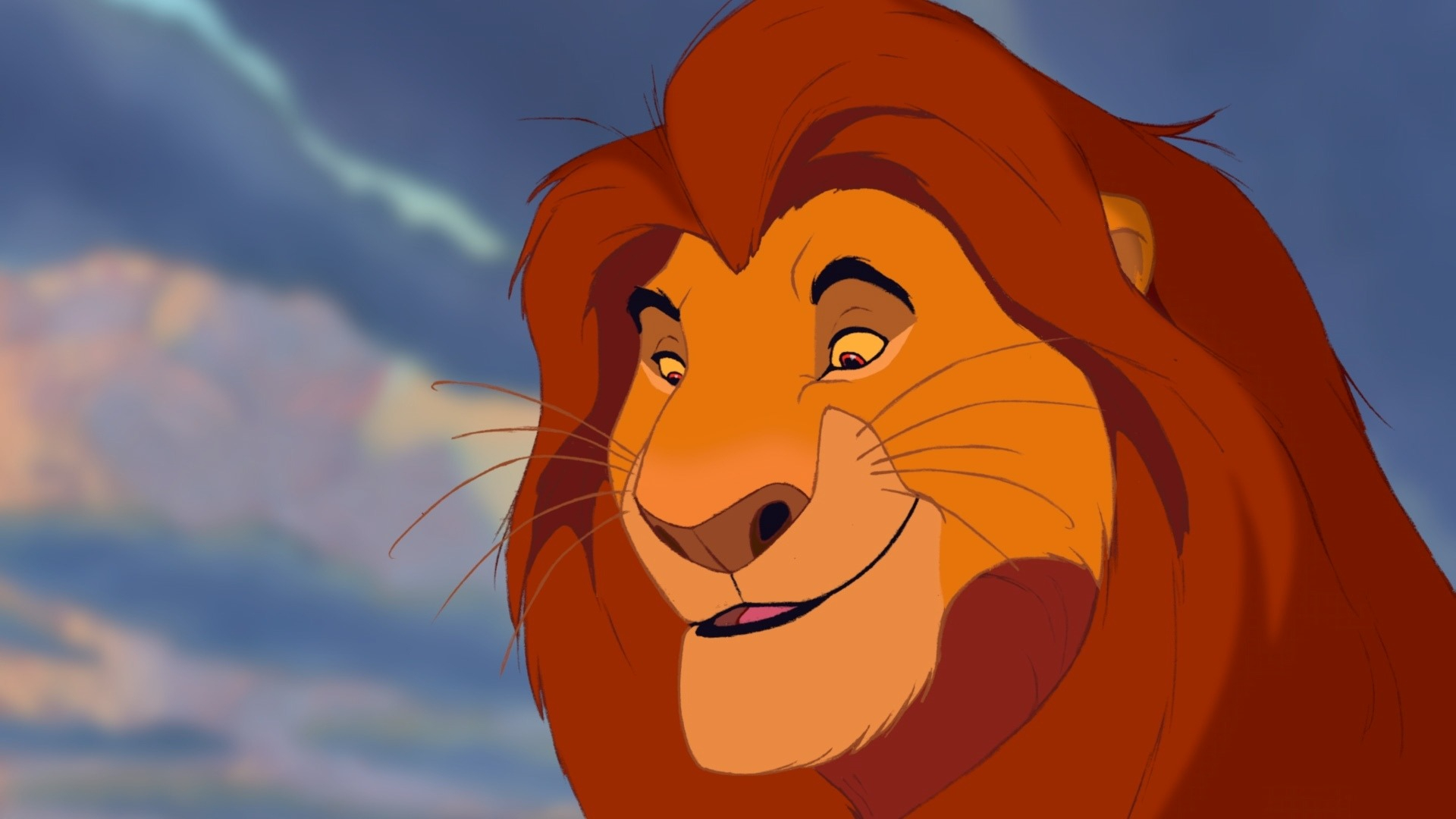
2. The Lion King (1994) vs. Kimba the White Lion (1965)
Few comparisons in animation spark as much discussion as The Lion King and the Japanese series Kimba the White Lion. While Disney denies it, late actor Matthew Broderick (Simba) admitted in interviews he initially thought he was being cast in a remake of Kimba the White Lion. Still, viewers often highlight similarities: a young lion prince destined to rule, guidance from a wise baboon figure, and a dangerous relative competing for power. Some fans also point to visual parallels, especially scenes where the hero looks skyward and sees a father figure in the clouds. Officially it remains a coincidence, though the debate continues decades later.
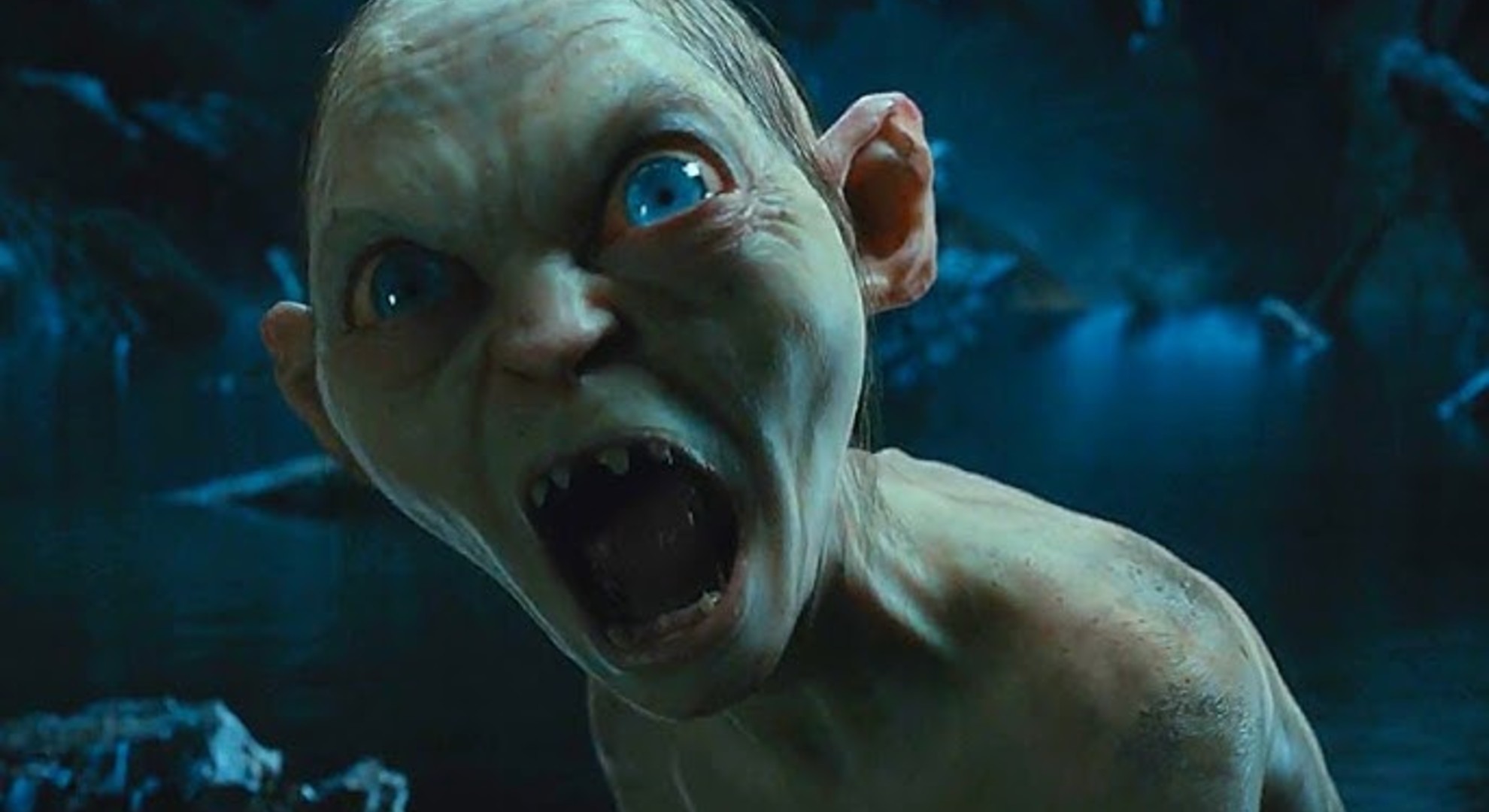
1. The Hunt for Gollum (2027) vs. The Hunt for Gollum (2009)
An unusual situation has fans debating again. Andy Serkis is directing the upcoming Warner Bros. film The Hunt for Gollum, expected in 2027, but a fan film with the exact same title already exists. The 2009 project followed Aragorn tracking Gollum before the events of The Lord of the Rings and was produced for roughly $5,000. Both projects draw from the same section of Tolkien’s timeline, which naturally places Gandalf and Aragorn in the hunt for the creature. As news about the studio film spread in 2026, many viewers revisited the earlier fan production and noted the shared title and familiar premise.