10 Highest-Grossing Movie Sagas Ever

10. Jurassic Park / World – $6.88B
The Jurassic Park franchise endures because dinosaurs never lose spectacle value. Jurassic World proved that reviving legacy IP with modern effects could trigger billion-dollar nostalgia waves. Beneath the blockbuster thrills lies a recurring cautionary theme: scientific ambition colliding with corporate greed. Each installment revisits humanity’s illusion of control over nature. While critical reception varies, the primal awe of seeing prehistoric predators dominate IMAX screens remains box office gold. The $6.88B total reflects that elemental hook—fear and wonder fused. Dinosaurs don’t need reinvention; they need scale. And audiences keep showing up to watch humanity try, and fail, to contain them.
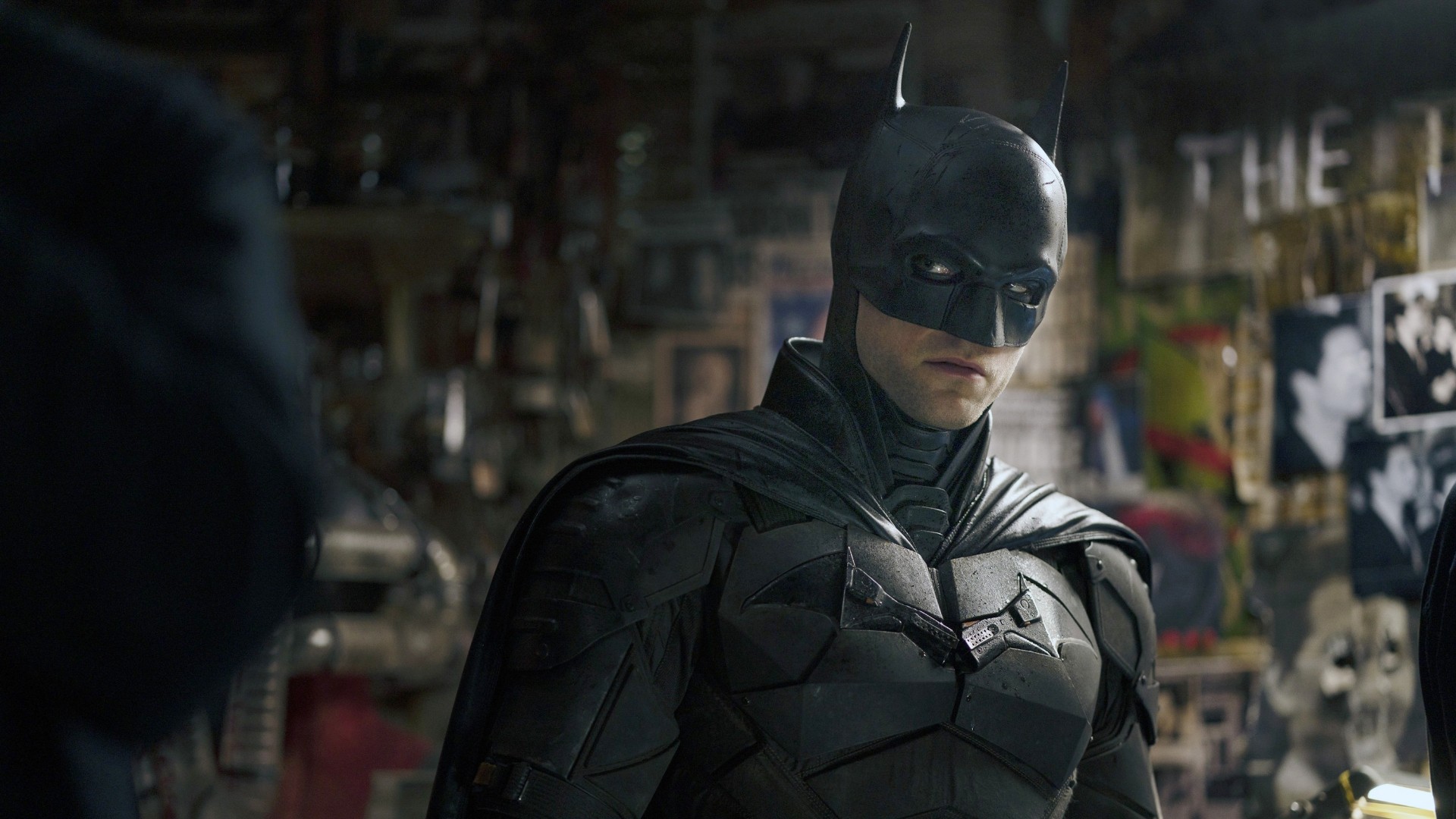
9. Batman – $7.05B
The Batman brand stands independently powerful enough to rival entire universes. From Tim Burton’s gothic stylization to Christopher Nolan’s grounded trilogy and beyond, each era reframes Gotham’s psychology. The Dark Knight elevated comic-book cinema into awards-season discourse, proving genre storytelling could carry thematic gravity. Batman’s appeal lies in duality: wealth and trauma, justice and obsession. Unlike cosmic heroes, he operates in moral gray zones, which sustains reinterpretation. The $7.05B figure reflects decades of tonal reinvention anchored by a single silhouette. Few characters generate that level of standalone cinematic capital.
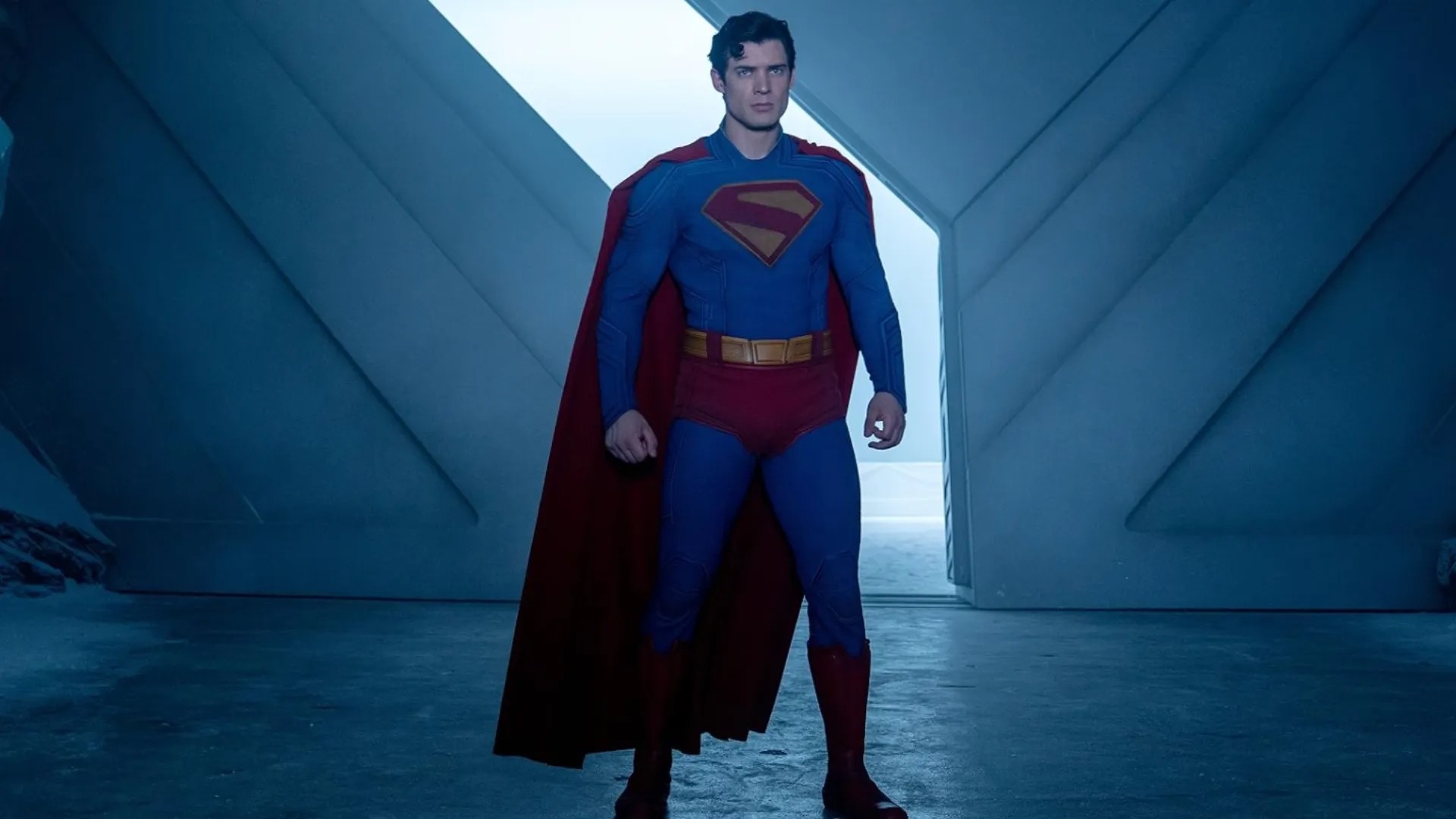
8. DC Extended Universe – $7.20B
The DC Extended Universe represents ambition meeting turbulence. Anchored by icons like Superman, Batman, and Wonder Woman, it aimed to rival Marvel’s interconnected scale. Films such as Aquaman demonstrated global box office muscle, while tonal shifts created uneven reception. The DCEU’s darker, mythic aesthetic differentiated it, leaning into operatic stakes rather than quippy serialization. Despite critical volatility, the $7.20B total underscores the gravitational pull of DC’s character roster. Even when cohesion faltered, individual heroes maintained drawing power. It’s a case study in how brand equity can sustain financial success amid structural recalibration.
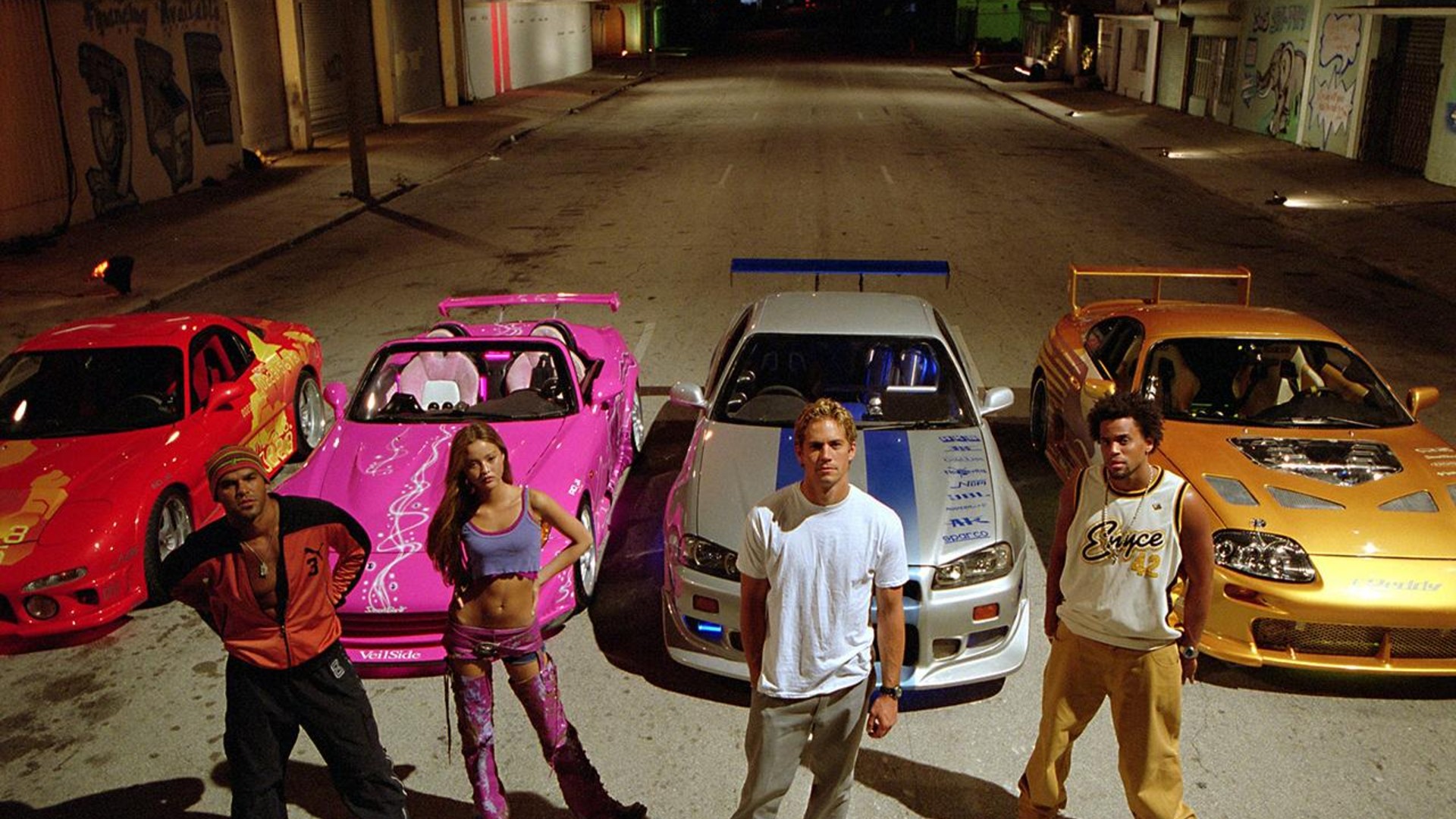
7. Fast & Furious – $7.33B
The Fast & Furious evolved from a street-racing thriller to a physics-defying global action saga. What began on a modest scale exploded into billion-dollar ensemble spectacles like Furious 7. The franchise’s secret isn’t realism—it’s escalation. Each installment pushes stunts beyond plausibility while anchoring chaos in “family” rhetoric that resonates across markets. International casting and globe-trotting plots amplified global appeal. Even as logic bends, loyalty remains the emotional constant. The $7.33B total proves audiences reward commitment to tone: unapologetically maximalist, self-aware, and sentimental. Fast & Furious doesn’t chase prestige; it chases spectacle—and wins.
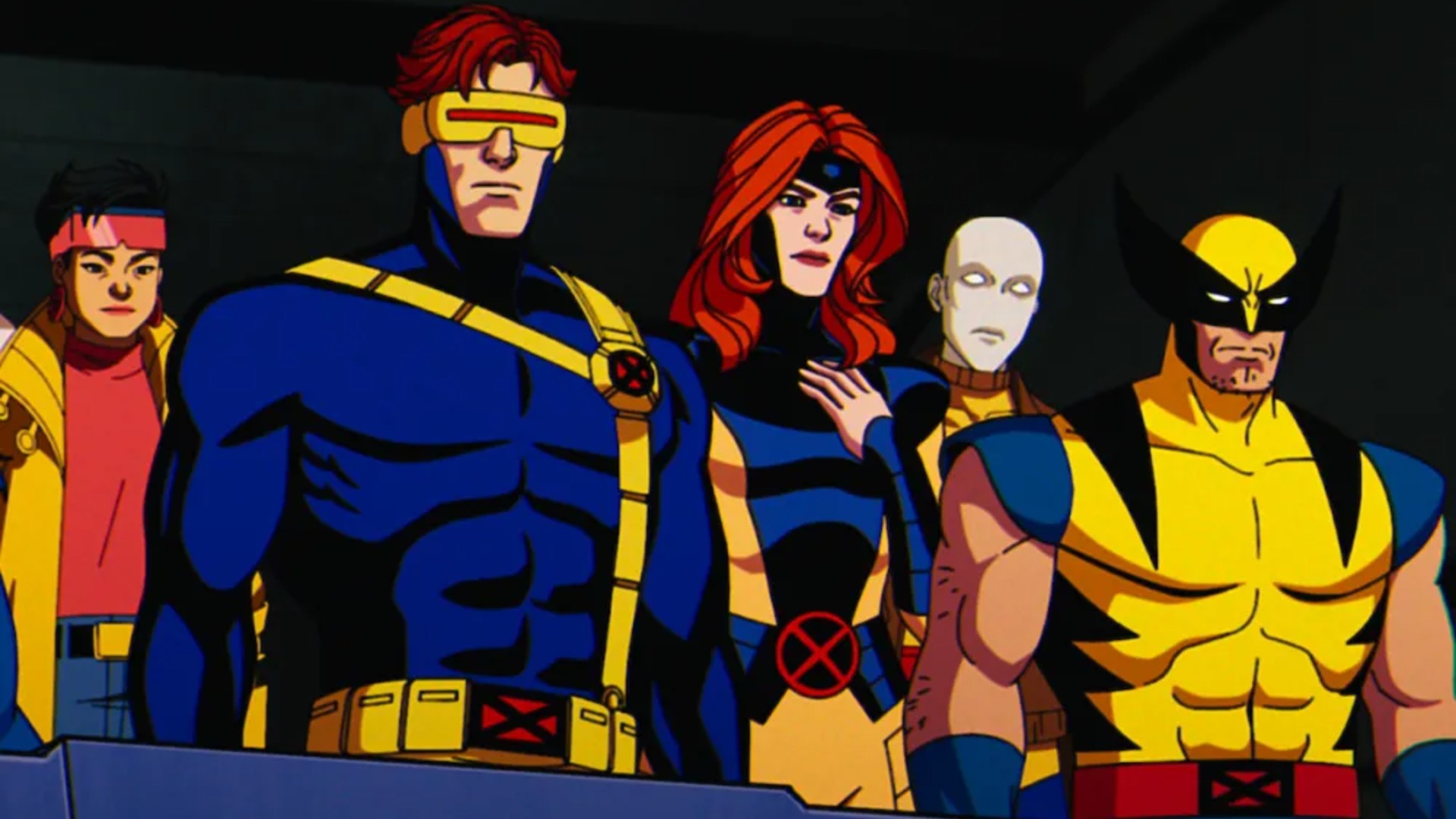
6. X-Men – $7.42B
The X-Men paved the way for modern superhero cinema before shared universes dominated. Early 2000s entries proved comic adaptations could carry serious allegory—mutants as stand-ins for marginalized communities navigating prejudice. X-Men: Days of Future Past showcased timeline ambition long before multiverse fatigue set in. While tonal inconsistency and reboots fragmented continuity, the franchise’s thematic core—identity, acceptance, and power politics—remained potent. Wolverine alone became a cultural pillar. The $7.42B reflects both trailblazing groundwork and sustained curiosity. X-Men may not have maintained structural cohesion, but its influence on superhero storytelling architecture is undeniable. It walked so others could sprint.
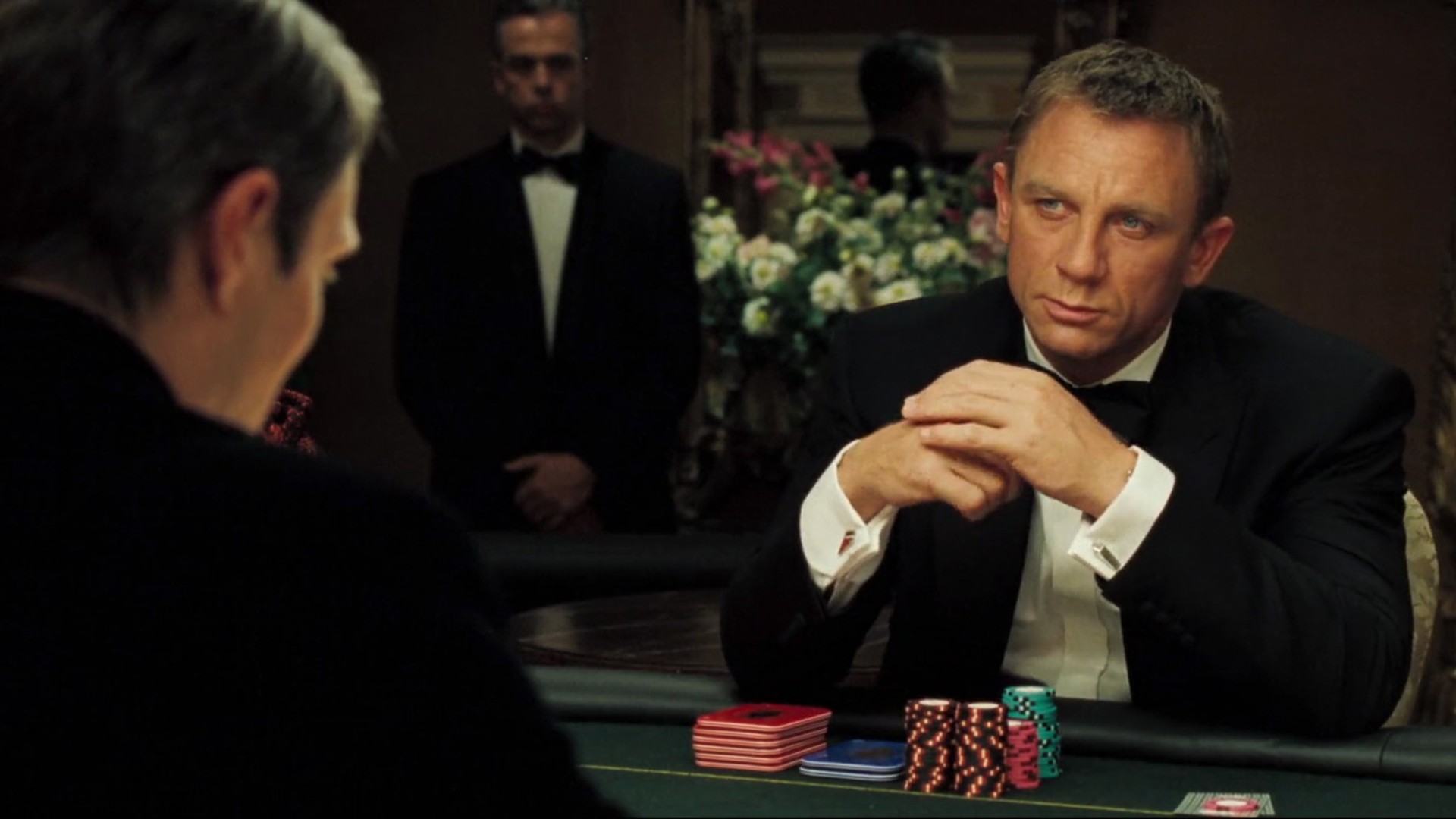
5. James Bond – $7.84B
The James Bond franchise thrives on reinvention within a formula. For over six decades, Bond films recalibrated masculinity, geopolitics, and spectacle without abandoning core iconography—Aston Martins, martinis, and mission briefings. The Daniel Craig era, culminating in No Time to Die, injected emotional vulnerability into a character once defined by detachment. That tonal shift expanded audience investment while maintaining blockbuster scale. Bond’s longevity is its weapon: each generation receives its own iteration while inheriting a legacy. The $7.84B total isn’t driven by cinematic universes or crossovers—it’s driven by brand durability.
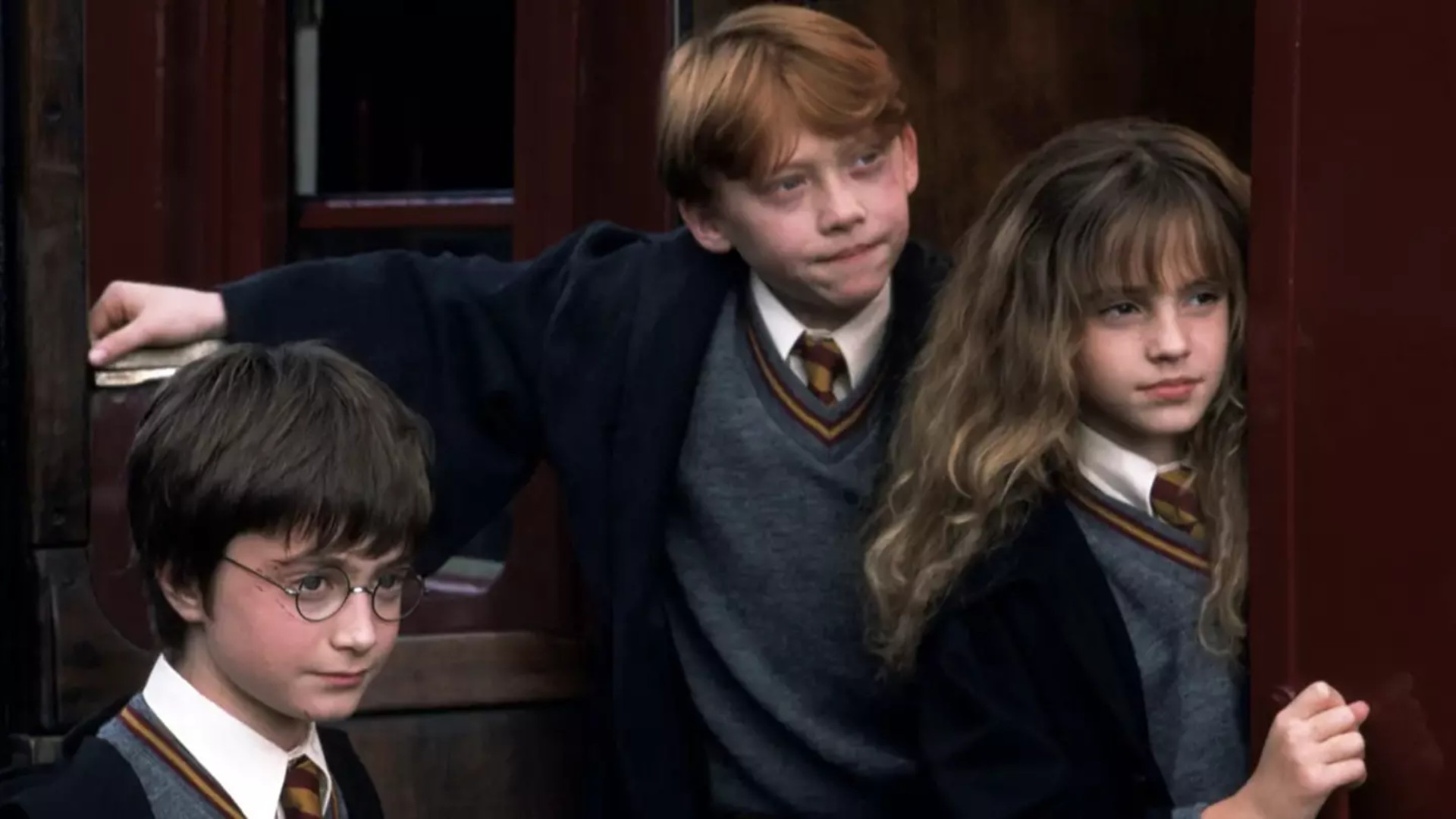
4. Harry Potter & Fantastic Beasts – $9.66B
The Harry Potter universe transformed young-adult fantasy into a global box office juggernaut. The original eight films matured alongside their audience, escalating from whimsical school mystery to war allegory. Harry Potter and the Deathly Hallows – Part 2 became a cultural farewell event, cementing generational attachment. The Fantastic Beasts expansion proved the Wizarding World could stretch beyond Hogwarts, though not without turbulence. What sustains the $9.66B total is emotional imprint—friendship, sacrifice, chosen family. The franchise built a mythology accessible to children yet layered enough for adults. It monetized nostalgia before nostalgia became industry default. Few properties turn fictional institutions into lifelong identity markers the way Hogwarts has.
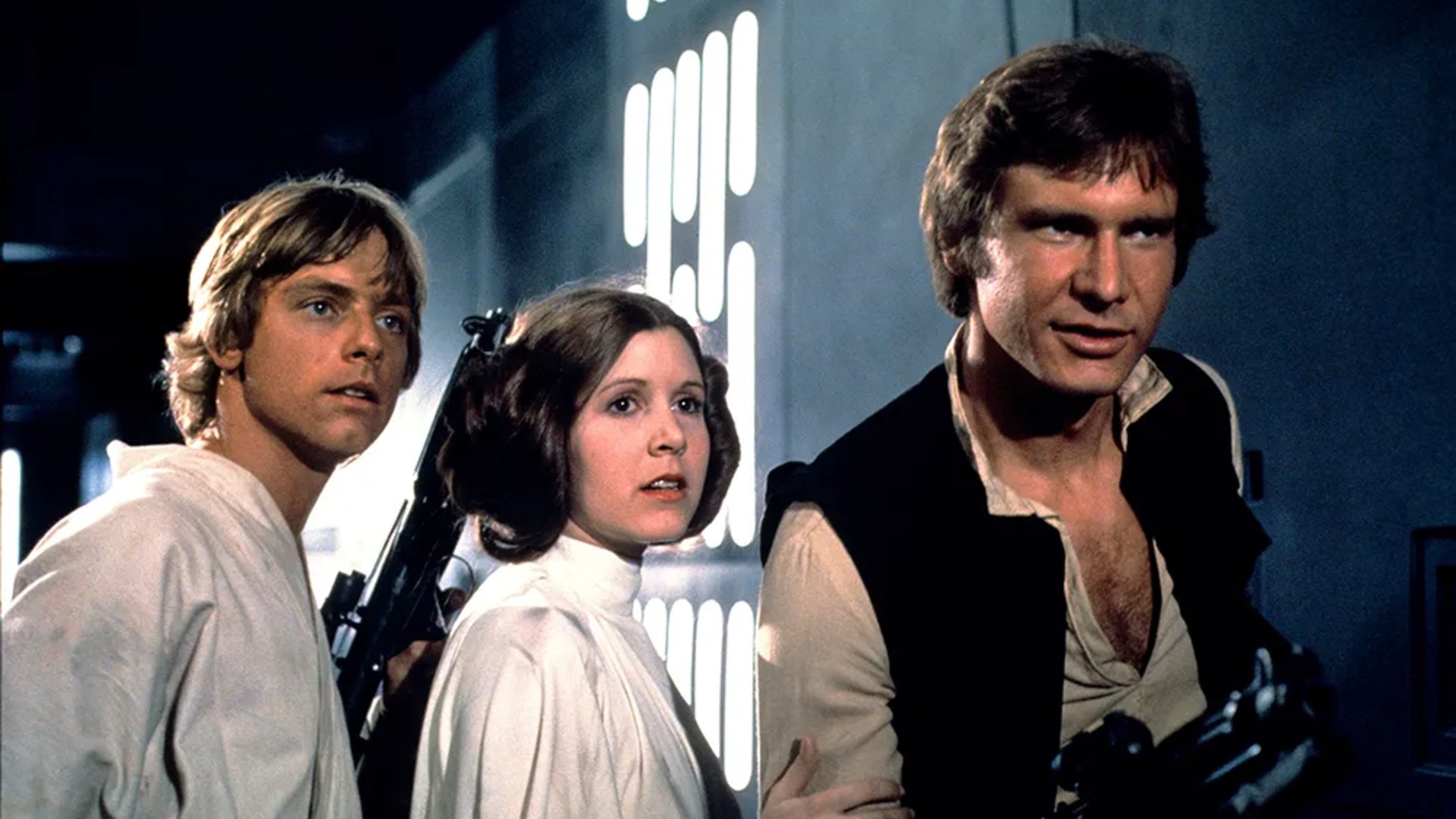
3. Star Wars – $10.40B
Star Wars remains one of cinema’s most mythic properties. Its box office power stems from archetypal storytelling—heroes, fallen knights, empires, and rebellion—wrapped in operatic scale. The original trilogy built cultural bedrock; prequels and sequels expanded ideological debate about legacy and destiny. Films like Star Wars: The Force Awakens demonstrated the franchise’s generational elasticity, pulling legacy fans and newcomers alike. Even divisive installments don’t erase its mythological pull. Lightsabers and John Williams’ score function as cinematic shorthand for epic storytelling. Star Wars isn’t merely sci-fi; it’s modern folklore monetized at scale. The $10.40B figure reflects decades of brand loyalty fused with theatrical spectacle. Few franchises carry that level of symbolic weight across eras.
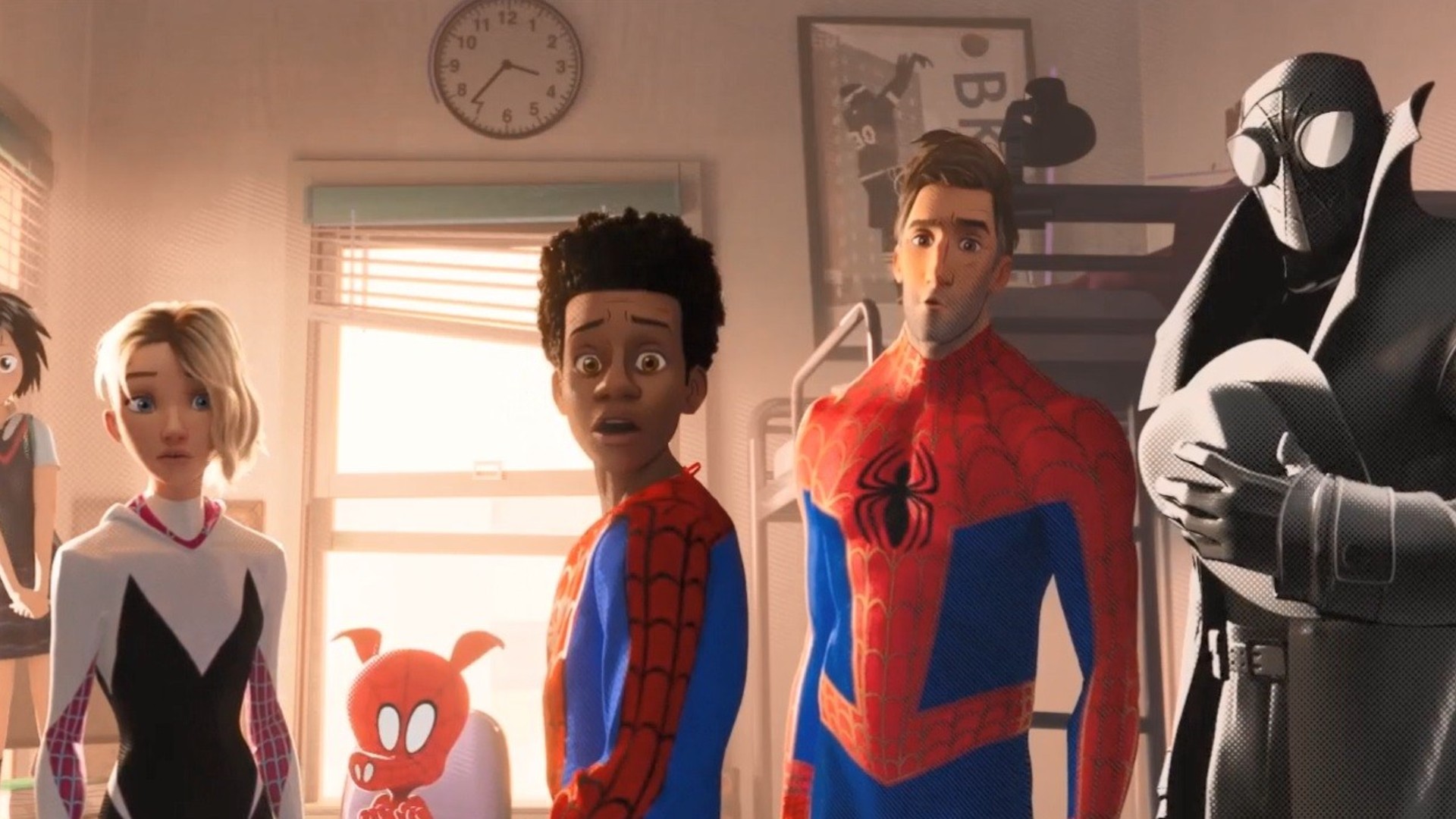
2. Spider-Man – $11.15B
The Spider-Man brand thrives because it reinvents without losing its emotional core. Across Tobey Maguire’s sincerity, Andrew Garfield’s volatility, and Tom Holland’s youthful vulnerability, the character remains culturally elastic. Event films like Spider-Man: No Way Home proved nostalgia can be weaponized into box office gravity when handled carefully. Unlike broader superhero ensembles, Spider-Man stories hinge on intimacy—responsibility, guilt, neighborhood stakes. That grounded relatability sustains billion-dollar momentum. Animated risks like Into the Spider-Verse expanded the mythos stylistically, while live-action crossovers strengthened global pull. Spider-Man isn’t just a hero; he’s generational memory. The $11.15B total reflects decades of reinvention anchored by one simple thesis: power demands consequence.
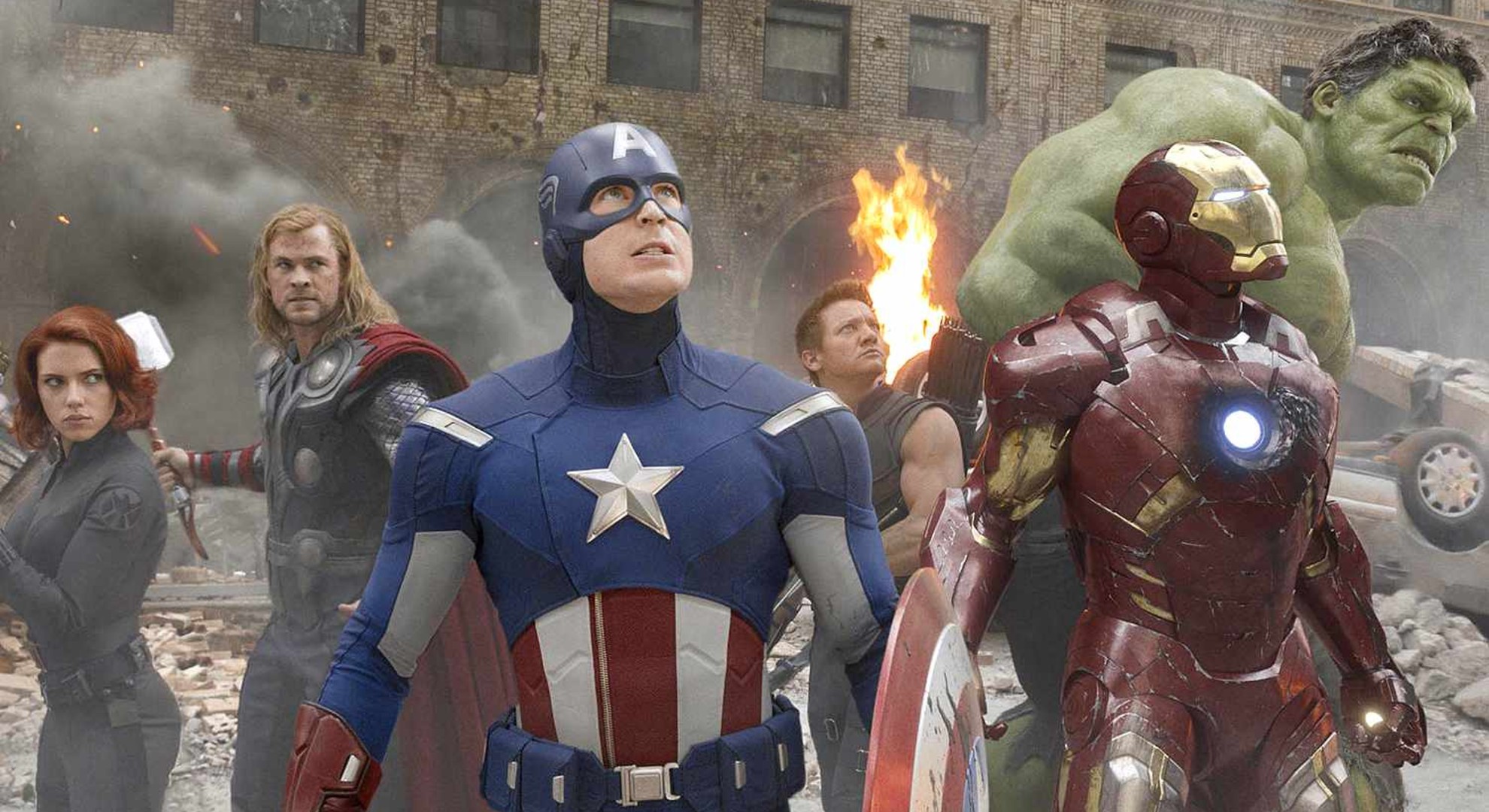
1. Marvel – $32.49B
The Marvel Cinematic Universe isn’t just a franchise—it’s an industrial machine that redefined serialized blockbuster storytelling. What makes that $32.49B figure staggering isn’t just volume, but consistency. From interconnected phase structures to billion-dollar ensemble events like Avengers: Endgame, Marvel turned comic arcs into global appointment viewing. The shared-universe model created emotional continuity across dozens of films, rewarding long-term investment. Even divisive entries don’t derail the machine; they feed it. Marvel mastered post-credit anticipation, cross-platform synergy, and global casting appeal. It’s less a franchise and more a cinematic ecosystem. That dominance isn’t accidental—it’s strategy, world-building discipline, and an unmatched ability to make audiences feel like every chapter matters.