10 Anime Villain Romances That Are Actually Terrifying
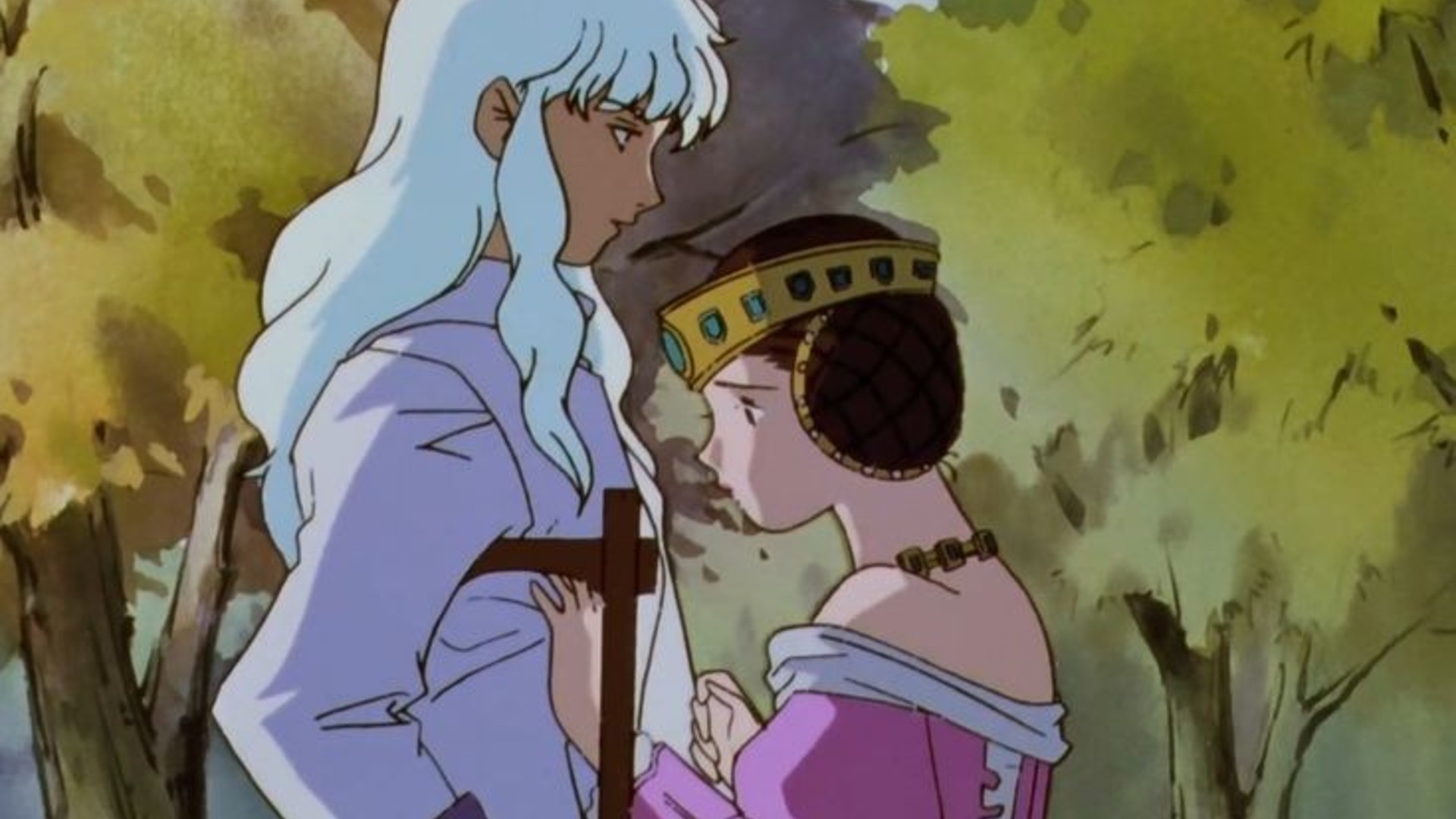
10. Griffith & Charlotte (Berserk)
In Berserk, Griffith and Charlotte look like a medieval fairy tale on the surface—a golden knight courts a sheltered princess—but fans know better. Griffith doesn’t love Charlotte; he leverages her. Every soft-spoken confession and stolen meeting is a calculated step toward the throne he believes he deserves. Charlotte’s innocence becomes currency in his ascent, and that imbalance makes the dynamic chilling. What makes it worse is hindsight: the looming horror of the Eclipse reframes every “romantic” beat as a prelude to catastrophe. Fans don’t see tenderness—they see ambition sharpening its blade. Charlotte dreams of devotion; Griffith dreams of a kingdom. That disconnect is the terror. It’s not passion driving the relationship; it’s strategy. In Berserk, love isn’t corrupted—it’s weaponized long before the blood actually spills.
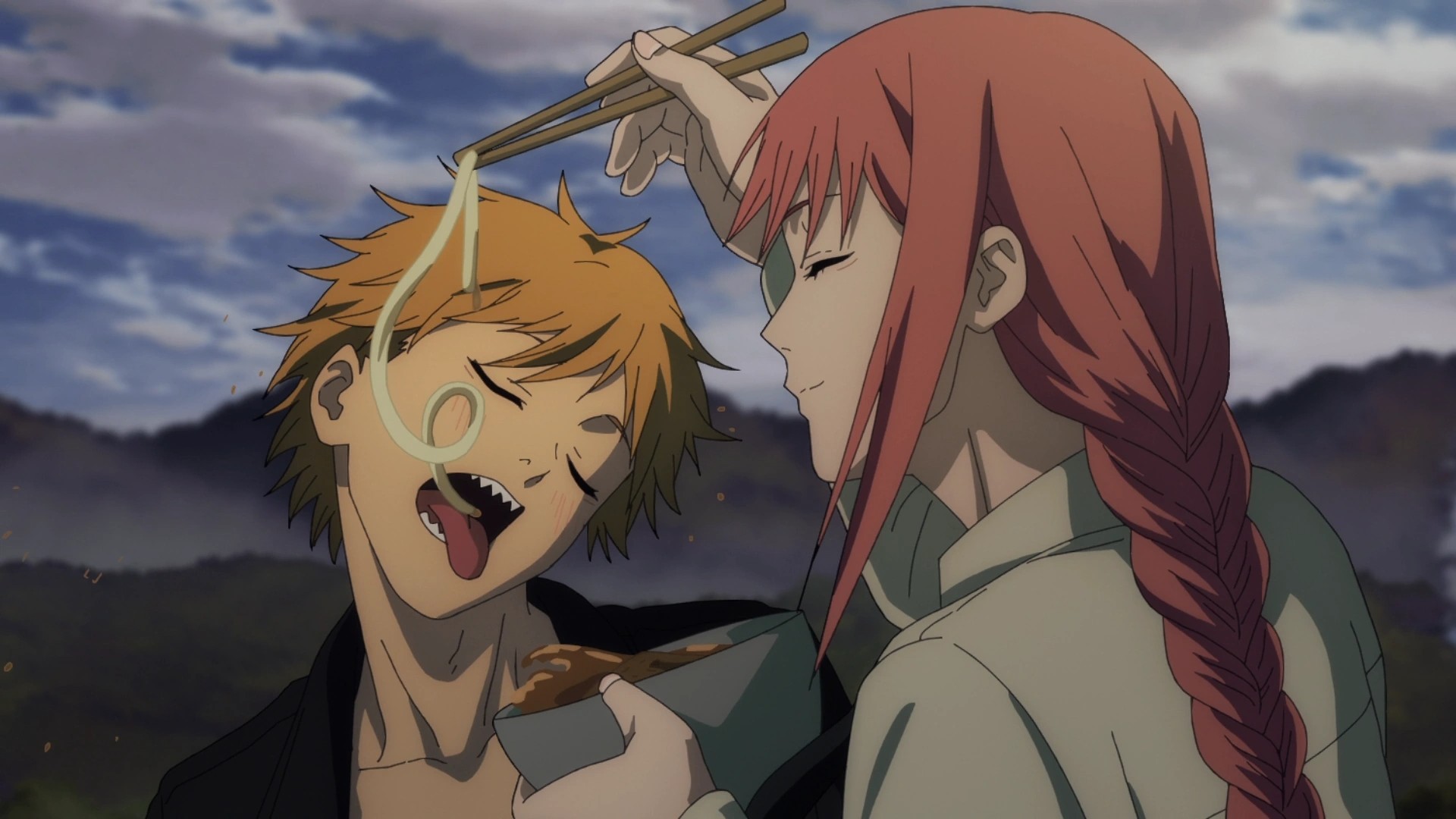
9. Makima & Denji (Chainsaw Man)
In Chainsaw Man, Makima and Denji represent romance stripped down to psychological domination. Makima identifies Denji’s most fragile desire—family, belonging, affection—and constructs a fantasy just convincing enough to keep him obedient. Fans still call it the blueprint for “romance as grooming” because nothing about it is mutual. Makima doesn’t seek partnership; she engineers dependence. Every head pat, every promise, every intimate dinner is a calculated reinforcement loop. Denji confuses crumbs for love because he’s never been fed anything else. That imbalance is what makes the relationship horrifying rather than tragic. By the time the illusion collapses, the emotional damage is already done. It’s terrifying precisely because it feels plausible: affection used as leverage, care used as control. Makima doesn’t break hearts—she conditions them.
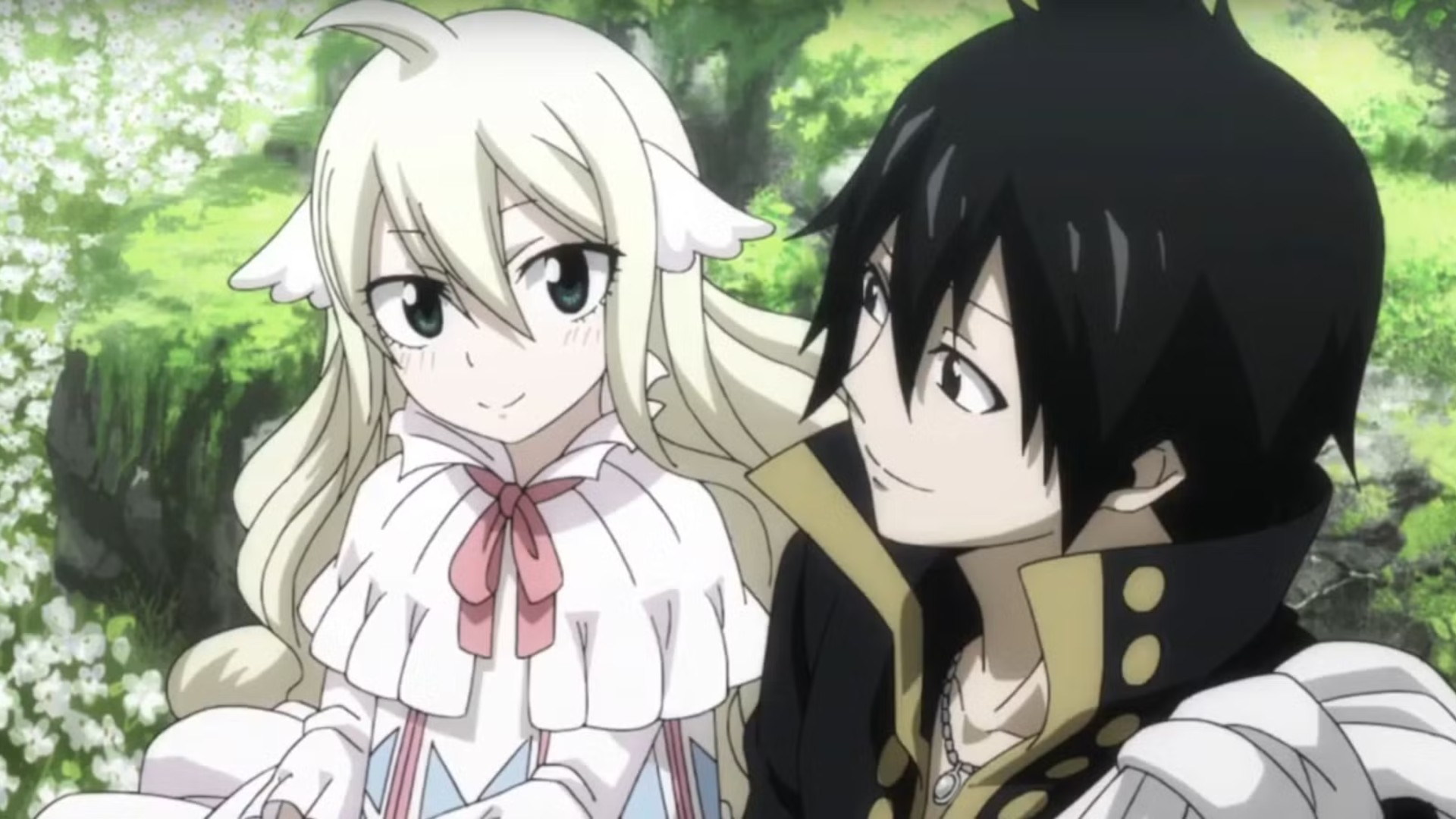
8. Zeref & Mavis (Fairy Tail)
In Fairy Tail, Zeref and Mavis are cursed by contradiction itself. Their love is genuine, but the universe punishes it. Zeref’s Curse of Contradictions ensures that the more he values life, the more death follows him. Mavis, in trying to comfort him, ends up inheriting a similar fate. Fans find their story devastating because neither is manipulating the other—they’re trapped by cosmic cruelty. Even their child, August, becomes collateral damage in a timeline neither of them can safely inhabit. What makes this romance terrifying isn’t abuse; it’s inevitability. Loving each other guarantees destruction. When they finally admit their feelings after centuries of isolation, it’s less a triumph and more a surrender. In a series built on friendship as power, their bond proves that sometimes love is the curse itself.
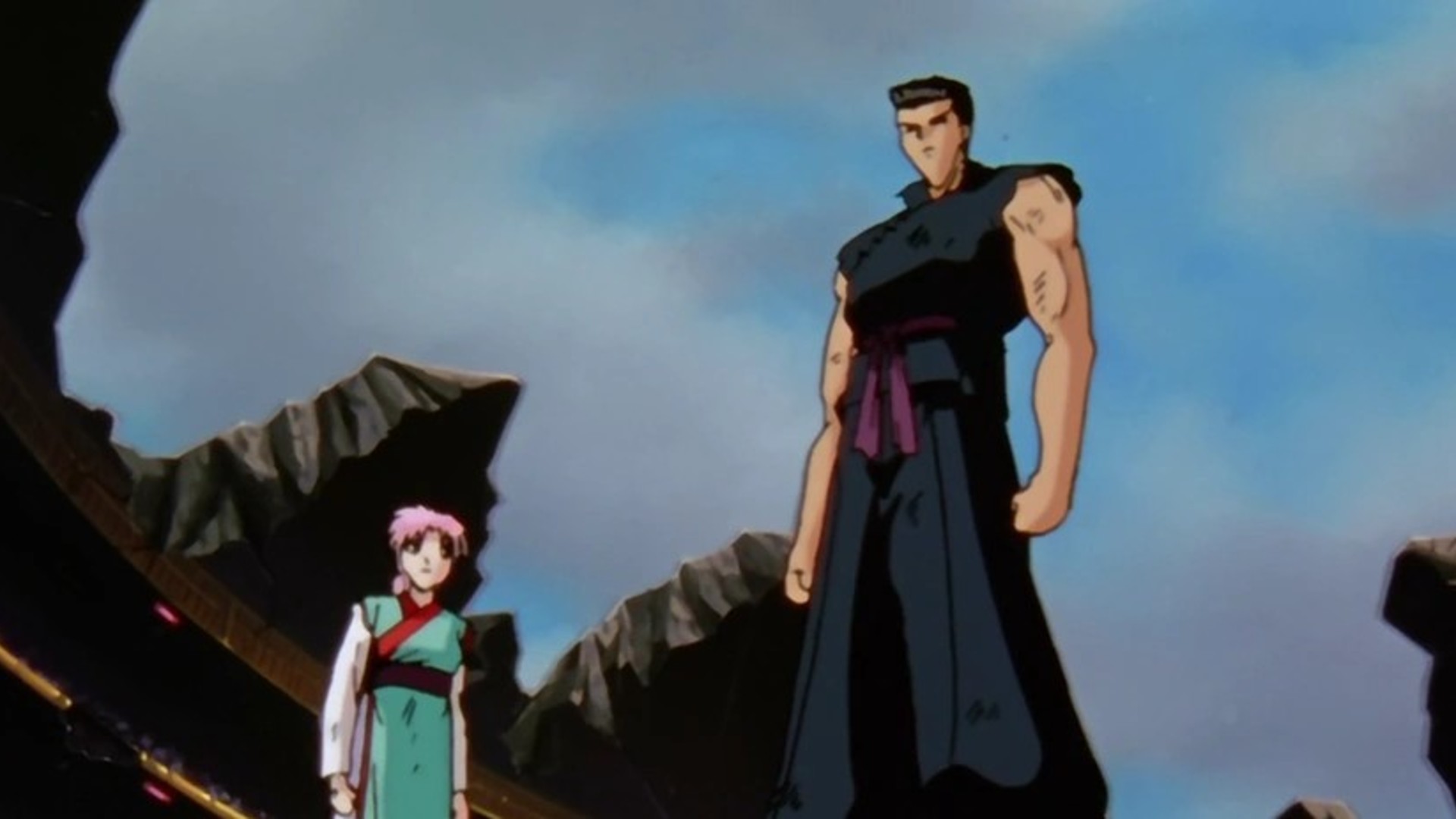
7. Genkai & Younger Toguro (Yu Yu Hakusho)
In Yu Yu Hakusho, Genkai and Younger Toguro embody love fractured by ideology. Once teammates—possibly more—they split when Toguro chooses demonic strength over humanity. Fans view their dynamic as tragic horror because Toguro’s obsession with power mutates his perception of Genkai. He claims to despise her aging body, yet waits until she passes on her strength before challenging her, ensuring their final confrontation is fatal. That contradiction exposes a lingering attachment twisted into cruelty. Their reunion in the afterlife is even more haunting: reminiscence laced with regret, a last chance for Toguro to choose redemption that he refuses. This isn’t a romance undone by misunderstanding—it’s one devoured by ambition. Genkai represents acceptance of mortality; Toguro represents fear of it. Love couldn’t survive that divide.
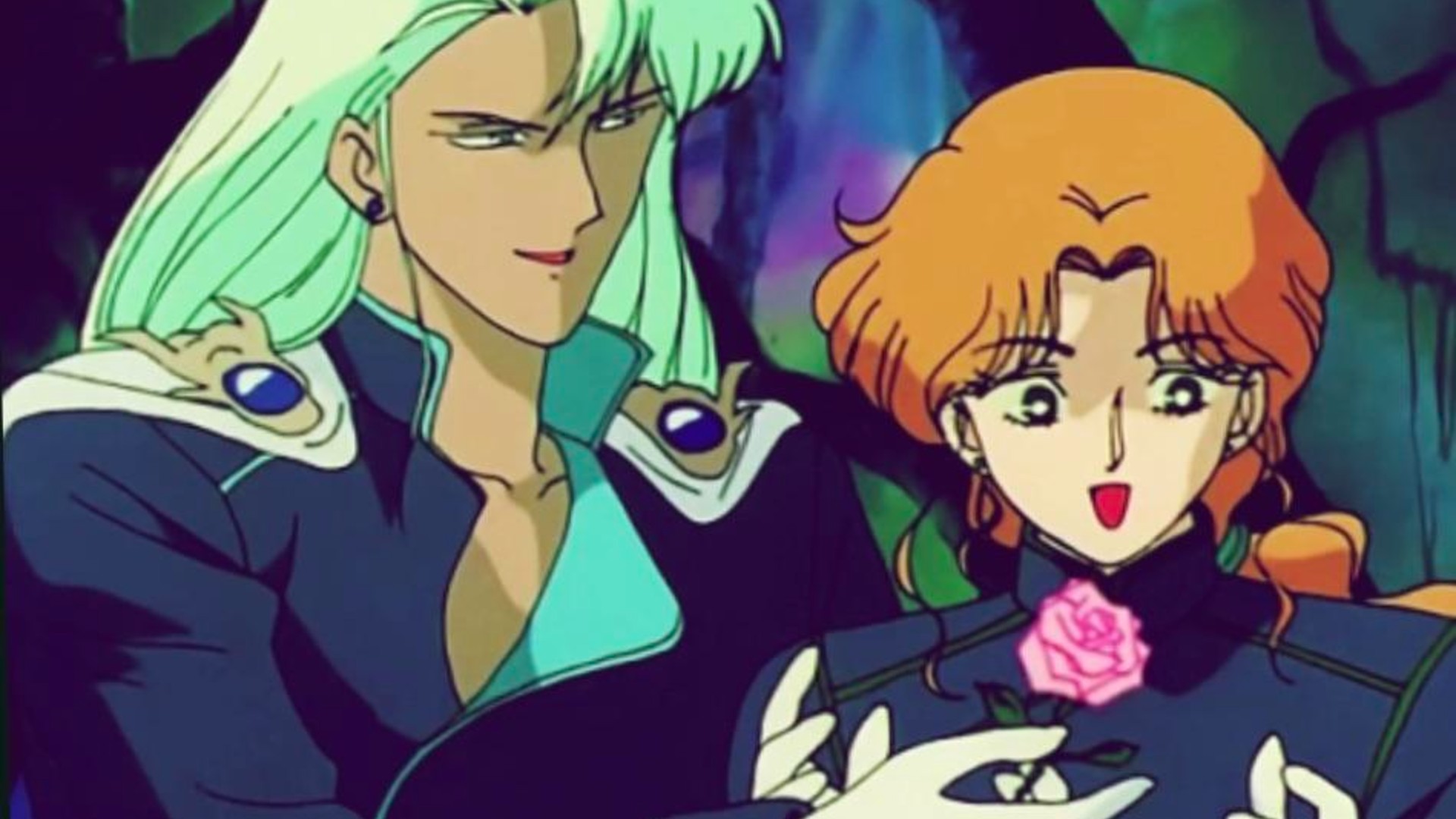
6. Zoisite & Kunzite (Sailor Moon)
In Sailor Moon, Zoisite and Kunzite’s relationship is drenched in doomed loyalty. As members of Queen Beryl’s Shitennou, their bond exists inside a hierarchy that punishes failure with death. Fans remember their final scene not as melodrama, but as raw tragedy—Zoisite dying in Kunzite’s arms after defying authority. What adds an extra layer of unease is the adaptation history: romantic in the 90s anime, reframed in other versions, and even censored in English dubs. That instability mirrors the fragility of their love within the narrative itself. They are devoted, but devotion offers no protection in a villain’s court. In a story about reincarnated destiny, theirs is a connection cut short by cruelty. Love here isn’t redemptive—it’s collateral damage in a regime built on fear.
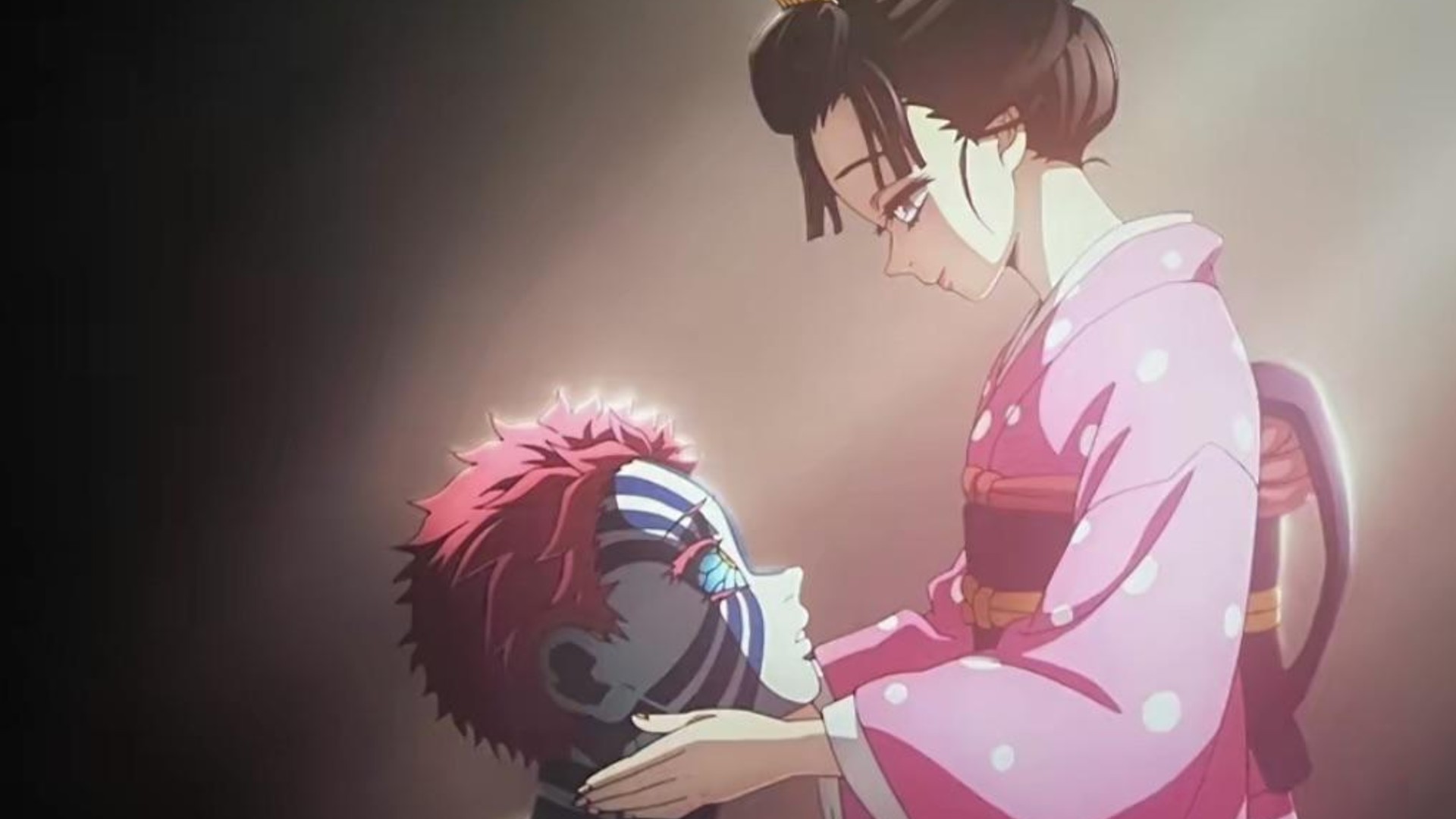
5. Akaza & Koyuki (Demon Slayer)
In Demon Slayer: Kimetsu no Yaiba, Akaza’s past as Hakuji reframes him from monster to mourning man. His love for Koyuki was sincere, built on gratitude and shared vulnerability after a childhood of suffering. Fans were shaken by how quickly that fragile hope was annihilated—poisoned rivals erasing his future in one brutal act. The terror here lies in transformation: grief curdling into demonic allegiance. Akaza’s later feels less like evil and more like emotional amputation. He doesn’t just lose Koyuki; he loses the version of himself capable of peace. When viewers learn his history, hatred softens into heartbreak. This isn’t a toxic romance—it’s a destroyed one, and the aftermath births a villain. Love didn’t corrupt him; losing it did.
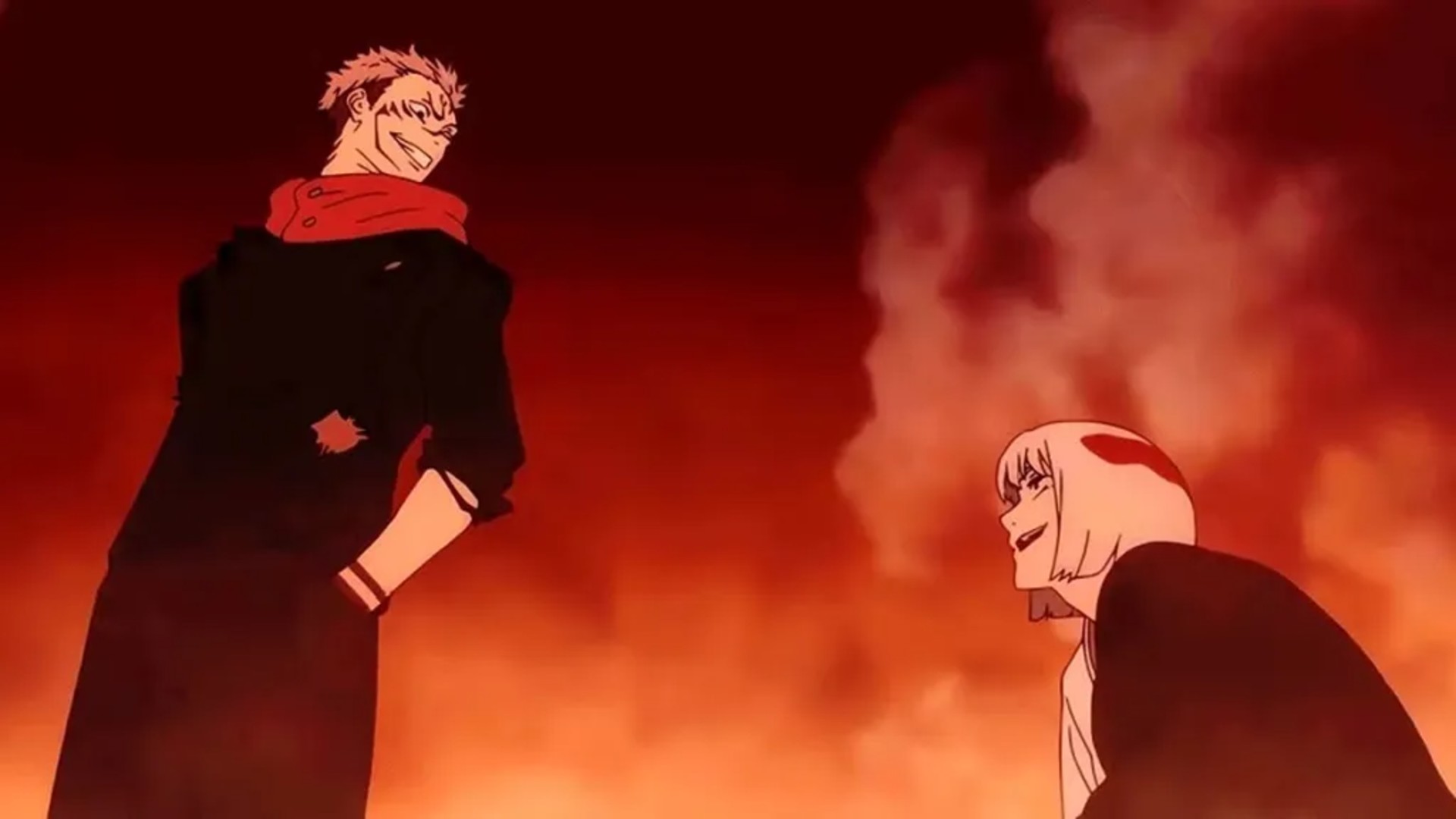
4. Sukuna & Uraume (Jujutsu Kaisen)
In Jujutsu Kaisen, especially with the Culling Game arc fueling current conversations, Sukuna and Uraume’s bond reads less like romance and more like ritualized devotion. Uraume doesn’t stand beside the King of Curses as an equal—they orbit him with reverence, their identity entirely fused to his return and dominance. The unsettling part isn’t loud affection; it’s quiet, unwavering service. Uraume cooks for him, prepares battlefields for him, and speaks of his massacres as inevitabilities to be managed rather than atrocities to be questioned. There’s no moral friction, no internal conflict—just faith in destruction. Fans find it terrifying because it strips love of warmth and replaces it with purpose: to facilitate slaughter. It’s intimacy without tenderness, loyalty without conscience. In a series obsessed with cursed energy born from human negativity, their connection feels like nihilism perfected.
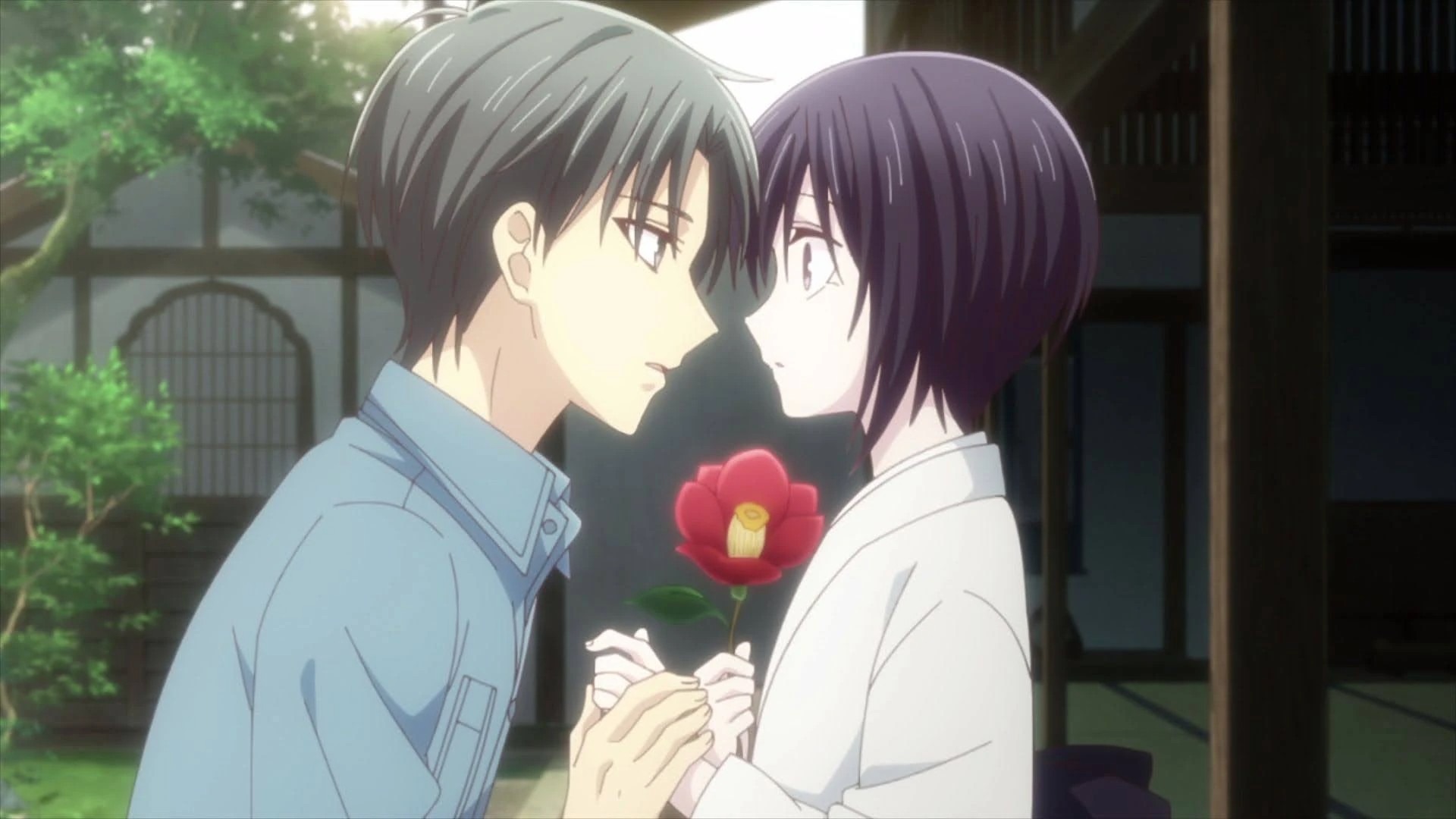
3. Akito Sohma & Shigure Sohma (Fruits Basket)
In Fruits Basket, Akito and Shigure’s relationship is a chess match played with emotional wounds. Akito rules the Sohma clan through fear and trauma, while Shigure counters with manipulation disguised as patience. Fans find it terrifying because neither operates cleanly—retaliatory affairs, psychological pressure, and calculated distance. Shigure claims he wants to free Akito from the Zodiac curse for love, yet he’s willing to destabilize everyone to achieve that outcome. Their bond isn’t nurturing; it’s strategic and volatile. When the curse finally breaks, and they move toward marriage, the resolution feels earned but uneasy. This is romance forged in toxicity, slowly reshaped into something functional. The fear comes from how much damage precedes the healing. Love may win—but only after years of emotional warfare.
2. Jake Martinez & Kriem (Tiger & Bunny)
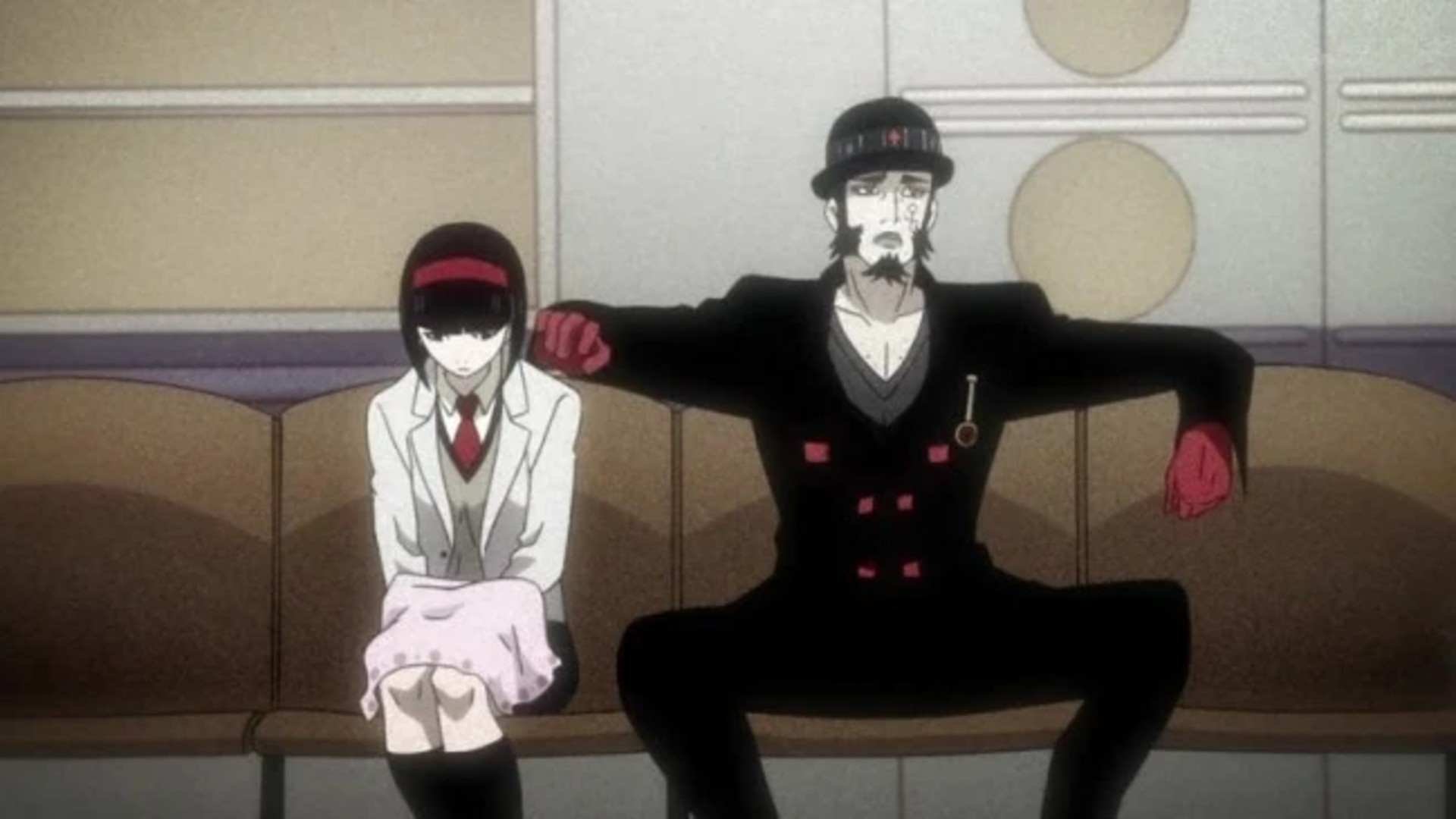
In Tiger & Bunny, Jake and Kriem’s dynamic begins with kidnapping—hardly romantic foundations. Jake’s sympathy toward Kriem after her family rejects her for being a NEXT becomes the hook that binds her loyalty. Fans view this as classic vulnerability exploitation: he offers validation at her lowest point, positioning himself as savior. From there, devotion morphs into complicity as she aids his extremist ideology. The horror isn’t loud—it’s gradual radicalization through affection. Kriem confuses acceptance with moral alignment, and Jake benefits from that confusion. Their relationship illustrates how easily love can blur into dependency when isolation is involved. It’s less about passion and more about belonging. When the only person who sees you is a villain, following them can feel like survival.
1. Gendo Ikari & Yui Ikari (Neon Genesis Evangelion)
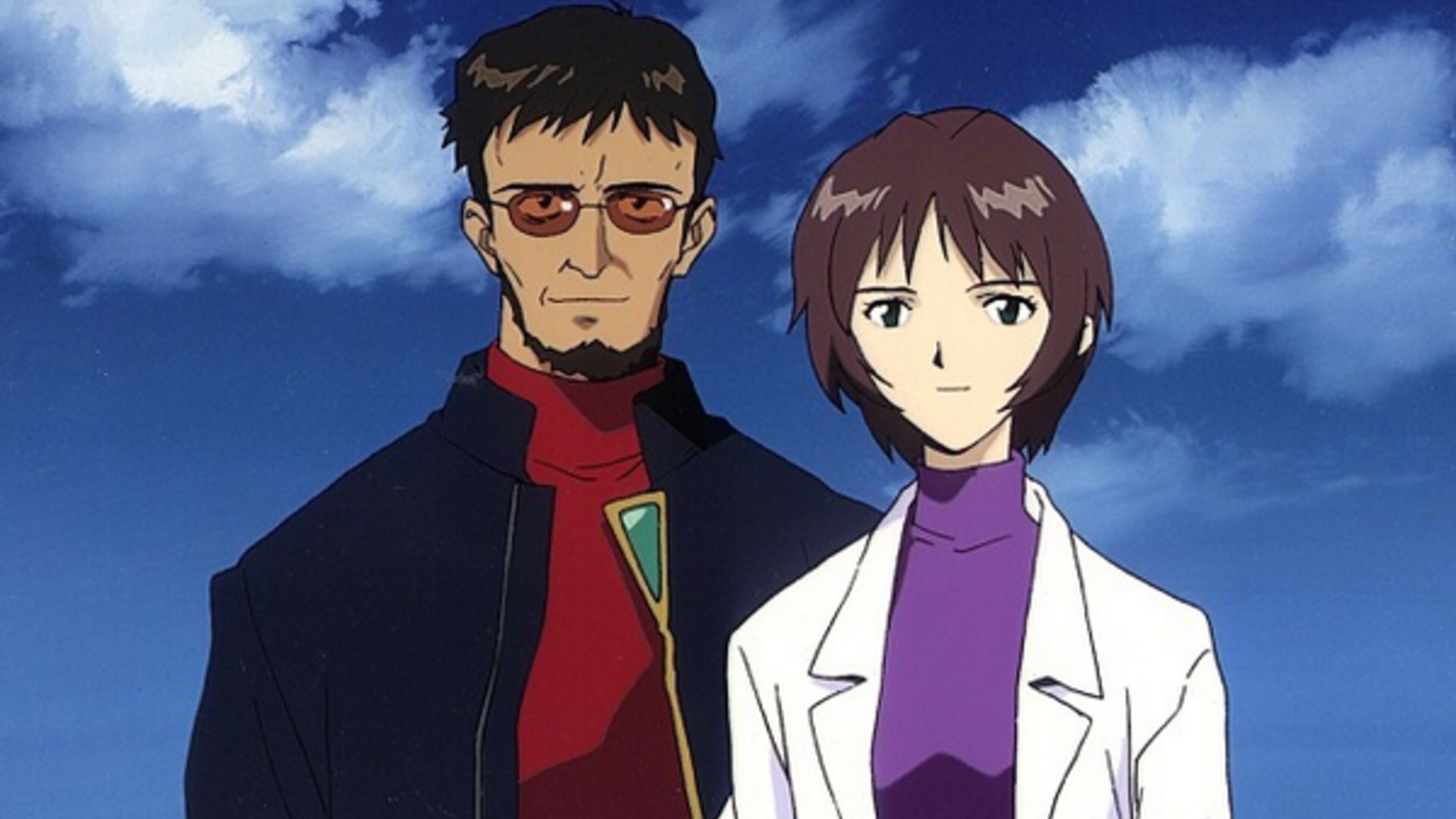
In Neon Genesis Evangelion, Gendo’s obsession with reuniting with Yui drives the apocalypse itself. His love is undeniable—but so is his blindness. Fans dissect this relationship because Gendo claims devotion while sacrificing humanity, manipulating colleagues, and emotionally abandoning his own son to trigger Instrumentality. Yui valued Shinji’s well-being above all else, making Gendo’s methods a betrayal of what she stood for. That contradiction is the terror. He pursues reunion not by honoring her values, but by overriding the world’s autonomy. It’s romance warped into a god complex. The tragedy isn’t that he loves her too little—it’s that he loves her in a way that erases everyone else. In Evangelion, even affection can become catastrophic when filtered through ego and grief.