The 10 Most Deeply Impactful TV Shows I’ve Ever Watched
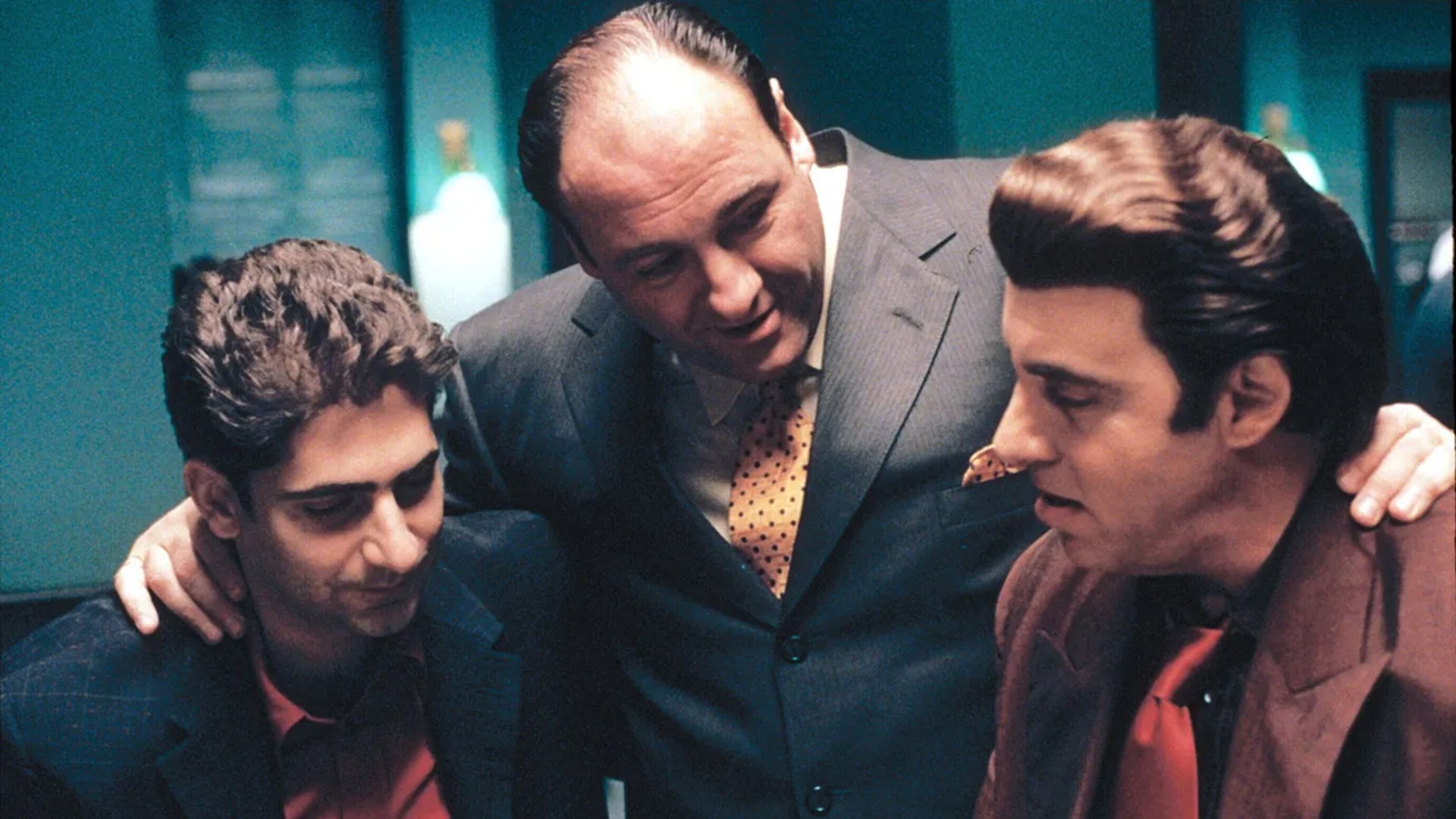
10. The Sopranos
The Sopranos didn’t just tell a mob story—it rewired television itself. By placing Tony Soprano in therapy, the show reframed criminality through vulnerability, exposing panic attacks and generational trauma beneath brutality. It proved audiences could follow a protagonist who is morally compromised yet emotionally recognizable. The domestic scenes hit as hard as the executions, collapsing the boundary between suburban routine and organized crime. Its pacing trusted viewers to sit in discomfort, in ambiguity, in conversations that felt lived-in rather than plot-driven. The famous cut-to-black finale wasn’t a gimmick; it was a thesis on uncertainty and consequence. The Sopranos showed that prestige TV could be novelistic, psychologically layered, and unapologetically patient. In doing so, it ignited what many now call television’s Golden Age.
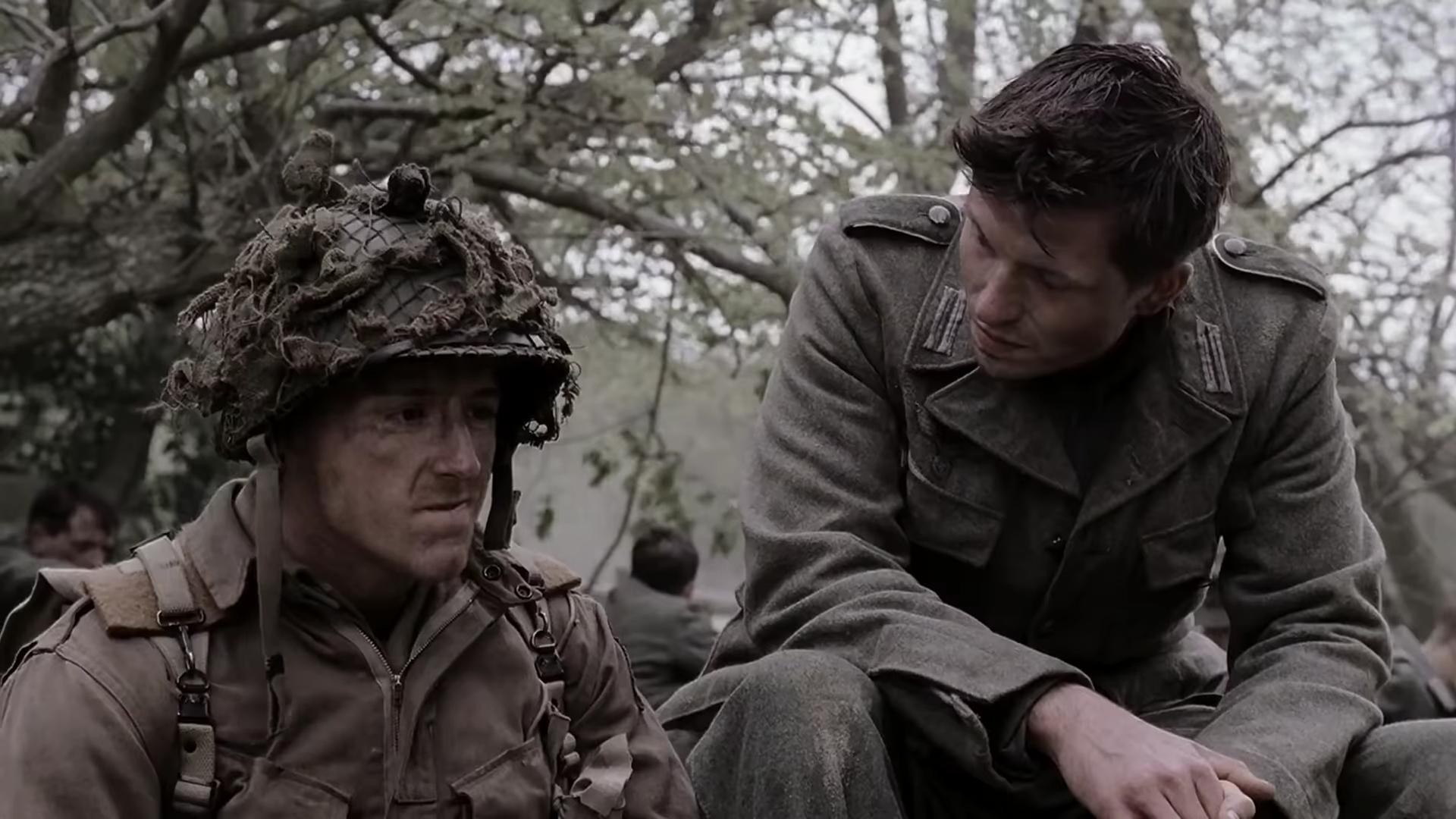
9. Band of Brothers
Band of Brothers remains the benchmark for war storytelling because it strips combat of spectacle and replaces it with intimacy. Following Easy Company through World War II, the series rejects glossy heroism and instead foregrounds exhaustion, fear, and unspoken loyalty. What makes it endure isn’t just battlefield realism—it’s the quiet moments between soldiers that define the cost of survival. The interviews with real veterans frame the drama with sobering authenticity, reminding viewers that this isn’t mythmaking but memory. Explosions matter less than glances exchanged in frozen forests. It’s about men shaped and scarred by shared trauma, about leadership earned under fire, about brotherhood forged in uncertainty. Few series capture both the scale of history and the fragility of individuals within it so seamlessly.
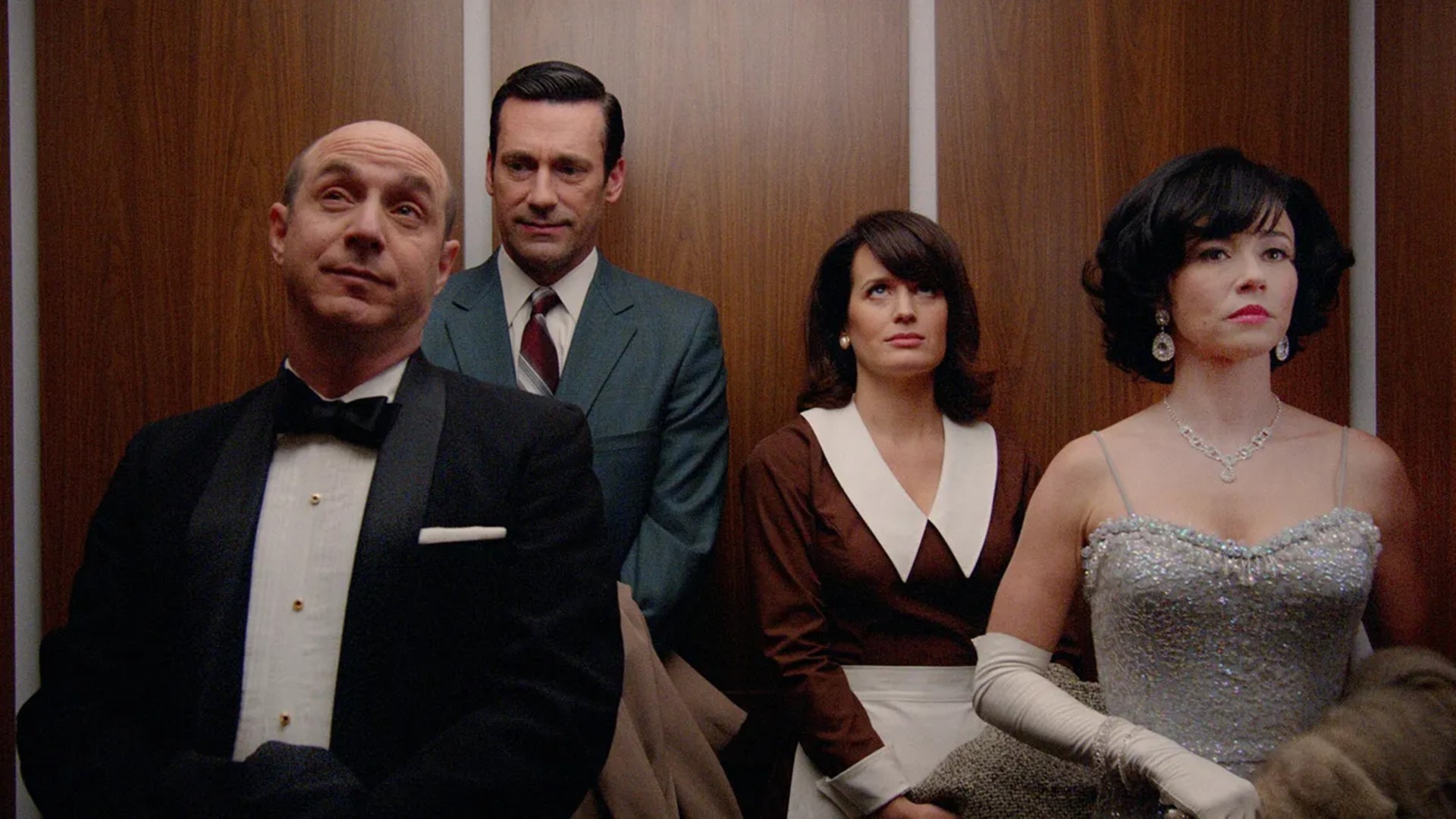
8. Mad Men
Mad Men operates like a slow-burning character novel disguised as a period drama. Set within the 1960s advertising world, it uses the industry’s obsession with image as a metaphor for personal reinvention. Don Draper isn’t just selling products—he’s selling versions of himself, each more fragile than the last. The series demands introspection; it quietly forces viewers to confront their own facades and compromises. Its brilliance lies in restraint—lingering silences, glances across conference tables, and the weight of societal change creeping into office corridors. Rather than explosive twists, it delivers emotional erosion. Identity, gender politics, ambition, and loneliness intersect without tidy resolution. Mad Men doesn’t shout its themes; it lets them settle. By the end, it feels less like a show watched and more like a mirror reluctantly faced.
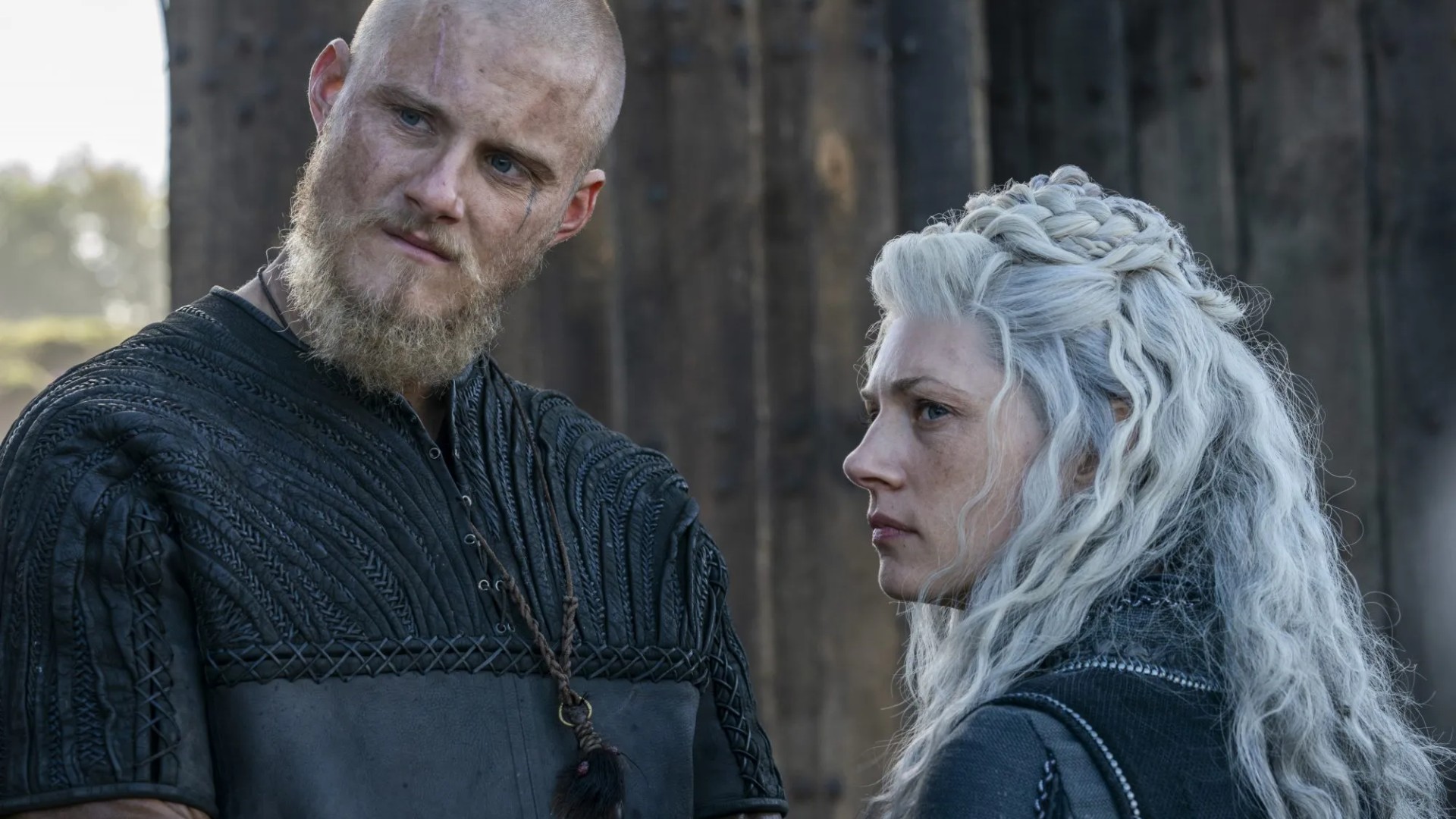
7. Vikings
Vikings transforms Norse legend into a meditation on faith and expansion. Centered on Ragnar Lothbrok, the series blends mythological texture with historical grit, presenting exploration as both ambition and existential hunger. It’s less about raids and more about worldview clashes—paganism confronting Christianity, tradition confronting curiosity. Ragnar’s evolution from farmer to visionary king mirrors the cultural upheaval surrounding him. The show treats the Vikings not merely as conquerors but as seekers—of land, of knowledge, of transcendence. Rituals, prophecies, and shifting loyalties shape a society caught between destiny and desire. Its violence is brutal but purposeful, underscoring how belief systems justify bloodshed. Vikings ultimately becomes a study of legacy—what survives after gods fade and empires fracture.
6. Game of Thrones
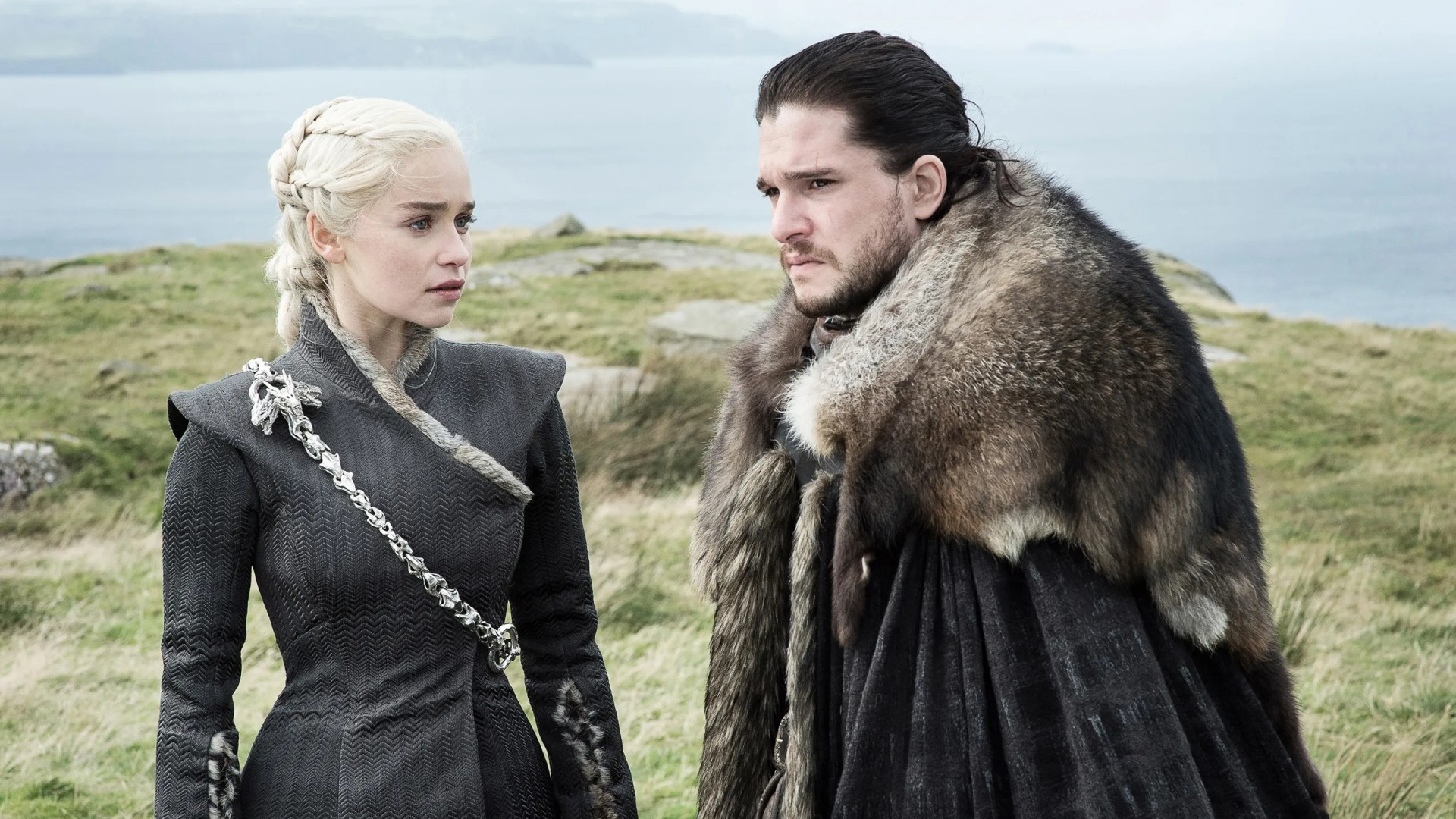
Game of Thrones redefined televised fantasy through scale and consequence. For much of its run, it dismantled genre safety nets—heroes died abruptly, power shifted unpredictably, and moral clarity rarely existed. Its world-building set a new standard, constructing political systems and cultural histories that felt lived-in rather than decorative. The early seasons emphasized that power is perception, a shadow cast larger than the person wielding it. Intrigue unfolded through dialogue as much as dragonfire, rewarding patience and attention. While its final season divided audiences, the cultural footprint remains undeniable. It made fantasy mainstream without diluting its brutality or complexity. Thrones didn’t just adapt epic storytelling; it proved that audiences would follow layered political drama set in entirely imagined worlds.

5. The Boys
The Boys dismantles superhero mythology with surgical cynicism. In a world where godlike figures are corporate assets, heroism becomes a branding strategy. The series interrogates celebrity culture, unchecked capitalism, and moral rot beneath patriotic spectacle. Homelander embodies the terror of absolute power fused with a fragile ego, making the satire disturbingly relevant. Violence isn’t glamorized; it’s grotesque, forcing viewers to confront the consequences of idol worship. The show thrives on tonal whiplash—absurd humor colliding with brutal commentary. It asks what happens when justice is monetized and accountability outsourced. Rather than deconstructing capes for shock value alone, The Boys uses excess to expose systemic corruption. It’s less about saving the world and more about surviving those who claim to protect it.

4. Suits
Suits begins as a high-concept legal drama but gradually deepens into a story about mentorship and moral compromise. Harvey Specter and Mike Ross form a partnership built on brilliance and deception, testing how far talent can stretch without legitimacy. The show thrives on rapid-fire dialogue and boardroom chess matches, yet its emotional core lies in loyalty—who stands by you when exposure looms? As cases escalate, so do ethical dilemmas, revealing that intelligence without integrity corrodes quickly. Mentorship becomes both shield and burden, shaping identities in high-pressure environments. While stylized and slick, Suits ultimately argues that success requires more than photographic memory or swagger—it demands accountability. Beneath tailored suits and corporate warfare lies a study of trust.
3. The Last Kingdom
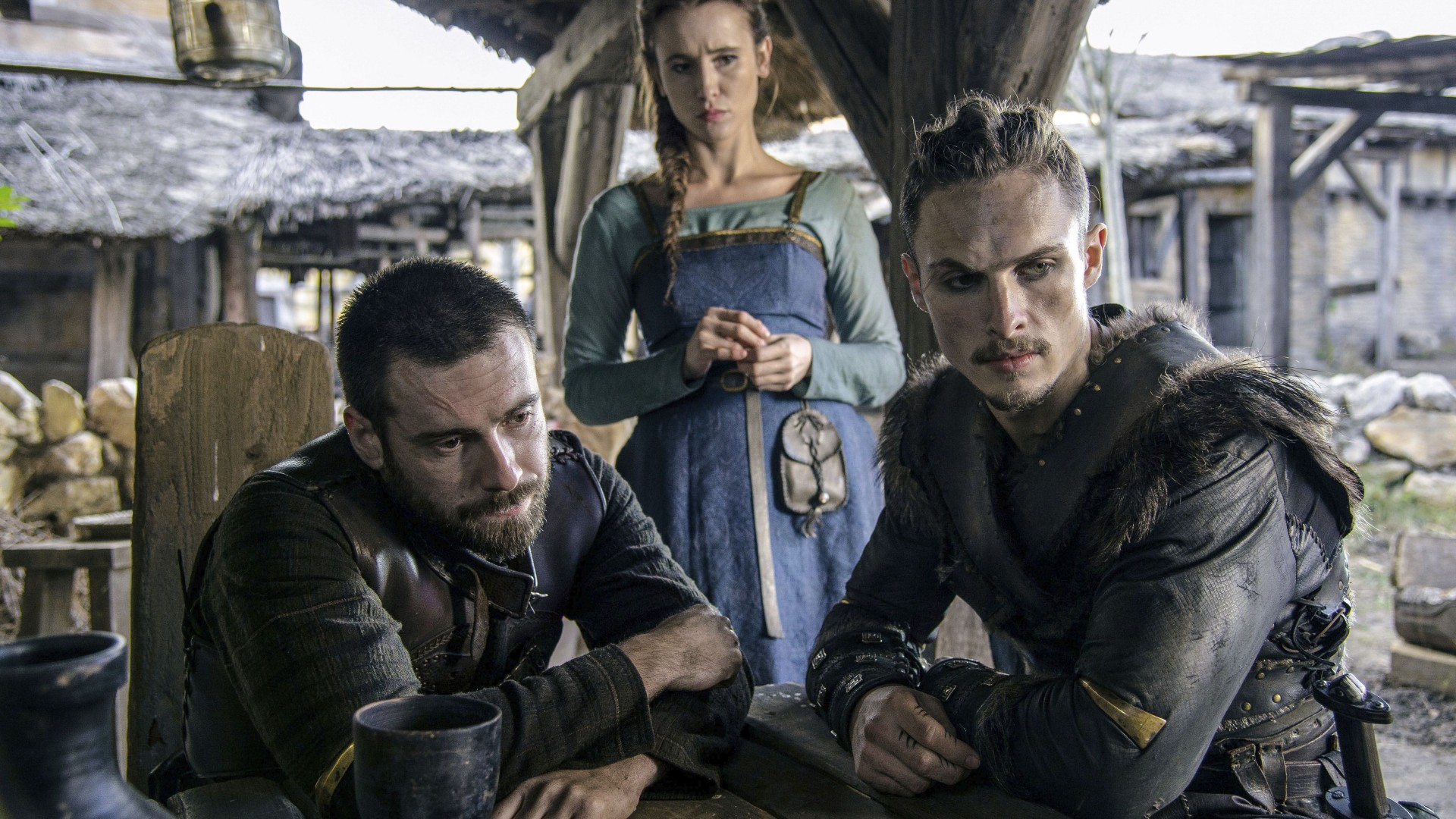
The Last Kingdom grounds epic conflict in personal displacement. Adapted from Bernard Cornwell’s Saxon Stories, it follows Uhtred of Bebbanburg, a man divided between Saxon birthright and Danish upbringing. The series captures the brutal politics of forming a unified England while foregrounding one man’s search for belonging. Loyalty shifts not because of whim, but survival. Battles are raw and tactile, emphasizing mud and steel over grandeur. Yet its thematic strength lies in identity—what defines you when culture and blood pull in opposite directions? Uhtred’s internal conflict mirrors a nation in formation, fractured yet striving toward cohesion. The show balances historical realism with emotional stakes, presenting unity not as inevitability but as a contested aspiration.
2. Peaky Blinders
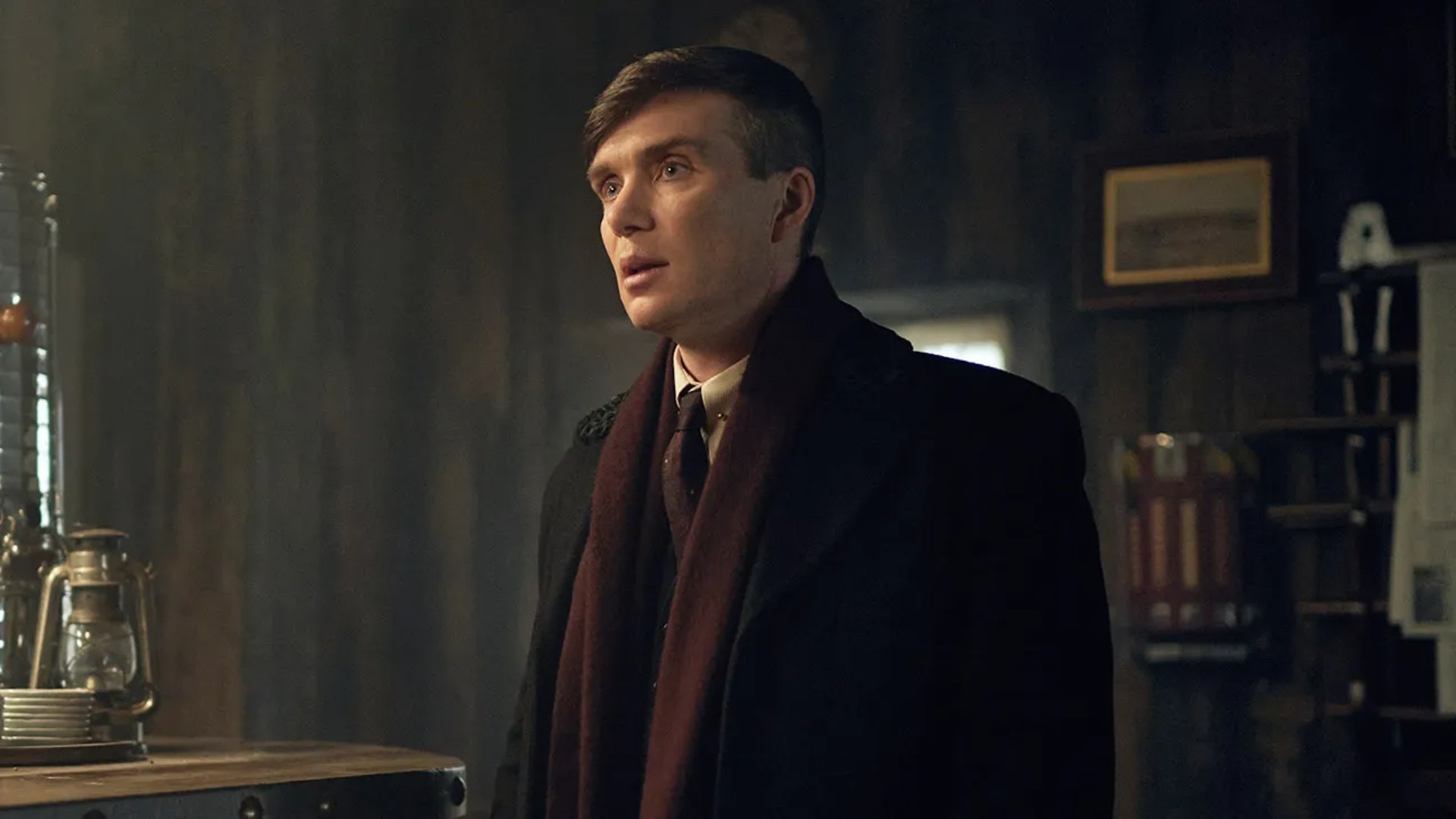
Peaky Blinders blends post-war trauma with operatic crime drama. Set in industrial Birmingham, it tracks the Shelby family’s ascent while never letting viewers forget the psychological scars of World War I. Tommy Shelby’s ambition is fueled as much by nightmares as by strategy. The series pairs stylized cinematography and modern music with bleak social realities—class mobility, political unrest, and shifting power structures. Violence is deliberate, often intimate, reinforcing how war reshapes men long after the trenches. Beyond razor-lined caps and aesthetic cool lies a meditation on reinvention. The Shelbys seek legitimacy and control in a world that destabilized them first. Peaky Blinders thrives on mood, but its endurance comes from character psychology.
1. Breaking Bad
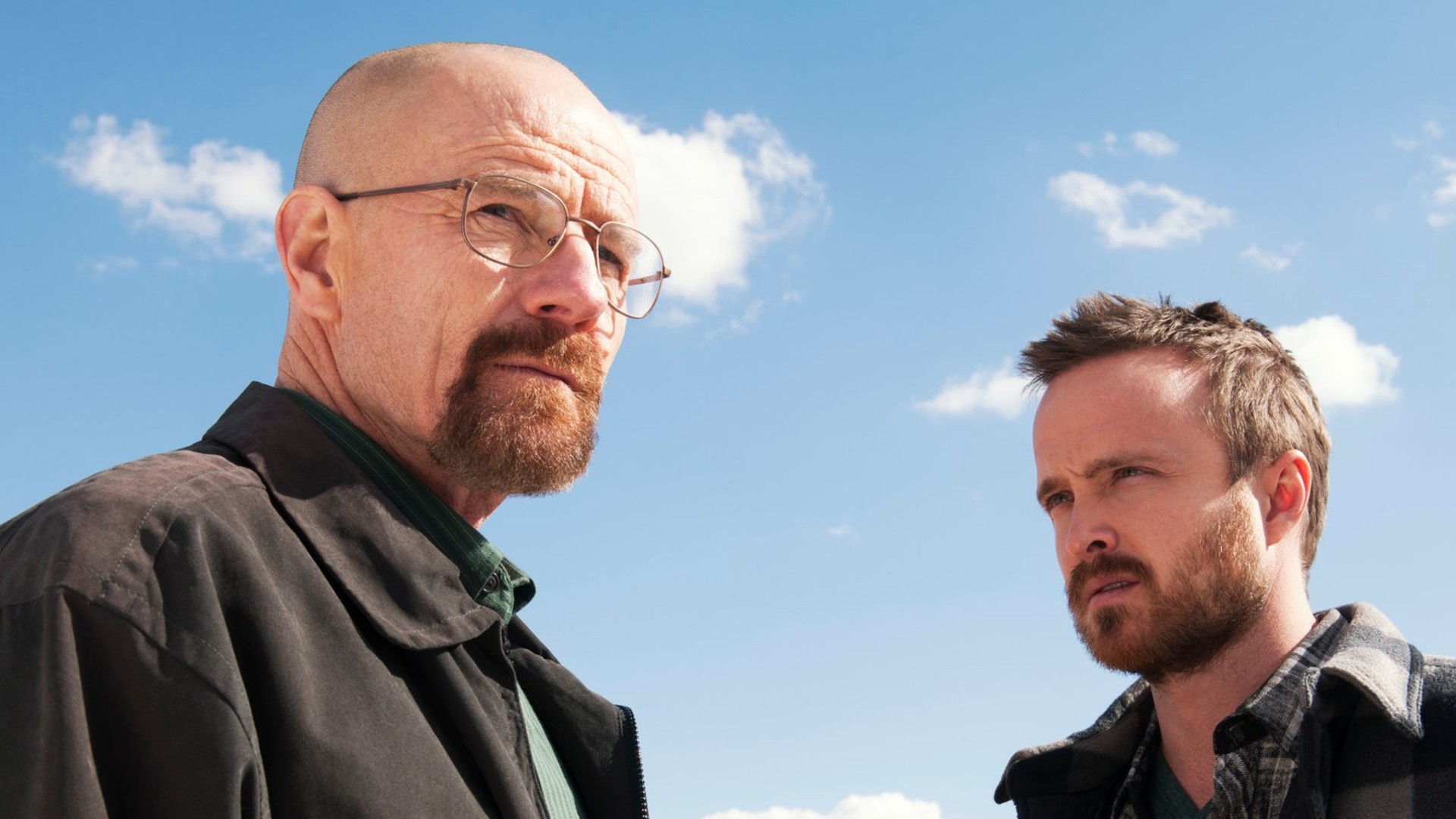
Breaking Bad stands as a masterclass in sustained character transformation. Walter White’s evolution from underpaid chemistry teacher to kingpin unfolds with chilling logic. Each compromise feels incremental, almost defensible in isolation, which makes the cumulative descent devastating. The series excels in visual storytelling—color symbolism, framing, and silence—mirroring Walt’s moral erosion. It resists redemption arcs, instead charting consequence with clinical precision. Supporting characters aren’t orbiting props; they are collateral damage and moral counterpoints. The tension arises not from sudden twists but from inevitability. By the finale, the question isn’t whether Walt has changed—it’s when he crossed the point of no return. Breaking Bad endures because it treats transformation not as spectacle, but as pathology.