10 Times Hollywood Ignored Common Sense When Casting These Iconic Roles
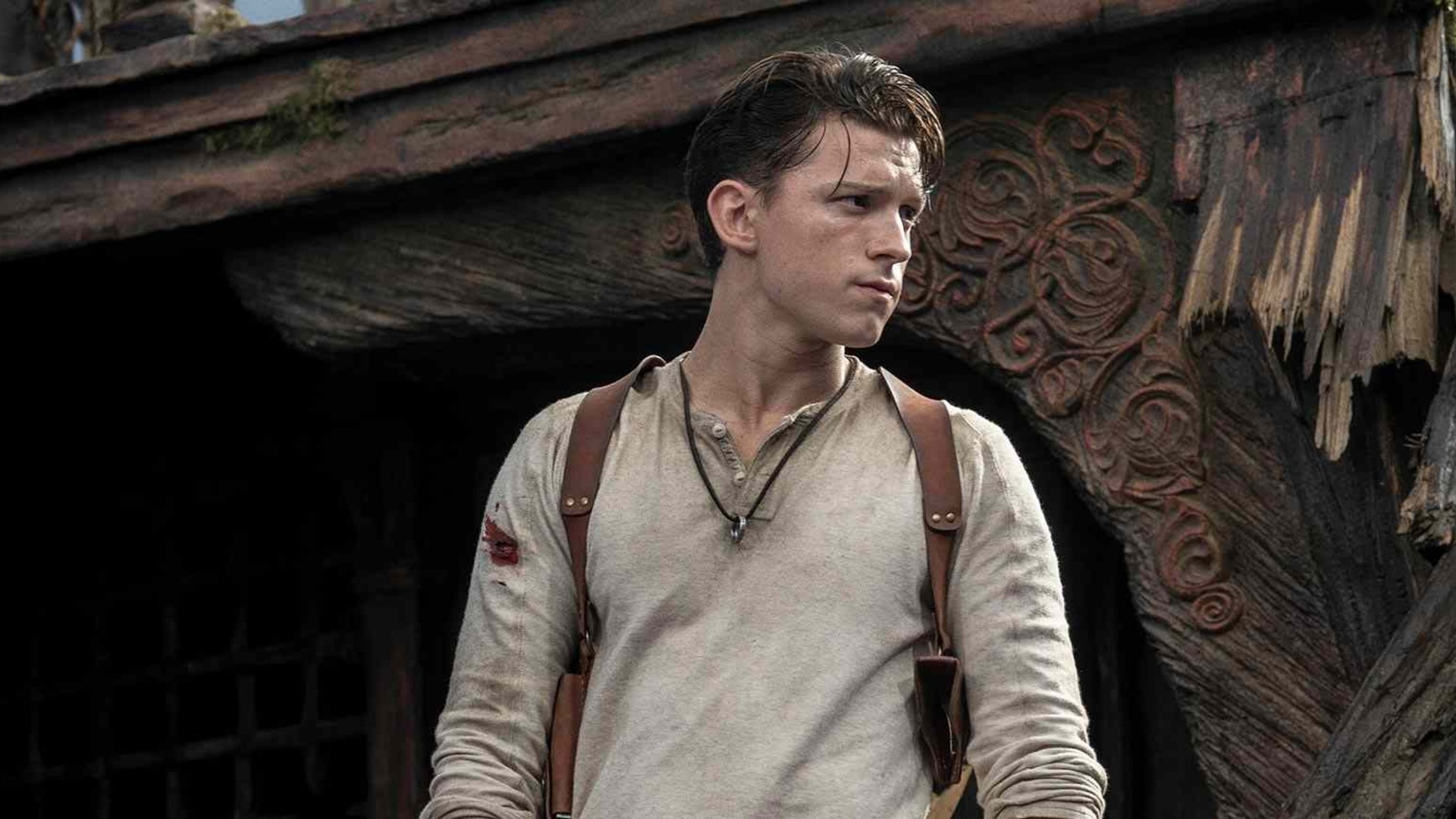
10. Uncharted – Tom Holland as Nathan Drake
Fans waited years for Nathan Drake to finally hit the big screen, and what hurt wasn’t that Tom Holland is untalented—it’s that he felt misaligned with the fantasy the games built. Drake is supposed to be a little reckless, a little bruised by life, someone who’s been double-crossed enough times to wear cynicism like a second skin. Holland brought charm and agility, but the performance leaned youthful and eager rather than world-weary and sly. It felt like we were watching the origin of an adventurer instead of the seasoned treasure hunter fans already loved. The constant comparison to Nathan Fillion wasn’t random; it represented the rugged sarcasm and lived-in grit people expected. Instead of a hardened explorer barely surviving disasters, we got optimism where exhaustion should’ve been.
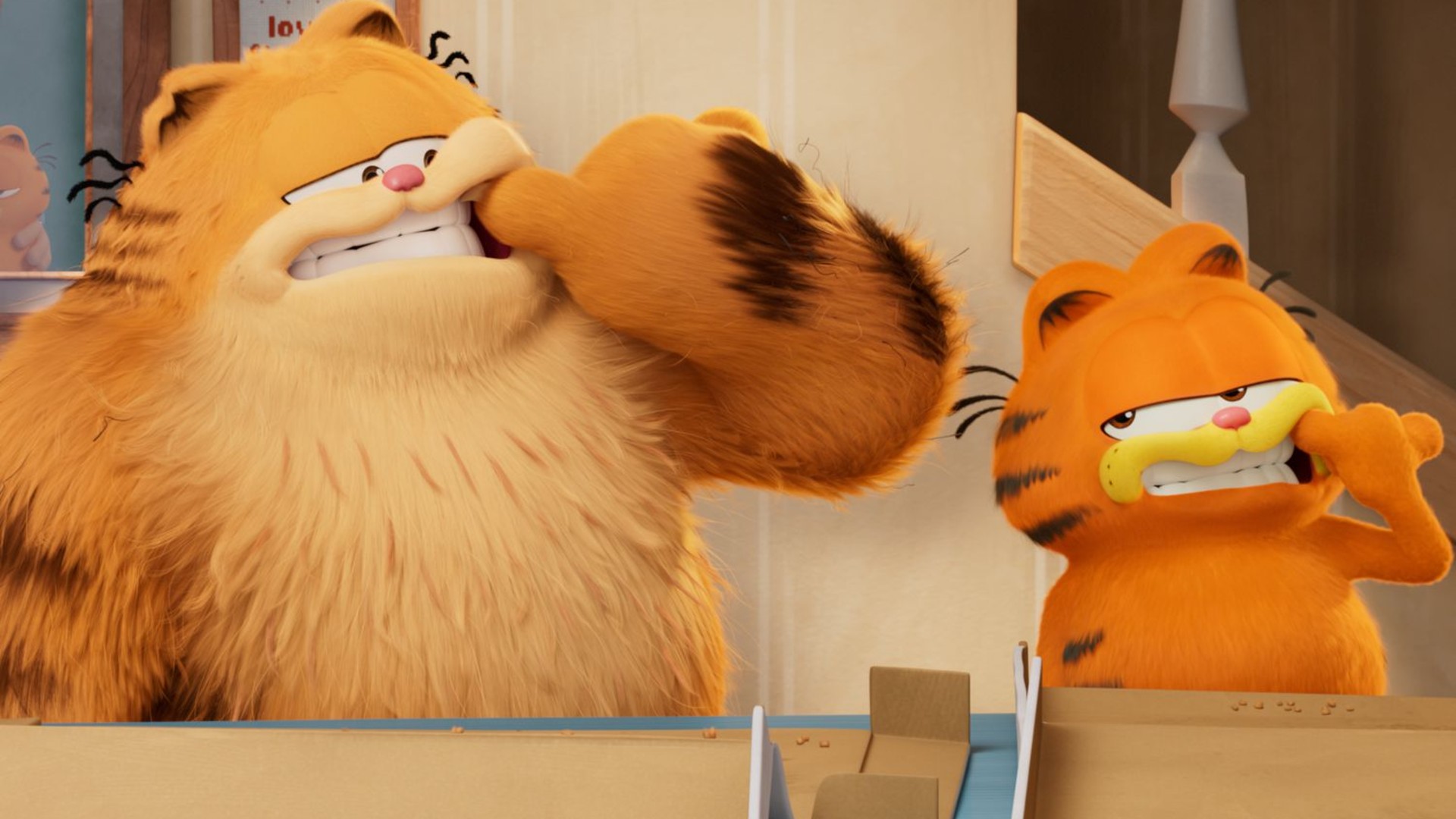
9. The Garfield Movie – Chris Pratt as Garfield
Garfield lives and dies by tone. He’s not energetic, not bubbly, not eager to please—he’s dry, lethargic, perpetually unimpressed with existence. Casting Chris Pratt, who radiates affable enthusiasm, felt like Hollywood defaulting to a safe voice instead of understanding the character’s essence. Bill Murray’s earlier take worked because it sounded like someone genuinely inconvenienced by life. Pratt’s version, while competent, lacked that baked-in sarcasm and deadpan exhaustion that defines Garfield’s humor. The mismatch wasn’t about vocal talent; it was about energy frequency. When the character who hates Mondays sounds like he’s excited for an adventure, the satire thins out. Fans didn’t want a marketable voice—they wanted a cat who sounded like he’d rather be anywhere else, including asleep.
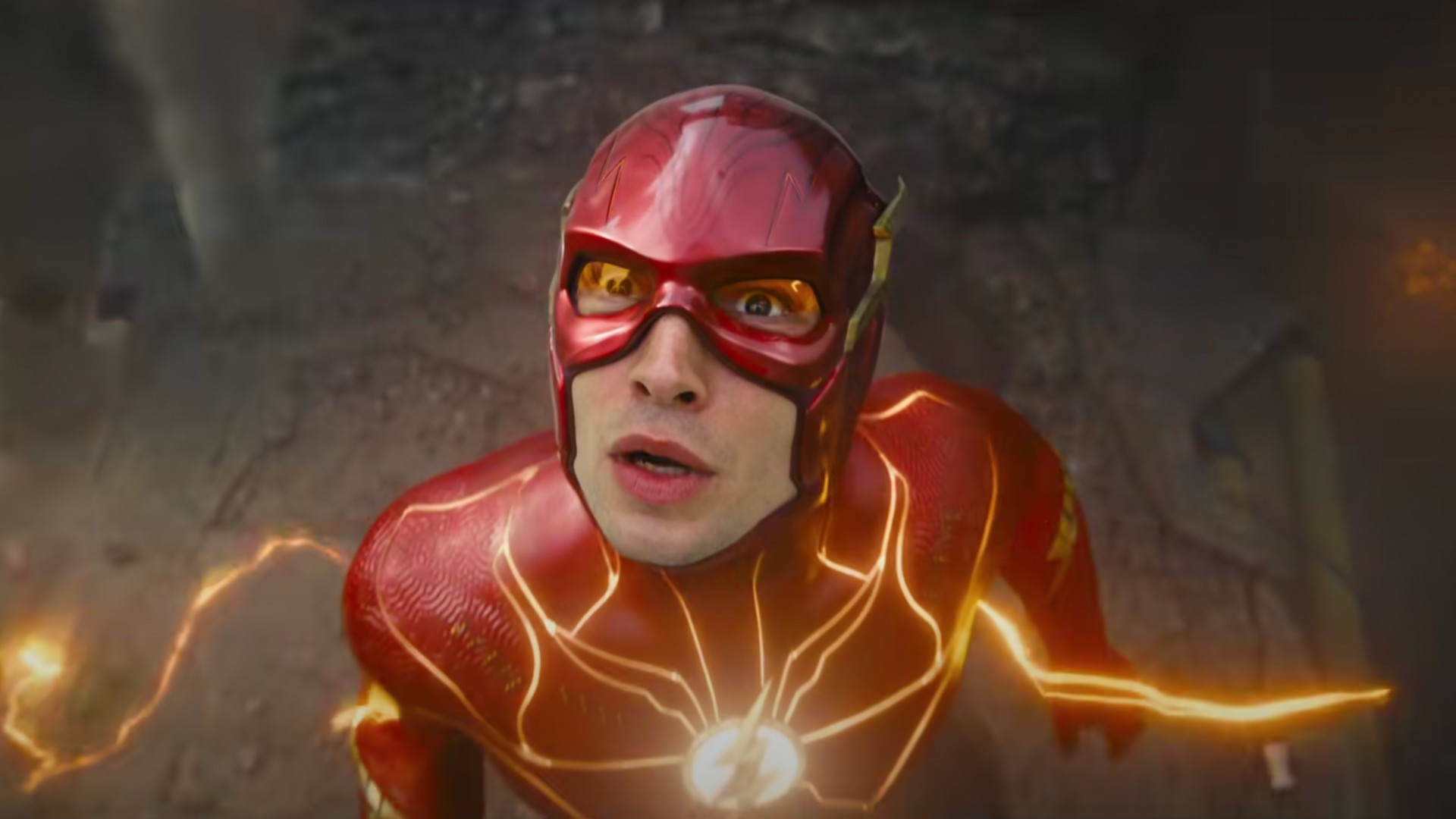
8. The Flash – Ezra Miller as Barry Allen
Even before the controversies overshadowed everything, many fans struggled with the interpretation of Barry Allen. The Flash traditionally works as a grounded, likable everyman—someone whose optimism balances the chaos around him. Ezra Miller’s portrayal leaned hyperactive and jittery, amplifying nervous energy to a point where it felt distracting rather than endearing. Instead of warmth, we got frantic intensity. The emotional beats struggled to land because the character’s baseline felt unstable. Barry is supposed to be the heart of the team, the science nerd who cracks jokes but anchors hope. Here, the performance often felt disconnected from that core identity. It wasn’t about ambition; it was about tone. Fans didn’t need eccentric—they needed sincerity, and that absence left a noticeable void.
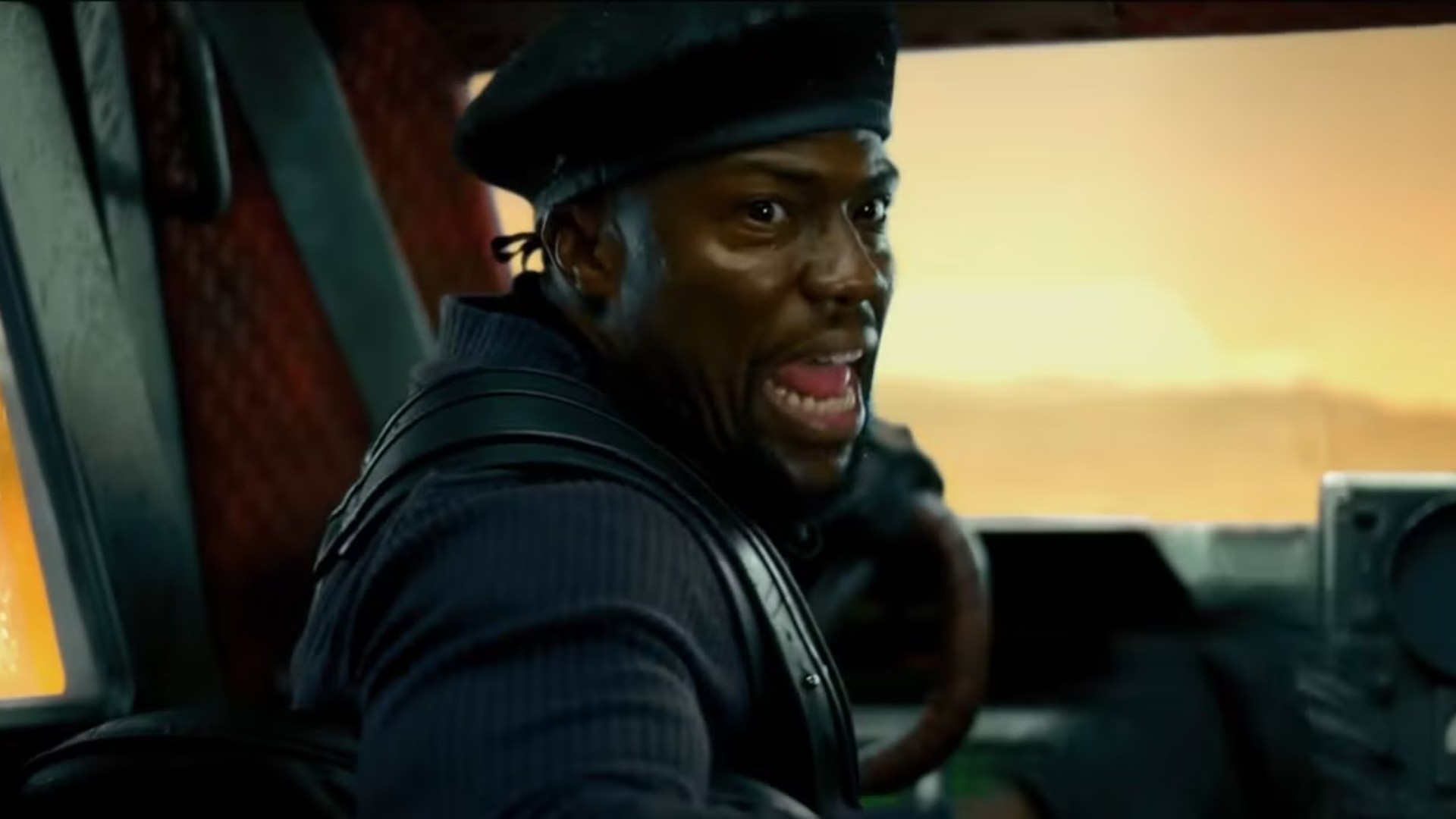
7. Borderlands – Kevin Hart as Roland
Roland in the games is stoic, disciplined, physically imposing—the quiet backbone of the Vault Hunters. Casting Kevin Hart, known for rapid-fire comedy and kinetic charisma, felt like tonal whiplash. It wasn’t about doubting his talent; it was about silhouette and presence. Roland commands rooms through calm authority, not punchlines. From the first trailer, fans sensed the disconnect. The character’s gravitas depends on restraint, and Hart’s established screen persona leans expressive and high-energy. Even if the script attempted seriousness, the casting carried preconceived expectations that were hard to shake. It felt like the decision prioritized name recognition over character fidelity. For a franchise built on strong archetypes, that kind of mismatch becomes glaring quickly, especially when fans already have a deeply ingrained image.

6. Madame Web – Dakota Johnson as Cassandra Webb
Madame Web should feel mysterious, almost mythic—a figure with quiet authority and unsettling foresight. Dakota Johnson’s performance, however, came across as detached to the point of inertia. Instead of enigmatic calm, it read as emotional disengagement. Superhero films rely heavily on conviction, and when the lead seems unconvinced by the world around her, the cracks show. The character needed gravitas and a sense of internal power, but the delivery often felt flat, as if reacting to events rather than influencing them. Fans didn’t just criticize the script; they questioned whether the role demanded a different intensity entirely. Madame Web isn’t supposed to feel accidental. She should feel inevitable, and that difference in presence is where the casting faltered.
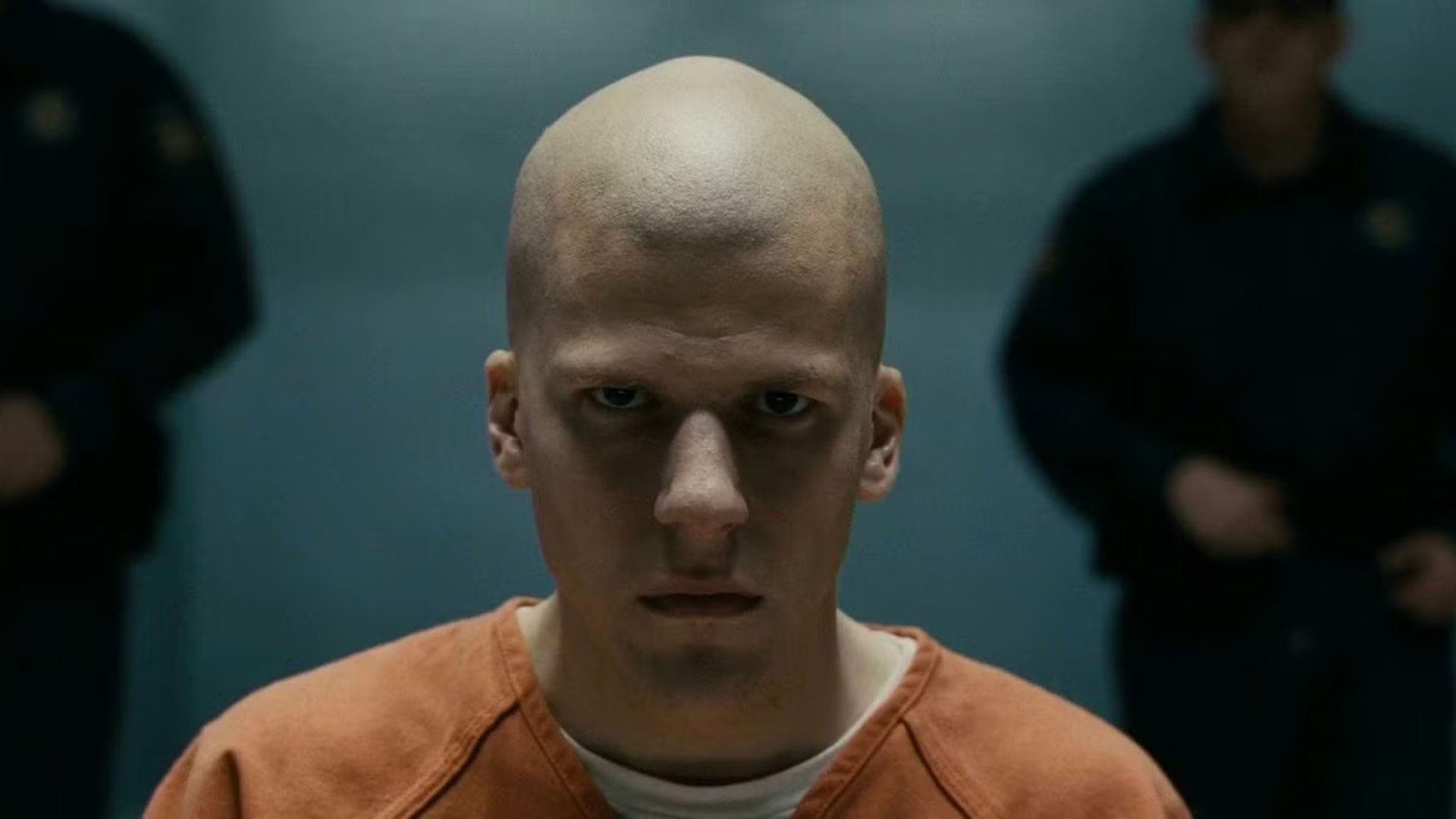
5. Batman v Superman: Dawn of Justice – Jesse Eisenberg as Lex Luthor
Lex Luthor traditionally embodies icy intelligence and controlled menace, the kind of billionaire who terrifies through composure alone. Jesse Eisenberg’s portrayal pivoted sharply into twitchy eccentricity, channeling manic tech-genius energy rather than calculating mastermind. The performance felt restless, almost improvisational, where fans expected chilling precision. Instead of a corporate titan calmly orchestrating chaos, we got erratic outbursts and nervous laughter. It wasn’t a lack of commitment; it was a tonal reimagining that clashed with decades of character expectation. Lex should exude dominance without raising his voice. Here, the volatility diluted the threat. Fans weren’t resisting modernization—they were resisting the loss of gravitas. When the villain feels chaotic instead of strategic, the central ideological clash loses weight.
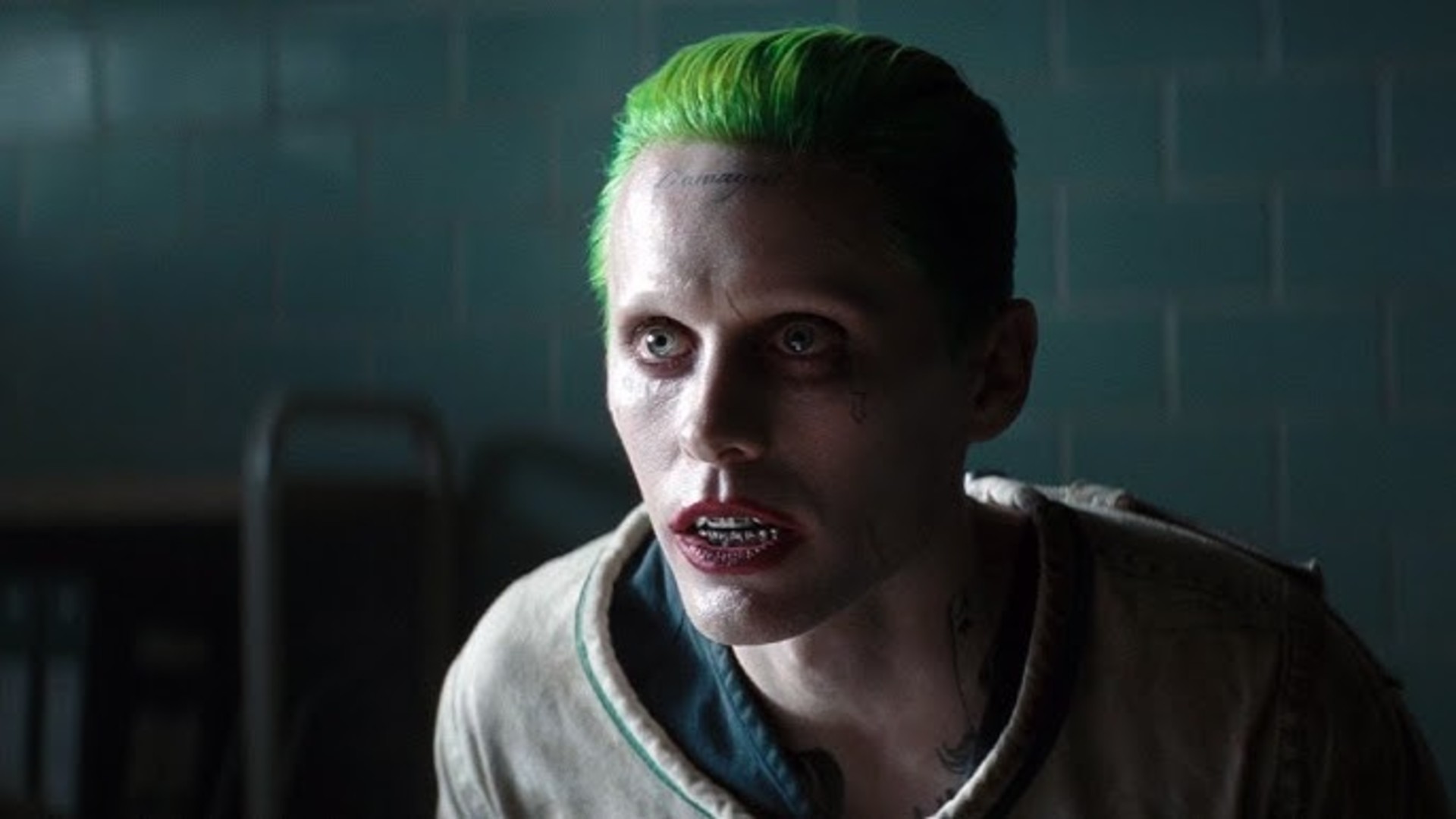
4. Suicide Squad – Jared Leto as The Joker
The Joker is a character where comparison is inevitable, and Jared Leto’s version leaned heavily into aesthetic extremity—tattoos, affectations, exaggerated menace—without anchoring it in psychological depth. The “method” stories generated headlines, but on screen the performance felt fragmented, more style than substance. Previous iterations balanced unpredictability with layered motivation, making the chaos feel philosophical. Leto’s take emphasized surface-level edginess, which made the character feel performative rather than genuinely unsettling. Fans weren’t opposed to reinvention; they were looking for emotional texture beneath the madness. Instead, the portrayal felt like it was trying too hard to shock. When the Joker becomes more about visual branding than thematic weight, the character’s legacy inevitably overshadows the execution.

3. Ghost in the Shell – Scarlett Johansson as Motoko Kusanagi
Casting Scarlett Johansson as Motoko Kusanagi ignited backlash long before release, largely because the character’s cultural and philosophical roots are deeply Japanese. Beyond representation concerns, the adaptation struggled to capture the existential nuance of the source material. Motoko isn’t just an action lead; she’s a meditation on identity, technology, and selfhood. The casting choice created a barrier for many viewers, making the film feel disconnected from its origins. Even with strong visuals, the narrative felt diluted. Fans of the franchise weren’t merely debating appearance—they were questioning authenticity. When adapting something so culturally specific and introspective, fidelity matters. The controversy overshadowed the film entirely, and the casting became symbolic of Hollywood’s broader adaptation missteps.
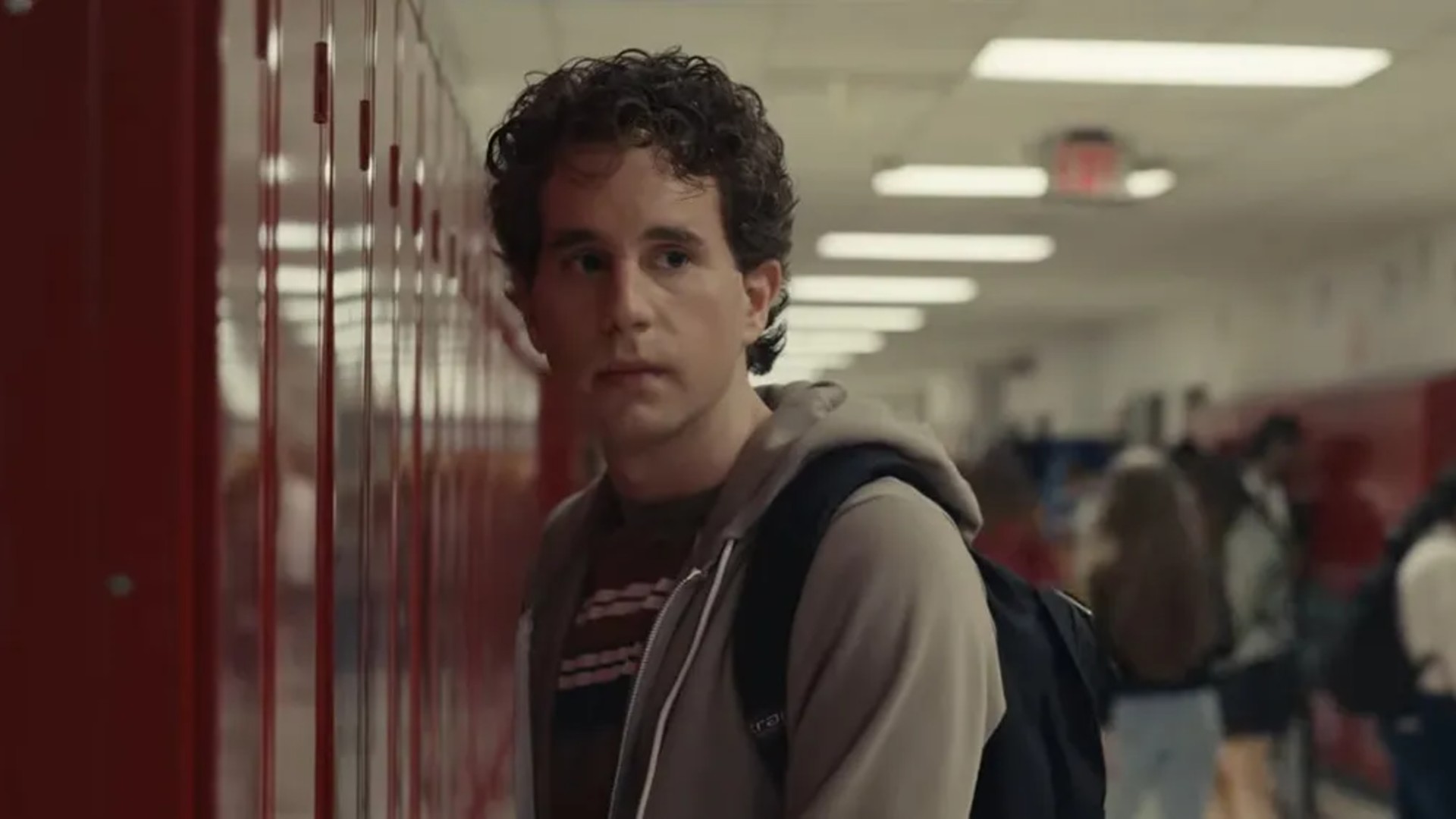
2. Dear Evan Hansen – Ben Platt as Evan Hansen
Ben Platt originated Evan Hansen on stage, and vocally he embodied the character’s vulnerability. The issue arose in translation. Film magnifies details, and casting a nearly 30-year-old actor as a socially anxious teenager created a visual dissonance that proved distracting. No costuming choice could fully mask the age gap, and it pulled viewers out of the emotional immersion. The story hinges on adolescent fragility and isolation; when that authenticity feels compromised, the sentiment shifts. What worked theatrically felt uncanny on camera. Fans weren’t dismissing Platt’s talent—they were questioning the decision to preserve casting nostalgia over cinematic credibility. The emotional sincerity remained in moments, but the mismatch in appearance created an unintended layer that undercut the film’s intended intimacy.
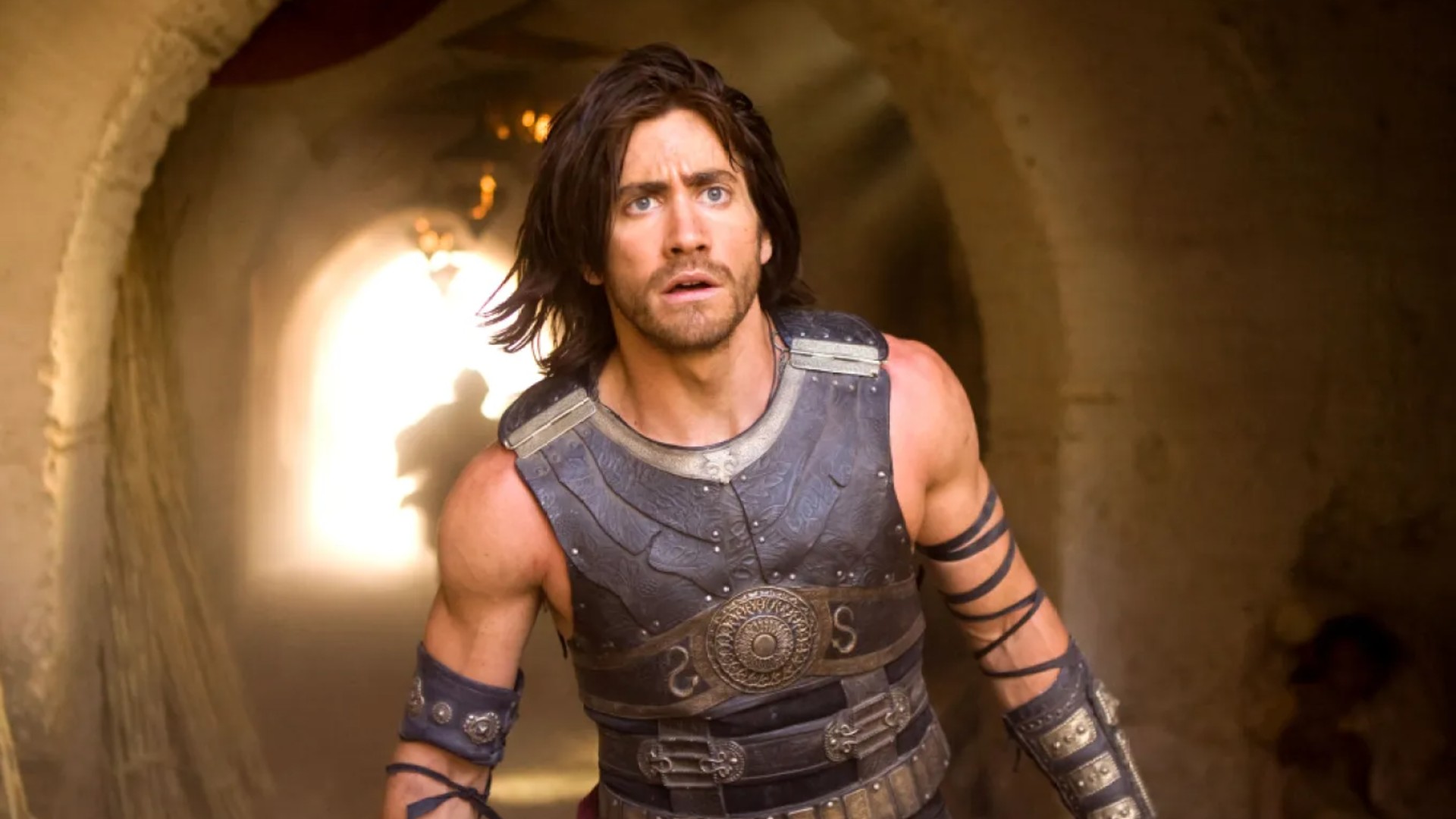
1. Prince of Persia: The Sands of Time – Jake Gyllenhaal as Dastan
Jake Gyllenhaal is a formidable actor, but casting him as a Persian prince exemplified Hollywood’s long-standing issue with cultural authenticity. Dastan’s identity is rooted in a specific historical and regional context, and the casting choice felt disconnected from that foundation. Even with physical transformation and commitment, the portrayal carried the weight of visible misalignment. It wasn’t about performance quality; it was about representation and credibility. The film aimed to launch a franchise, yet the casting decision sparked criticism that overshadowed its ambitions. Fans of the game and broader audiences alike questioned why authenticity wasn’t prioritized. In hindsight, it became a cautionary example of how casting choices can age poorly, particularly when cultural specificity is central to the character’s identity.