10 K-Drama Couples That Have Effectively Ruined My Life
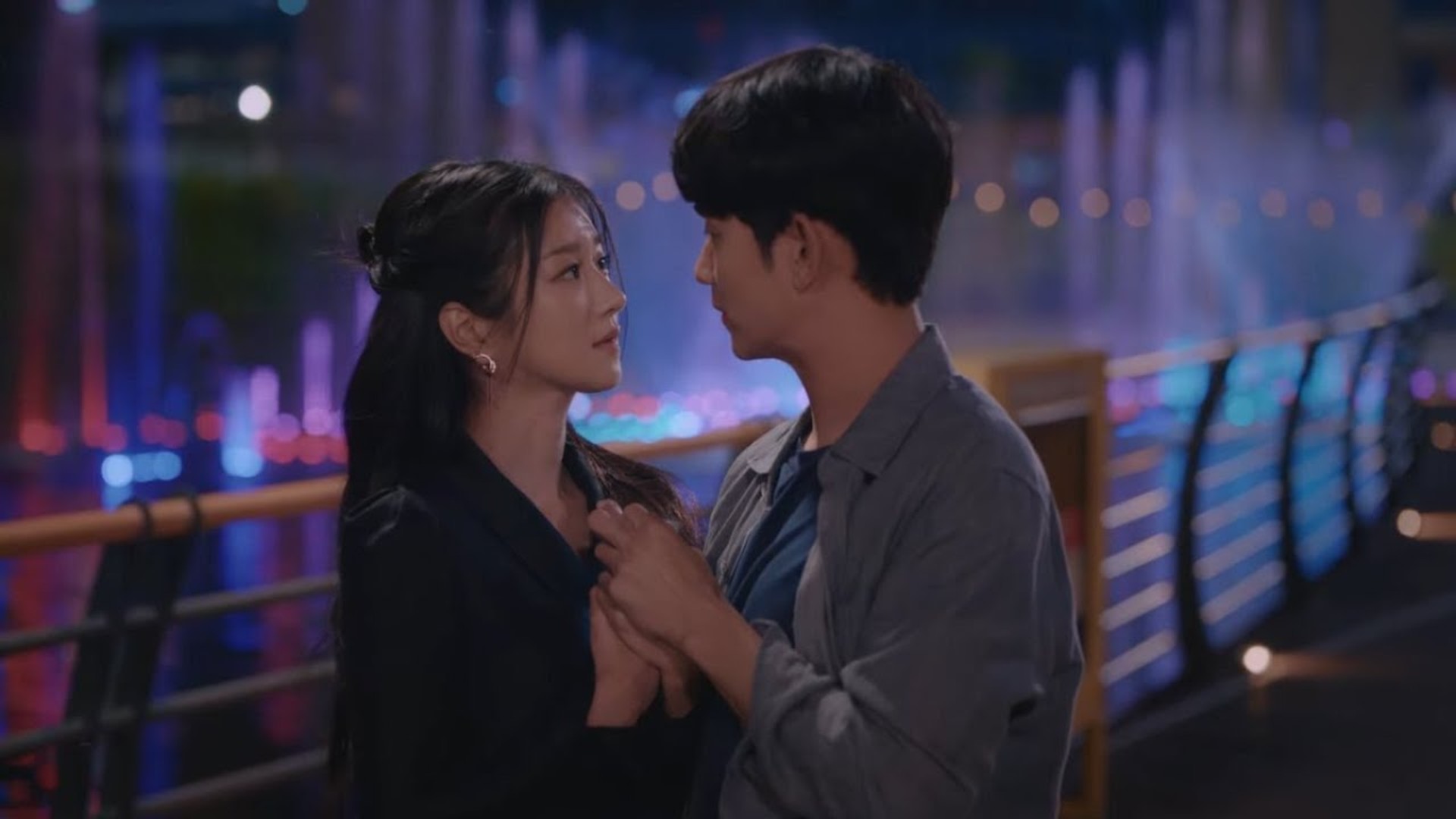
10. It's Okay to Not Be Okay — Moon Gang-tae & Ko Moon-young
Moon Gang-tae and Ko Moon-young anchored a dark, fairy-tale-infused exploration of trauma and healing. Their relationship was initially volatile, shaped by emotional wounds and defensive personas. Over time, vulnerability replaced confrontation, revealing a partnership built on confronting—rather than avoiding—psychological scars. Gothic aesthetics and storybook symbolism enriched their arc, but at its core, their romance centered on acceptance: loving someone not despite their brokenness, but alongside it.
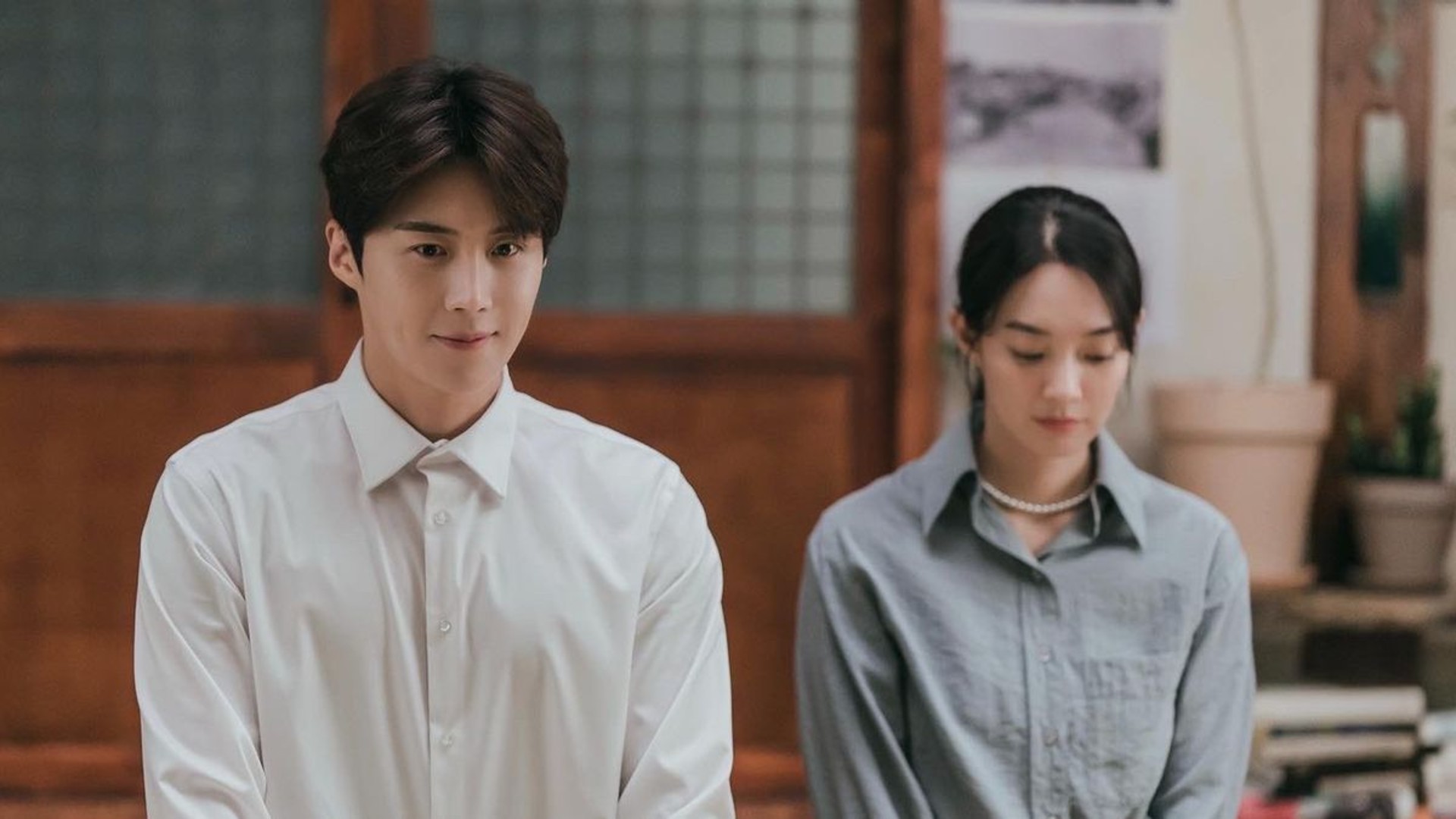
9. Hometown Cha-Cha-Cha — Hong Du-sik & Yoon Hye-jin
Set in a seaside village, Hong Du-sik and Yoon Hye-jin delivered a healing romance grounded in community and personal growth. Their bickering introduction gradually softened into mutual understanding, framed by warm village dynamics and introspective storytelling. Rather than high-concept twists, their appeal lay in emotional transparency and second chances. The series became synonymous with comfort viewing, its coastal setting and dimpled smiles offering escapism rooted in sincerity.
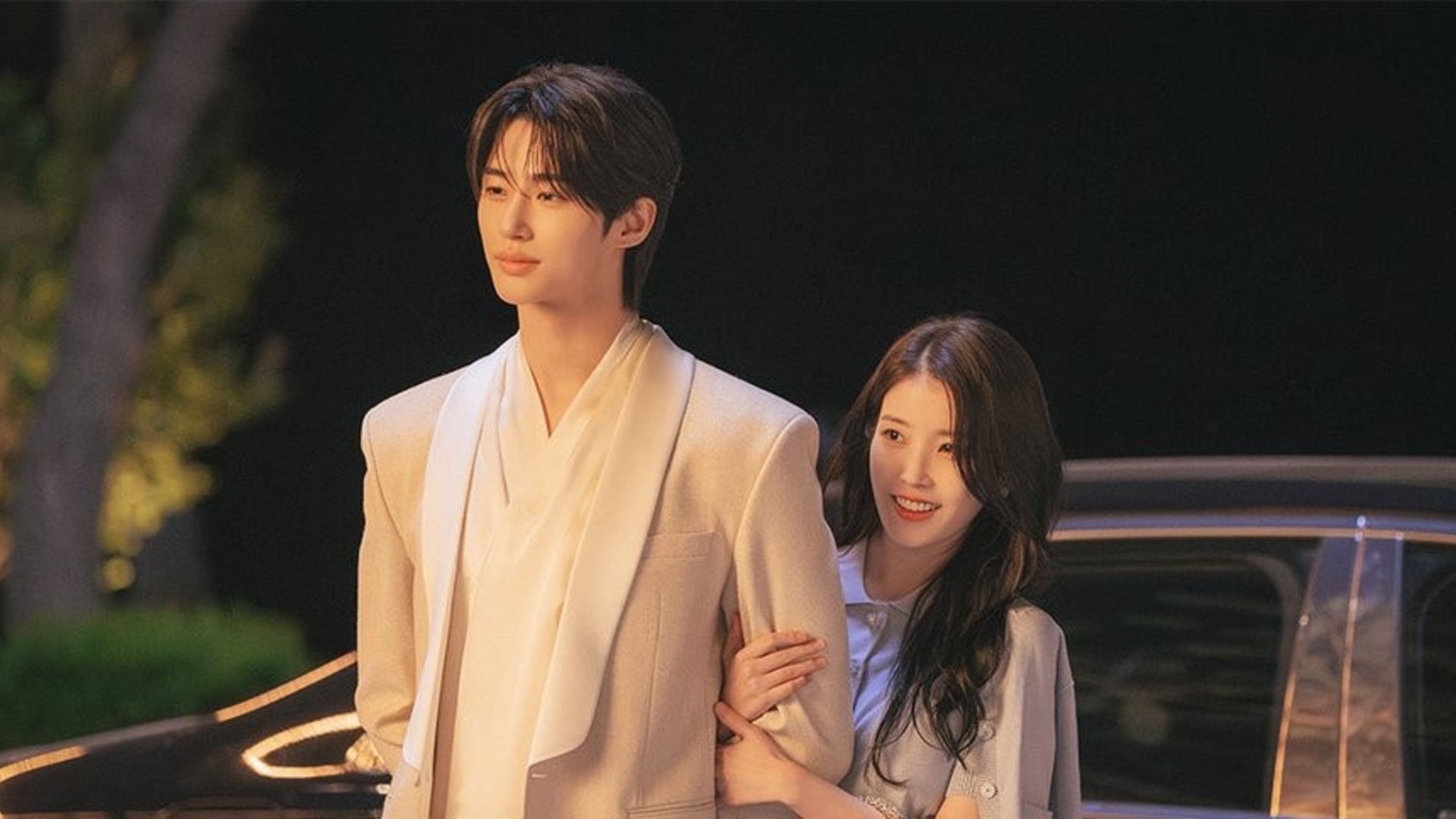
8. Perfect Crown — Prince Lee Ahn & Sung Hee-joo
As one of 2026’s breakout streaming hits, Perfect Crown introduced Prince Lee Ahn and Sung Hee-joo as a contract-marriage couple navigating royal protocol and personal longing. Political optics collided with private vulnerability, creating tension that fueled widespread online discussion. A pivotal mid-season confession scene quickly became one of the year’s most replayed moments, emblematic of the show’s ability to blend grandeur with emotional exposure. Their romance thrives on restraint—stolen glances in gilded hallways and declarations that feel seismic precisely because they’re so carefully withheld.
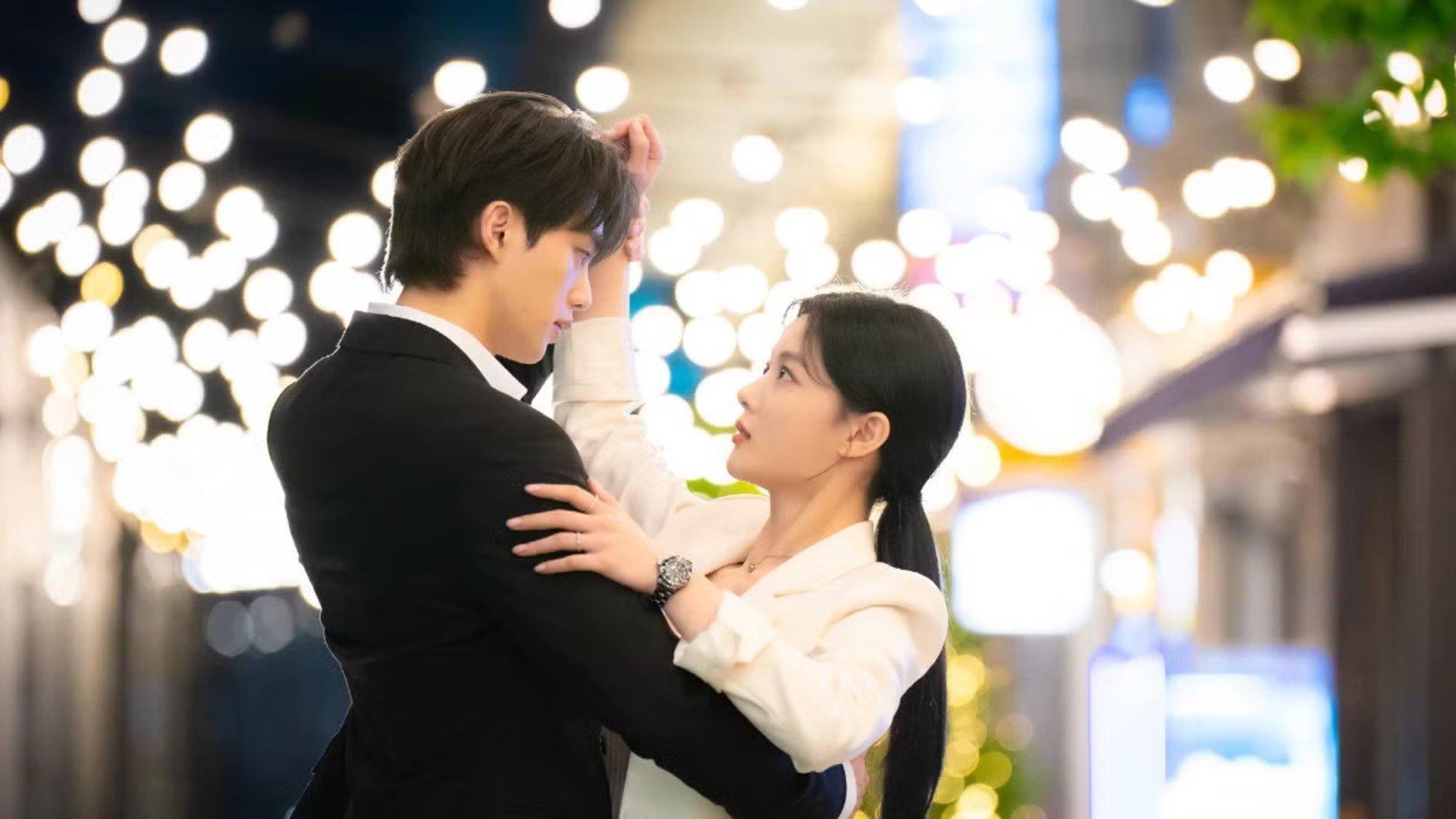
7. My Demon — Jeong Gu-won & Do Do-hee
Jeong Gu-won and Do Do-hee injected supernatural flair into the contract-marriage trope. A literal demon entangled with a chaebol heiress created instant tension, but their dynamic thrived on more than visual appeal. Beneath the fantasy framework lay themes of vulnerability, trust, and emotional redemption. Their most intimate moments—including life-saving gestures charged with symbolic intimacy—transformed standard trope mechanics into heightened romantic stakes. Style met sincerity in a pairing that balanced spectacle with genuine emotional payoff.
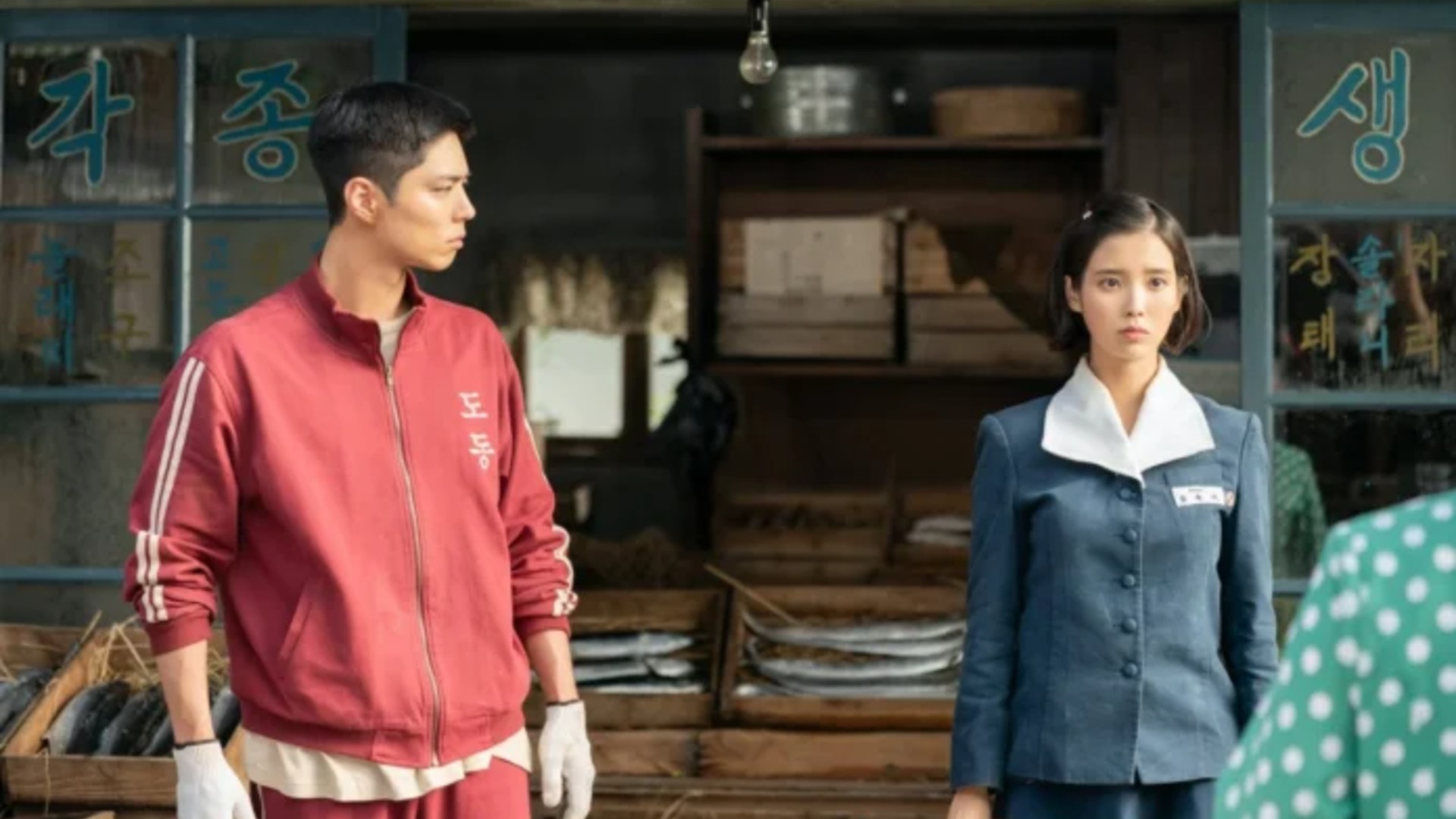
6. When Life Gives You Tangerines — Ae-sun & Gwan-sik
Set against the nostalgic backdrop of Jeju Island, Ae-sun and Gwan-sik embodied the quiet endurance of lifelong love. Their story traced childhood companionship evolving into steadfast partnership, shaped by time and circumstance rather than dramatic spectacle. The rural setting amplified the tenderness of their bond, grounding the romance in shared history and everyday resilience. Rather than explosive passion, their connection thrived on constancy—proving that the most enduring love stories often unfold in whispers, not grand gestures.
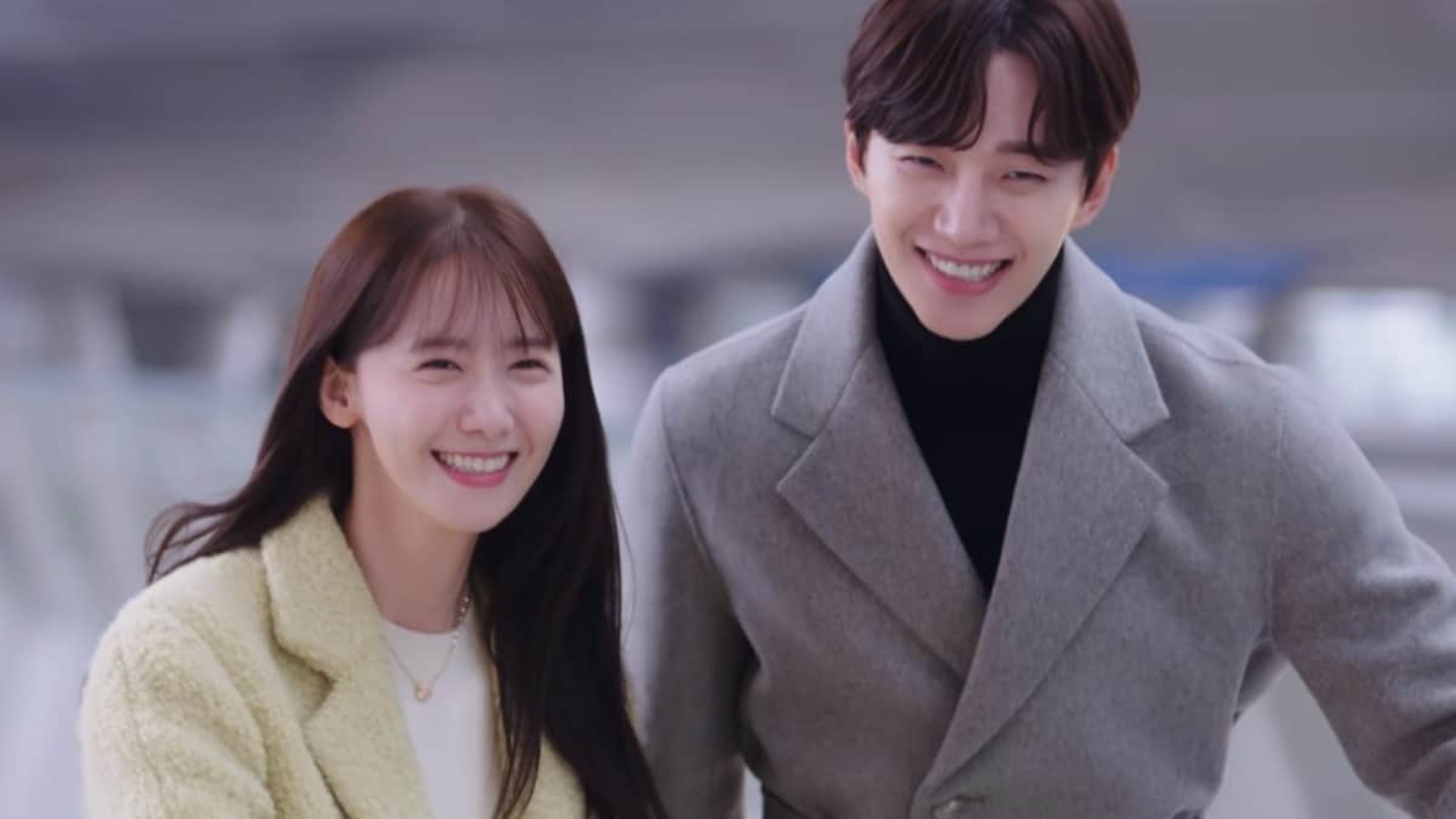
5. King the Land — Gu Won & Cheon Sa-rang
Gu Won and Cheon Sa-rang revitalized the office-romance trope by leaning into emotional health rather than misunderstanding-driven drama. Their relationship unfolded with clear communication, mutual respect, and unapologetic affection — a refreshing contrast to angst-heavy narratives. Set within the glossy world of luxury hospitality, their chemistry provided escapist fantasy without sacrificing sincerity. Instead of conflict born from secrecy, their arc focused on growth and partnership, making their rain-soaked confessions and soft-spoken reassurances feel indulgently comforting.

4. Twenty-Five Twenty-One — Baek Yi-jin & Na Hee-do
Baek Yi-jin and Na Hee-do delivered one of the most bittersweet portrayals of first love in recent memory. Set during the IMF crisis, their romance was shaped as much by ambition and economic instability as by emotion. What distinguished them was realism—dreams pulling them in different directions, timing proving as powerful as love itself. Their story didn’t end in fairy-tale permanence, and that’s precisely why it lingers. The heartbreak felt earned, reflecting a truth viewers weren’t prepared to accept: sometimes love is transformative, even if it isn’t forever.
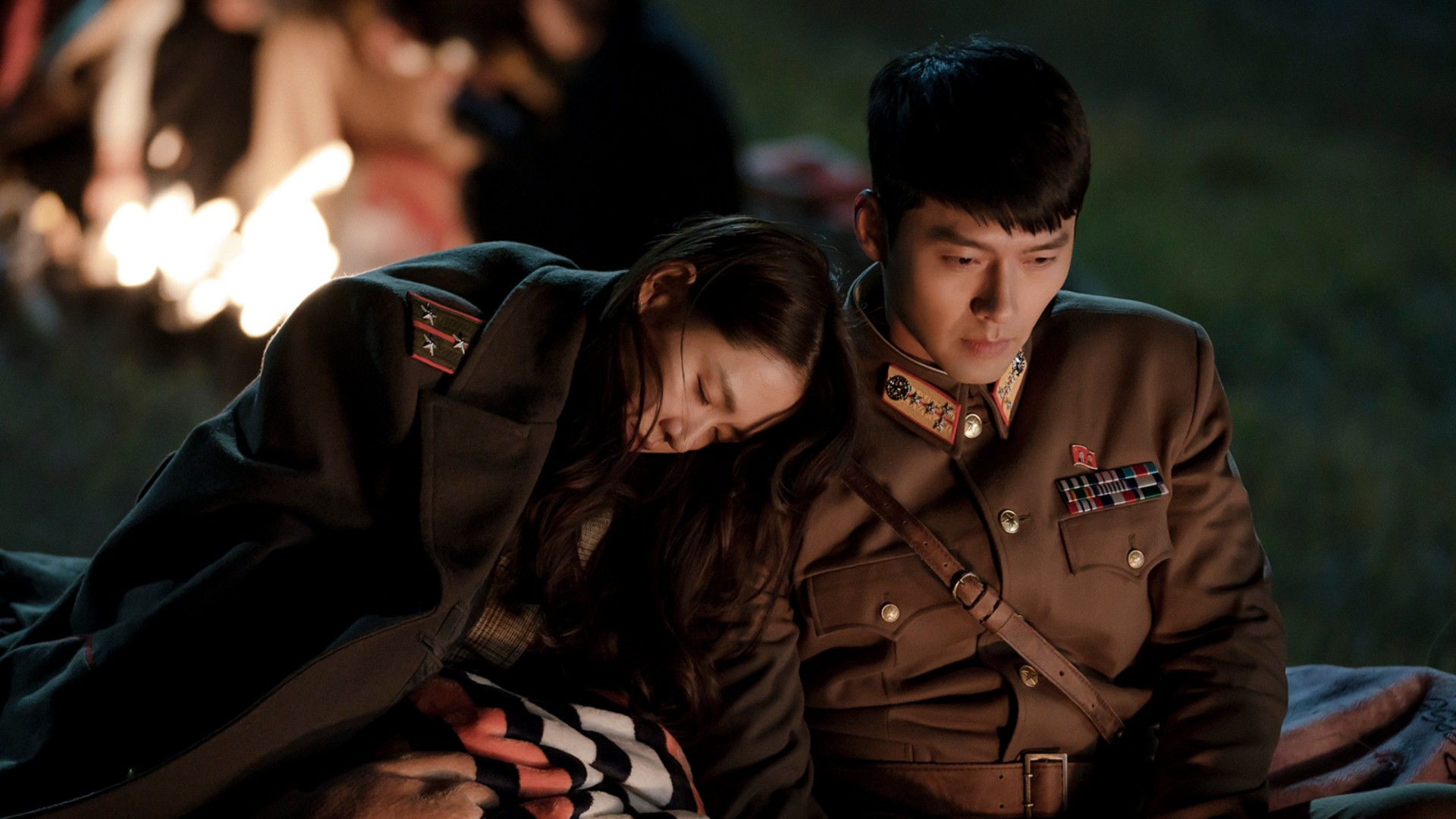
3. Crash Landing on You — Captain Ri & Yoon Se-ri
Captain Ri Jeong-hyeok and Yoon Se-ri became the modern benchmark for cross-border romance. A South Korean heiress accidentally paragliding into North Korea might sound far-fetched, yet their love story balanced political tension with intimate sincerity. Every literal step across the border line carried emotional weight, turning the DMZ into one of television’s most symbolic romantic settings. Their real-life marriage—between actors Hyun Bin and Son Ye-jin—only cemented the couple’s mythos, blurring fiction and reality in a way that keeps audiences invested years later.
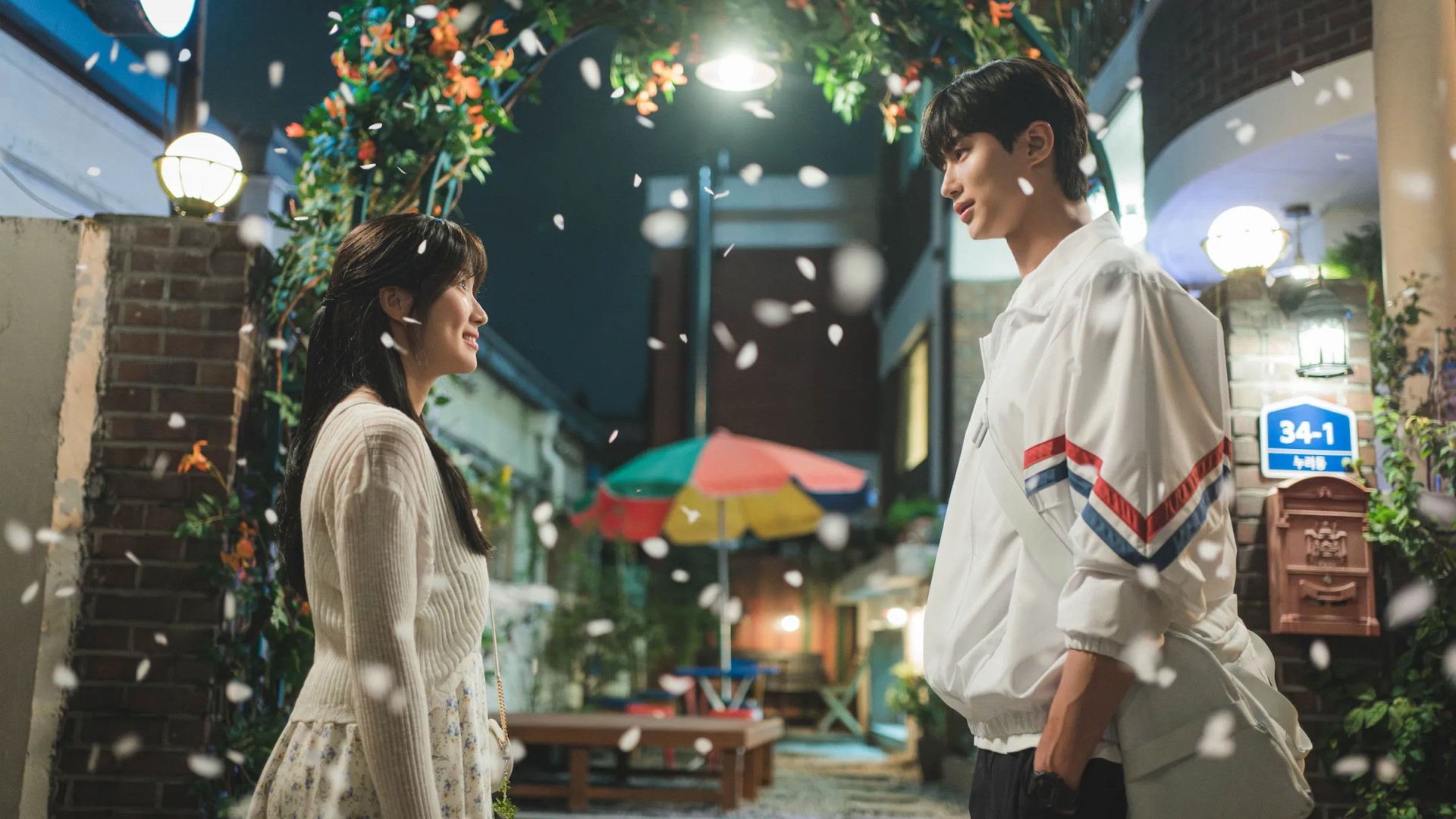
2. Lovely Runner — Ryu Sun-jae & Im Sol
Ryu Sun-jae and Im Sol elevated time-travel romance into an all-consuming devotion saga. The premise—rewriting fate to save the person you love—unfolded across multiple timelines, each iteration deepening their bond rather than diluting it. Their chemistry, amplified by visual contrasts and earnest performances, sparked what fans jokingly dubbed “Sun-jae Syndrome.” But beyond the swoon factor, it was their unwavering emotional loyalty that defined them. They didn’t just fall in love; they chose each other repeatedly, even when memory, destiny, or tragedy stood in the way.
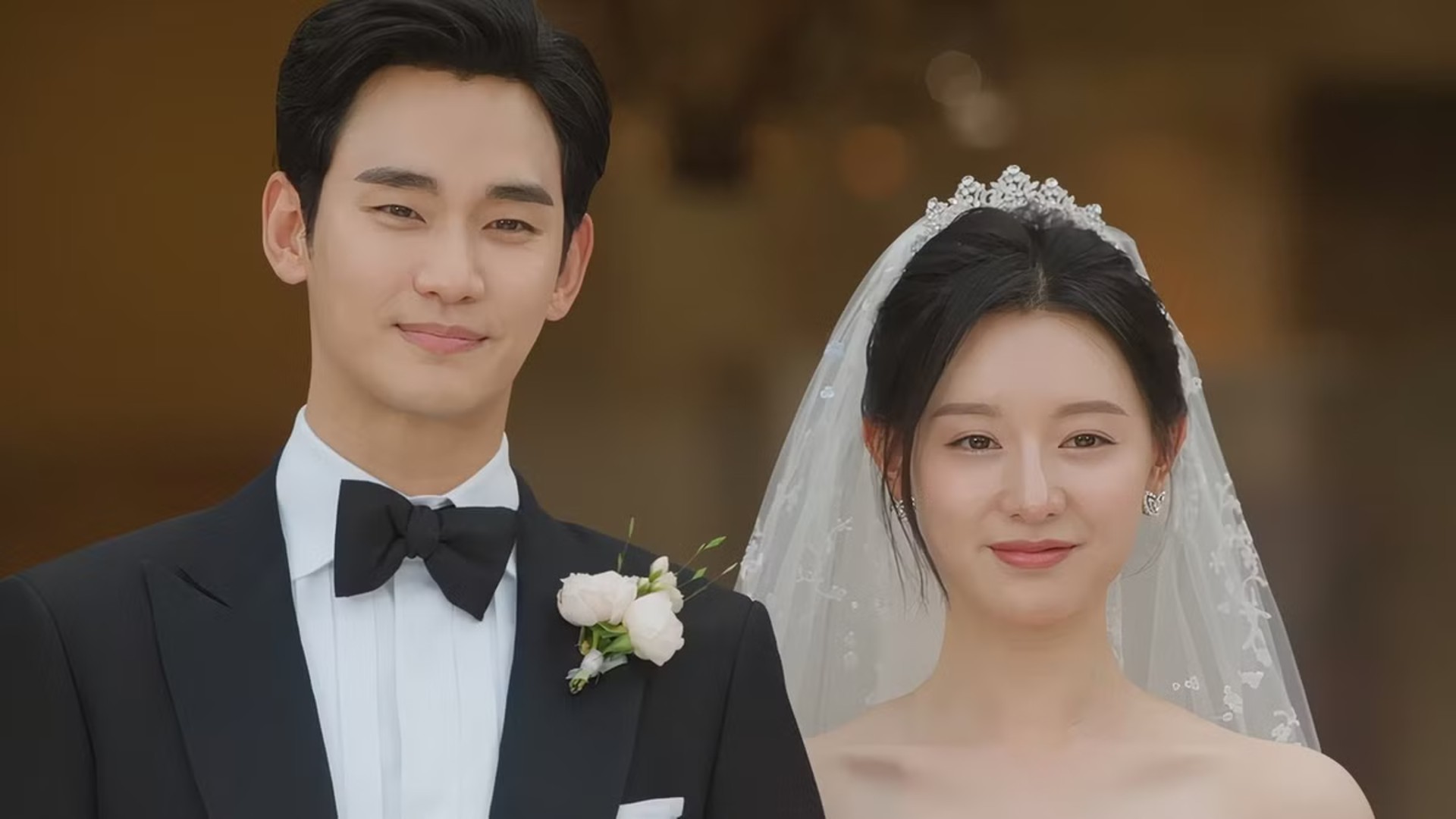
1. Queen of Tears — Baek Hyun-woo & Hong Hae-in
Baek Hyun-woo and Hong Hae-in took the “married-to-divorce-to-reconciliation” trope and turned it into a full-scale emotional endurance test. Set against the backdrop of chaebol power struggles and a life-altering medical diagnosis, their relationship unraveled and rebuilt itself in painstaking detail. What made them resonate wasn’t just the melodrama, but the quiet rediscovery of affection buried under pride and resentment. Across 16 episodes, viewers watched them confront mortality, ego, and corporate warfare—only to circle back to the simple question of why they fell in love in the first place. By the finale, their reconciliation felt less like a plot resolution and more like collective catharsis.