10 Anime Series That Define the Modern Era (And Why You Need to See Them Now)
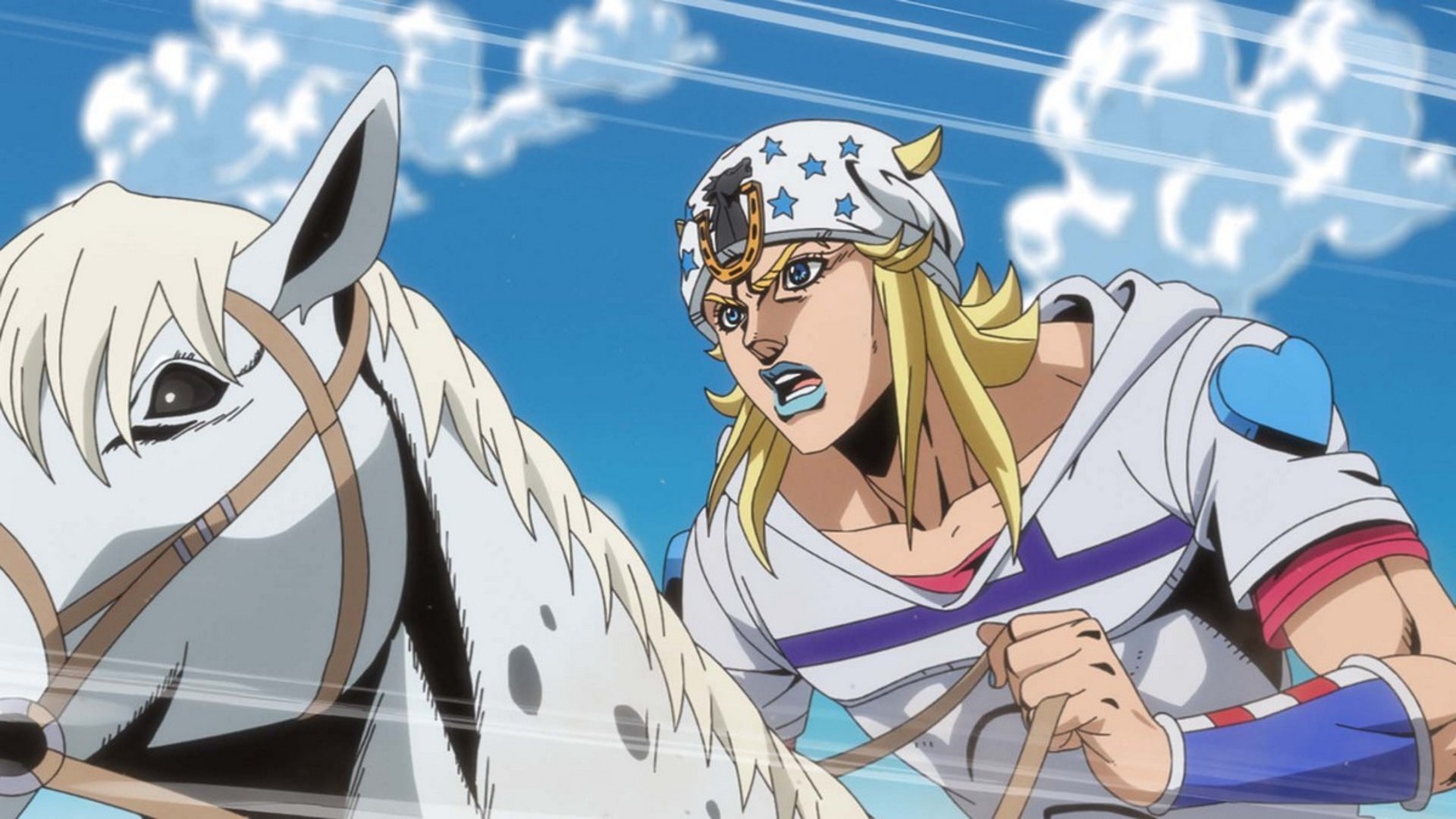
10. JoJo’s Bizarre Adventure: Steel Ball Run
The long-anticipated adaptation of Part 7 of Hirohiko Araki’s saga finally arrived to enormous fanfare. Set in an alternate universe and centered on a cross-country horse race with supernatural stakes, Steel Ball Run blends Western motifs, metaphysical themes, and flamboyant style into something wholly distinctive. Even newcomers can approach it as a self-contained narrative, while longtime fans celebrate it as one of the franchise’s strongest arcs. Its eccentric premise only enhances its reputation as a daring, genre-defying standout.
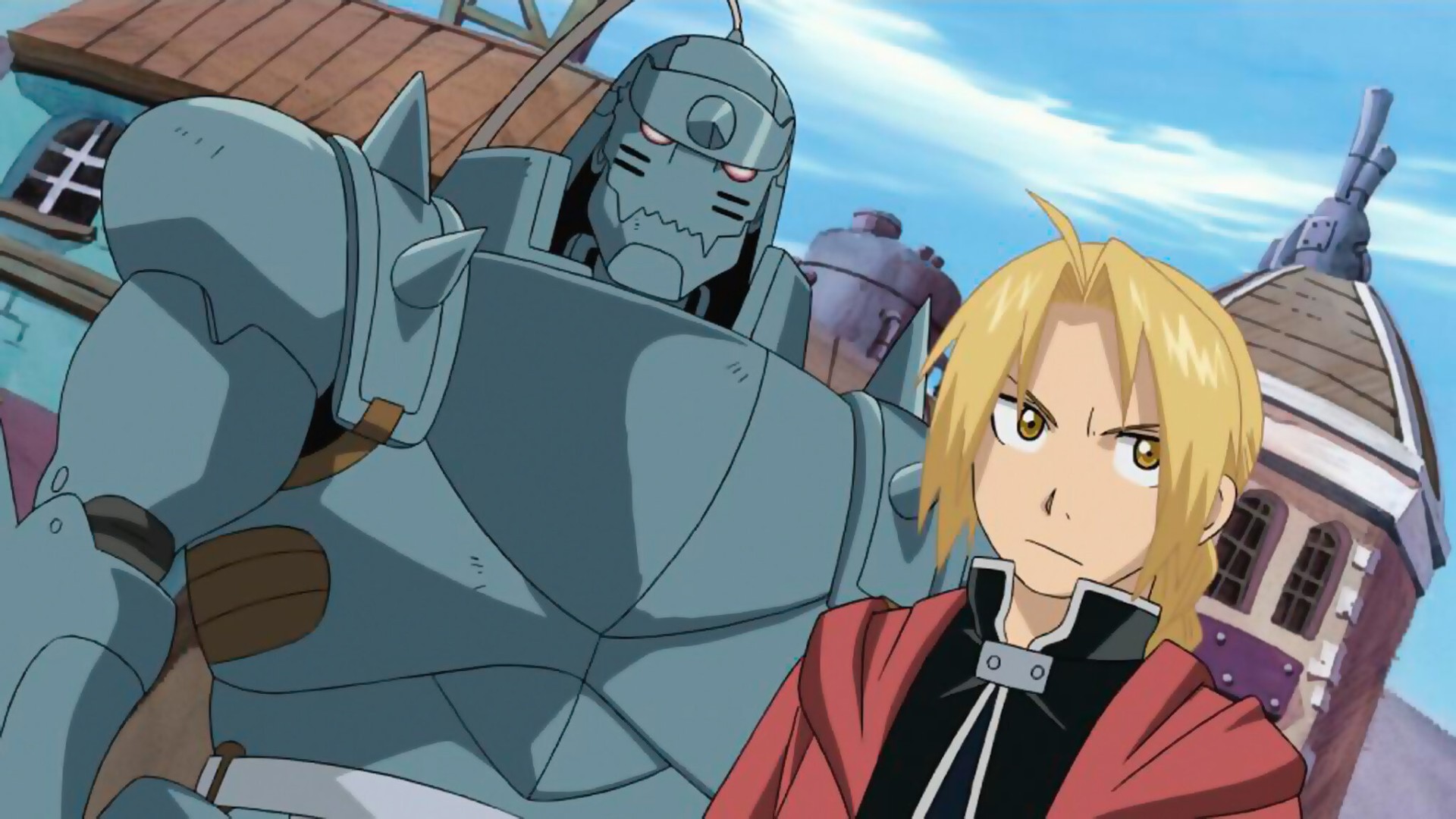
9. Fullmetal Alchemist: Brotherhood
Even as newer series dominate headlines, Fullmetal Alchemist: Brotherhood remains a benchmark for narrative cohesion. With a clearly defined beginning, middle, and end, it delivers political intrigue, moral philosophy, and emotional payoff without overstaying its welcome. Its tightly constructed plot and thematically satisfying conclusion make it a perennial recommendation for newcomers. In a landscape of ongoing arcs and franchise extensions, its completeness feels increasingly rare—a reminder that sometimes the most powerful legacy is simply telling a story perfectly and knowing when to stop.
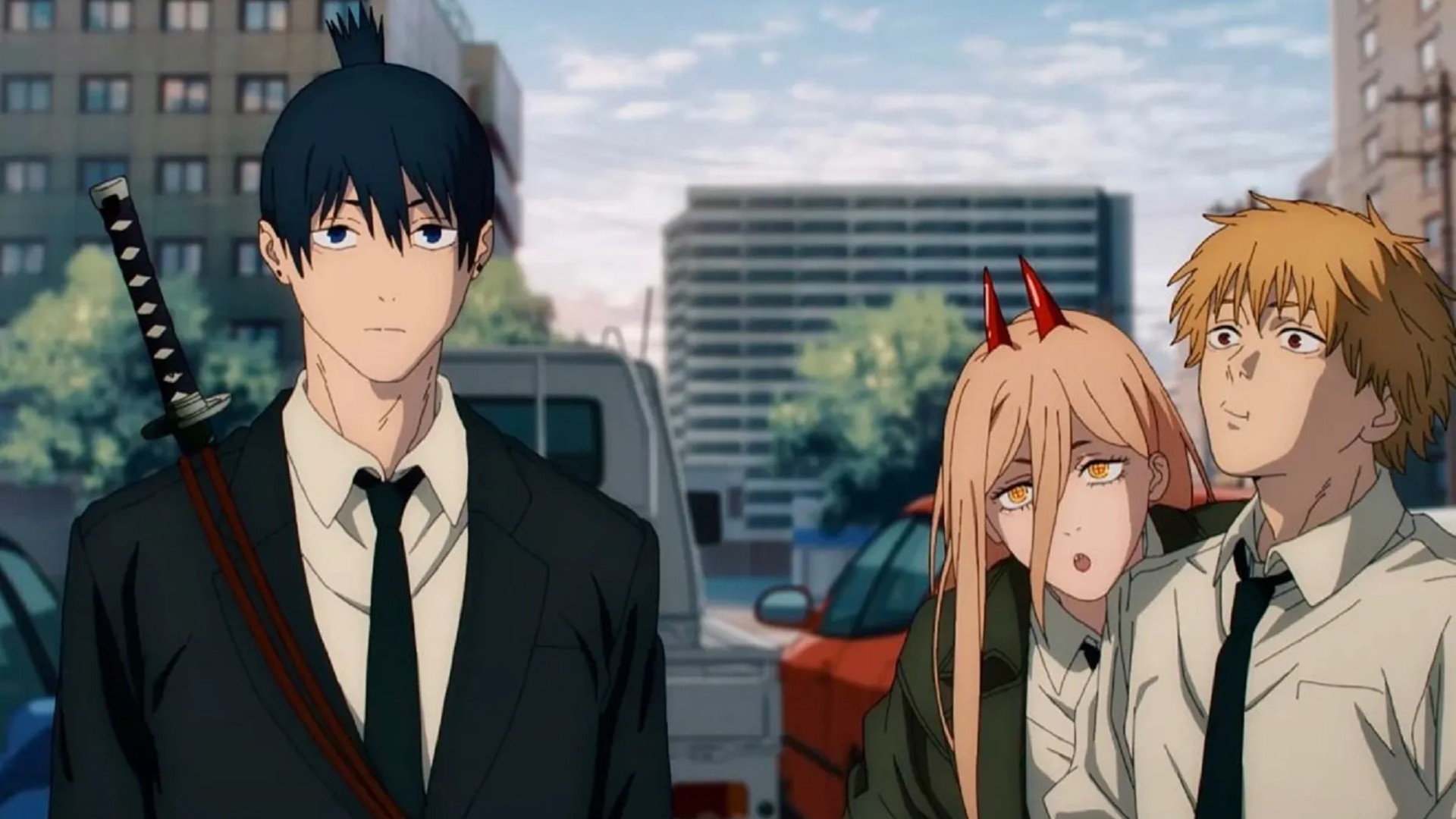
8. Chainsaw Man
Chainsaw Man occupies a unique tonal space: equal parts grotesque action, existential melancholy, and mundane slice-of-life absurdity. It embraces cinematic framing and grounded character acting, often lingering on everyday moments that contrast sharply with explosive violence. The series feels intentionally offbeat, peppered with pop-culture nods and emotional detours that subvert genre expectations. It’s as interested in loneliness and economic desperation as it is in devil-slaying spectacle, giving it a rawness that separates it from more formulaic action titles.
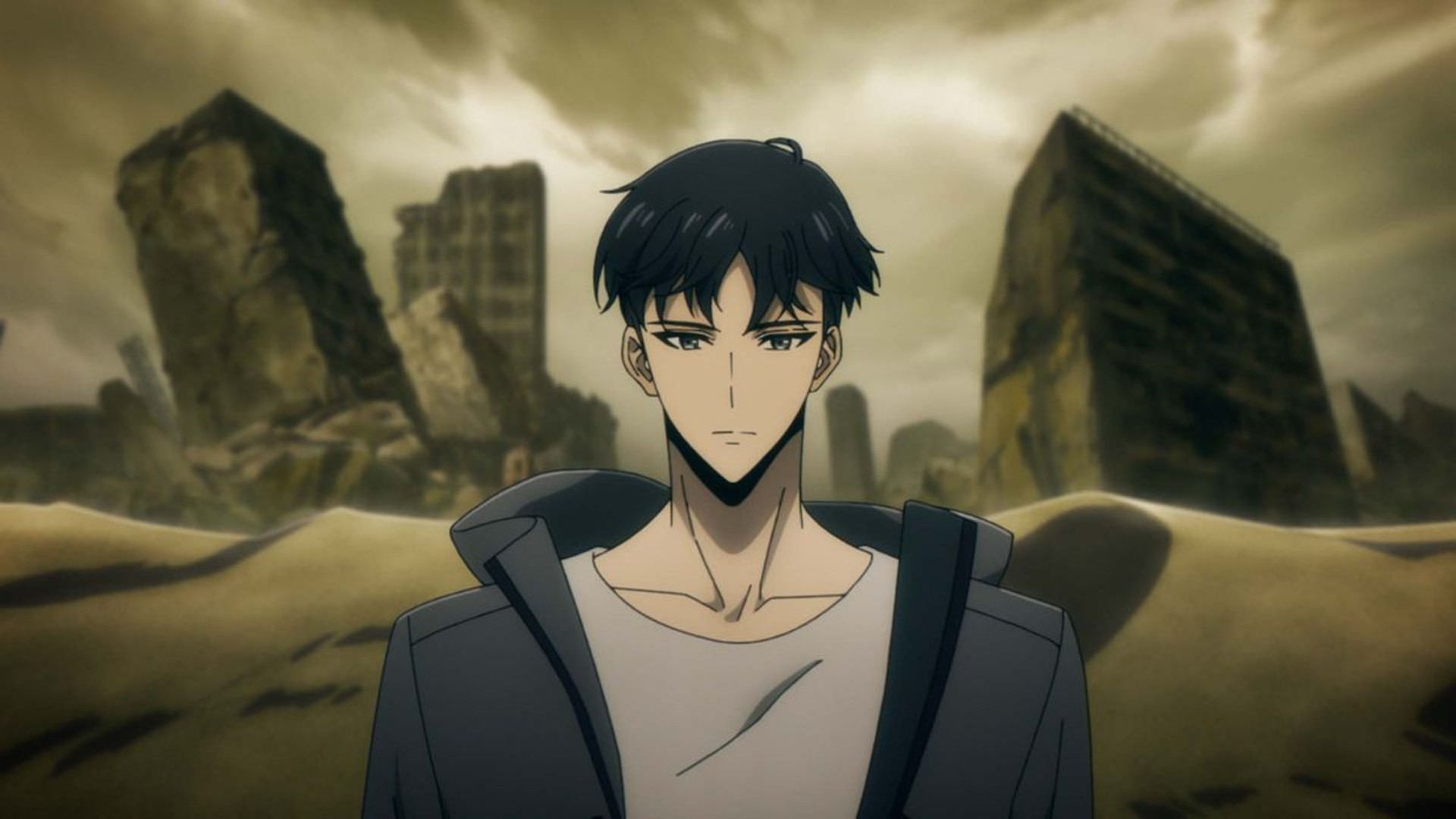
7. Solo Leveling
Adapted from the massively popular Korean web novel and manhwa, Solo Leveling marked a turning point for cross-market adaptations. Its core appeal is unapologetically straightforward: watching an underdog ascend to overwhelming power through relentless progression. The production values—dynamic fight animation, dramatic lighting, and cinematic scale—elevate what could have been a simple power fantasy into event television. It demonstrated that Korean source material could compete directly with Japanese heavyweights, expanding the global conversation around animated storytelling.
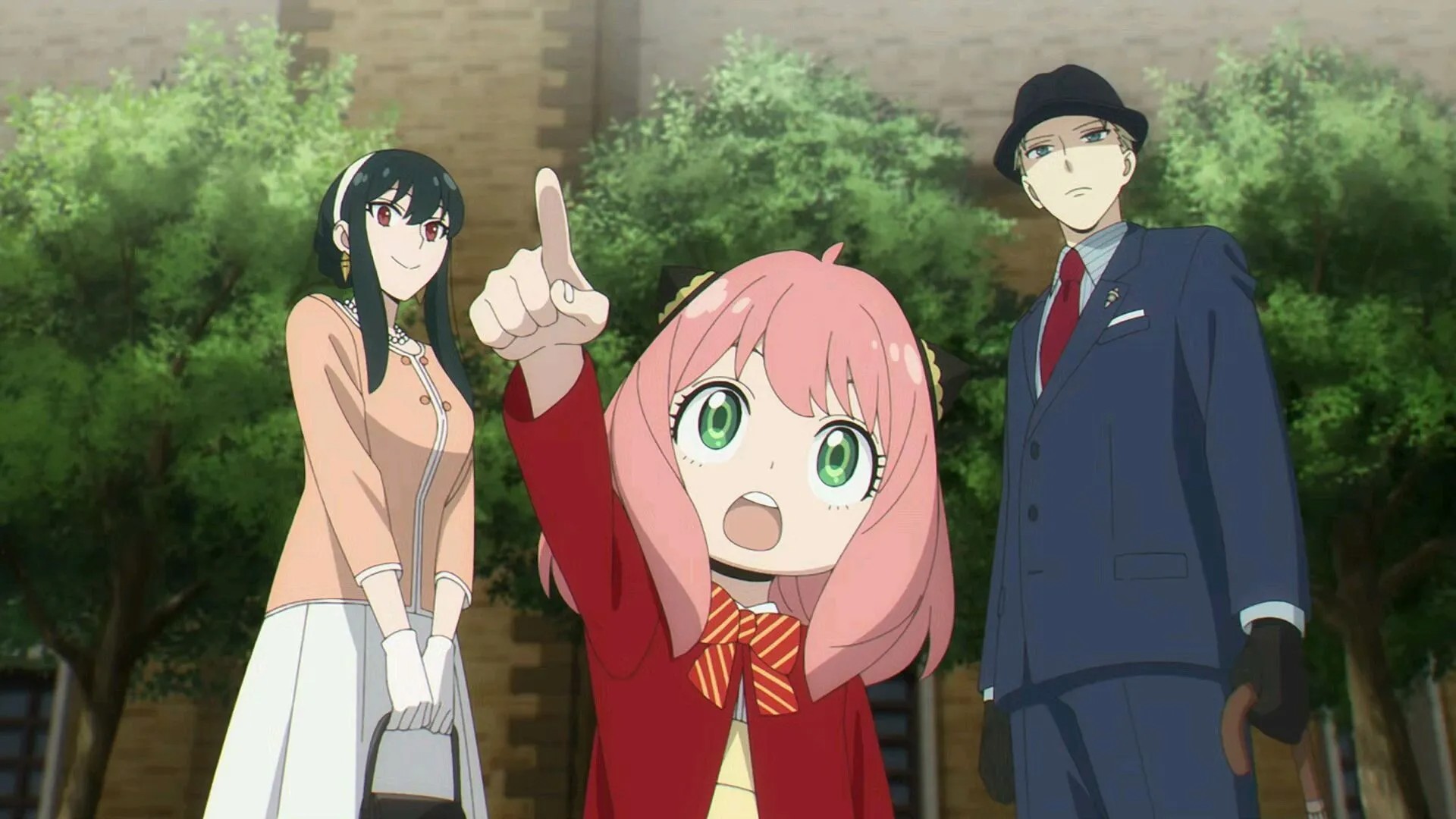
6. Spy × Family
In contrast to darker contemporaries, Spy × Family thrives on charm. The premise—a spy, an assassin, and a telepath forming a fake family while hiding their identities—sounds chaotic on paper, yet it unfolds with surprising warmth. The balance of action, comedy, and domestic slice-of-life moments makes it a cross-demographic hit. Anya Forger, with her expressive reactions and meme-worthy antics, became an internet icon. At a time when many major series lean into despair and destruction, Spy × Family offers levity without sacrificing quality.
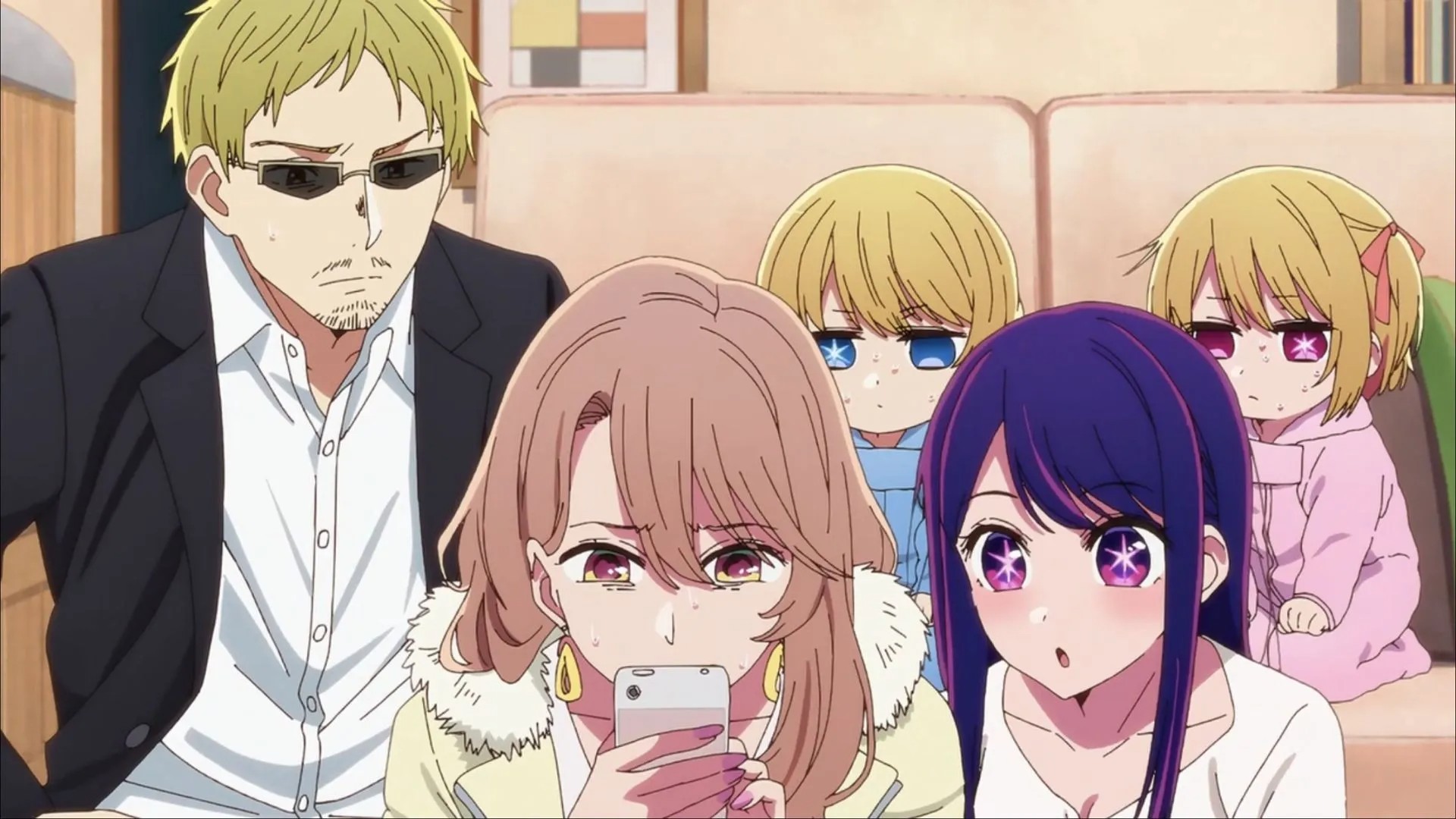
5. Oshi no Ko
Beneath its vibrant idol performances and polished pop aesthetics lies one of the sharpest critiques of the entertainment industry in recent memory. Oshi no Ko explores fame, exploitation, fandom obsession, and the psychological toll of public personas. Its later arcs delve even deeper into systemic manipulation and image control, earning praise for being unflinchingly candid. Tonally, it oscillates between glossy spectacle and psychological thriller, often within the same episode. The result feels like a fusion of celebrity satire and moral tragedy, wrapped in one of the catchiest opening themes of the decade.

4. Vinland Saga
Often compared to Western prestige dramas in tone and character depth, Vinland Saga transcends typical genre boundaries. What begins as a brutal Viking revenge tale gradually transforms into a meditation on violence, trauma, and pacifism. Thorfinn’s character evolution—from rage-driven child warrior to a man searching for meaning beyond bloodshed—is frequently cited as one of anime’s most compelling arcs. The series balances historical grit with philosophical introspection, making it accessible even to viewers who claim they “don’t like anime.” It proves the medium can deliver storytelling as layered and mature as any live-action epic.
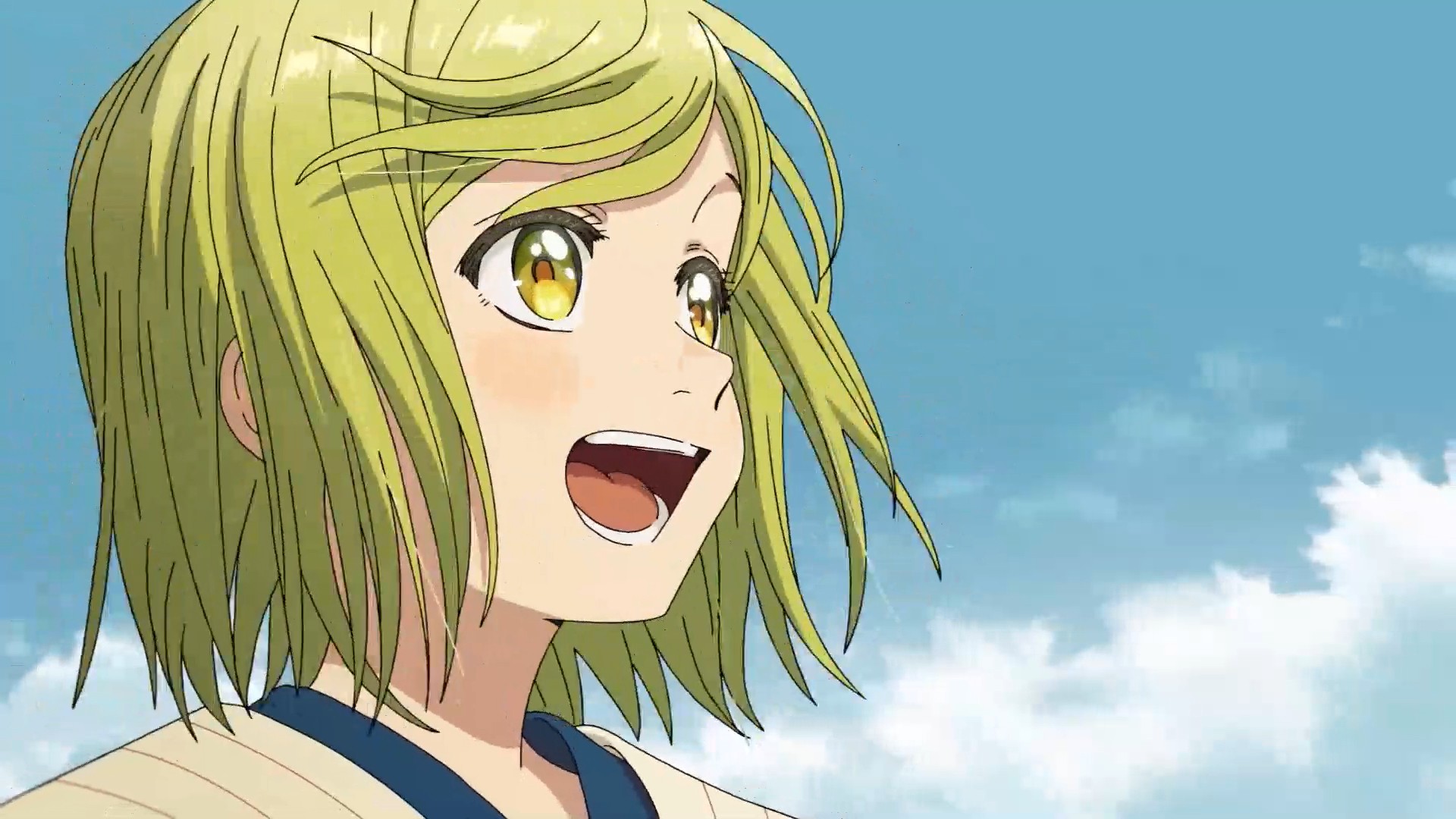
3. Witch Hat Atelier
Recently adapted to widespread acclaim, Witch Hat Atelier feels less like a conventional anime and more like a moving illustration book. Its intricate linework and ornate magical designs distinguish it visually from nearly everything else in streaming circulation. The story examines the ethics and cost of magic through the journey of a young girl who accidentally uncovers forbidden knowledge. There’s a deliberate, almost classical tone to its storytelling—patient, detailed, and emotionally textured. For viewers yearning for something reminiscent of Studio Ghibli’s whimsy but layered with philosophical complexity, this series delivers a rare blend of beauty and consequence.
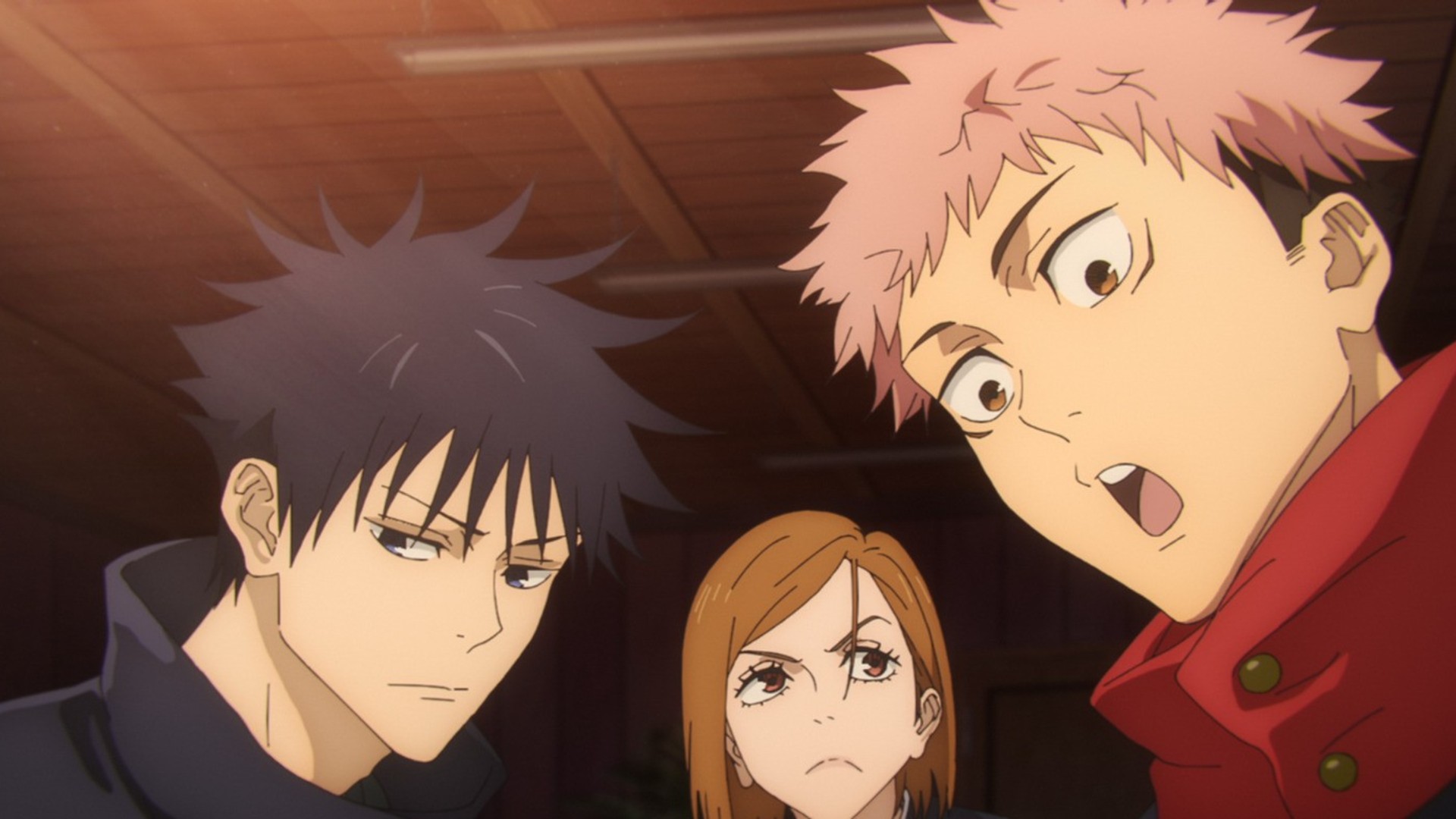
2. Jujutsu Kaisen
Currently deep into its high-stakes arcs, Jujutsu Kaisen has solidified itself as the benchmark for modern battle shonen. Its animation quality, particularly in fight choreography, regularly dominates online discussion, with episodes triggering weekly social media frenzies. Beneath the kinetic action lies a story unafraid to dismantle its own heroes, delivering emotional blows that keep audiences perpetually on edge. Dark themes, moral ambiguity, and unpredictable character fates define its tone. In an era saturated with supernatural combat series, Jujutsu Kaisen stands out by pairing blockbuster spectacle with genuine narrative risk.
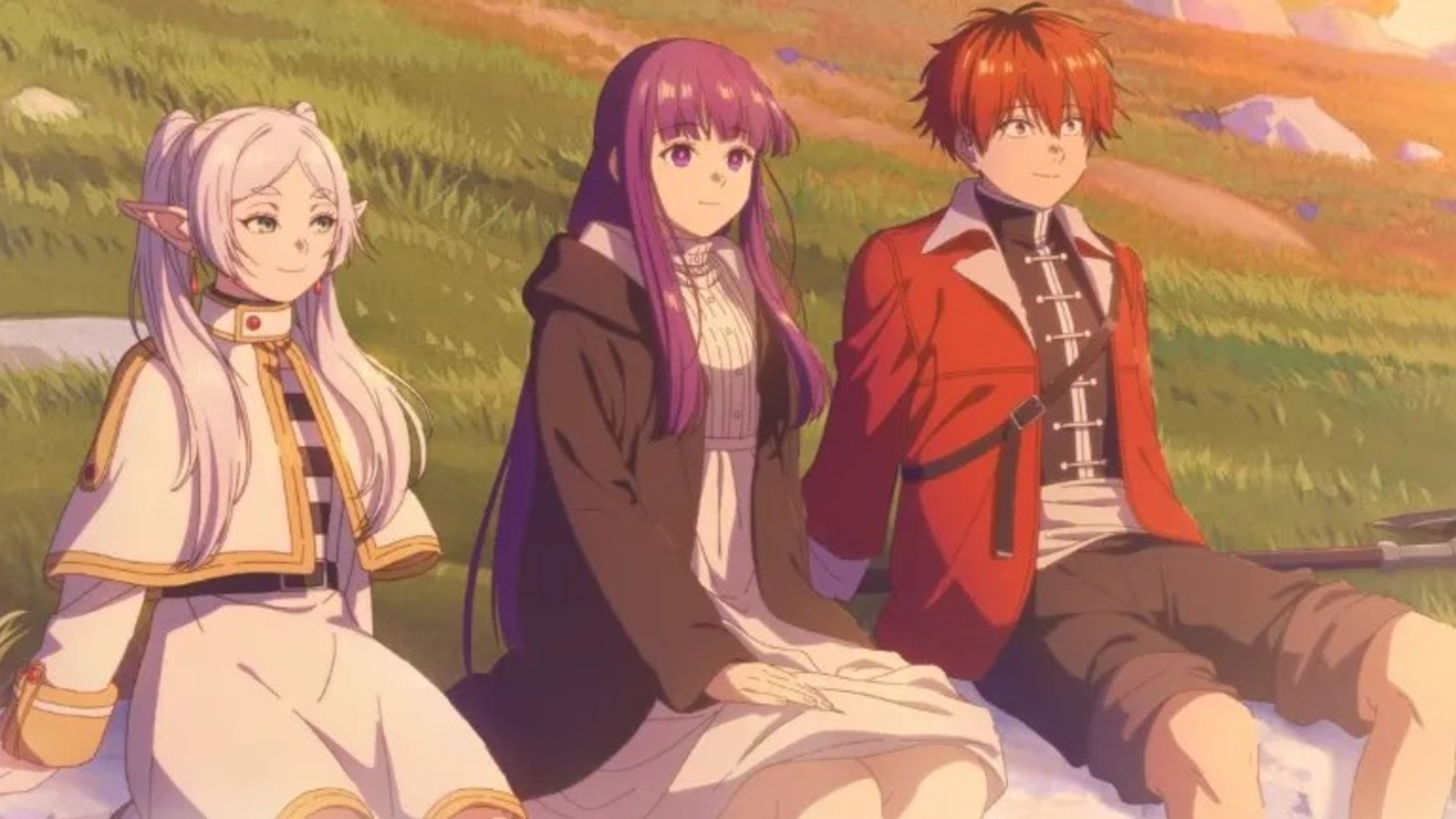
1. Frieren: Beyond Journey’s End
By 2026, Frieren has evolved from a seasonal standout to a full-blown cultural marker. Adapted from the acclaimed manga, the series explores what happens after the hero defeats the demon king—focusing not on the victory, but on the quiet, reflective years that follow. Its emotional core, centered on an elf mage reckoning with time, memory, and human connection, struck a chord globally. It climbed to the top of major ranking platforms, even surpassing long-standing titans in user scores. What makes it resonate isn’t explosive spectacle but restraint—lingering conversations, the weight of regret, and the realization that a seemingly small moment can mean everything decades later. In a genre obsessed with escalation, Frieren made stillness feel epic.