10 worst movies that I have ever watched

10. Melania (2026)
Melania, a politically focused documentary, generated attention largely due to subject matter rather than filmmaking craft, opening to roughly $7 million domestically—a strong number for a modern documentary—after Amazon reportedly paid around $40 million for distribution rights and backed it with significant marketing. However, audience turnout skewed heavily older (estimated around 70% over age 55), reinforcing its narrow demographic appeal. Critics were sharply divided, with many describing it as overly curated and lacking journalistic balance, while supporters praised its access and presentation. Because its relevance is closely tied to the political climate, analysts noted its long-term cultural staying power may be limited once public discourse shifts.
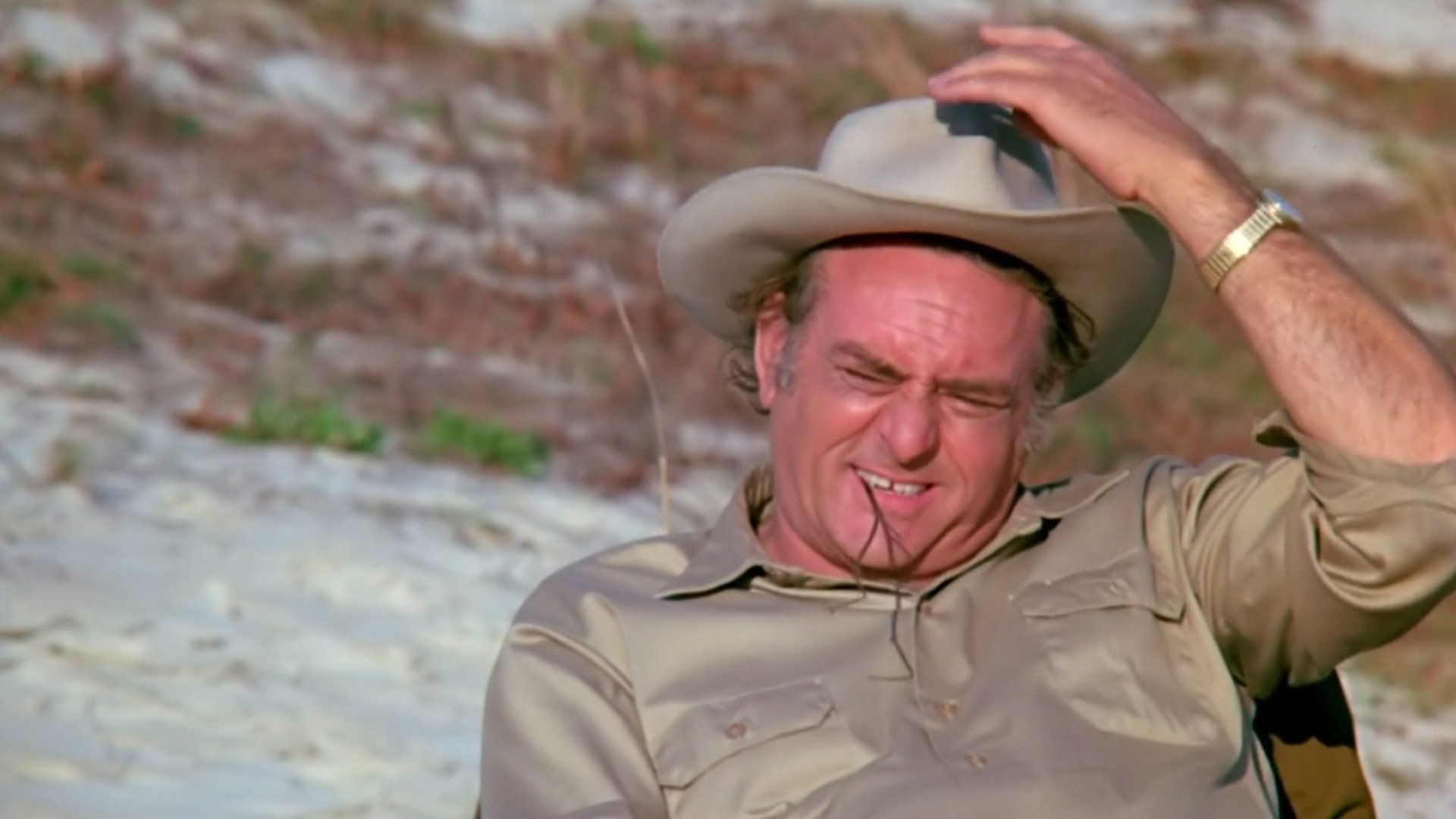
9. Zaat! (1971)
This ultra-low-budget horror film about a mad scientist transforming into a swamp creature became infamous for its technical incompetence and lethargic pacing. During its original theatrical attempt in Manhattan, it reportedly earned only about $200 before being pulled. The production flaws are glaring—most memorably, the monster is visibly wearing tennis shoes—and the performances and editing are widely described as wooden and amateurish. Frequently appearing in IMDb’s Bottom 100, it is often cited among the worst films ever made, though unlike some infamous flops, it is more often labeled dull than entertainingly bad, limiting its cult rewatch value.
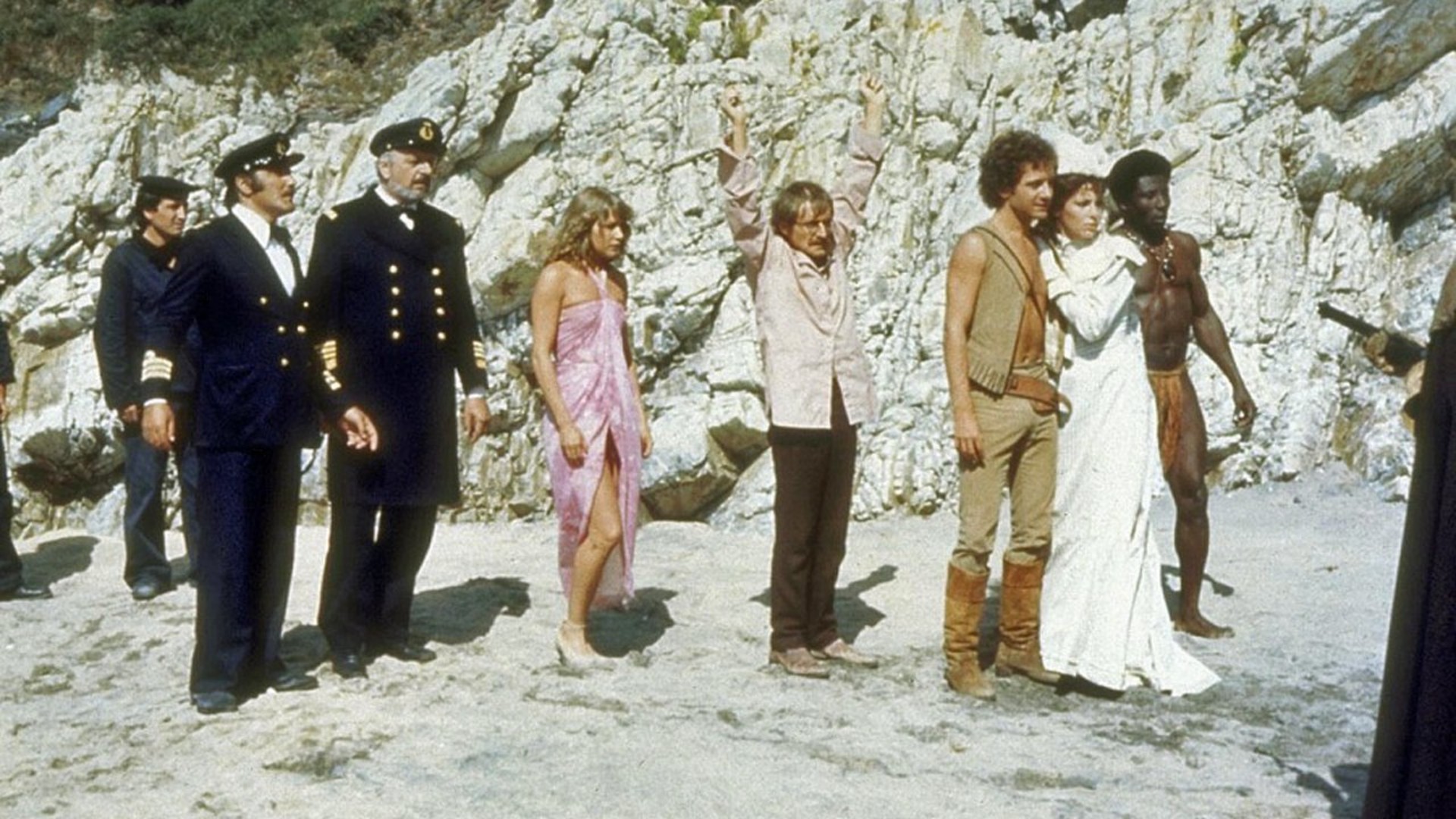
8. Monster Island (1981 / 2025 adaptation)
The 1981 version became controversial for heavily stereotyped and racially insensitive character portrayals that overshadowed its adventure premise, making it uncomfortable viewing by modern standards. The 2025 adaptation attempted to revisit the concept but failed to meaningfully update or deepen the material, with critics calling it narratively inert, shallow, and visibly constrained by budget limitations. Reviews highlighted weak character development, choppy editing, and an overall lack of tonal identity. Neither version achieved significant commercial or critical success, and the title is largely remembered either for outdated depictions or missed creative potential.
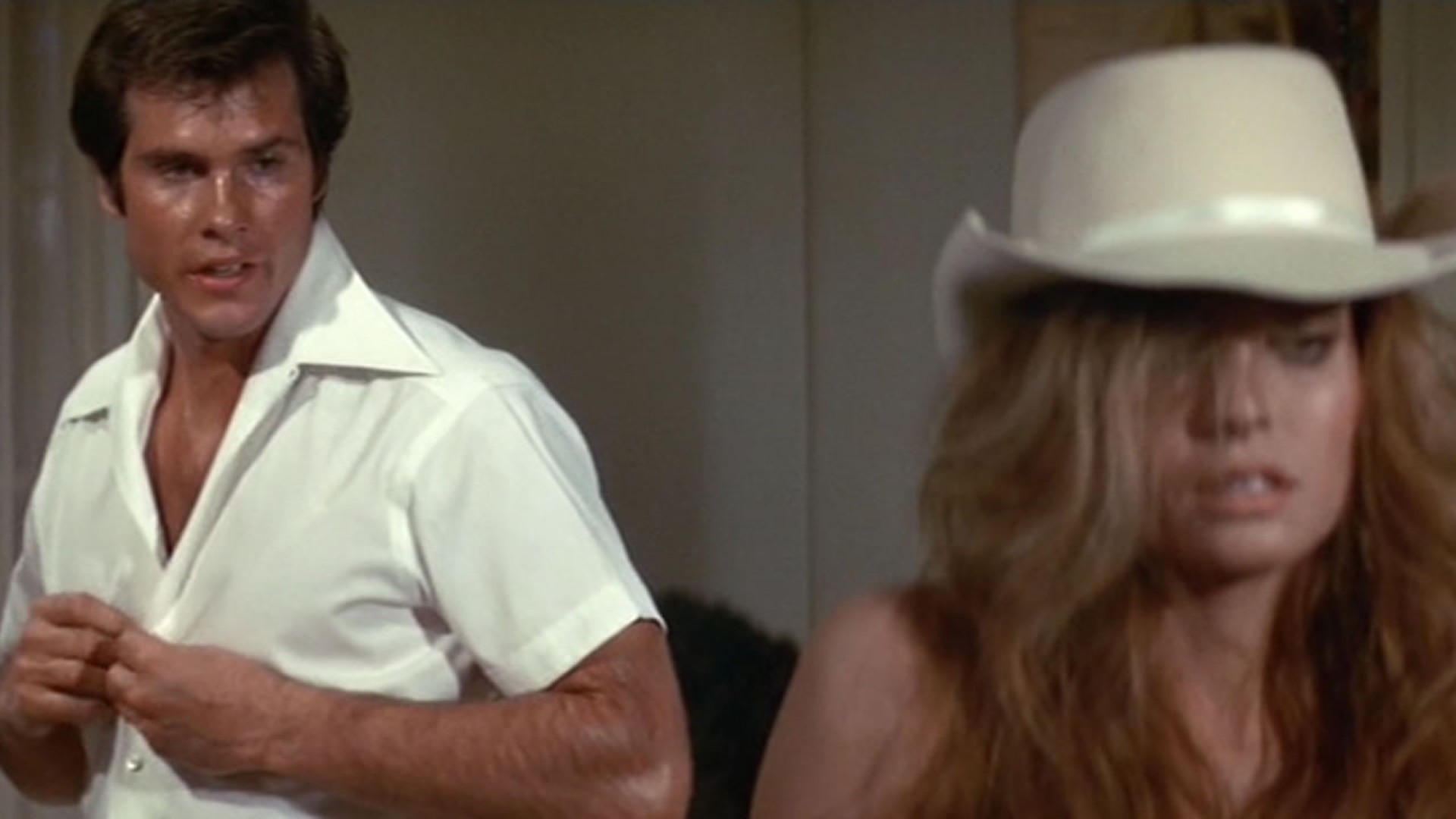
7. Myra Breckinridge (1970)
Produced for approximately $5 million—a substantial investment at the time—the film grossed around $4 million, ultimately becoming a financial disappointment that contributed to instability at 20th Century Fox. Intended as a sharp satire of Hollywood and gender politics, it instead came across to many critics as disjointed, self-indulgent, and structurally chaotic. Despite a cast including Raquel Welch and Mae West, audiences found its tone inconsistent and its narrative difficult to follow. Over time, it has been remembered less as bold satire and more as a cautionary example of ambitious filmmaking without cohesive execution.
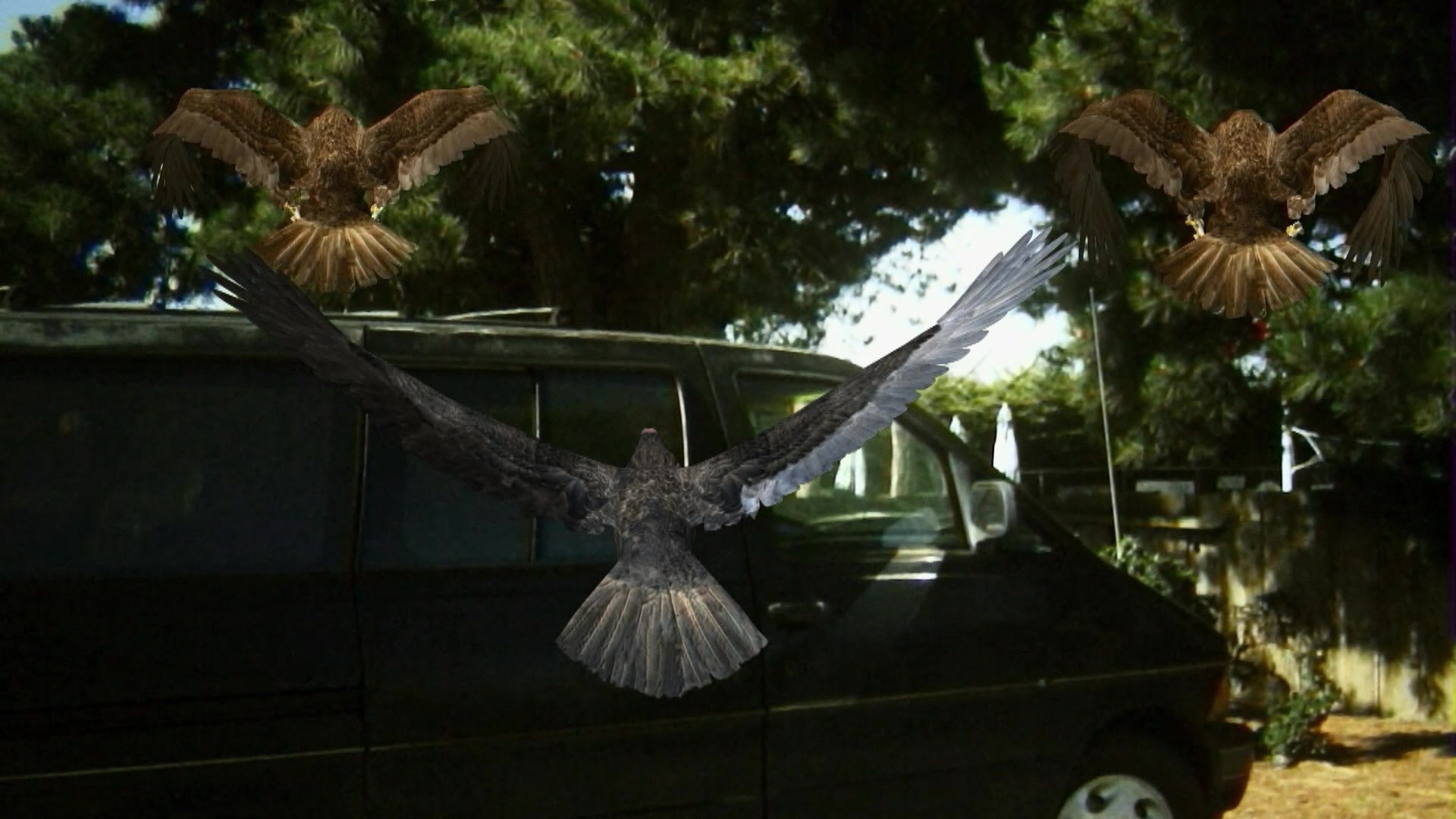
6. Birdemic: Shock and Terror (2010)
Made for under $10,000, this independent eco-horror film became notorious for its glaring technical failures, including low-resolution CGI birds that appear to hover unnaturally, inconsistent sound mixing, stiff performances, and extremely slow pacing during its first half. It did not achieve meaningful theatrical box office success but developed a cult following through midnight screenings and ironic fan events that celebrated its incompetence. Critics universally pan it for amateur filmmaking, yet its sheer lack of polish transformed it into a “so-bad-it’s-good” experience that continues to attract curiosity-driven viewers.
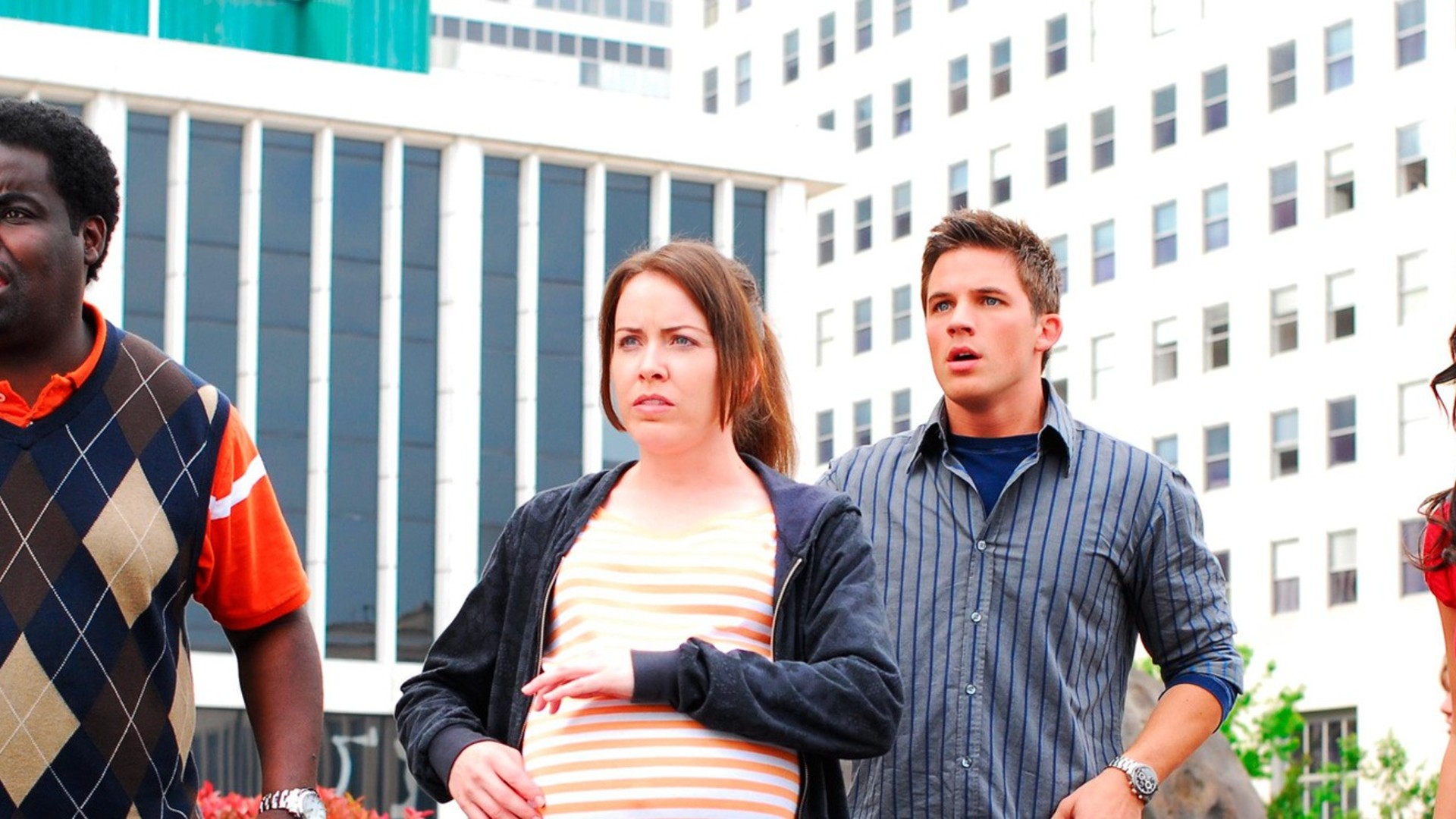
5. Disaster Movie (2008)
Produced on a $20 million budget and grossing $36.7 million worldwide, the film technically recouped costs but was considered a disappointment relative to similar parody films of the era. Holding a 1% rating on Rotten Tomatoes and a 15/100 on Metacritic, it was widely criticized for relying almost entirely on surface-level pop culture references and celebrity impersonations rather than structured satire or cohesive storytelling. Many reviewers described it as creatively lazy and emblematic of parody fatigue, with some arguing it helped accelerate the decline of big-screen spoof comedies in the late 2000s.
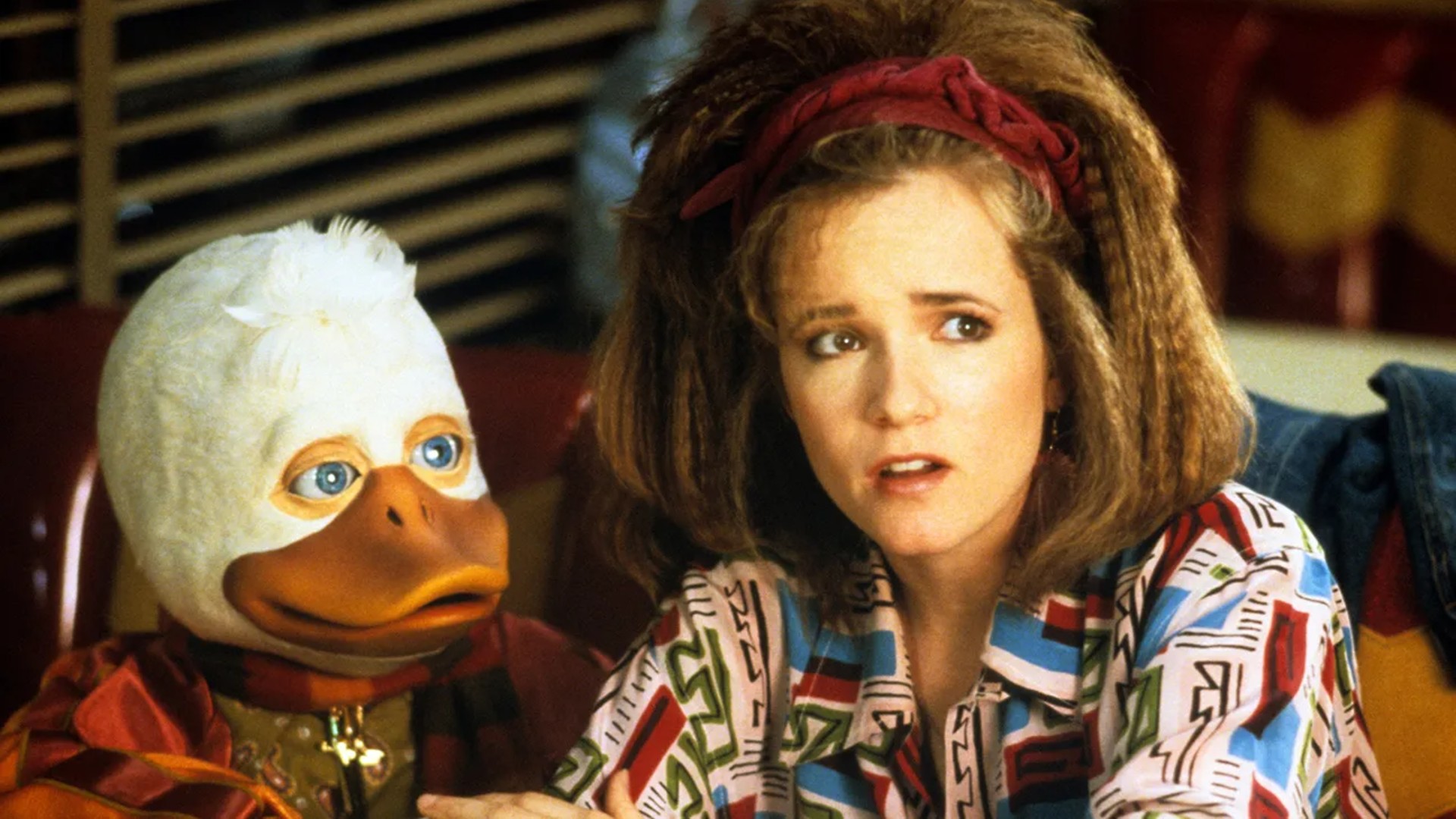
4. Howard the Duck (1986)
Backed by George Lucas and based on a Marvel Comics character, the film cost roughly $35 million but grossed only $16.3 million domestically, making it a high-profile box office bomb. Its tonal confusion—attempting to mix adult humor and cynicism with a character that appeared visually aimed at children—alienated audiences. The animatronic duck suit and special effects were widely criticized as unconvincing, and contemporary reviews labeled the film a creative misfire. Although initially considered a major embarrassment, it has since developed a modest cult following and gained renewed curiosity due to later Marvel references.
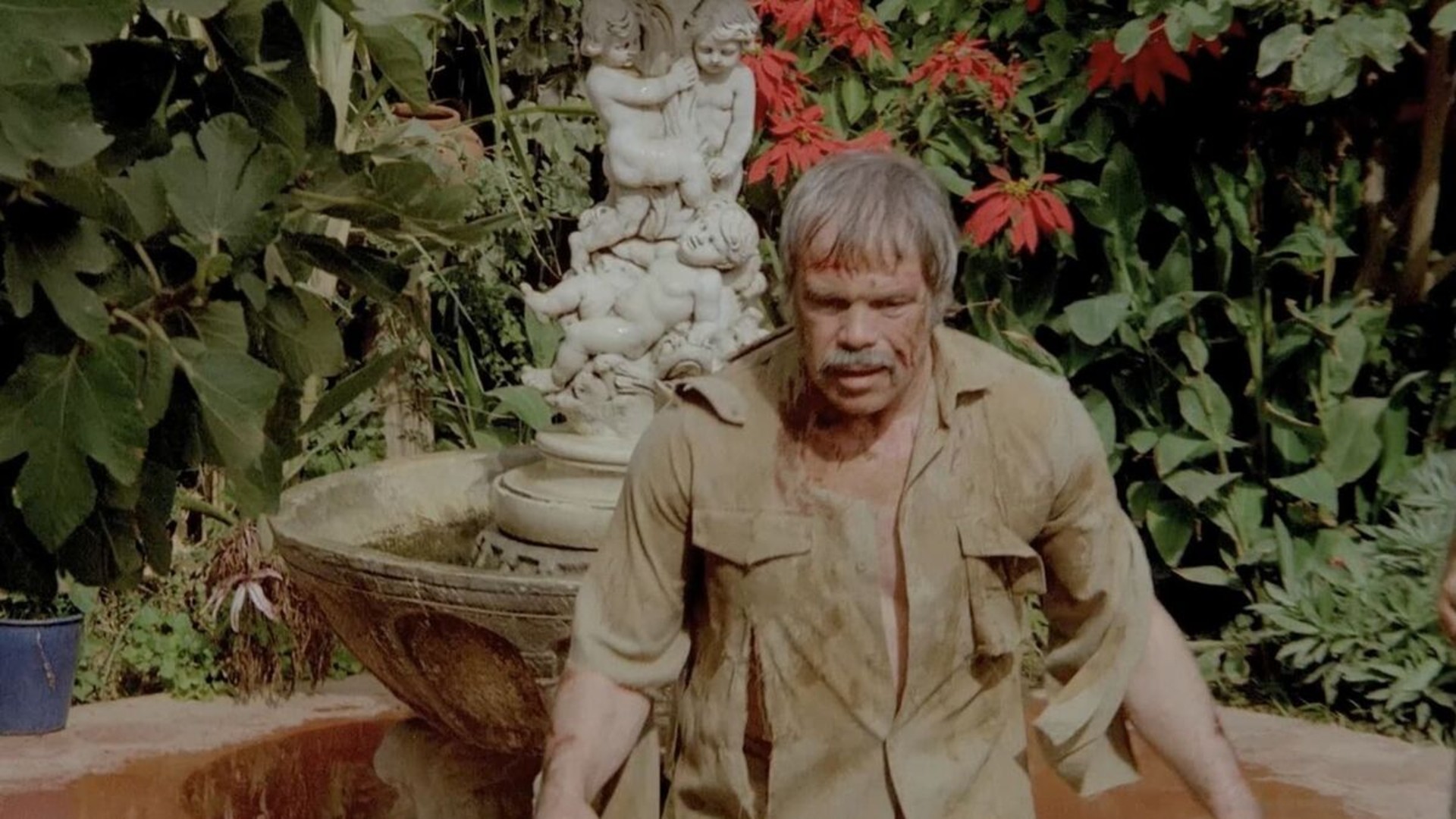
3. Oasis of the Zombies (1982)
This low-budget Euro-exploitation horror film struggled with minimal theatrical distribution and became infamous for its painfully slow pacing and lack of meaningful horror payoff. Critics describe long stretches where little to nothing happens, draining tension from the narrative, and note that producers reportedly inserted footage from other films to extend the runtime, resulting in a disjointed final product. Even within the niche zombie subgenre, it is regarded as bottom-tier, lacking both the gore and energy typically expected by horror audiences.
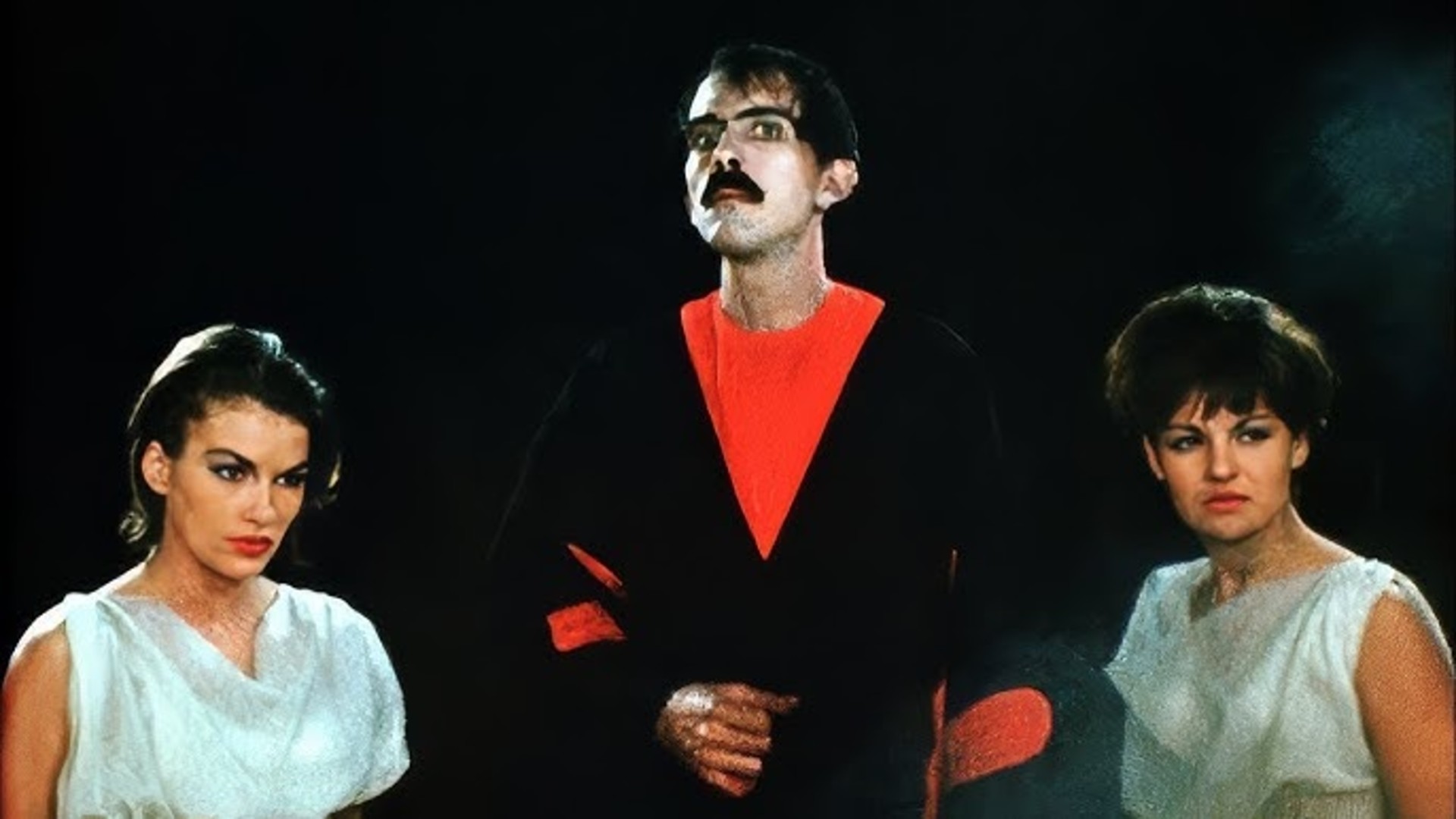
2. Manos: The Hands of Fate (1966)
Financed by a fertilizer salesman on a budget of roughly $19,000 and screened primarily in El Paso, the film’s production limitations were extreme. Shot with a camera restricted to short takes, it suffers from awkward editing, static camerawork, and visibly unsynchronized dubbed audio. Performances are widely regarded as amateurish, and the film’s structure feels incoherent. Though it initially disappeared into obscurity, it later achieved cult notoriety through parody television showcases, becoming widely cited as one of the worst films ever made and a textbook example of filmmaking without technical foundation.
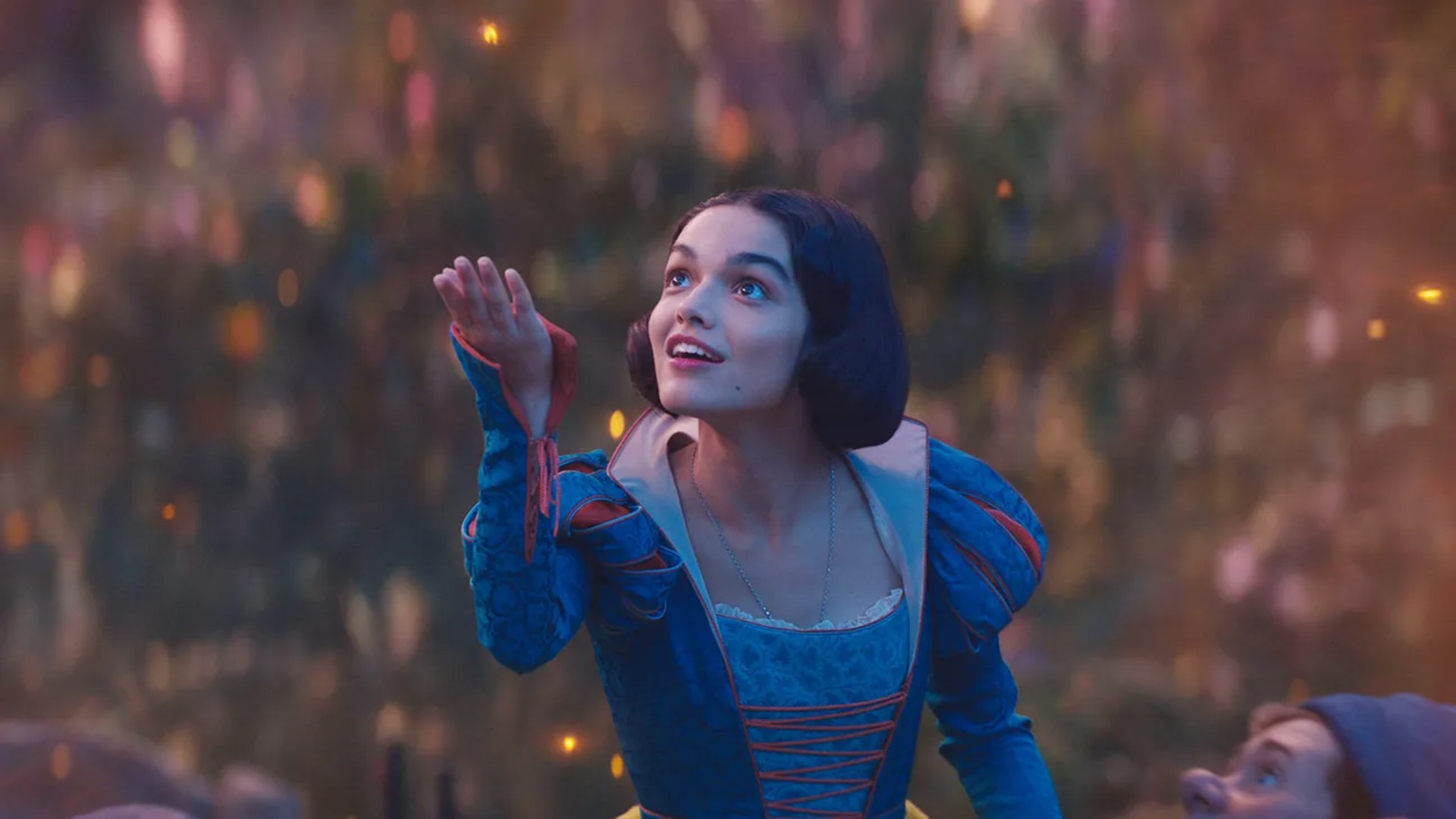
1. Snow White (2025)
Disney’s live-action remake carried a production budget of approximately $260 million, which ballooned further when marketing costs pushed total expenses beyond $330 million. The film grossed around $205.7 million worldwide, resulting in an estimated loss exceeding $160 million. It faced significant online backlash prior to release due to creative reinterpretations and public comments about the 1937 original, fueling polarized discourse. Critics argued the remake failed to provide a compelling new perspective on the nearly century-old story, and analysts cited broader audience “remake fatigue” as a contributing factor. It is now considered one of Disney’s most significant financial setbacks in its live-action adaptation era.