10 Fan-Favorite Harry Potter Characters That Are Actually Toxic
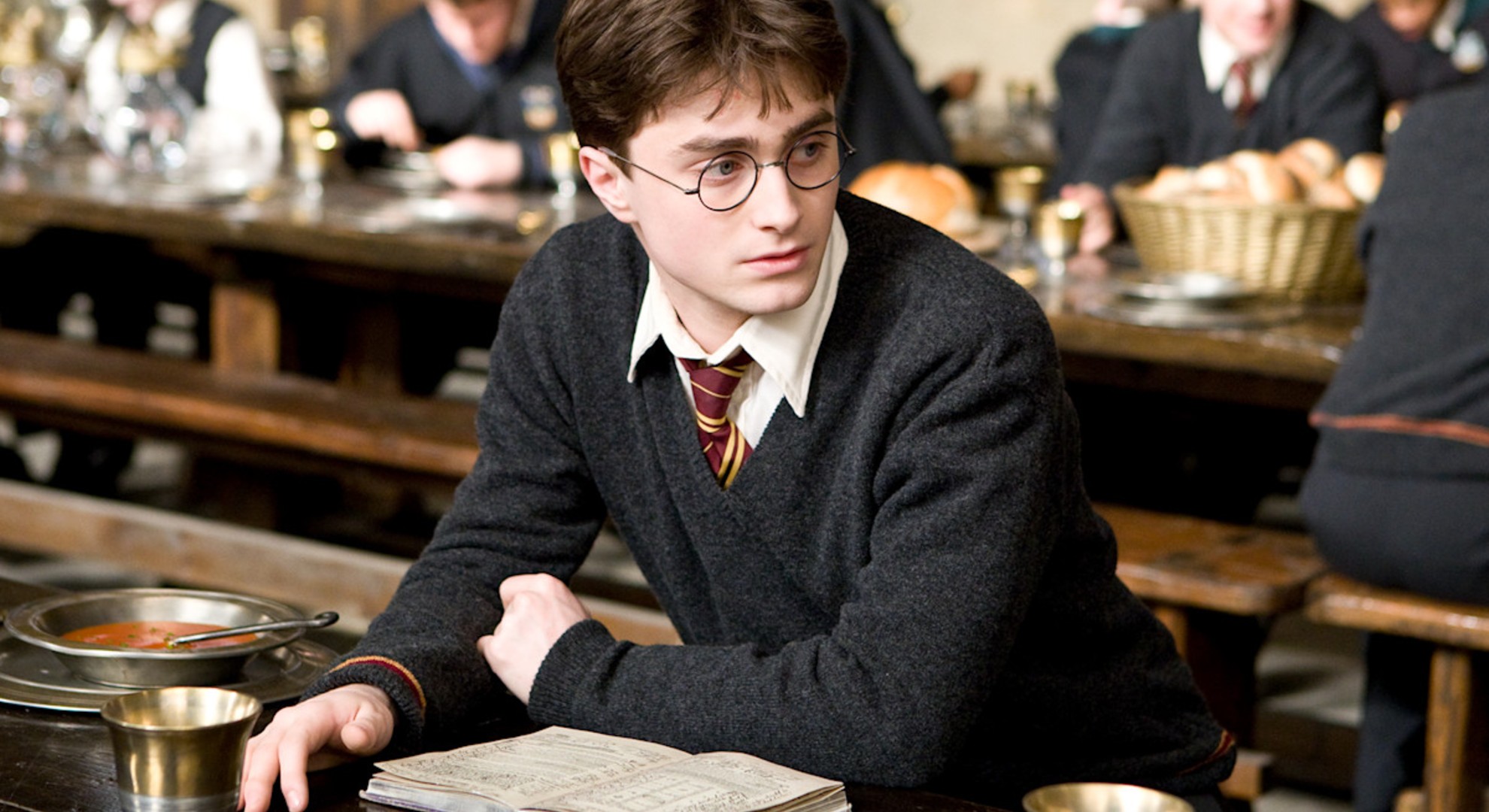
10: Harry Potter
Harry’s trauma is immense, and much of his anger—especially in Order of the Phoenix—is understandable. Still, readers sometimes note how frequently conversations orbit his pain, leaving Ron and Hermione as emotional support systems. Being the Chosen One explains the strain, but it doesn’t make him easy to be around.
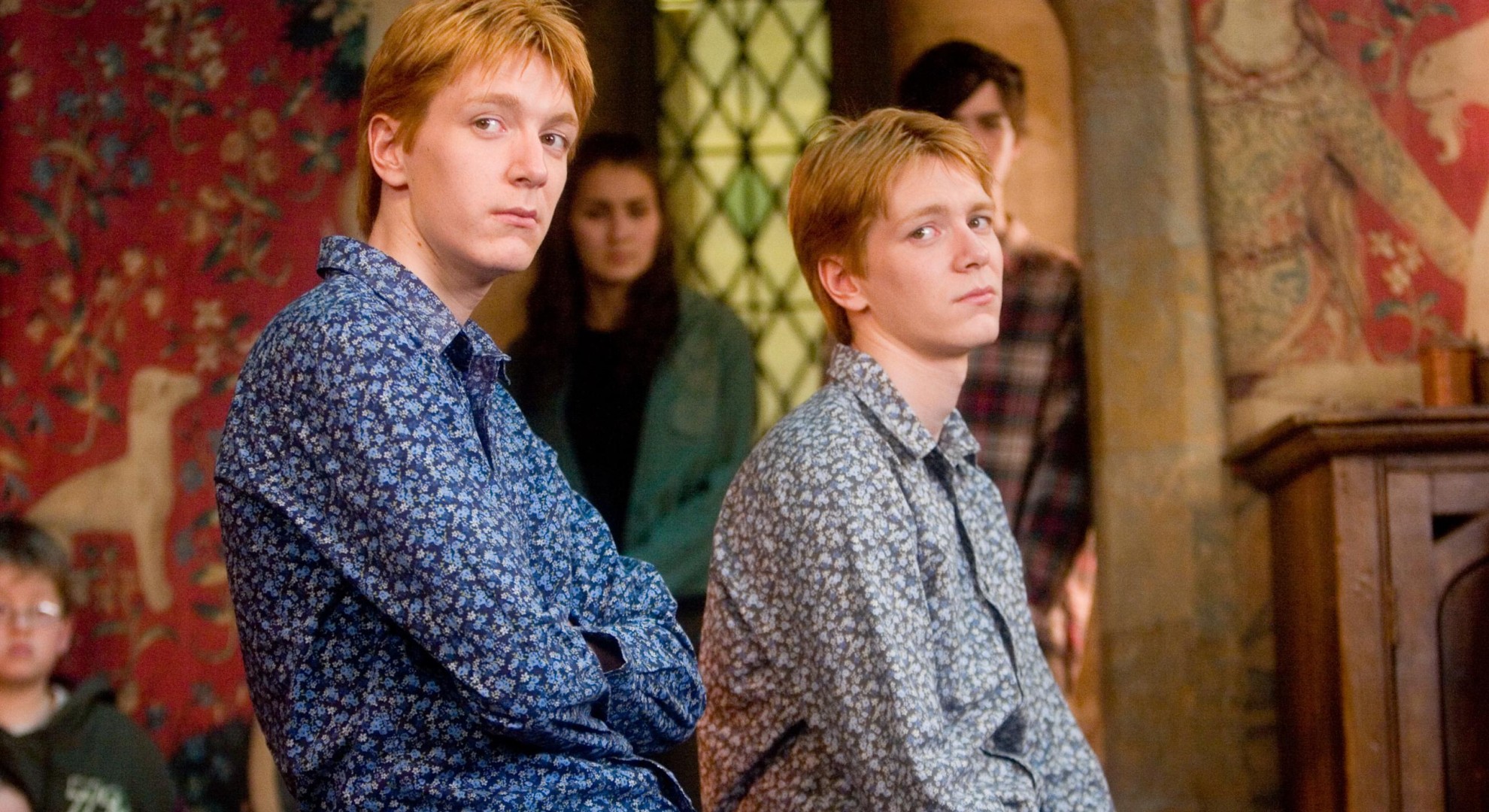
9: Fred and George Weasley
The twins provide comic relief, but some of their actions are darker on reflection. Testing products on younger students and shoving Montague into a Vanishing Cabinet are played for laughs, yet carry serious consequences. The “it’s just a joke” defense feels shakier with age.
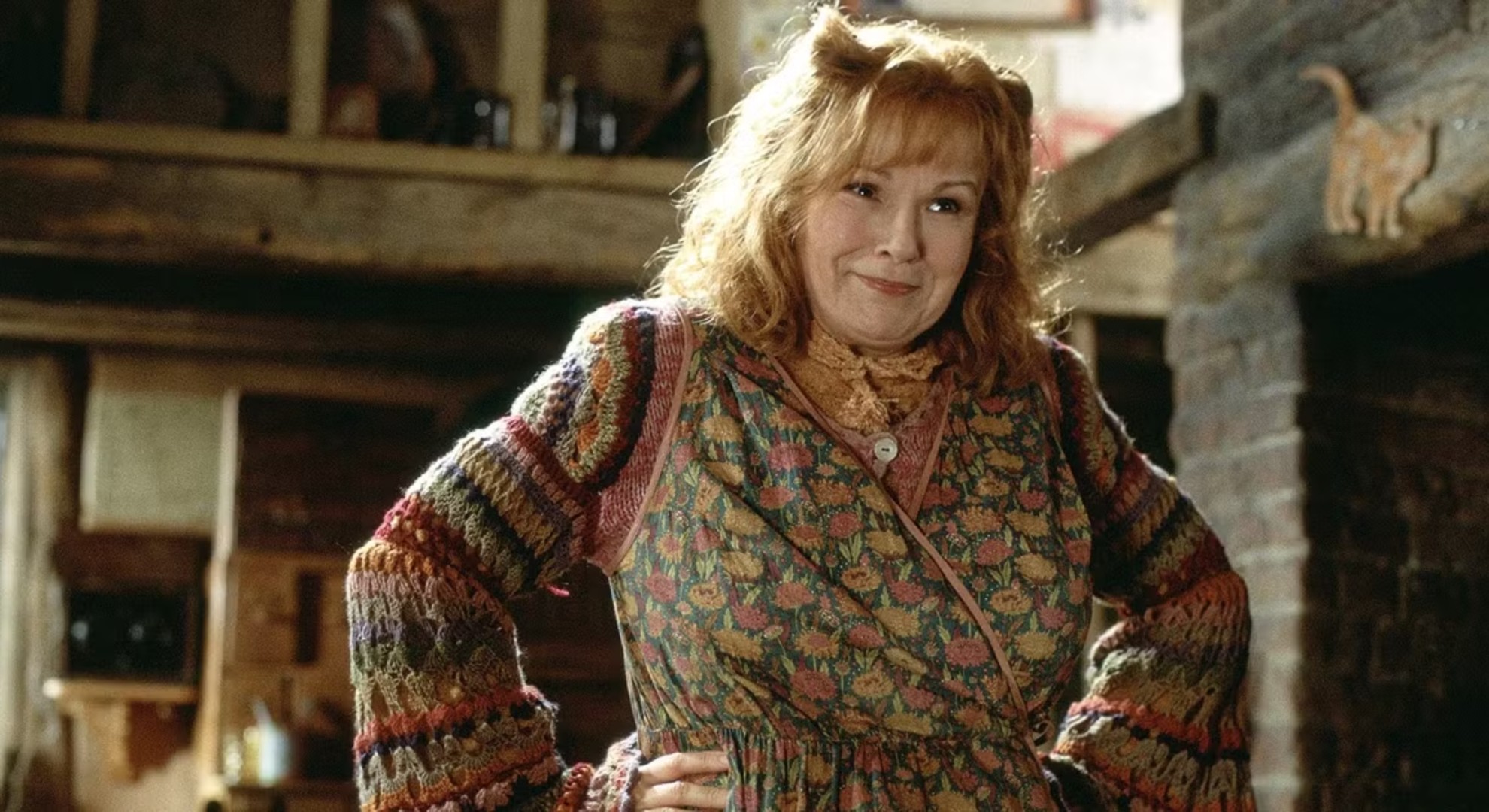
8: Molly Weasley
Molly is protective to a fault, but that protectiveness sometimes crosses lines. Her coldness toward Fleur and her brief belief in tabloid rumors about Hermione reveal moments of unfair judgment. She represents unconditional love—just not always unconditional fairness.
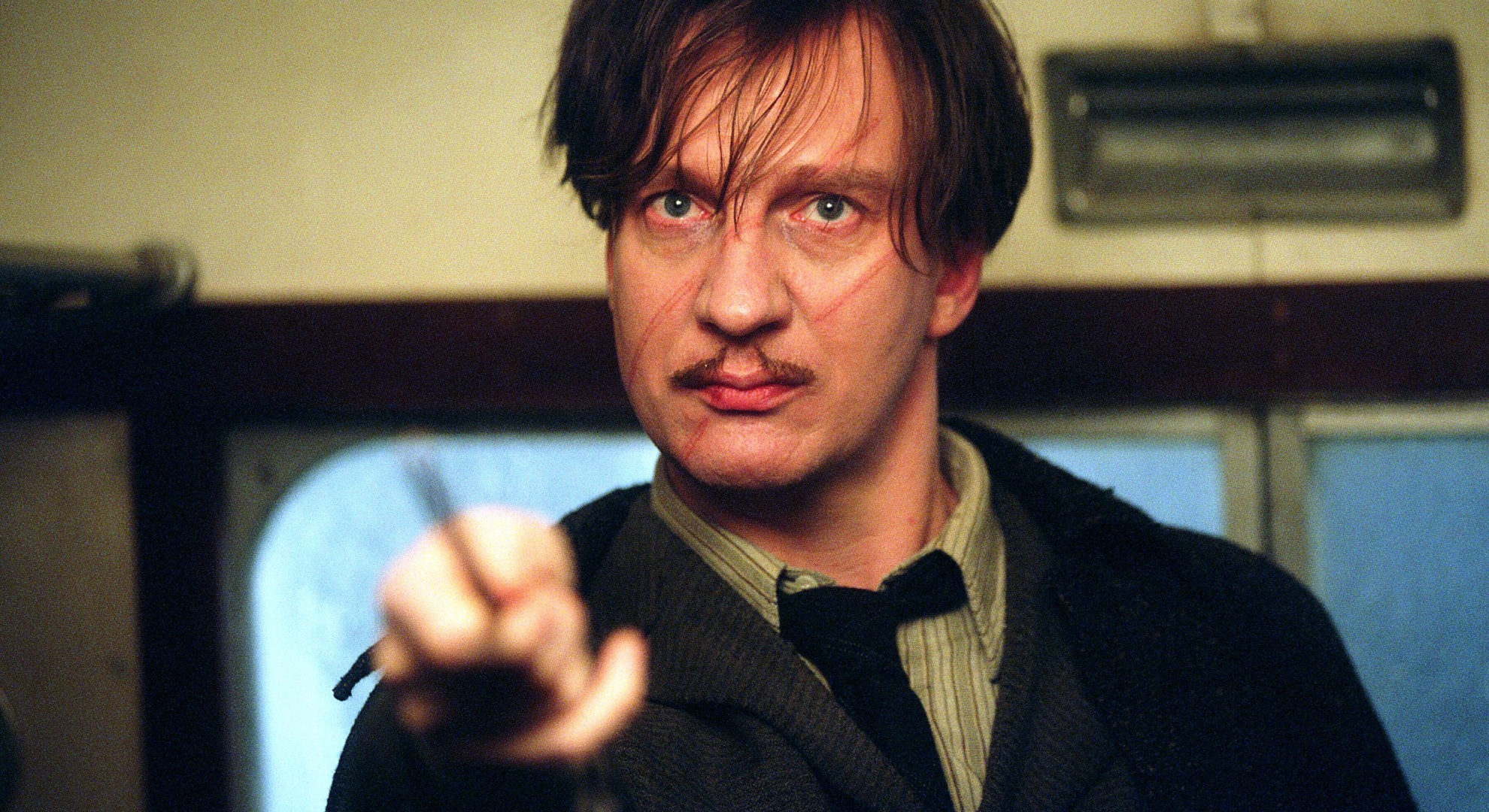
7: Remus Lupin
Lupin is gentle and thoughtful, but he also disappears for long stretches of Harry’s life. His attempt to leave Tonks while she’s pregnant reflects deep self-loathing, yet it also reads as avoidance. Readers often debate whether his internal struggles excuse the emotional distance.
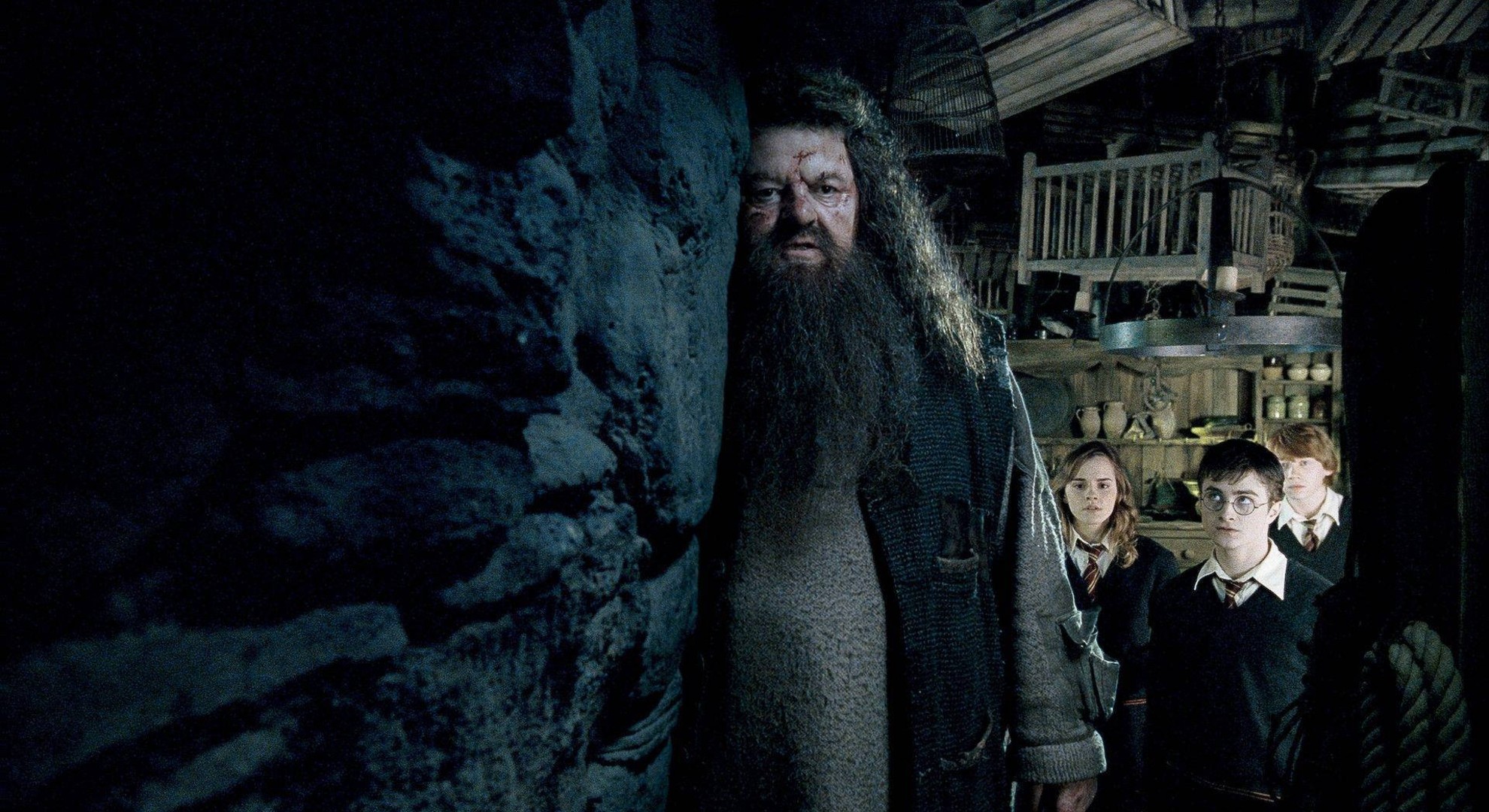
6: Rubeus Hagrid
Hagrid’s loyalty and warmth are unmatched—but so is his recklessness. Sending first-years into dangerous forests, raising illegal dragons, and underestimating the threat of magical creatures are recurring issues. Fans love him, yet often admit Hogwarts’ insurance premiums must have skyrocketed because of him.
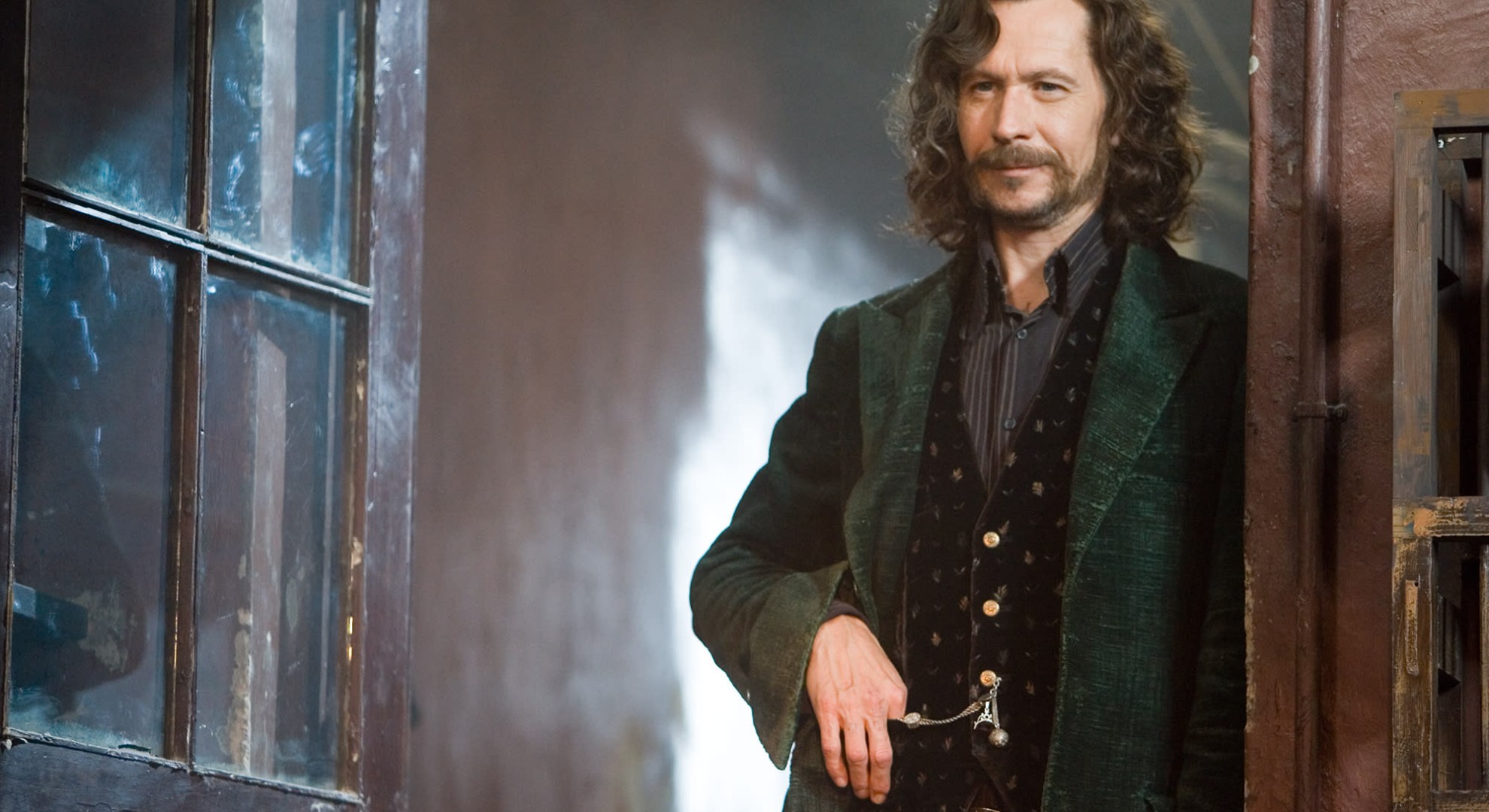
5: Sirius Black
Sirius loves Harry fiercely, but he’s emotionally frozen in his own adolescence. His tendency to compare Harry to James and encourage risky behavior makes some readers question his readiness for guardianship. Trauma explains his instability, but it doesn’t erase the pressure he sometimes places on a teenage boy already carrying too much.
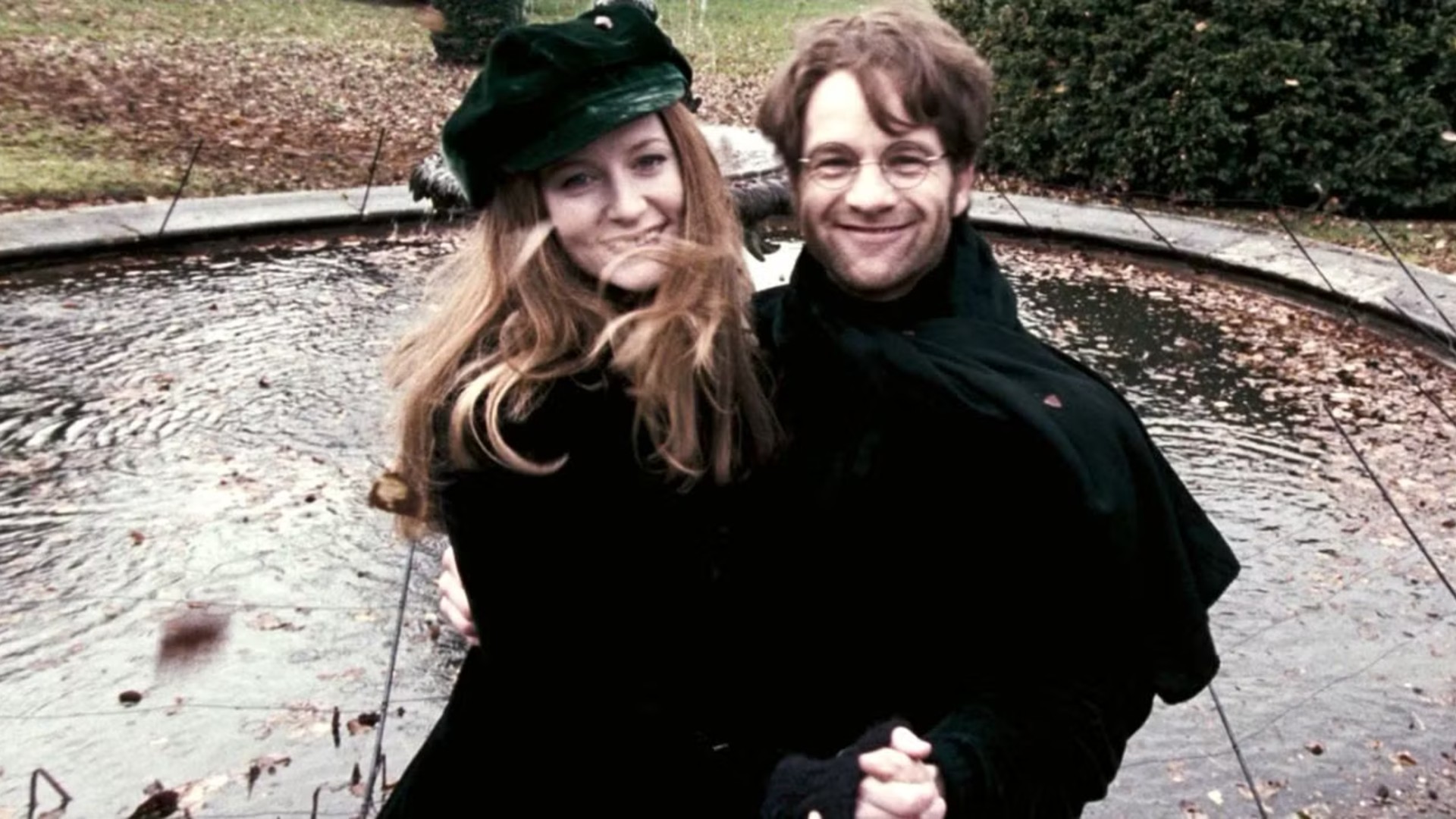
4: James Potter
Canon insists James matured into a brave, loving father. But what readers actually witness in Order of the Phoenix is a privileged teenager publicly humiliating Snape. Because we never truly see the growth—only hear about it—some fans remain unconvinced. It’s a classic “tell, don’t show” redemption.
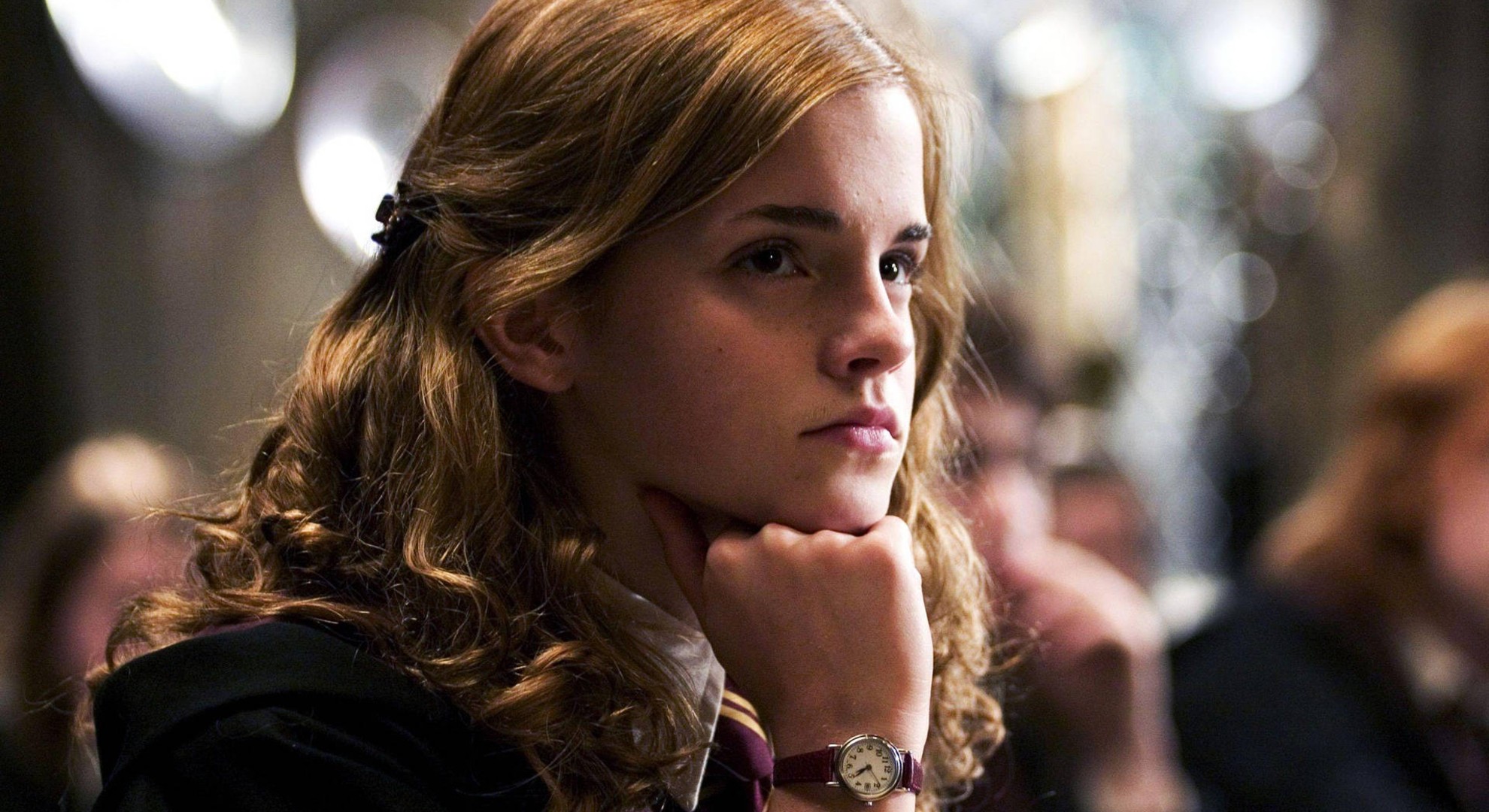
3: Hermione Granger
Hermione’s intelligence and moral conviction are strengths, but they sometimes tip into rigidity. From trapping Rita Skeeter in beetle form to permanently scarring Marietta Edgecombe, her methods can be ruthless. Even her dynamic with Ron occasionally leans into “I know best” territory. Fans often revisit whether the series glosses over her harsher edges.
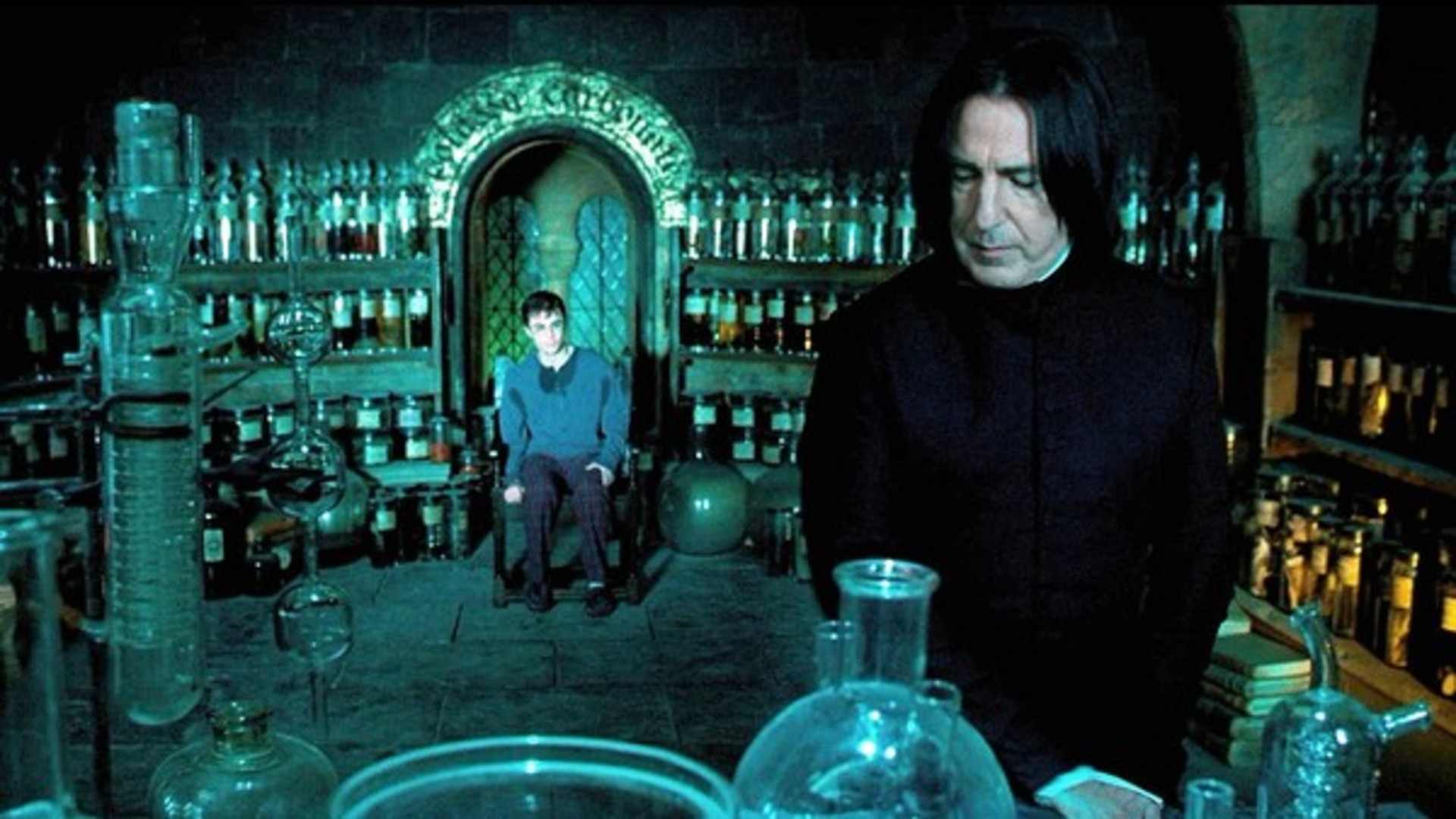
2: Severus Snape
Snape’s bravery as a double agent is undeniable, but so is his cruelty toward children—especially Harry and Neville. Some readers struggle with the idea that lifelong bullying can be offset by a final act of loyalty motivated by unresolved love. His arc sparks one of the fandom’s biggest questions: does sacrifice equal redemption?
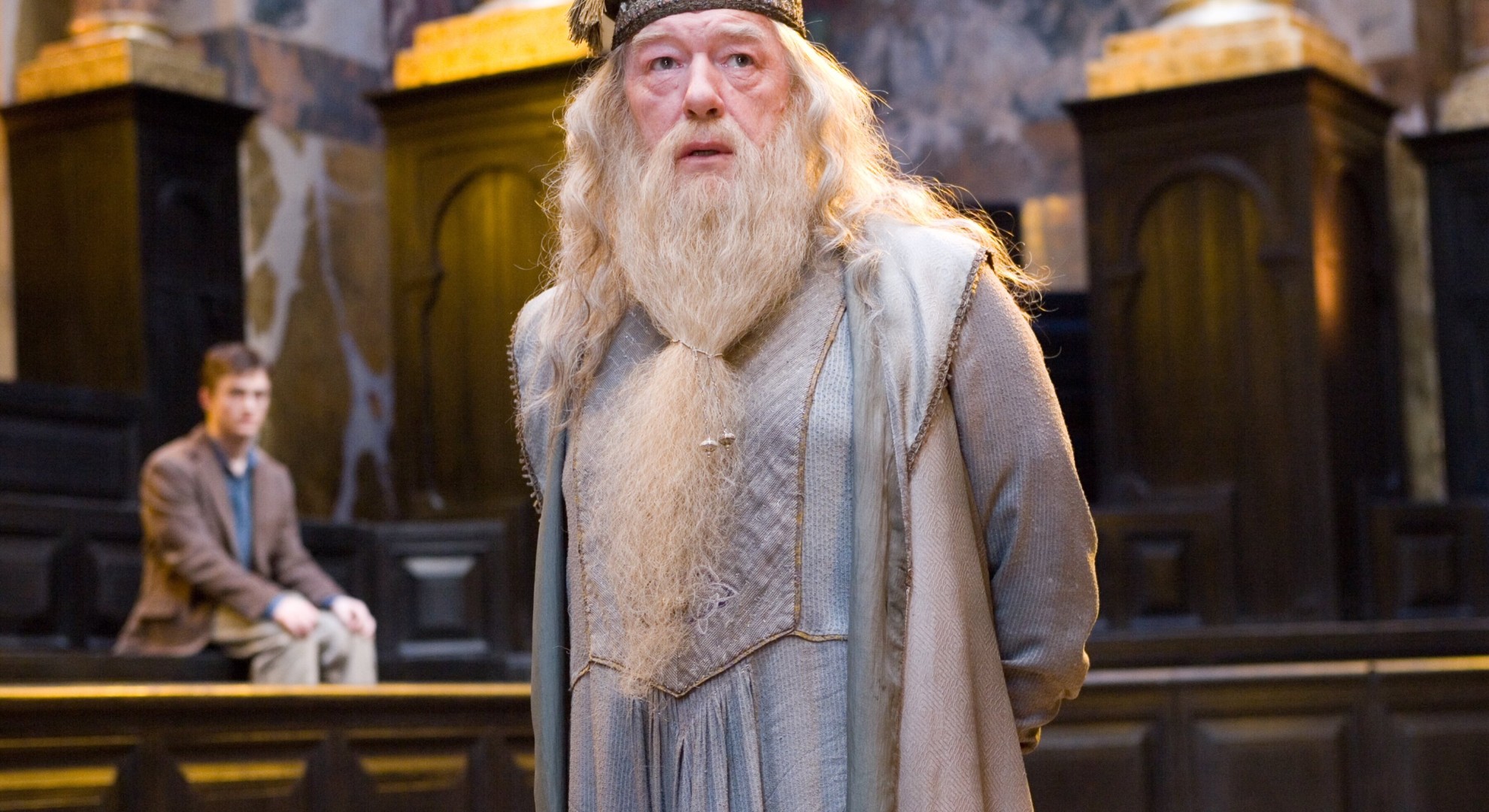
1: Albus Dumbledore
Dumbledore isn’t just a headmaster—he’s a strategist playing a long game. On reread, many fans question whether keeping Harry in the dark for years was truly protection or calculated control. Raising a child “like a pig for slaughter,” withholding critical information, and constantly promising explanations “later” has led to ongoing debate: visionary mentor or morally gray chess master?