Ranking Harry Potter Movies by How Much They Disrespected the Books
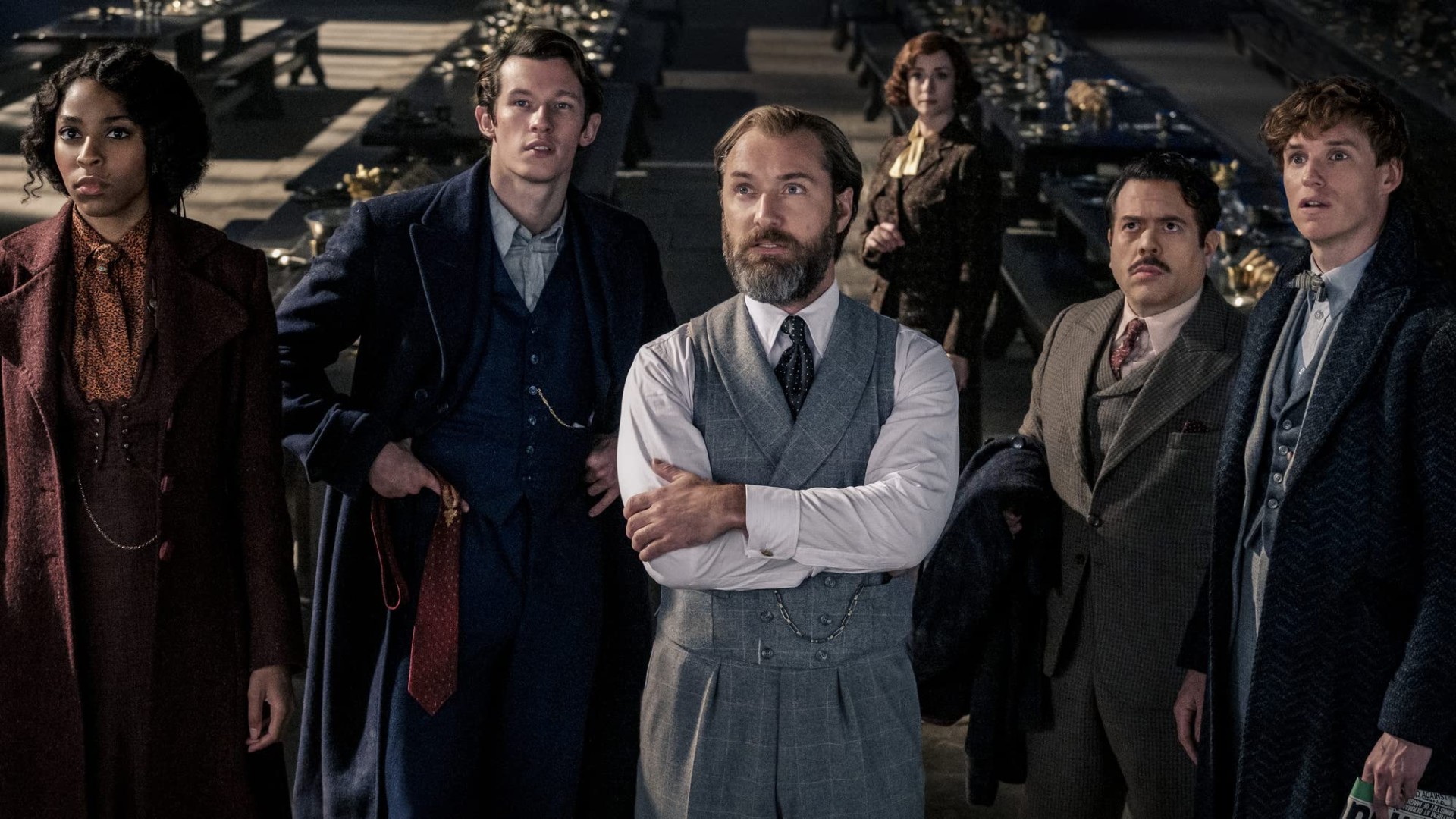
9. The Fantastic Beasts Films (2016–2022)
Although marketed as part of the Wizarding World, the Fantastic Beasts series drifts the furthest from literary fidelity because it was never truly adapted from a narrative book. The films are loosely inspired by a short in-universe textbook, which meant there was no structured story to translate to the screen. While the first installment successfully captured the charm and curiosity of magical creatures, the sequels quickly abandoned that focus in favor of an increasingly convoluted prequel centered on the political conflict between Dumbledore and Grindelwald. By the third film, the creatures themselves had become secondary decorations in a dense political thriller that lacked the character depth, narrative clarity, and emotional grounding that defined J.K. Rowling’s novels.
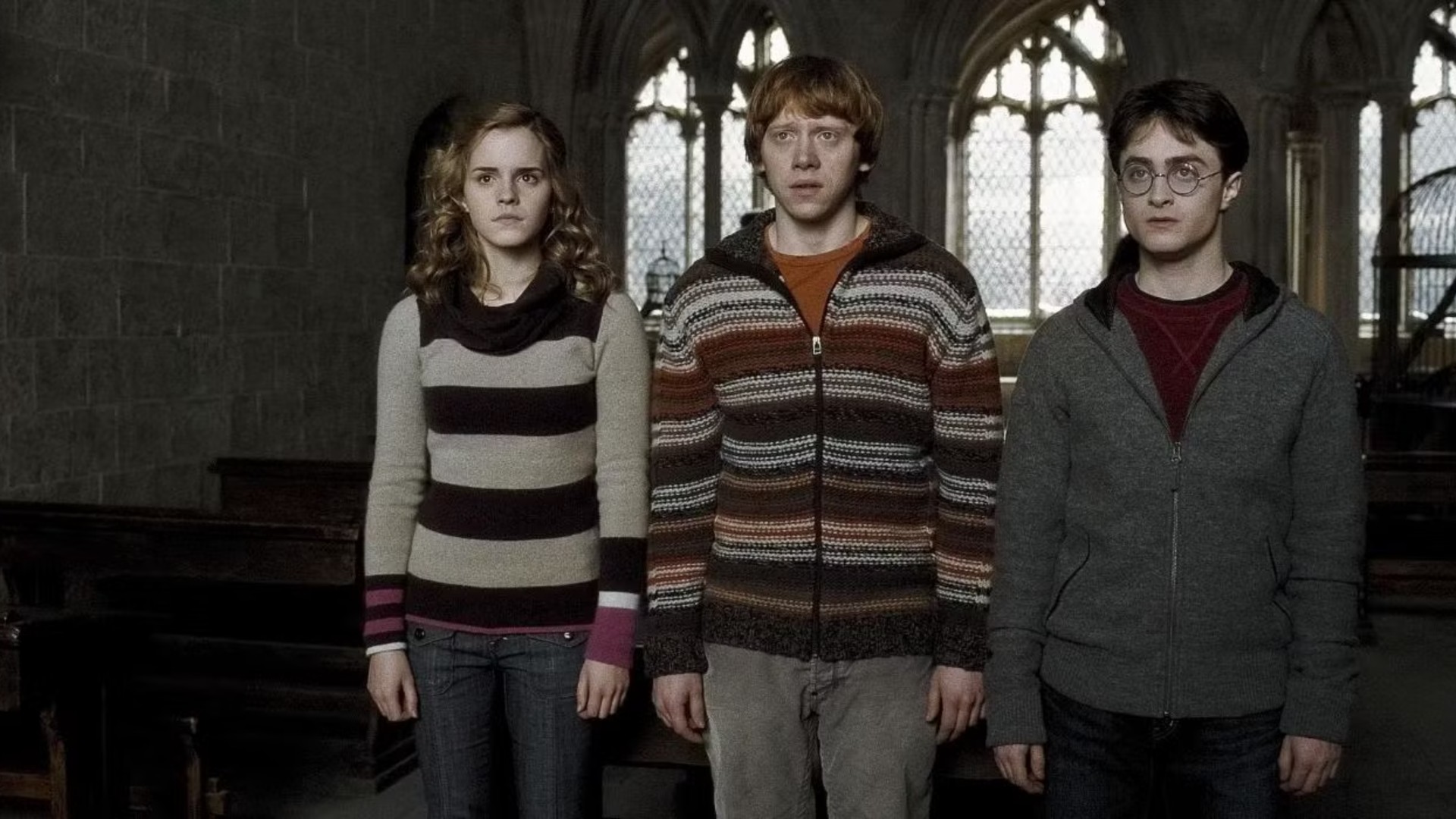
8. Harry Potter and the Half-Blood Prince (2009)
This adaptation is often criticized for sidelining the book’s core purpose in favor of lighthearted romantic subplots. The novel is essential to the series because it carefully unpacks Voldemort’s origins through Pensieve memories, detailing his family history, psychological development, and the creation of Horcruxes. The film removes most of this material, replacing it with extended focus on teenage relationships, particularly Ron Weasley’s involvement with Lavender Brown. An entirely invented sequence, the Burning of the Burrow, was added for spectacle despite contradicting established magical protections, further displacing the story’s thematic foundation.
7. Harry Potter and the Order of the Phoenix (2007)
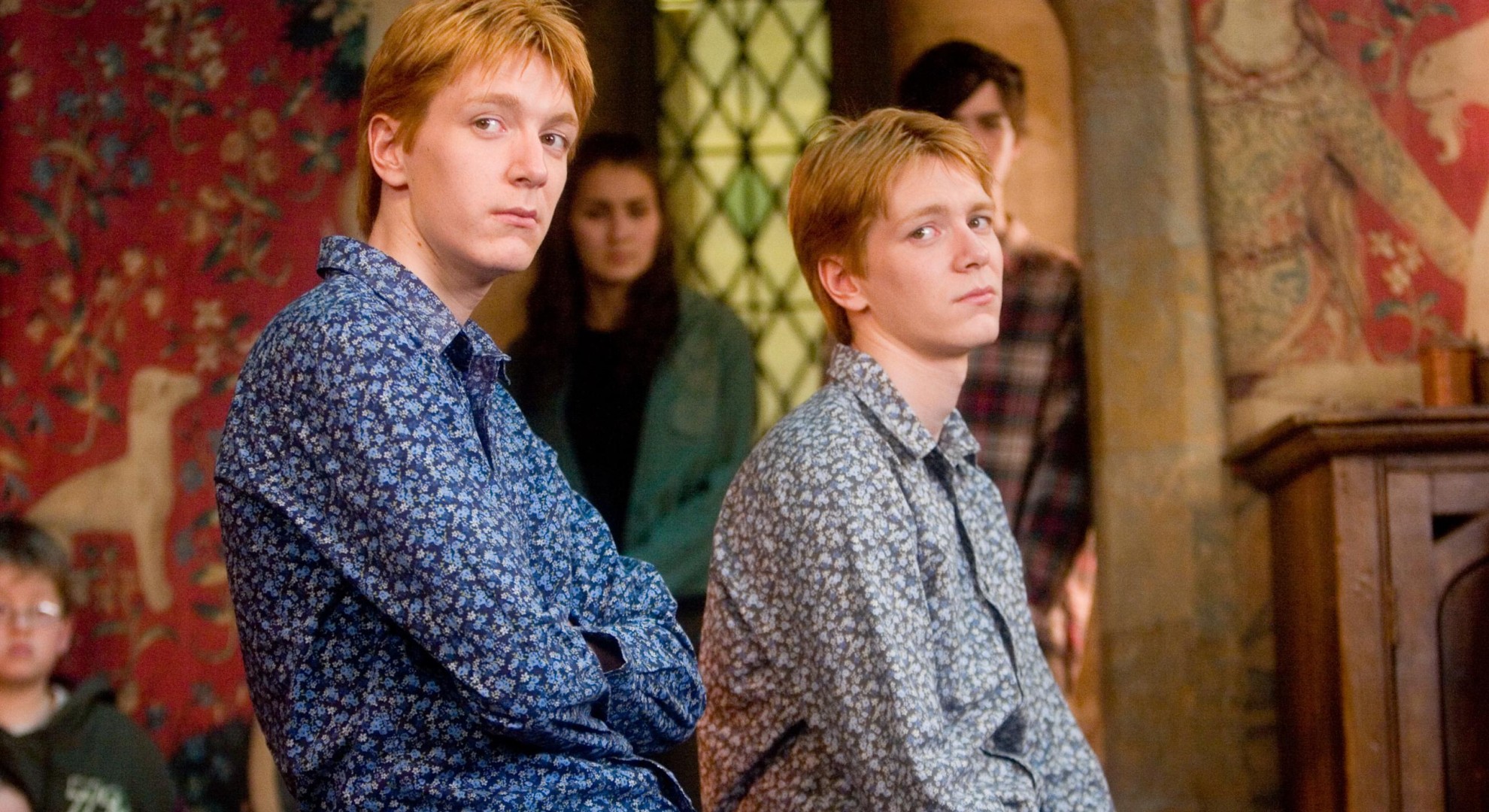
Adapting the longest book into one of the shortest films required aggressive compression, and the losses are deeply felt. Key emotional moments, such as Harry’s visit to St. Mungo’s Hospital, where he learns the truth about Neville Longbottom’s parents, are removed entirely. The film also simplifies the prophecy, failing to clearly communicate that Neville could just as easily have been the subject of it. This omission weakens both Neville’s character arc and the thematic weight of destiny versus choice, which is central to the novel.
6. Harry Potter and the Deathly Hallows Part 2 (2011)
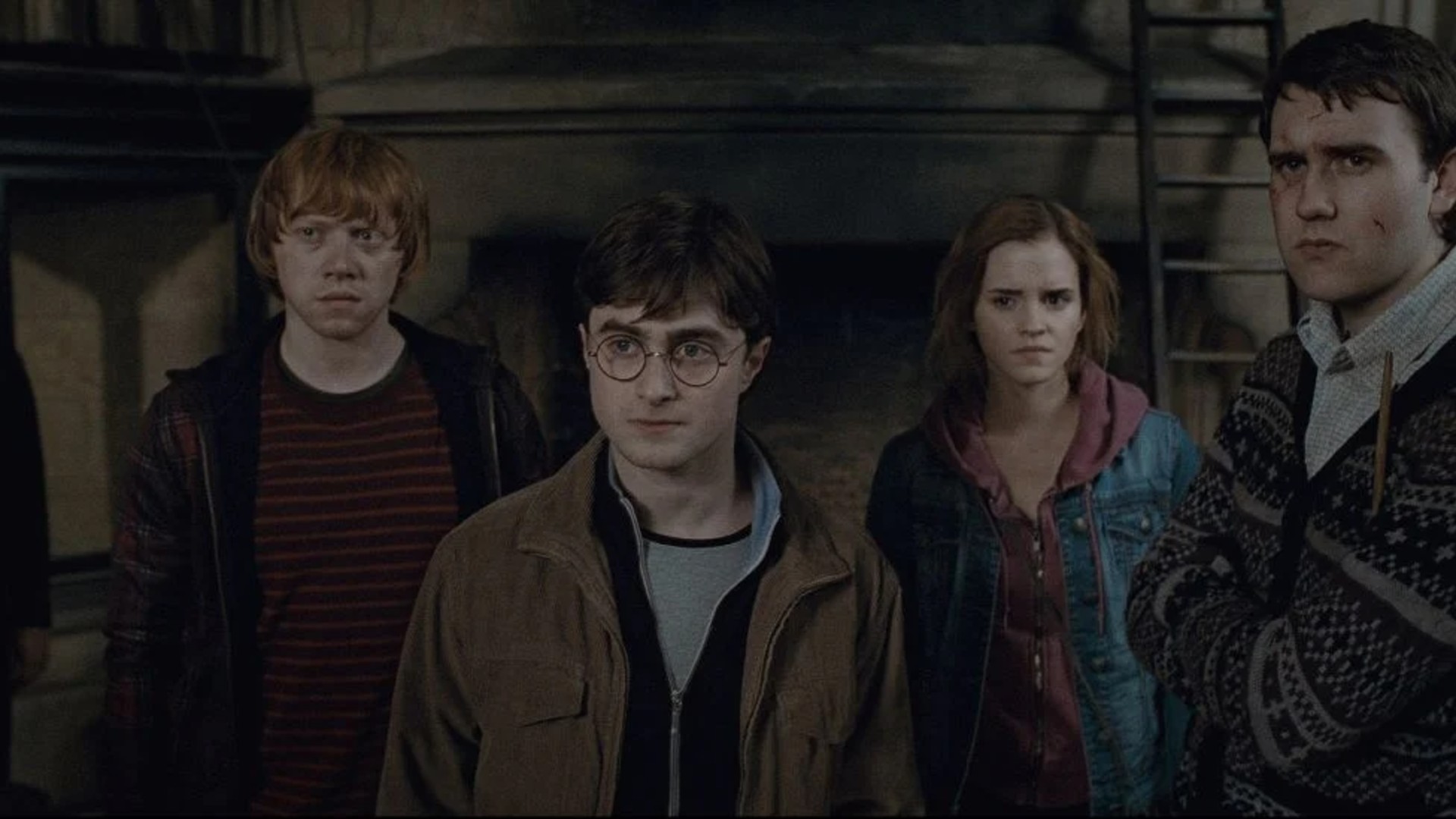
The final installment prioritizes visual spectacle over thematic resolution. While the expanded Battle of Hogwarts is impressive, several narrative choices undermine the book’s intent. Voldemort’s death is the most notable example. In the novel, he dies as an ordinary man, reinforcing the idea that his fear of death ultimately made him mortal. The film instead depicts him disintegrating into ash, turning a symbolic moment into a purely visual one. The adaptation also glosses over crucial nuance regarding Dumbledore’s past and his relationship with Grindelwald, softening the moral complexity present in the book.
5. Harry Potter and the Goblet of Fire (2005)
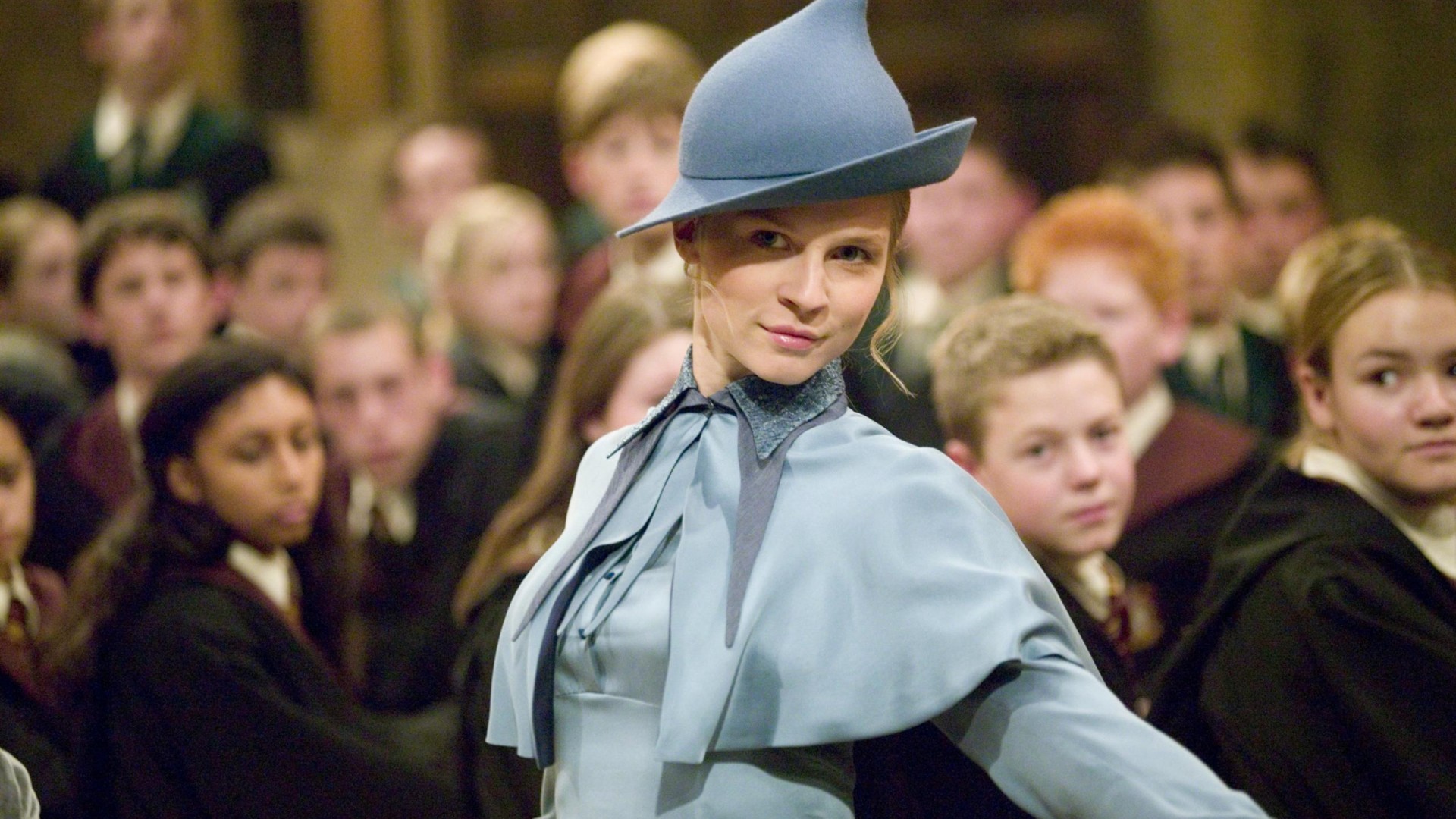
This film struggles with both pacing and character integrity. Several important subplots are removed, including Hermione’s campaign for house-elf rights and the detailed backstory of Barty Crouch Jr. In the novel, Crouch Jr.’s identity is a carefully constructed mystery that unfolds gradually. The film reveals him almost immediately, eliminating suspense and weakening the final revelation. Dumbledore’s altered characterization, particularly his unusually aggressive demeanor, further distances the adaptation from its source.
4. Harry Potter and the Deathly Hallows Part 1 (2010)
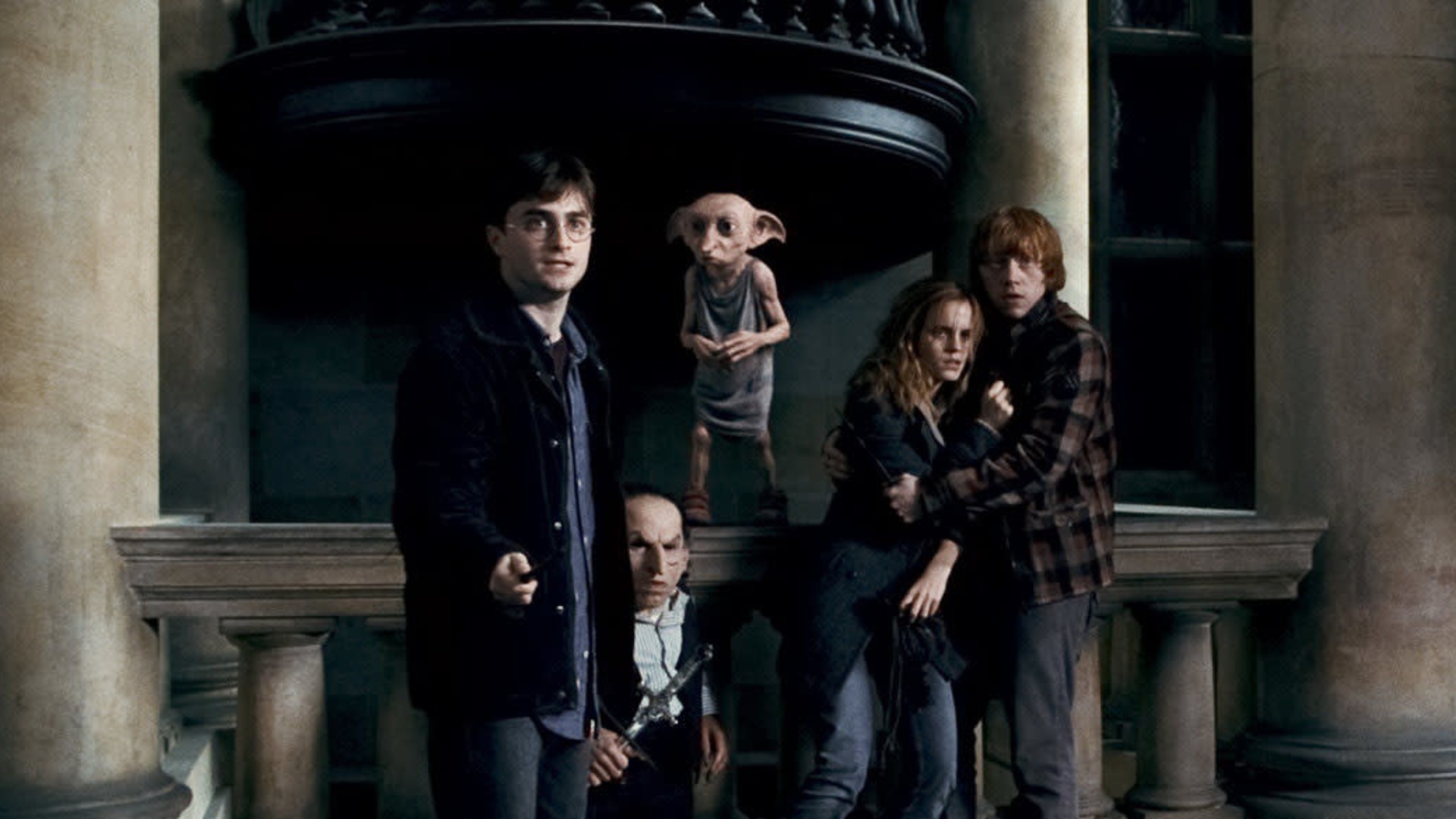
Thanks to the two-part structure, this film remains largely faithful to the novel’s events, yet it still avoids one of the book’s most important thematic threads: the complicated history of Albus Dumbledore. The novel’s exploration of Dumbledore’s youthful ambitions and moral failures reframes Harry’s understanding of his mentor and deepens the theme of forgiveness. By minimizing this material, the film preserves plot accuracy while sacrificing emotional and philosophical depth.
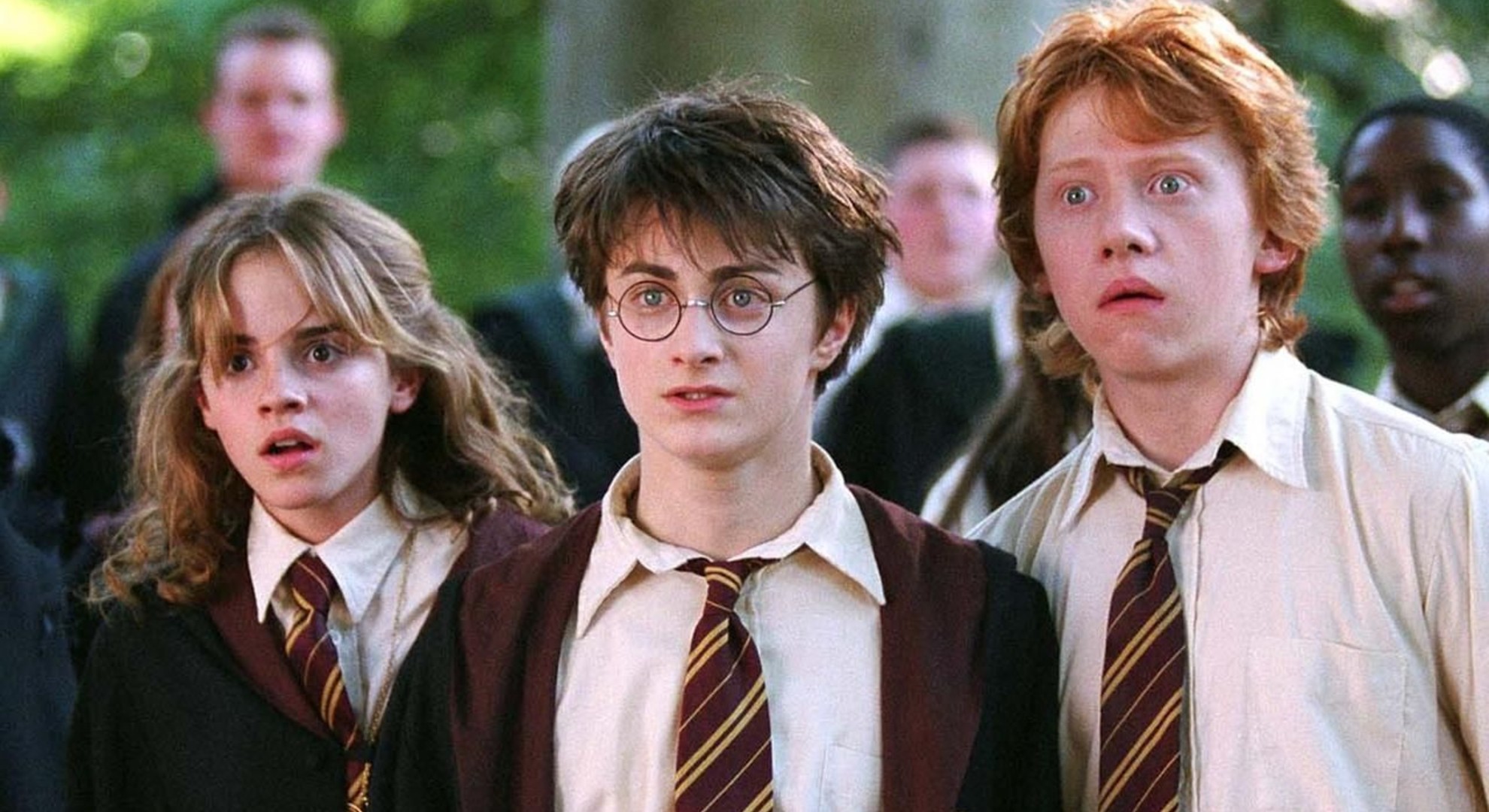
3. Harry Potter and the Prisoner of Azkaban (2004)
Often praised for its visual style and mature tone, this adaptation nonetheless omits essential backstory. The film never fully explains who the Marauders were or that Harry’s father, Sirius Black, Remus Lupin, and Peter Pettigrew created the Marauder’s Map and became Animagi. Without this context, the emotional significance of Harry’s connection to Sirius and Lupin is diminished, leaving film-only viewers without a clear understanding of why these relationships matter so deeply.
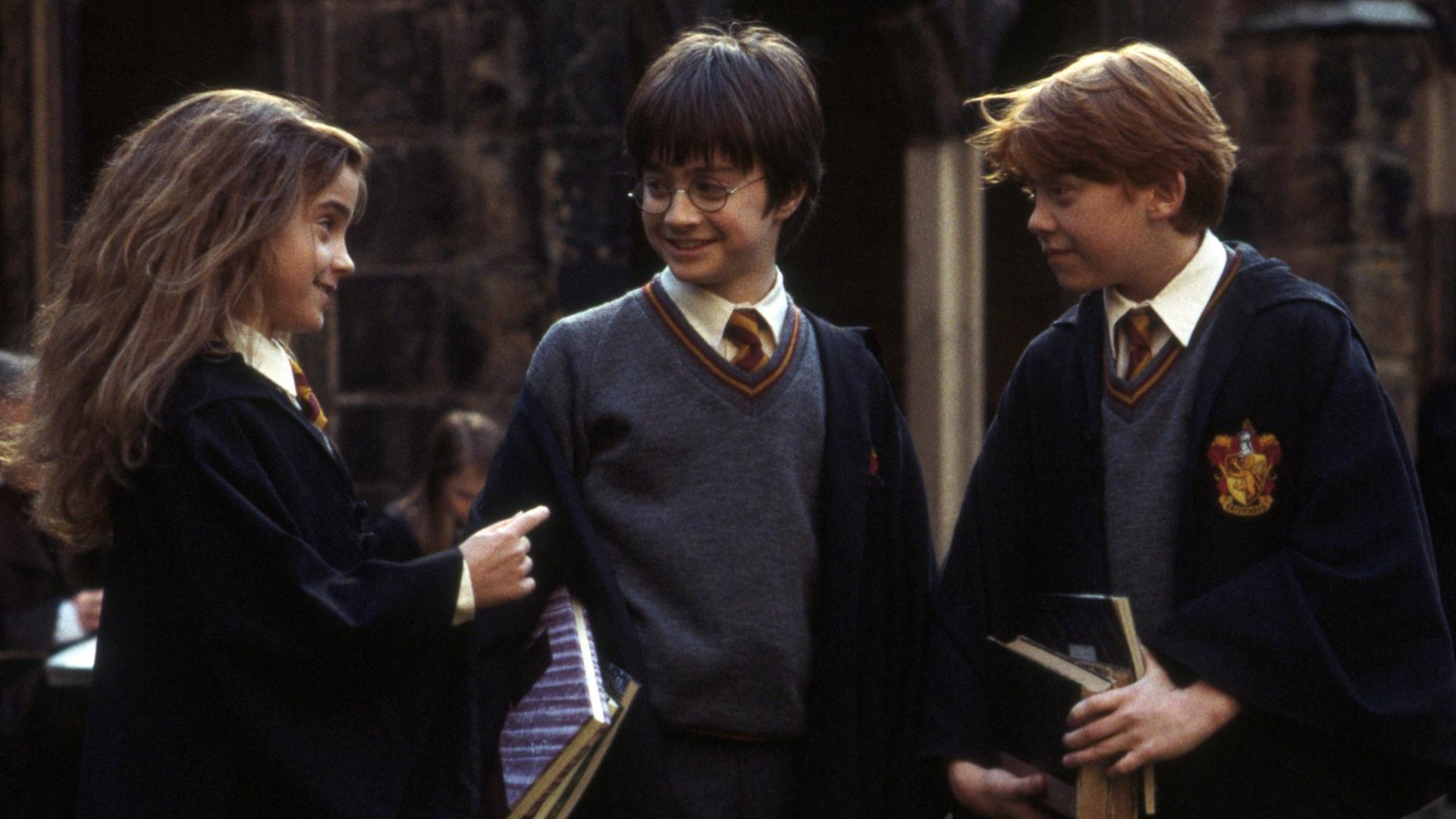
2. Harry Potter and the Philosopher’s Stone (2001)
This debut film is remarkably faithful and successfully captures the spirit of the book, but one notable omission slightly alters the story’s balance. The removal of Snape’s Potion Riddle eliminates a moment where Hermione solves a critical challenge using logic rather than magic. In the book, this reinforces her intellectual strengths and gives her an equal role in the climax. Its absence subtly shifts the dynamic of the trio during the final act.
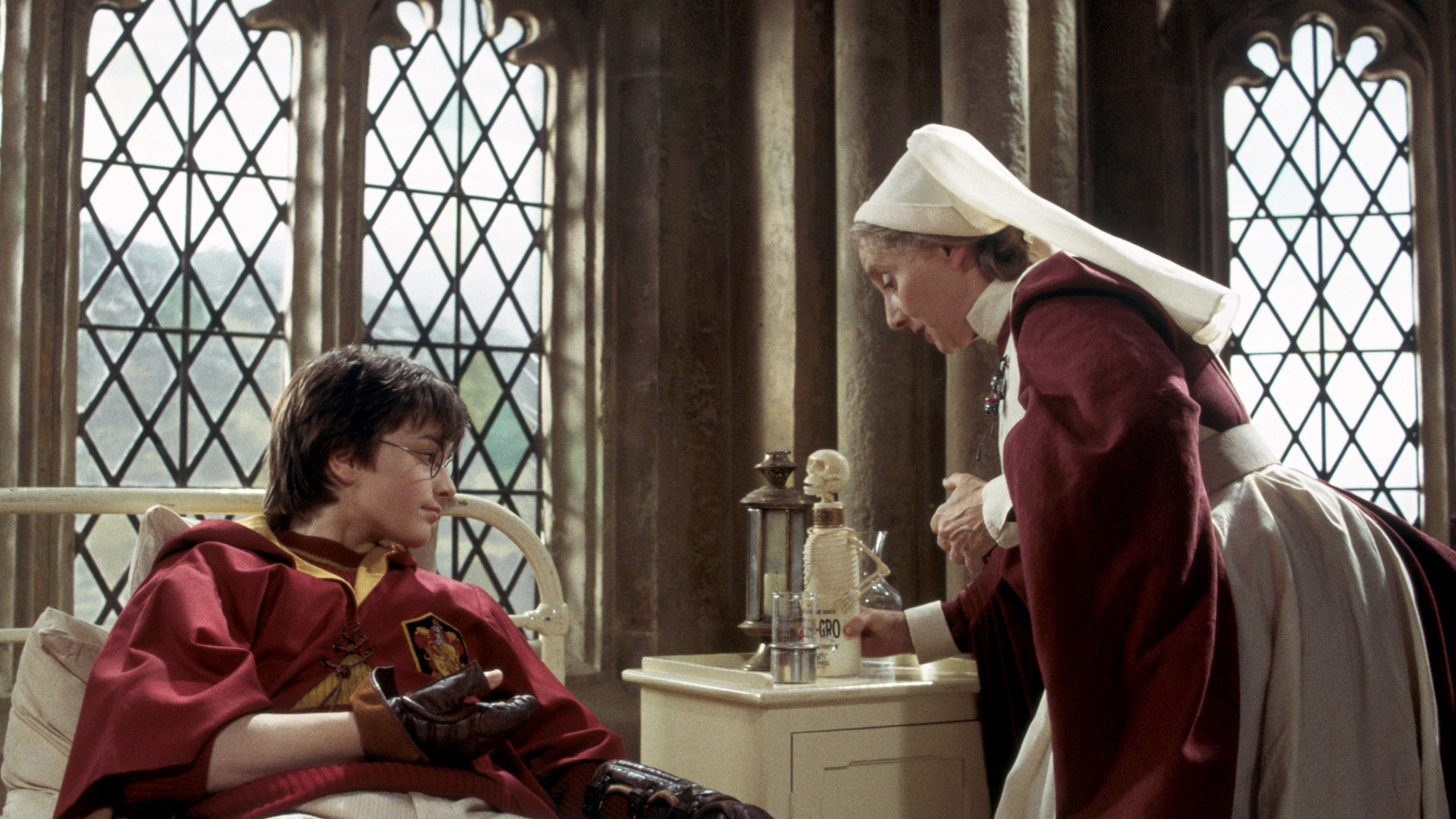
1. Harry Potter and the Chamber of Secrets (2002)
This film stands as the most faithful adaptation in the entire franchise. The relatively short length of the book combined with the film’s extended runtime allowed nearly every major event and character moment to be included. From Gilderoy Lockhart’s exaggerated incompetence to the darker atmosphere of the Chamber itself, the movie preserves the tone, structure, and detail of the novel with exceptional care. It remains the closest translation of Rowling’s prose to the screen and sets a standard the later films rarely matched.