10 worst Oscar wins of 21st century
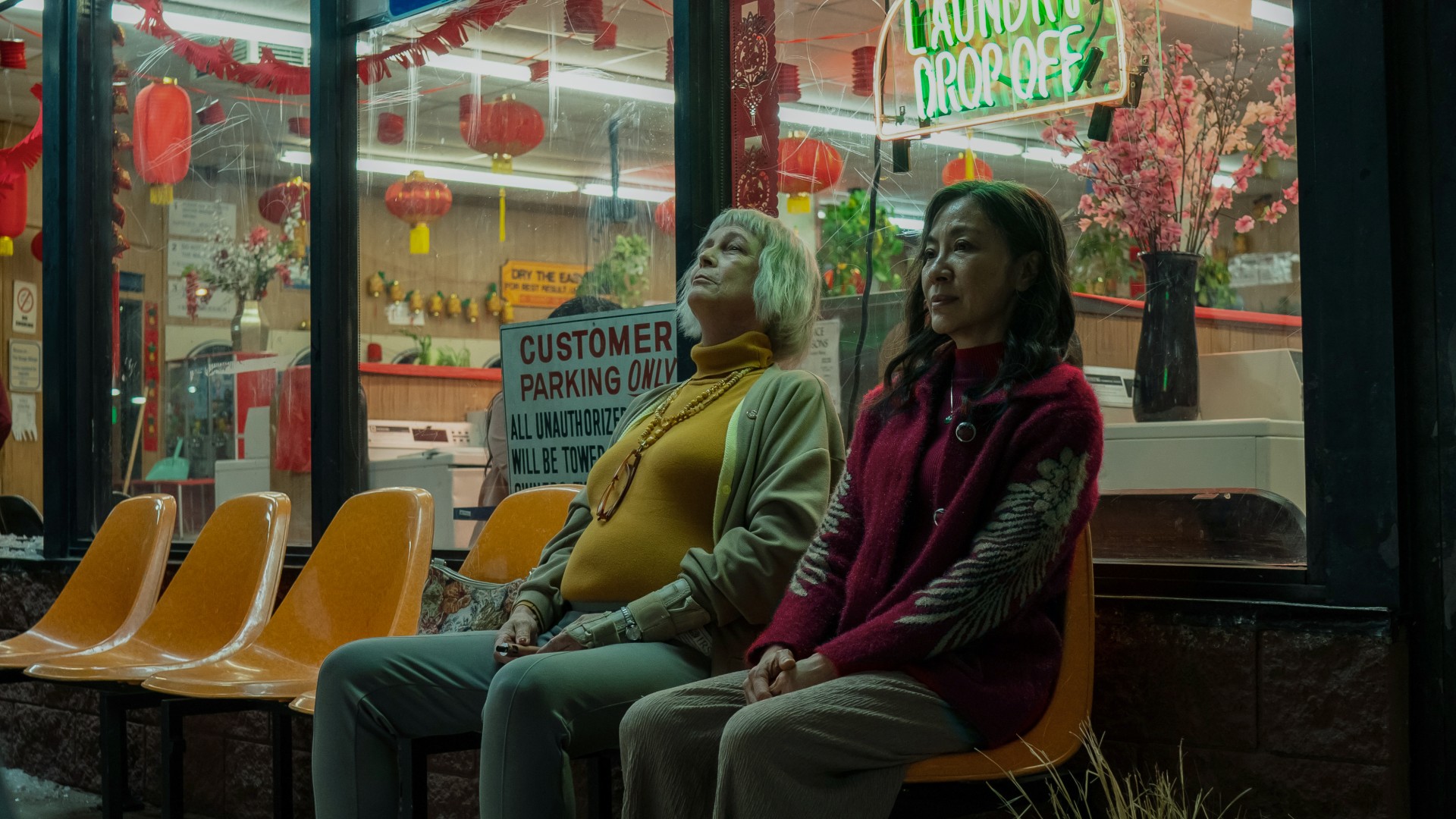
10. Everything Everywhere All At Once (2022) — Best Supporting Actress (Jamie Lee Curtis)
Jamie Lee Curtis’s win occurred during a dominant awards sweep for the film, but it quickly became the most debated of its seven Oscars. While Curtis was memorable as the abrasive IRS auditor Deirdre, her role was primarily comedic and limited in emotional range. Many critics felt the award functioned more as recognition of her four-decade career than of this specific performance, especially when compared to Stephanie Hsu’s demanding dual role as Joy and Jobu Tupaki, which required extreme emotional, physical, and tonal versatility. The controversy deepened when measured against other nominees like Kerry Condon, whose restrained and layered performance was widely regarded as more traditionally “Oscar-worthy.”
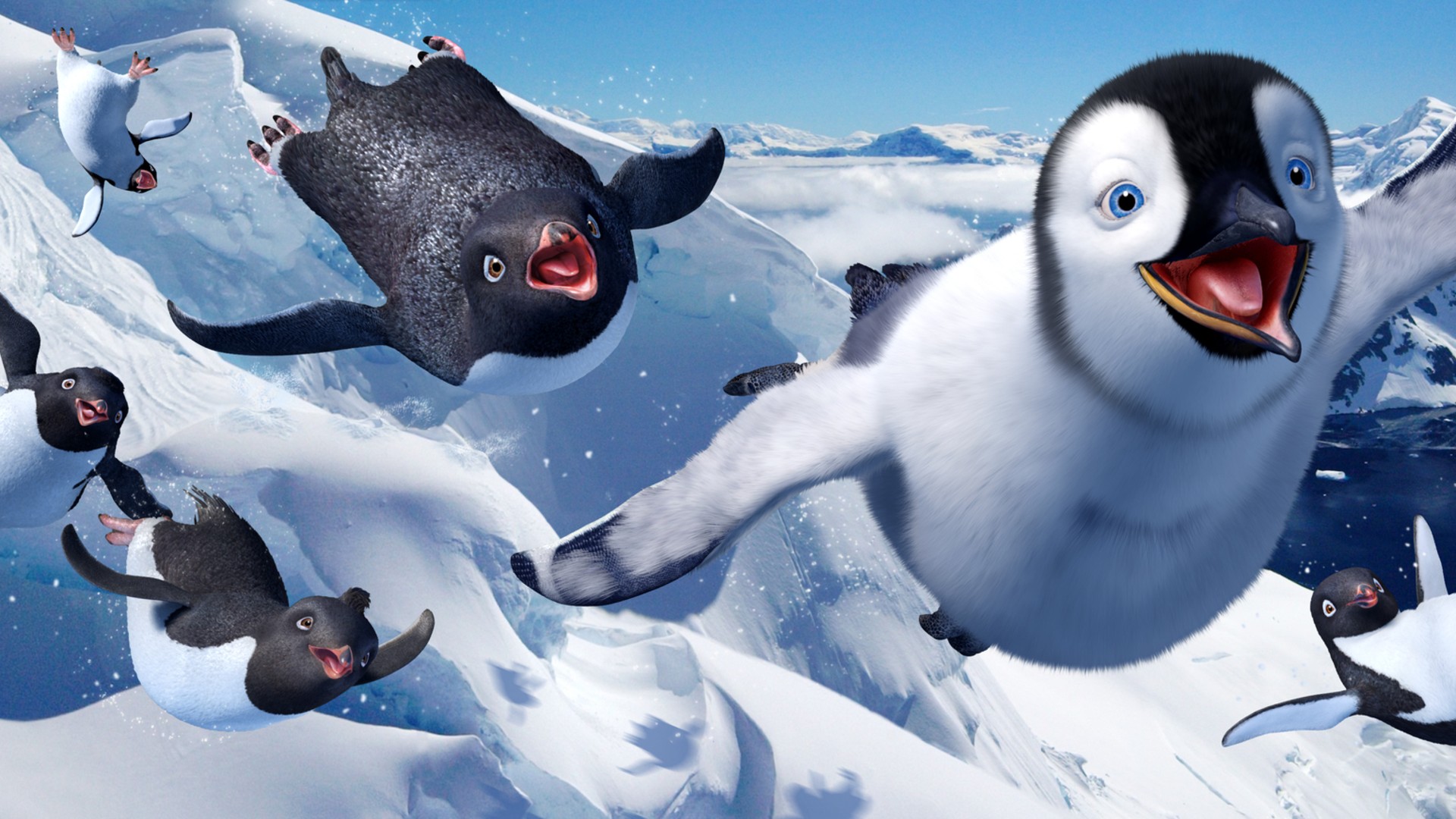
9. Happy Feet (2006) — Best Animated Feature
Released during a transitional period for animation, Happy Feet stood apart by relying heavily on motion-capture technology rather than the stylized CGI favored by competitors like Cars or Monster House. Directed by George Miller, the film also divided audiences with its sharp tonal shifts. What begins as a colorful jukebox musical aimed at children gradually transforms into a bleak environmental allegory involving captivity, overfishing, and human exploitation. The sudden introduction of hyper-realistic humans clashed visually and emotionally with the cartoonish penguin designs, creating an uncanny effect that many critics felt undermined narrative cohesion and made its Oscar win contentious compared to more tonally consistent contenders.
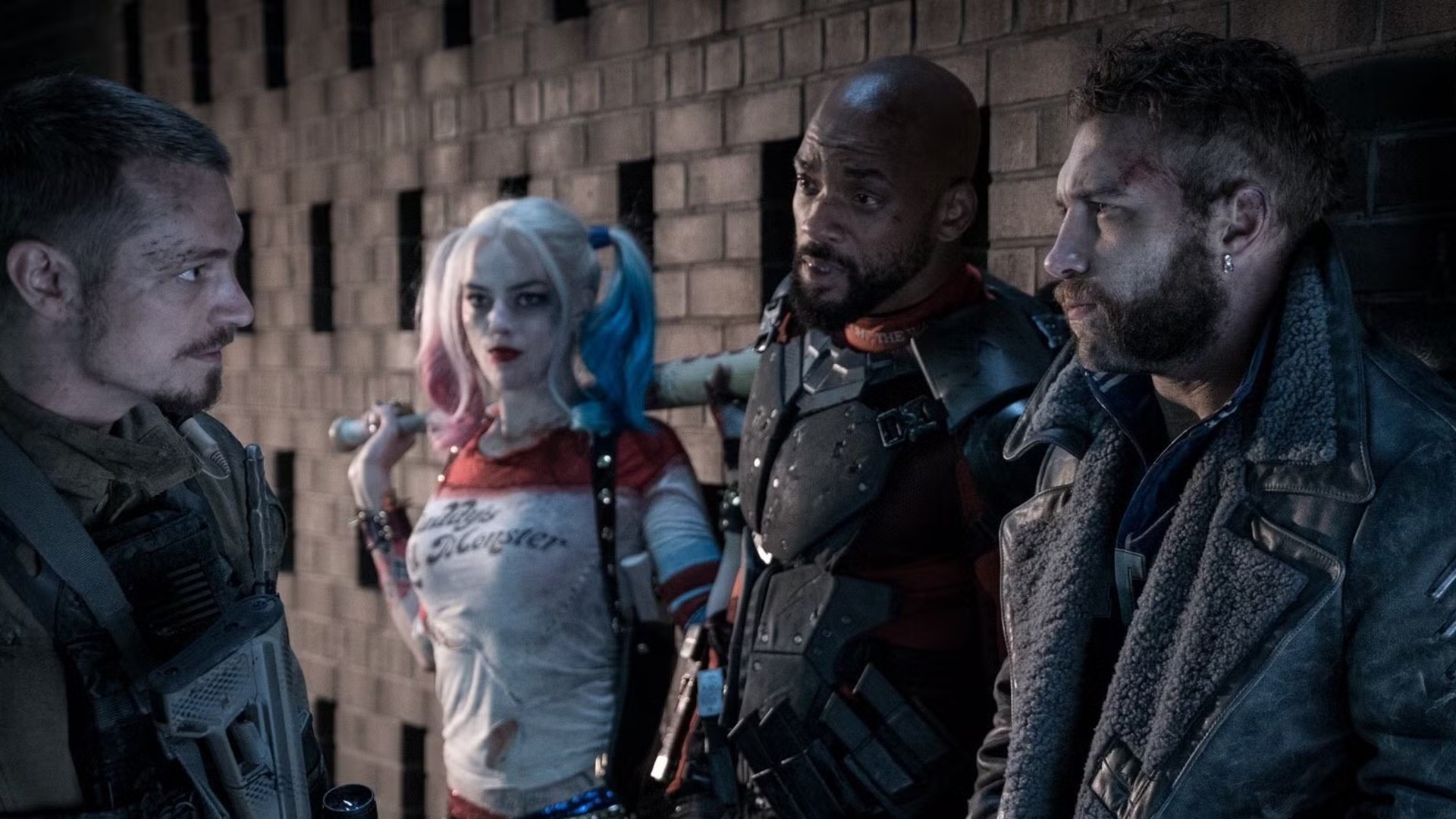
8. Suicide Squad (2016) — Best Makeup and Hairstyling
Despite being widely criticized for its narrative and editing, Suicide Squad’s Oscar win was rooted in genuine technical achievement. Adewale Akinnuoye-Agbaje’s Killer Croc was realized almost entirely through heavy practical prosthetics, allowing for expressive performance without reliance on CGI. Harley Quinn’s makeup design became a defining cultural image of the decade, dominating cosplay, marketing, and popular aesthetics. Jay Hernandez’s El Diablo required hours of hand-painted tattoos maintained consistently through demanding action sequences. The award recognized craftsmanship rather than overall film quality, a distinction often overlooked in popular discourse.
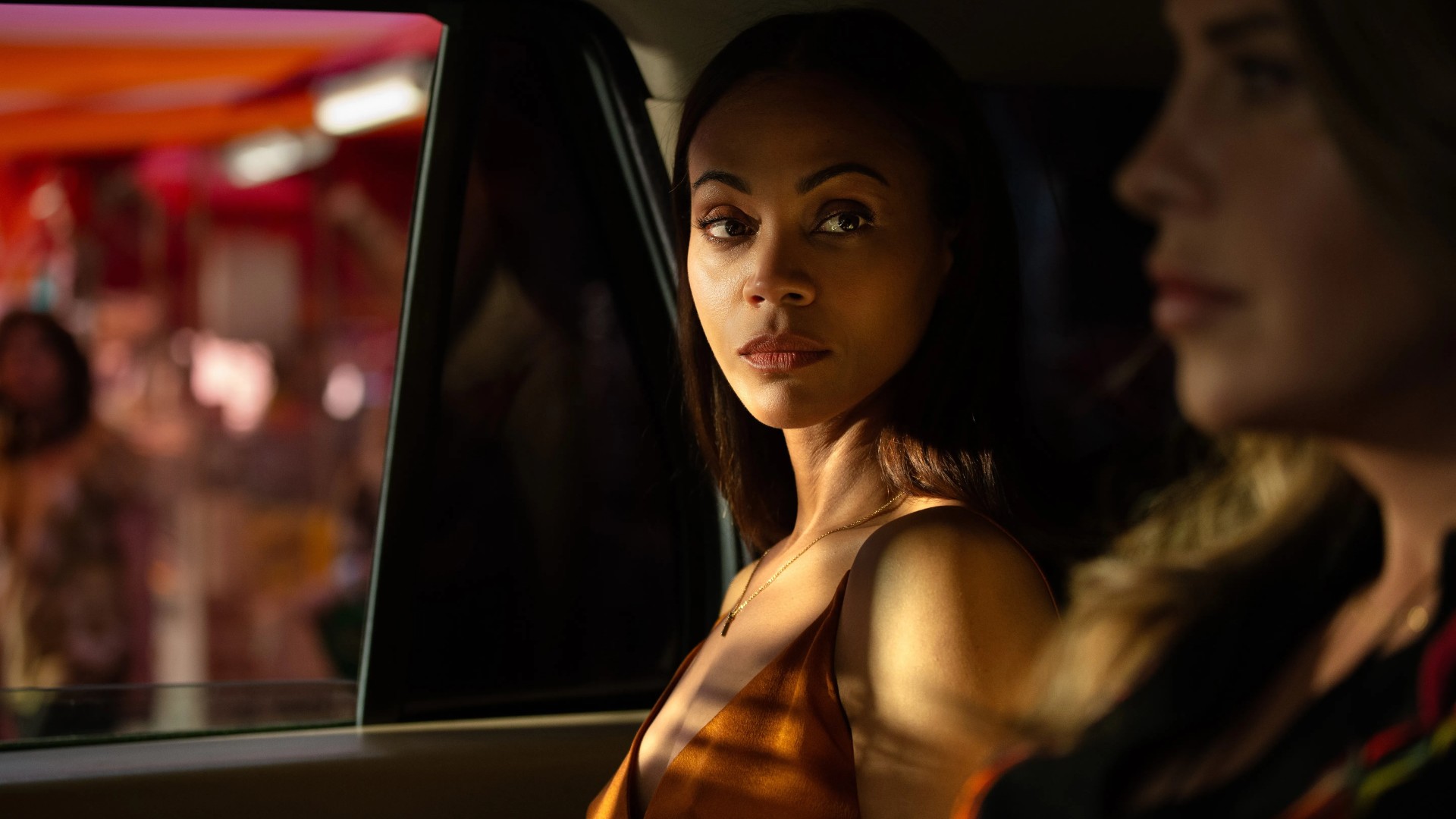
7. Emilia Pérez (2024) — Best Supporting Actress / Best Original Song (Zoe Saldaña)
Zoe Saldaña’s victory at the 97th Academy Awards drew scrutiny less for her performance than for how it was categorized. Despite being submitted as a supporting role, Saldaña dominates the film in screen time, narrative momentum, and character agency, effectively functioning as the story’s lead. This strategic placement avoided direct competition with co-star Karla Sofía Gascón in the Lead Actress category, fueling accusations of category manipulation. The debate was further amplified by the film’s mixed reception overall, as Emilia Pérez remains one of the lowest-rated Best Picture nominees of the decade on platforms like Letterboxd, leading many to view its awards success as campaign-driven rather than reflective of broad critical enthusiasm.
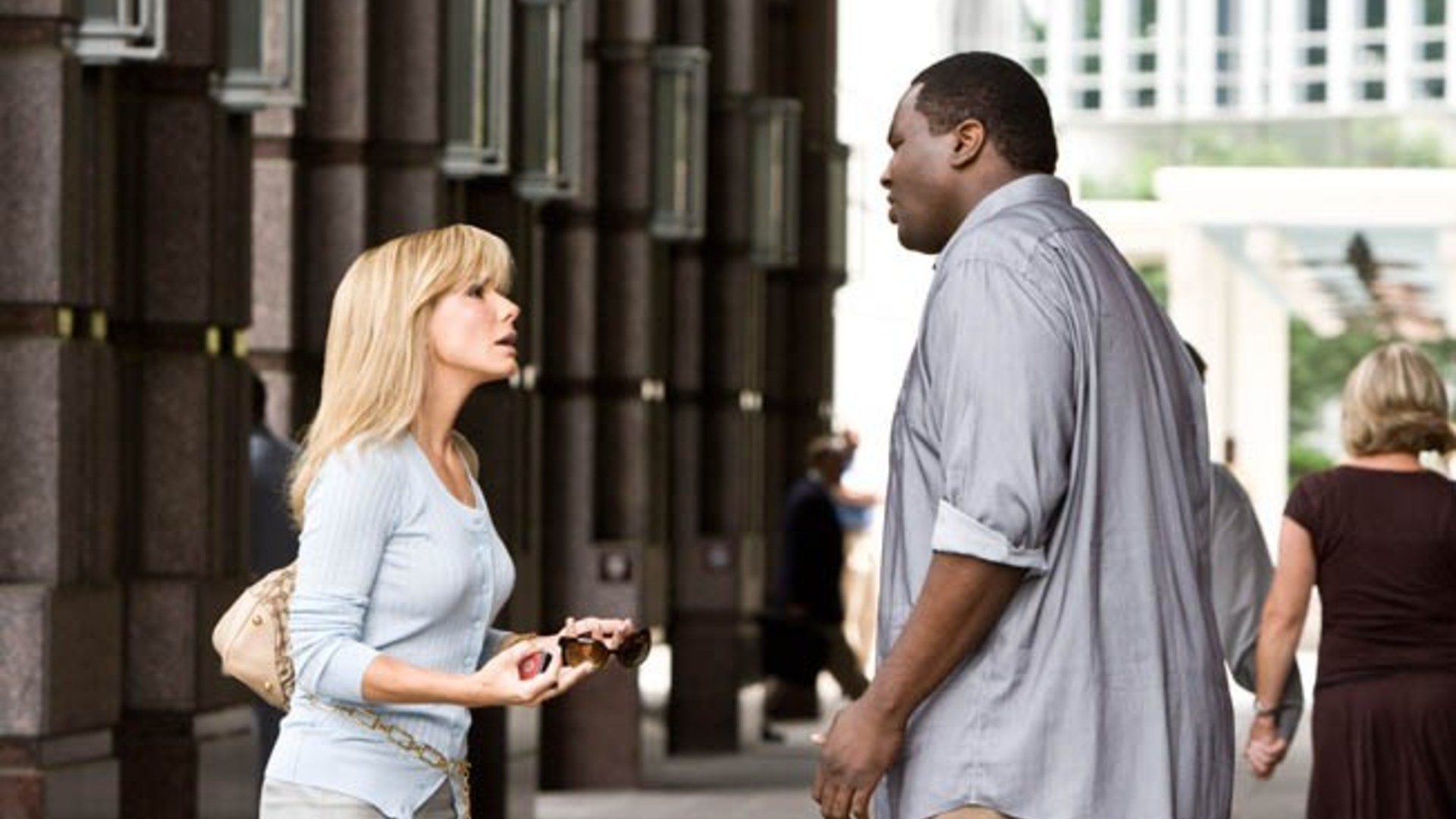
6. The Blind Side (2009) — Best Leading Actress (Sandra Bullock)
Sandra Bullock’s Oscar-winning performance has undergone one of the most dramatic reassessments in Academy history. Initially praised as an inspirational portrayal, the film’s foundation was shaken in 2023 when Michael Oher alleged he was never formally adopted by the Tuohy family and that they profited from his story through a conservatorship. These revelations reframed the film’s narrative and cast Bullock’s performance in a more troubling light. Even at the time of release, critics argued her portrayal leaned heavily on a familiar “tough but benevolent savior” archetype, edging out more complex performances from Gabourey Sidibe in Precious and Carey Mulligan in An Education.
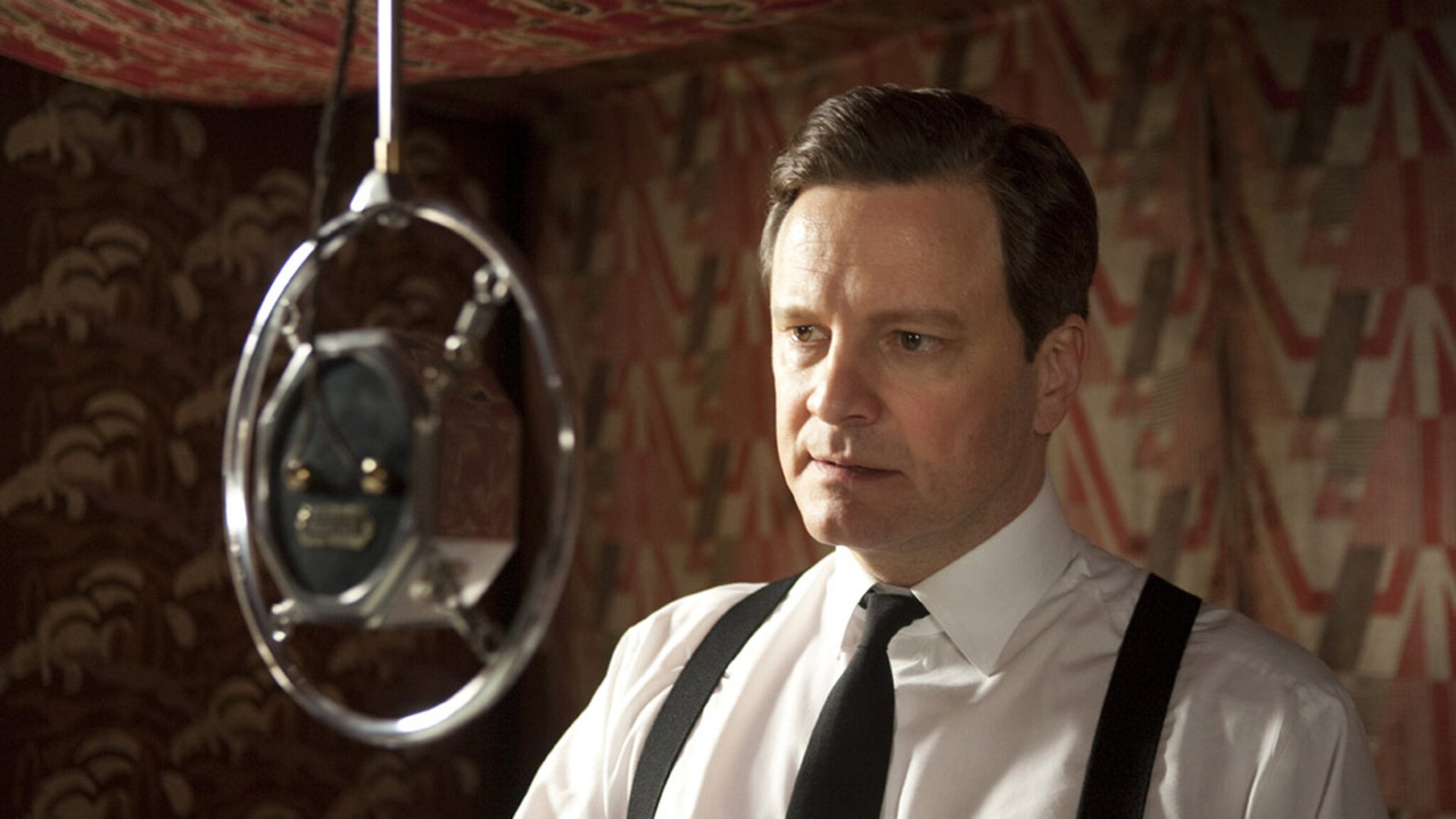
5. The King’s Speech (2010) — Best Director (Tom Hooper)
Tom Hooper’s Best Director win is frequently cited as a victory for traditional prestige drama over stylistic innovation. His direction relied on repeated wide-angle compositions and static framing that many critics found visually monotonous and emotionally distancing. The decision to award Hooper over David Fincher for The Social Network—now widely regarded as a landmark in modern cinematic storytelling—remains controversial. Hooper’s later career, particularly the critical failure of Cats (2019), has further cemented the perception that this Oscar win represented a momentary alignment of taste rather than enduring directorial distinction.
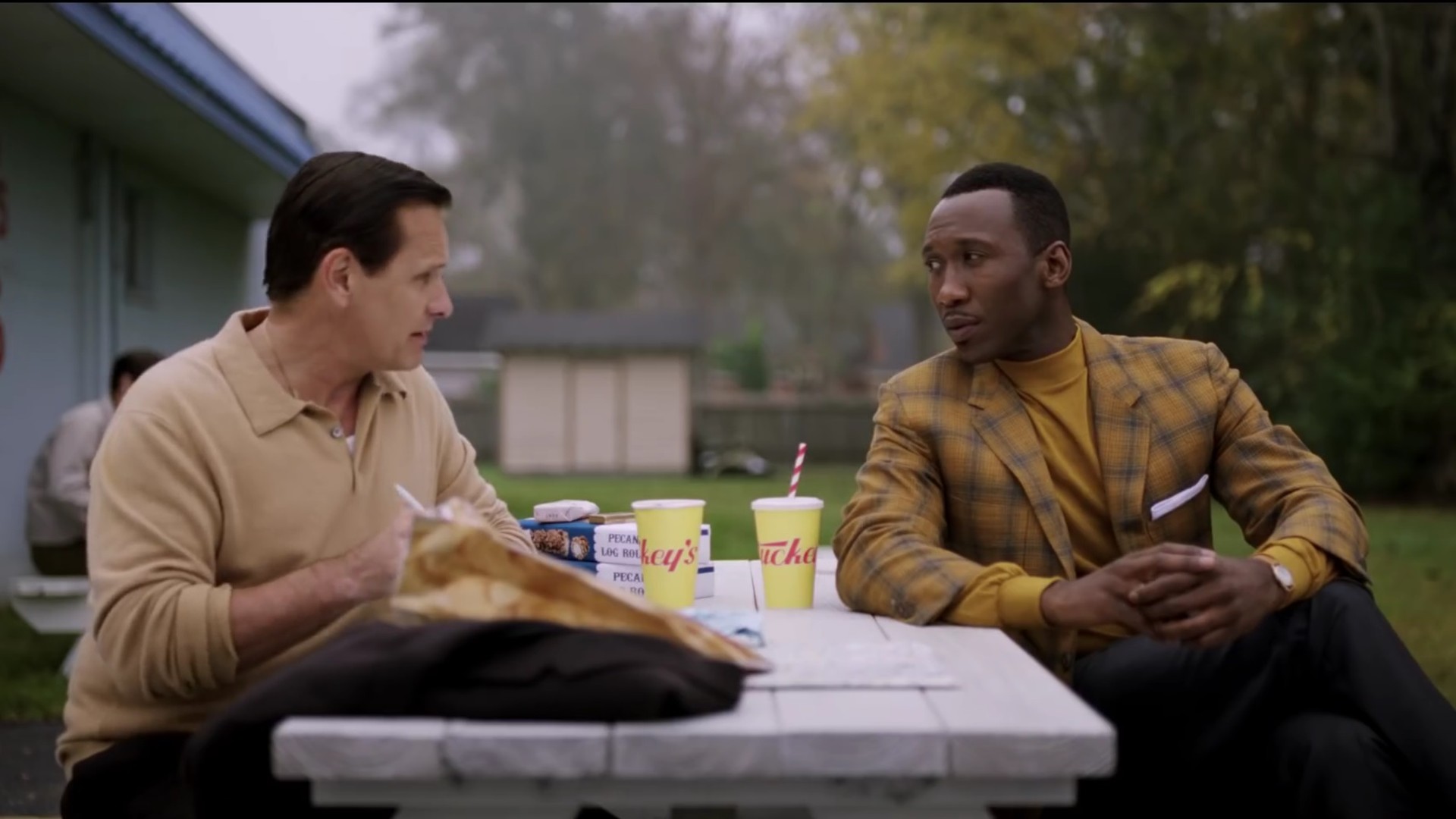
4. Green Book (2018) — Best Picture
The announcement of Green Book as Best Picture caused visible shock at the ceremony, most notably when Spike Lee reportedly attempted to leave the theater. The film was widely criticized for relying on outdated racial narratives, framing Don Shirley as a vehicle for the emotional development of his white companion rather than as a fully autonomous figure. Members of Shirley’s family publicly denounced the film, describing it as a misrepresentation of his life and values. Compared to its competitors, particularly Roma and BlacKkKlansman, the win came to symbolize the Academy’s preference for comforting, non-confrontational storytelling over more challenging or formally ambitious works.
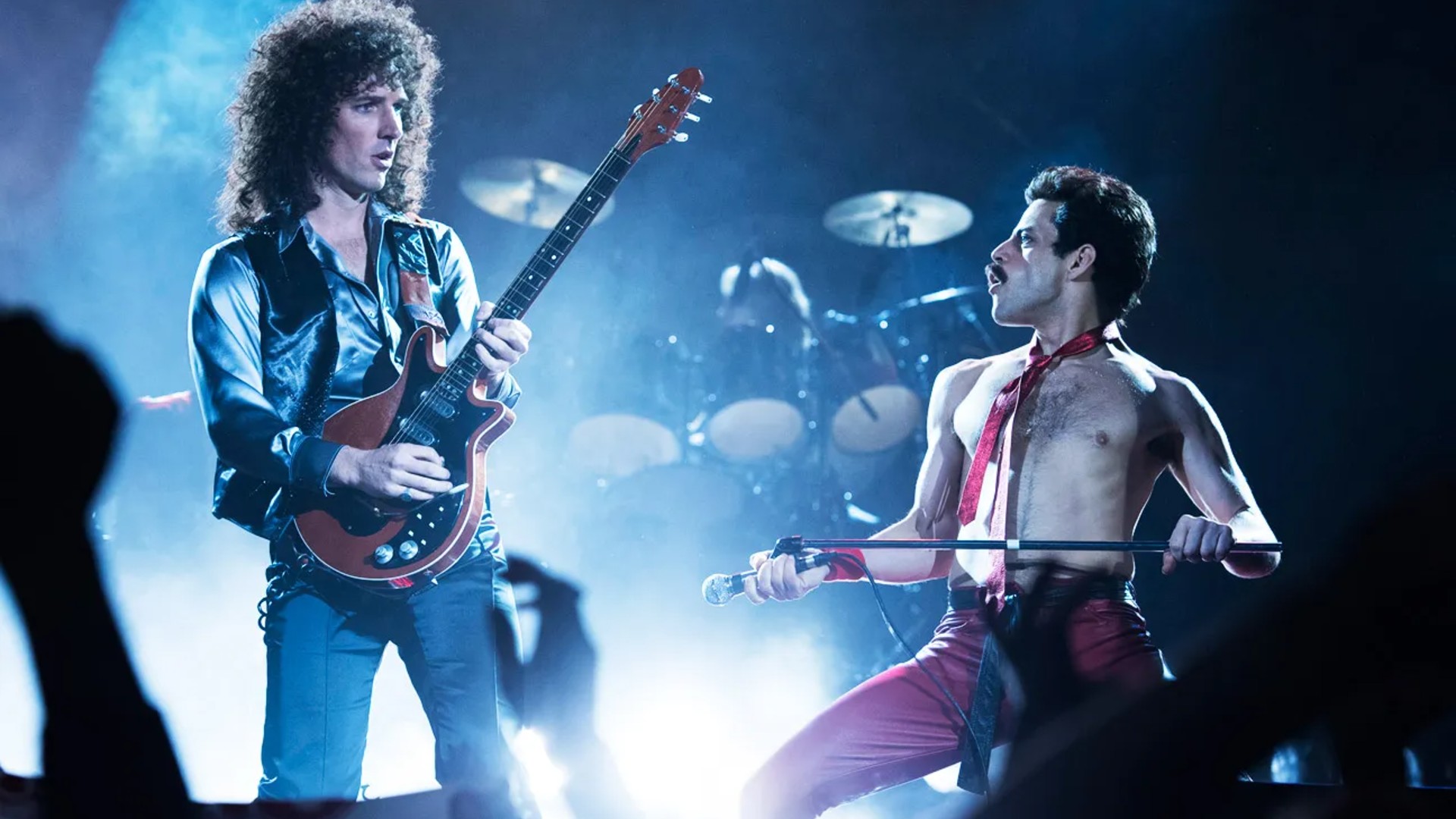
3. Bohemian Rhapsody (2018) — Best Film Editing (John Ottman)
This Oscar win has become a frequent reference point in discussions about controversial editing. One scene in particular—the band’s meeting with manager John Reid—features an unusually high number of rapid cuts that disrupt spatial continuity and audience focus. The sequence became a viral example of disorienting editing choices. Editor John Ottman later explained that the fragmented style was the result of attempting to salvage a production plagued by instability following the removal of director Bryan Singer, reinforcing the perception that the award recognized technical damage control rather than exemplary editorial craft.
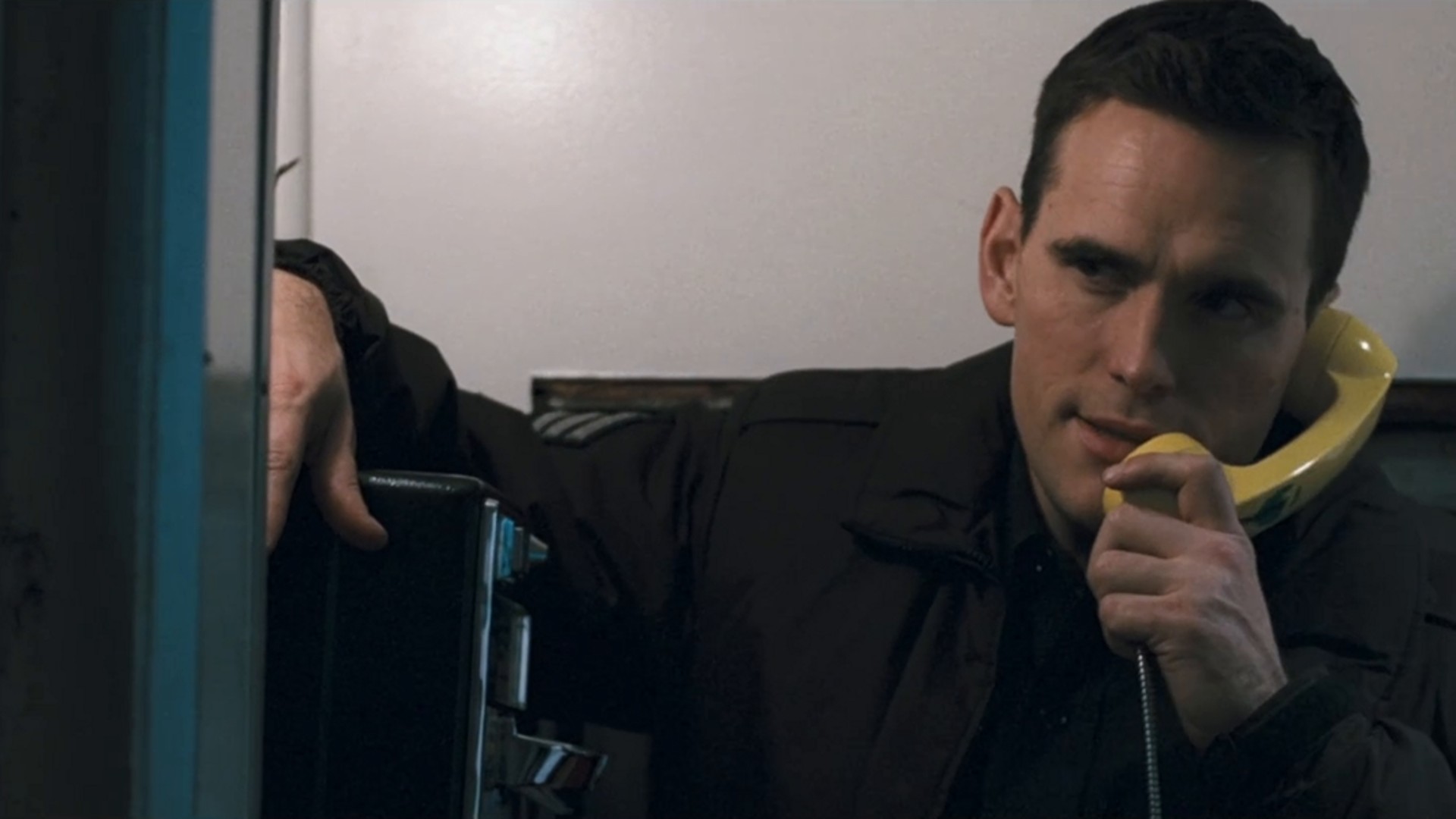
2. Crash (2005) — Best Picture
Often described as the most infamous upset in Oscar history, Crash defeated the heavily favored Brokeback Mountain, a decision that has only grown more controversial with time. Many critics believe the Academy, then older and less diverse, was uncomfortable awarding Best Picture to a same-gender love story and instead opted for a film that addressed race through overt, simplified messaging. Crash relies heavily on coincidence and blunt moral conclusions, an approach that now feels heavy-handed compared to the emotional subtlety and cultural impact of its competitors.
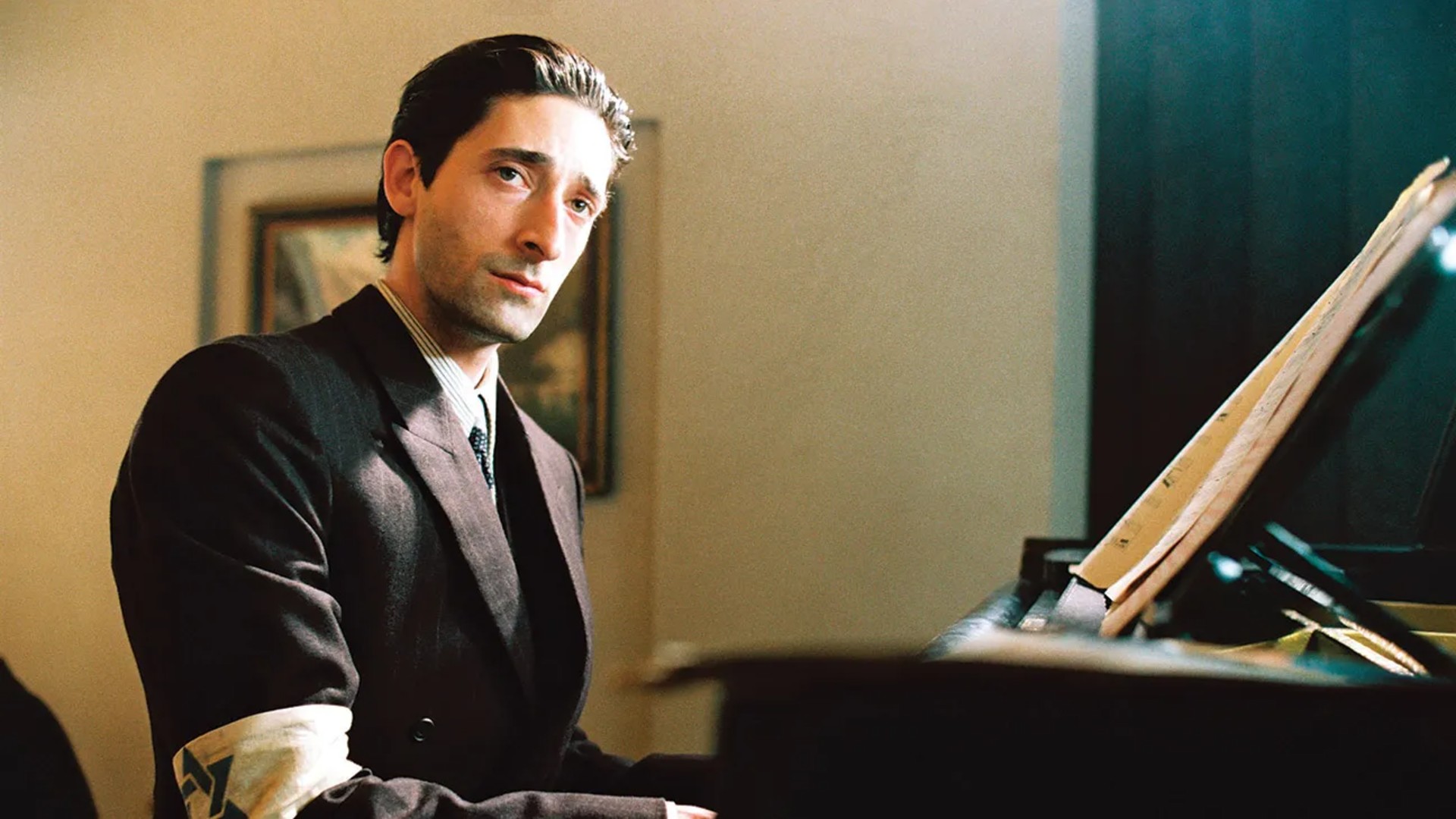
1. The Pianist (2002) — Best Director (Roman Polanski)
Roman Polanski’s win stands as one of the most ethically troubling moments in Academy history. At the time of the award, Polanski had been a fugitive from U.S. justice for over two decades following a conviction for the SA of a minor. His standing ovation during the ceremony is now viewed with deep discomfort, particularly in the post-#MeToo era. While The Pianist remains a critically respected film, the decision to honor Polanski is increasingly seen as evidence of the industry’s former willingness to separate artistic achievement from accountability, a position the Academy later reversed by expelling him in 2018.