10 Times Anime ruined the manga completely
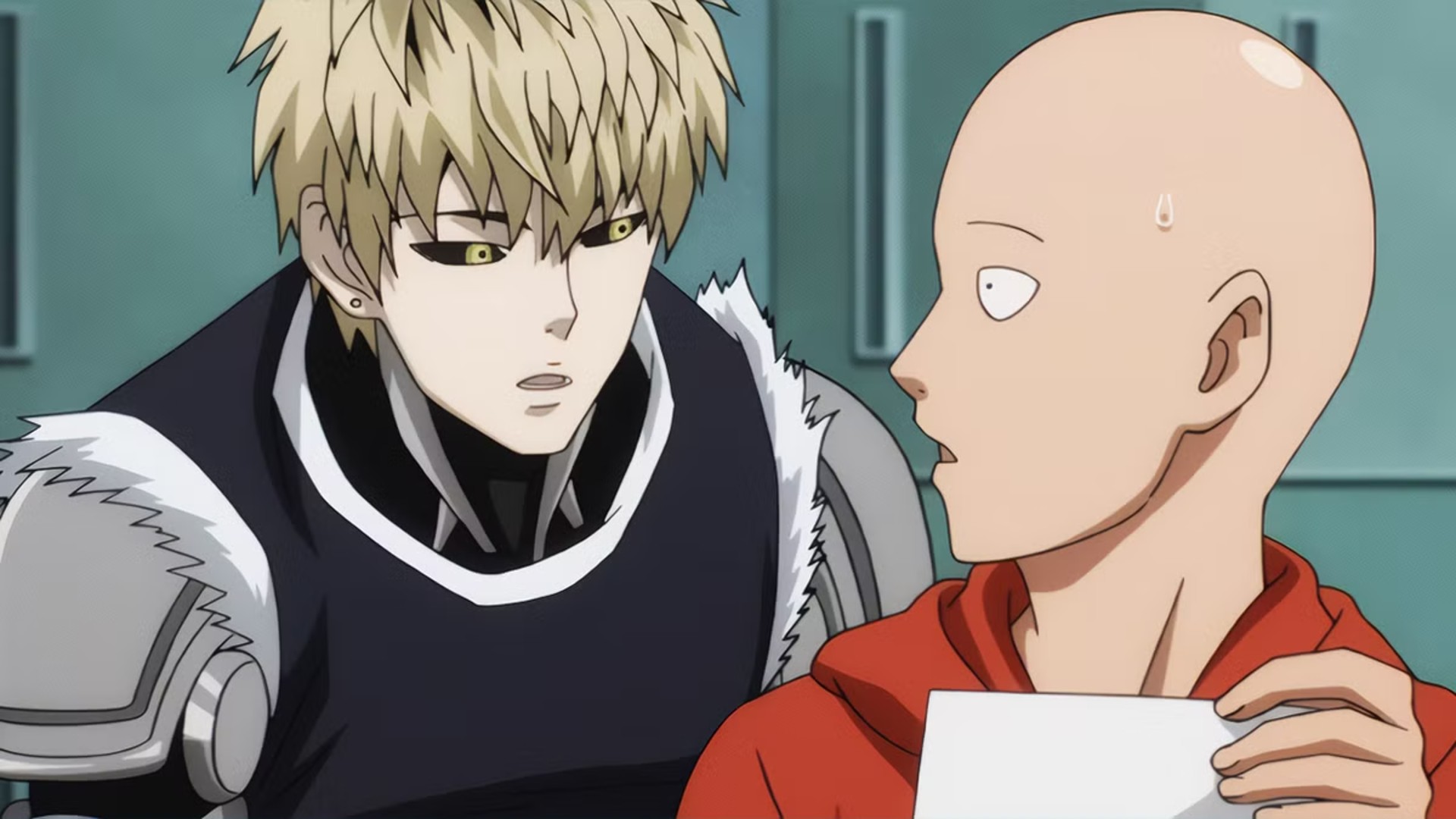
10. One Punch Man (Season 2)
Season 1, produced by Madhouse, set an impossibly high standard with fluid animation and cinematic action. When production shifted to J.C. Staff for Season 2, the contrast was immediate. Static shots, excessive motion blur, and inconsistent character designs replaced the dynamic spectacle fans had come to expect. While the narrative remained strong, the loss of visual impact significantly diminished the series’ global momentum.
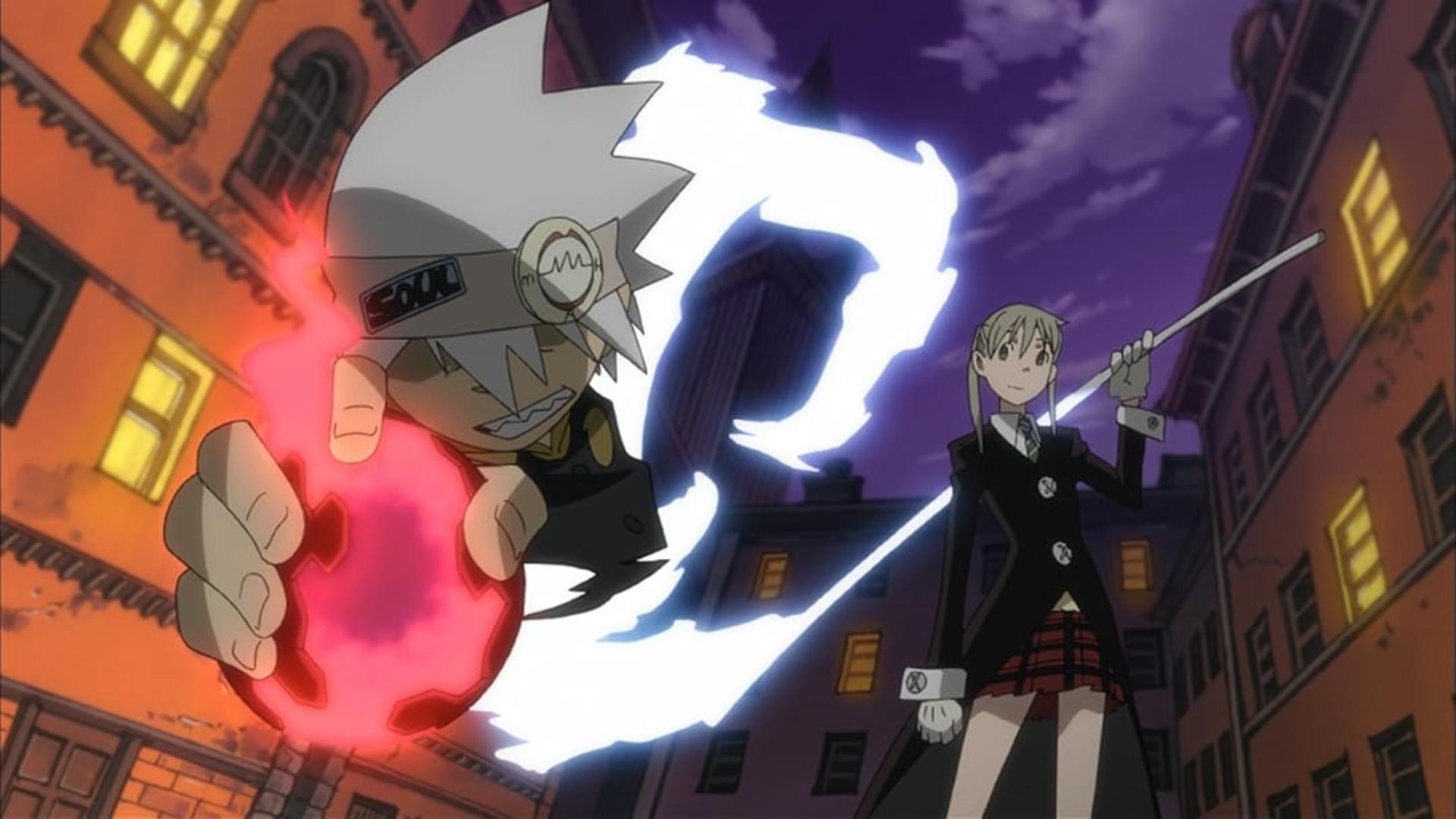
9. Soul Eater
When the anime caught up to the manga, Soul Eater chose to diverge with an original conclusion. While the manga escalated into complex psychological warfare and cosmic stakes, the anime resolved its conflict with a simplified, emotion-driven finale. The contrast made the ending feel shallow compared to the source material’s ambition, leaving many fans dissatisfied with what could have been a far stronger conclusion.
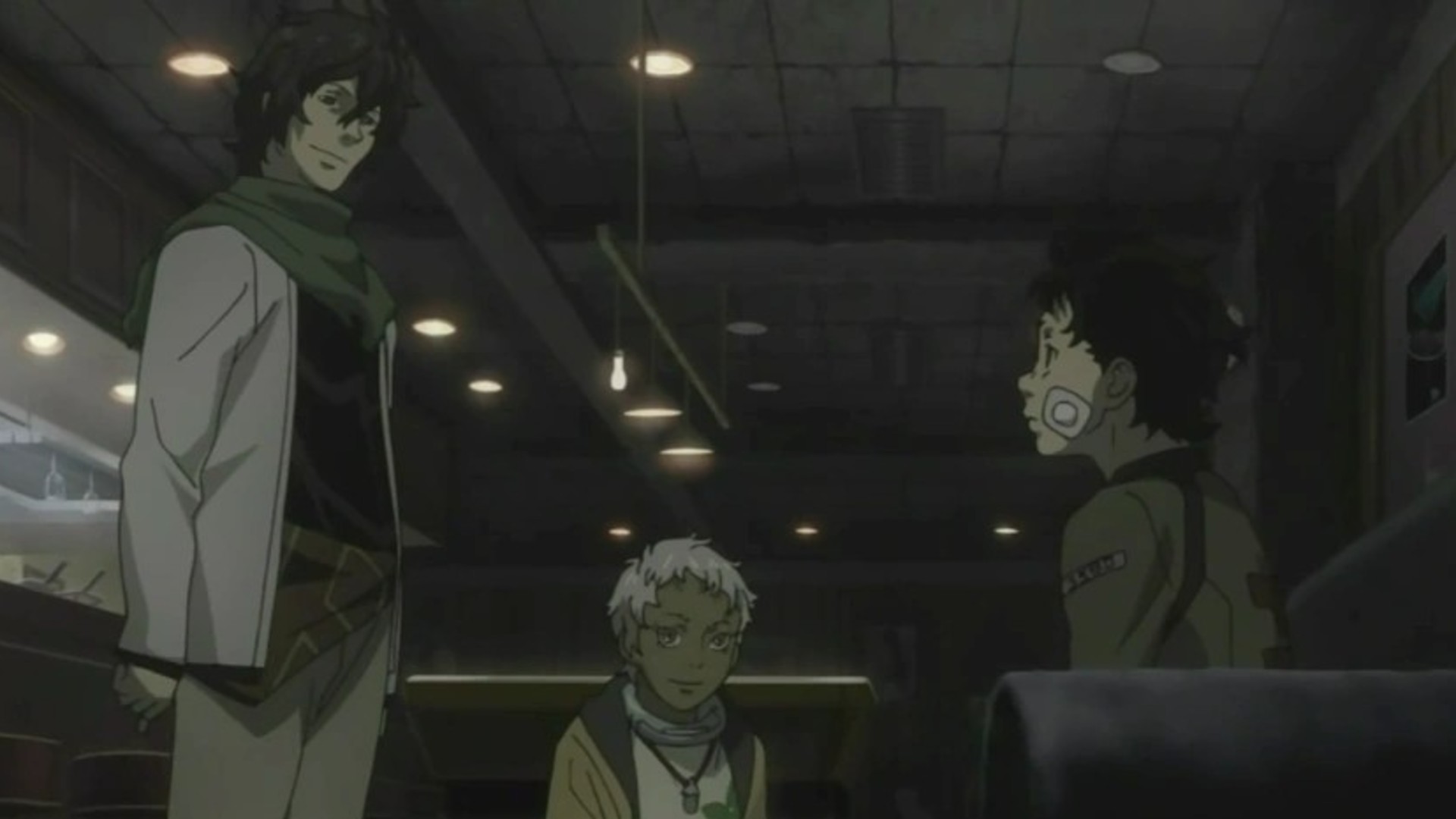
8. Deadman Wonderland
Ending abruptly after twelve episodes, Deadman Wonderland concluded just as its narrative was gaining momentum. The removal of essential characters and plot threads made any continuation nearly impossible without major retcons. Anime-only viewers were left with unresolved mysteries and no real conclusion, making the series feel more like a promotional preview than a complete story.
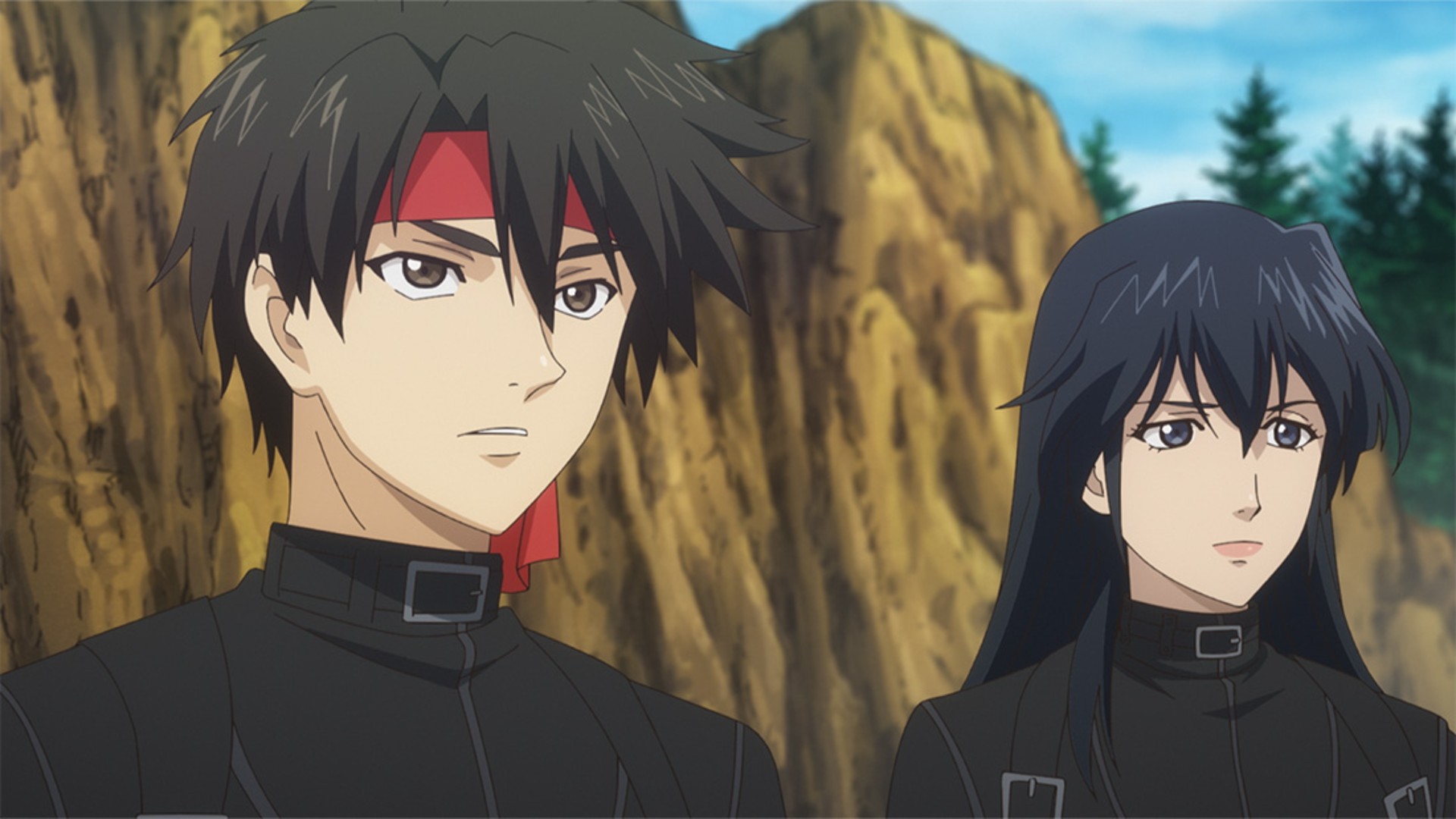
7. Sorcerous Stabber Orphen (Remake)
The original Orphen stood out for its sharp character dynamics and moody fantasy tone. The modern remake rushed through critical world-building, softened the protagonist’s abrasive personality, and replaced its distinctive soundtrack with generic scoring. Rather than revitalizing a classic, the remake diluted its identity, leaving behind a series that felt indistinguishable from countless other fantasy adaptations.
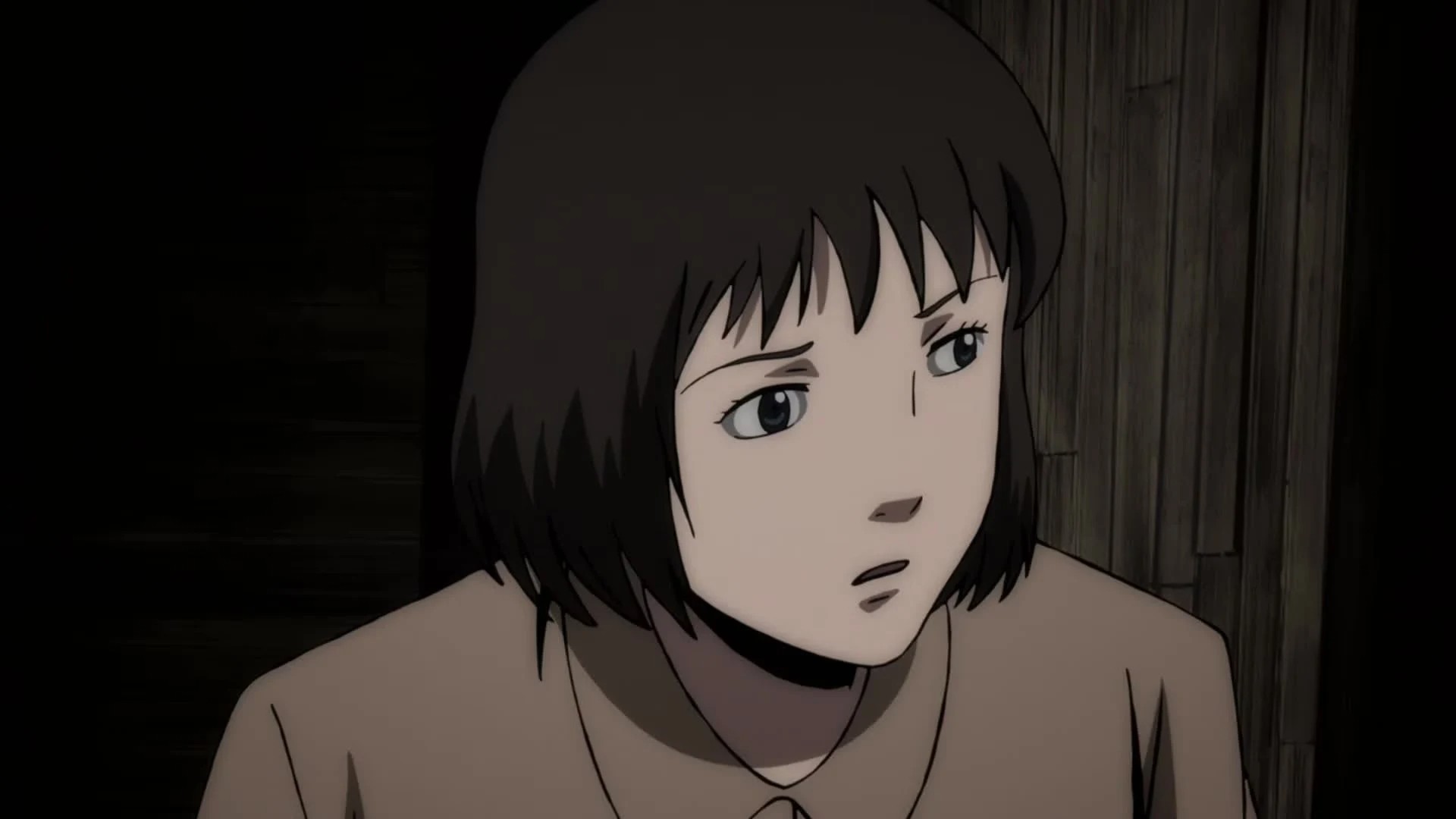
6. Junji Ito Collection
Junji Ito’s horror thrives on dense linework, oppressive silence, and perfectly timed reveals. The anime adaptation failed to translate these strengths, opting for flat lighting and simplified designs that stripped the stories of their unsettling atmosphere. Without the visual tension of Ito’s panels, the monsters felt more awkward than frightening, highlighting how inseparable his horror is from his artistic style.
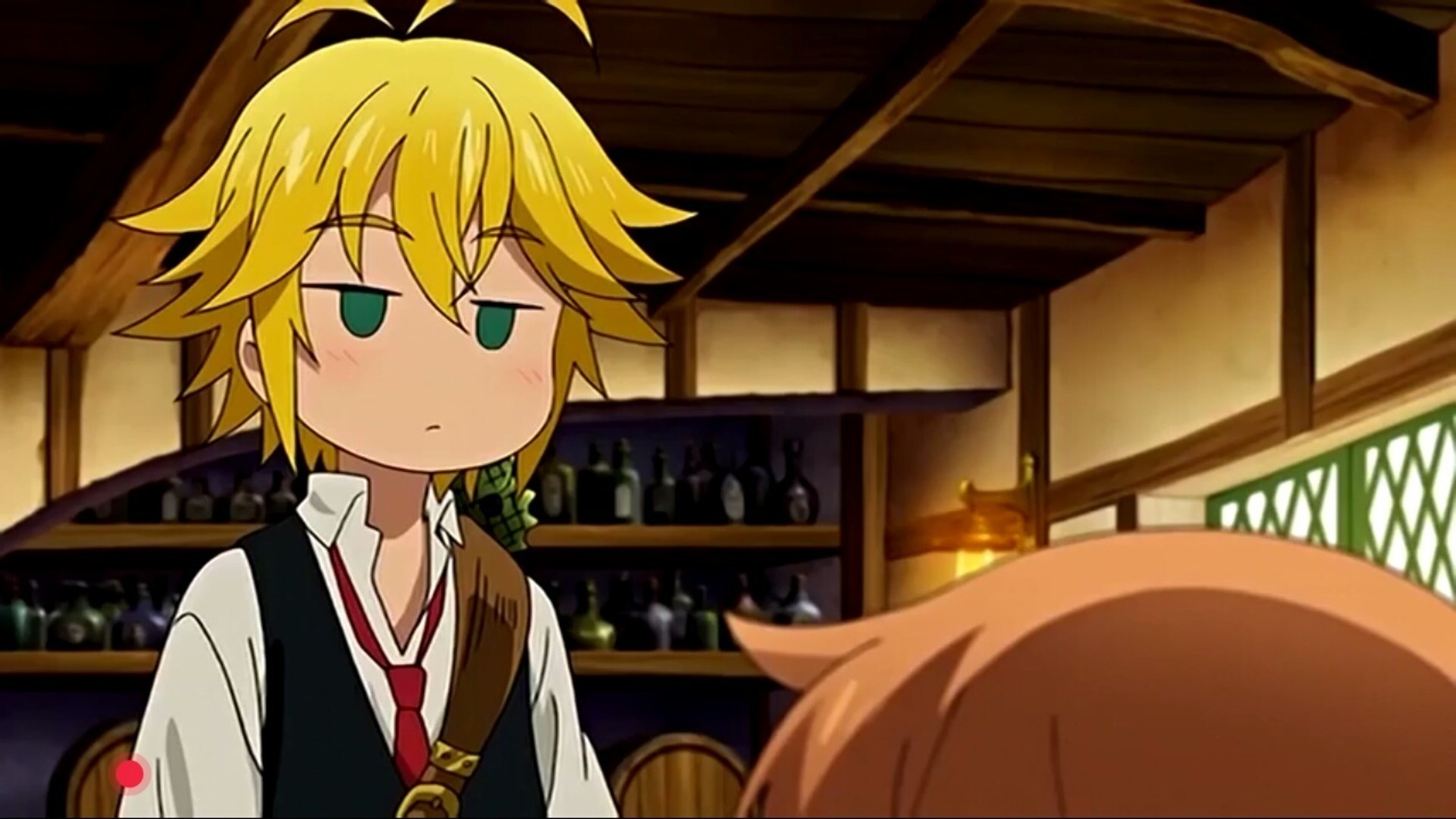
5. The Seven Deadly Sins (Season 3: Wrath of the Gods)
Season 3 should have delivered some of the most iconic battles in modern shōnen, particularly Escanor versus Meliodas. Instead, rushed production and outsourcing resulted in poor animation quality, inconsistent character models, and heavily censored fight scenes. What should have been a defining high point became a symbol of production collapse, permanently damaging the series’ reputation.
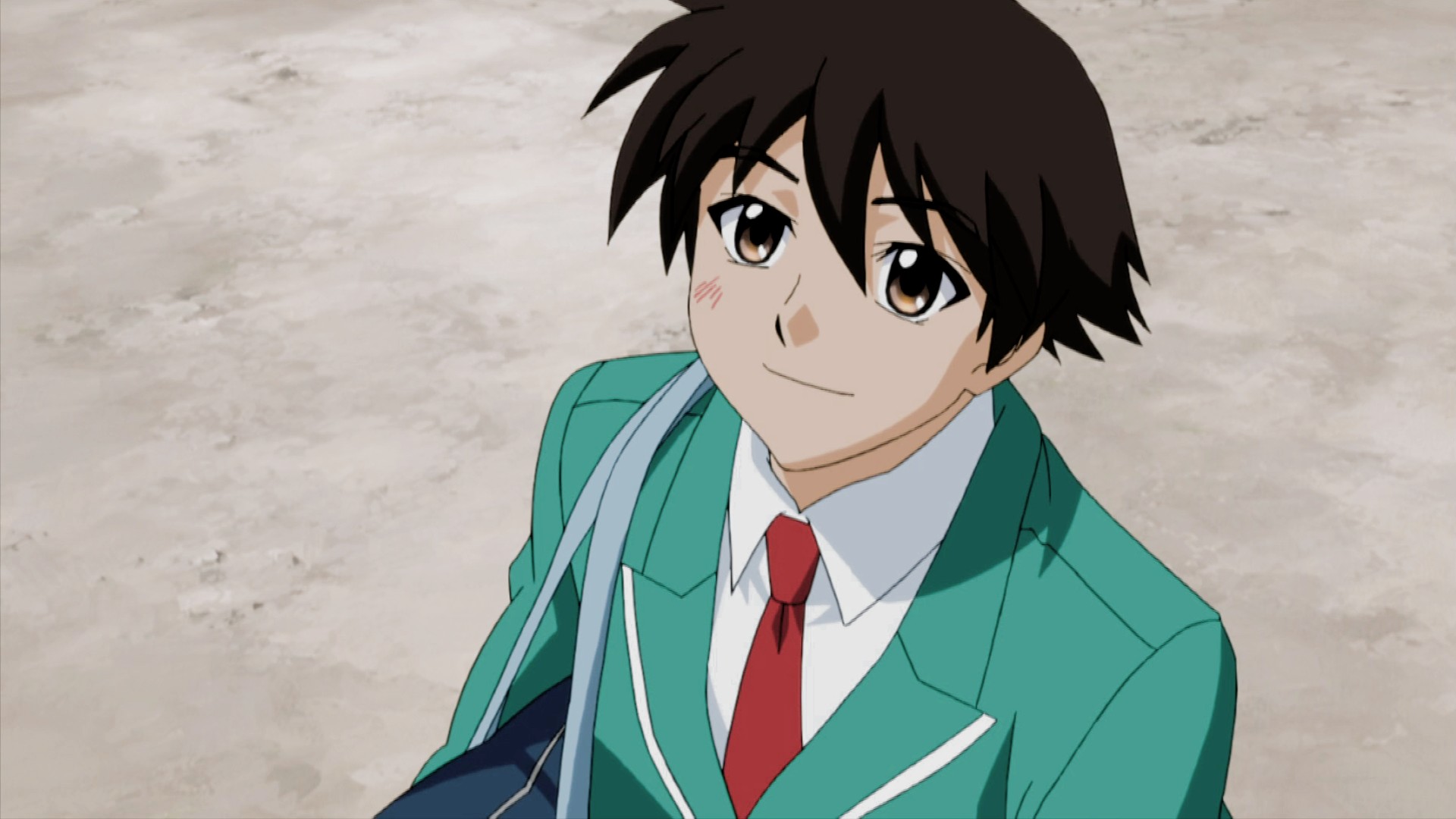
4. Rosario + Vampire
While the manga evolved from lighthearted fan service into a dark, action-driven story with rich lore and intense battles, the anime adaptation refused to follow suit. Instead, it doubled down on repetitive humor and surface-level ecchi elements, stripping away the character growth and dramatic stakes that made the later manga chapters compelling. The result was an adaptation that froze the series at its weakest phase and ignored everything that made it memorable.
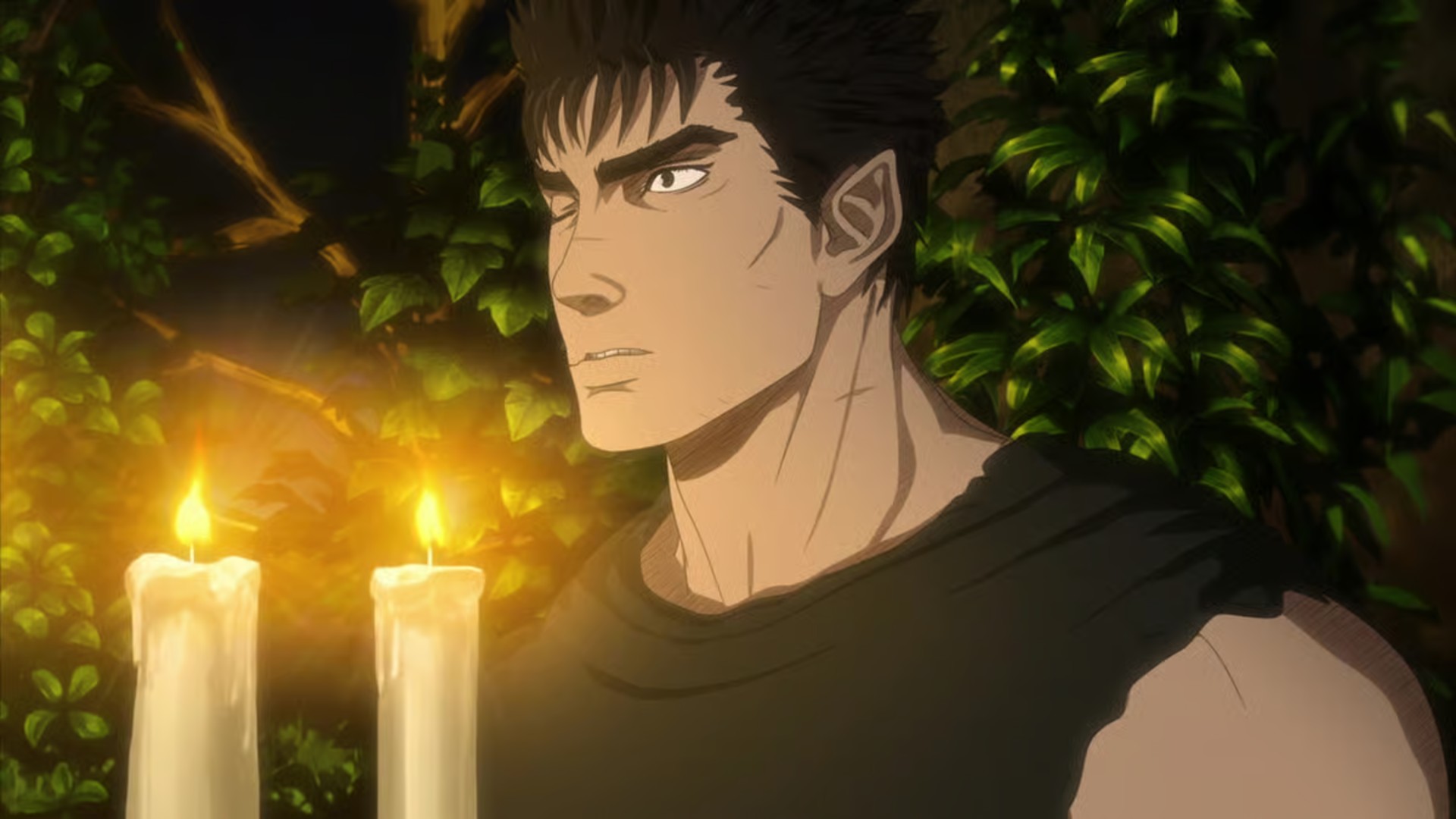
3. Berserk (2016–2017)
Kentaro Miura’s Berserk is revered for its intricate artwork and brutal atmosphere, but the 2016–2017 anime adaptation failed to honor that legacy. The reliance on stiff, low-quality CGI resulted in choppy animation and awkward transitions that distracted rather than immersed. Poor sound design and disorienting camera work further compounded the issue, reducing one of the most influential dark fantasy stories ever created into a visually exhausting experience.
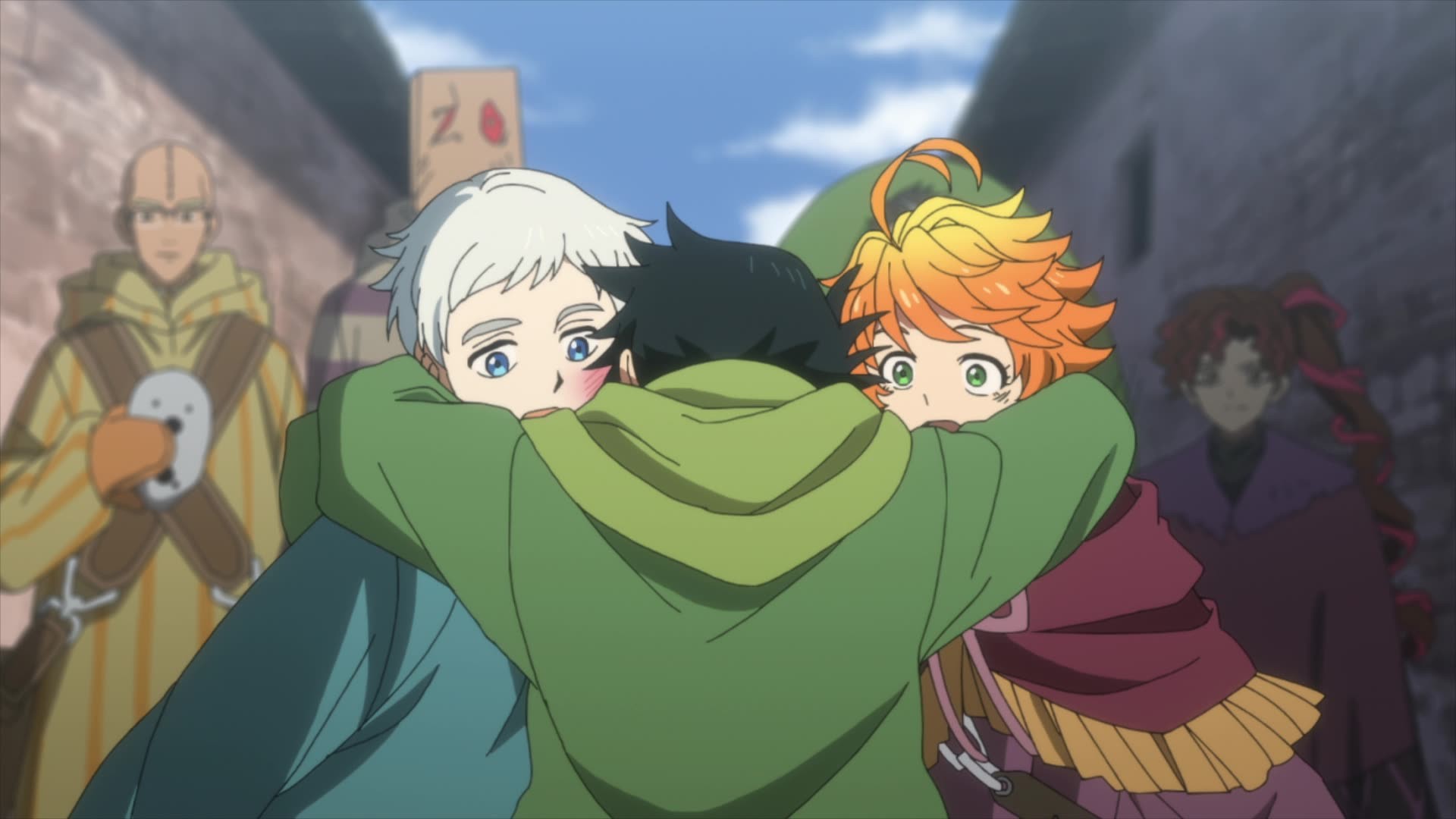
2. The Promised Neverland (Season 2)
Season 1 was praised as a masterclass in tension and restraint, but Season 2 became infamous for what it removed rather than what it adapted. The complete elimination of the Goldy Pond arc—home to the series’ most iconic antagonist and essential character development—left the story hollow. Massive time skips, rushed resolutions, and a slideshow-style finale attempted to compress nearly a hundred manga chapters into minutes, turning a gripping survival story into a hollow summary.
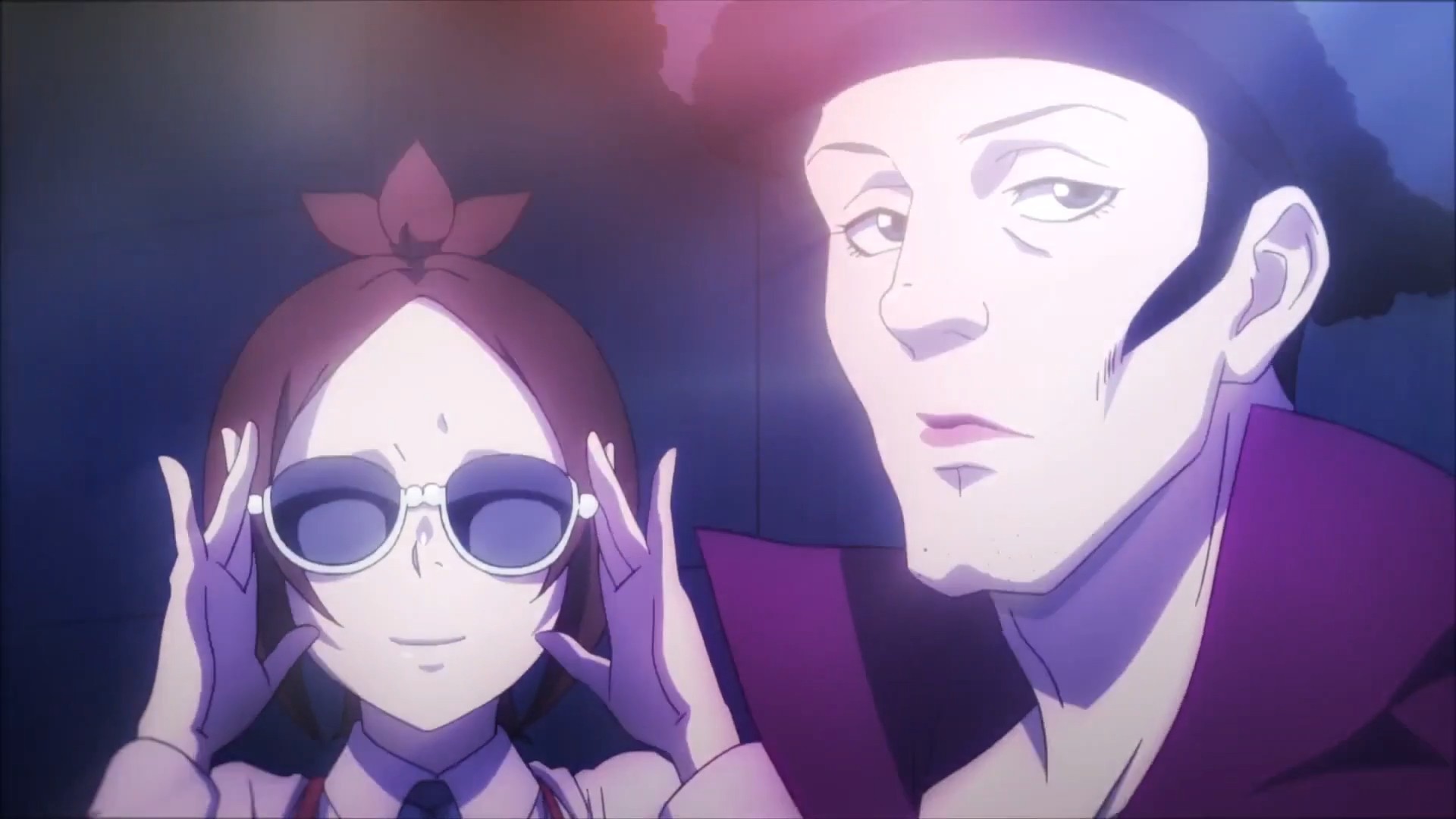
1. Tokyo Ghoul (Root A & Tokyo Ghoul:re)
After a strong and faithful first season, Tokyo Ghoul took a disastrous turn with Root A, which introduced an anime-original storyline that fundamentally misunderstood its protagonist. Kaneki Ken joining Aogiri Tree—the very group responsible for his torture—undermined the psychological descent that defined the manga. When Tokyo Ghoul:re attempted to return to canon, the damage had already been done. Key emotional and narrative foundations were missing, resulting in a rushed, confusing continuation that alienated both anime-only viewers and longtime manga readers.