10 A-List Actors Marvel Completely Failed to Use Properly
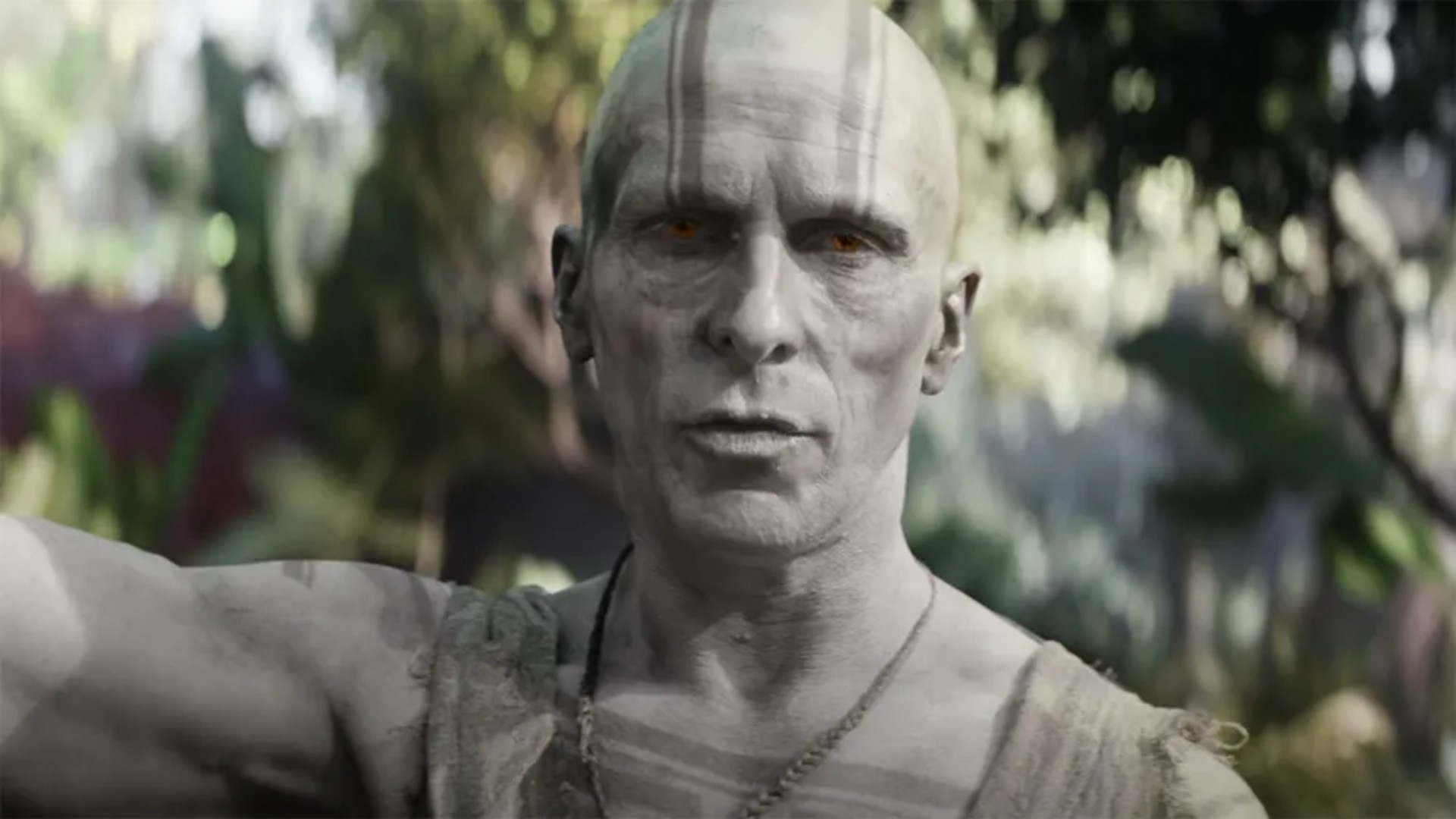
10. Christian Bale (Thor: Love and Thunder)
Christian Bale envisioned Gorr the God Butcher as a genuinely frightening presence, inspired by classic horror imagery. While his performance retained intensity, it often felt disconnected from the film’s lighter, comedic tone. Much of Gorr’s menace occurred off-screen, diminishing his impact. Bale has since described the heavy reliance on green-screen environments as creatively draining, resulting in a performance that felt underused despite its potential.
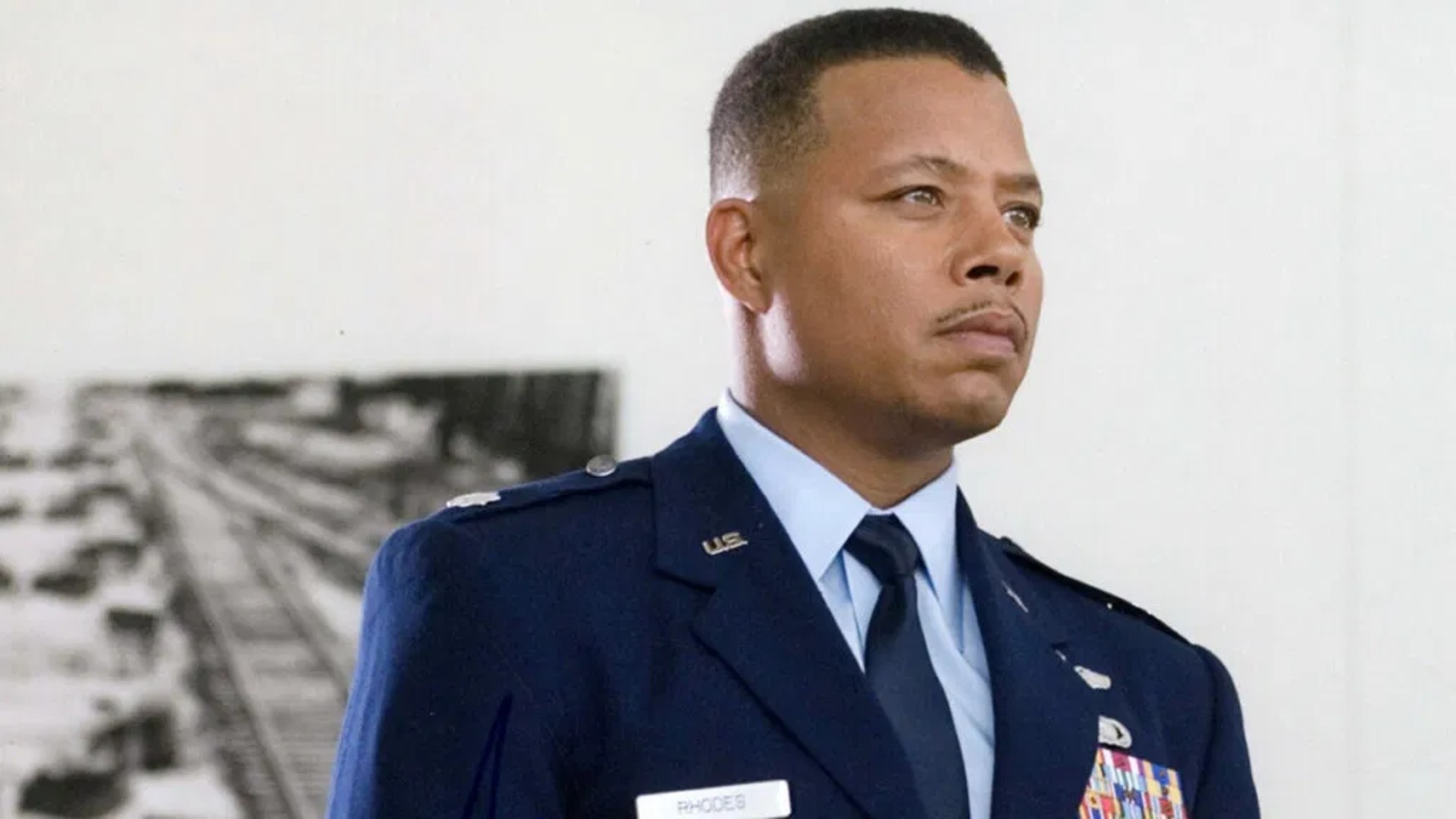
9. Terrence Howard (Iron Man)
Terrence Howard was the first actor cast in Iron Man and initially the highest-paid member of the ensemble. After the film’s success, contract renegotiations reportedly reduced his promised salary significantly. Viewing the move as a breach of trust, Howard exited the franchise, leading to Don Cheadle’s recasting as James Rhodes. The split became one of the MCU’s earliest and most public casting controversies.
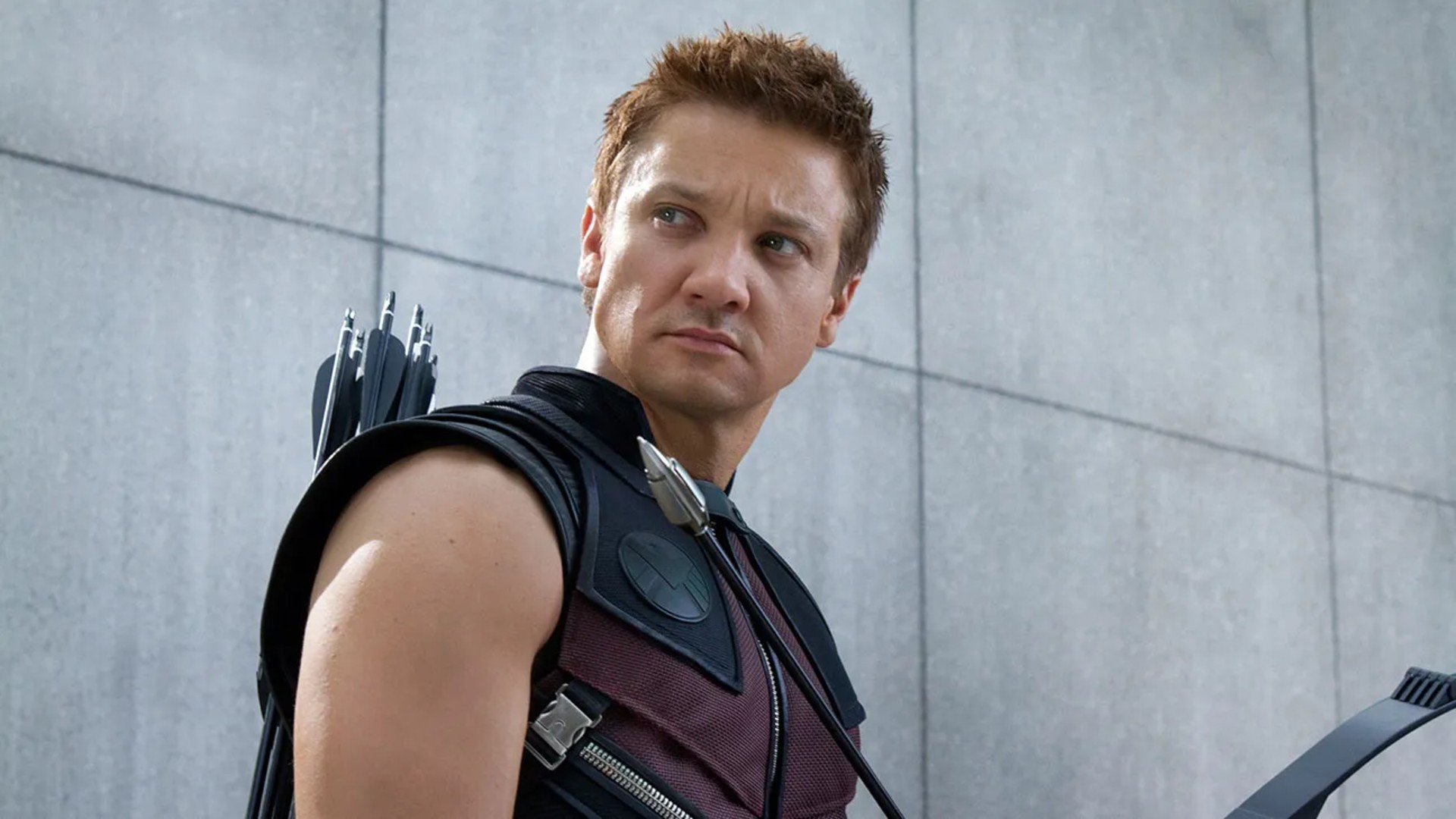
8. Jeremy Renner (The Avengers)
Jeremy Renner expected Clint Barton to debut as a morally complex assassin. Instead, Hawkeye spent much of The Avengers under mind control, offering little opportunity for character development. Renner later joked about how expendable the role felt during production. It wasn’t until Age of Ultron that Barton gained personal depth, something Renner had hoped for from the beginning.
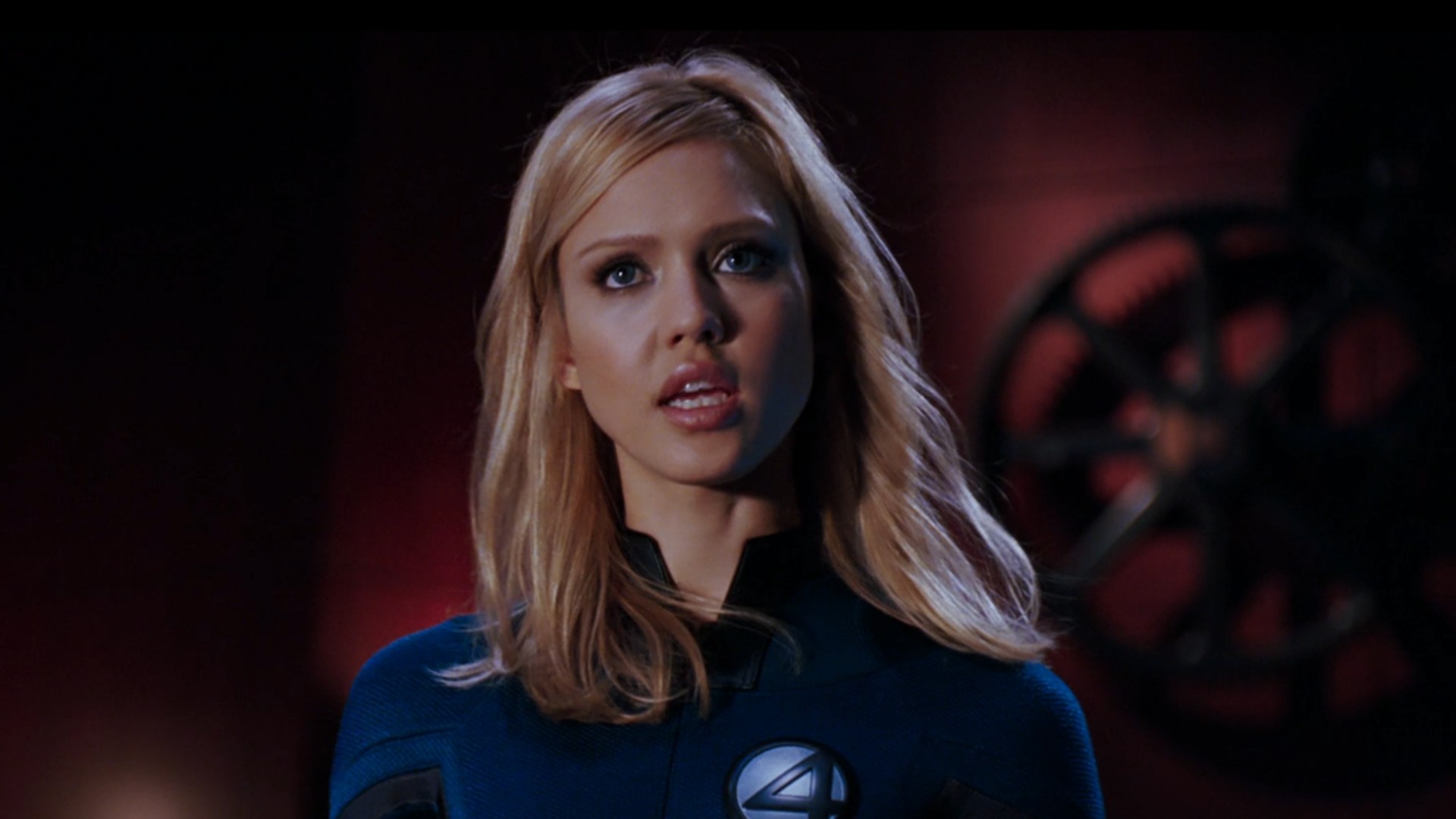
7. Jessica Alba (Fantastic Four, 2005–2007)
Despite her star power, Jessica Alba’s Sue Storm was treated more as a visual element than a fully realized character. Alba later revealed that a pivotal emotional moment was undercut when she was asked to make her crying appear more aesthetically pleasing. The experience left her questioning whether emotional authenticity was valued in large-scale studio filmmaking, contributing to her temporary withdrawal from acting.
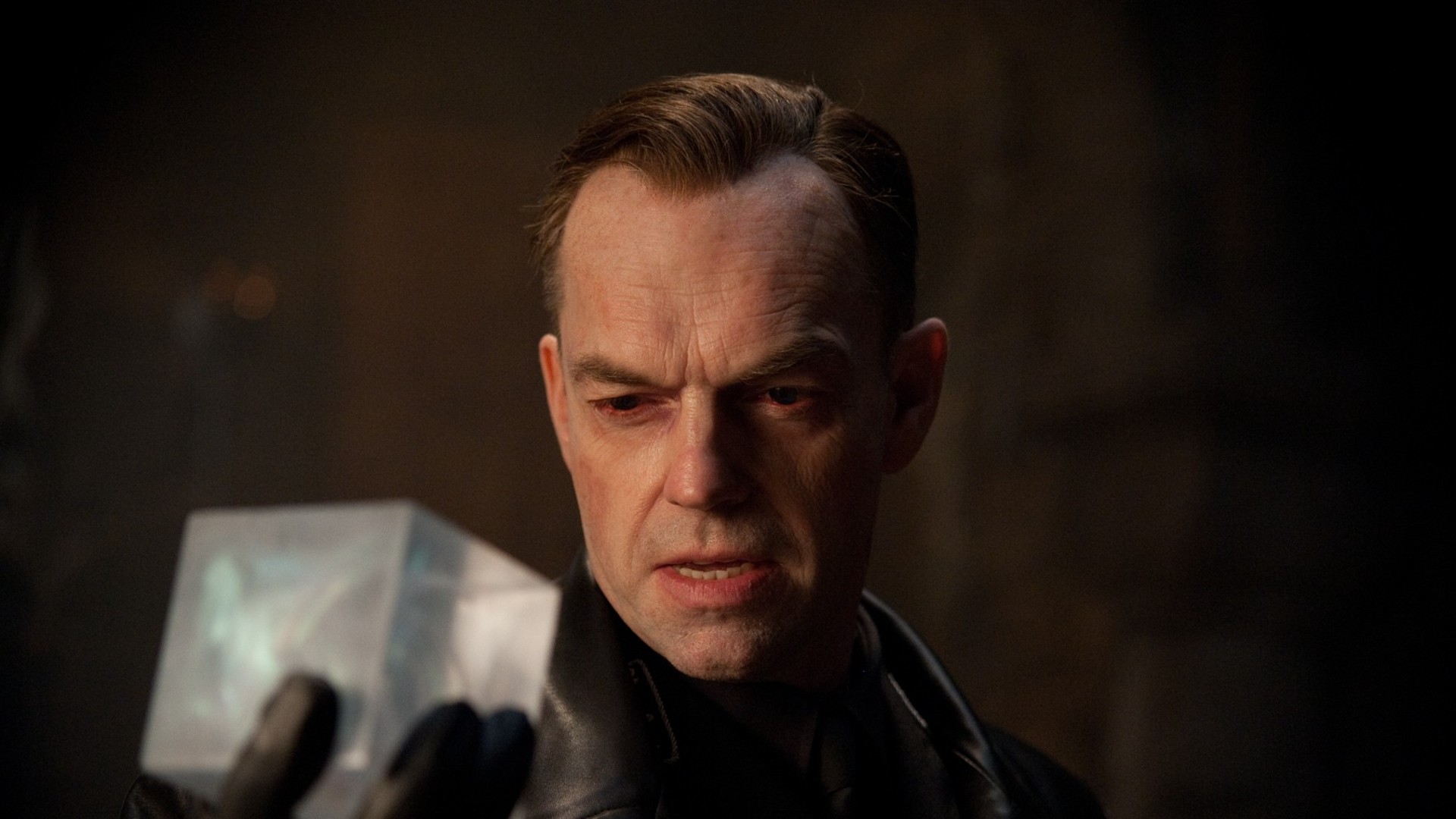
6. Hugo Weaving (Captain America: The First Avenger)
Hugo Weaving’s Red Skull lacked the complexity that defined his most iconic antagonists. Although fans hoped for his return, Weaving had little interest in reprising the role. Contract negotiations reportedly stalled when Marvel offered reduced compensation for future appearances, characterizing the role as primarily voice work. Finding the terms unsatisfactory, Weaving declined, leading to the character’s recasting in later films.
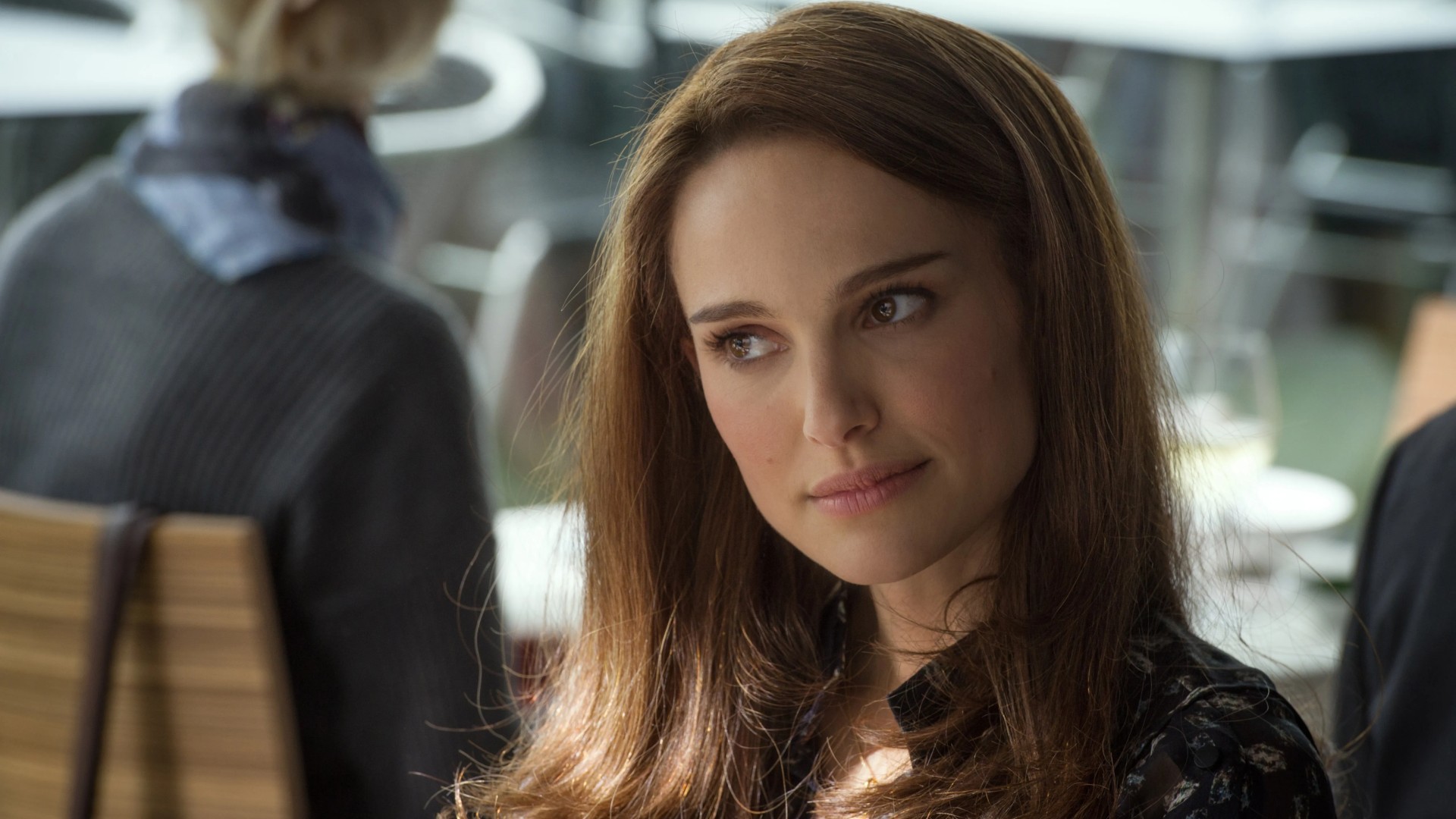
5. Natalie Portman (Thor 1 & 2)
Natalie Portman initially signed on to play Jane Foster with the understanding that she would be portrayed as a driven and accomplished scientist. Instead, the character was largely reduced to a narrative device in the first two films. Portman was particularly disappointed when director Patty Jenkins, whom she had supported, was removed from The Dark World. Feeling constrained by contractual obligations, Portman stepped away from the franchise until a reimagined version of Jane—offering greater agency—convinced her to return years later.
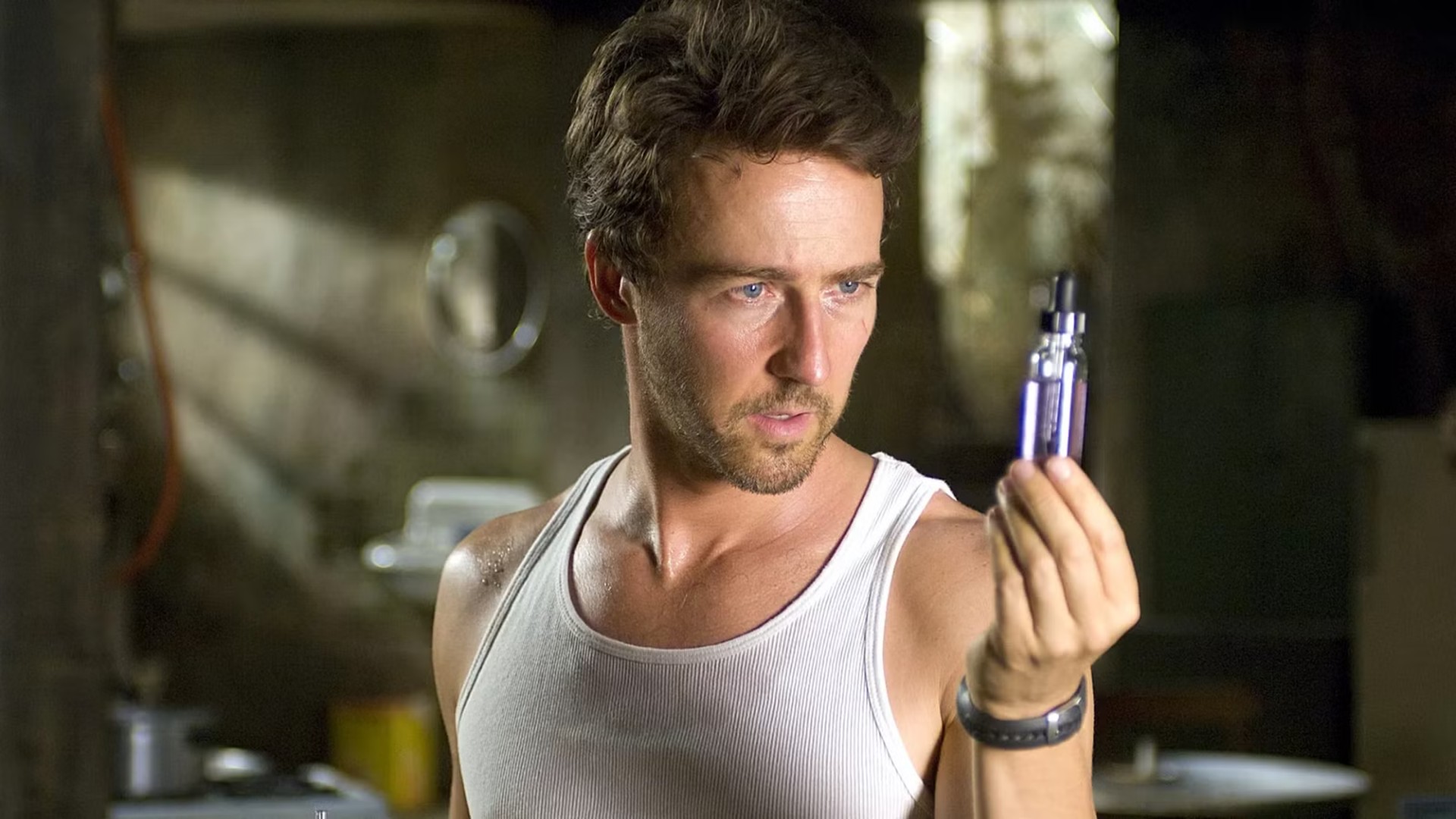
4. Edward Norton (The Incredible Hulk)
Edward Norton brought a deeply introspective approach to Bruce Banner, even performing an extensive uncredited rewrite of the script to emphasize psychological trauma. Marvel Studios, however, favored a faster-paced, lighter tone to better fit their emerging shared universe. Significant portions of Norton’s character-focused material were removed, leading to escalating tensions. The disagreement culminated in Marvel publicly announcing his replacement ahead of The Avengers, citing a desire for a more collaborative approach moving forward.
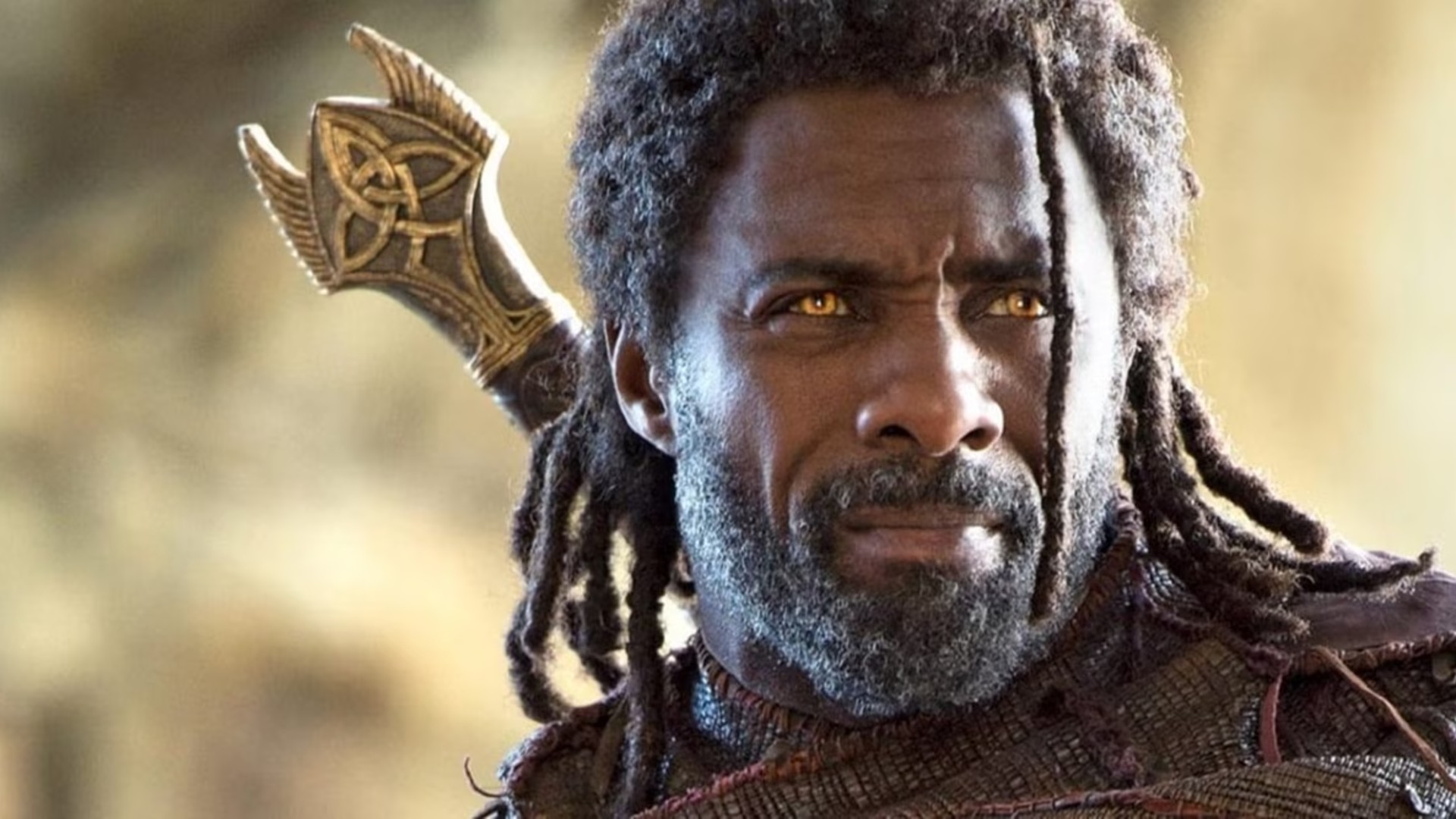
3. Idris Elba (Thor series)
Idris Elba’s Heimdall was visually striking but narratively constrained for much of the Thor series. Often positioned as a static gatekeeper with minimal dialogue, Elba felt his abilities were underutilized. During reshoots for The Dark World, he openly expressed frustration, particularly after completing an emotionally demanding role as Nelson Mandela. The repetitive nature of the work, combined with restrictive costuming, left Elba feeling creatively sidelined, despite his growing stature as a leading man.
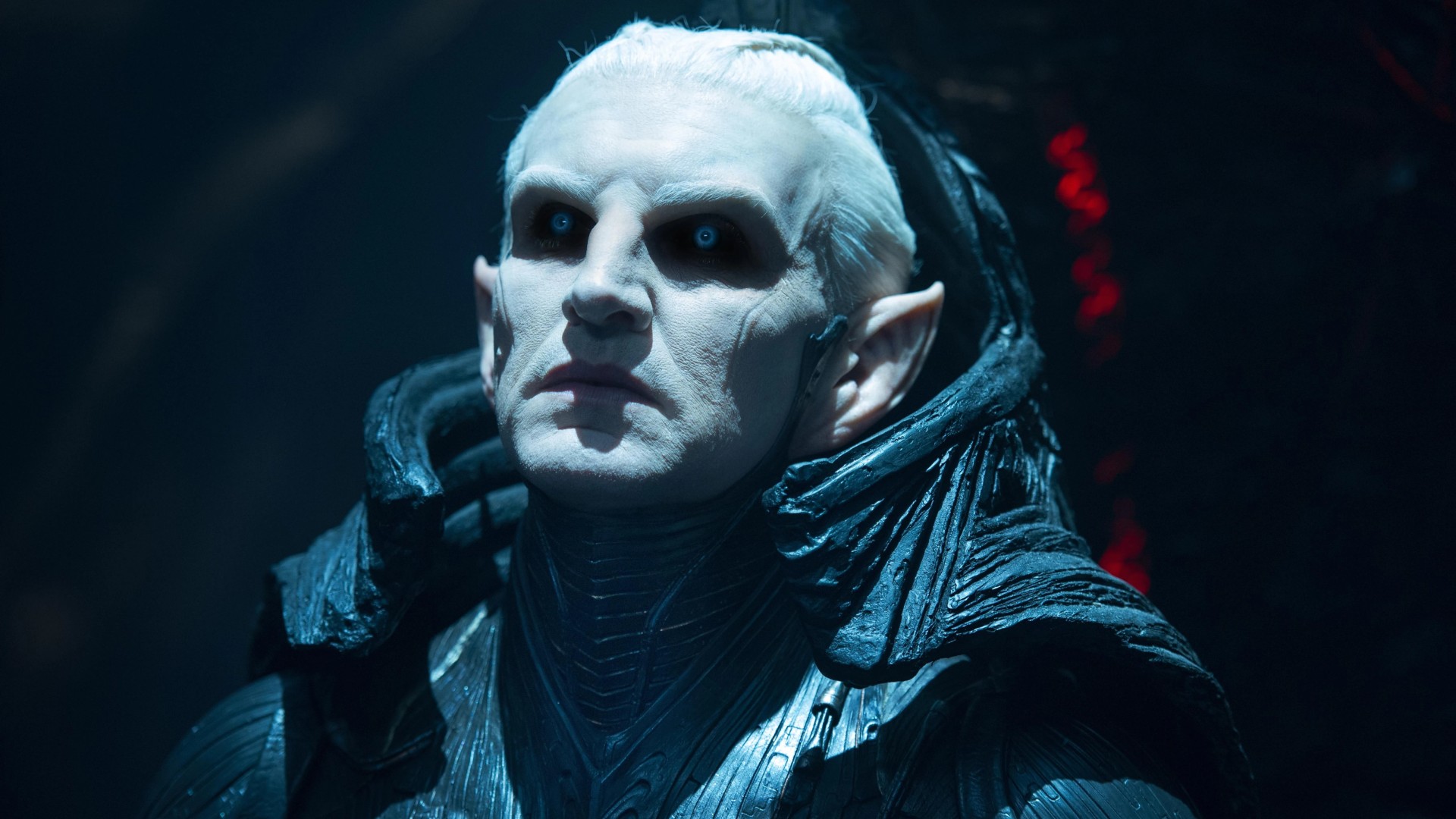
2. Christopher Eccleston (Thor: The Dark World)
Christopher Eccleston entered the role of Malekith expecting a richly written antagonist worthy of his dramatic pedigree. Instead, he found himself buried under heavy prosthetics that limited expression and emotional range. Much of his dialogue was delivered in a fictional language, further distancing him from the performance. Eccleston later described the experience as deeply unfulfilling, noting that the character lacked clear motivation or emotional grounding. As a result, Malekith became one of the least memorable villains in the MCU, despite the actor’s considerable talent.
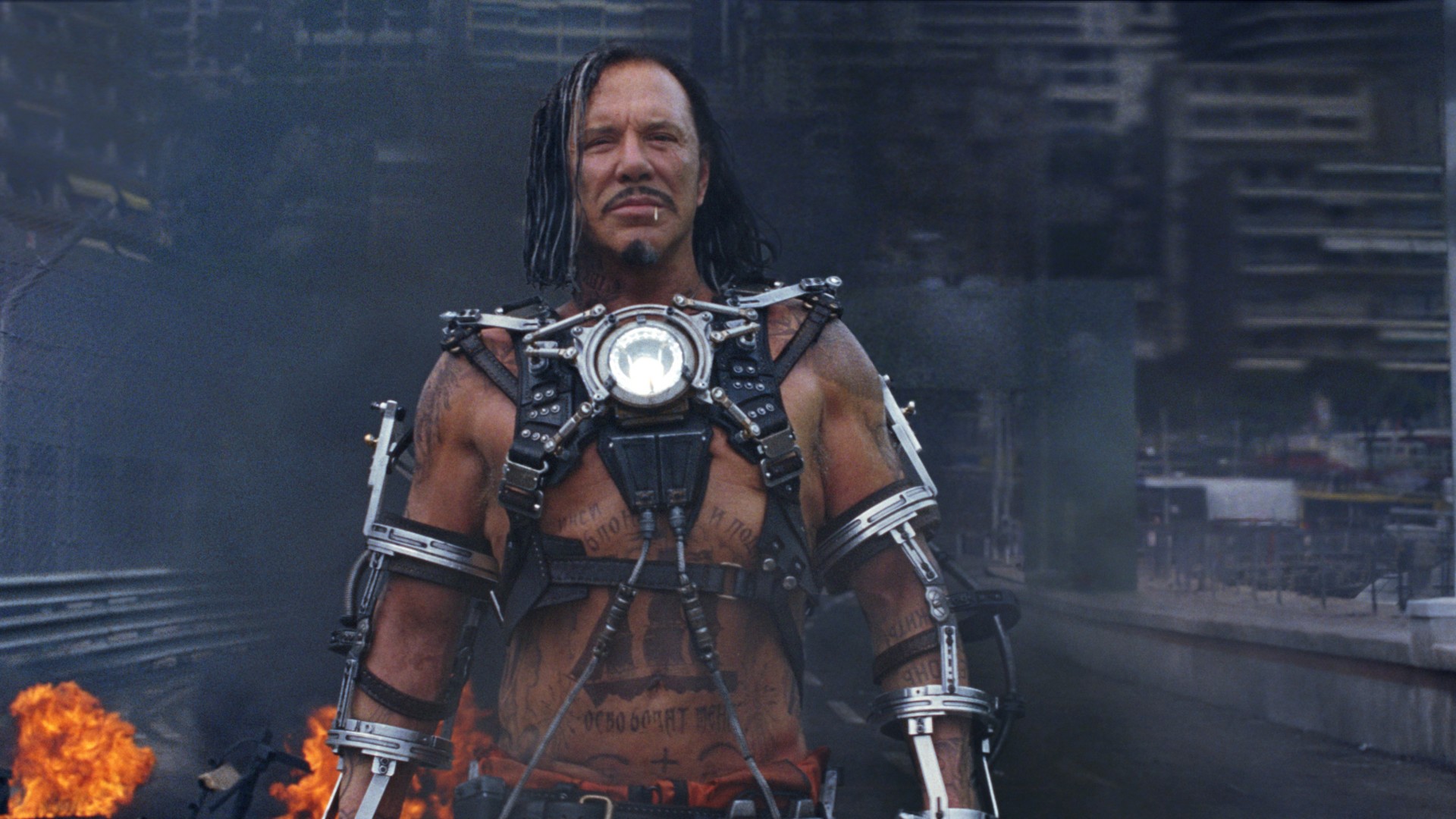
1. Mickey Rourke (Iron Man 2)
Fresh off his Oscar-nominated performance in The Wrestler, Mickey Rourke approached Ivan Vanko with the intention of creating a layered, psychologically grounded antagonist. He spent months researching Russian accents, criminal tattoos, and personal history, even visiting a prison to better understand his character’s background. However, much of this work never made it to the screen. Marvel Studios ultimately trimmed Vanko’s character-driven scenes in favor of spectacle and franchise setup. Rourke later expressed frustration, stating that the studio preferred a simpler villain archetype and that director Jon Favreau was unable to protect his original vision. The final cut reduced a carefully prepared performance to a handful of eccentric traits.