The streaming wars are now entering a brand-new phase. On January 15, 2026, a historic $7 billion licensing agreement was reached between Netflix and Sony Pictures Entertainment. This agreement is expected to bring a massive expansion of their current partnership and is expected to reshape the future of blockbuster film releases. According to their agreement, Netflix is now declared as the “Pay 1” global home of Sony’s entire theatrical release slate until 2032.
This acquisition not only reinforces Netflix’s position atop the streaming food chain but will also position it as a global center for some of the most valuable franchises in modern cinema. Netflix is effectively transitioning from a content producer to a primary distributor of high-end theatrical releases with this announcement.
What the “pay-1” global deal really means
The Pay 1 window is the most valuable streaming window in the lifecycle of the movie and comes into operation after the end of the theatrical and the premium VOD sales window. It is clear that the agreement has been expanded in scope. This is in contrast to the agreement signed in 2021.
This is a huge escalation of the original $3 billion regional agreement. Although it already had the Pay-1 rights to Sony films in the U.S. and certain territories, it will now extend those rights worldwide, effective 2026, with full rights expected by early 2029 after certain rights expire. This is a total of $7 billion.
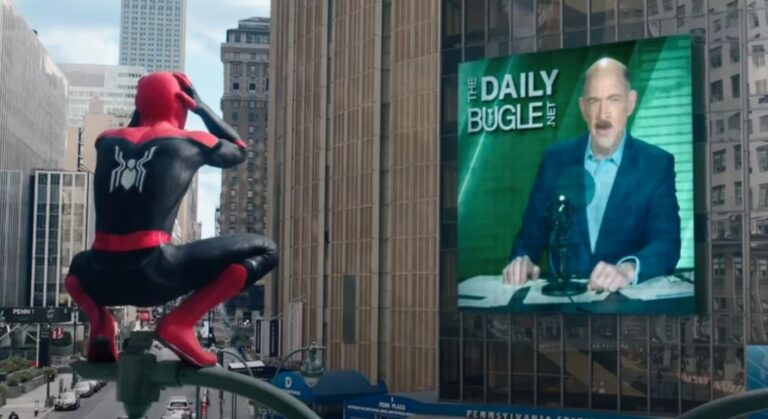
Each movie is to be streamed on Netflix for a period of about 18 months, typically more than 100 days following the release of the movie. Netflix has also purchased the rights to all the motion pictures owned by Sony Pictures, such as Spider-Man, Jumanji, Ghostbusters, and Bad Boys.
It was also reiterated that Netflix subscribers would get the benefit of one of the best-ever lineups of releases after the theatrical phase, all of which would be available on a single platform. The lineup of the coming releases would comprise Spider-Man: Brand New Day, Spider-Man: Beyond the Spider-Verse, the live-action series of The Legend of Zelda from Sony, director Sam Mendes’ four films on The Beatles, and prestige series such as The Nightingale, featuring Dakota and Elle Fanning.
As industry analysts would say, this marks the start of the “event era” for Netflix, where the company takes on blockbuster hits when their box office run is completed. The logic for Sony is simple. Without a content stream to fill, the content owner reserves the right to license its content to the highest bidder. The deal with Netflix allows Sony to maximize its take of box office earnings, securing itself a premium content streamer in the process. As for Netflix, this deal further cements its position in the true “Big Four” of Hollywood. With its distribution channels for its theatrical releases through Sony, Universal (beginning in 2027), A24, and its own original content, not to mention rumored acquisition talks with Warner Bros. Discovery, Netflix is establishing an aftermarket like no other.