Out of All the Studio Ghibli Films, These Are My Favorite Characters
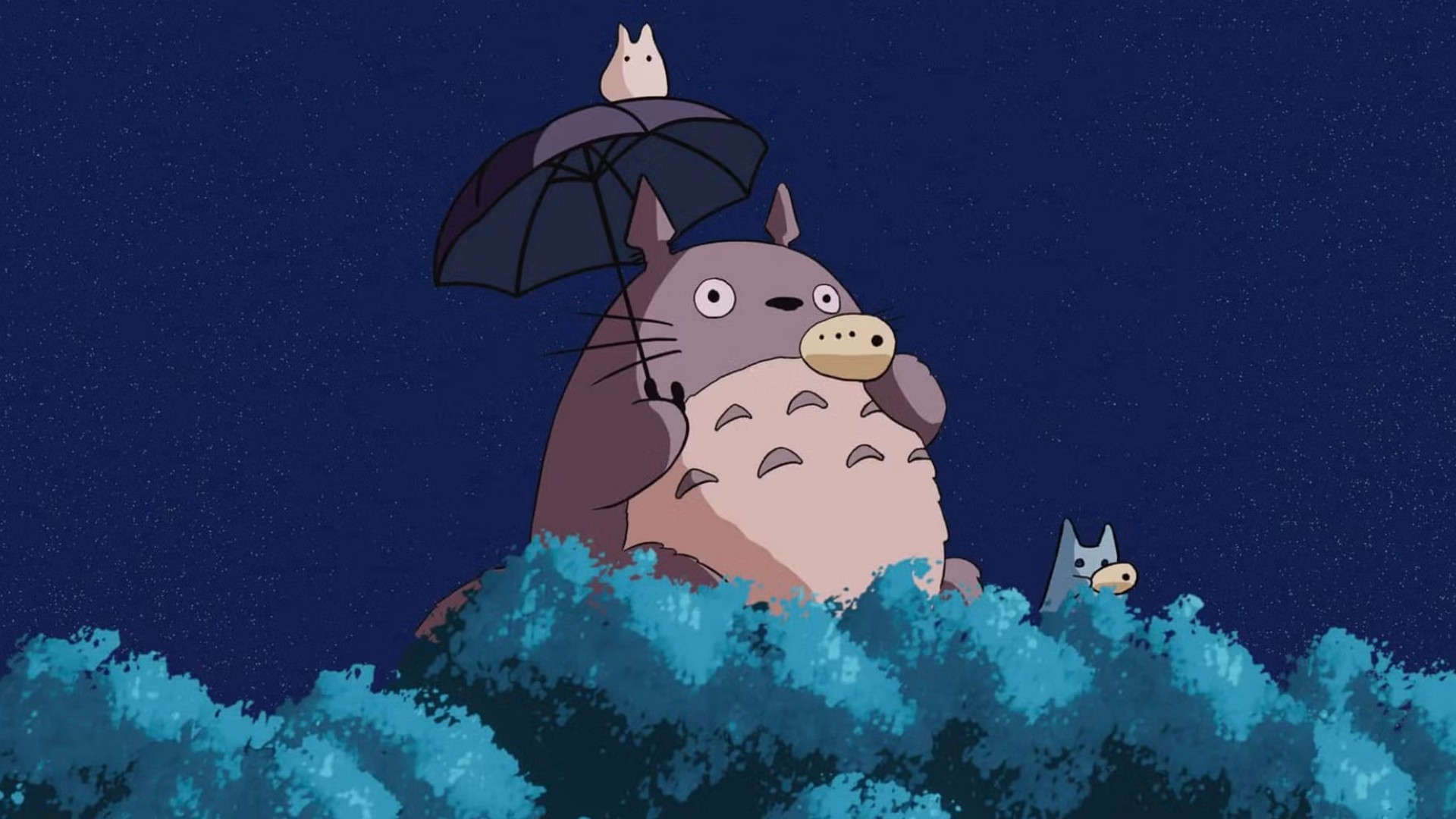
10. Totoro (My Neighbor Totoro, 1988)
Totoro is not a character with an arc or a speaking presence, but he is also one of the most iconic pieces that Ghibli has brought to life. Totoro is a symbol of comfort, security, and childhood imagination, rather than a character that has any elements of conflict associated with it. The character's presence in a film is more about observing him rather than getting more involved, as it somewhat guarantees security in a world that's filled with unpredictability, because Totoro is a character that doesn’t even feel a need to explain himself.
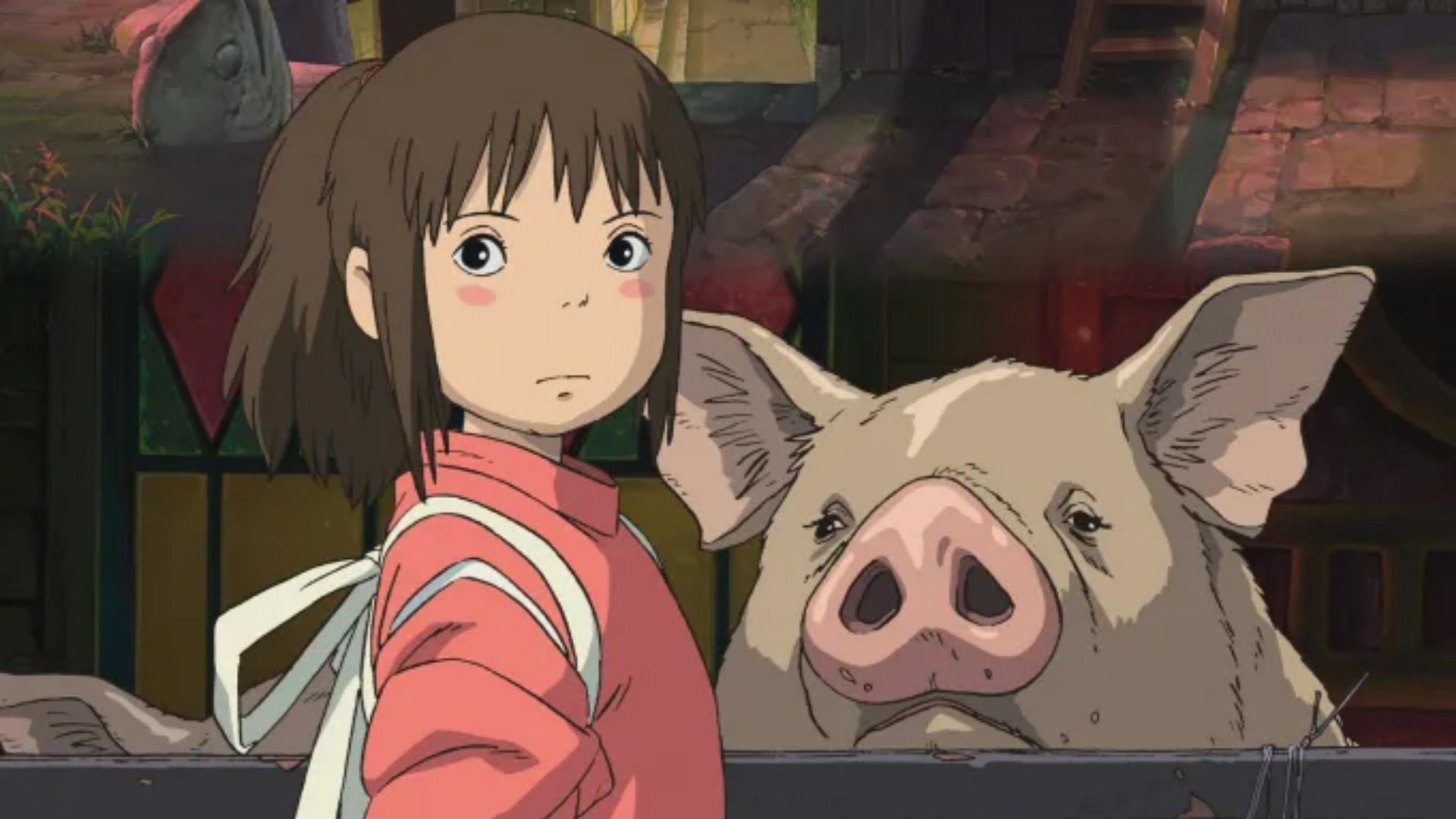
9. Chihiro (Spirited Away, 2001)
The strength of Chihiro is her ordinariness. She starts off as a scared, unsure, and bewildered child, so her development is hard-won, not automatically awesome. Her journey is one of taking responsibility and relating, not of a predestined heightened role. She’s not been made powerful, but she’s been made capable.
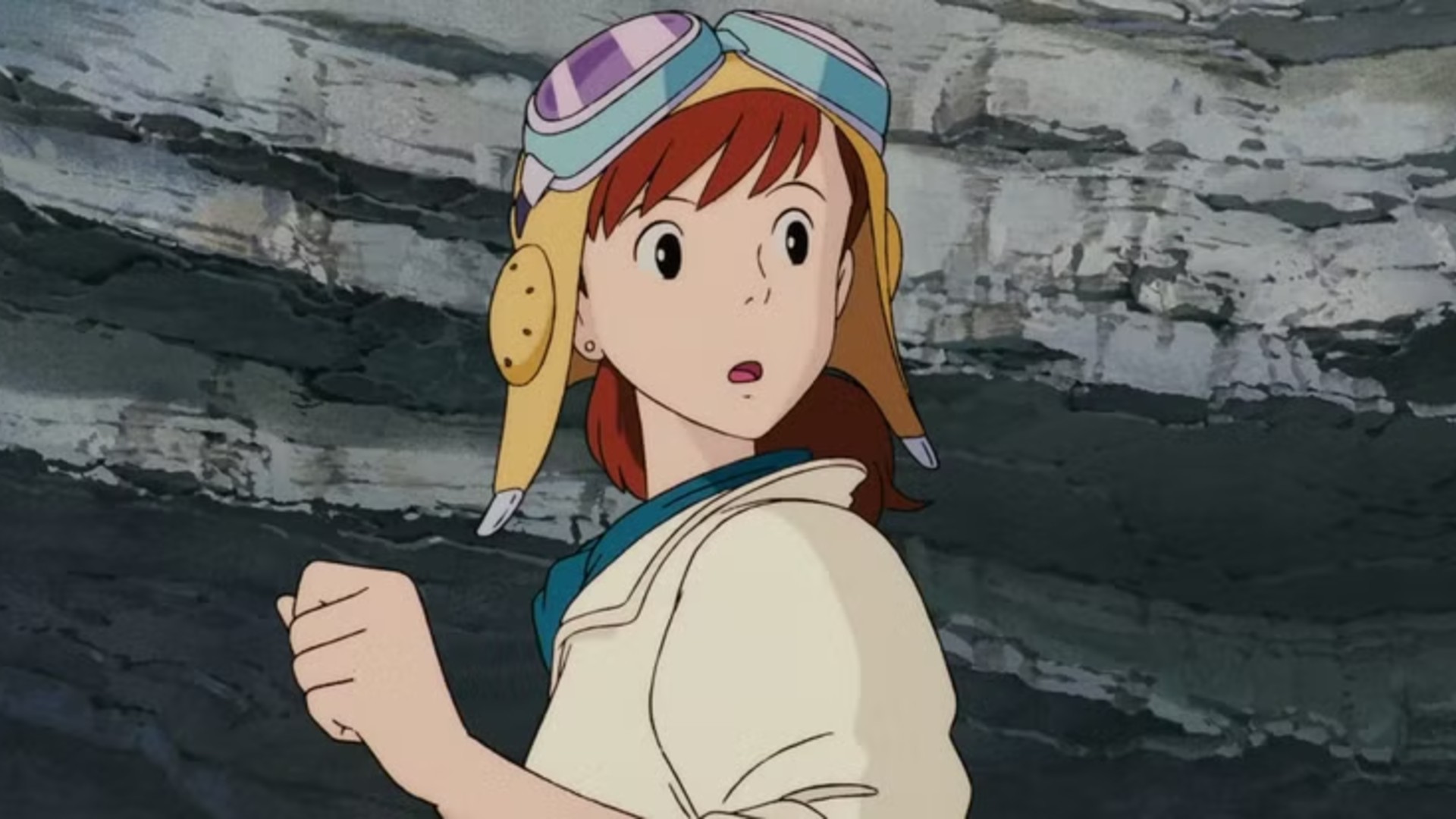
8. Fio Piccolo (Porco Rosso, 1992)
Fio is special because she is skilled without being so overstated. Fio’s character has respect due to her competence, not posturing. Fio also translates as hope for this pessimistic earth where war and regret reign. Fio’s character of emphasizing craftsmanship and honesty has nothing much to do with Porco’s lack of interest.
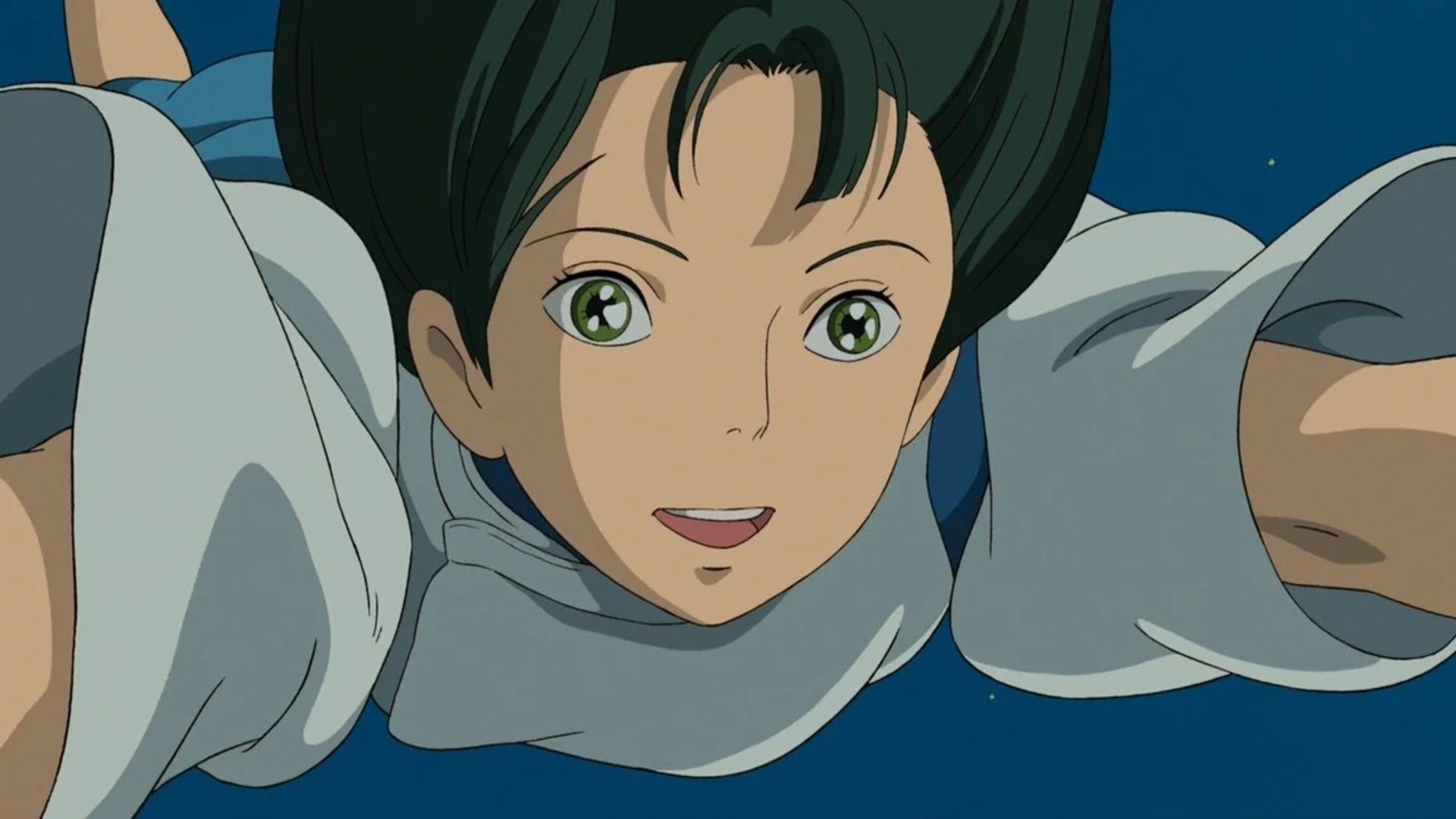
7. Haku (Spirited Away, 2001)
Haku’s character is also defined by his duality as a protector and a prisoner, as a guide and a victim. The struggle for his lost identity is a parallel to the movie’s theme of memory and identity. Haku is mostly portrayed as calm and composed, but his fragile side is also apparent. His journey is a significant and subtle one as he gets back his original name and freedom.
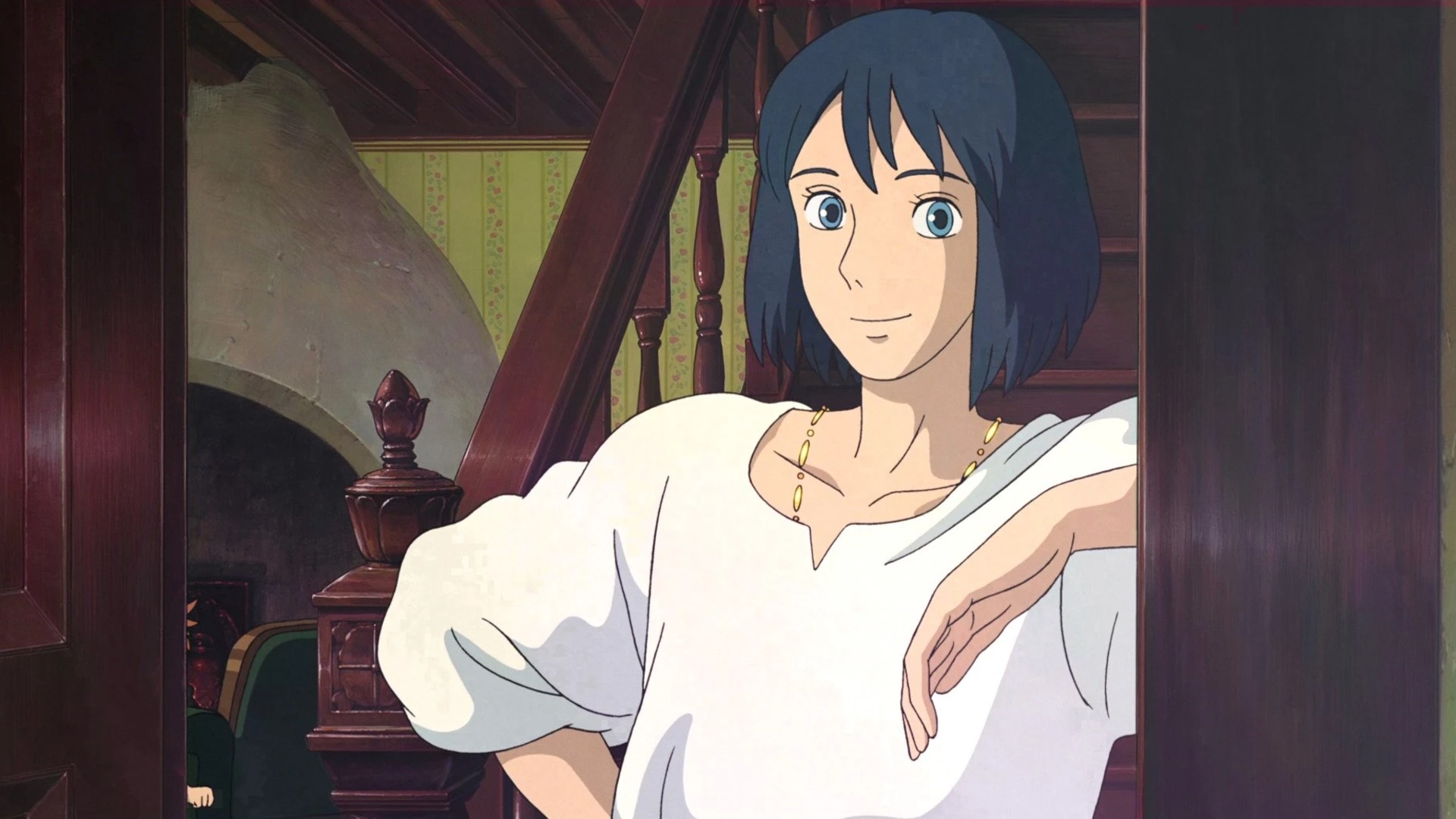
6. Howl Jenkins Pendragon (Howl’s Moving Castle, 2004)
Howl's character starts as shallow and unreliable, but this façade masks how scared and morally drained he is. His lack of willingness to go to war is not a result of fear but rather an understanding of the price that has to be paid. His immaturity is an irony given the massive power he wields. It is how Howl matures through commitment rather than conquest that makes him one of Ghibli's more complex male protagonists.
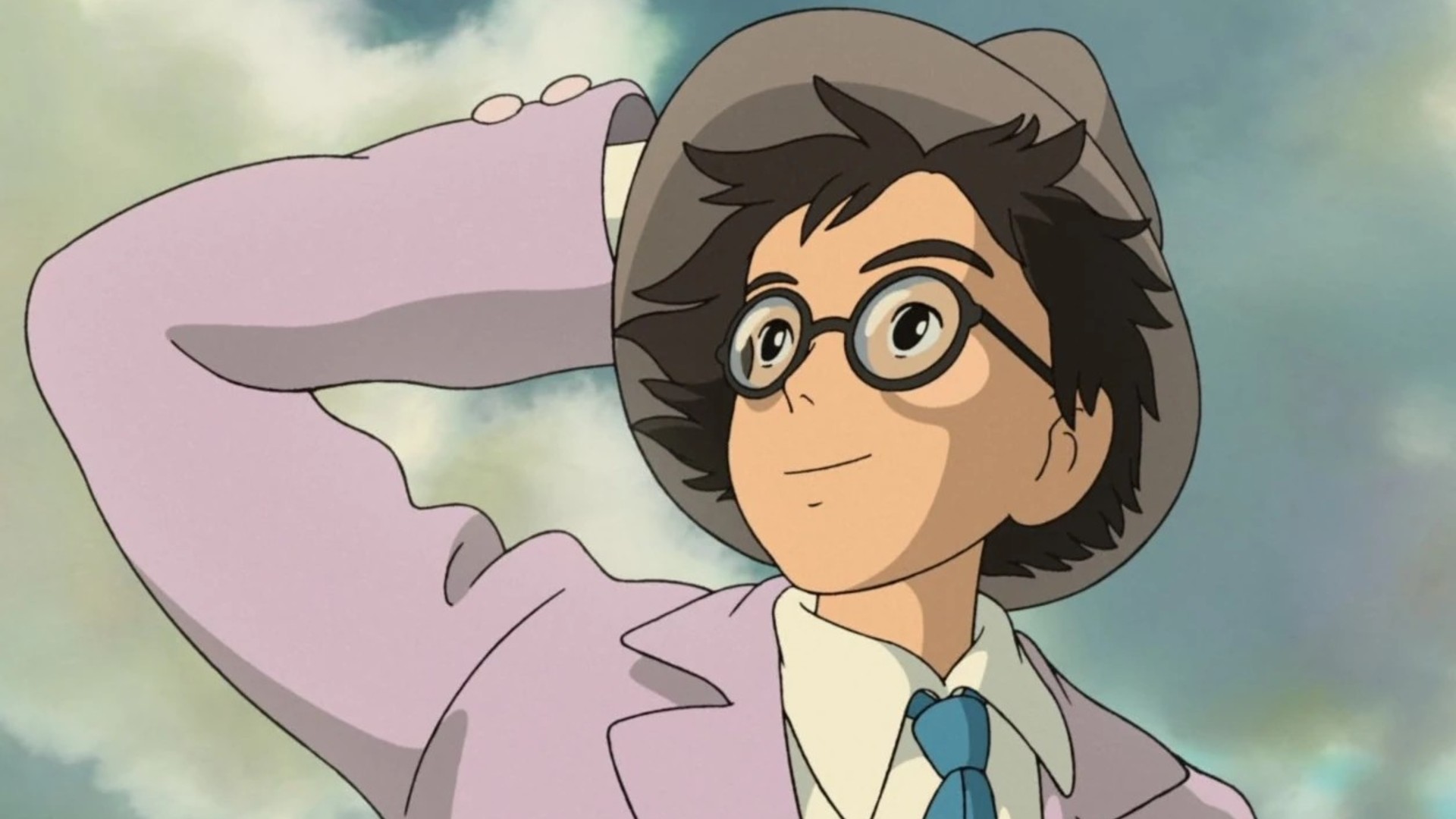
5. Jiro Horikoshi (The Wind Rises, 2013)
Jiro is a very complex character. He is driven by beauty and perfection, yet he is fully cognizant of the use to which his creations would be put. The filmmaker never exonerates or accuses the character. That’s the tragedy of creating something beautiful with such compromised intentions. That’s the tragedy of Jiro’s life.
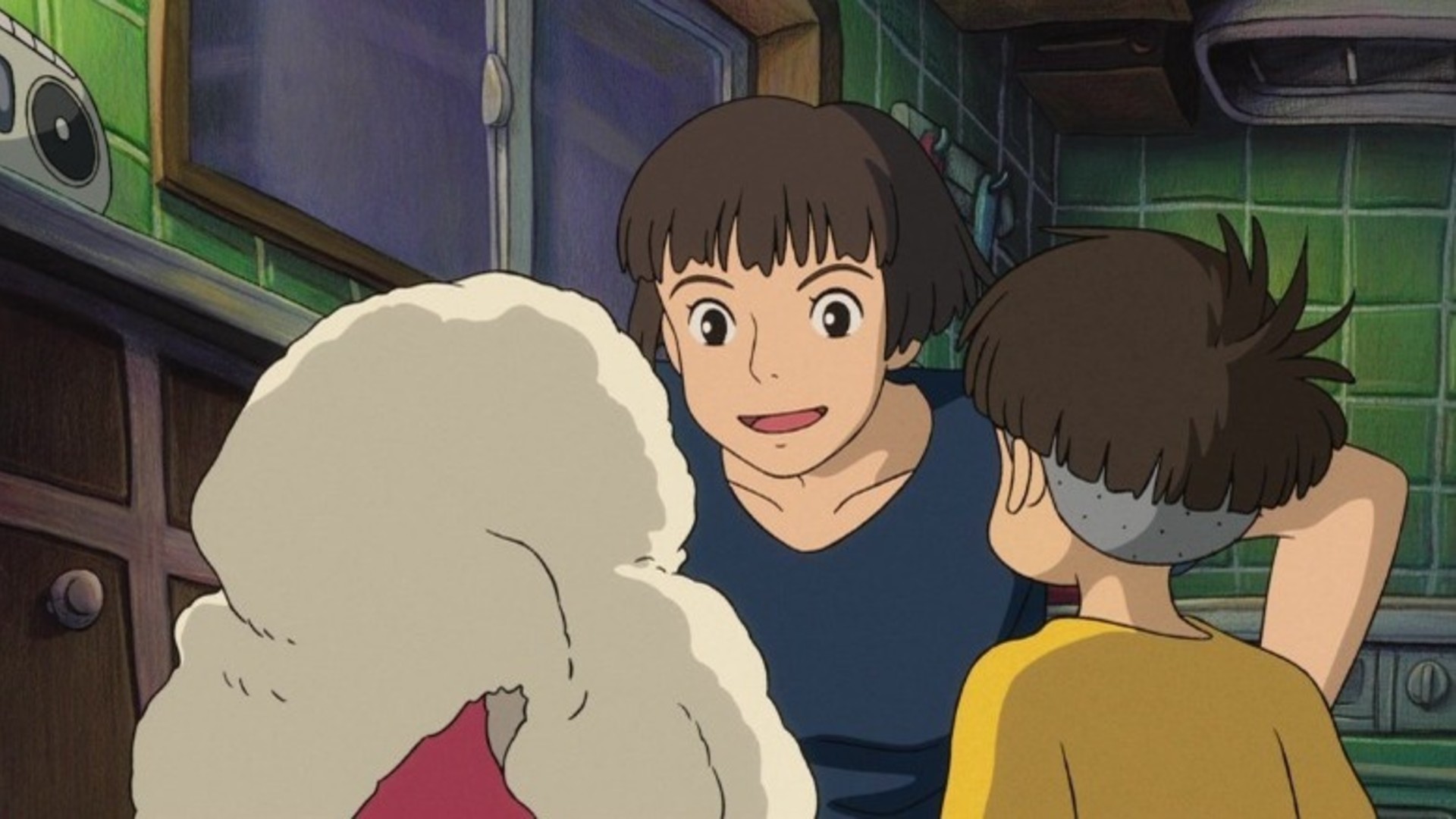
4. Lisa (Ponyo, 2008)
Lisa has refreshing flaws. She is impulsive, overwhelmed, lovable, and imperfect, which makes her appear real. Unlike many parental characters, she struggles evidently with responsibility. Lisa’s character, ready to trust and create chaos, represents the overall willingness to be emotional in this movie. Lisa’s humanity makes her different.
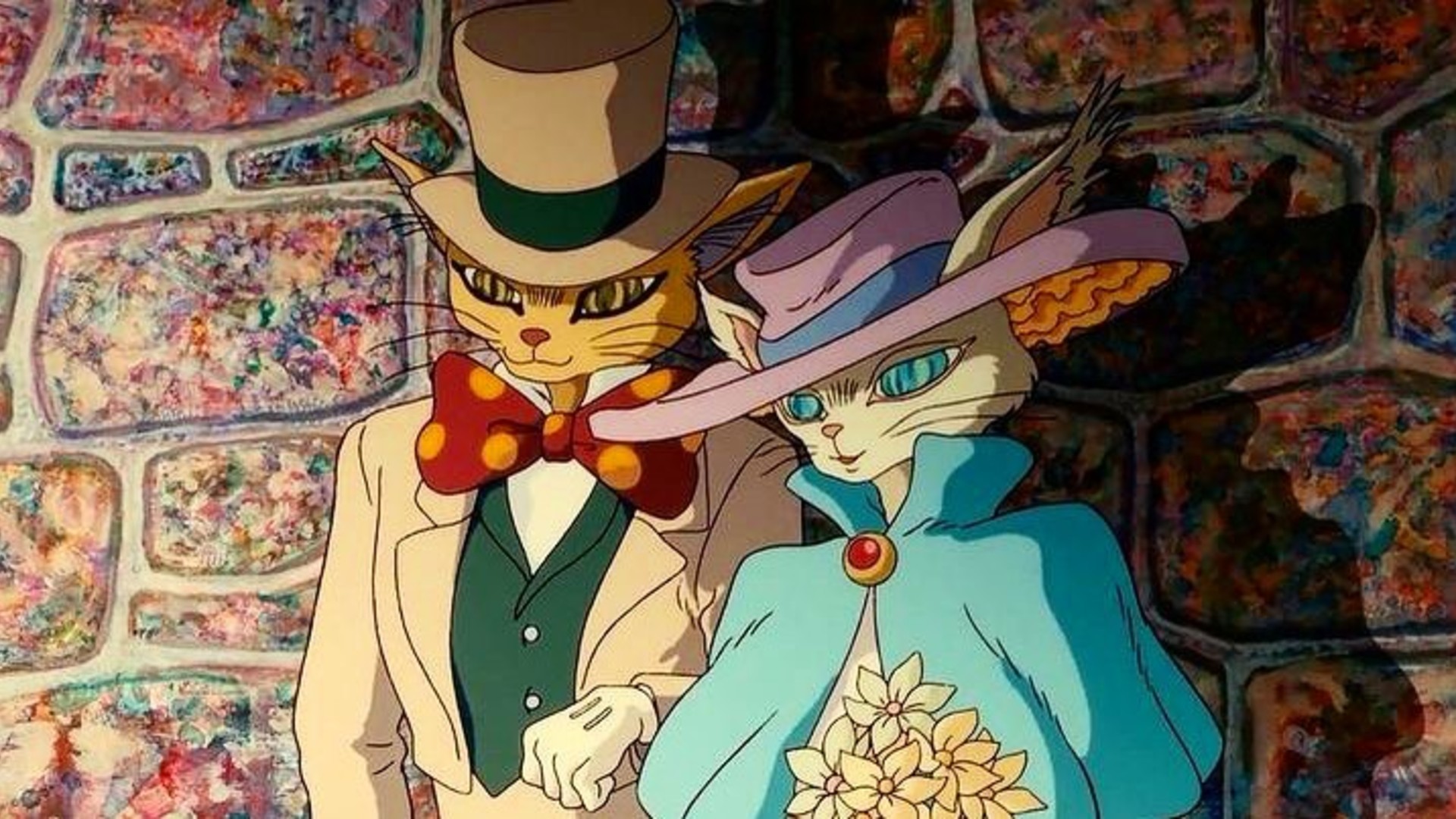
3. Louise and the Baron (Whisper of the Heart, 1995)
Louise is the name of a female cat statuette and the partner of The Baron Humbert von Gikkingen. While in Germany, Nishi and his lover discovered the twin cat statuettes in a café. They could only buy the Baron at the time because Louise (the statue) was being repaired. They agreed that Nishi would take the baron, and his lover would wait for the companion statue to be fixed. In the spiritual sequel, The Cat Returns (2002), a portrait of Louise can briefly be seen in the Baron's "Cat Bureau," though she does not appear as a living character in that story.
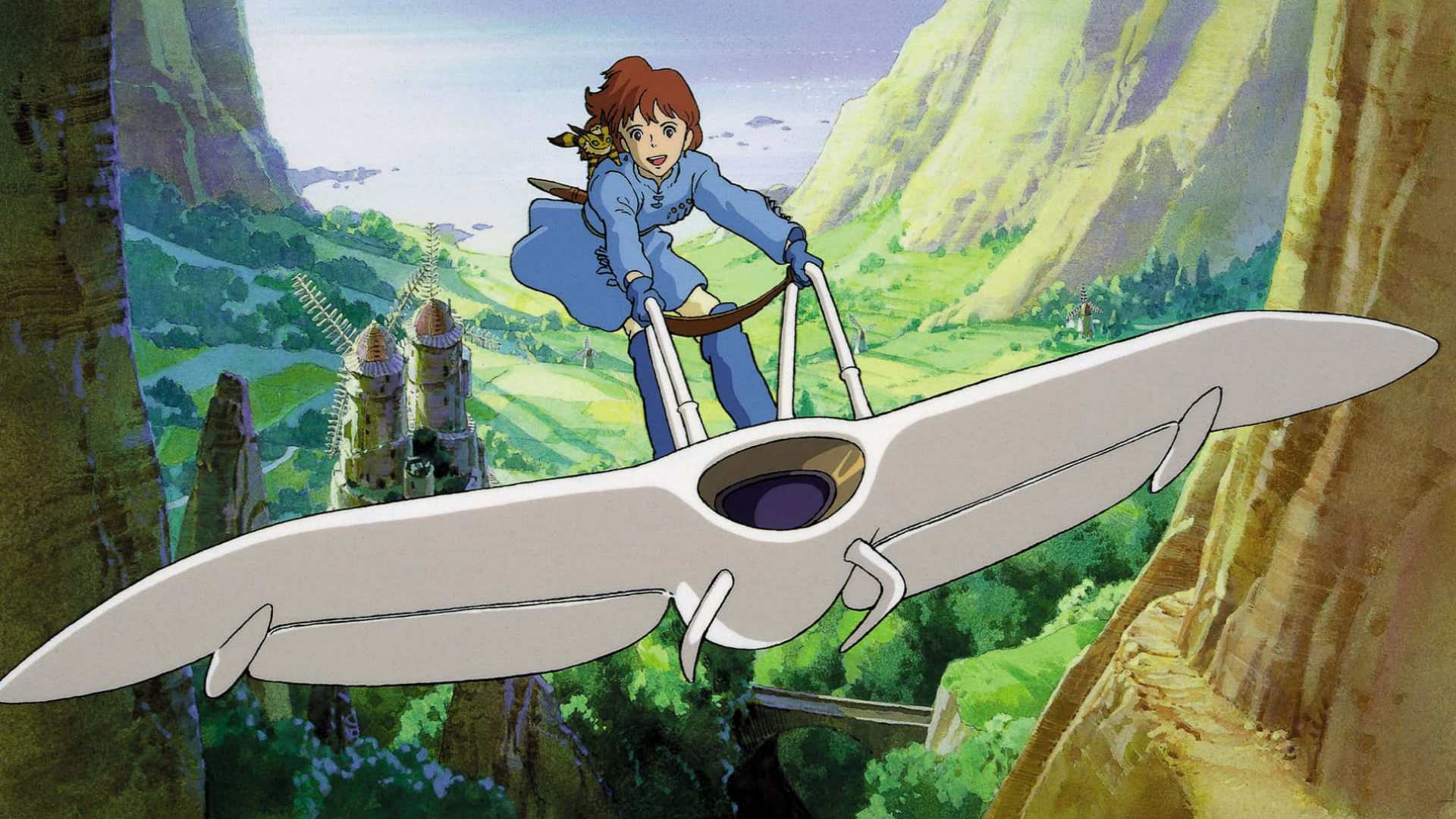
2. Nausicaä (Nausicaä of the Valley of the Wind, 1984)
Nausicaä is one of Ghibli's best-developed heroes. She has the qualities of being brave and also a patient leader who is full of understanding and empathy. Instead of wanting to conquer and dominate, she wants to discover a harmonious balance between humanity and the natural world. Nausicaä does not provide simple answers in depicting good and evil.
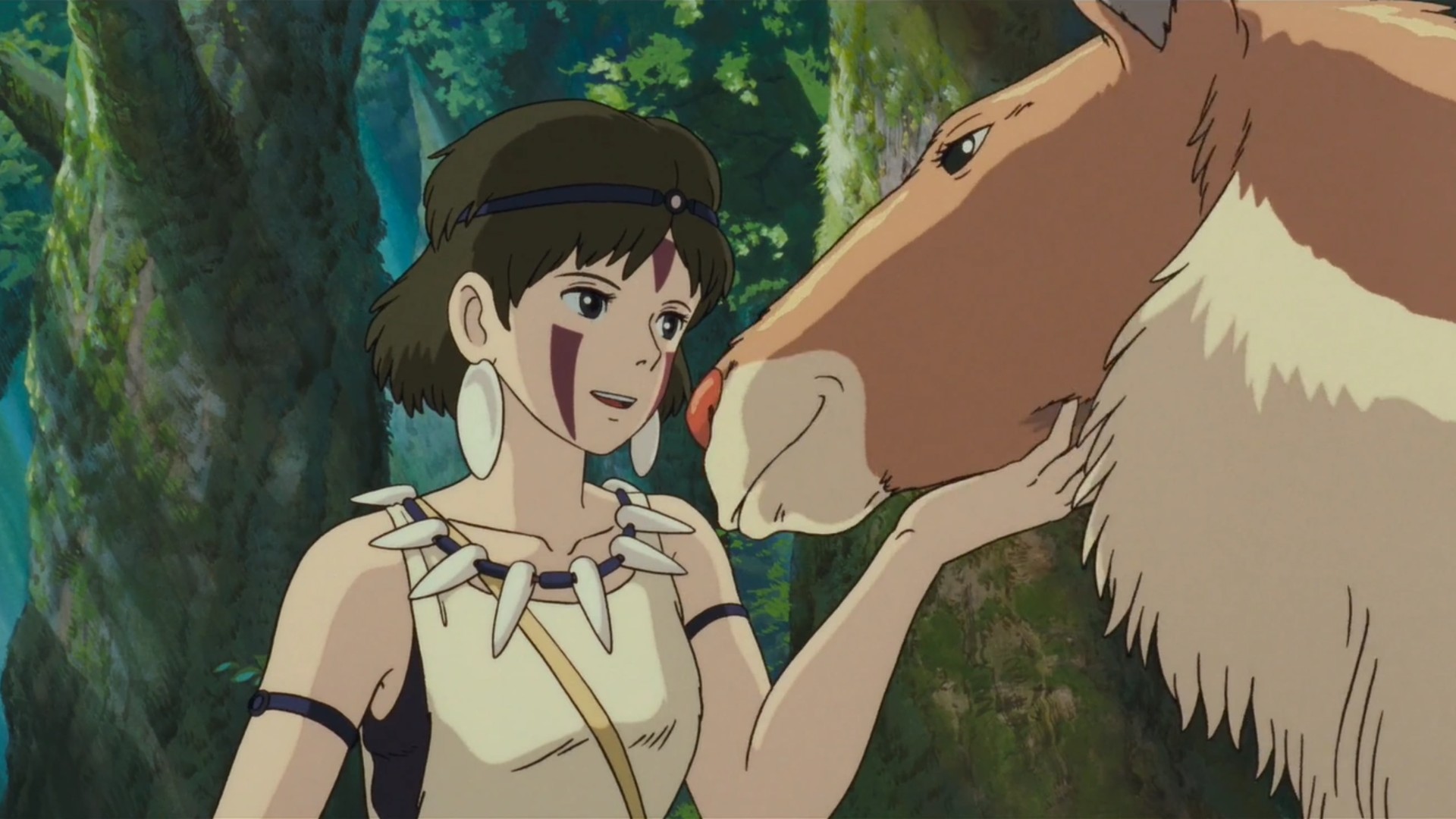
1. San (Princess Mononoke, 1997)
At the heart of the morally most complex Ghibli film, San represents the force of anger, loyalty, and survival rather than idealism. Unlike many other female heroes, she does not pursue peace at any price. It’s San’s inability to compromise her identity or her allegiance that gives her strength. San does not represent a bridge between worlds—she selects her side, and that’s the reason she’s unforgettable.