


In a genre-saturated landscape of cape fatigue and multiverse overload, Cashero pops up with a seductively simple premise that feels oddly current from the get-go: What if saving the world literally cost you all that you’re worth? Currently airing on Netflix from December 26th, this Korean superhero drama turns the mask of heroism from an absolute calling to an absolute bottom line—steadily sucking the life from our hero in the process. It’s a premise that feels eerily of the moment: one of precarity, debt, and the Bushnell-esque horror of checking one’s accounts.
This is embodied by “superhero” protagonist Kang Sang-ung, a mild-mannered employee of a local community center with no greater goals in life other than to have a house to call his own. This soon becomes a distant reality once he learns the hard way that his powers come directly from the cash in his pockets. There isn’t a punch or a rescue mission without a price attached. Heroes don’t just risk their lives. They go broke.
When power is a liability, not a gift
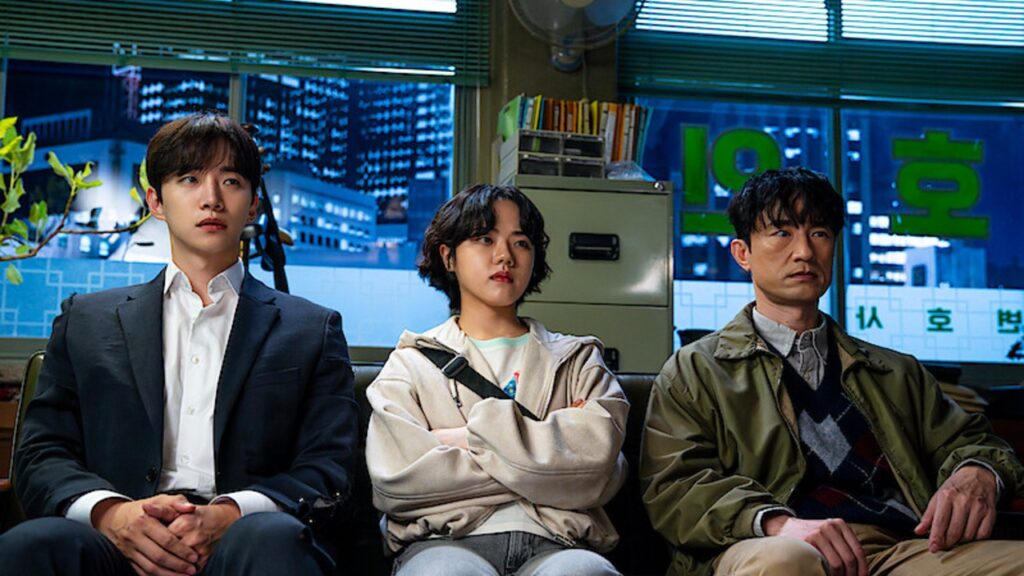
What’s distinctive about Cashero is the way in which the economic system is deliberately, ruthlessly weaponized. Sang-ung isn’t grappling with secret identities or the ethics of his missions; he’s grappling with his budget. His girlfriend, Kim Min-suk, played by Kim Hye-jun, who seems to have a personal interest in numbers, is as integral to his fight for life as his fists.
This theme is further developed with the addition of other people with powers that have similarly impossible, physical price tags. Attorney Byeon Ho-in (Kim Byong-chul) wields his powers through drinking, while Bang Eun-mi (Kim Hyang-gi) maintains her telekinesis via calories, which she gets from pastries and bread. All of this is done with comedic effect, but ultimately, it also drives home the overall message of the series, which is that there is always a price to be paid for power.
Visually and tonally, Cashero defies the bombast one expects of superhero fare. Rather, it focuses on character-driven consequences and a strongly Korean sensibility where societal structures—real estate, employment, finance—tower more than any given bad guy. The Criminal Association is not so much a cartoonishly bad mustache as it is a representation of institutional danger, hunting down superheroes in the same way that corporations or the state leverage and exploit workers. The acting is led by Lee Jun-ho’s solid work as Sang-ung, who is more tired everyman than heroic savior, only gradually coming to terms with the idea that being right might just break him. This is what gives Cashero its bite; it’s no longer a question of whether or not the world is worthy of salvation—instead, Cashero seeks to explore who is paying the cost.


