10 Deeply Misunderstood Gravity Falls Characters
10. Toby Determined
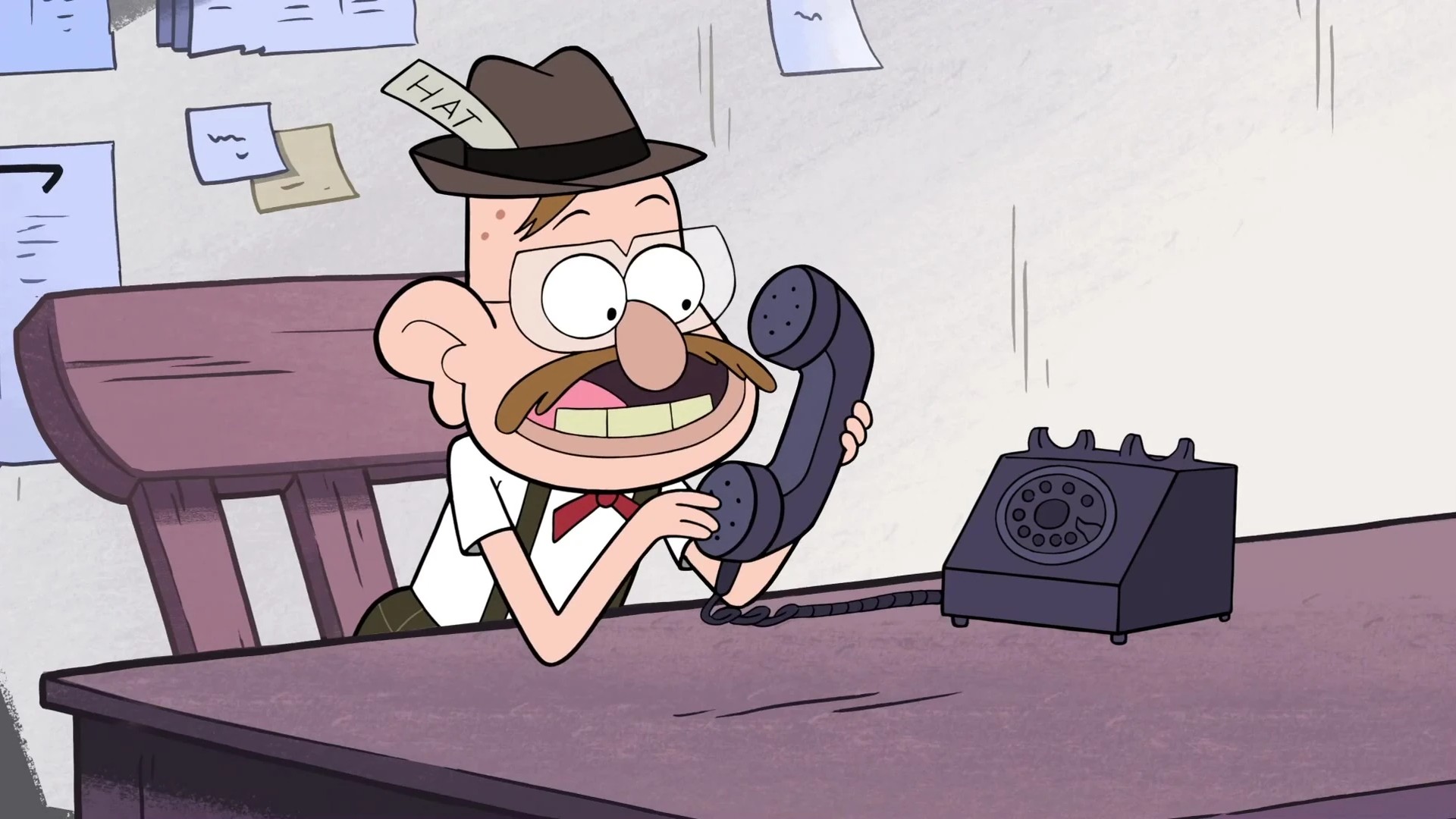
Toby is the symbol of unattained ambition and loneliness. He is devoid of recognition in the field of reporting. Lack of confidence is the identity of the first appearances he makes. Disappointments are covered up with comedy, which is not the result of incompetence. Reinvention is the temporary escape he finds. He learns to grow with acceptance, not fame.
9. Old Man McGucket
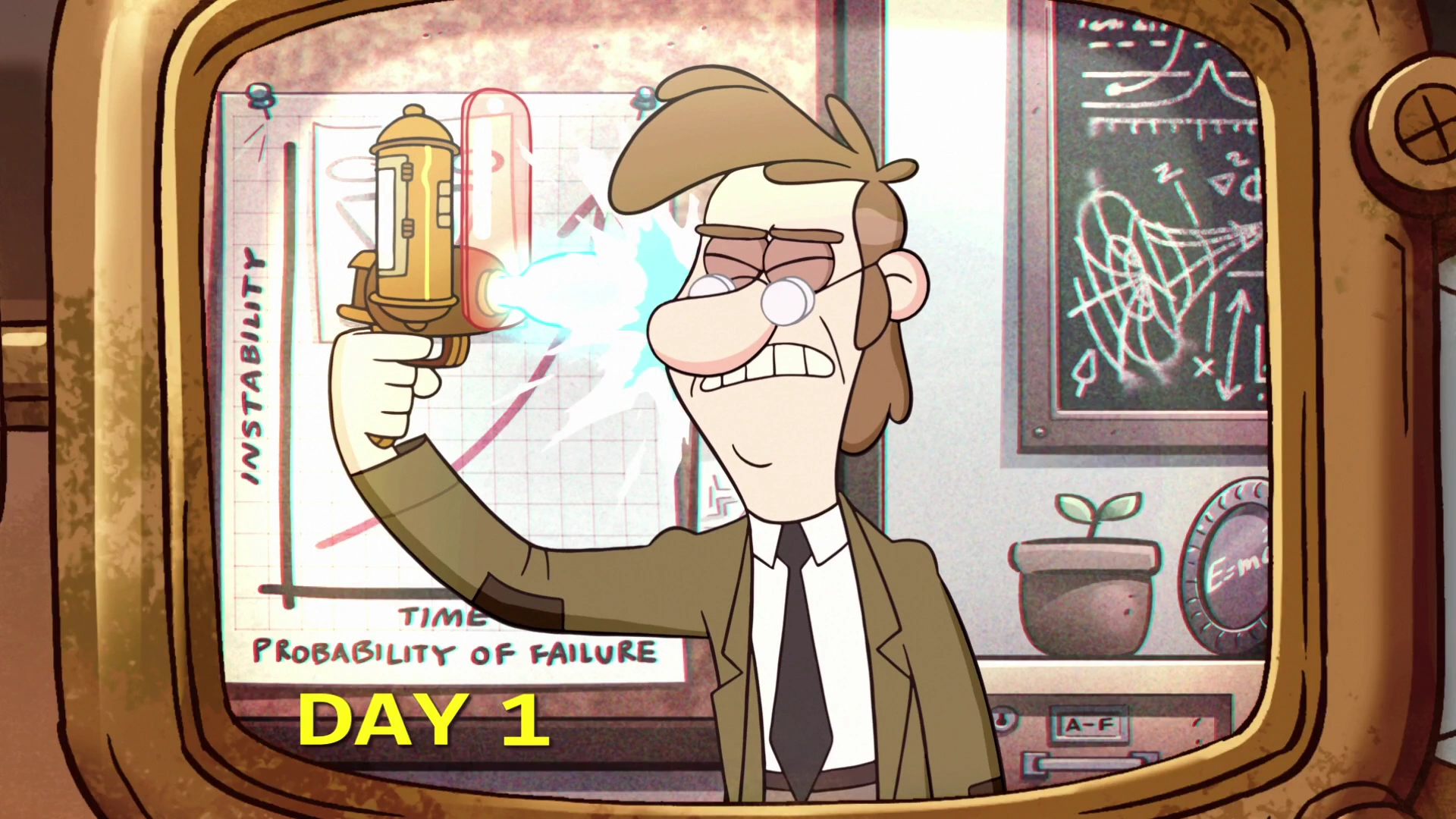
McGucket is portrayed as the weird town stranger. His past indicates his intelligence. Hurt from exposure causes memory loss. Memory Gun became his coping tool, and recovery indicates his resilience. Relationship dynamics contribute to complexity. The character probes consequences but with impermanence.
8. Soos Ramirez
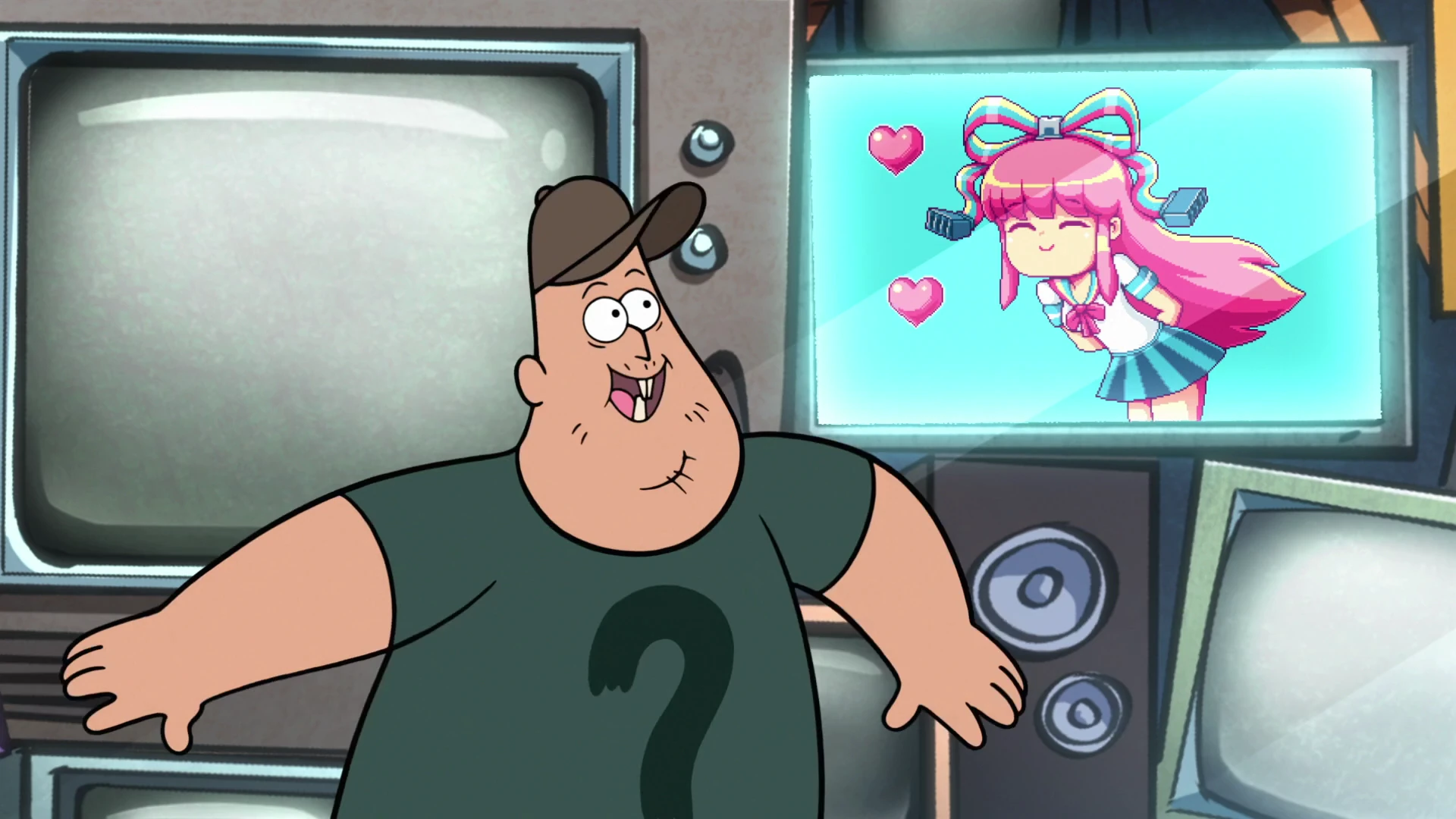
Soos is frequently relegated to comic relief character roles. However, Soos' emotional intelligence affirms otherwise regarding his role as comic relief. He is better at understanding people than he is at understanding what is happening in any situation he is in. Loyalty is the guiding factor in all of Soos's choices in making decisions. Soos takes responsibility seriously if it is required of him.
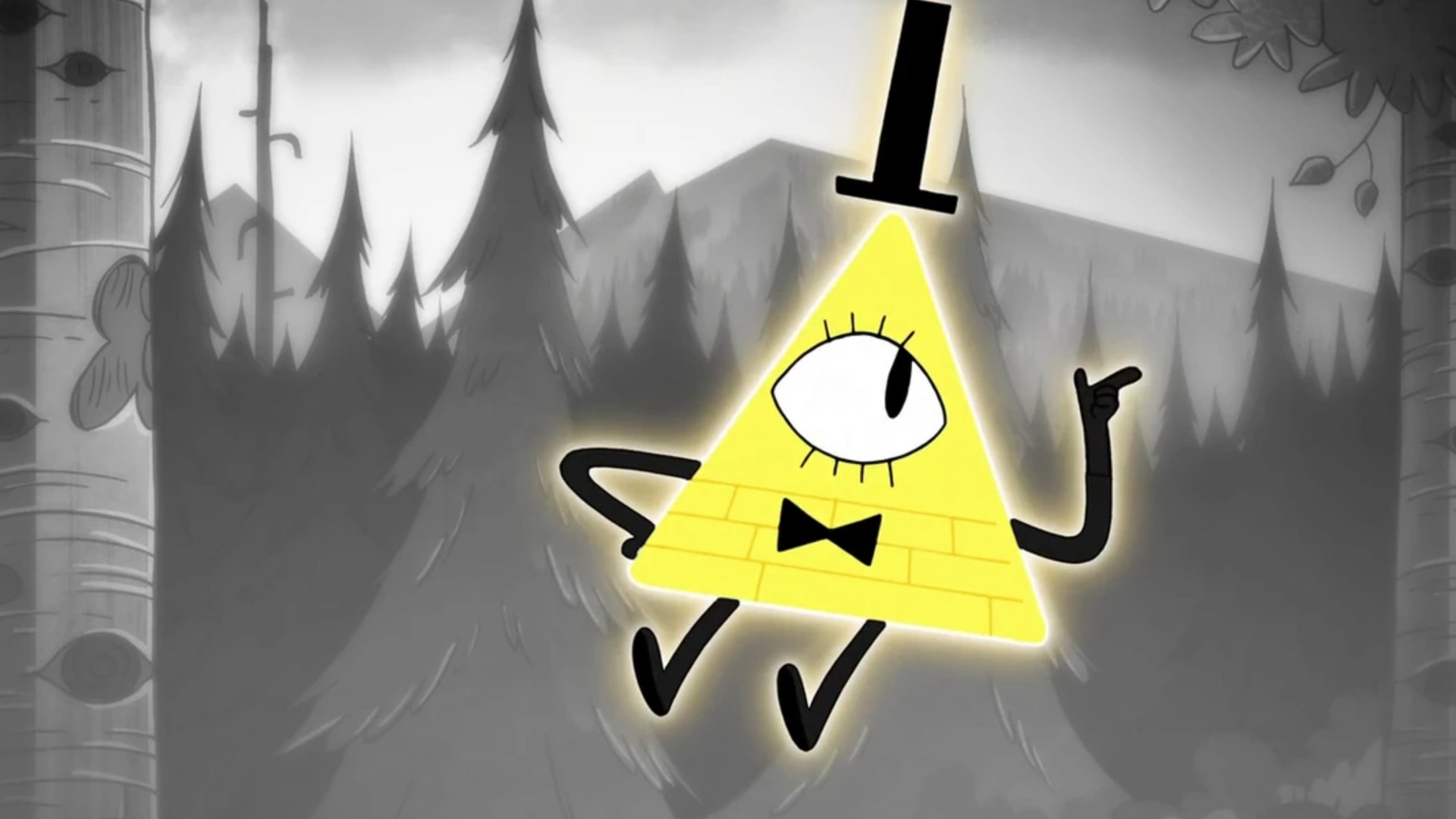
7. Bill Cipher
Bill comes across as a destructive force without control. There’s been an interpretation of Bill’s isolation and nihilism. Bill disbelieves physical reality. Bill’s manipulation is dependent on vulnerability. Control is a substitute for connection. There’s no explanation of Bill’s behavior. There’s complexity without absolution.
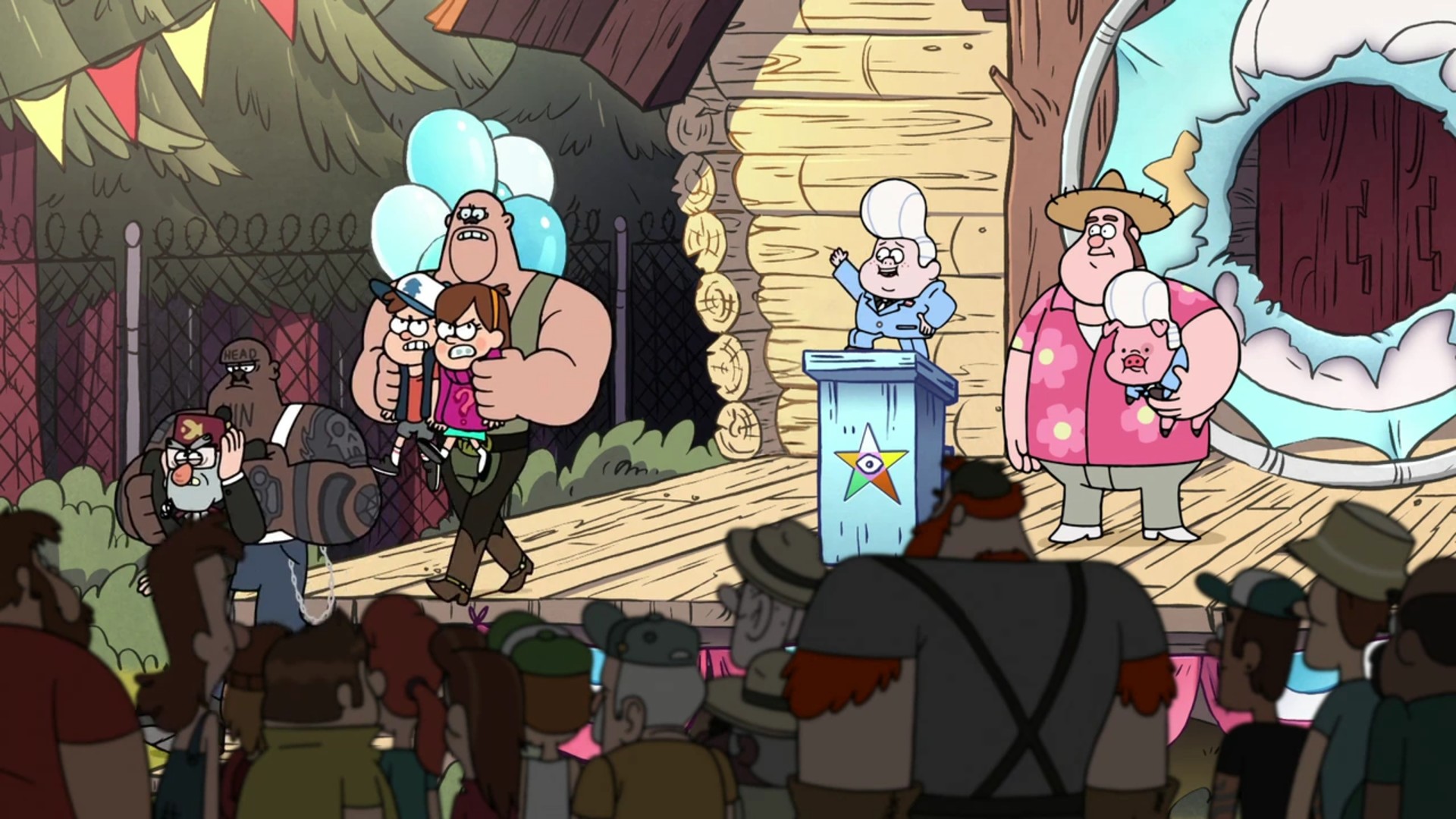
6. Gideon Gleeful
Gideon’s motives in his actions are manipulative and controlling. Gideon’s actions echo those of parent/child abuse. Instead, power is a substitute for love. His need to control is a function of insecurity. During the events of Weirdmageddon, he chooses to work together rather than to dominate. Gideon’s potential for redemption is small but deliberate.
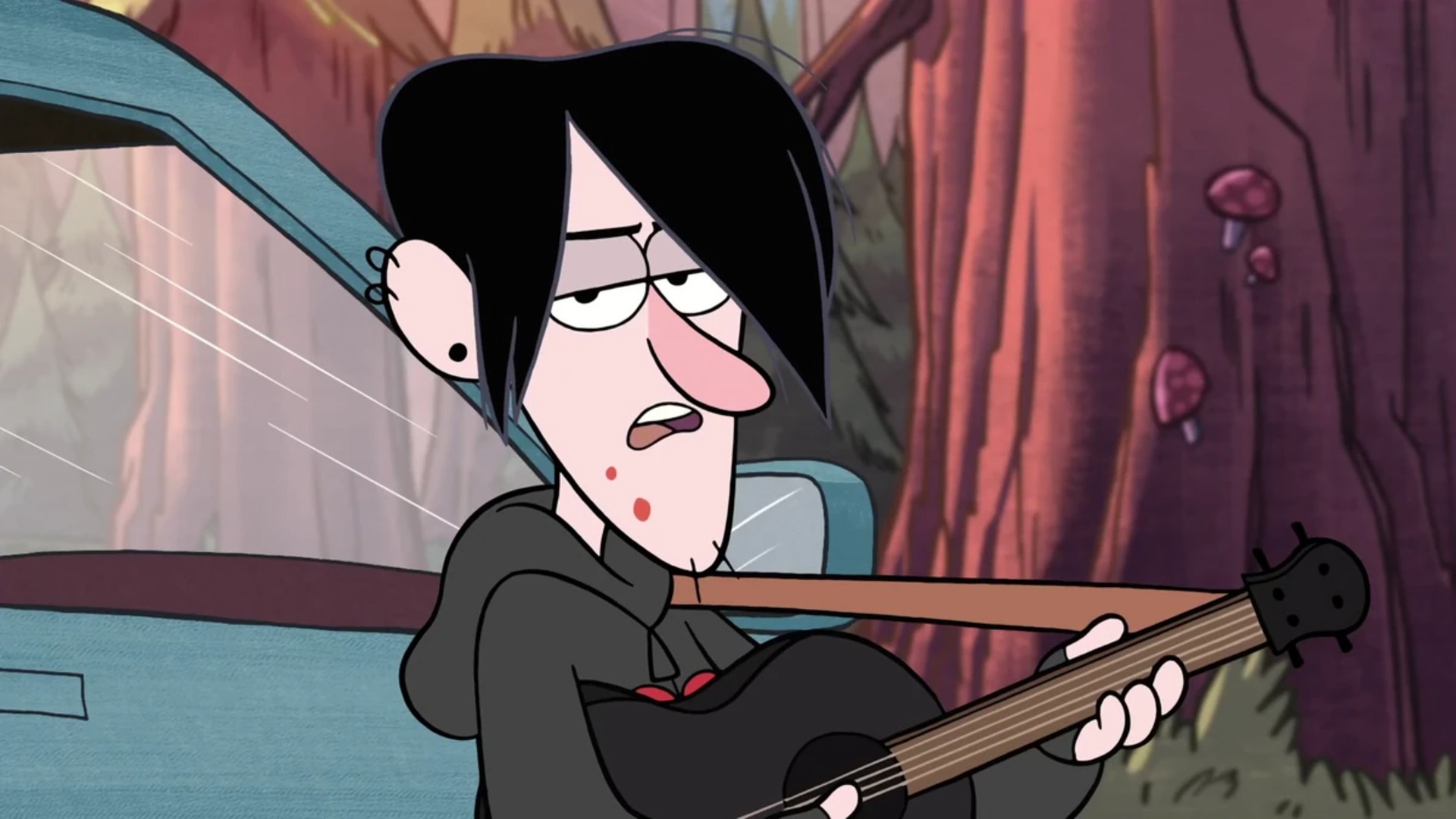
5. Robbie Valentino
Robbie has a character definition of an antagonist through social conflict, not threat. His actions and feelings show his insecurity and jealousy. There is no emotional maturity; instead, there is a lack of intent to do harm. There is no development of supposed supernatural qualities. This character is portrayed as a flawed young person. The awkwardness arises from reality and not from the character of the antagonist.
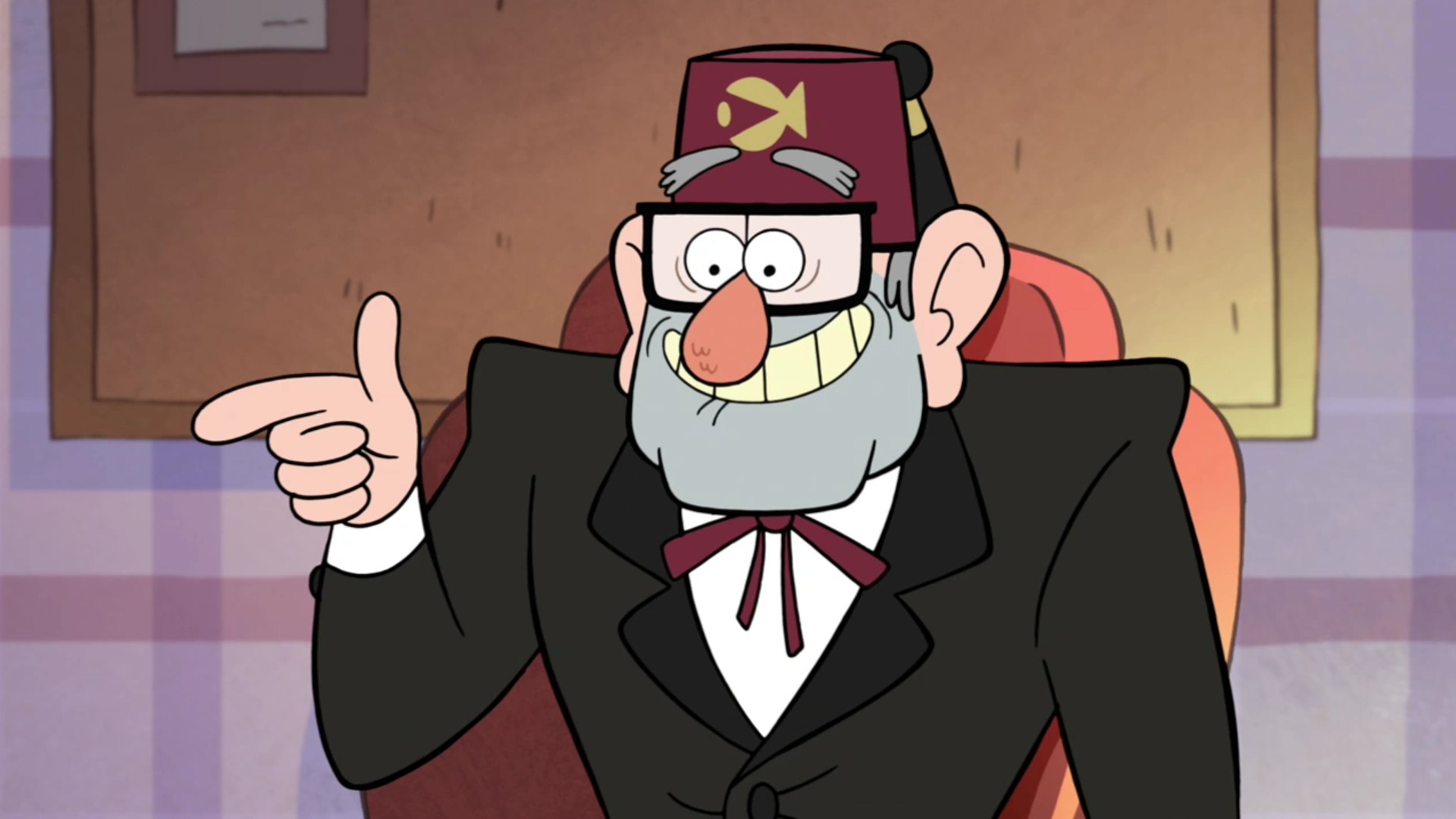
4. Stanley “Grunkle Stan”
The façade of Stan’s characterization is all about trickery and profit. This characterization conceals years of sacrifices. He has sacrificed his whole life to save Ford. Every trick for profit is for survival. Emotional control hides loyalty. The wiping of memories proves selfless for others. This character’s journey repurposed selfishness for self-protection.
3. Stanford ‘Ford’ Pines
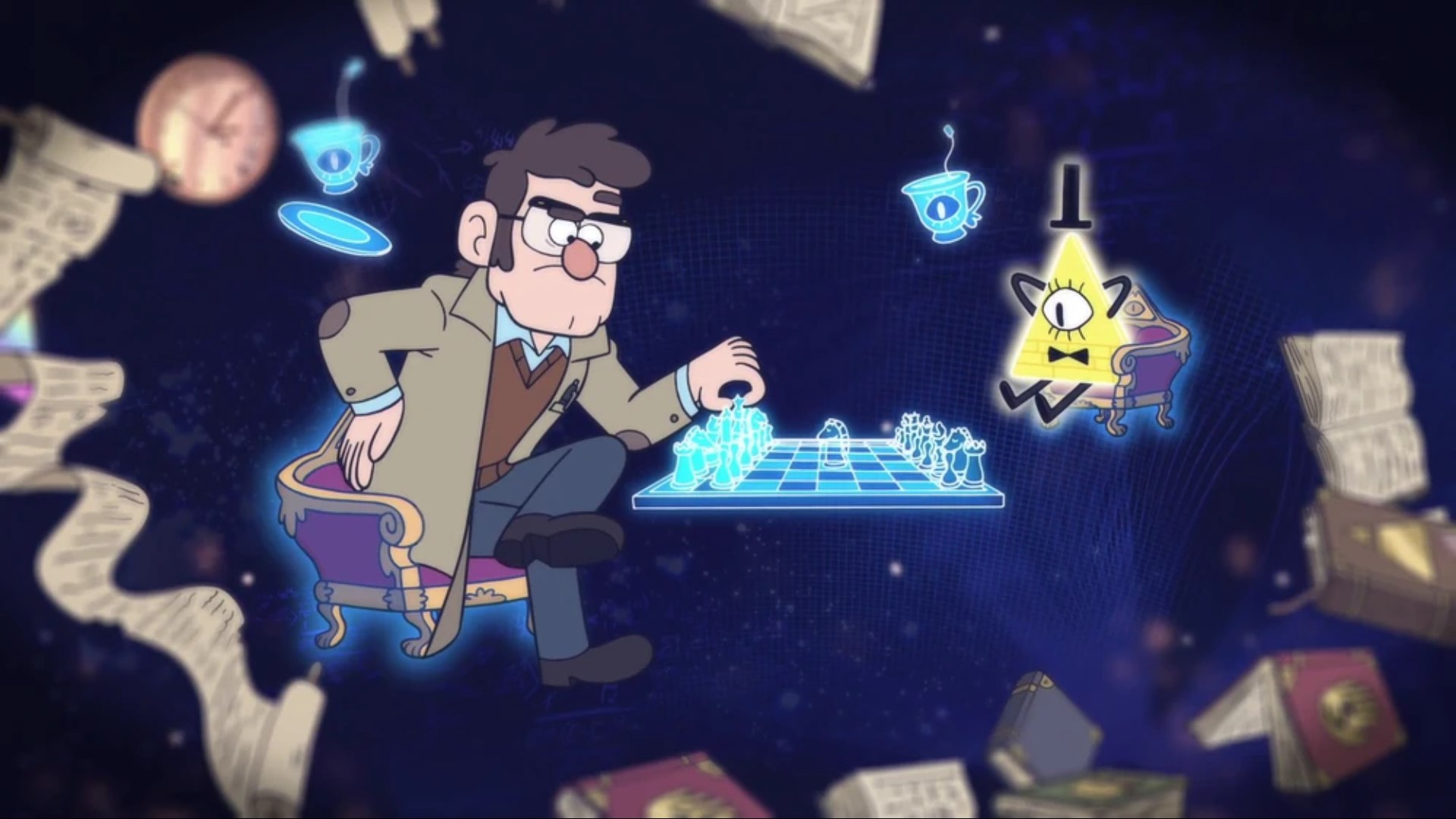
Ford is often blamed for the splitting of the family and for Weirdmageddon. He has a need for knowledge and validation that has far-reaching effects. Meanwhile, he has lived a life of isolation for decades while battling Bill Cipher across different dimensions. Guilt and paranoia drive his choices. He has problems with trust and teamwork. Ego and self-blame coexist within this character.
2. Mabel Pines
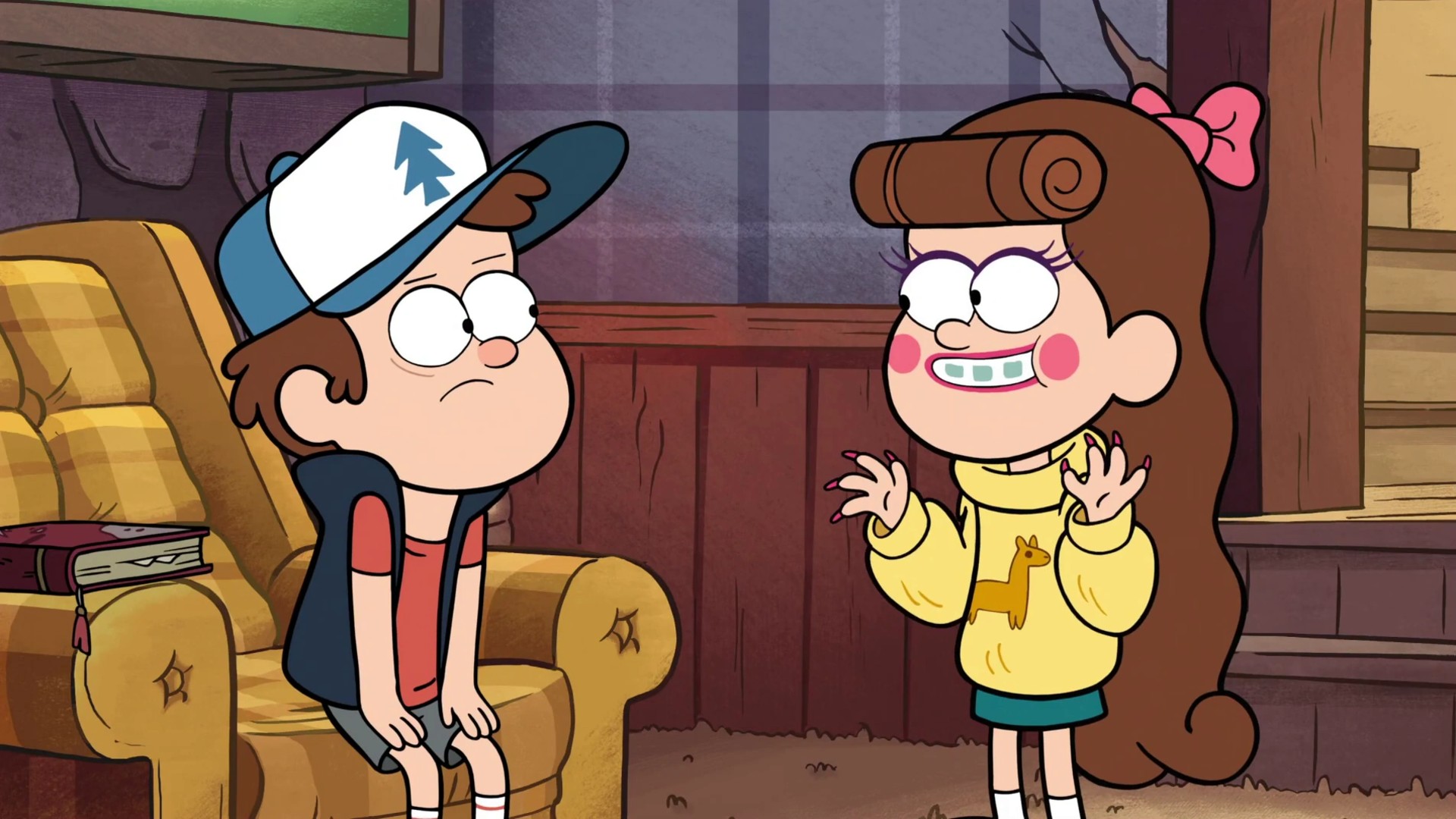
Mabel is also known for making impulsive choices. The series reveals that Mabel always behaves like a child who is afraid of growing up. She is positive, while Dipper is always planning as he is driven by anxiety. The character is seen as childish, while her flaws are depicted as suitable for her age. She is not selfish; she is insecure.
1. Pacifica Northwest
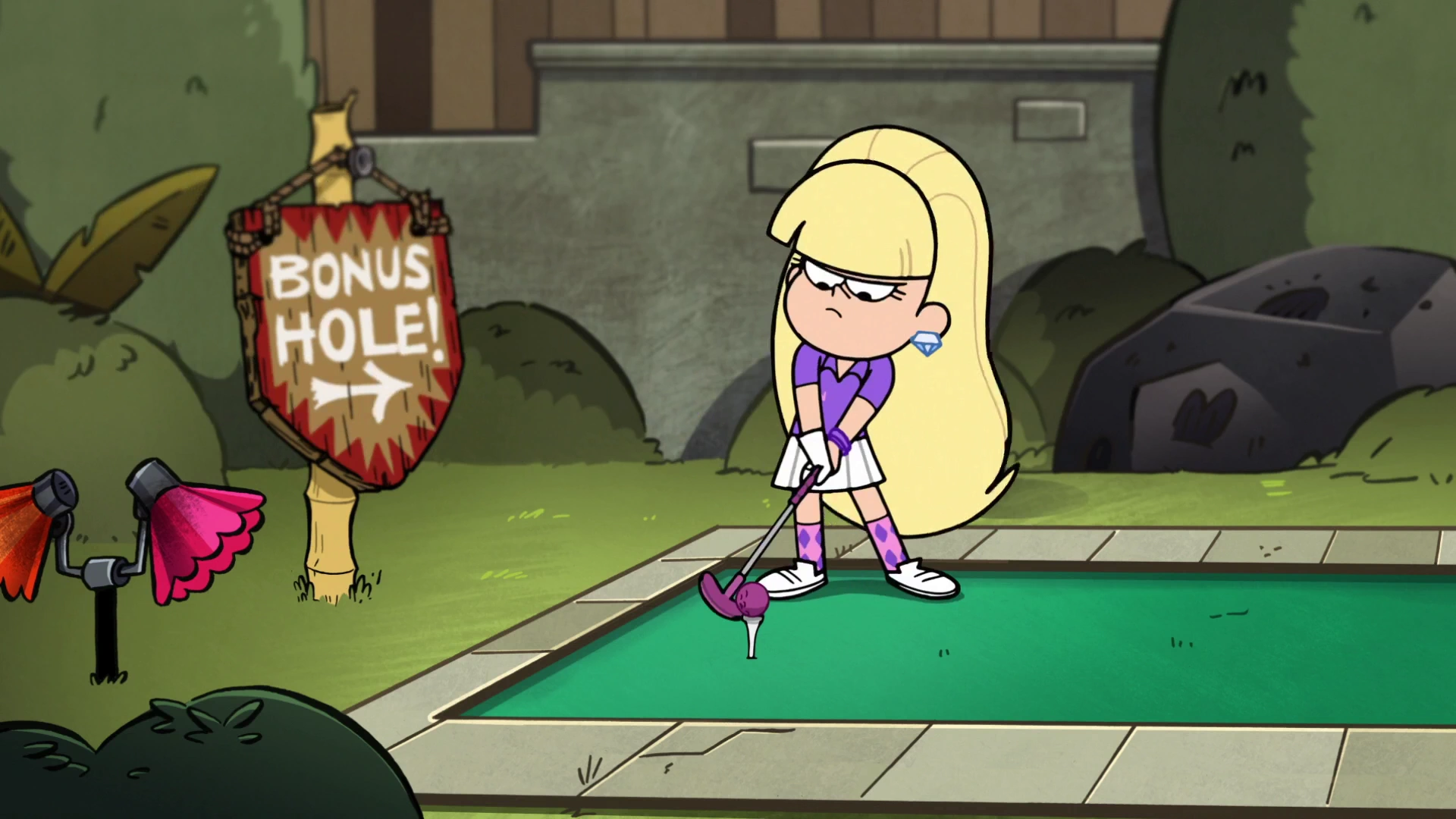
Pacifica is first realized as a privileged antagonist who is defined by her status and sense of entitlement. Later episodes develop that her actions are driven by her emotional neglect and strict conditioning by her parents, who equate love and acceptance with compliance, not affection. Her fear of challenging the authority of her family is why Pacifica is so aggressive in the early episodes. However, in “Northwest Mansion Mystery,” Pacifica deliberately ignores her conditioning. Defying her family heritage is a turning point in her development.