10 Deep Philosophical Films Everyone Should Watch

10. Woman in the Dunes (1964, Hiroshi Teshigahara)
In this movie, survival is a kind of existential trap. A man is held in a sand pit where mere hard work is his sole purpose. Time itself ceases as a reality as mere routine replaces any kind of struggle. The man and the woman have a relationship that veers between cruelty and dependence. "Woman in the Dunes" is a movie that sustains itself on the question of whether freedom is a space or a mindset.
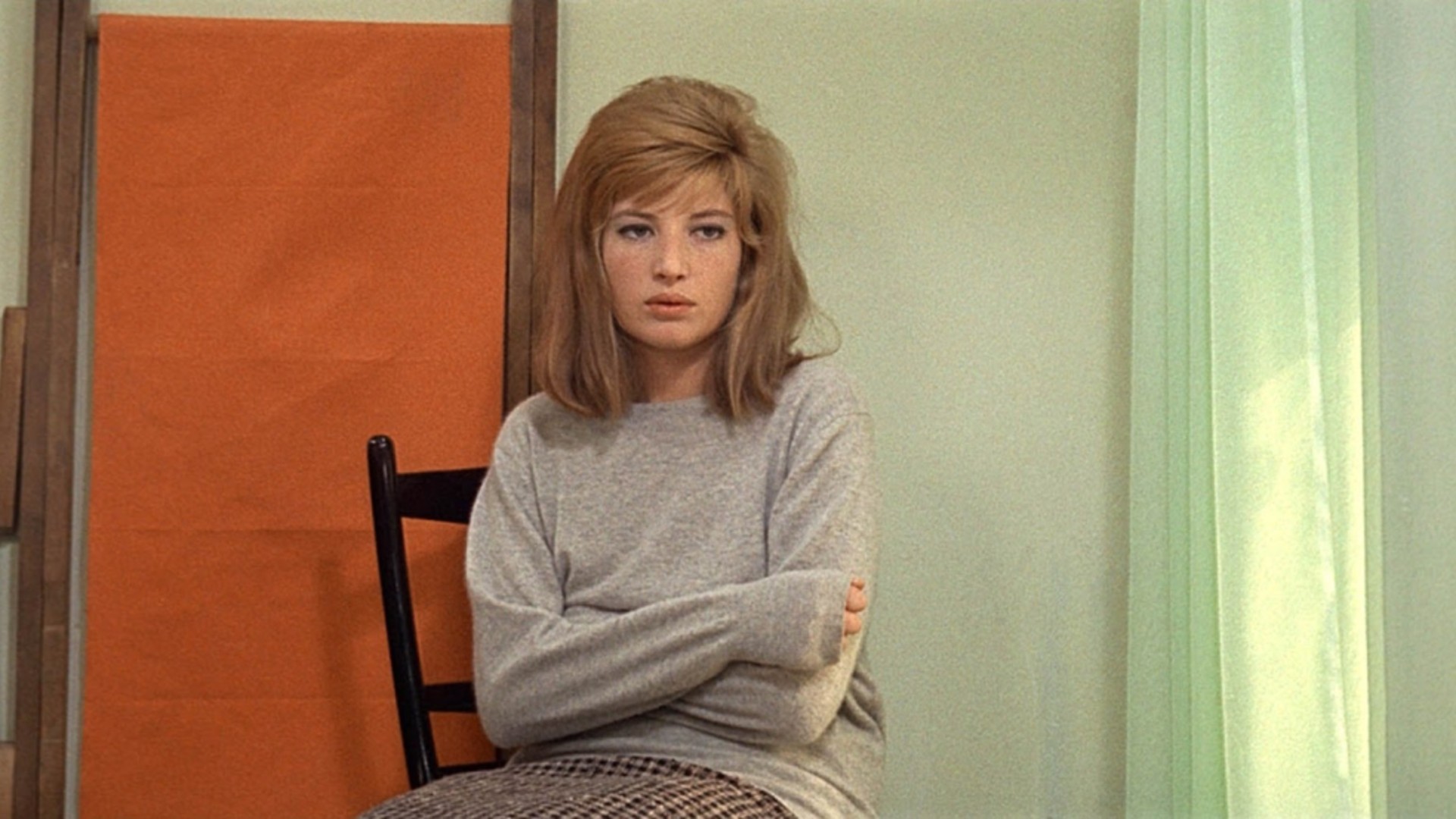
9. Red Desert (1964, Michelangelo Antonioni)
Antonioni paints this alienation directly onto the land. Industrial areas are toxified, sanitized, and soullessly dull. The anxiety of Giuliana seems to be one with the environment, as if the modern world is sickening her. Color becomes psychological. The film lingers because it captures this sickness of the modern age—being lost in a world designed for function, but not for human beings.
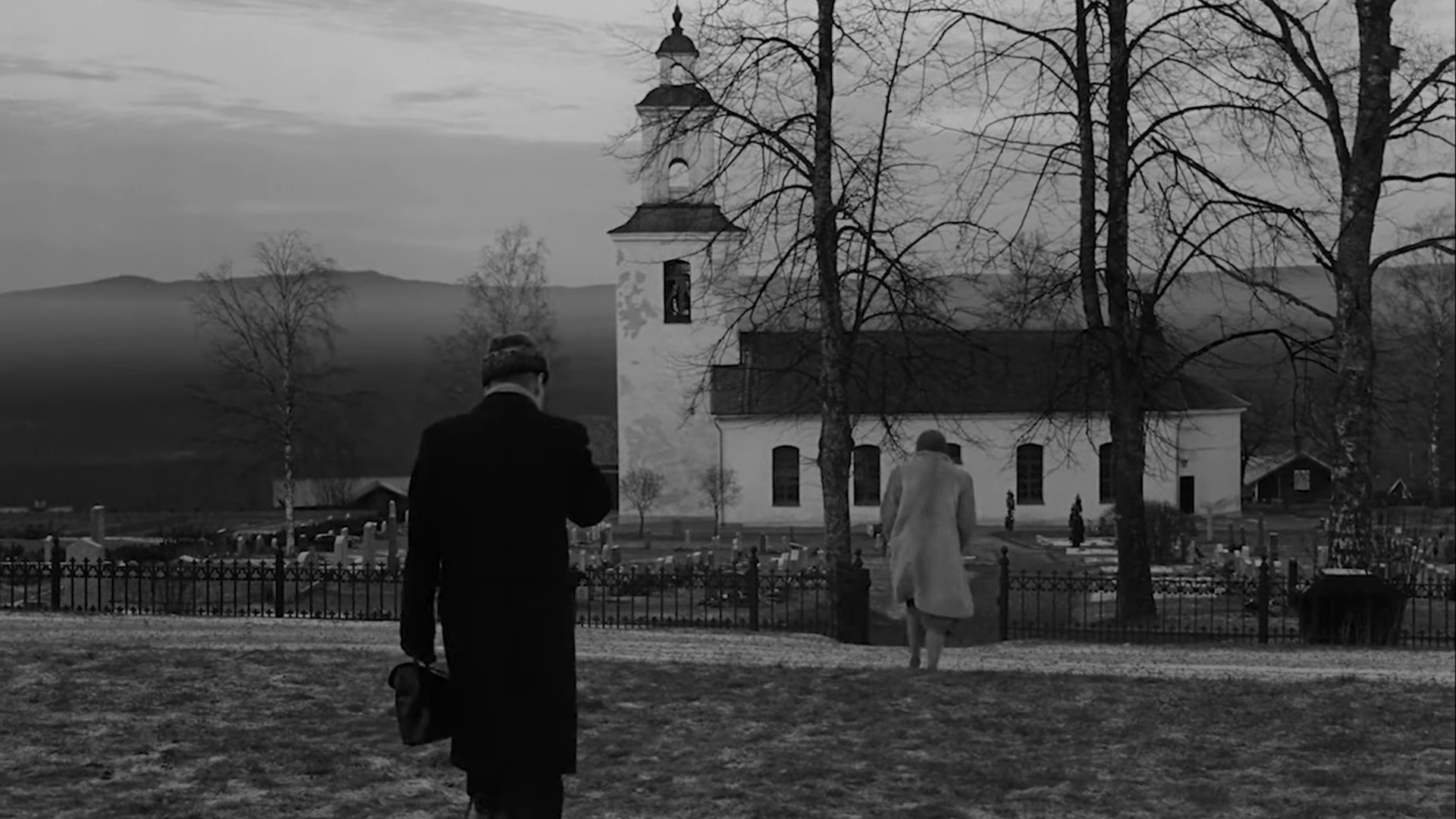
8. Winter Light (1963, Ingmar Bergman)
This movie is Bergman at his most harsh. There are no answers to faith, there is no solace in prayer, there is merely the cold, unyielding silence of God. The pastor's crisis of spirituality parallels his cruel disregard for those about him. This sparse, clinical imagery suggests a world that has been made sterile. Winter Light does not require us to believe. It interrogates the possibility of belief.
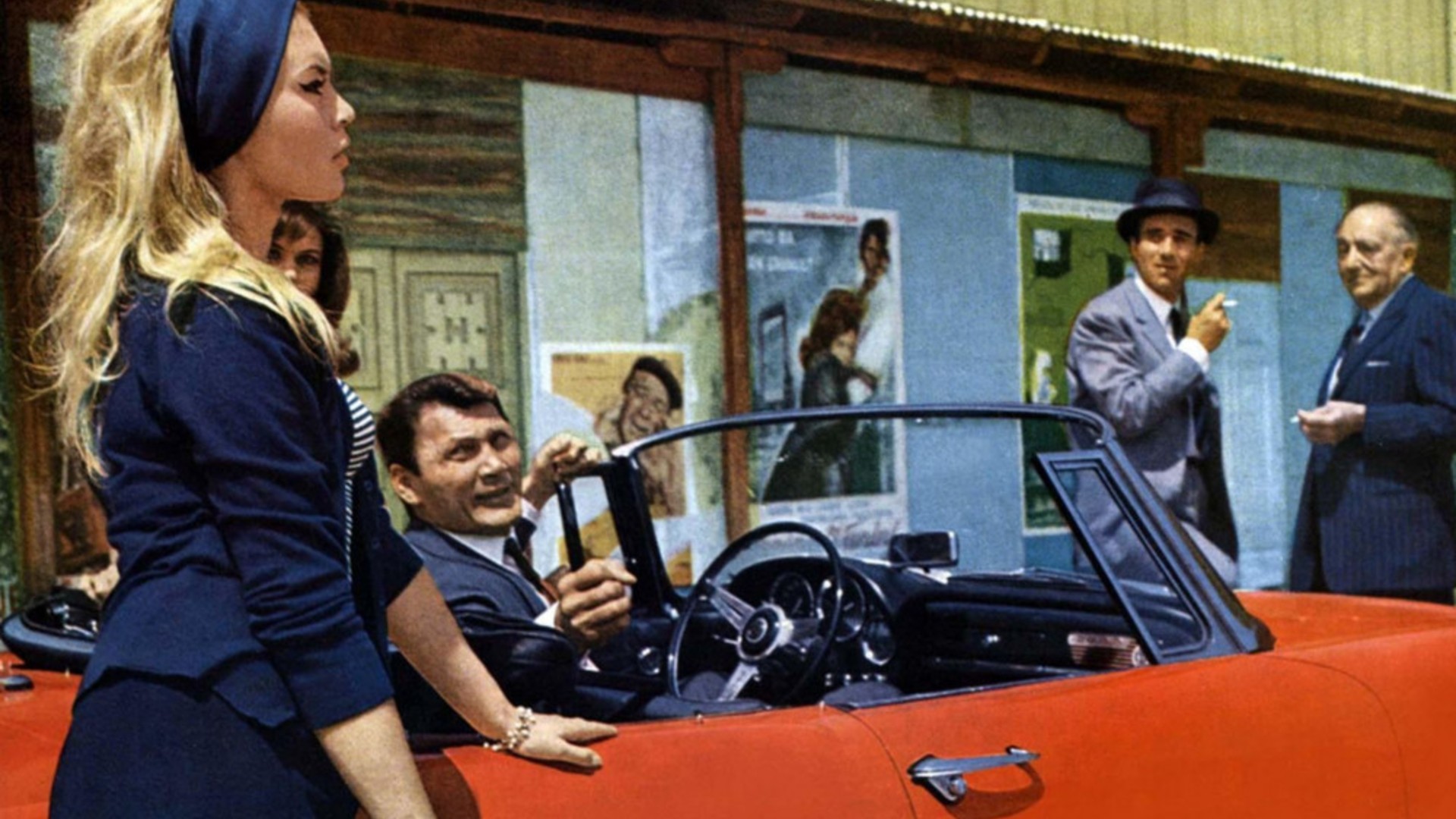
7. Contempt (1963, Jean-Luc Godard)
Godard uses the disintegrating marriage as an allegory for the failure of communication. "The words become worthless, the gestures take the place of truth, love disappears through misunderstanding instead of betrayal." Colours contrast with emotional blankness. Cinema, commerce, and love become exchanges. "Contempt is painful because it indicates how love disappears, not through hate but through distance."
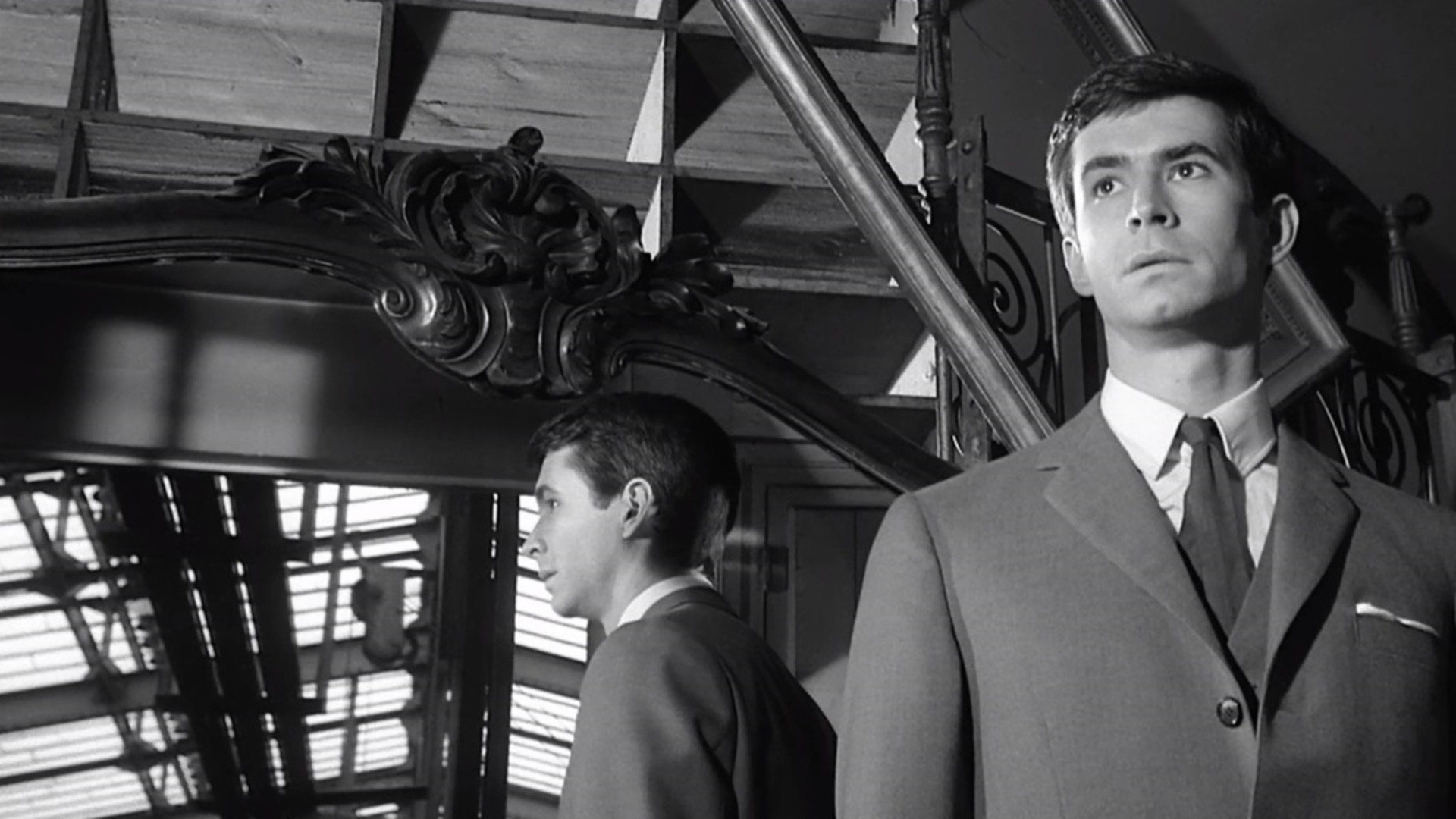
6. The Trial (1962, Orson Welles)
Kafka’s nightmare is a labyrinth of authority and terror, the film’s nightmare by Welles is a maze without end. Joseph K. suffers the punishment without the crime being made known to him. The twisted spaces on film correspond perfectly with the psychologically oppressive core. Justice is displayed as more theatrical and impossible than anything else. The terror derives from the familiarity involved.
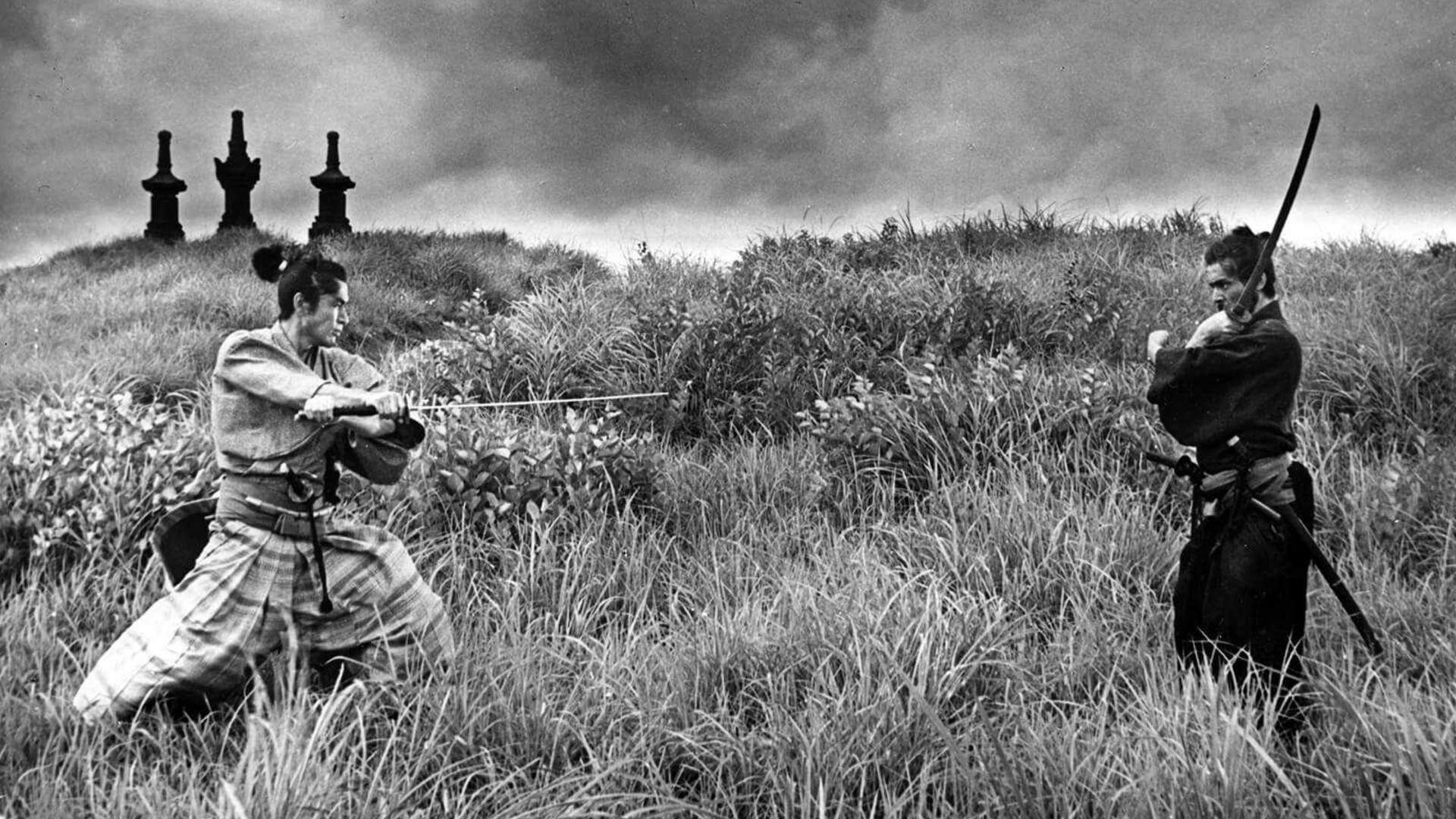
5. Harakiri (1962, Masaki Kobayashi)
Harakiri tears apart the illusion of honor with unerring aim. The ritual suicide is solicited, then constitutes a condemnation for the stiff, unfeeling structure. The pace of the film has the effect of making its impact all the more painful. Towards the end, one is left to conclude that honor is anything but that, and the most damaging weapon available to the illusory notion is the one labeled “silence.”

4. The Exterminating Angel (1962, Luis Buñuel)
“In this nightmarish world, well-bred behavior disintegrates for no apparent reason at all.” Guests are trapped in a room, not because they are locked in or guarded, but because of intangible psychological locks. With time, good behavior breaks down into despair and brutality. Buñuel implies that civilization is a thin veneer, easy to remove. “The film stays with us because it never explains the snare, only the victims.”
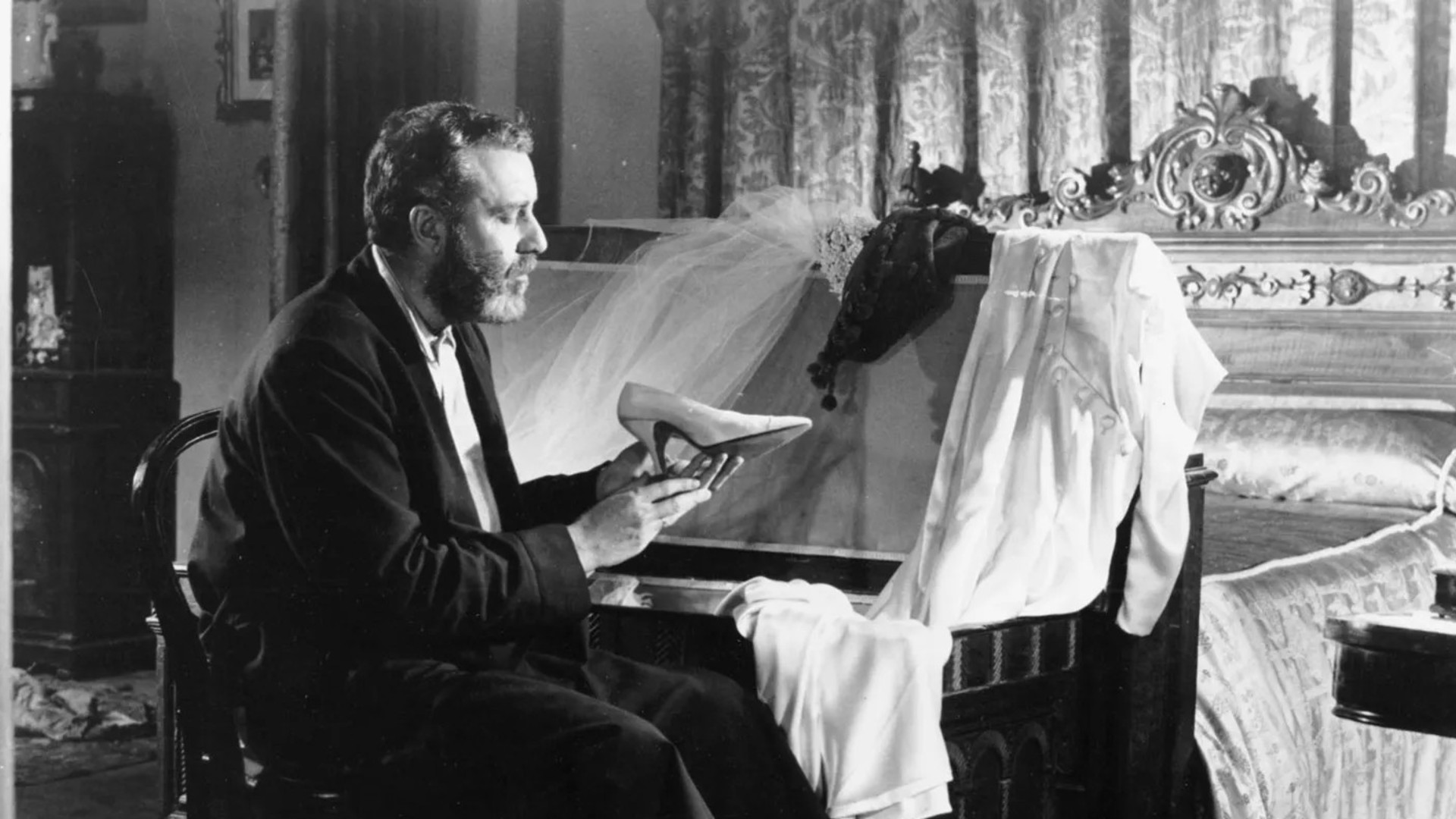
3. Viridiana (1961, Luis Buñuel)
Buñuel’s Viridiana begins as a gesture of kindness, and how, step by step, the cruelty concealed behind good intentions. Viridiana is a believer in the redemptive power of charity, but her ideal is dashed by selfishness. The famous dinner scene is where religious iconography is transformed into scathing parody. Buñuel is not satirizing religion so much as he is denouncing hypocrisy."
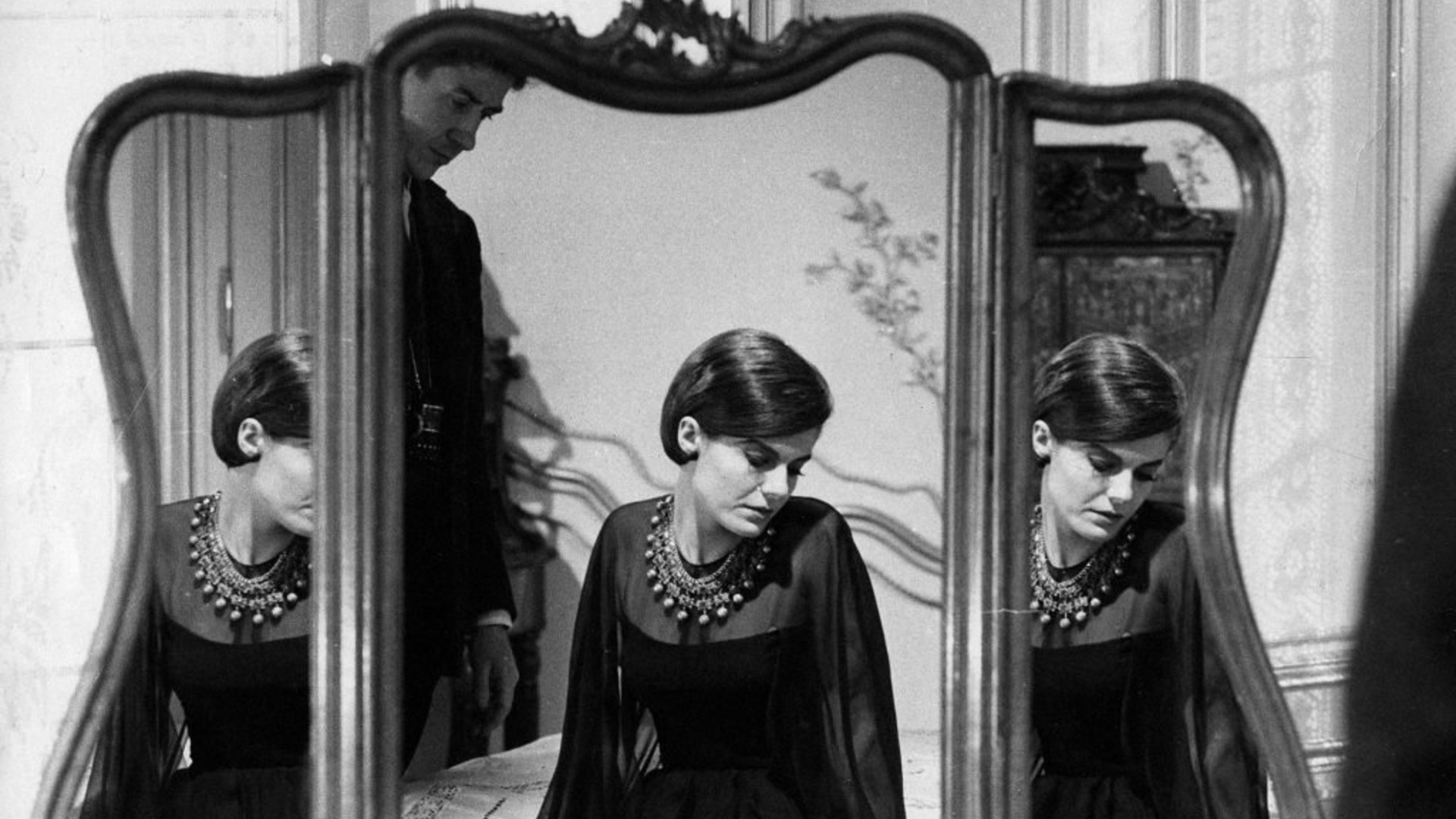
2. Last Year at Marienbad (1961, Alain Resnais)
It is a movie that seems like a memory you could never be certain actually took place. Temporal cycles, dialogue duplication, and characters wandering through intricately decorated corridors as if lost between states of sleep and wakefulness all conspire to make you question the power of love, guilt, or obsession in forming what you are seeing. Resnais creates a world of uncertain storytelling, one in which you are led to question what you are seeing. It’s a function of how beautiful the visuals are that there’s nothing there emotionally. "Marienbad" remains great because it’s a movie that never provides answers but lives in that world of ambiguity.

1. Through a Glass Darkly (1961, Ingmar Bergman)
With “Through a Glass Darkly,” Bergman takes isolation and manifests it into something almost tangible. In this film, we find ourselves imprisoned within Karin’s shattered psyche, with God, love, and reality splintering into nightmarish realms of visions. God, far from being a comforting presence, is something distant and perhaps malevolent, or merely a terrifying absence. Indeed, too close a familial environment only adds to this sense of dread, as even love, far from being therapeutic, is suffocating. The prevailing terror is that a complete understanding of a human being may be unattainable.